7 Smart Lessons from a Basement Bathroom Remodel You Can Actually Use
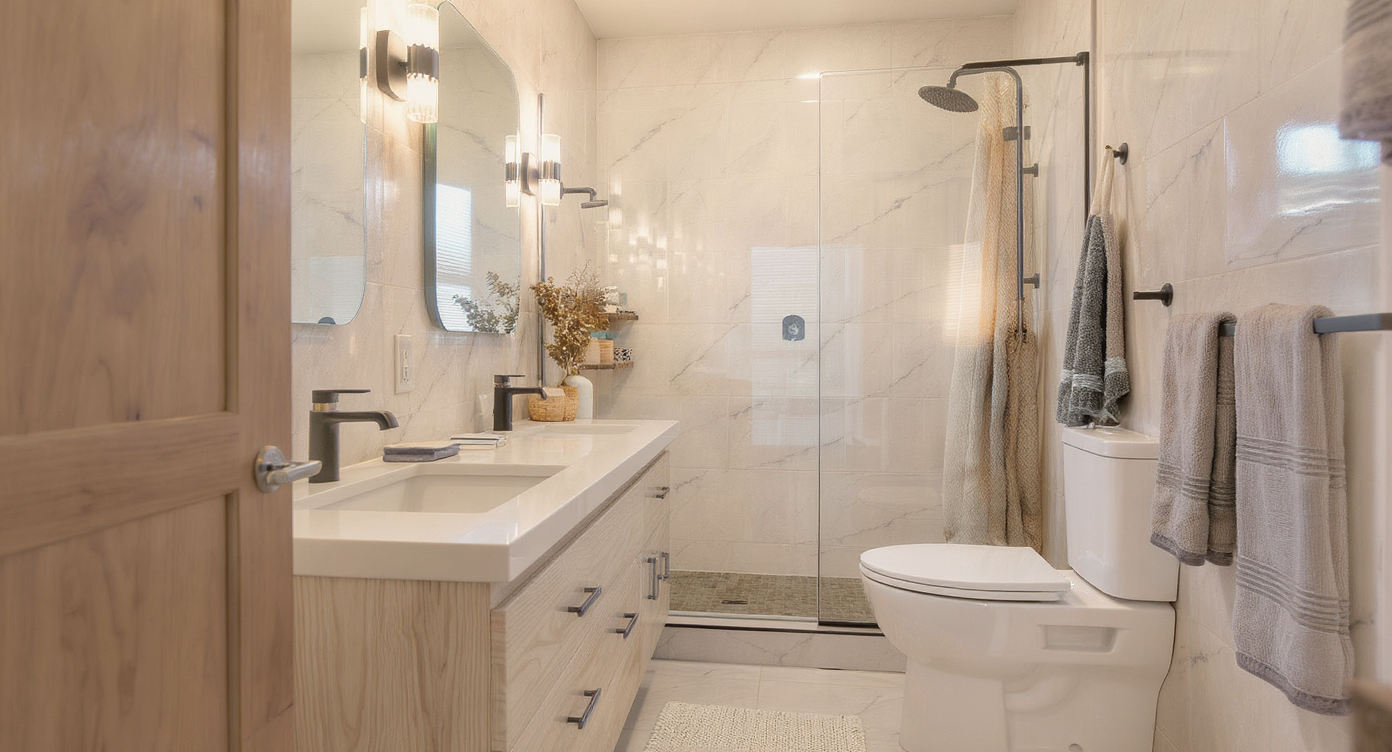
TL;DR
A successful basement bathroom remodel is about strategic choices, sustainable materials, and embracing imperfections. This list breaks down hands-on techniques and practical lessons, showing how to save money, solve design challenges, and create a compact yet inviting space—even if you are not a pro. Every point comes from the real experience of turning a neglected basement bath into a functional, comfortable retreat.
Why Basement Bathroom Makeovers Are Worth Tackling
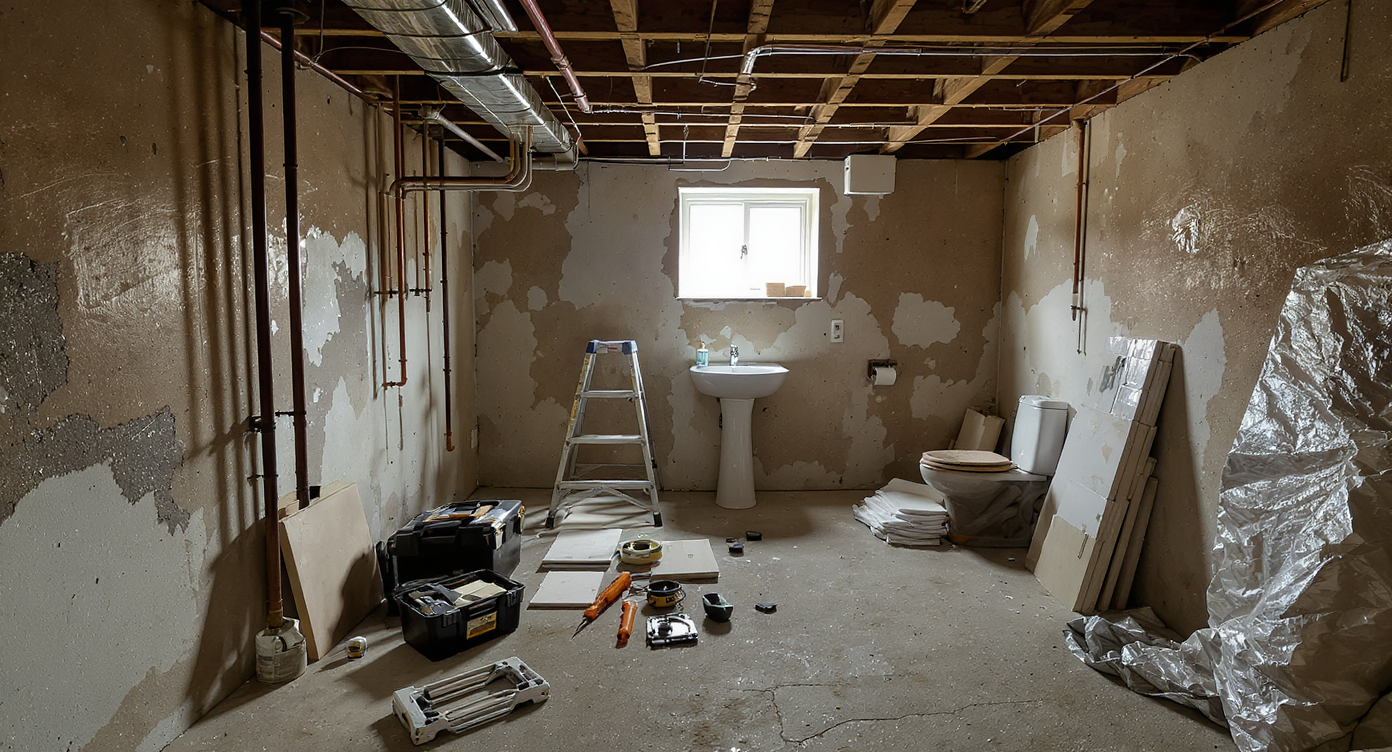
A real basement bathroom in renovation, highlighting construction tools, exposed pipes, and new materials—showcasing the remodel’s early challenges.
Undertaking a basement bathroom remodel can feel daunting given the typical challenges: poor lighting, water damage, awkward layouts, and budget pressures. Yet, transforming this neglected space can dramatically enhance your home’s usability and even increase its value. For homeowners facing limited square footage or structural headaches, the basement bathroom becomes a learning ground for tackling affordable design projects that deliver practical benefits. This article explores hands-on tips and lessons learned from a complete basement bathroom overhaul. Covering everything from material sourcing to design tradeoffs, it’s tailored for anyone managing remodel projects with real-world constraints—especially those seeking to make compact and luxury bathrooms more livable, efficient, and appealing.
-
1. Strip It All Back—And Insulate for Comfort
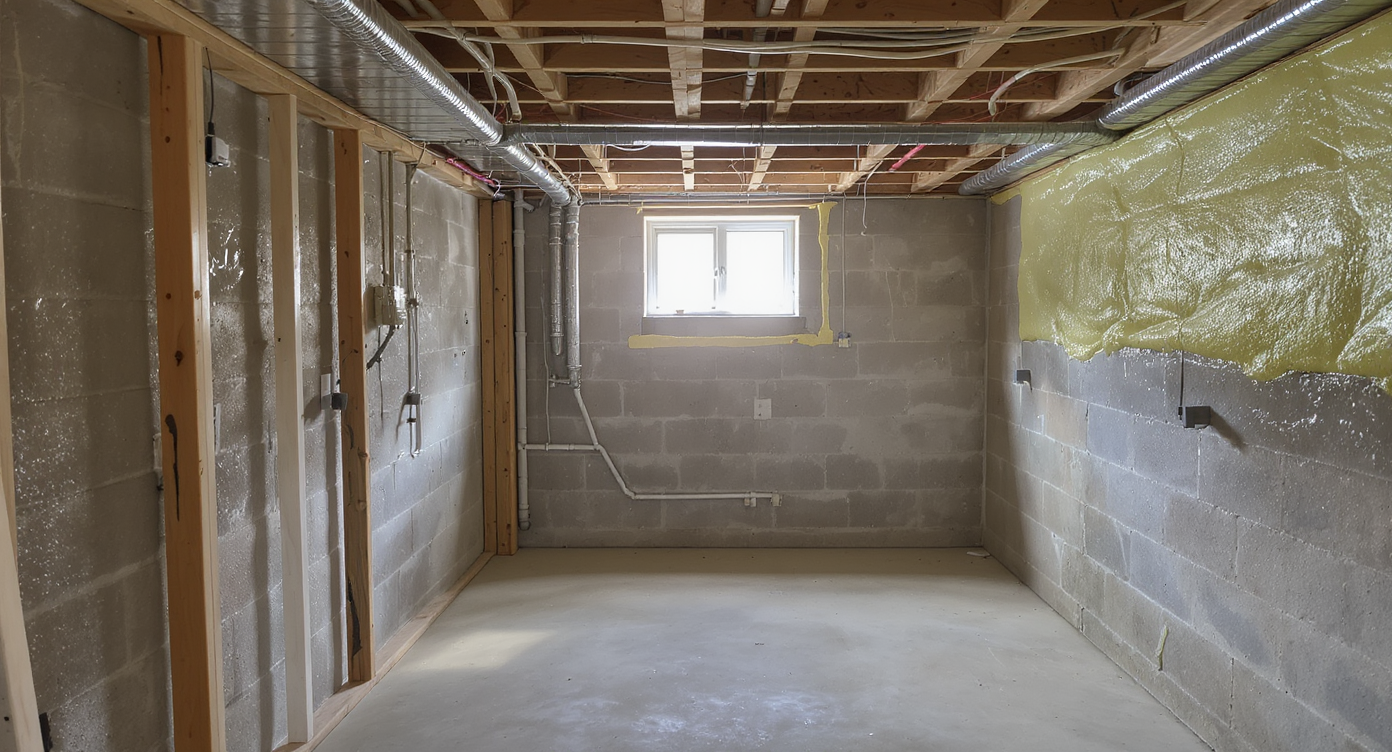
Basement bathroom remodel phase showing all finishes removed, rigid insulation added to rim joists, and spray foam sealing for comfort.
Most successful basement remodel projects begin with a complete teardown. Removing all old, moisture-damaged finishes uncovers underlying issues like mold, poor plumbing, or outdated electrical lines. This step also presents the first real opportunity to improve comfort, such as adding rigid insulation to rim joists and using high-quality spray foam to seal gaps. These actions help regulate temperature, minimize drafts, and ensure a healthier basement environment. It’s especially relevant in homes with visible water intrusion, where thorough prep prevents future headaches and sets a solid foundation for affordable design upgrades.
-
2. Fix Lighting Issues Early and Layer Your Approach
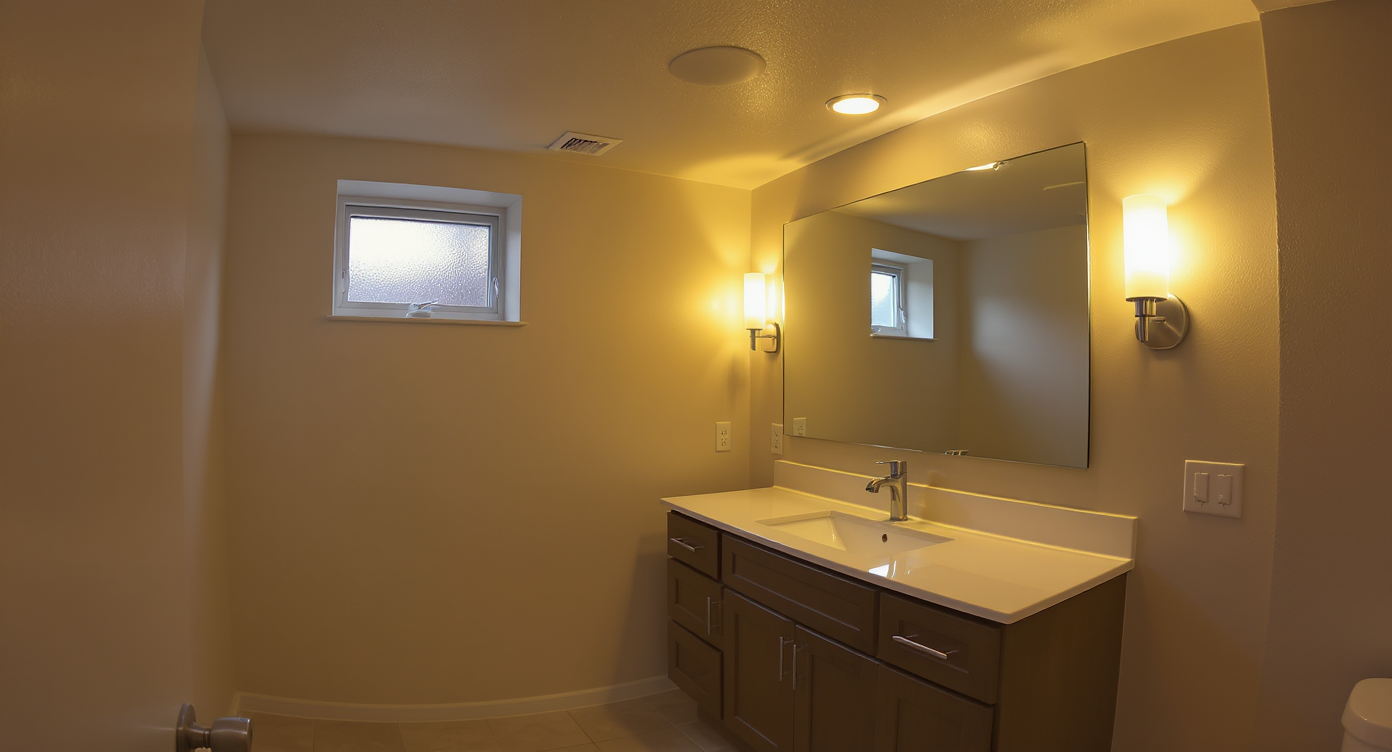
Layered lighting in a basement bathroom: warm vented overhead fixture and vanity sconces reflect in a large mirror for a soft, inviting effect.
Basement bathrooms often suffer from inadequate or harsh lighting. Designers frequently recommend a multi-tiered lighting plan, which might include vented overhead fixtures, task lighting above the vanity, and clever placement to maximize reflections from mirrors and windows. In practice, switching out dim fixtures for brighter but warmer bulbs (around 2700–3000K) softens the space and makes even small bathrooms feel more welcoming. Layering your lighting and previewing changes—an idea explored in our guide to finishing touches—is especially important when natural light is minimal.
-
3. Small Space, Big Solutions: Reworking Layout and Doors
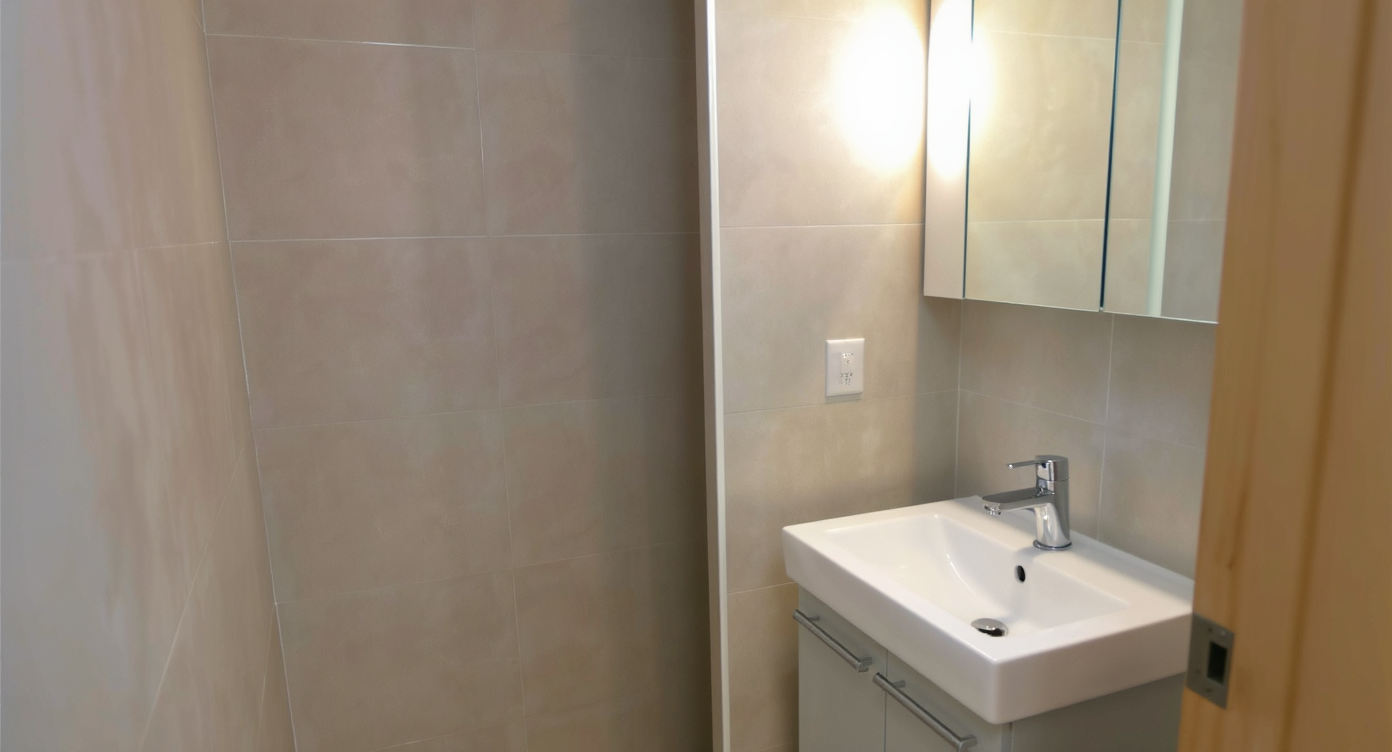
A smart basement bathroom layout uses an open pocket door and a recessed medicine cabinet to free up precious space in a tight area.
When square footage is limited, rethinking the floor plan can yield extra functionality. One impactful adjustment is swapping out a standard swinging door for a pocket door, which saves valuable space and avoids awkward clearances—especially in narrow areas. This modification also means fewer obstructions along the bathroom’s main path, creating a more open and navigable feel. Recessed features like medicine cabinets further maximize storage without encroaching on much-needed floor area. These space-smart moves can easily be tested and visualized before committing using platforms such as REimagineHome.ai.
-
4. Embrace Imperfection in Materials Sourcing
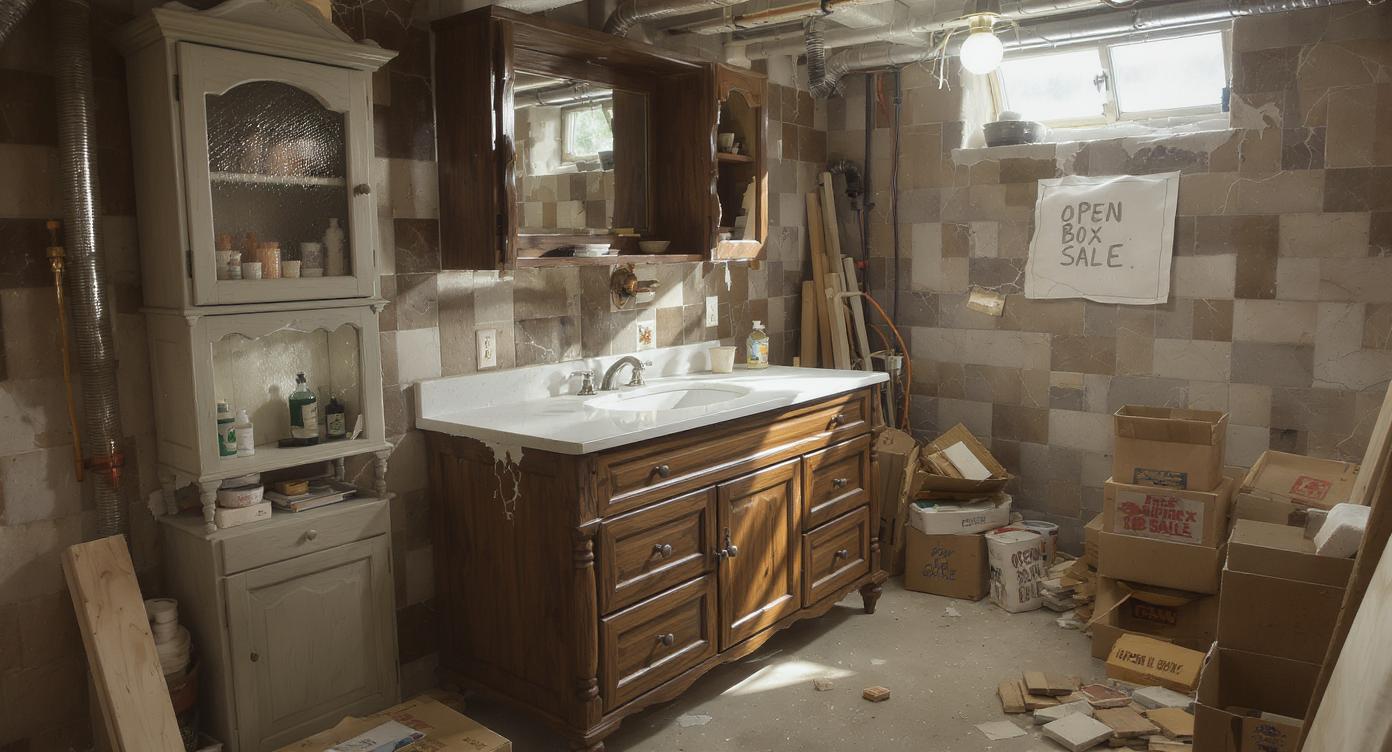
A remodeled basement bathroom uses a chipped quartz counter, imperfect tiles, and open-box finds to maximize the budget with quality materials.
Affordability doesn’t mean settling for mediocrity. Savvy remodelers invest time finding quality components at builder surplus shops, open-box sales, and salvage yards. For example, vanities, medicine cabinets, quartz counters, or tile can often be found at a fraction of retail cost if you remain flexible about minor blemishes hidden from sight. Choosing slightly imperfect tile, discounted vanities, or chipped countertops stretches the budget dramatically while delivering a functional result. As seen in practical affordable renovation tips, these trade-offs can make premium finishes accessible, especially for secondary spaces like basement baths.
-
5. Plumbing Choices—Hide, Highlight, or Hybrid?
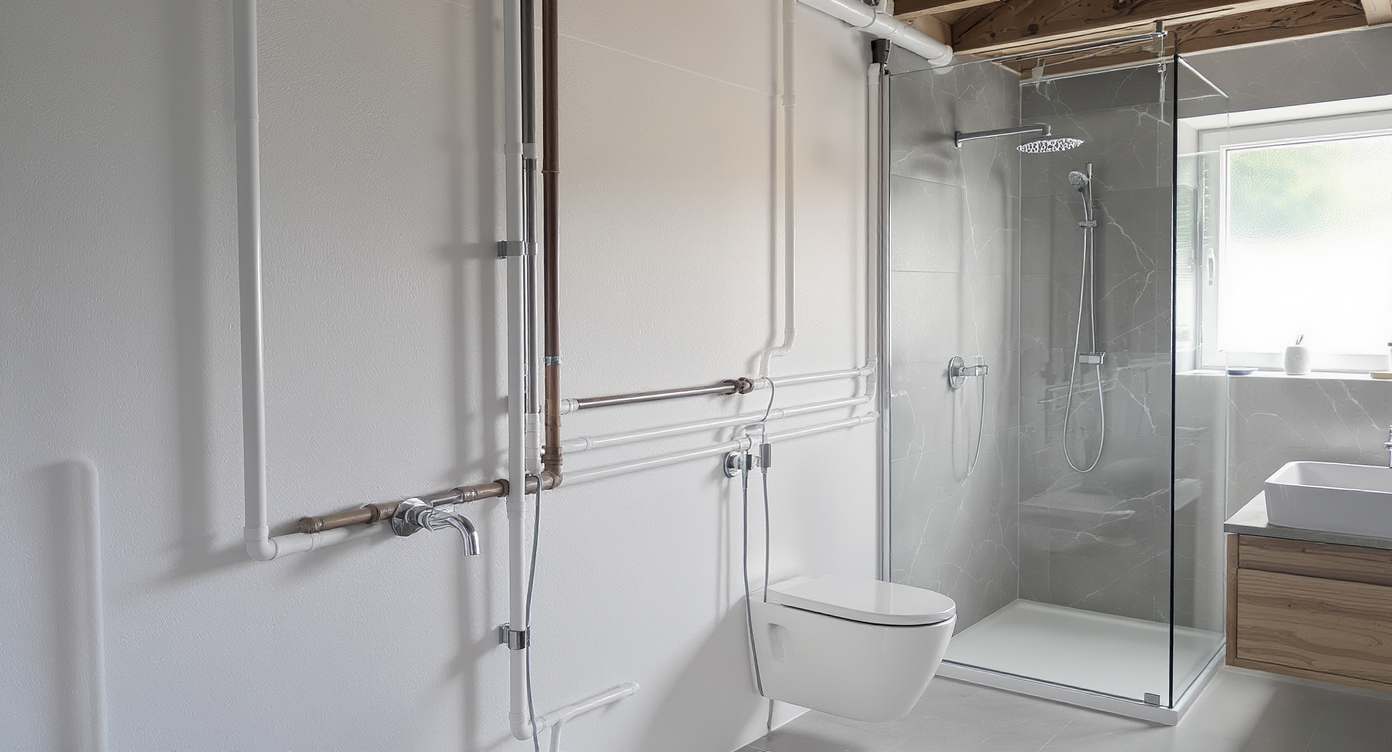
This basement bathroom uses exposed, white-painted pipes coordinated with modern fixtures, proving exposed plumbing can be a stylish design solution.
In basements, exposed pipes are nearly inevitable, particularly along foundation walls where re-routing would be a major undertaking. Professionals often debate boxing in pipes, painting them to match the wall, or even embracing them as an industrial design feature. Leaving pipes exposed but painting them in a neutral or white tone keeps maintenance easy and can work visually when coordinated with fixtures or tile. Sometimes highlighting these features is more honest and elegant than awkward concealment, especially if natural light or glass doors brighten the room, supporting the look as an intentional choice. According to our guide to less creepy basement baths, working with not against these quirks can yield dramatic improvements without excessive cost.
-
6. Floors That Withstand Water—But Still Feel Warm

Wood-look porcelain tile offers basement bathrooms water-resistant durability and warmth, enhanced with a simple rug and soft-toned decor.
Choosing bathroom flooring for durability and warmth is non-negotiable in a basement setting. Wood-look porcelain tile offers visual interest and a robust surface resistant to leaks or spills. Laying tile over properly prepared subfloors—after scraping off old adhesives and using up-to-date underlayments—provides water-resistance and longevity. If your feet get cold, a simple rug offers comfort without sacrificing the low-maintenance benefits of tile. Designers often pair these floors with white trim and soft paint colors to balance functionality with a sense of luxury. This approach echoes what renters and homeowners are doing in small bathroom refreshes for maximum everyday comfort.
-
7. Finish Strong With Affordable Accent Choices
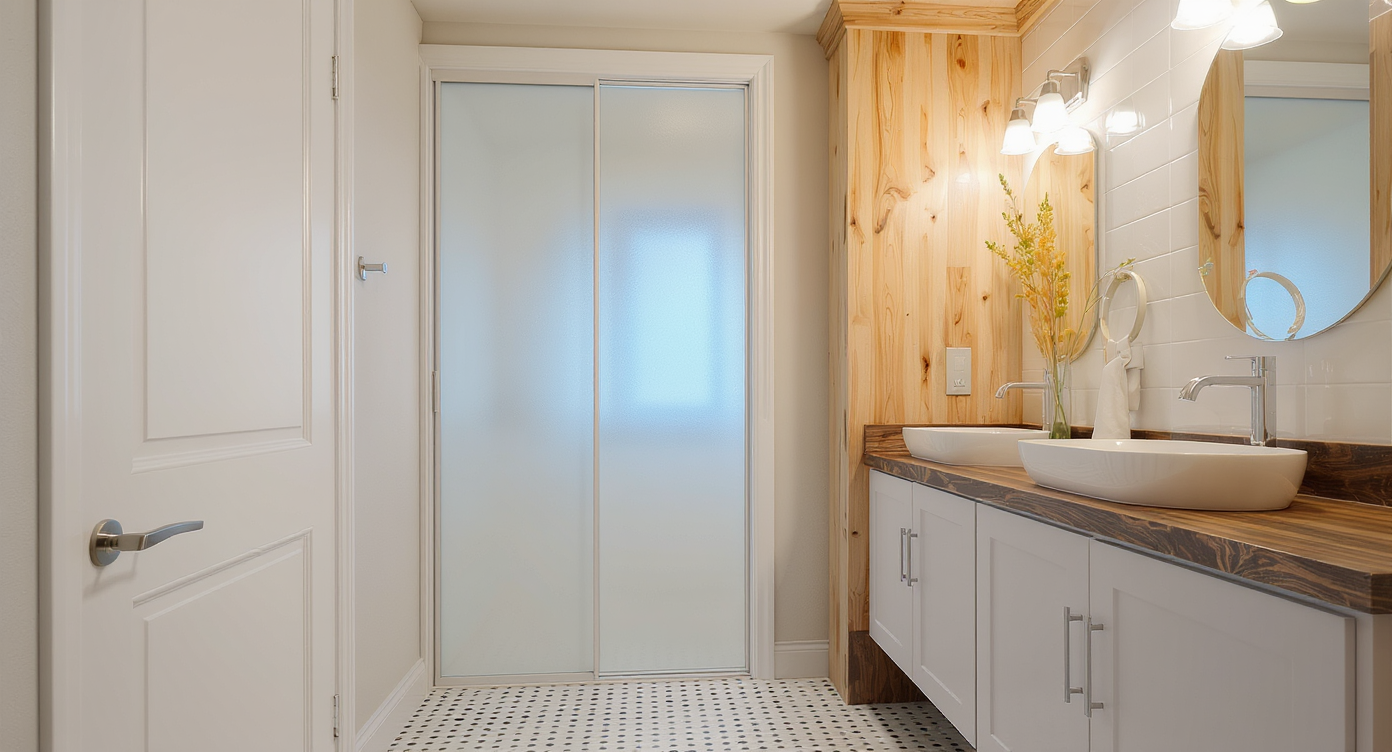
Final affordable accents in a basement bathroom: white trim, vanity lighting, a frosted pocket door, and a preserved original window.
Adding personality and cohesion to your remodel is about smart final touches. Consider painting trim in a bright, reflective white, swapping out older lighting controls, or adding a glass—or frosted—pocket door to enhance light flow and privacy. Opt for vanity lighting over simple bulbs for a luxury feel in a compact space. If original windows exist, having them repaired rather than replaced saves money and keeps the remodel grounded in the home’s character. Each of these finishing details brings the space together and transforms a basement bath from overlooked to truly inviting, in line with insights shared in our guide to finishing touches.
Frequently Asked Questions
Add substantial insulation behind walls, use warm temperature LED bulbs, and lay rugs over tile for instant coziness. Mixing overhead lights with focused vanity lighting and reflective white paint will make the space feel significantly more inviting.
What’s the most cost-effective way to source fixtures and finishes?
Shop builder surplus, open-box sales, and gently used outlets for vanities, countertop slabs, and medicine cabinets. Being flexible about minor imperfections can cut costs dramatically. Tools like REimagineHome.ai help preview how these picks will look before buying.
Is it better to hide or highlight exposed pipes in a basement bathroom?
There is no single right answer. Painting pipes to match walls or embracing their industrial character both work. The choice depends on your tolerance for maintenance access and how pipes integrate with your broader design.
How can I visualize different finishes and layouts before committing?
Upload a photo of your space to REimagineHome.ai to experiment with tile, paint, and layout options virtually. This helps prevent costly mistakes and lets you try out combinations risk-free.
Are there tips specific to compact and luxury bathrooms in basements?
Yes. Use pocket doors, recessed storage, and layered lighting to maximize every inch. Repair rather than replace existing architectural features and focus on upgrades—like new tile and upgraded hardware—that boost luxury impact within an affordable design plan.
Takeaways for Real-Life Remodel Projects
A functional, appealing basement bathroom is possible without luxury-level spending or large-scale demolition. Prioritizing insulation, creative lighting, smart material choices, and honest design decisions ensures comfort and durability over time. Testing design plans and layouts with REimagineHome.ai can help bring clarity, confidence, and fewer regrets along the way. Each lesson learned from a hands-on remodel is a step closer to a space that truly fits your life and budget.