9 Lessons Every Beginner Learns from Designing a One Story Home
TL;DR
Designing a one story house reveals how critical smart layouts, circulation, and storage planning are to daily life. This list highlights common beginner pitfalls and the expert-backed solutions that transform awkward spaces into functional, enjoyable homes. Small layout changes can create lasting comfort in any compact plan.
What You Learn from Planning Your First Home
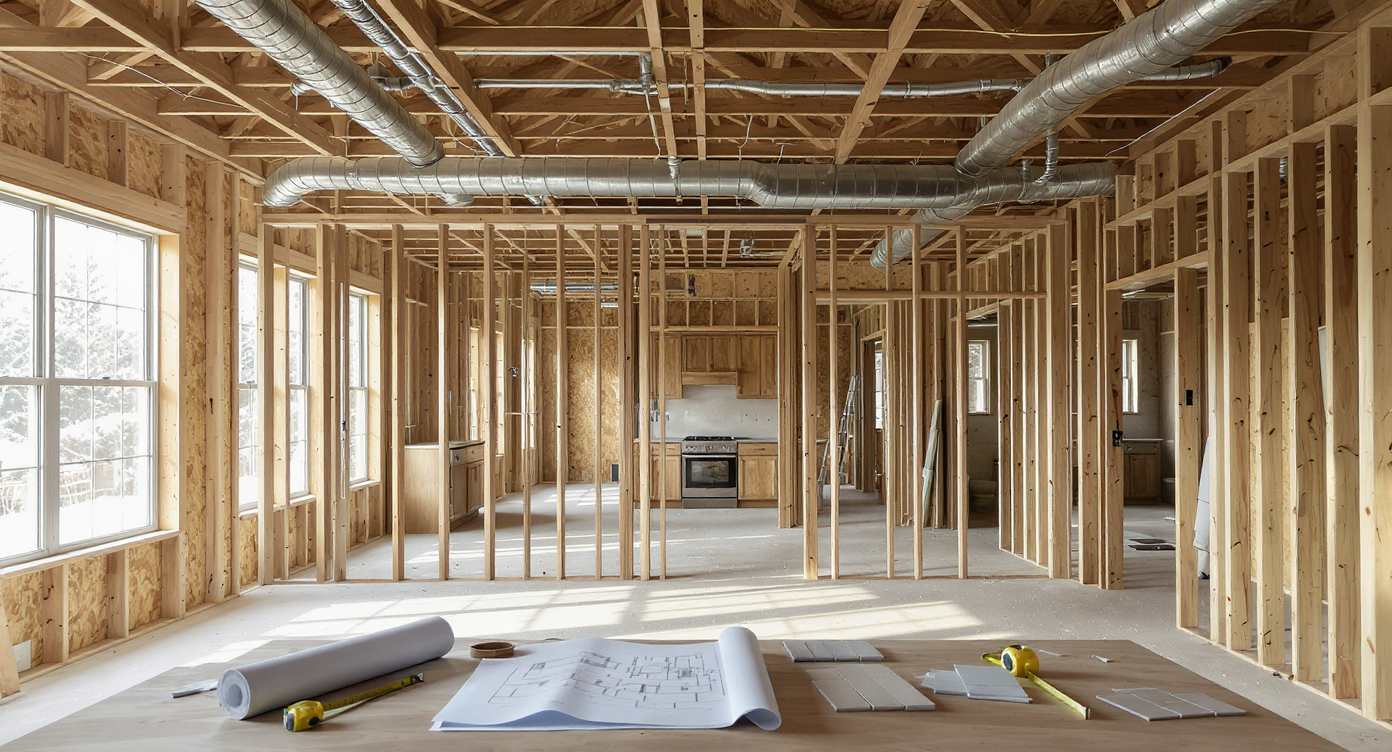
An unfinished single-story home reveals layout decisions, storage issues, and practical constraints for first-time designers in real context.
Designing a house for the first time, particularly a modest single story home, is an education in balancing aspirations with real-world constraints. Every square foot matters, and rookie mistakes around layout, storage, and circulation become apparent only when you start imagining daily routines playing out inside those walls. Whether you are a student working on a project or anyone rethinking a compact plan, these lessons can prevent frustration down the line. Professionals and designers often note how new builders wrestle with the same dilemmas: awkward flow, tight bathrooms, storage shortfalls, and kitchen spaces that never quite work as intended. The way these issues are tackled shapes not just the floor plan but also the experience of living in the space. The following lessons, drawn from real feedback and expert guidance, can help anyone turn a rough draft into a place that feels truly considered.
-
1. Circulation Planning Defines How Comfortable a Home Feels
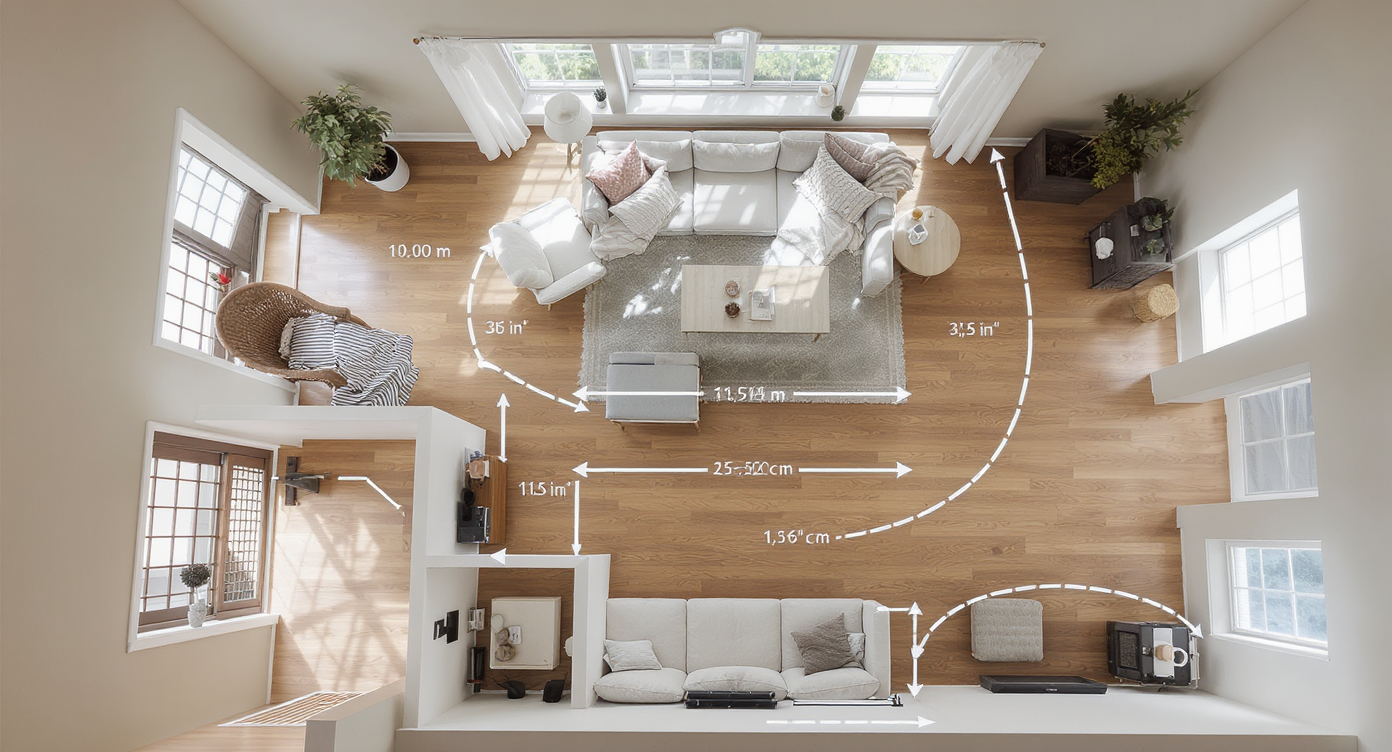
Spacious, clearly defined walkways illustrate ideal circulation planning in a one-story home, emphasizing comfort and ease of movement.
One of the first surprises in house planning is discovering how impactful circulation is. Flow is the pattern of movement people take through the space, and it sets the tone for daily ease or annoyance. Wide foyers might look inviting on paper but can quickly eat up precious space without adding much value. Designers often recommend circulation routes of at least 36 inches in busy areas, and at least 24 inches around bedrooms and quiet zones. Cramped walkways not only make rooms feel small but create tension points, as seen in living rooms where people must shuffle sideways past furniture or through doorways. As explored in our guide on how every room flows with good furniture arrangement, mapping these paths before choosing furniture or finishes will inform what layouts actually work.
-
2. Furniture & Flow Are Partners, Not Opponents
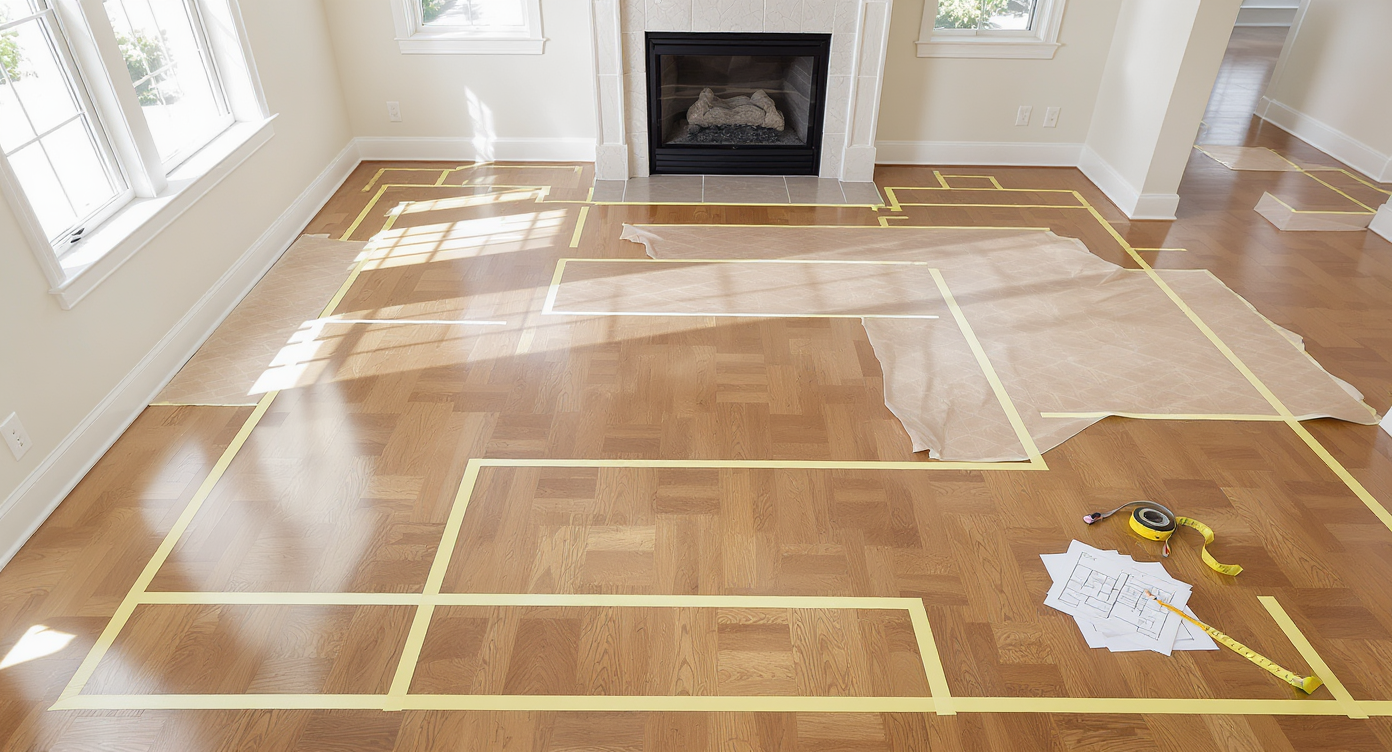
Blueprinted living space: painter’s tape outlines on the floor illustrate how to plan furniture placement and ensure comfortable flow.
It is easy to fall into the trap of designing a beautiful room and only later discovering that furnished spaces feel claustrophobic. Oversized couches, tables, or tightly packed seating make daily living feel awkward or even impossible. As we explored in the challenges of sofa size versus room layout, matching furniture to room scale and plotting exact locations for large pieces on your plan is essential. For first-time designers, using painter's tape on the floor, mockups, or digital tools like REimagineHome.ai allows you to visualize flow and clearance before you buy or build.
-
3. Storage Design Cannot Be an Afterthought
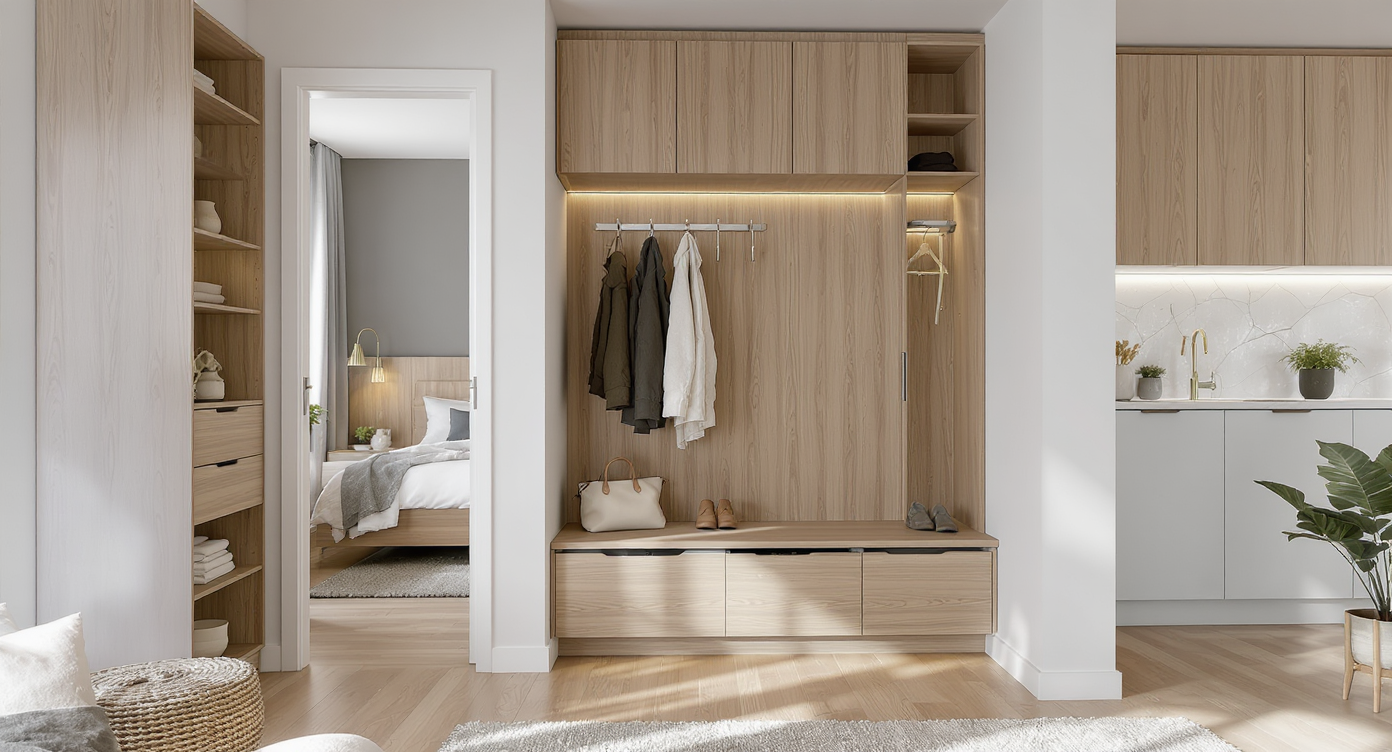
A one-story home's entryway and living area showcasing built-in benches with hidden drawers, vertical coat storage, and a discreet kitchen pantry.
Even veteran architects admit that storage design often gets neglected in a first draft. Bedrooms with tiny closets, kitchens with no pantry, or foyers with nowhere for coats and shoes are all too common. As highlighted in our tips for maximizing storage in small bedrooms, creative vertical shelving, built-ins, and doubling up on furniture function (like beds with drawers or entry benches with hidden compartments) are essential in compact layouts. Placing storage where it is naturally needed also prevents household frustration, such as having toiletries stored outside the bathroom or overflow coats ending up in the garage.
-
4. Bathroom Sizing and Door Swings Affect Usability
Bathrooms are one of the most challenging rooms to get right, especially in compact home layouts. Small adjustments, like ensuring a 30 inch clearance in front of toilets and sinks and carefully planning door swings, can dramatically improve functionality. Too often, plans leave just enough space for fixtures but forget circulation and privacy, leading to cramped and unpleasant experiences. Swapping out a full bath for a well-positioned half bath, as many designers recommend, can free up square footage for other needs. The arrangement of bathrooms in relation to bedrooms and public spaces, such as avoiding direct access from dining areas, is another subtlety that significantly affects comfort and resale value.
-
5. Kitchen Layouts Demand Smart Circulation and Lighting
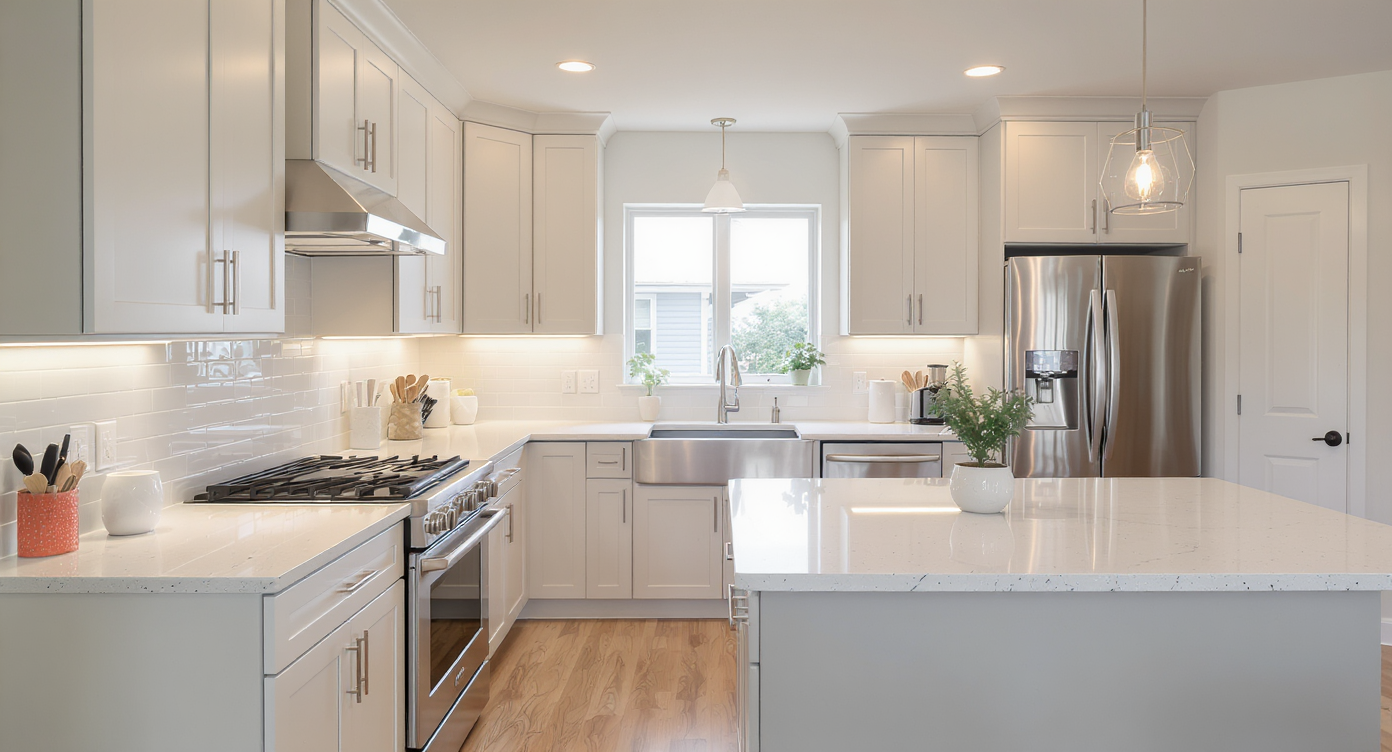
A well-lit kitchen with an efficient work triangle, compact storage, and clear circulation space, highlighting smart layout and daylight use.
No room exposes planning strengths and weaknesses like the kitchen. The classic kitchen work triangle—stove, sink, fridge—still matters, but in smaller homes, every inch counts. According to pros, at least 42 inches between countertops and islands is a minimum for two people to move comfortably. Lack of windows or poor lighting leads to gloomy, disconnected rooms. Layer ambient, task, and accent lighting and consider lighter cabinet finishes to reflect daylight, as detailed in our piece on brightening dark kitchens with lighting and finish choices. Rethink oversized islands and prioritize compact, efficient storage configurations that work for everyday tasks.
-
6. Hallways and Foyers Should Serve a Real Purpose
Inexperienced layouts sometimes devote a disproportionate amount of square footage to hallways or oversized foyers, leaving living and bedroom spaces feeling compressed. Unless a corridor is needed for privacy or separating public from private zones, every hallway should justify its existence. Reorienting entrances, minimizing passage space, or combining open plan living with discrete zoning can recover usable area. Foyers should function as practical transition spaces, with hooks, a bench, and good sightlines, not just empty expanses. Reallocating square footage for hidden storage or a compact home office often yields better long-term enjoyment.
-
7. Open Plan Living Works Best with Subtle Zoning
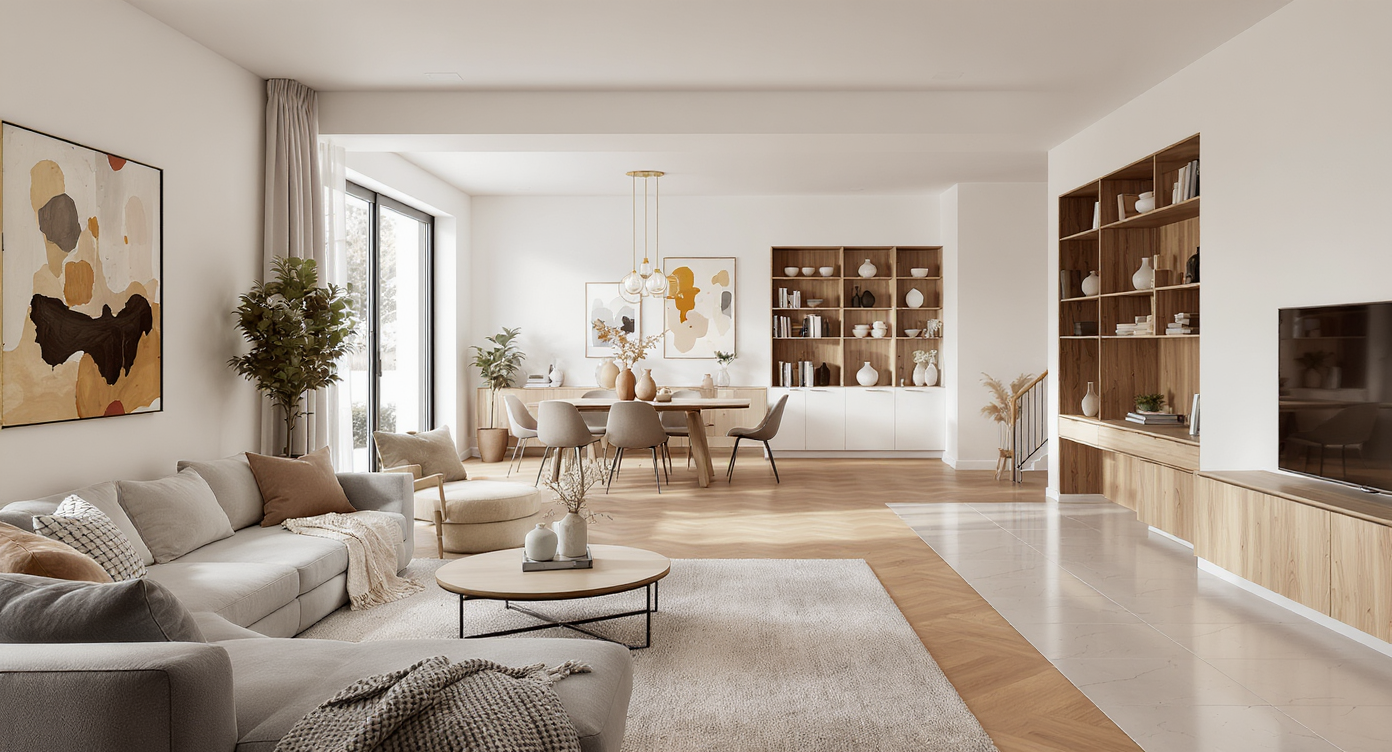
Subtle zoning in an open-plan home: a rug anchors the living area, flooring changes define dining, and shelving creates flexible separation.
Modern preferences often lean toward open layouts, but beginners sometimes remove too many barriers, resulting in undefined or chaotic spaces. Pros recommend using furniture, rugs, or changes in flooring or ceiling height to subtly zone open spaces. For example, defining the transition from dining to living by placing a rug under a seating group, or using bookcases to edge a home office nook, balances openness with order. Removing physical walls is not always the answer; sometimes half walls or clever shelving provide both definition and flexibility. Open plans should also be planned to minimize sound travel and maintain privacy where needed.
-
8. Compact Layouts Favor Multiuse Furniture and Hybrid Zones
Space efficiency in smaller homes often comes down to choosing multiuse furniture and designing hybrid zones. Built-in benches with storage beneath, Murphy beds, expandable tables, and sliding doors offer flexibility as family needs change. Nooks tucked off circulation paths become reading spaces or compact workstations. Replacing a little-used sunroom with a laundry area or repurposing a deep vestibule as a walk-in closet brings far more value per square foot. These swaps, though subtle on a floor plan, dramatically improve how the house supports varied activities over time.
-
9. Plans Are Only Perfected by Testing and Feedback
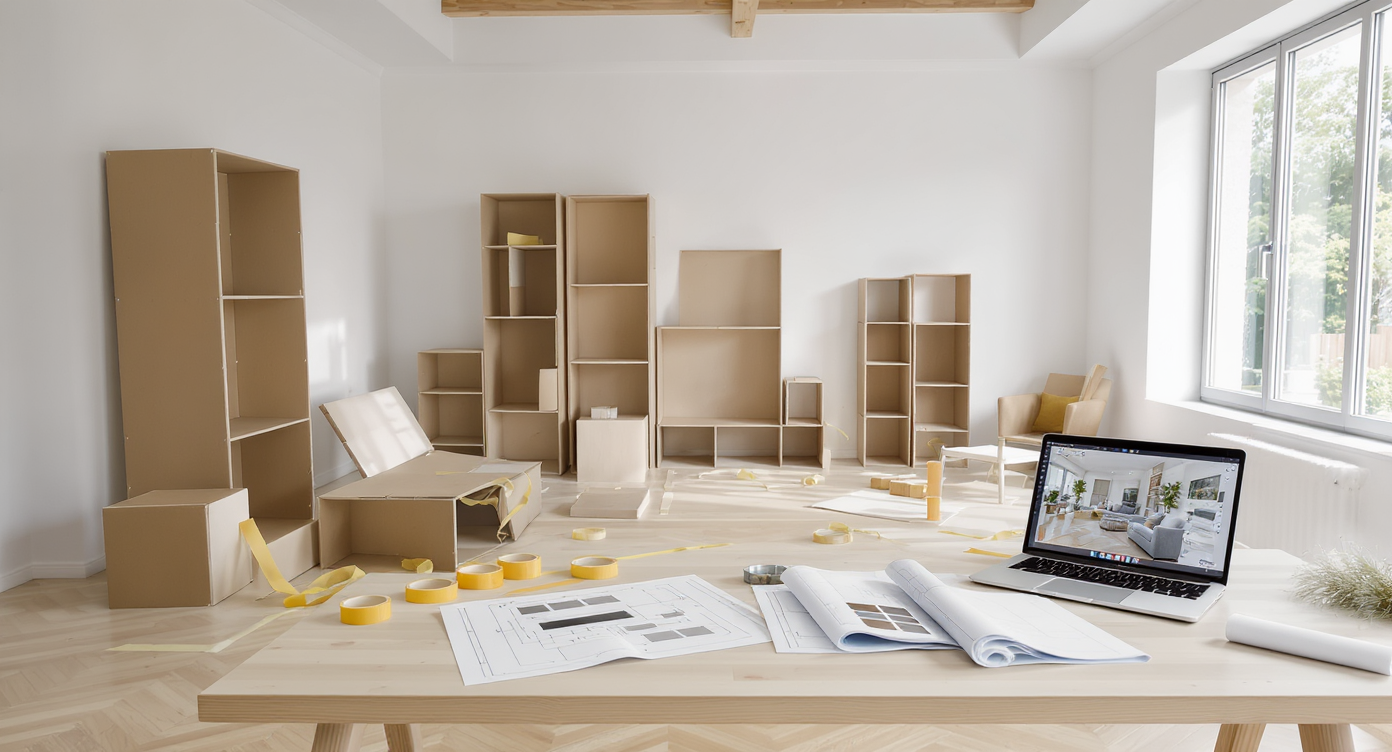
A hybrid setup with cardboard mockups, digital renderings, and material samples shows how physical trials and virtual feedback refine home designs.
Perhaps the most powerful lesson for any beginning designer is that no plan emerges flawless on the first try. Testing layouts virtually, soliciting input from experienced practitioners, and living with a mockup for a day can reveal hidden problems. Planning platforms like REimagineHome.ai allow you to evaluate alternative arrangements, lighting effects, and finishes before committing. Feedback helps identify issues such as awkward arrival sequences, impractical furniture arrangements, or missed opportunities for light and views. Every iteration improves the end result and builds the confidence to take creative risks while keeping function at the forefront.
Frequently Asked Questions about One Story Home Design
- How much circulation space should be planned for hallways and main rooms?
In high-traffic areas, leave at least 36 inches for circulation. Bedrooms and quieter areas do well with 24 to 30 inches, as recommended in our furniture arrangement guide. - What are the best ways to increase storage in a compact house?
Look to under-bed drawers, tall wardrobes, built-in shelves, and furniture with hidden storage. Replacing bulky nightstands or adding over-door shelving, as explained in our small bedroom storage tips, makes a significant difference. - Is an open layout always better for a small house?
Not necessarily. Open plans feel spacious but need careful zoning to avoid feeling chaotic. Use rugs, furniture, and subtle physical transitions to give each area a clear function. - What planning tools help visualize layouts before building?
Digital platforms such as REimagineHome.ai let you create and test virtual layouts to catch problems early and compare multiple solutions. - How do you create a bright, open kitchen in a small plan?
Prioritize natural light with added windows or reflective finishes and plan for layered lighting. Compact, clutter-free layouts also improve a kitchen's usability as detailed in our bright kitchen upgrade guide.
How First Drafts Become Great Homes
Every home design, especially a first attempt, is a work in progress. Smart circulation, right-sized furnishings, and strategic storage are the real building blocks of lasting comfort. Compact layouts come alive through thoughtful zoning and adaptable spaces rather than square footage alone. By using planning tools and soliciting practical feedback—whether from professionals or digital platforms like REimagineHome.ai—designers at any skill level can turn rough first drafts into timeless, livable homes.