7 Budget-Savvy Built-In Bookcase Ideas for Challenging Spaces
TL;DR
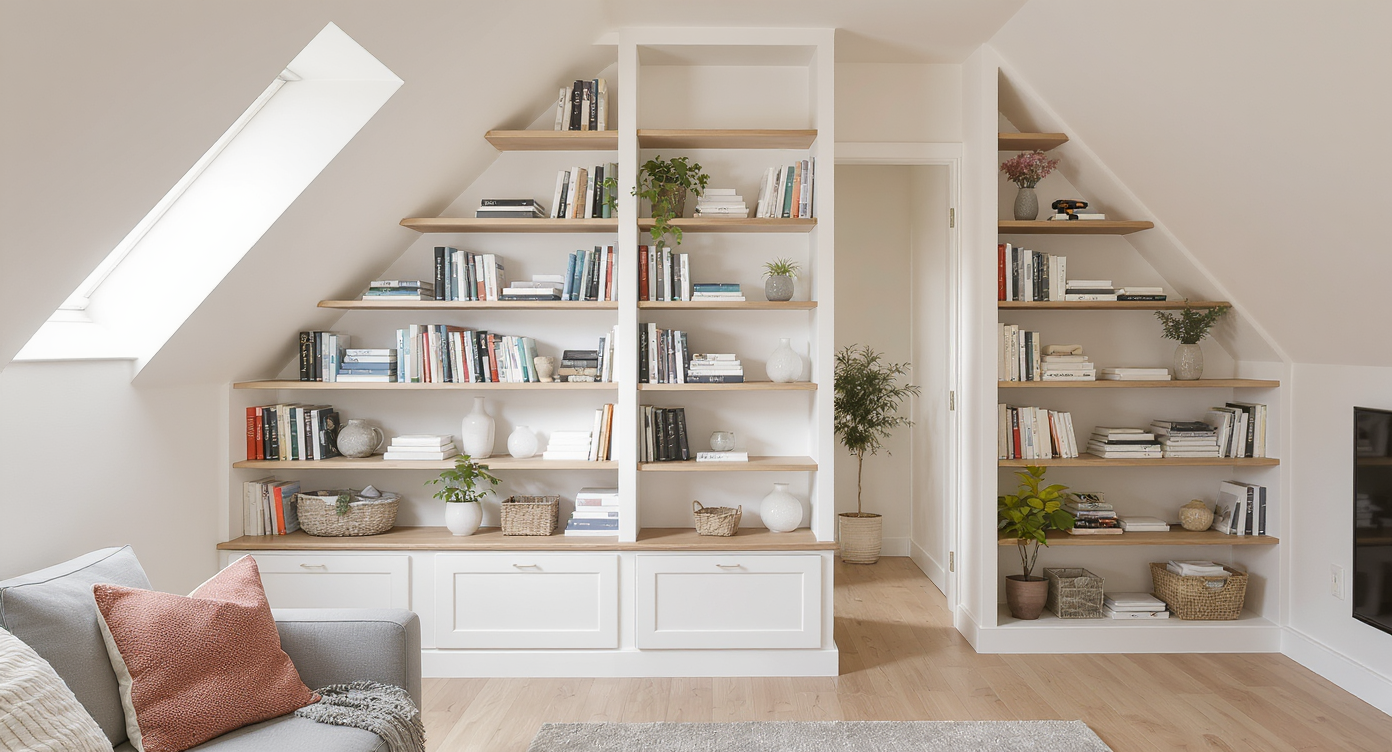
Built-in bookcases are a smart and affordable way to tame unused, odd, or sloped spaces. With a few strategic upgrades, even standard shelving units can be customized to look high-end and provide extra function. These seven ideas show how remodeling and upgrades can work for odd layouts and compact spaces.
Why Built-Ins Shine in Tricky Rooms
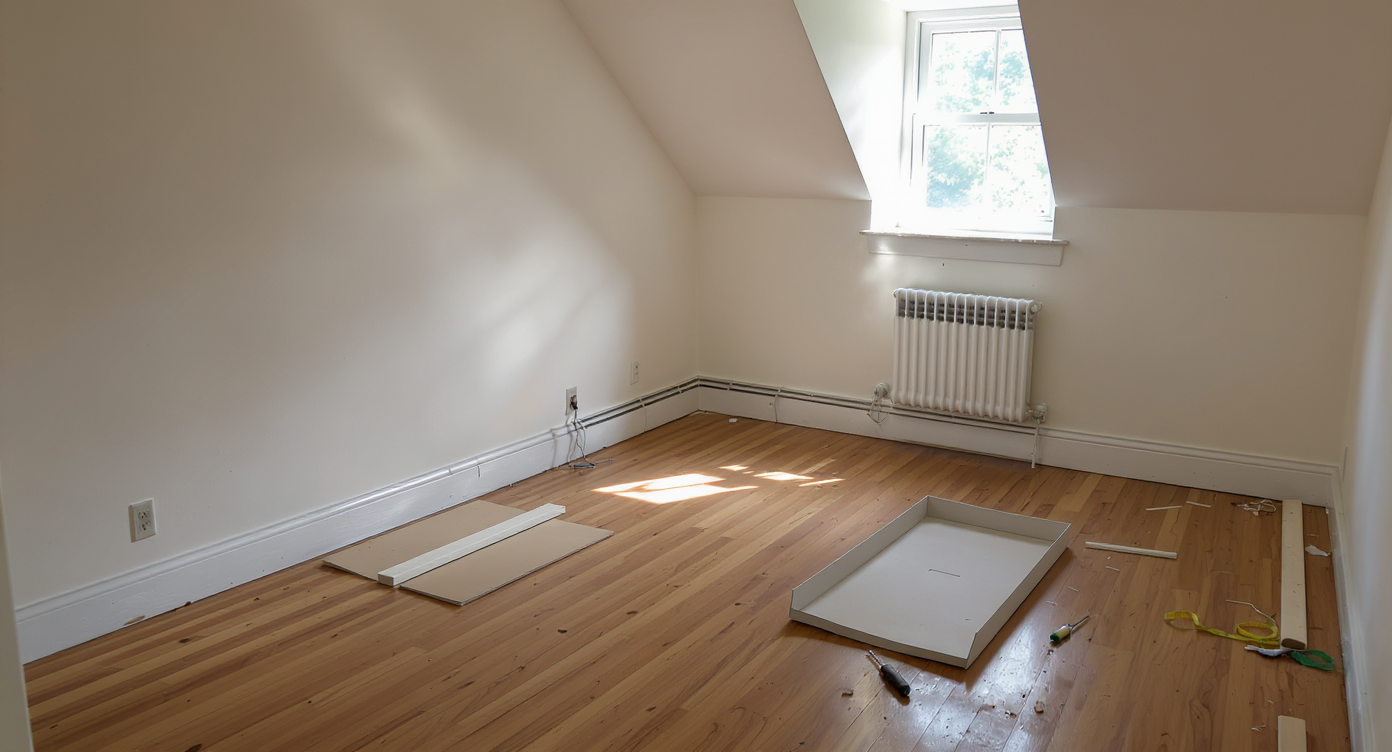
A challenging small room with a sloped ceiling and angled walls, affordable shelving units, and DIY tools, ready for budget-friendly transformation.
Designing for rooms with compact spaces, sloped ceilings, or quirky floor plans is a challenge many homeowners face, especially in older homes. Built-in shelving can bring much-needed order to these unconventional areas and even make them feel larger and more tailored. Yet, custom built-ins are usually expensive—and may seem out of reach for those on a renovation budget. Fortunately, affordable design solutions exist. With some creativity and a willingness to DIY, even standard off-the-shelf shelving can be transformed into storage that fits both the space and your style. This list unpacks proven, actionable ideas for achieving built-in appeal on a budget, focusing on what professionals and savvy homeowners actually do when tackling odd layouts.
-
1. Rethink Standard Shelving as Building Blocks
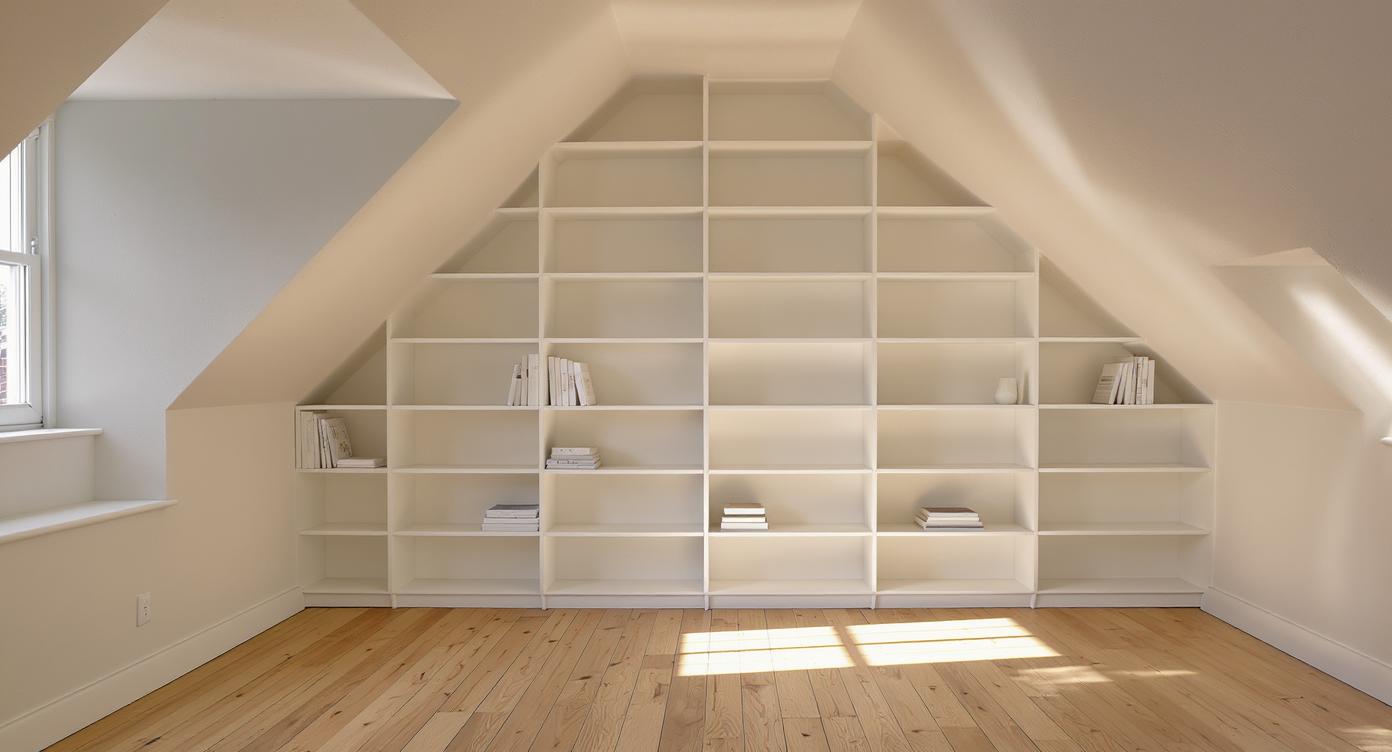
Four affordable bookcases installed together under a sloped ceiling create a seamless, custom built-in for challenging attic spaces.
Affordable off-the-shelf bookcases, like the ever-popular Billy units, are surprisingly versatile for custom-looking built-ins. By combining multiple shelf units and securing them to the wall, you can span awkward corners, alcoves, or underutilized nooks. For example, using four bookcases to create a seamless run under a sloped ceiling gives extra storage in spaces otherwise used for storing laundry or collecting clutter. This approach is especially helpful in rooms where walls or ceilings are far from square—a common occurrence in prewar and historic homes.
-
2. Trim Out for a Polished Finish
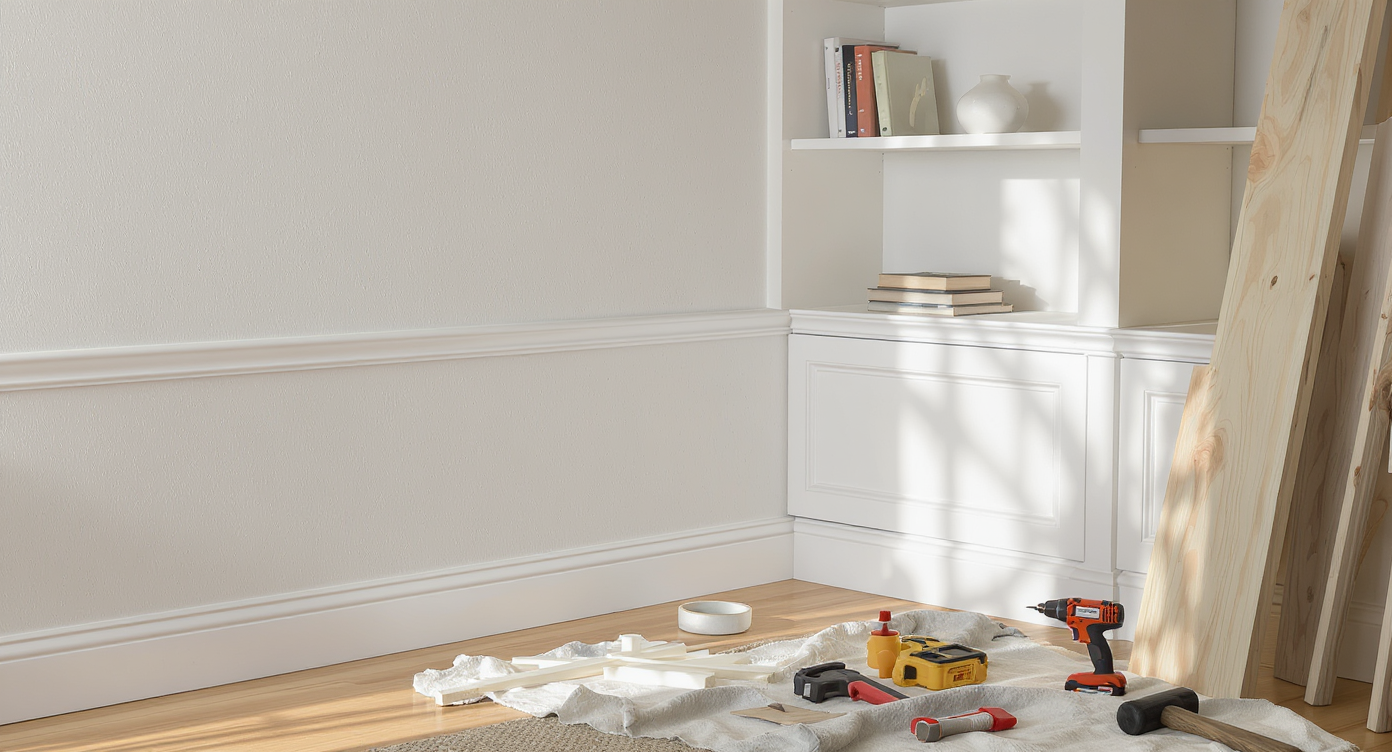
Wood trim is carefully attached to a bookcase’s edges, concealing gaps for a truly built-in, polished finish on a budget.
To achieve a true built-in appearance without a high price tag, it's essential to address the seams and edges. Adding trim or molding around the tops and sides covers gaps between units and the wall, instantly making the piece look custom. Many designers recommend simple wood strips attached with construction adhesive or finish nails. As explored in our guide on achieving a prewar look, layering trim and frame details can dramatically upgrade basic shelving.
-
3. Adjust Shelving Heights to Fit the Architecture
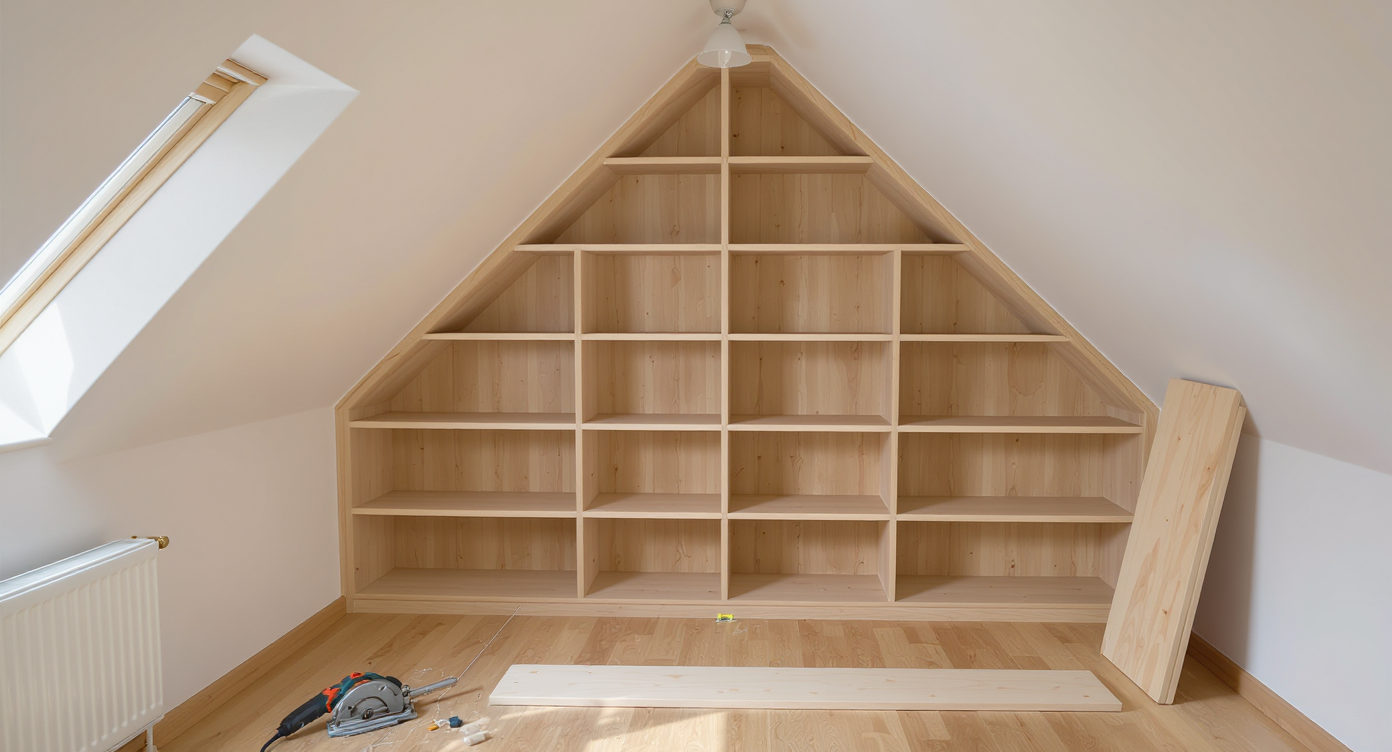
Custom-cut built-in bookcase shelves seamlessly fit beneath a sloped ceiling, using precise measurements and proper tools for a gap-free result.
Embracing odd layouts often means customizing the heights of your shelving. In rooms with sloped ceilings, some shelves may need to be shortened or cut at an angle to fit perfectly under the eaves. Tools such as a circular saw paired with measured tracing—running a board along the slope and marking the line—can yield a snug, gap-free result. This adaptation not only maximizes available space but also results in a more professional-looking installation.
-
4. Reinforce for Longevity and Function
Mass-market shelving units sometimes lack the sturdiness of true built-ins. Reinforcing each case with a solid back panel or discreet brackets greatly increases their strength, allowing for heavier books or objects on the shelves. Adding vertical posts or hidden supports behind the units also helps keep everything aligned in rooms with less-than-level floors and walls. According to practical tips in our roundup of top DIY home decor advice, these reinforcement touches are the secret to lasting, functional upgrades.
-
5. Go Bold with Paint and Color Cohesion
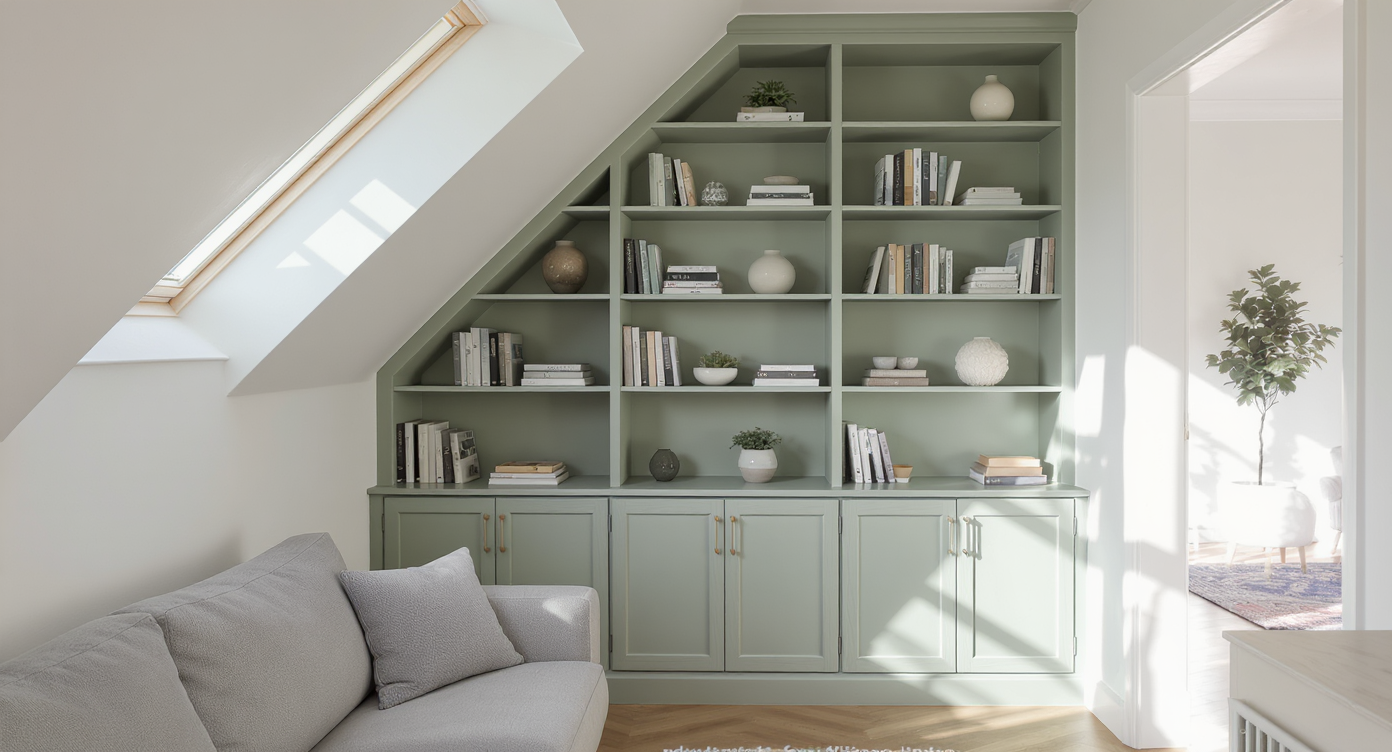
A muted sage green built-in bookcase seamlessly integrated in a small living room corner, camouflaging budget materials with cohesive color.
Paint is among the most affordable design tools for built-ins. A unified, bold color can camouflage budget materials and make shelving a true focal point. Designers frequently opt for hues that echo the room’s palette for a pulled-together feel. Muted Sage, for example, brings depth and warmth to small rooms without overwhelming them. For budget-conscious remodelers, this trick gives cabinetry a designer finish at minimal cost. A tight color plan, as highlighted in the coverage of affordable decorator tricks, also encourages flow between adjoining spaces.
-
6. Embrace Functionality Over Wasted Space
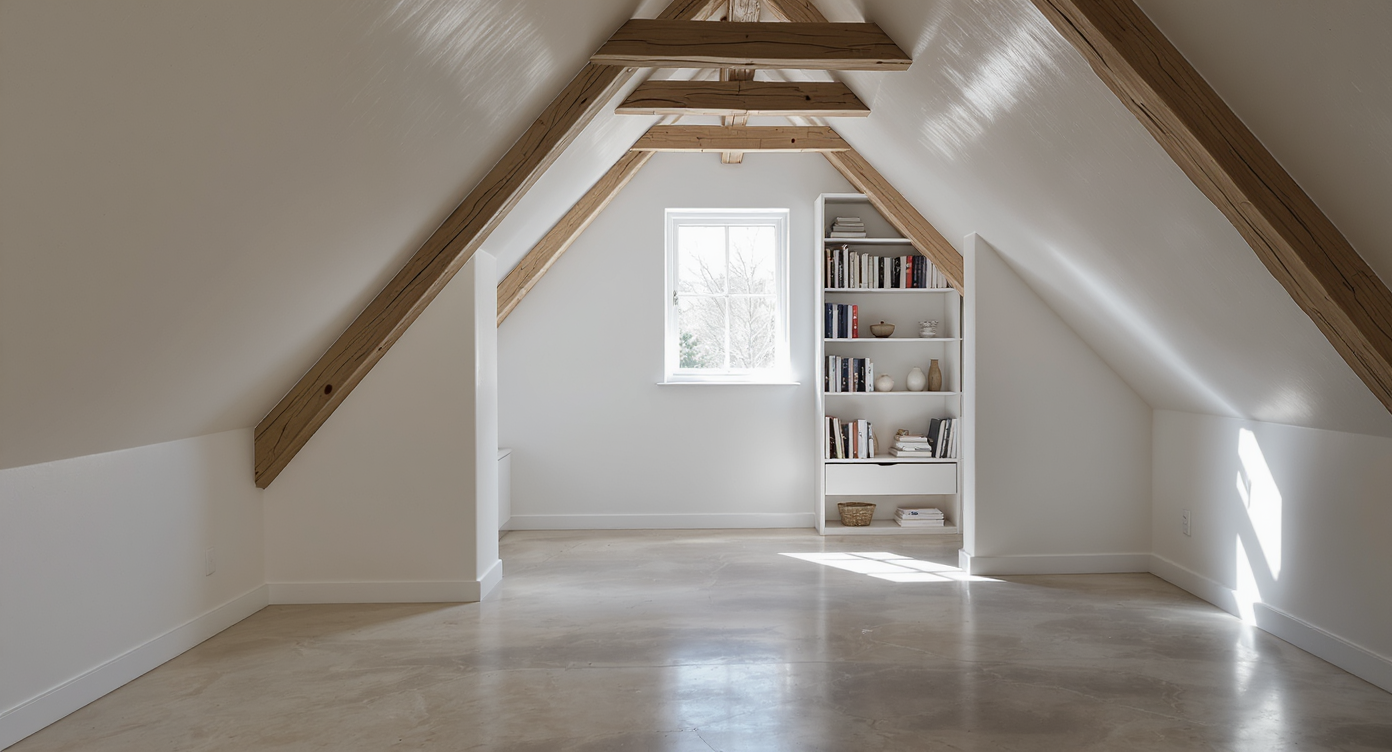
A built-in bookcase lines the accessible wall of an attic room, while deep, low-ceilinged corners are left empty for best functionality.
Oddly shaped or low-ceilinged rooms often hide unusable pockets. Instead of chasing more storage behind every wall, focus on fully utilizing the areas you can access comfortably. Sometimes the deepest corners or lowest slopes are best left alone, especially if access is difficult or impractical. Many homeowners, after reviewing their clutter patterns, realize that extra open shelving or even simple bookcases added along the 'right-sized' wall offer more value than inaccessible cupboards.
-
7. Plan for Multi-Use and Future DIY Upgrades
An affordable built-in project should anticipate evolving needs. Consider how a room might shift from a guest area one month to a home office or drying room the next. Modular shelving, removable trim, and unfinished sections (such as cushion covers or added cabinet doors) allow for easy changes down the road. Before embarking on significant remodeling or upgrades, test your exact layout and finish choices visually using digital planning platforms like REimagineHome.ai to avoid costly missteps later.
FAQ: Built-Ins for Unique Spaces
What are the key steps for turning budget shelving into built-ins?
Start by measuring your space, securing the shelf units to the wall, adding trim or molding, and painting them a uniform color. Reinforcement for durability is also recommended.
How can I adapt built-ins for a room with a sloped ceiling?
Trim individual shelves to match the slope and use a traced guideboard to get the correct angles. Modular shelving lets you fit units beneath eaves or odd corners smoothly.
Is investing in reinforcement really necessary for affordable design?
Yes, especially if storing books or heavier objects. Simple back panels or concealed brackets prevent sagging and extend the lifespan of basic units.
Should I maximize every inch of space, even hard-to-reach areas?
Often, no. Inexpensive upgrades should focus on accessible and usable areas, rather than forcing storage into impractical corners. Function beats volume for most households.
How can digital tools like REimagineHome.ai help before starting?
Platforms like REimagineHome.ai allow you to visualize layout, color, and trim options before buying materials or making permanent changes, ensuring better results and fewer regrets.
The Upside of Built-Ins on a Budget
DIY built-in bookcases prove that you do not need custom millwork or high-end cabinetry for clever, beautiful storage in challenging rooms. With practical upgrades—such as cohesive paint, sturdy reinforcement, and thoughtful trimming—even budget shelving can look bespoke. These strategies fit compact spaces and work especially well for odd layouts. For more affordable design inspiration, digital planning tools, including REimagineHome.ai, help visualize and customize results at every stage.