College Dorm Shopping Checklist: What to Buy and Skip Before Move-In
TL;DR
Ditch the massive, confusing dorm lists. This guide covers smart shopping strategies, timelines, budgeting, and real-life move-in tips so your first college room works for you, without overstuffing your space or draining your wallet.
Start Smart, Not Just with Stuff
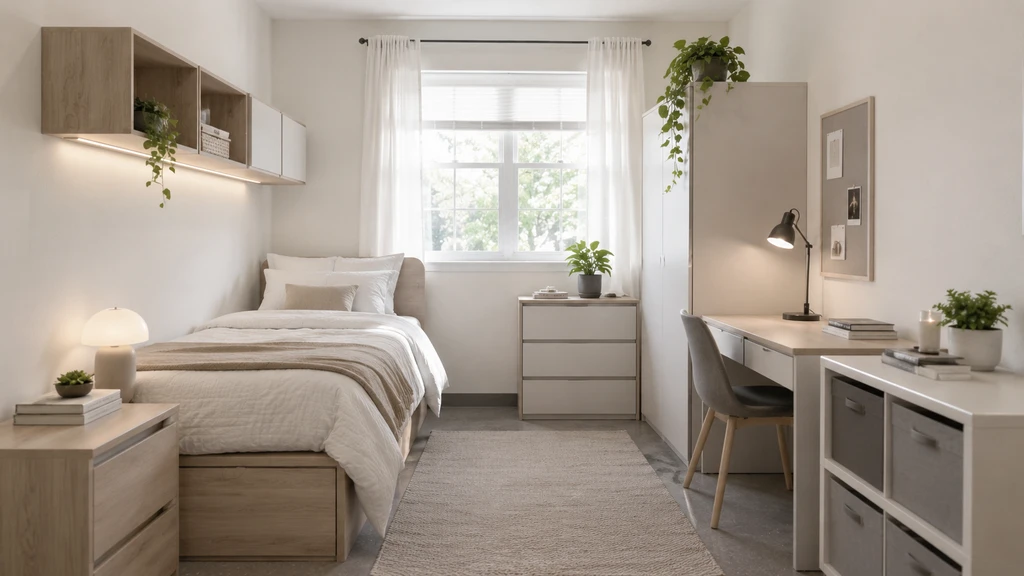
A realistic college dorm room organized with budget-friendly essentials, boxed supplies, and space-saving storage—illustrating a practical dorm room shopping checklist and how to organize a small dorm room before move-in.
College move-in season is here, and you’ve probably seen those monster dorm supply lists online. Most will leave you drowning in throw pillows and stuff you’ll never use. Real talk: a great dorm setup is about what you *don’t* buy as much as what you do. This guide covers when to shop, how to budget, what parents should know, and even what to skip completely for your first dorm.
From layout to lighting, and everything in between, we’ll help you avoid rookie mistakes. For more cozy and practical ideas, check out our guide on creating the ultimate cozy dorm retreat.
-
01. Before You Buy: Measure, Ask, Coordinate
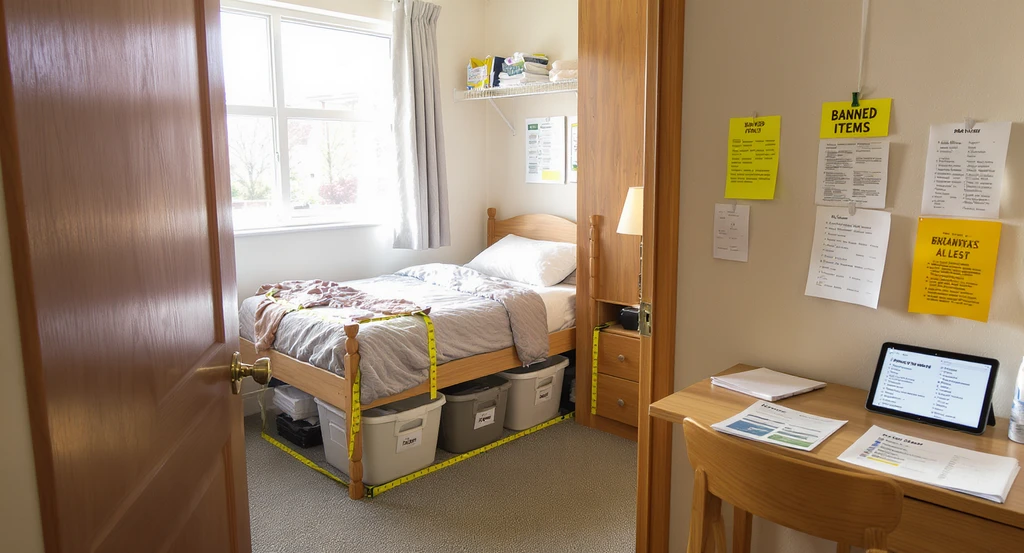
Before move-in, measure the dorm bed, desk, and closet, review essentials lists, and coordinate shopping with your roommate. College dorm room shopping checklist and space-saving storage solutions for dorms make organizing a small dorm easy and budget-friendly.
Don’t fill up your cart until you’ve measured your actual space and double-checked dorm rules. Some essentials might already be provided, while others could be banned. Teamwork with your roommate saves cash and space.
- Check bed size (usually Twin XL), desk width, and closet space.
- Measure under-bed clearance for storage plans.
- Review your school’s banned and provided items list.
- Avoid doubles: share shopping lists with your roommate!
Want more on functional and stylish dorm planning? See our full move-in guide for smart setup tips.
-
02. Dorm Shopping Timeline: What to Buy (and When)
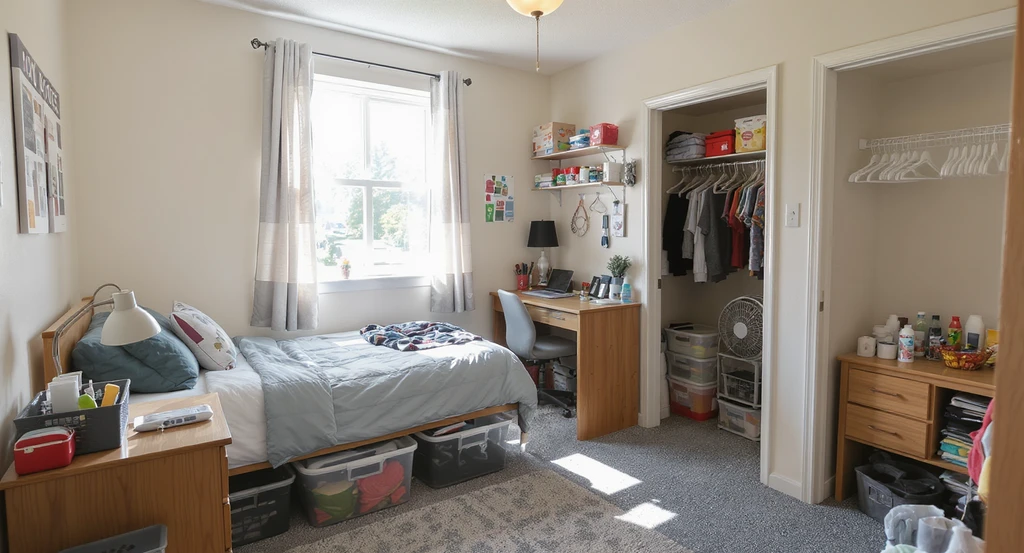
A college dorm room shopping checklist in action: phase-by-phase sections show how to organize a small dorm room with budget-friendly storage and decor ideas.
Instead of panic buying everything at once, break your shopping into quick phases. This keeps you organized, spreads out spending, and helps you avoid last-minute chaos. Timing really matters!
- 2 months before: Bedding, mattress topper, big storage bins, lamp
- 1 month before: Decor, organizers, surge protectors, desk accessories
- 2 weeks before: Toiletries, laundry stuff, first aid supplies
- Move-in day: Snacks, water, cleaning wipes, daily clothes
- After you arrive: Grab missing essentials only (fan, more hangers, etc)
This phased approach works especially well for tight budgets. Here are more tricks for planning in small spaces.
-
03. Dorm Reality Check: What to Buy vs What to Skip
Some things look cool online but simply don’t work in dorms. Save money (and room) by skipping these common traps:
- Big soft chairs or bean bags, they rarely fit
- Too many lamps, one or two is plenty
- Full cookware sets, most freshmen don’t use them
- 40+ hangers, your real wardrobe won’t need them all
- Loads of decorative pillows, they just end up on the floor
Need more proven tips for organizing tight closets and dodging clutter? Learn more from our organization hacks for small spaces.
-
04. Budget Breakdown: Dorm Shopping by Price
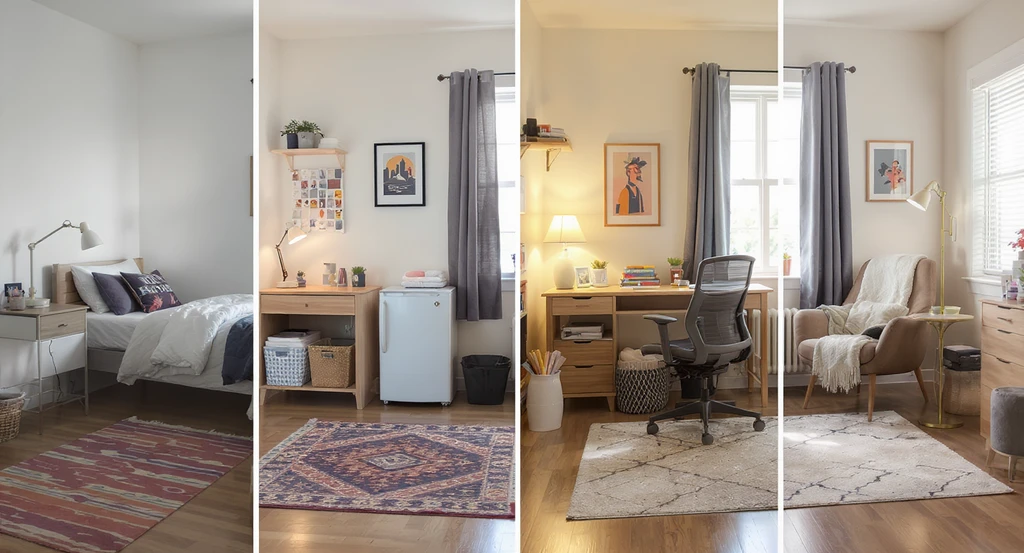
See realistic examples of college dorm room shopping setups by price tiers—helping you plan what to buy now versus later using our college dorm room shopping checklist. Discover how to organize a small dorm room and find budget-friendly college dorm decor ideas for roommate coordination and space-saving storage solutions for dorms.
Let’s talk numbers. Figure out your budget before you add anything to your cart, and stick to essentials first. Most students shop within two months before move-in, so space out purchases.
Budget Range Setup Example Buy Now? Under $300 Bedding, towels, organizer, lamp Yes $300–$600 Rug, more storage, mini fridge, small decor Split w/roommate $600–$1000 Layered lighting, premium organizers, better chair, upgraded bedding As needed Over $1000 Fully decorated, premium everything Maybe later -
05. Make Your Checklist (and Keep It Real)
Relying on generic shopping lists leads to overpacking. Create your own 'Must Buy / Wait to Buy / Skip' table for each area (sleep, study, organize, decorate). Parents and students should have separate lists, plus a shared sheet for splitting with your roommate.
- Main bed, desk, and storage first
- Roommate chat for shared items, split costs!
- Delay decor and rugs until you know your actual vibe
- Keep receipts for easy returns after move-in
Want extra peace of mind? Download or print a master checklist to organize your shopping.
-
06. Best Dorm Storage Moves for Small Spaces
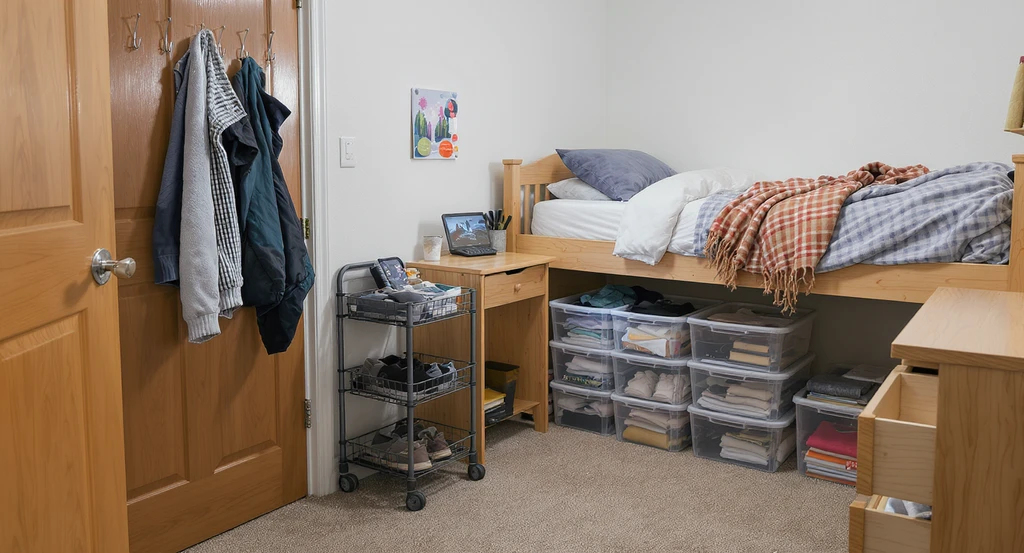
This college dorm room shopping checklist example features clever space-saving storage solutions—like under-bed bins, over-the-door hooks, a rolling cart, and drawer organizers—proving how to organize a small dorm room with budget-friendly college dorm decor ideas perfect for roommate coordination at move-in.
Dorms are tiny, get clever. Go vertical and stash extra stuff under the bed (if allowed). Use:
- Over-the-door hooks and racks
- Stackable or rolling carts for your desk or closet
- Drawer or shelf dividers for clothes or snacks
- Under-bed bins and cube organizers
See easy product ideas in our small-space closet hacks and get creative with storage.
-
07. Don’t Buy These Until You Move In
Skip these until you know your space:
- Extra furniture (futons, huge chairs)
- Big or colorful rugs
- Kitchen appliances (most are not allowed)
- Bulk notebooks and supplies (buy as you need)
- Lots of decorative stuff
Most schools post a banned list, double-check what’s allowed. For more on this, see our full guide to functional dorm setups.
Ready for Move-In? Make It Yours
Dorm shopping can be a lot, but with a smart plan, budget, and real talk with your roommate and parents, it gets way easier. Take time to measure, prioritize, and skip the extras until you actually need them. Remember, small choices add up to a space that looks and feels like home.