Curating a Characterful Bachelor Apartment: Style, Substance, and Smart Spending

TL;DR
Creating a bachelor apartment that feels grown-up and authentic involves evenly balancing timeless design, smart shopping, and pieces that tell your story. Mix vintage finds, durable investments, and practical touches in furniture and décor. Prioritize comfort, resist single-brand sameness, and let each piece reflect your interests and lifestyle.
The Modern Bachelor Apartment: Beyond Stereotypes

A modern bachelor apartment showcases a blend of comfort, character, and curated design choices—practical, personal, and visually inviting.
Today’s bachelor apartment defies dated clichés. Gone are the days of mismatched futons, blank walls, and minimal effort. Instead, an emerging design mindset values both comfort and a distinct point of view—inviting, personal, maybe a touch bold, but always thoughtful. Modern single living is about creating a space that supports you, impresses nobody but yourself, and lasts beyond fleeting design trends.
For many, the process starts with questions: Where should I spend my budget? Which styles reflect my personality? And how do I avoid spaces that feel either generic or contrived? The answers, it turns out, are less about following formulas and more about intentional mixing—of eras, materials, and sources. In 2026, furniture and décor trends celebrate lived-in character and comfort as much as they do visual punch. Here is how to approach outfitting a bachelor apartment that balances practical, livable design with plenty of personal style.
-
Finding Furniture That Lasts—and Feels Like You
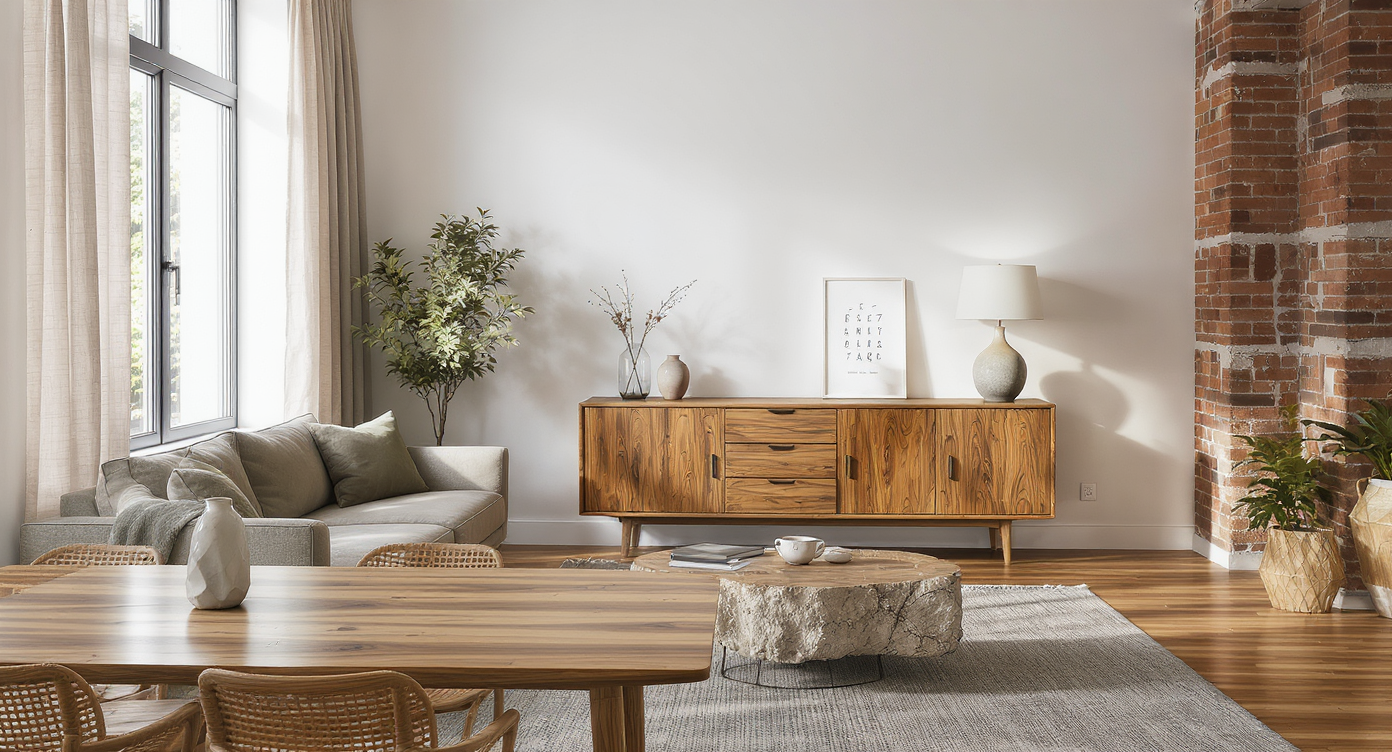
Curated bachelor apartment space blending mid-century, vintage, and artisan furniture—each piece chosen for quality, durability, and unique character.
The best interiors never appear assembled in a weekend. Rather, they gather depth when you select pieces over time, combining design eras and budgets. In 2026, the most memorable bachelor apartments foreground quality, durability, and character—without sacrificing affordability. Designers frequently advise allocating more of your budget to foundational purchases, especially sofas, beds, and dining tables. These anchor the space, absorb daily use, and set a visual tone.
Shopping strategies vary, but many single men are turning to a mix of brick-and-mortar showrooms, online retailers, and secondhand sources. Mid-century modern furniture remains a perennial favorite for its balance of graphic lines and warmth, which appeals to both modern and retro sensibilities. While recognizable chains like Room & Board, Crate & Barrel, West Elm, and Article offer streamlined options, durability can vary widely even within a single brand. The smart move, advocated both by professional designers and design-savvy Redditors, is to try big-ticket items in person when possible. Outlet showrooms often offer significant savings on floor models or returns—look for locations in industrial districts or near major cities.
Meanwhile, consignment stores, estate sales, and local furniture makers are becoming preferred hunting grounds for those seeking substance and story over brand name. These venues deliver pieces with genuine patina and unique provenance—plus serious value. As recent interior design directions reveal, rooms that layer vintage, artisan, and contemporary pieces feel more intentional and far less like a catalog page. 2025 interior design trends reinforce the value of mixing craftsmanship with mood-driven palettes and tactile materials.
Expert Insight
When Alex, a graphic designer in his early forties, moved into his first apartment after years in a shared home, he felt equal parts opportunity and overwhelm. Instead of rushing to furnish everything at once, he spent neutral Saturdays combing estate sales and consignment shops. He found an angular velvet sofa from the eighties and rewired a brass mid-century lamp from a flea market. Friends noticed that, layer by layer, Alex’s apartment began to telegraph his interests—a love of jazz vinyl, a knack for bold color, a taste for hand-thrown ceramics. Now, months in, he admits that every object has a story, and, together, they feel both functional and entirely personal.
-
Smart Shopping: Balancing Budget and Style
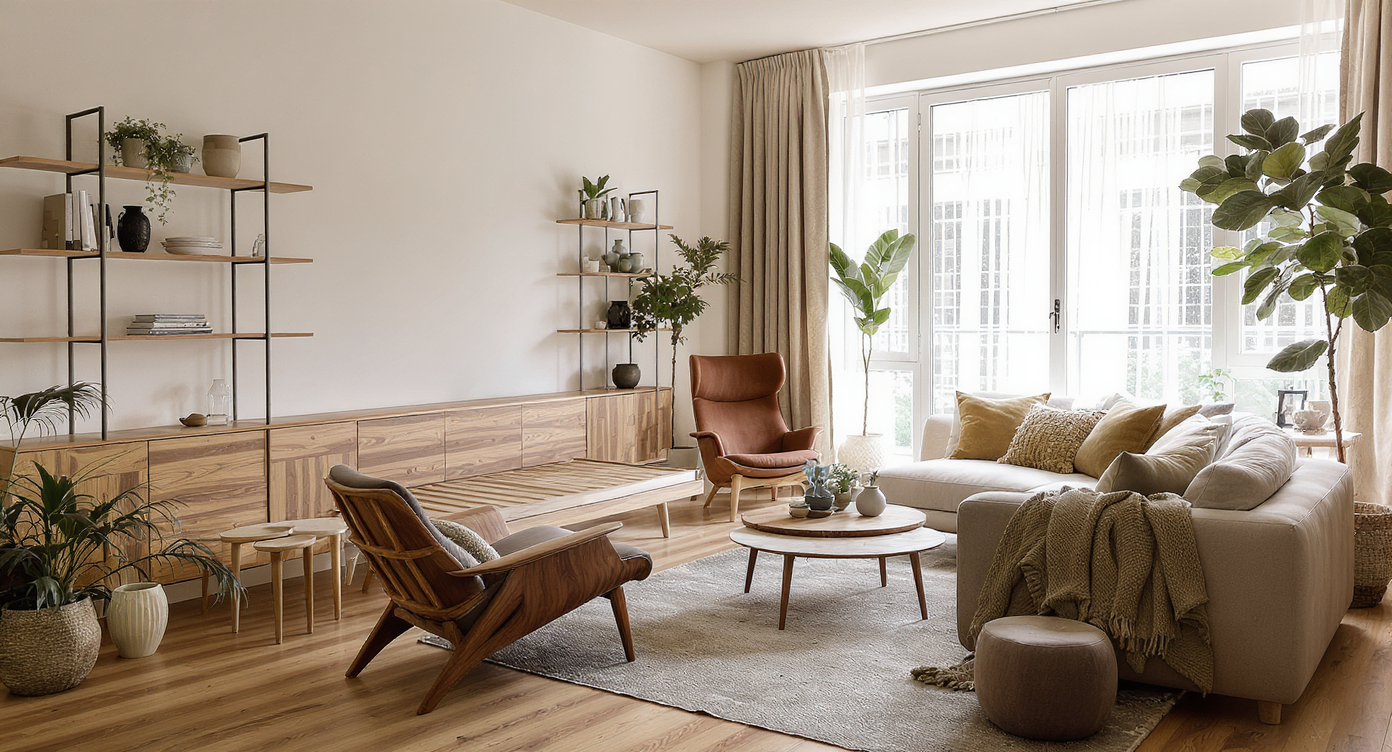
A bachelor apartment living space that combines high-quality statement pieces with thrifted finds and entry-level furniture, illustrating stylish, budget-savvy shopping.
Your bachelor apartment should never hinge on any one brand or price bracket. In fact, single-source shopping tends to produce rooms that lack personality and depth. The most dynamic spaces combine high, medium, and low investments. Spend deliberately where it counts—a locally made, solid-wood bed, for instance, or a lounge chair from an independent maker. For shelving, storage, occasional tables, or accent chairs, entry-level retailers and thrifting will often satisfy function and style. Mixing these layers is what creates a collected look that will age gracefully.
Mistakes do happen when buying impulsively online, especially for seating. Comfort is deeply personal, and it’s easy to underestimate the tactile element of design. Test out sofas, recliners, and chairs in-store, or read extensive reviews if buying online. Avoid the temptation to chase trends at the expense of livability. Modular, comfort-forward seating and rounded-edge designs dominate 2026’s most livable interiors, according to the 2025 furniture trend forecast.
Vintage stores and digital marketplaces like Facebook, Craigslist, and eBay are widely regarded for unearthing distinctive, budget-friendly finds. Even smaller city neighborhoods offer undiscovered sources: consignment shops, restoration outlets, or local workshops that produce custom work at attainable prices. When budget meets patience, your furnishings retain more meaning and reward everyday use.
-
Layering Decor and Art for Authentic Personality
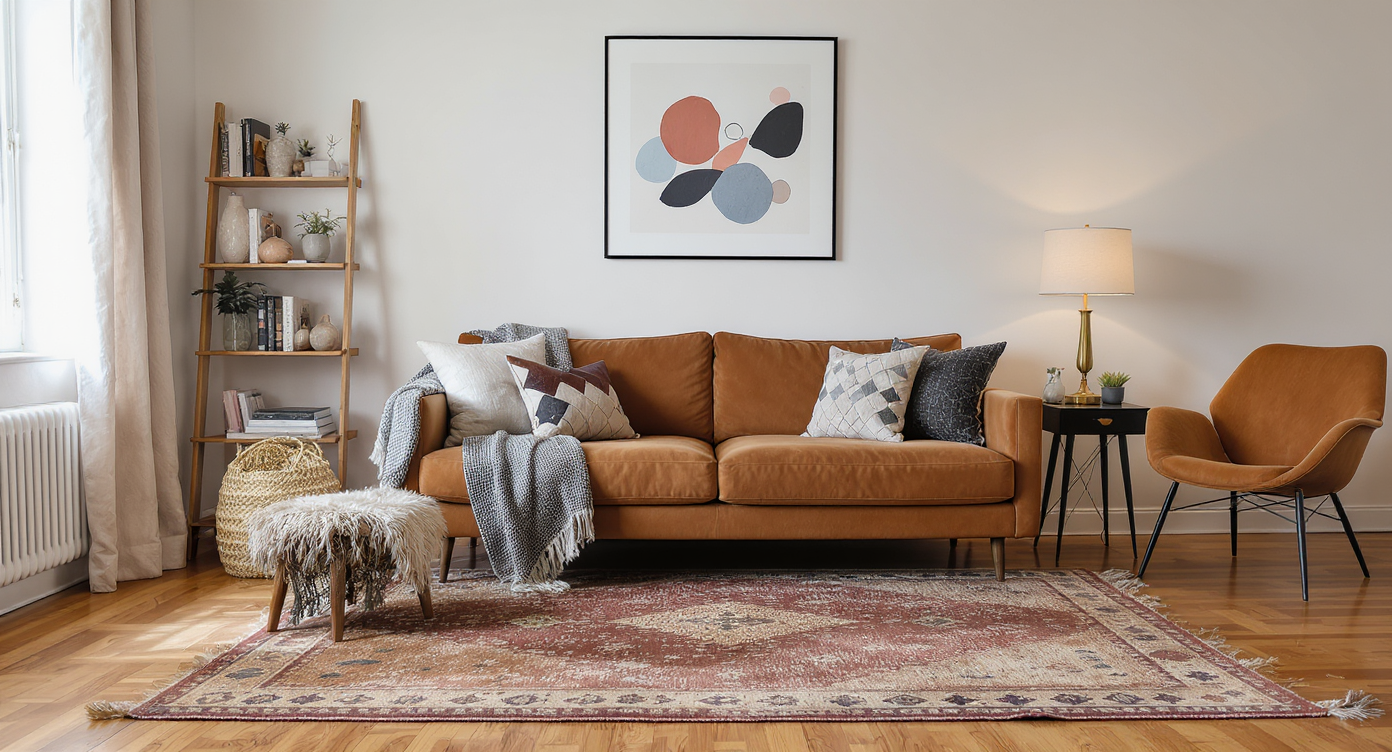
A characterful living area layered with mixed art, vintage lighting, and a retro rug, illustrating authentic, curated apartment personality.
Furniture forms the physical core of your apartment, but décor, rugs, and wall art infuse spirit. The best approach for single men looking to avoid the look and feel of a transient short-term rental is to blend various sources. Some opt for one-of-a-kind prints from independent artists found on Etsy or estate sales, while others mix museum replicas with pop culture posters and thrifted frames. An eclectic, lived-in effect emerges from these stories and small collections—mirroring broader design shifts towards layered, mixed-style aesthetics.
Area rugs, too, can transform the bones of a space. If your rental floors are generic, a retro-inspired or kilim rug grounds a living area while absorbing sound and introducing color. And while mass-market options are plentiful, vintage and used rugs often outperform new ones in durability and price. The same logic applies to lighting: invest in a statement floor lamp, source quirky side-table lamps from thrift stores, or consider re-wiring a found fixture to match your palette. Visual cohesion comes not from matched sets but from your eye for what belongs in your story.
-
Anecdote
When Alex, a graphic designer in his early forties, moved into his first apartment after years in a shared home, he felt equal parts opportunity and overwhelm. Instead of rushing to furnish everything at once, he spent neutral Saturdays combing estate sales and consignment shops. He found an angular velvet sofa from the eighties and rewired a brass mid-century lamp from a flea market. Friends noticed that, layer by layer, Alex’s apartment began to telegraph his interests—a love of jazz vinyl, a knack for bold color, a taste for hand-thrown ceramics. Now, months in, he admits that every object has a story, and, together, they feel both functional and entirely personal.
-
Common Mistakes to Avoid
Rushing to fill every space rarely ends well. Designers suggest resisting the urge to buy all at once or from a single showroom, as this often leads to rooms that lack nuance or emotional connection. Prioritizing trend over comfort is another frequent pitfall—especially with major pieces. Beware overly budget picks for everyday use furniture, since replacements quickly erase initial savings. Lastly, skimping on details like lighting, art, or textiles keeps an apartment feeling unfinished, even if the bones are strong. Every investment, even small, should add meaning or utility.
-
Tips or Expert Insights
Designers recommend planning big purchases—like sofas or beds—in person when possible, and returning periodically to outlets for floor sample discounts. If considering vintage, assess for structural integrity, not just aesthetics. A well-made, older piece can easily outlast new, mass-market alternatives. Approach décor as an ongoing process, collecting art, textiles, or personal objects on your travels or from local craftspeople. And when leveraging AI shopping or design tools, use them for visualizing combinations before buying or repainting. Layering, patience, and an open mind are your best allies for a home that matures with you. For those inspired by maximalist and collected-over-time spaces, learn more about the beauty of evolving collections.
-
How to Use This in Your Next Designs
As you set up or refresh your own space, begin with a few strong, investment-worthy pieces. Shop slower for the rest, staying open to serendipity, local sales, or creative reuse. Let your floors, walls, and lighting evolve—adding elements as your interests shift or as good finds emerge. Document inspiration in a digital notebook or visual platform, and update it seasonally. Embrace trial and error, because personal style arrives through layering experiences, not just purchases.
Above all, build for comfort and longevity. A bachelor apartment is an ideal place to assert preferences—choose bold colors, surprising textures, or offbeat mixes that affirm your independence. Let your interiors reflect where you’ve been, what moves you, and what you actually use daily.
-
Visualization
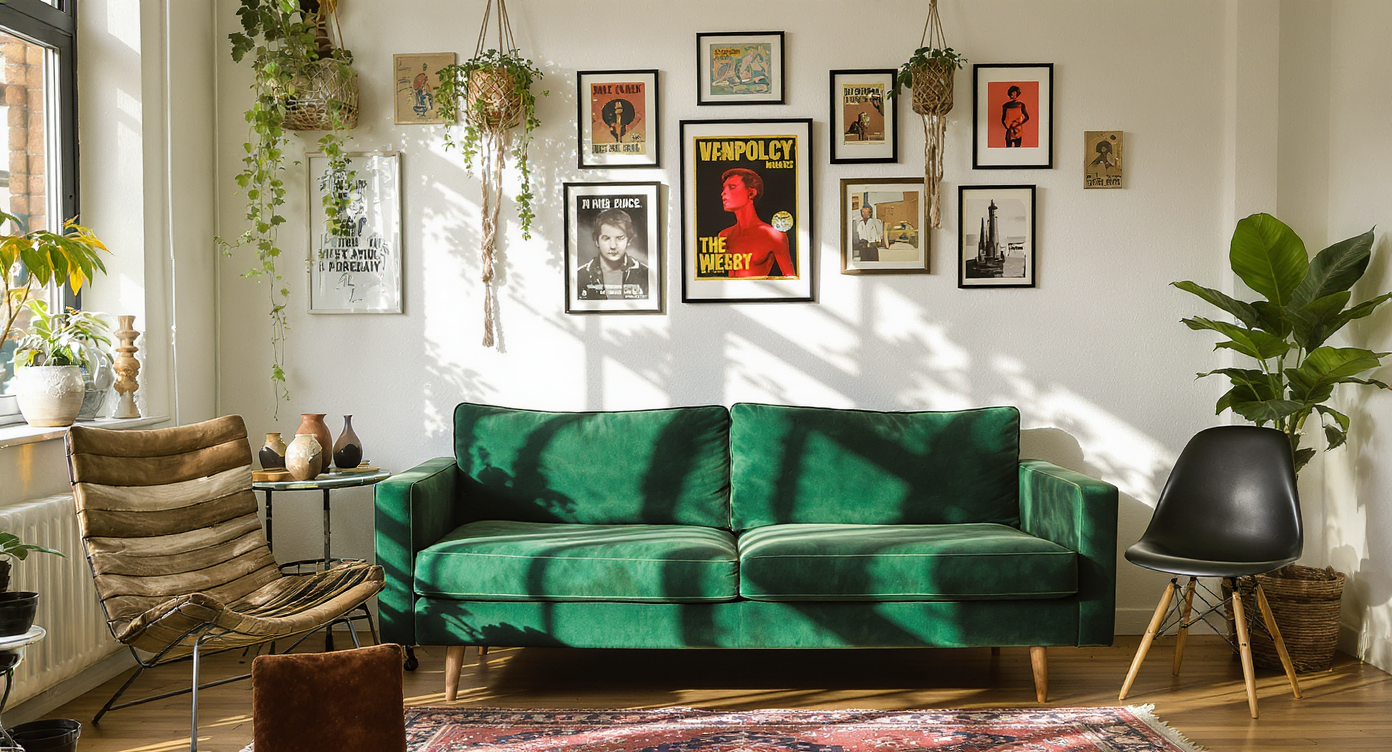
A bachelor apartment interior layered with an emerald sofa, unique chairs, collected ceramics, gallery art, greenery, and vintage lighting.
Picture entering a sunlit apartment on a late Saturday morning. The room unfolds with a well-loved emerald sofa, a trio of mismatched but meaningful chairs, and an industrial side table topped with found ceramics. A gallery wall chronicles years of music posters and original artworks—each one signaling a different memory or place. Indoor plants cascade from hanging planters, and a geometric kilim rug ties the space together. By evening, warm lighting glows from a re-wired floor lamp rescued from a salvage store. Now, each corner feels layered, personal, and unmistakably yours, inviting you to linger as long as you like.
Visualization Scenario
Picture entering a sunlit apartment on a late Saturday morning. The room unfolds with a well-loved emerald sofa, a trio of mismatched but meaningful chairs, and an industrial side table topped with found ceramics. A gallery wall chronicles years of music posters and original artworks—each one signaling a different memory or place. Indoor plants cascade from hanging planters, and a geometric kilim rug ties the space together. By evening, warm lighting glows from a re-wired floor lamp rescued from a salvage store. Now, each corner feels layered, personal, and unmistakably yours, inviting you to linger as long as you like.
FAQ: Outfitting a Bachelor Apartment
- How do I choose a furniture style that doesn’t feel generic?
- Start by noting what visual references resonate with you, both online and in showrooms. Combine eras—mid-century pieces with modern lighting, for example—for a collected, authentic feel. Let each item earn its place, and avoid full sets from a single brand.
- Is it worth investing in high-end sofas or beds?
- Yes, especially for furniture you’ll use daily. Quality pieces will last longer, feel better, and age gracefully. Seek performance fabrics or solid construction, and be willing to hunt for deals in outlets, vintage shops, or local makers.
- How can I decorate on a budget without sacrificing style?
- Mix secondhand, consignment, and big-box finds. Rugs, lighting, and wall art from estate sales or online marketplaces often provide distinctive, well-made key pieces at affordable prices. Save your big splurges for items that are both attractive and essential.
- What if I want to see my ideas before committing?
- Visual design platforms, including ReimagineHome.ai, allow you to preview combinations of finishes, colors, and furniture in your own space before you buy or repaint. Upload a photo and experiment freely to avoid costly mistakes.
The Bachelor’s Space: Curated for You, by You
Your bachelor apartment is an ongoing canvas. Let it reflect quality over quantity, comfort over convention, and authenticity over perfection. There are abundant ways to design affordably and beautifully, whether by tapping local artisans, mining vintage stores, or mixing styles to suit your personality. Whatever your approach, trust your instincts and take your time. The rooms that feel best are the ones you build for yourself, layer by layer—and when you envision changes in real time, AI-powered platforms like ReimagineHome.ai can help you see the possibilities before you invest.