How to Decorate a Structural Pillar Between Living and Dining Rooms: Practical Layout Solutions
TL;DR
A structural pillar between living and dining rooms can break up flow or become a design opportunity. The right solution, camouflage, functional integration, or visual highlight, depends on your needs, layout, and taste. Avoid common placement mistakes and use spatial rules to improve both cohesion and utility without disrupting the openness of your space.
Why Pillars Challenge Open Layouts
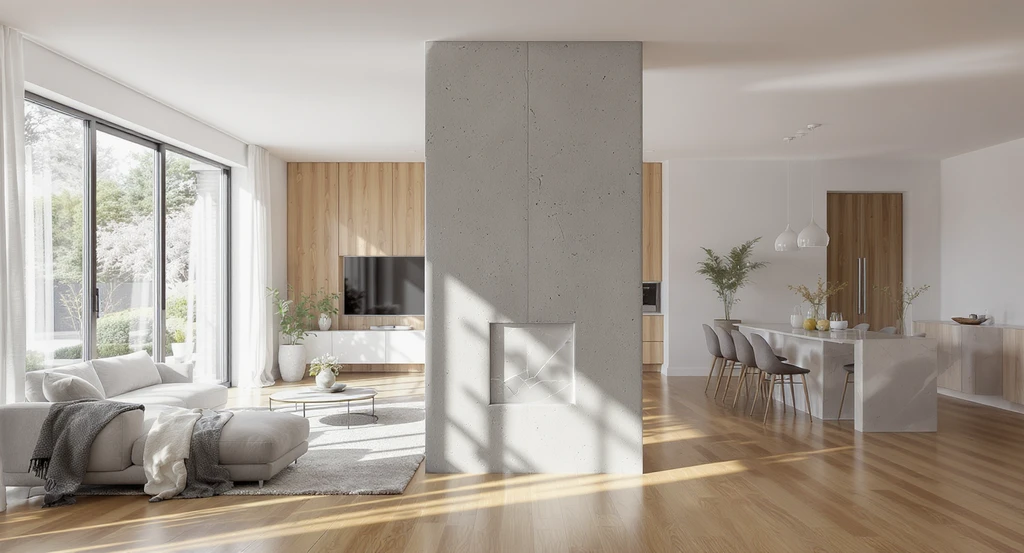
How to decorate a structural pillar between rooms: A visible support column divides modern living and dining spaces—see creative pillar design ideas, camouflage techniques, and the best materials for wrapping interior pillars in open concept homes.
Open concept homes often come with the surprise of a structural pillar sitting between key spaces like the living and dining rooms. While these columns are essential for support, they can disrupt flow or feel visually awkward if not handled well. Instead of ignoring the pillar or making a hasty decorative choice, approach it with practical design thinking. The goal: either make the pillar blend in, restoring openness, or turn it into a useful and visually coherent feature. This article explains step-by-step methods to evaluate your pillar problem and correct it the right way.
-
The Core Problem: Pillars Disrupt Balance and Cohesion
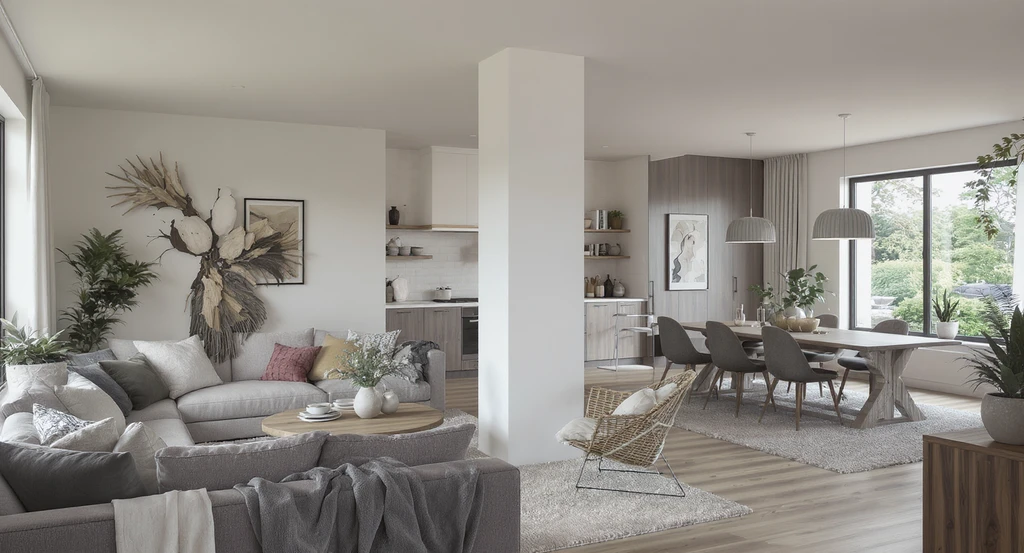
A poorly integrated structural pillar disrupts room cohesion—showcasing how to decorate a structural pillar between rooms and illustrating why creative pillar design ideas for open concept spaces, well-chosen camouflage techniques for living room columns, and the best materials for wrapping interior pillars are crucial to balance and flow.
A poorly integrated pillar stands out and interrupts the visual or functional connection between rooms. Common mistakes include treating the pillar as a simple vertical surface for a TV, hanging any art without scale consideration, or crowding it with objects that make the area feel narrower. Many layouts place furniture around the pillar awkwardly, creating pinch points or sightline issues. According to our guide on fixing a cozy, cohesive living room, ignoring scale, lighting, and repetition around features like pillars leads to discomfort and visual noise.
Expert Insight
A client once tried to hide their pillar with a tall bookshelf, but it blocked the walkway and made the room feel boxed in. After a visualization session, we swapped the shelf for a fluted wood wrap with integrated lighting, freeing floor space and making both rooms feel connected.
-
Why It Happens: Pillars Block Flow and Fragment the Space
Why It Happens: Pillars Block Flow and Fragment the Space Image
On a plan, the pillar is rarely centered in a way that supports natural furniture placement. It often interrupts walking paths, gets in the way of rug layouts, or affects views through the room. Many homeowners compound the issue with poor color or lighting choices. For example, mounting a TV on a narrow pillar almost always leads to odd proportions and visual imbalance. As explained in our expert advice on best TV heights for living spaces, aligning media to eye level and scale is essential, pillars rarely satisfy these conditions.
-
Correction Principle: Decide—Blend or Highlight
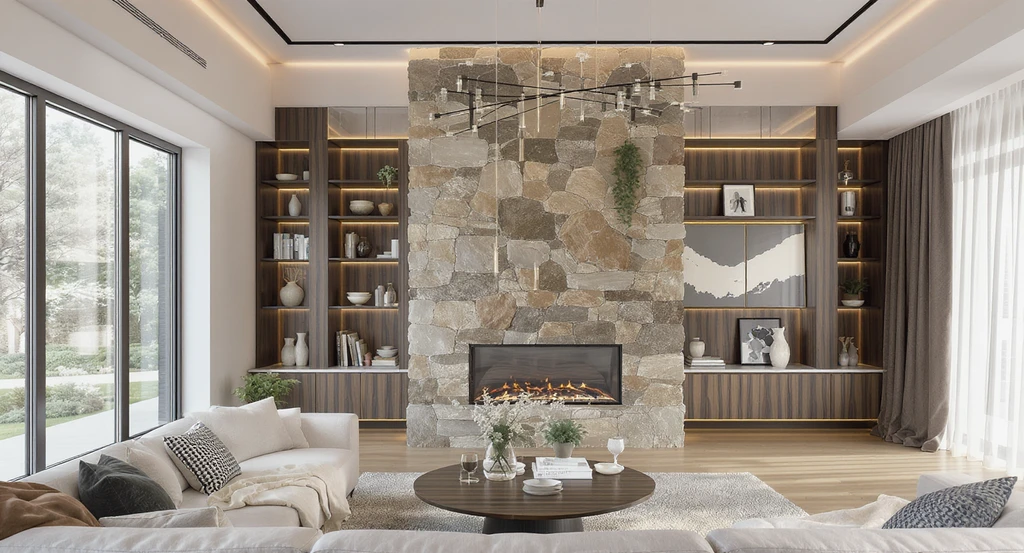
Correction Principle: Decide—Blend or Highlight Image
Use the BLEND or HIGHLIGHT decision framework: 1. Blend: The goal is for the pillar to recede from attention, helping the space feel open and connected. 2. Highlight: The pillar becomes a functional or decorative feature, adding purpose or focal interest. Ask: - Does my space need more openness (Blend)? - Or would a functional divider or artistic feature improve zoning and use (Highlight)? Make this decision before planning physical changes.
-
Practical Corrections: Step-by-Step Solutions
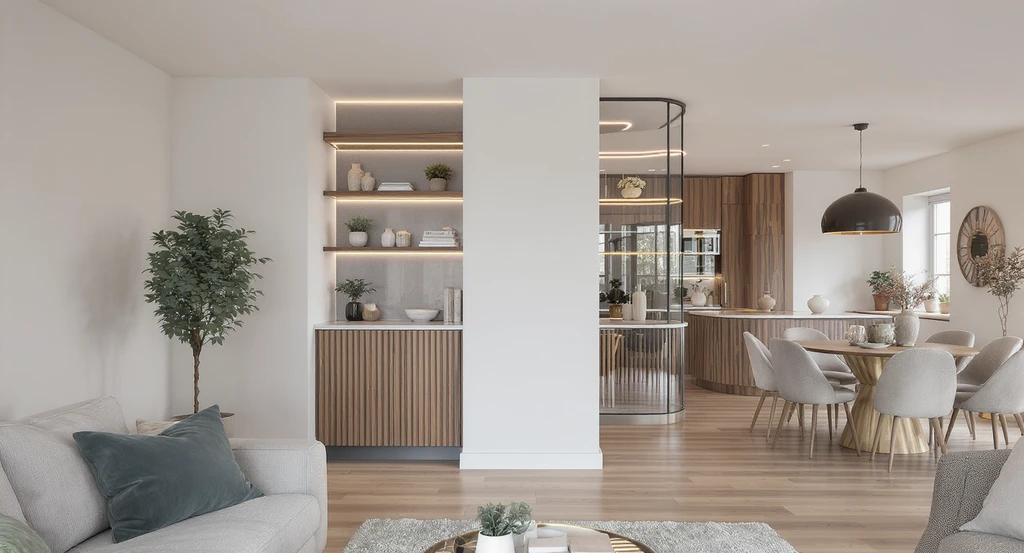
Explore how to decorate a structural pillar between rooms with creative design ideas for open concept spaces. This scene shows effective camouflage techniques for living room columns—color-matching, mirrors, integrated shelves, wood wraps, and statement lighting—using the best materials for wrapping interior pillars.
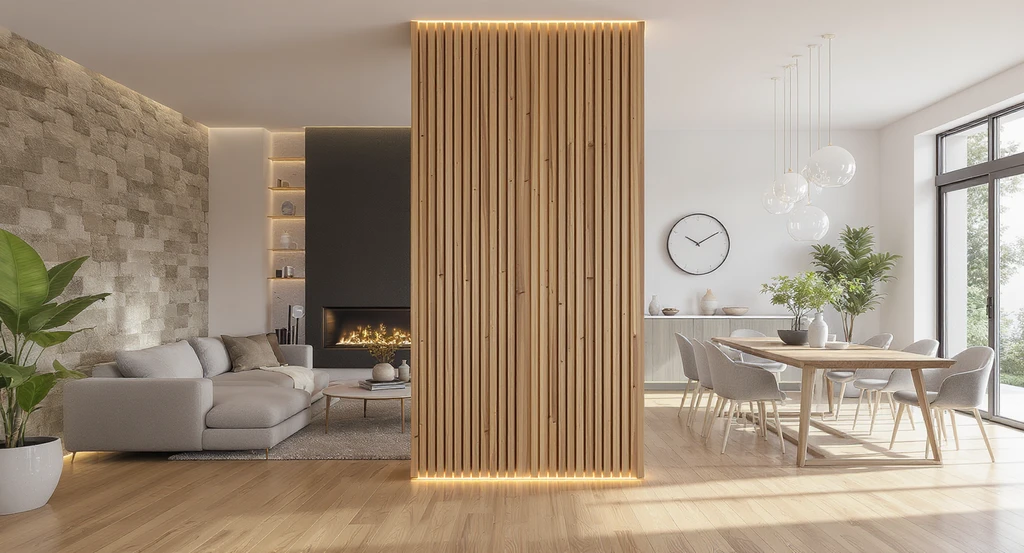
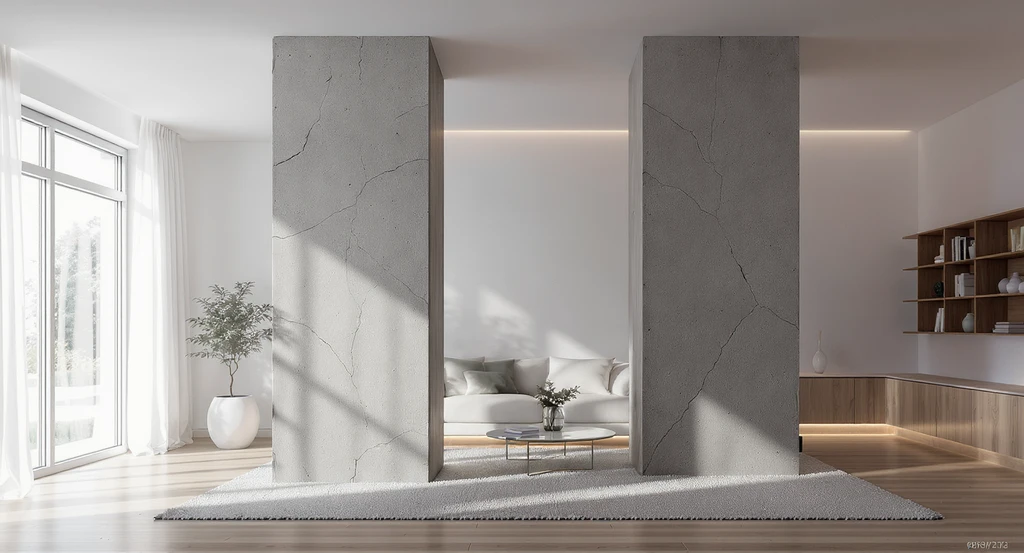
BLEND Strategies (Camouflage): - Color Matching: Paint the pillar the exact shade and finish as surrounding walls. This reduces visual 'noise' and can let a feature like a gallery wall stand out elsewhere. Maintain similar baseboards for full integration. - Mirror Cladding: Cover the pillar in full or partial mirror panels. This reflects the room, increases perceived spaciousness, and visually erases the column from certain angles. - Sparse, Tall Accents: Place a single, tall plant or a vertical sculpture beside (not on) the pillar. This draws the eye upward, away from the column bulk, and helps soften the lines without crowding. HIGHLIGHT Strategies (Functional or Decorative): - Integrated Shelving: Build custom shelves or wrap-around bookcases slightly smaller than the pillar’s footprint. Limit shelf depth so they don’t block walkways. Floating shelves bridged between two pillars make a natural divider. - Media Integration: Use the pillar as a mounting point for a media console, but only if the screen’s size matches the pillar’s width and is at seated eye level. Avoid TVs that overhang; refer to our guidance on setting correct TV heights. - Material Wraps: Wrap the pillar with fluted wood, brick, or marble to match the room’s style. Tactile textures add depth when used with moderation. - Statement Lighting: Add vertical LED channel strips or a ceiling-mounted halo. As described in our article on layered LED accent lighting, focus on warm, low-output fixtures to highlight texture without harshness. - Greenery: Attach modular planters or a slim trellis for a living green column. What to Avoid: - Mounting oversized TVs high on the pillar creates neck strain and a top-heavy look. - Overcrowding with multiple decor items. - Deep or bulky shelving that cuts into walkways.
-
Spatial Reasoning: Placement, Proportion, and Lighting
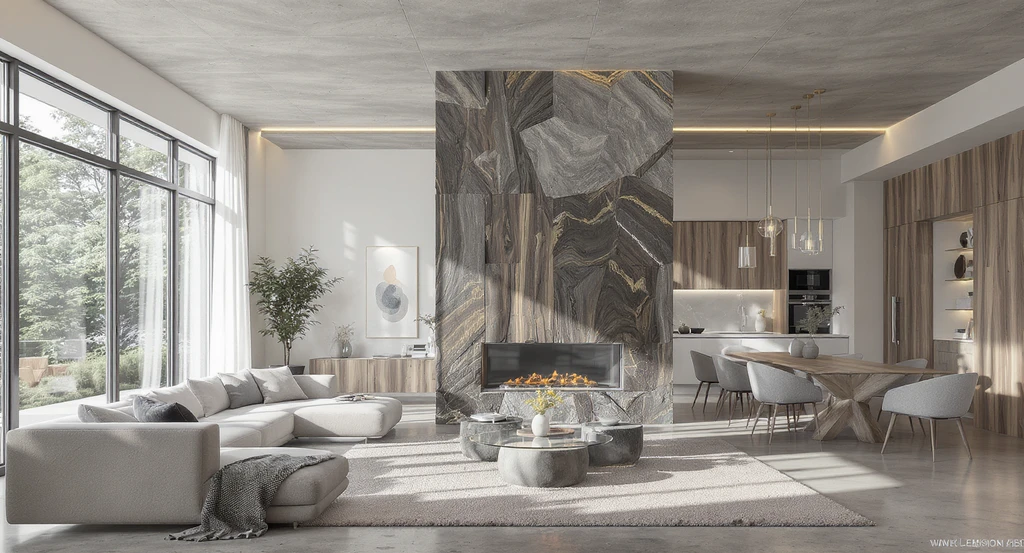
Spatial Reasoning: Placement, Proportion, and Lighting Image
Evaluate pillar solutions using these checks:
- Traffic Flow: Maintain a minimum 36-inch path between pillar edges and neighboring furniture or walls, this mirrors foyer layout best practices.
- Proportional Sizing: Any built-in feature should stop at least 2 inches shy of each pillar edge. Shelves or benches should not overhang more than 4 inches from the pillar face. This helps keep visuals tidy and walkways clear.
- Lighting: Vertical or halo lighting helps accentuate material finishes, but choose fixtures with high CRI and dimmable, warm color temperature. Avoid glare by shielding bulbs behind diffusers or slats as shown in our LED accent lighting guide.
- Sight Lines: Ensure the pillar’s treatment doesn’t block important views between spaces.
-
Using Visualization Tools to Preview Pillar Solutions
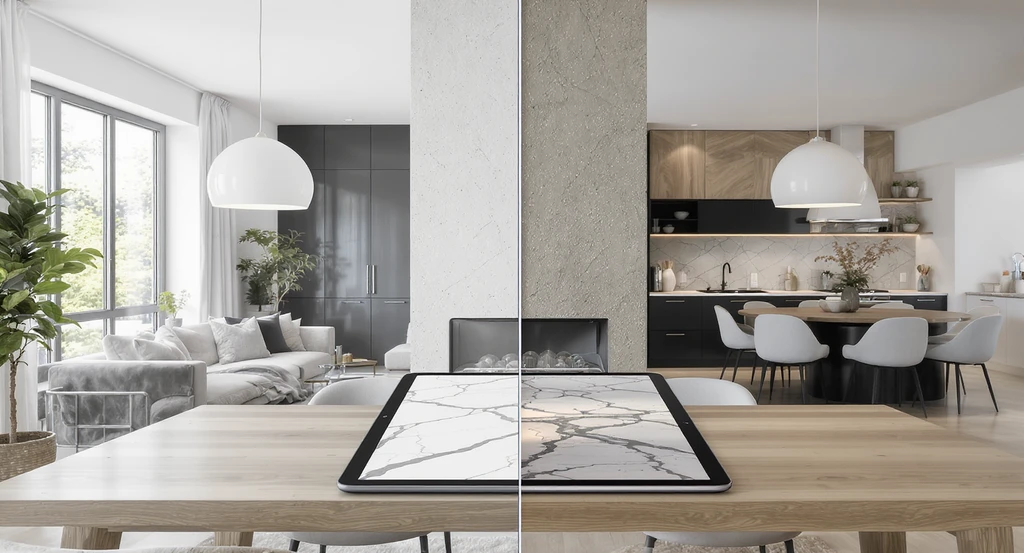
Test creative pillar design ideas for open concept spaces using visualization tools to preview how to decorate a structural pillar between rooms with best materials and finishes.
If you’re unsure whether to blend or highlight your pillar, preview options visually before making permanent changes. Tools like REimagineHome AI let you test different pillar finishes (color, material, shelving) or lighting setups, so you can see how scale, shadow, and reflection will affect the space. This helps prevent investment in a solution that later feels oversized or distracting. Visualizing in advance also clarifies how your chosen treatment coordinates with surrounding furniture and color schemes.
Visualization Scenario
Imagine uploading a photo of your open-plan living and dining area to REimagineHome AI. With a few clicks, you can preview the pillar in mirrored cladding, as a bookshelf, or wrapped in wood with statement lighting. Seeing these options ahead of time makes it easy to pick the right solution before committing.
FAQs on Decorating Structural Pillars Between Rooms
- Is it safe to drill into a structural pillar?
- Always check with a contractor before drilling into a structural column. Most coverings or shelves use shallow anchors fixed to drywall wraps, not deeply into concrete or steel.
- Can I hang my TV on a pillar?
- Generally, mounting a TV on a pillar leads to awkward proportions and viewing angles. Follow our guide on proper TV height for optimal placement. Pillars rarely provide the right scale or allow for ideal cabling and positioning.
- What’s the best finish if I want the pillar to disappear?
- Paint the pillar the same shade and sheen as your walls, or clad it in mirrors for added light reflection. Avoid accent colors or materials that draw the eye.
- How can I use lighting to improve a pillar?
- Add warm, dimmable vertical accent lighting or a subtle ceiling halo. Refer to our article on how to layer LED lights without harshness or glare.
Key Takeaways: Pillars Done Right Add Value, Not Clutter
Structural pillars don’t have to compromise your open-concept layout. Decide early whether blending or highlighting fits your needs, and follow spatial rules about scale, placement, and lighting. Using strategies from built-in shelving to mirror wraps and vertical lighting, a well-planned pillar solution supports flow, enhances style, and keeps your space functional. Test your ideas visually with a tool like REimagineHome AI before committing to permanent changes.