9 DIY Dining Room Transformation Rules for First-Time Homeowners
TL;DR
Transforming an empty dining room starts with defining boundaries before decorating. Use the Boundary-Intent Principle, apply the 2/3 rug scale rule, layer lighting using a chandelier + wall lighting system, maintain warm 2700–3000K color harmony, and verify lighting levels against professional standards (300–500 lux for dining tasks). Test layouts digitally before building. Finish with personal details that prioritize enjoyment over resale trends.
Introduction: Why Most First Dining Rooms Feel Stuck

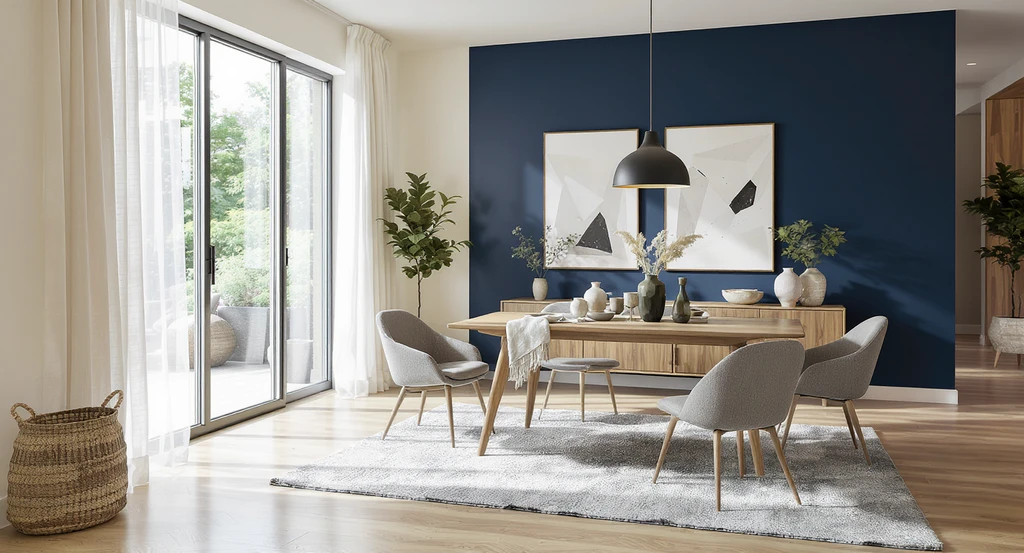
How to transform an empty dining room: A bare space within an open concept layout highlights the DIY challenge of defining space, selecting fixtures, and adding personality for first-time homeowners tackling awkward room layouts.
Many first-time homeowners inherit a dining room that feels like a leftover zone rather than a destination. Open concept layouts blur boundaries. Furniture gets placed without structure. Lighting is installed without layering. The result? A space that feels furnished - but not finished. This article introduces a structured, measurable system that prevents common DIY mistakes while creating a room that feels intentional, cohesive, and personally satisfying.
-
1. Apply the Boundary-Intent Principle Before Choosing Decor
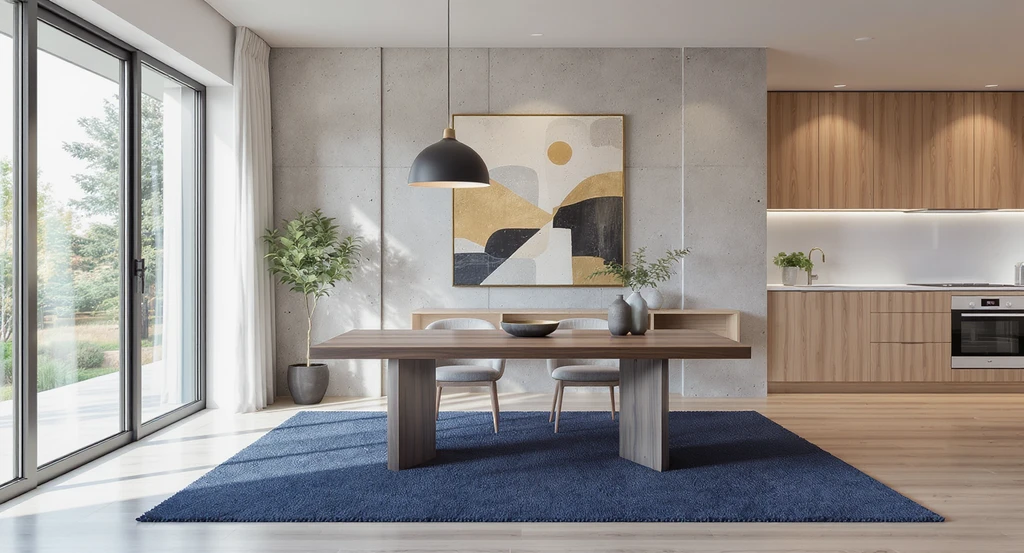
How to transform an empty dining room: Use area rugs, accent walls, and light fixtures to define space in open concept rooms and anchor awkward layouts.
Start every DIY dining room project by clarifying the room’s boundaries and intended role, not just its appearance. The Boundary-Intent Principle states: a space must be physically and visually defined before it can be effectively decorated. This means using architecture (partial walls, headers, or vertical elements), area rugs set to the correct dining table scale, and deliberate art placement to anchor the space. Undefined or loosely arranged dining rooms often feel like pass-throughs clarifying physical and visual boundaries moves the room from “leftover” to “purposeful.” Review our guide on how to take your dining room to the next level for actionable steps on spatial anchoring.
-
2. Avoid the Empty-Box Trap: Delineate Without Closing Off
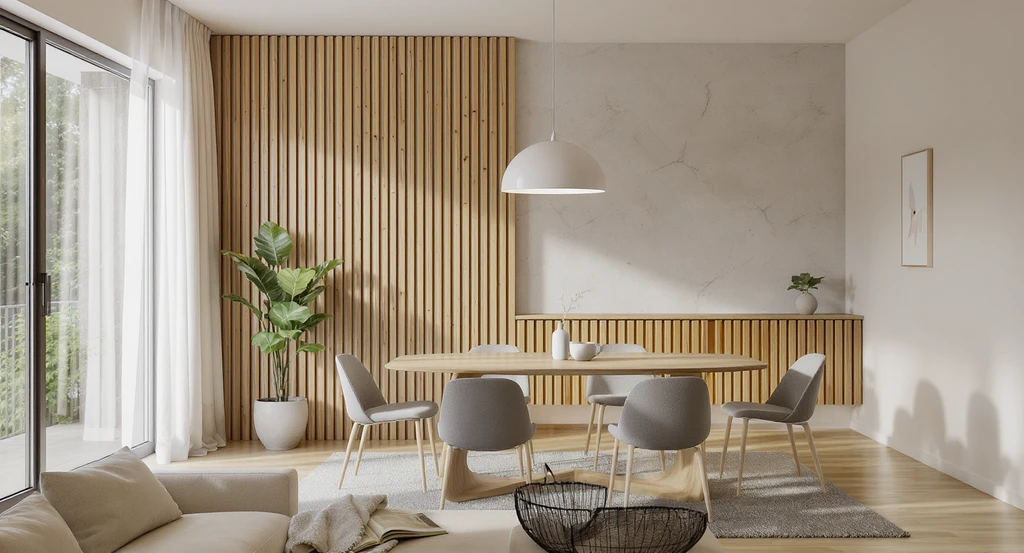
See how to transform an empty dining room by defining space in open concept rooms with slat paneling, radius corners, accent walls, and well-chosen lighting—perfect DIY ideas for awkward layouts.
Defining space in open concept rooms does not require full walls use low partitions, wing walls, changes in ceiling height, or feature slat paneling to suggest separation. The Empty-Box Trap refers to the psychological discomfort of rooms with no clear use or containment, often causing hesitancy in furnishing or finishing. Radius (rounded) corners on partial headers soften transitions and create flow while marking boundaries—an advanced DIY detail that elevates any first project. Always map these interventions in a layout tool before committing physically; digital planning prevents regret and expensive demo work.
-
3. Get Proportions Right: Use the 2/3 Scale Rug Rule
A dining room rug should be at least two-thirds the width and length of your dining table to provide cohesive visual framing. Rugs that are too small shrink the perceived footprint of the dining zone and introduce awkward movement around chairs. This measurable rule maintains proportion while practically reducing noise, improving underfoot comfort, and protecting new floors. Layering a rug per the 2/3 scale standard transforms a patch of flooring into a true destination, as detailed in our guide to rug sizing and placement.
-
4. Layer Lighting Intentionally: Follow the Gradient Illumination Method
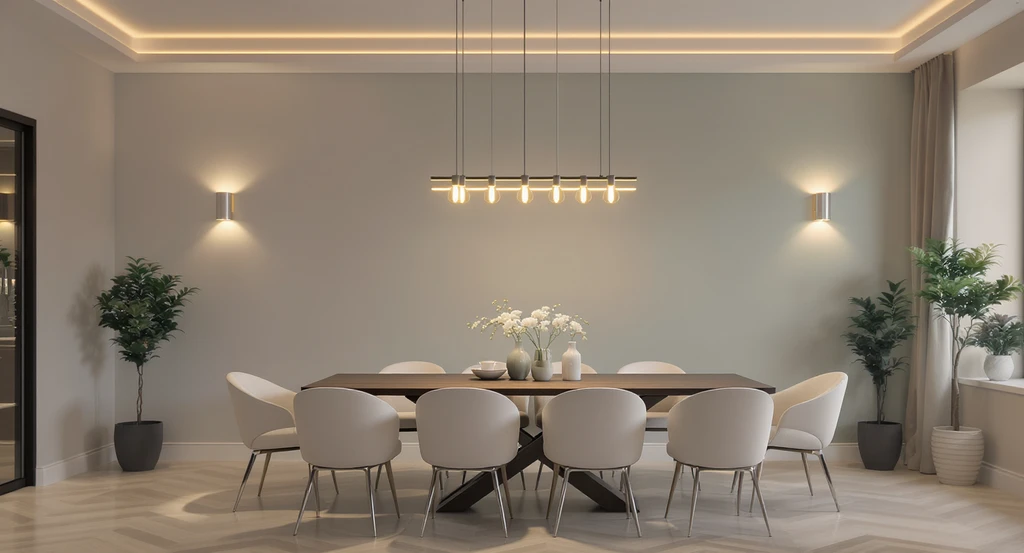
Upgrade your dining room with the Gradient Illumination Method—define space in open concept rooms using layered lighting and well-placed light fixtures to transform awkward dining areas.
Effective dining rooms use layered lighting not just for mood, but to resolve shadow and glare imbalances common in open-plan spaces. The Gradient Illumination Method entails: install a central chandelier or pendant to anchor the table, add sconces or wall lights at eye level to fill vertical space, and choose adjustable color temperatures to match adjoining kitchen or living zones. This method minimizes psychological spatial blur and heightens comfort. According to our exploration of dining room lighting dilemmas, testing fixture size and placement virtually is key to avoiding costly errors.
-
5. Embrace DIY Accent Walls: Coordinate Color With Intent
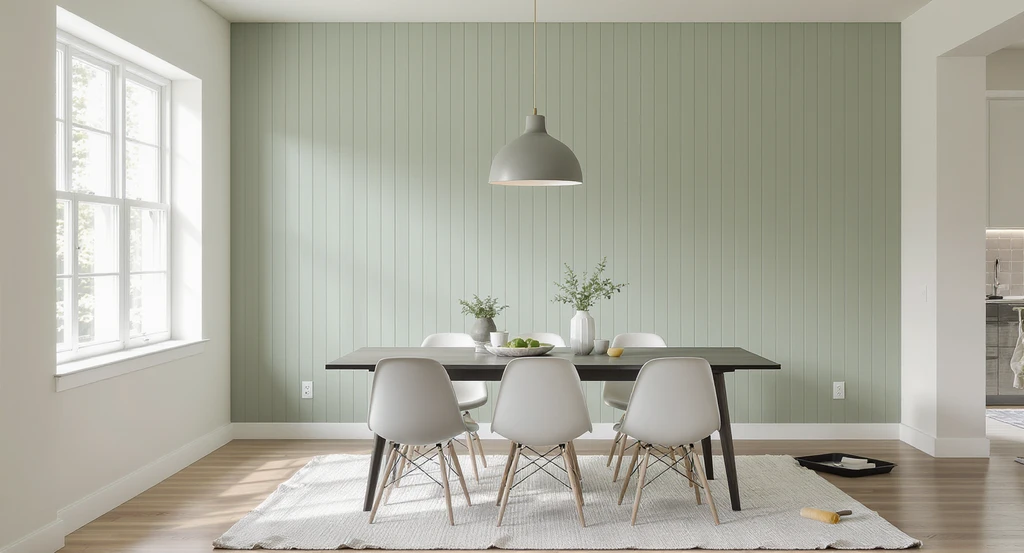
Transform an empty dining room by adding a DIY accent wall in muted green, defining space with color and dimension—an inviting DIY idea for open concept layouts.
An accent wall, such as painted slats or paneling, delivers visual weight and personality but demands strategic placement. Choose a wall that naturally frames the table or lies opposite an entry to act as a focal point. Color selection should anchor the scheme muted greens (such as “Muddled Basil” by Sherwin-Williams) can introduce subtlety while panels add dimension. Proper prep (wall smoothing, precise spacing) and steadfast color selection with a partner require patience, but these steps produce a higher sense of finish and ownership than off-the-shelf art.
-
6. Test Layouts Digitally Before You Build or Buy
Digital visualization tools empower first-time homeowners to test wall, lighting, and furniture scenarios with zero commitment. Model your room’s footprint and boundaries, simulate feature walls, and preview how various light temperatures and fixture placements affect color and mood. This reduces decision fatigue and eliminates expensive trial-and-error. While SketchUp is popular for 3D planning, ReimagineHome offers photo-based layout tests to see changes instantly bridging the gap between imagination and actual fit.
-
7. Address Transition Details for a Finished Look
Transitional elements baseboards, outlet covers, vent colors, and the finish of header corners complete the room’s sense of intent and craftsmanship. Mismatched or unfinished transitions (raw drywall, misaligned baseboards, dissonant vent colors) draw attention away from even the best DIY accent wall or lighting. Consider changing vent covers and electrical outlets to contrast or coordinate with trim for a subtle designer effect, a detail often overlooked but praised by those living with the transformation.
-
8. Anticipate Light Color Harmony Across Adjoining Spaces
Dining rooms sharing boundaries with living and kitchen areas need coordinated lighting temperatures to avoid perceptual disharmony. Warm (2700–3000K) overhead and wall lighting flatters wood and enhances sociability, while excessive cool (4000K+) kitchen fixtures can break the visual unity and diminish comfort. This is particularly important when reflected floor tones differ between rooms; mismatch amplifies perceived color dissonance. Swapping kitchen fixtures for dimmable or color-selectable models ensures a seamless flow.
-
9. Prioritize Personal Enjoyment, Not Only Resale Appeal
A truly successful DIY dining room project is measured by how much it suits your daily preferences, not just what sells or trends. This Mindful Personalization Principle reminds first-time homeowners to pick art, furniture, and color elements they love even if internet commentators disagree. As echoed by many, transforming a space for your own enjoyment outlives concern for potential future buyers and fosters a sense of achievement.
Frequently Asked Questions: DIY Dining Room Transformations
Use subtle architectural changes like partial walls or headers, strategic rug placement, and lighting to clearly designate the dining zone within an open plan. This reduces confusion and increases usability.
Should I install an accent wall before or after choosing furniture?
It's best to finalize your layout and primary furniture first, then position your accent wall where it anchors the space visually—often behind or opposite the table for maximum impact.
What rug size is best for a dining room table?
Select a rug at least two-thirds the width and length of your dining table to ensure all chairs stay on the rug when pulled out and to visually ground the dining area.
How do I coordinate lighting color temperature between dining and kitchen?
Choose fixtures that enable similar warm light tones (2700–3000K) to unify adjoining spaces. If fixtures conflict, opt for color-adjustable models or replace one for a better match.
Conclusion: From Empty to Intentional-The First-Time DIY Dining Room Path
Transforming a blank or undefined dining room requires more than just a few furniture pieces or a fresh coat of paint. By applying the Boundary-Intent Principle, planning spatial divisions, and focusing on layer-by-layer improvements from foundational rugs and layered lighting to finished details you ensure every step builds toward a space that feels resolved and welcoming. Digital visualization, patience with finishing details, and personal enjoyment converge for a result that not only looks great but also belongs to you. For those seeking further inspiration, review these DIY home decor approaches designers trust most.