11 Editorial Fixes to Make an Underused Living Room Feel Warm and Inviting
TL;DR
Many living rooms struggle to feel inviting due to choices in layout, lighting, scale, and surface finishes. This listicle breaks down high-impact design solutions for making your main social space the favorite gathering spot. Expect insights on layout changes, soft furnishings, and practical lighting tweaks that deliver instant warmth and welcome.
Why Do Comfortable Living Rooms Go Unused?
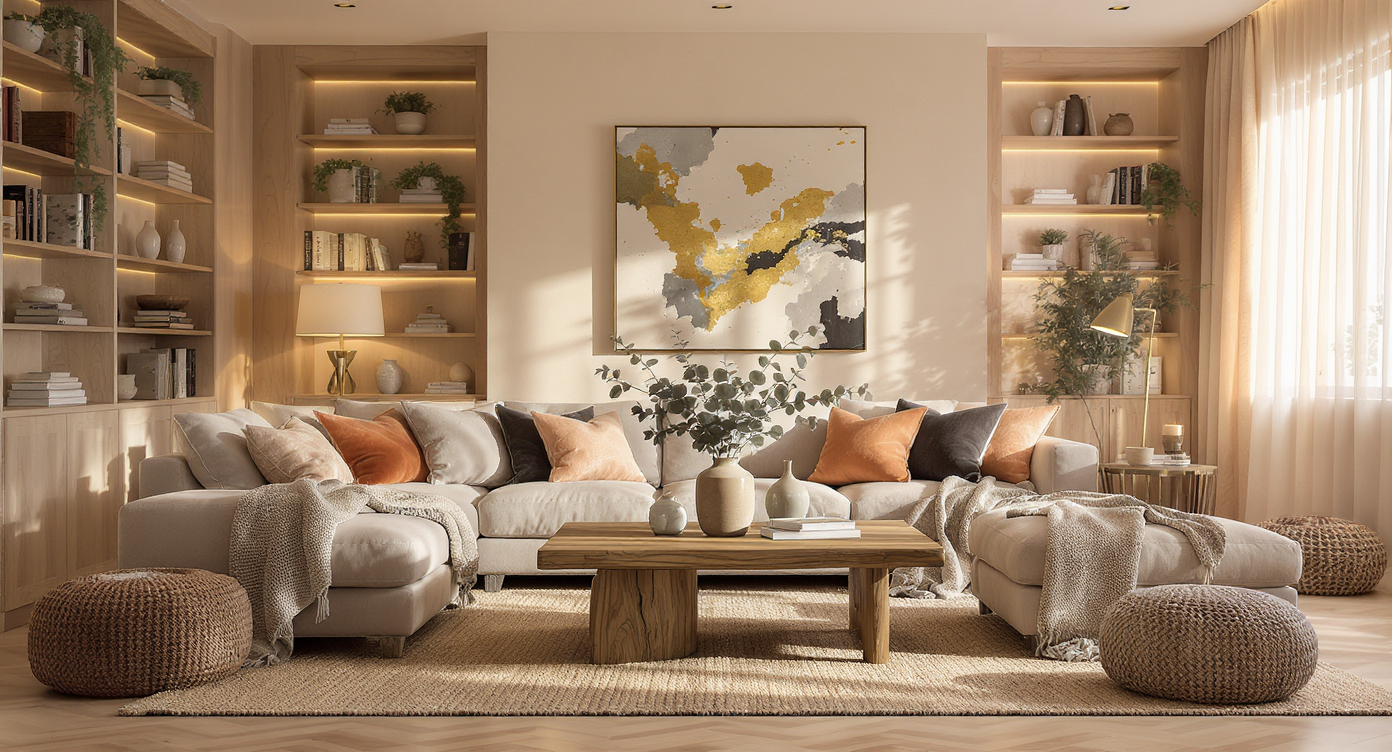
A beautiful living room feels unused, with pristine seating, untouched decor, and an inviting ambience that somehow lacks true warmth.
The frustration of having a beautiful living room that people rarely use is more common than many realize. While style often gets center stage, actual comfort, social dynamics, and practical design details shape how often guests linger in your main social space. A room can feel “almost right” visually yet fail to invite people in or hold their attention for long. Designers and homeowners alike face the challenge of making living rooms genuinely livable, not just photogenic. Subtle elements—from how furniture converges (or doesn’t) to the glow cast by a lamp—make a tangible difference in whether a space becomes the hub of conversation and relaxation. The following editorial fixes are grounded in both expert advice and lived experience, designed for those seeking a living area that works as beautifully as it looks.
-
1. Float, Do Not Push: The Power of Layout Changes
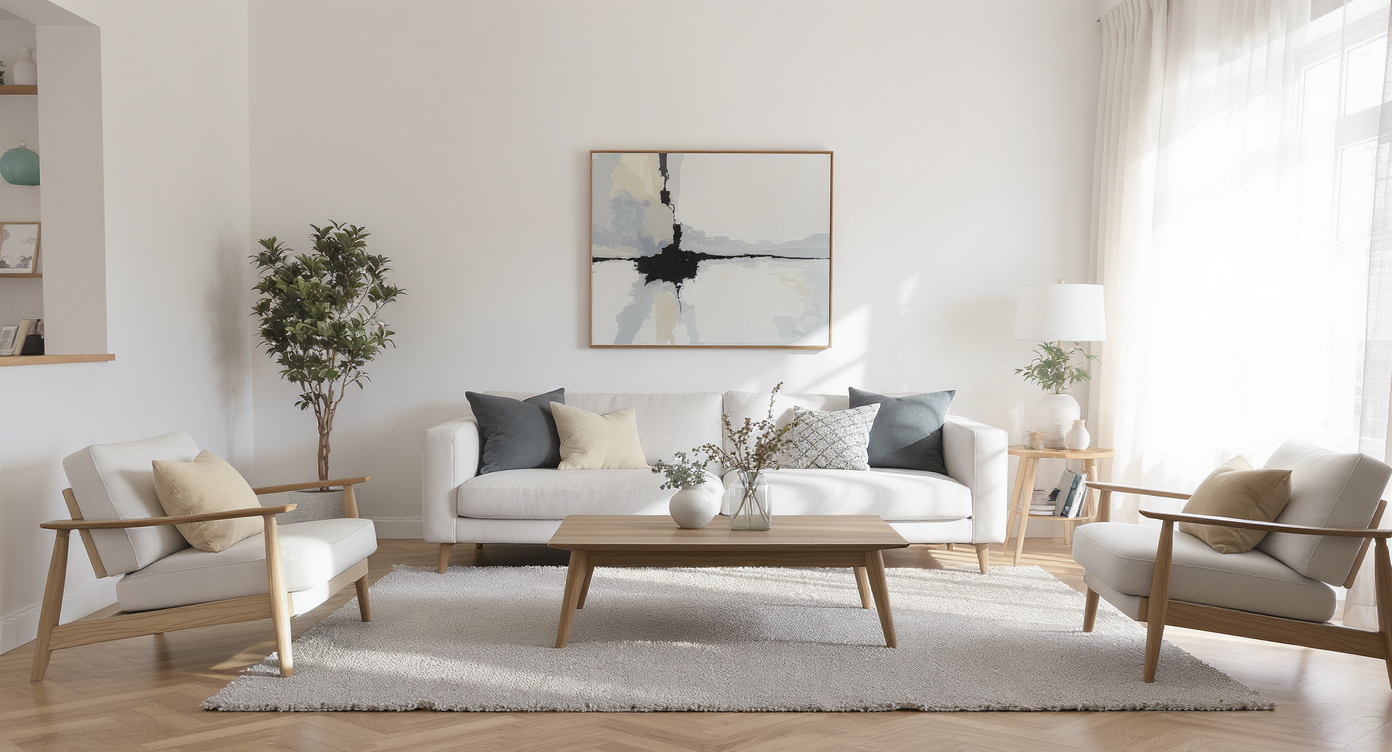
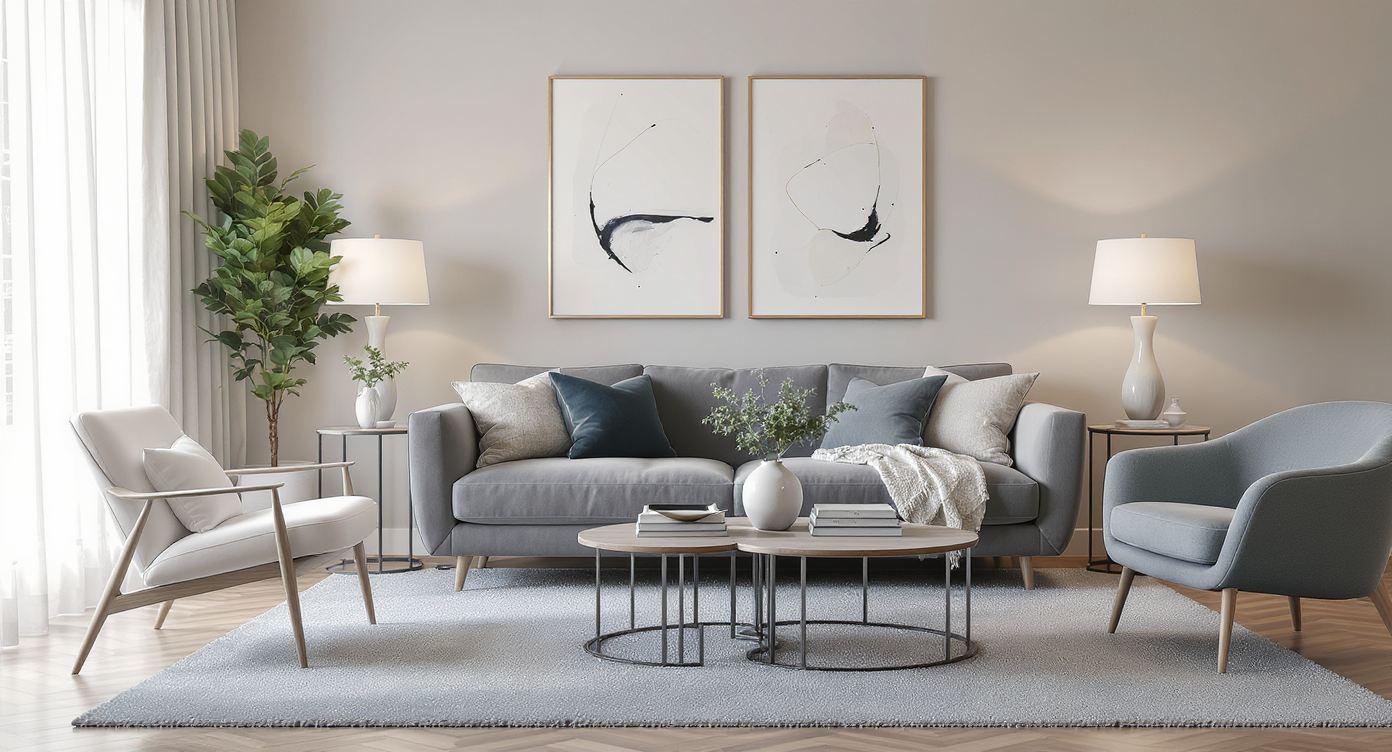
A living room featuring an inviting layout—sofa and chairs centered on a rug, away from walls—to create a cohesive conversation area.
Often, the main social space loses appeal when large furniture gets pushed up against walls. Instead, float the sofa and chairs closer to the center, creating a defined conversation area with ample walkways behind. This small but strategic shift gives the space breathing room and makes it easier for people to interact. Moving major pieces forward onto the rug, rather than letting them hug room edges, immediately signals a more relaxed energy, as explored in our insights on creating inviting living rooms. Anchoring the furniture around a rug, with at least the front legs of sofas and chairs resting on it, strengthens the zone’s cohesion.
-
2. Prioritize Conversation Over TV Placement
It’s easy to orient every seat toward the television, but this often diminishes social engagement. Instead, angle chairs to face the sofa or arrange furnishings so people talk to each other without twisting uncomfortably. Consider grouping chairs across from the sofa and centering the coffee table between them. This deliberate arrangement fosters conversation and keeps the focus on guests rather than screens—an approach in line with advice in our guide to cozy, cohesive living rooms. If the television is a must, see if it can share the spotlight with other visual anchors such as art or a bookshelf.
-
3. Rethink Rug Choices and Placement
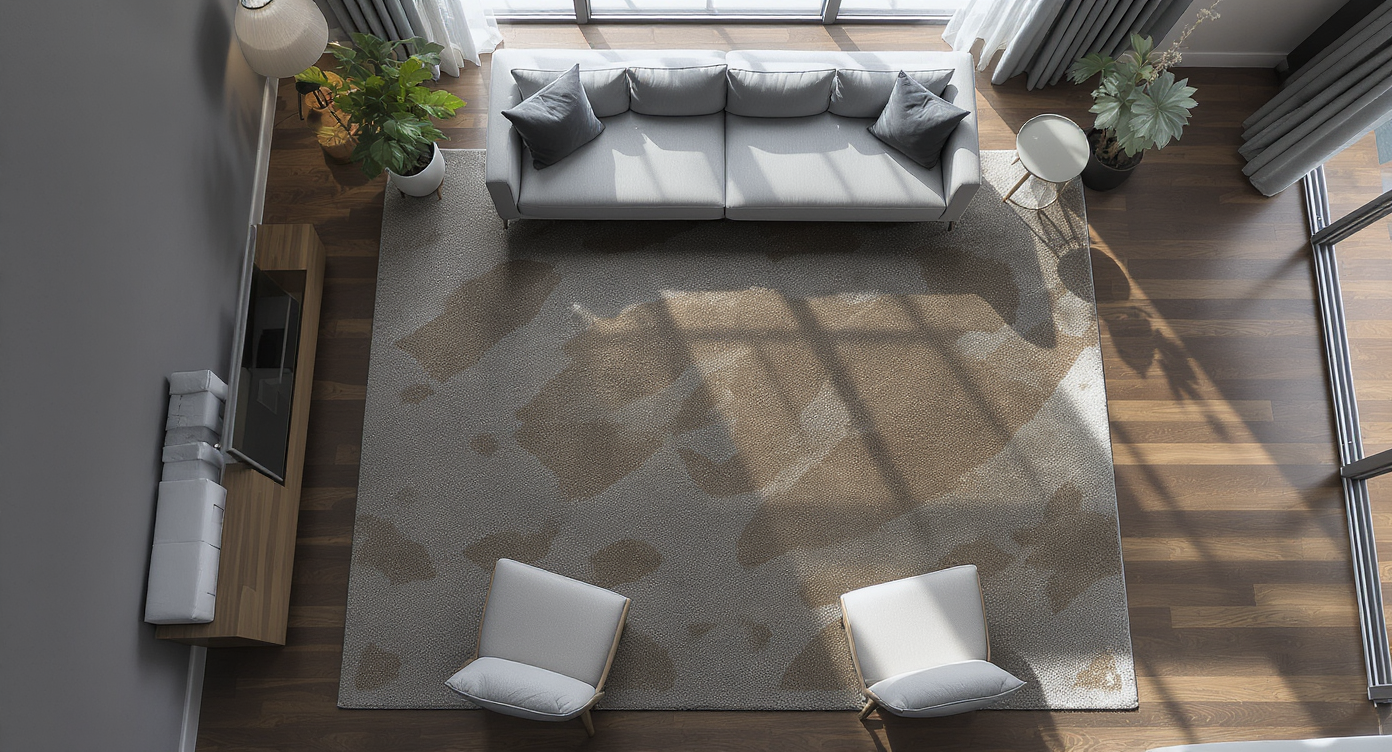
A deep-colored patterned rug sized to fit under an entire seating group creates a welcoming, unified, and practical living room foundation.
A rug’s scale and color can subtly define or undermine a room’s comfort. Rugs that are too pale or precious can deter visitors from relaxing for fear of spills or stains. Instead, swap overly light tones for rugs with pattern or deeper hues that can handle more foot traffic and create visual warmth. The rug should be large enough to unify the main grouping yet muted or richly colored enough to take some wear. As detailed in our editorial on fixing common living room mistakes, a right-sized rug that extends under all seating can ground the layout and set a welcoming tone.
-
4. Layer Soft Furnishings for Tactile Comfort
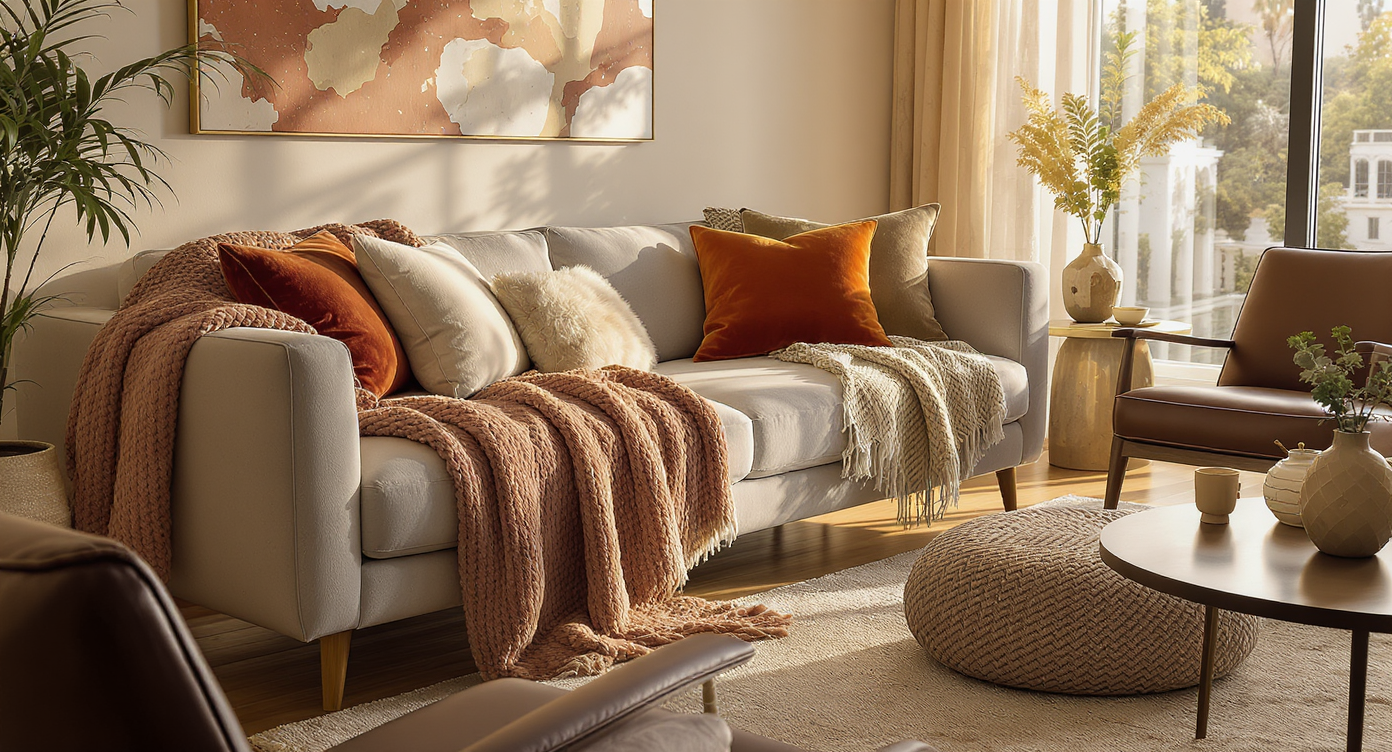
Soft, layered furnishings like thick pillows, patterned throws, and floor cushions bring a tactile, approachable comfort to minimalist living rooms.
The quickest way to disrupt a space’s formality is through tactile additions. Add generously sized pillows, textured or patterned throws, and even floor cushions to soften sharp lines and create approachable comfort. Mixing plush fabrics in different scales and knits offsets the seriousness of leather or minimalist furnishings. Follow the principle of layering two or three complementary colors throughout your textiles, as suggested in our exploration of warmth in minimalist spaces, and let the lived-in details remain slightly rumpled to indicate ease.
-
5. Upgrade Lighting—Both Temperature and Variety
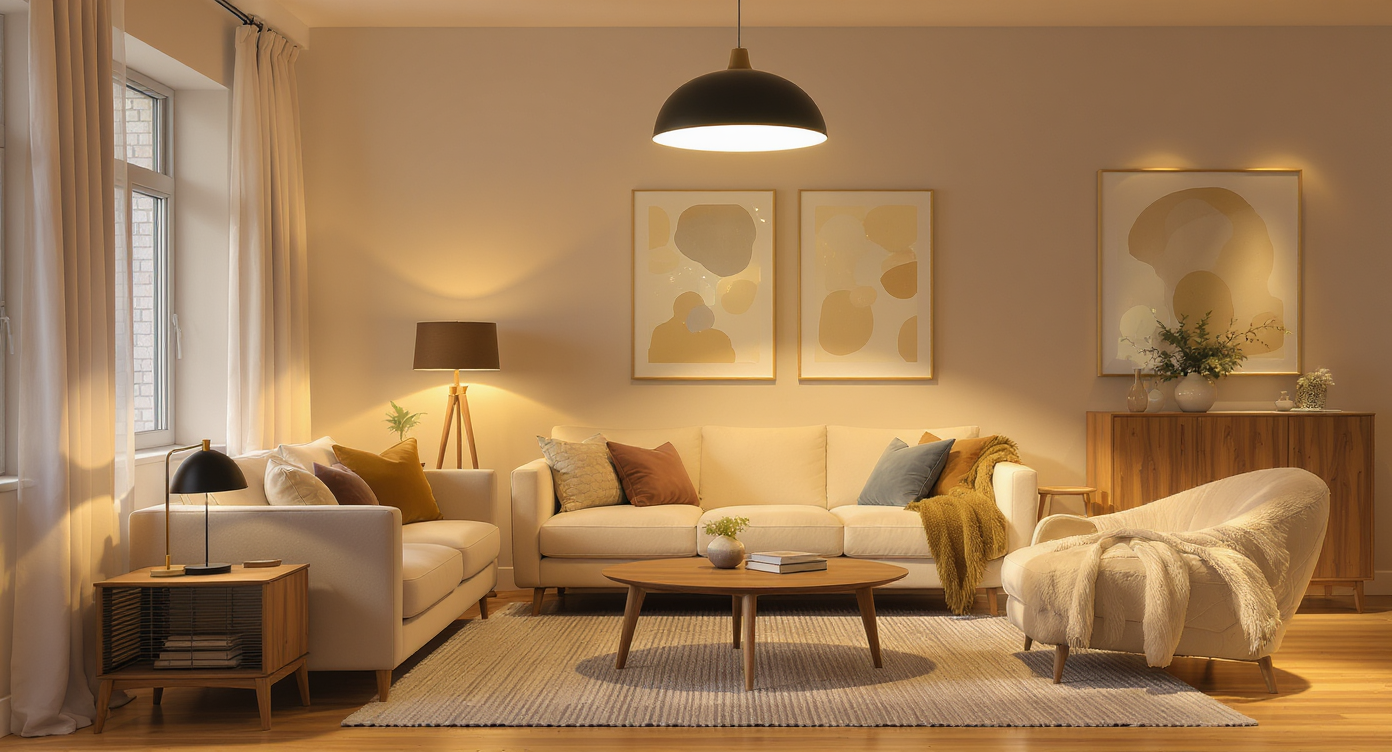
A living room demonstrates layered lighting: soft white bulbs, a dimmable overhead, and accent lamps create warmth and flexibility.
Lighting issues are common culprits in spaces that feel unwelcoming. Replace harsh, cool bulbs with warm, soft white (2700K–3000K) options. Layer multiple light sources, such as a dimmable overhead fixture, table lamps, and floor lamps with directional control. This allows flexibility for mood and makes the room glow rather than glare. Placing accent lights near seating or artwork also draws people into the area naturally. Detailed tips in our living room lighting features reinforce the impact of layering and adjusting lighting to suit time of day and activity.
-
6. Give Walls a Story—Artwork and Personal Touches
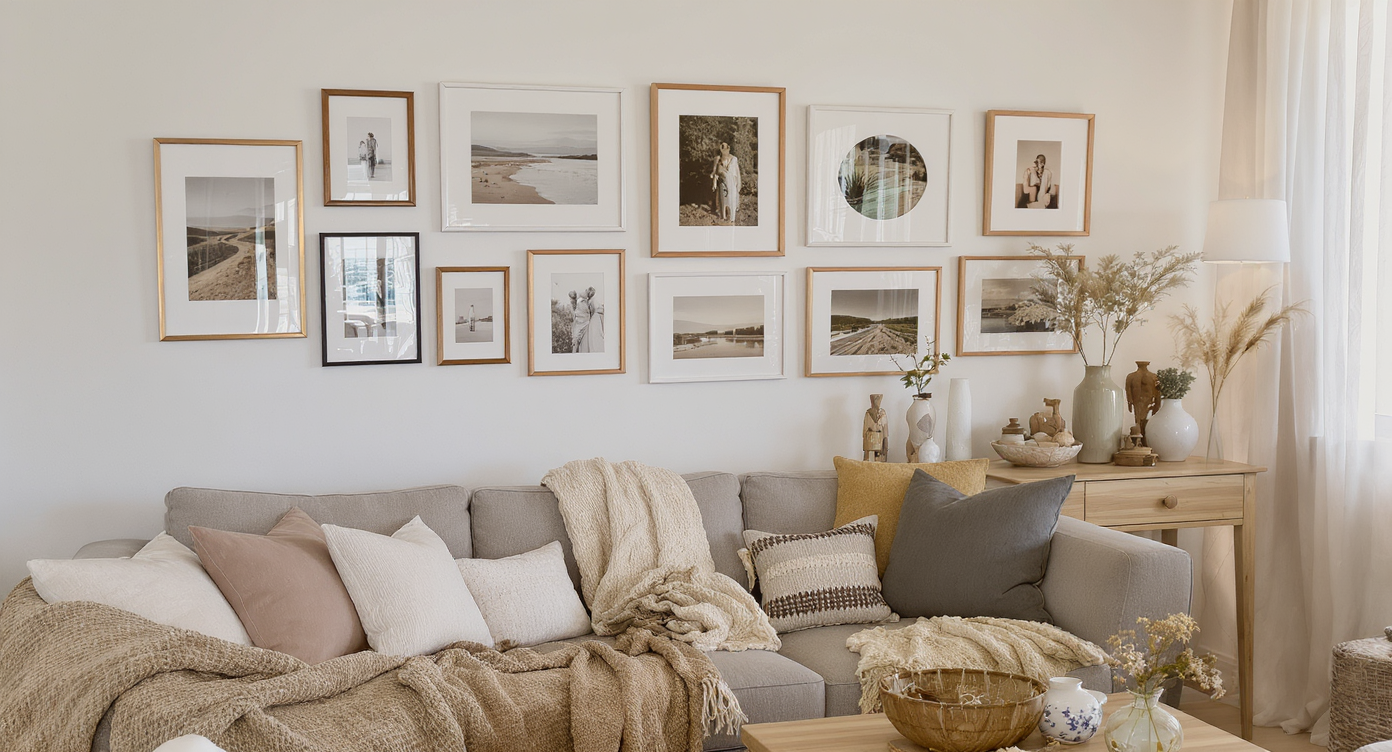
A thoughtfully arranged gallery wall and personal mementos enliven the space above a sofa, adding warmth and a sense of occupancy.
Blank walls, especially behind the sofa, leave rooms feeling impersonal. Hanging a large piece of art or a thoughtfully arranged gallery wall instantly creates a focal point and a sense of occupancy. Art need not be expensive or matched perfectly; pieces in hues pulled from your textiles or reflective of your personality work best. If you’re hesitant, temporary arrangements can help you live with options before making a commitment. Our extensive discussion of collected versus contrived wall art offers helpful guidelines for authentic displays. Personal effects like framed photos or travel finds further deepen the lived-in feeling.
-
7. Use Color and Texture to Add Warmth
A mostly white or monotone palette can read cold or overly formal. Introduce warmth and dimension by weaving in richer hues—think olive green, mustard yellow, rust, or burgundy—via drapes, throws, and even small accent furniture. Swap out sheer or cool-colored curtains for heavier, earth-toned panels that also help acoustics and privacy. Texture is as crucial as color; opt for nubby knits, woven baskets, or velvet for depth. Our analysis of cozy design strategies shows that repeating two or three accent shades throughout your space ensures harmony without visual clutter.
-
8. Add Plants and Living Elements
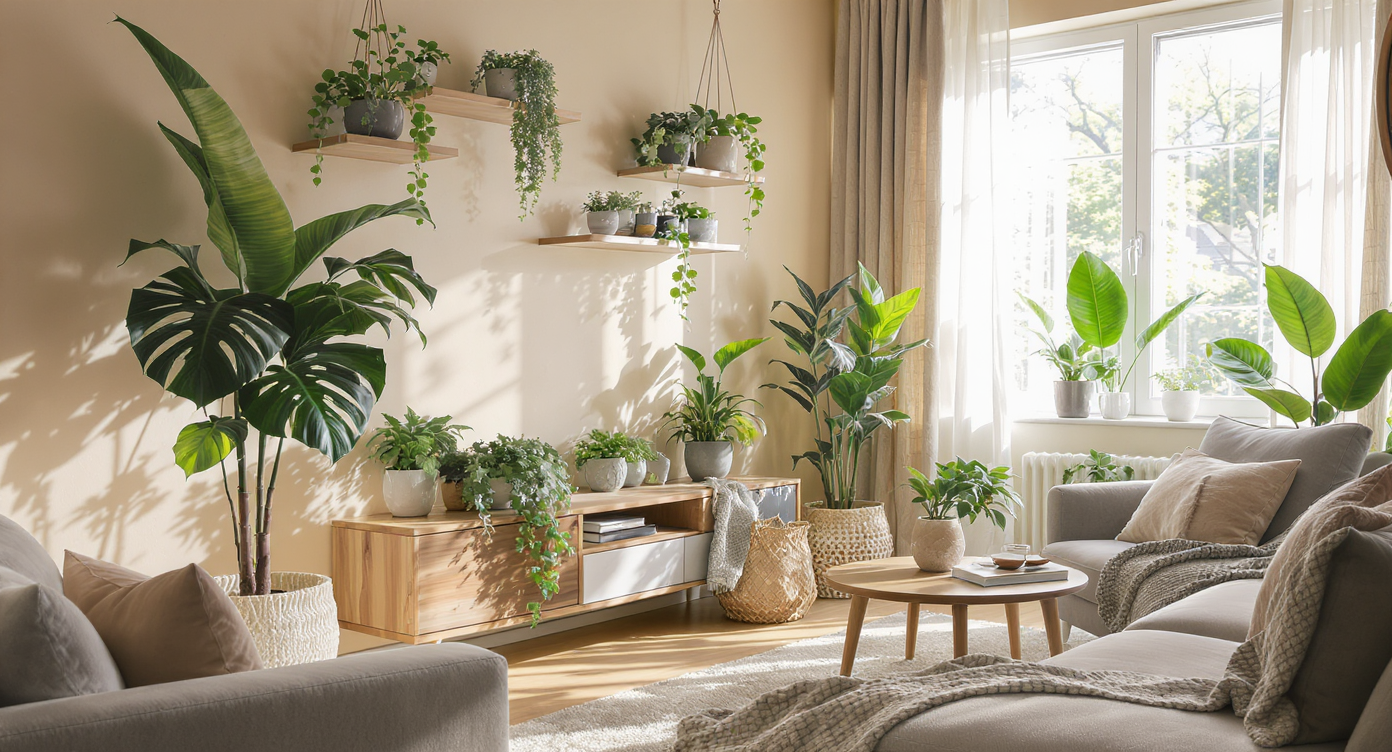
Lush houseplants of mixed sizes create movement and a welcoming atmosphere, thoughtfully arranged around a cozy, modern living room.
Living greenery remains one of the designer’s most reliable solutions for softening a room’s edges. Plants introduce movement, fresh air, and visual intrigue, whether perched on shelves, nestled by the sofa, or hanging from the ceiling. Mix large leafy varieties for statement and smaller plants for layering. Houseplants evoke care and growth, reassuring guests that the room is actively used and valued.
-
9. Incorporate Practical Side Tables and Surfaces
Inviting living rooms accommodate daily rituals. Add an end table beside each seat for drinks, books, or personal items so no one has to perform balancing acts. Nooks for magazines, a low bookshelf with favorite reads, or even a well-selected decorative tray on the coffee table make the room feel ready for life’s small moments. Layering different surfaces at varied heights breaks up the formality and boosts ease.
-
10. Showcase Personality Through Books, Music, and Games
Spaces that signal activity—shelves with books, a music player ready for a playlist, or a tray with casual board games—give guests permission to settle in. These details prompt conversation, demonstrate hospitality, and break the sense of a “perfect” room that is only for looking at. According to designers, these simple functional touches bridge the gap between showroom and home.
-
11. Test Design Changes Visually Before Rearranging
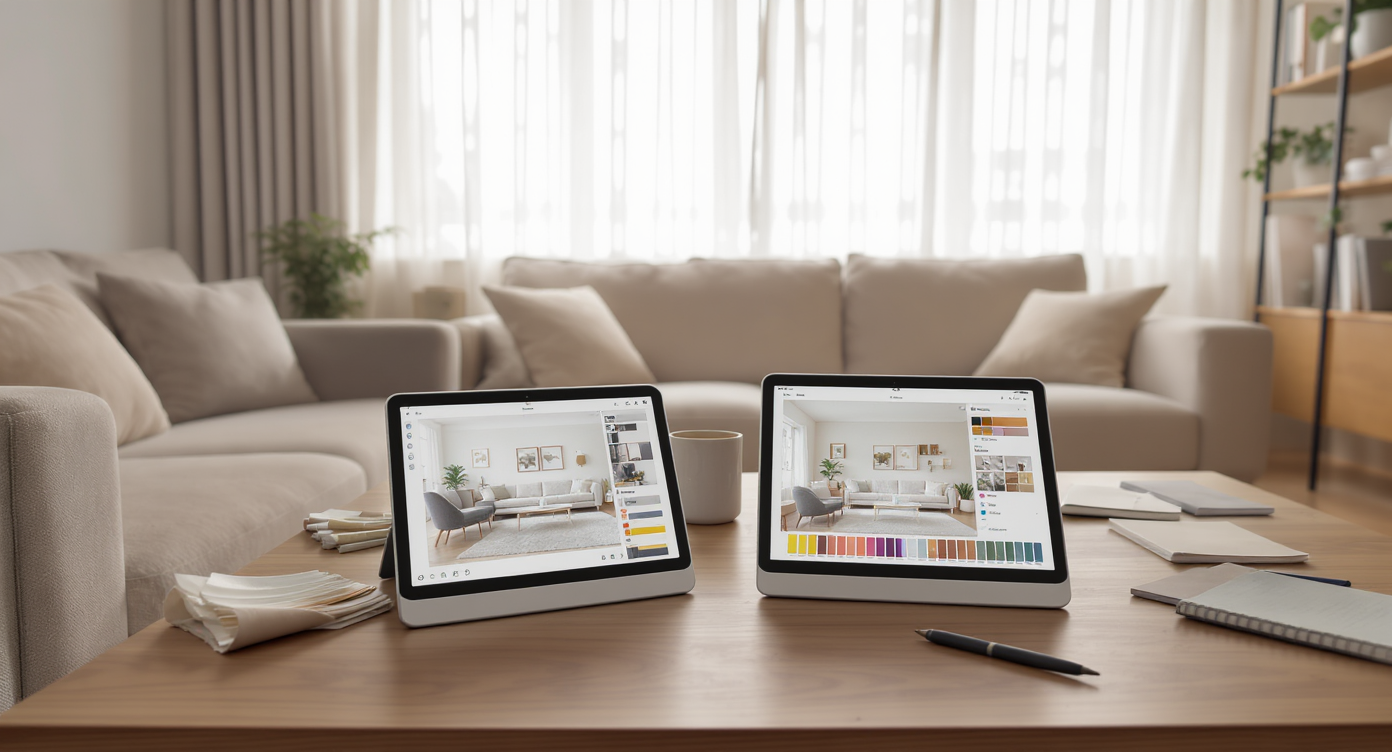
Visual planning for living room design changes—digital mockups displayed on screens surrounded by decor samples and materials.
Before committing to major layout changes or new purchases, use visual planning tools that let you test different arrangements or colors. Uploading photos and experimenting with furniture placement or finish options helps avoid regret and streamlines the design process. As seen on REimagineHome.ai, these resources remove guesswork and encourage bold moves that genuinely suit your space and needs.
FAQ: Editorial Guidance for Inviting Living Rooms
Swap in warmer lighting (bulbs in the 2700K to 3000K range), add a textured or colored throw, and move your sofa away from the walls for an immediate comfort boost.
What is the best way to arrange furniture for socializing?
Group seats to face one another rather than the TV, ensuring everyone can converse without twisting. See our living room arrangement guide for more tips.
How does artwork impact a space?
Art gives the room a visual anchor and shares your personality. For guidance on collected, not contrived art, refer to our blog on hanging art that feels authentic.
Should I use AI tools to test design ideas?
Exploring plans visually with REimagineHome.ai allows you to experiment with layouts and colors before committing, reducing stress and saving resources.
What if my guests still flock to the dining table?
Encourage mingling by ensuring the living area is as functionally welcoming as possible—ample surfaces, plush textiles, and activities at hand. Sometimes, the draw of a table is just strong; embrace both spaces for different moments.
Making Your Living Room an Everyday Destination
A living room that is visually striking yet rarely used reflects a missed opportunity for daily comfort and connection. Small shifts in layout, layered soft furnishings, nuanced lighting, and personal elements can dramatically increase the space's appeal and use. Drawing from expert principles and practical guides such as those found on fixing missing pieces in living room decor, each adjustment invites more genuine engagement. Through strategic color choices, practical surfaces, and by previewing possible design outcomes with platforms like REimagineHome.ai, your main social space will not just look inviting but become the preferred backdrop for gatherings, relaxation, and daily living.