9 Easy Ways to Make Your AI Home Listing Stand Out Online
TL;DR
If you’re seeing low clicks on your AI home design or real estate listings, focus on what buyers actually see first: your main photo, title clarity, lighting, and posting timing. Small but structured improvements can boost visibility and real buyer interest, often more than dropping your price.
Why Clicks on Home Design Listings Are Sluggish (And a Better Approach)
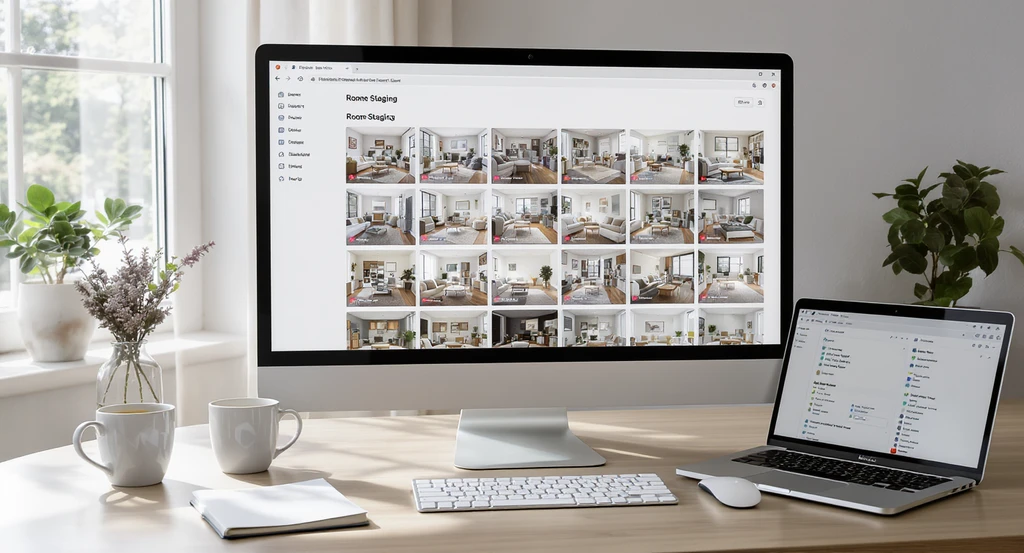
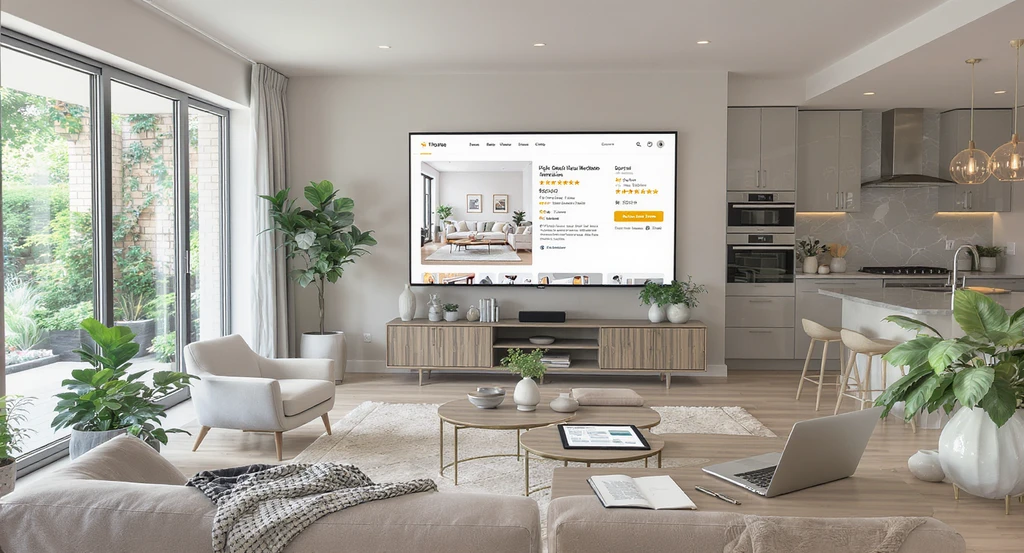
Discover how to get more clicks on ai home design listings by optimizing ai-generated home visuals for marketplace, choosing the best times to post ai room designs online, writing keyword-rich titles for ai interior design, and utilizing positive reviews for boosted engagement.
If you’re stuck wondering why your carefully crafted listings aren’t getting attention, the simple solution is to review what buyers see before ever clicking through. In most marketplaces, users make snap decisions based only on thumbnails, titles, and quick cues of quality and relevance.
Rushed photos, generic titles, or bad lighting stop buyers from moving forward. Instead, by adjusting nine concrete elements, images, keywords, timing, and presentation, you can see more clicks and engagement without expensive boosts or blanket price cuts. If you want to see your staged designs perform better, start here.
-
01. Weak Cover Photos Reduce First Impressions
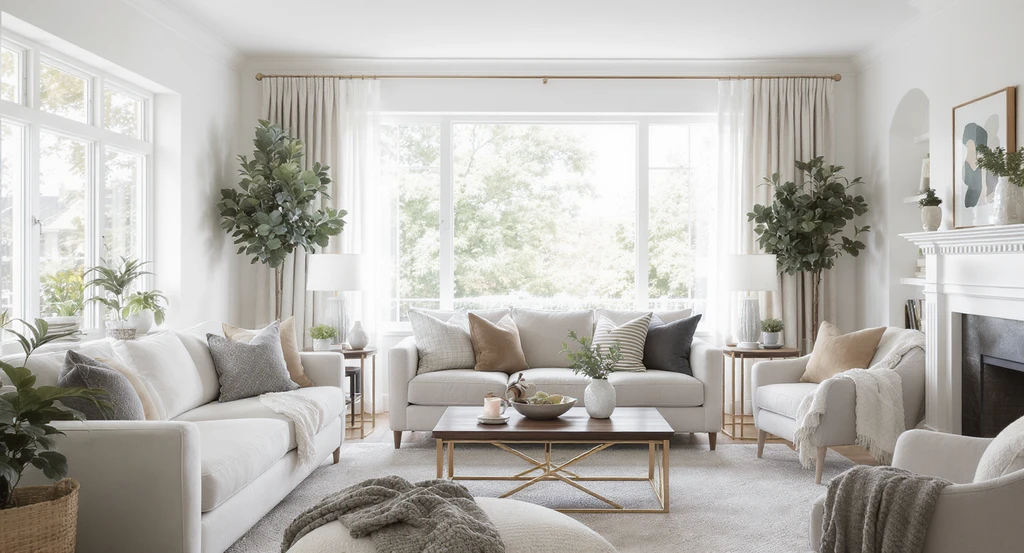
Clean, naturally lit room photos shot at eye level optimize ai-generated home visuals for marketplace, helping you get more clicks on AI home design listings and boost first impressions instantly.
The cover photo is often the first and sometimes only element a buyer sees before deciding whether to learn more. Images that appear dark, cluttered, or poorly framed can reduce the likelihood of earning that initial click. Many sellers don’t realize buyers scroll quickly, stopping only for listings that show clean, bright visuals with a sense of scale and realism.
This mistake usually happens when photos are taken in low light, show the wrong angle, or focus on personal items instead of the space. To correct this:- Choose your most attractive, naturally lit space as the thumbnail
- Shoot at eye level to show room proportions
- Remove clutter and distractions from the frame
- Avoid featuring bathrooms or utility rooms as your first shot
-
02. Poor Lighting Makes Rooms Look Smaller and Dull
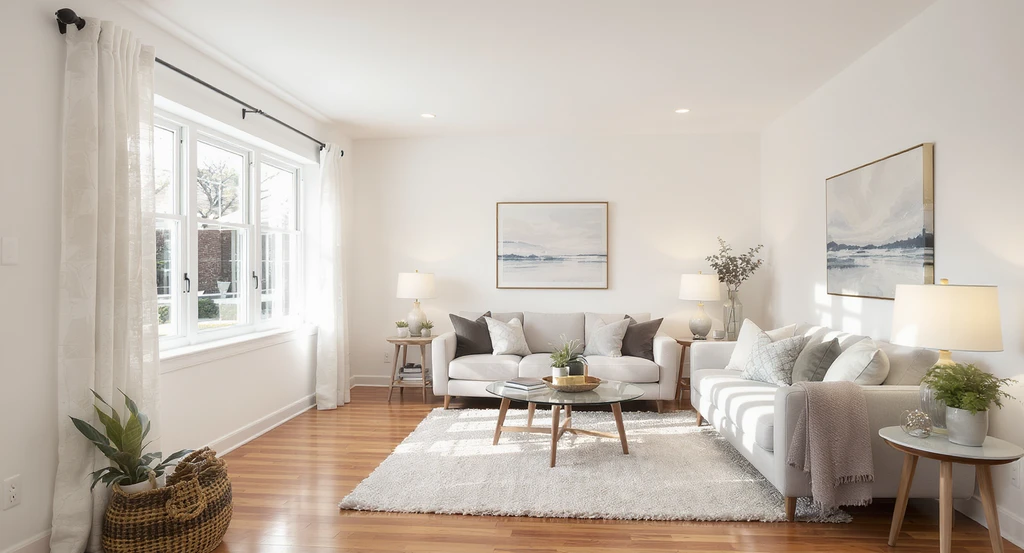
Rooms shown with open curtains and bright, natural daylight help optimize ai-generated home visuals for marketplace, demonstrating how to get more clicks on AI home design listings and boost engagement with the best times to post ai room designs online.
Lighting strongly influences how spacious, clean, and welcoming a room appears in photos. Even attractive spaces can feel smaller or less inviting when photographed in poor light. Dark rooms look cramped and less inviting.
This usually happens when curtains stay closed, lights are left off, or photos are taken at the wrong time of day. To fix this, always:- Open blinds and curtains fully
- Photograph spaces during the brightest part of the day
- Use lamps or even temporary lighting if needed
- Avoid strong shadows or high-contrast spots
-
03. No Visual Staging (or Overstaging) Creates Confusion
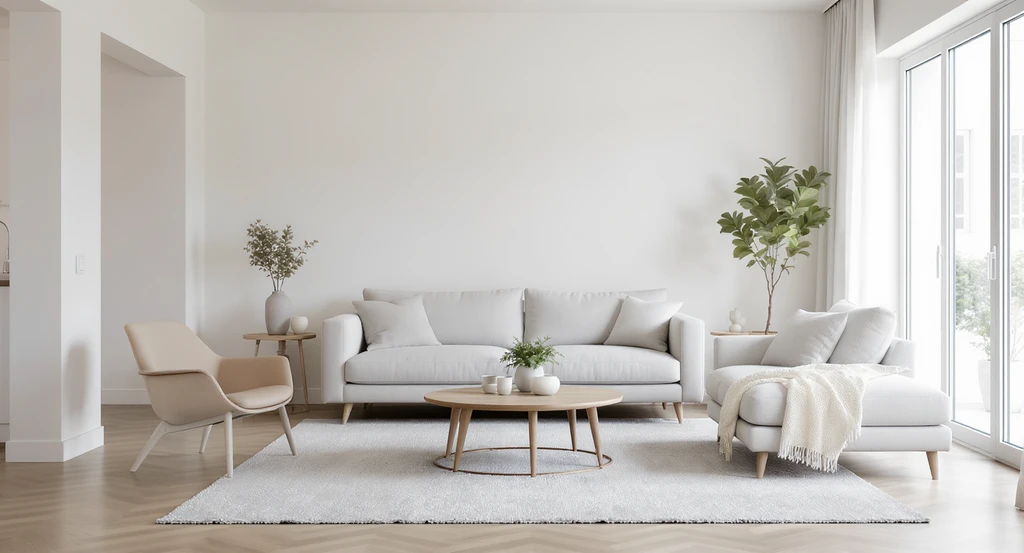
Balanced home staging with neutral furnishings clearly showcases space and flow, helping optimize ai-generated home visuals for marketplace and drive more clicks on AI home design listings.
Empty rooms often require buyers to mentally estimate scale and furniture placement. Even simple staging can make room dimensions easier to understand and help visitors visualize how the space could function in daily life. On the other hand, over-decorated rooms distract from usable space.
The solution is simple staging: add just enough furniture to show purpose, but keep walkways open and surfaces clear. Key correction logic:- Stage with neutral, universal furniture
- Maintain clear pathways—don’t block doors or windows
- Keep colors and decor simple
-
04. Cluttered or Personalized Spaces Reduce Broad Appeal
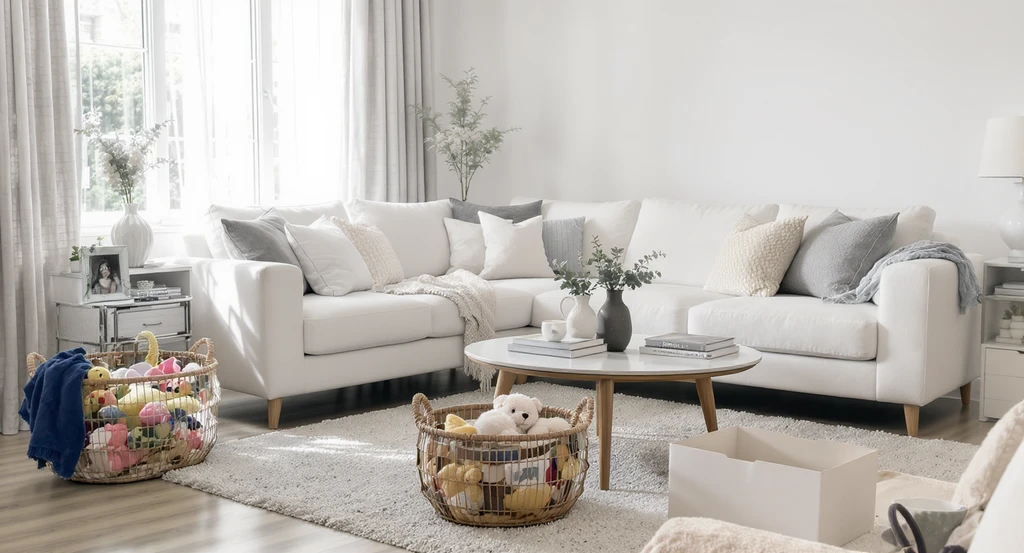
Clearing clutter and storing personal items in baskets and boxes helps optimize ai home design visuals for marketplace listings and get more clicks.
Listings with toys, personal photos, or busy countertops are often skipped. Most buyers struggle to see past visible clutter, which shrinks the perception of space and suggests extra work.
Why does it happen? Sellers get used to their daily setups or rush to take photos. To fix:- Remove all non-essential items from counters and floors
- Store personal objects, pet gear, and piles of magazines out of sight
- Use baskets or boxes to temporarily hold clutter during photo time
-
05. Generic Titles and Descriptions Get Buried in Search
Listings titled only with features or room counts rarely jump out in crowded search feeds. Buyers skim quickly for clear, keyword-rich, and descriptive headlines that match their intent.
Why it happens: Sellers repeat features mechanically, forgetting search logic. Correct it by:- Using search-optimized, specific terms buyers type
- Highlighting one or two key benefits (e.g., "Sunlit Open-Concept Living Room")
- Putting top keywords at the start of the title
-
06. Missing Room Types Lowers Buyer Confidence
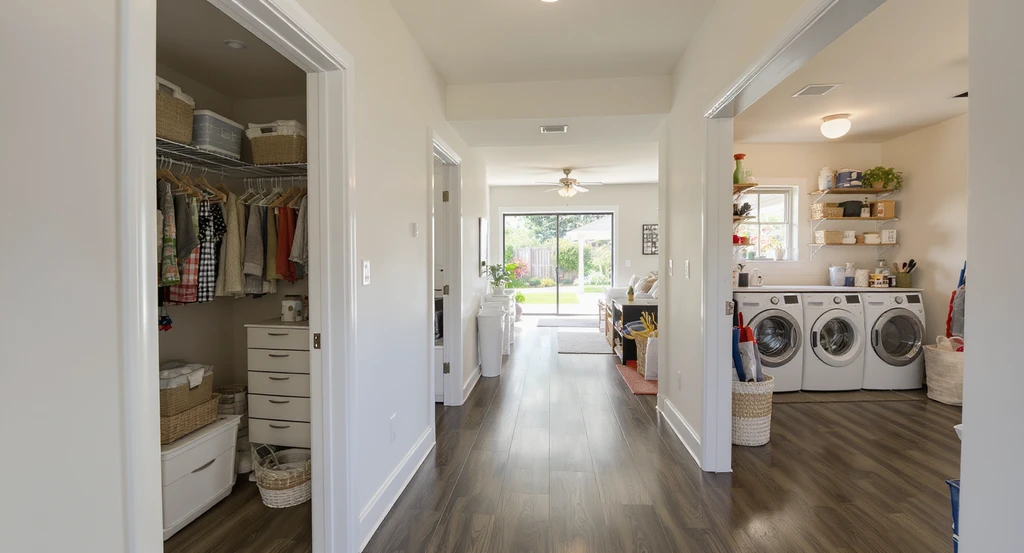
Showing every major secondary space such as closets, garages, and patios in ai-generated home visuals helps get more clicks on ai home design listings and boosts buyer confidence through complete, keyword-rich ai interior design presentations.
Sellers often skip photographing secondary spaces: garages, closets, pantries, or outdoor areas. This limits buyers’ sense of the home's functionality, many want to see where they’ll work, store items, or relax outside.
The mistake usually happens because these areas are forgotten or not well prepared. Correction logic:- Document every major area (including laundry, hallways, and patios)
- Show connections between rooms so buyers understand flow
- Photograph storage areas tidy and with doors open for scale
-
07. Inconsistent Photo Angles Cause Spatial Confusion
Photographing from random heights or inconsistent points makes it hard for buyers to mentally map the home. This happens when sellers use multiple cameras, unsteady hands, or take photos at different times. To fix:
- Shoot from a consistent eye-level height, typically 4.5–5 feet above the floor
- Favor wide shots from corners over isolated wall views
- Ensure each room’s orientation is clear—don’t rotate images or shoot vertically for horizontal rooms
-
08. Ignoring Prime Posting Times Limits Visibility
Many listings go up when it's convenient for the seller but are buried under dozens of new posts before buyers start browsing. Posting time is a major visibility variable, especially on platforms like Facebook Marketplace.
From user feedback and observed marketplace behavior, best practice is to post:- Early weekday mornings (Thursday–Saturday, 5–9 am)
- Avoid major holidays or late at night
- Cross-promote in related groups or categories right after posting
-
09. Lacking Social Proof or Updated Pricing Discourages Clicks
Buyers often skip listings with no reviews or prices much higher than similar homes. This is more critical in established marketplaces where users compare dozens of similar properties at once.
Why it happens: Sellers either overlook gathering reviews or don’t research comparable pricing. Correction logic:- Encourage past buyers to leave positive ratings and brief comments
- Review competing listings to ensure your price is competitive
- Highlight unique upgrades or recent improvements to defend your pricing
FAQ: Getting More Clicks on AI Home Listings
How many photos should my listing include?
Aim for enough photos to cover every major room, storage spaces, and key outdoor areas—typically 20–25 for most homes.
Does better staging improve online listing performance?
Yes. Even simple staging that defines room function improves clarity and buyer interest.
Are professional photos or AI enhancements worth it?
Definitely. High-quality visuals lead to more clicks, as buyers notice image quality instantly. See our breakdown of key mistakes for more details.
When is the best time to post a new listing?
Early weekday mornings, especially Thursday to Saturday, typically see the best visibility based on user trends.
How can reviews help my listing?
Listings with positive reviews feel more trustworthy, giving hesitant buyers a reason to click and engage.
Key Takeaways: Structure Wins Over Luck
High-performing listings rely on strong visuals, realistic staging, clear descriptions, and buyer-focused presentation. Before lowering your price, optimize your cover photo, lighting, staging, and keywords to increase engagement and attract more buyer interest.
For additional ways to increase clicks and stand out, explore our article on boosting online visibility for listings.