9 Editorial Takeaways from a Historic Cambridge Hallway Renovation
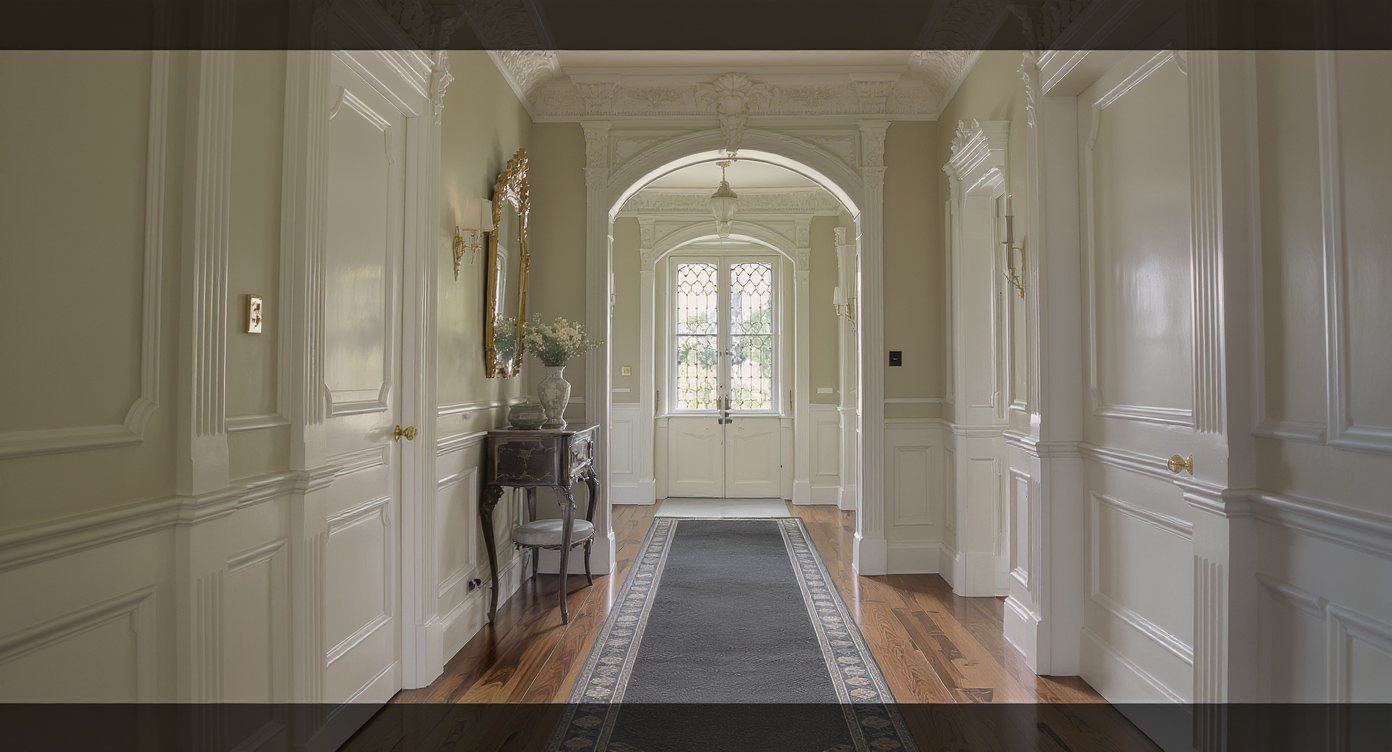
TL;DR
A century-old hallway can be revitalized with a sensitive design approach that blends historic integrity and modern ease. This list explores nine editorial takeaways from a recent Cambridge home renovation, with ideas that balance color, pattern, and detail. The result is inspiration for anyone considering an old house renovation AI solution, luxury interior design AI, or simply craving a thoughtful update with character.
Why Hallway Renovations Matter in Historic Homes
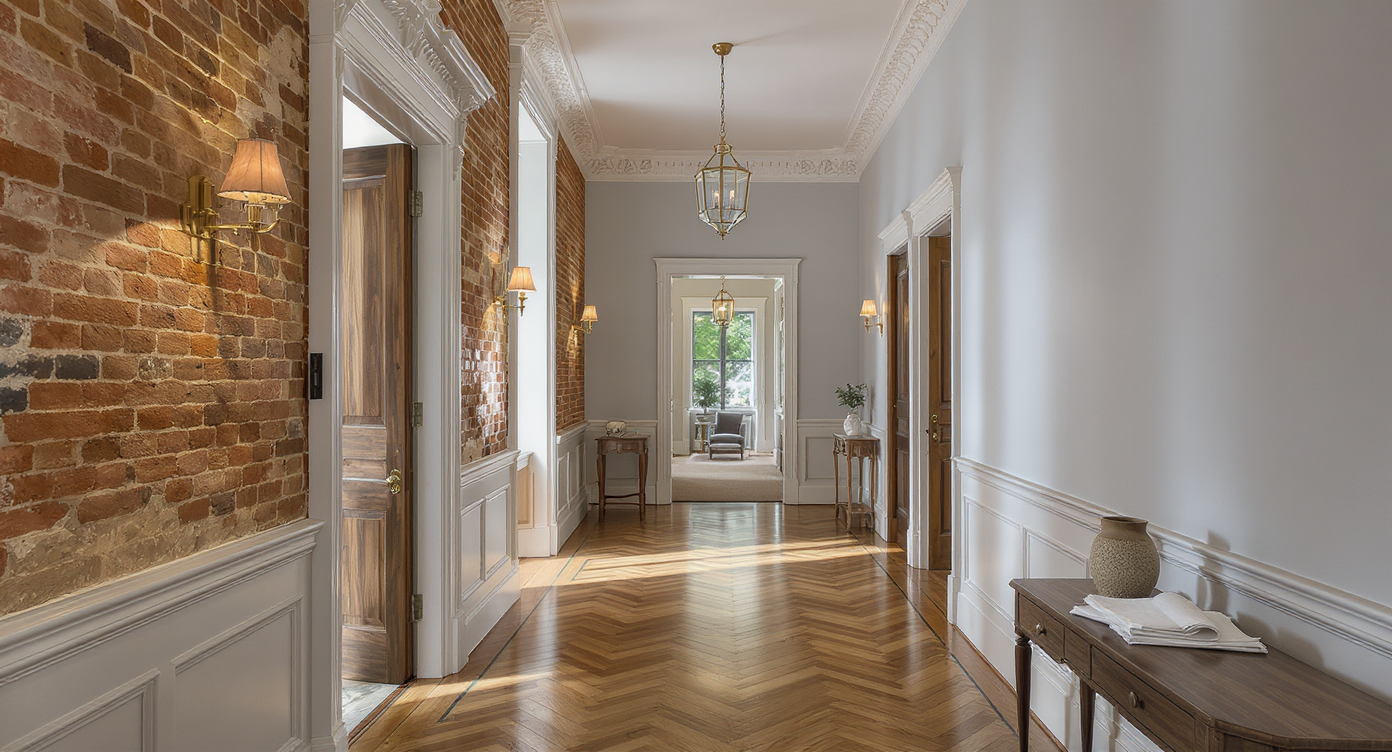
A meticulously renovated Victorian hallway in Cambridge shows restored period details, warm lighting, and hints of modern design solutions.
Hallways are more than transitional spaces in older homes—they connect stories, eras, and the daily rituals of family life. Renovating a classic hallway offers a rare opportunity to preserve history while introducing modern comforts and individuality. For homeowners, designers, and anyone navigating the delicate process of old house renovation AI or luxury interior design AI projects, studying well-executed examples can accelerate ideas and avoid costly mistakes. Drawing on a standout Cambridge, Massachusetts renovation, these nine editorial insights deliver practical design intelligence for ambitious remodel projects and everyday updates alike.
-
1. Respect the Bones: Preserve Where Possible
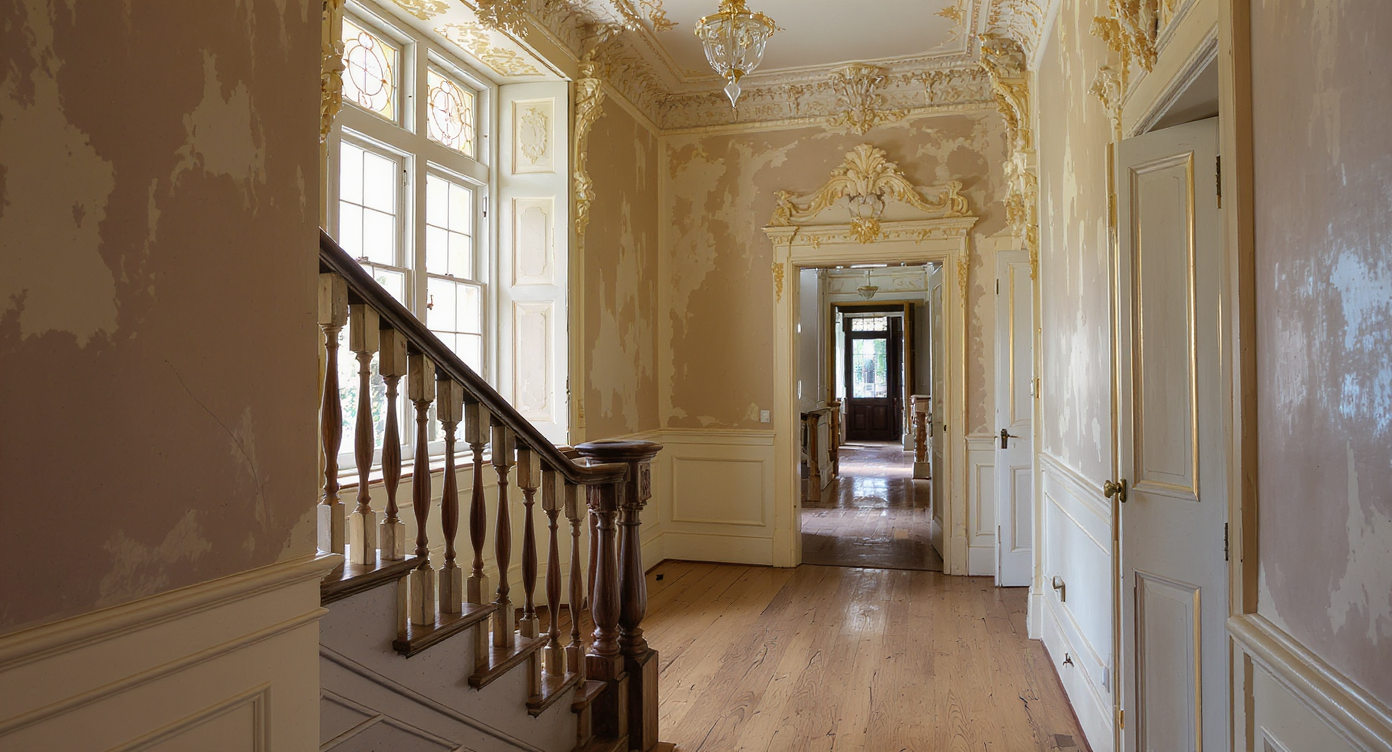
Preserved Victorian hallway features—original moldings, window casings, and stair details—carefully integrated with updated finishes.
Historic architecture is valuable not only for its style but for its enduring materials and craftsmanship. When renovating a 19th-century hallway, preservation-minded designers often retain moldings, window casings, and stair details, even when they update color or finishes. This approach maintains a sense of place while allowing for fresh layers of personality, an idea echoed in our advice on updating a dated home while keeping its special features. Period details, even when reclad or refinished, are a reminder that renovation does not require erasure of the past. Consider carefully what can be saved before making irreversible changes.
-
2. Pattern Play: Mixing Wallpaper and Fabric

Victorian hallway with patterned wallpaper, an upholstered bench, and modest curtains—all combining patterns for a cozy, collected effect.
Layered patterns immediately command attention in transitional zones. The Cambridge renovation demonstrates how contemporary wallpapers and classic textiles interact to break up long sightlines and add a collected, rich feeling. A hallway lined with patterned wallpaper, accented by tailored fabric on seats or modest curtains, balances drama with coziness without overwhelming the senses. Designers note that mixing patterns with restraint is an effective way to personalize general decor, even in high-traffic spaces.
-
3. Bold Color, Subdued Backdrop
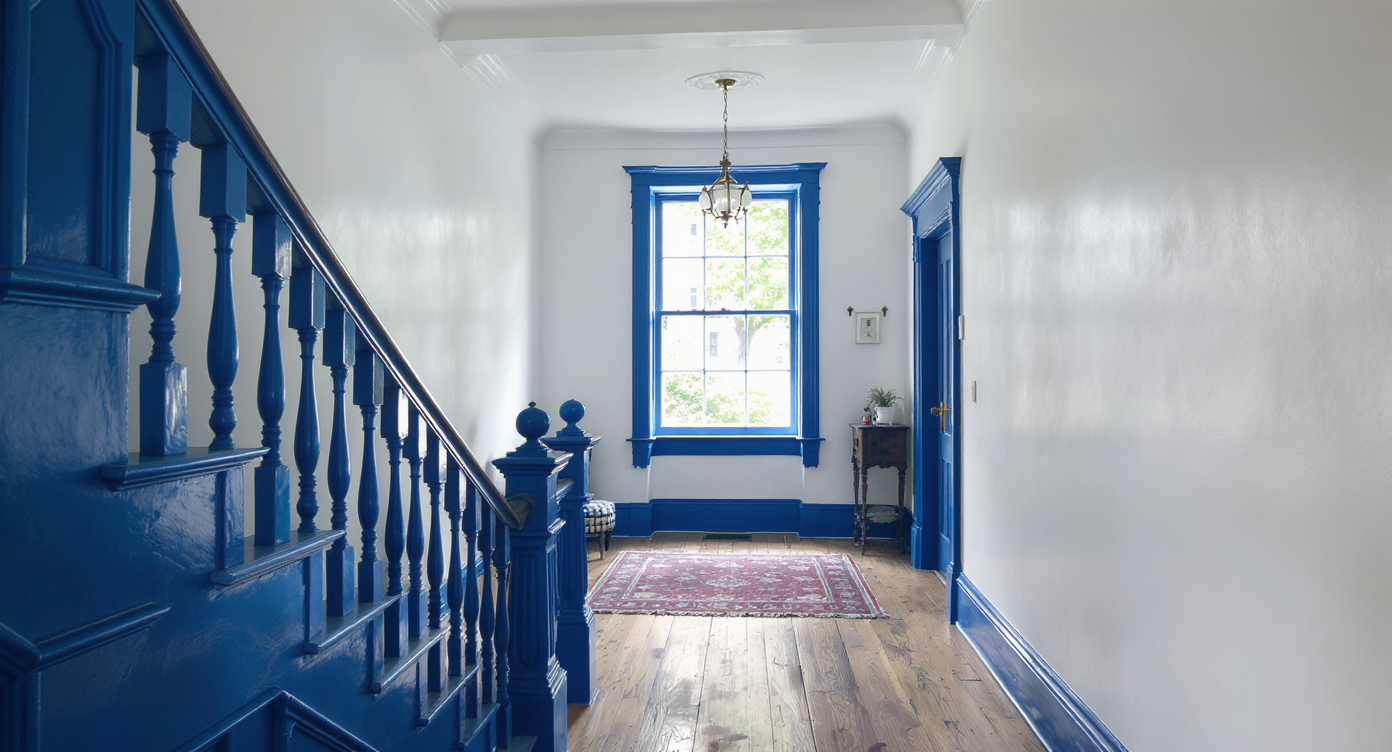
Signature blue trim and stair balusters add vibrant contrast to neutral Victorian hallway walls, showing how bold color brings energy to classic spaces.
Vivid color used thoughtfully can define historic spaces for modern living. In this project, the continuation of signature blues on trim and stair balusters punctuates white or neutral walls and ceilings, adding vibrancy without making rooms feel smaller or chaotic. As we explored in the 2025 interior design trends report, designers increasingly favor mood-driven palettes—one energetic color grounding the rest. This approach is scalable for remodel projects, lending energy to even shadowy corridors while keeping the architecture in view.
-
4. Painted Woodwork vs. Natural Grain: Finding Balance
Debate often surrounds whether to paint or retain natural woodwork in vintage properties. The Cambridge renovation chose to highlight wood features with a custom blue, creating a statement that feels both contemporary and respectful of the home’s character. While some purists value exposed grain, painted finishes can unify mismatched repairs or refresh worn trim. The key is intentionality: test colors in context and understand how light, architecture, and adjoining finishes interact. AI-powered design tools like REimagineHome.ai can preview options with historic accuracy before committing.
-
5. Curated Displays: Art, Puzzles, and Personality
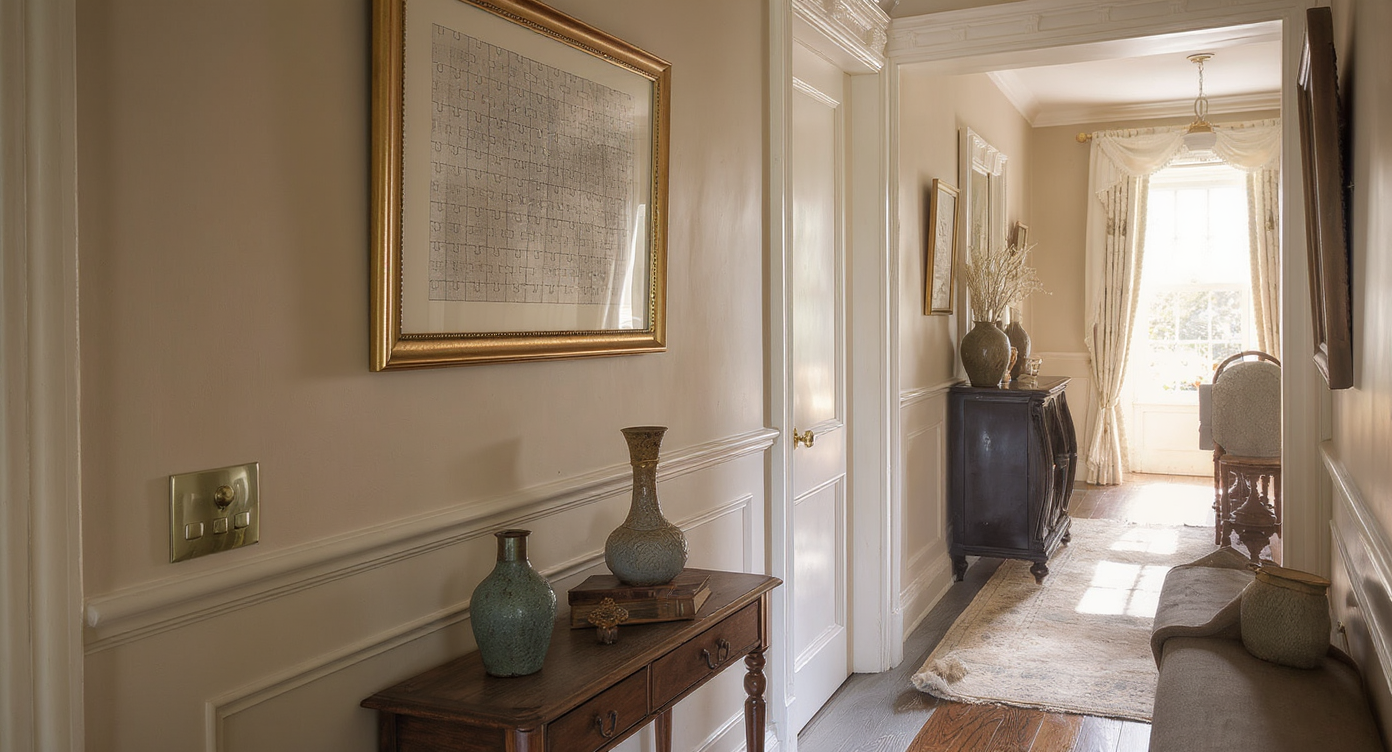
Curated hallway display with jigsaw puzzle art and unique antiques, demonstrating how transitional spaces can express personality and style.
Hallways present a prime canvas for confident, personal collections. The use of a jigsaw puzzle art piece and unique found objects in this project proves these spaces can be as expressive as living areas. Art in transitional zones encourages daily engagement and conversation. Reference our guide to using antiques in modern home decor for further context on blending vintage and contemporary works to enrich even the most functional passageways.
-
6. Texture and Layers: Comfort in Transitions
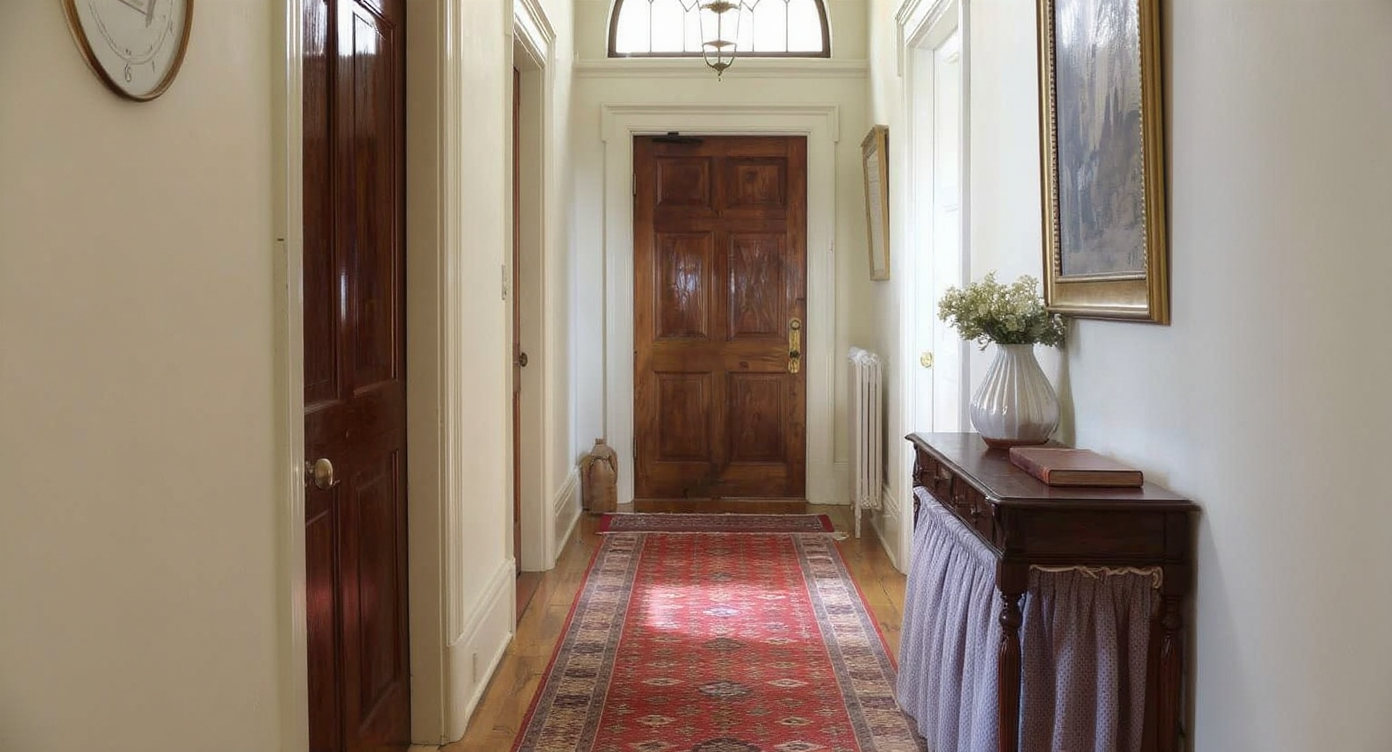
Layered rugs, plush seating, and pleated fabric combine for a tactile, inviting Victorian hallway that embodies lived-in comfort.
Hallways in older homes risk feeling cold or under-furnished. This renovation uses layered rugs, soft seating, and pleated fabric sink skirts to infuse tactile warmth, echoing the rising trend toward lived-in comfort. According to our fall 2025 design trend report, layering materials is central to cozy, inviting interiors that age well. Even modest updates to flooring or adding soft elements can make these routes feel welcoming rather than just connective.
-
7. Lighting Matters: Beyond the Overhead
A common shortcoming in historic halls is insufficient or dated lighting. In the Cambridge example, designers combine period-appropriate fixtures with discreet modern sources, avoiding stark or cold ambiances. Layered lighting, from sconces to floor or table lamps, allows flexibility and highlights architectural details. For anyone planning old house renovation AI projects, analyzing light at different times of day can prevent dark corners and ensure every design feature gets its due.
-
8. Nods to Local History and Past
A thoughtful renovation incorporates local context and the stories embedded in the home. This project, situated near Brattle Street in Cambridge, honors the area’s Victorian heritage with respectful architectural choices and period motifs. Homeowners can research original floorplans or borrow motifs from neighboring properties, further enhancing a unique sense of place. As detailed in our guide on updating dated homes, tying in even subtle historical details can bolster authenticity without surrendering comfort.
-
9. Practical Storage with Style
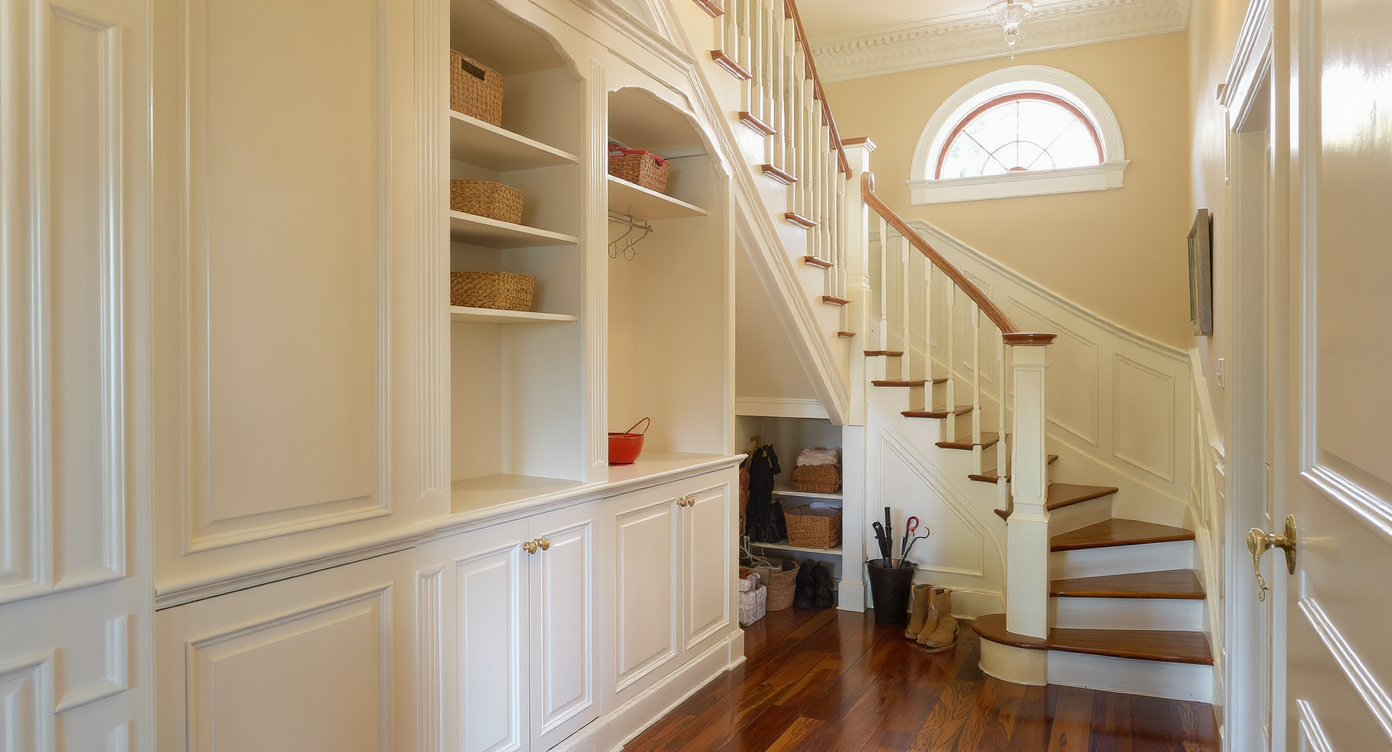
Integrated storage in a historic hallway: built-in cabinets and nooks reclaim space while reflecting the home’s period character.
Historic hallways rarely accommodate contemporary storage needs. Incidentally, this renovation introduces attractive incidentals—fitted cabinetry and built-in nooks that recall traditional solutions while serving modern life. Integrated storage, when well-proportioned and carefully placed, supports daily routines and reduces clutter. Resourceful use of underutilized spaces reclaims forgotten functionality, as the best remodel projects often do.
Frequently Asked Questions
Select one bold accent or trim color that complements original materials, then layer neutrals or lighter hues on walls for balance. Test samples in natural and artificial light before deciding.
Should original details always be restored instead of replaced?
Preserving unique architectural elements is ideal, but if repair is not possible, closely matched replacements maintain the overall integrity. Use digital tools such as REimagineHome.ai to visualize options.
Can vintage and modern decor coexist in a transitional space?
Absolutely—combining antiques and contemporary art or furnishings creates a collected, textured feeling. Learn more about mixing eras from our vintage and modern decor guide.
What are the best ways to brighten up a narrow or dark hallway?
Strategic lighting, mirrors, and lighter paint or wallpaper can open up confined spaces. Analyze daylighting before introducing fixtures.
Do AI-powered platforms help with old house renovation?
Yes. Tools like REimagineHome.ai allow users to prototype different layouts, colorways, and finishes before committing to physical changes, particularly valuable for historically sensitive projects.
Key Takeaways for Legacy-Friendly Design
Renovating a historic hallway is an exercise in both reverence and resourcefulness. The most successful projects maintain architectural character while layering on comfort, functionality, and authentic personal style. Test your ideas digitally, using a platform like REimagineHome.ai, before making structural changes. When updating heritage spaces, lean into vibrant colors, rich textures, and thoughtful displays that celebrate both history and individuality. Above all, allow your home’s story to guide every decision, sidestepping fleeting trends for a mix that endures.