7 Lessons from a Stunning Basement Makeover Before and After
TL;DR
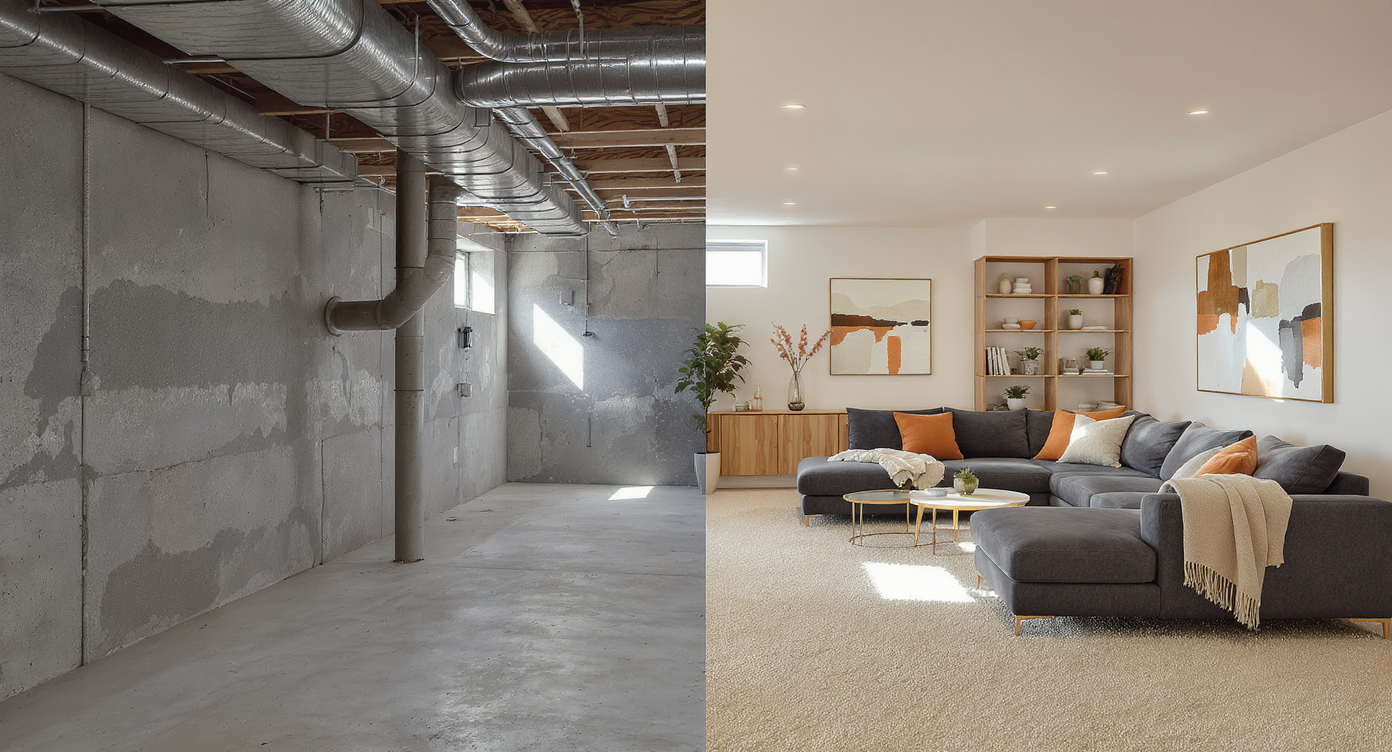
A visually bold basement transformation reveals the power of painted brick, affordable comfort, practical light, and personal quirks. This list uncovers the key decisions that elevated the space and offers relevant takeaways for anyone facing a challenging or partially finished basement.
Seeing Potential Where Others See Cellars
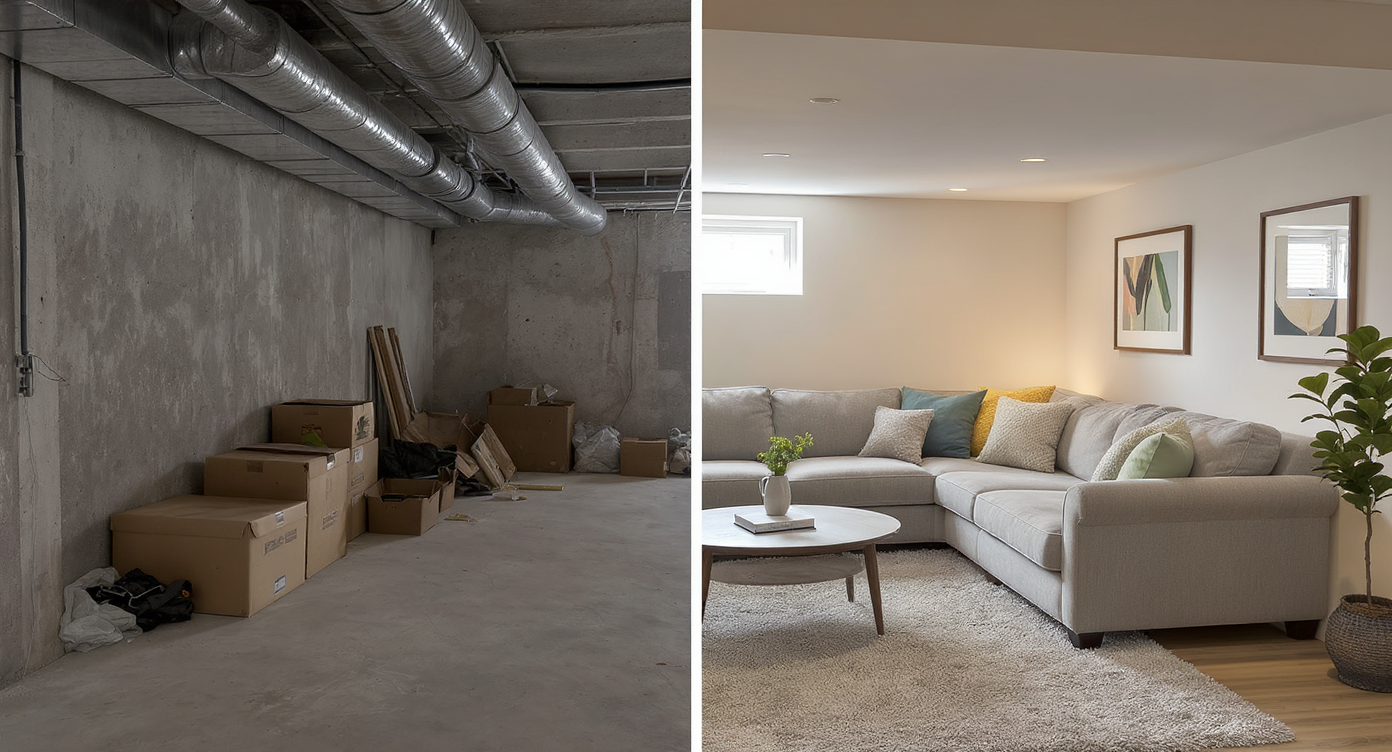
A realistic basement, with one half showing an unfinished, cluttered space and the other transformed into a comfortable, attractive room.
A partially finished basement is often treated as an afterthought, left with builder-basic finishes or relegated to storage. Yet basements hold enormous untapped potential for creating inviting, practical rooms that add comfort, character, and value. A well-executed before and after project can turn even the most overlooked lower level into a true asset, both for daily living and resale. This list examines the stand-out decisions and subtle choices behind a successful basement redesign. Whether you are inheriting a half-finished space or wondering how to introduce light and personality below grade, these insights draw from real-world practice and expert advice. Each section unpacks a lesson that will help homeowners, renovators, and DIY decorators envision what is possible for even the trickiest basement.
-
1. Bold Painted Brick Delivers Unexpected Drama
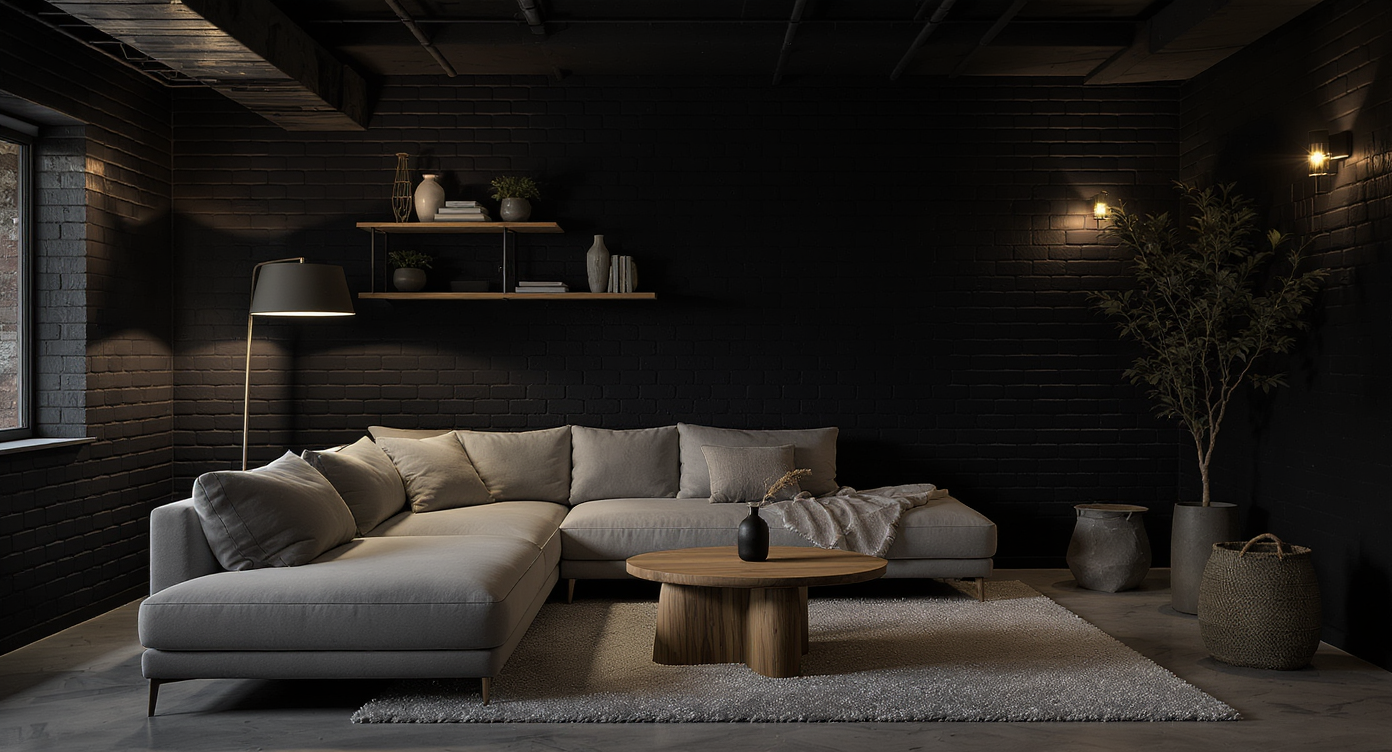
Painting basement brickwork a rich black transforms the space, creating a cozy and contemporary club-like atmosphere without feeling unfinished.
Dark paint colors on interior brick have long divided opinion. Yet, using a rich black on the basement's brickwork shifted the space from utilitarian to statement-making. In practice, designers often choose dramatic hues to elevate surfaces that would otherwise fade into the background. The result is a cozy, club-like atmosphere that reads as contemporary and intentional, rather than cold or unfinished. For those hesitant about such a bold choice, refer to budget-friendly approaches to color in basements as explored in affordable decorator tricks from the Southern Living 2025 Idea House.
-
2. Harnessing Light in the Underground
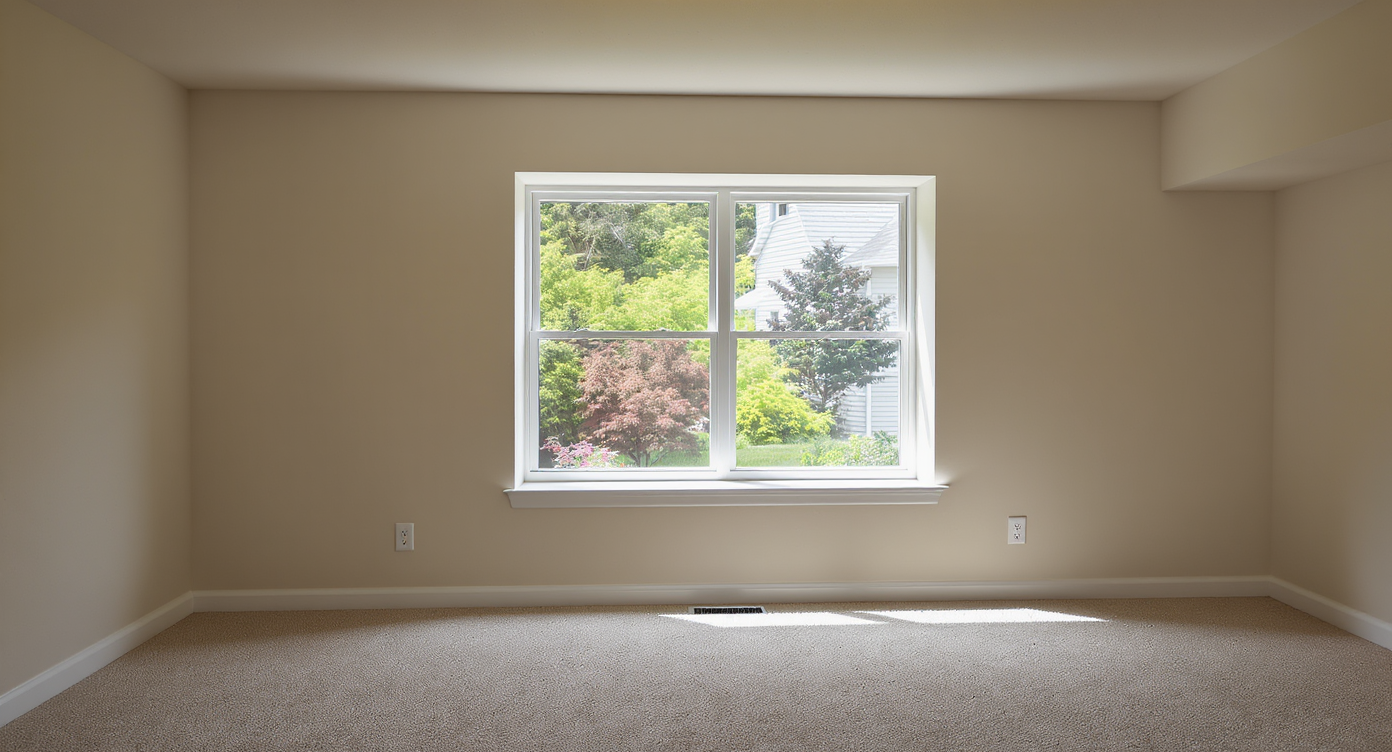
A split-level basement gains abundant natural light from an egress window, with layered lighting enhancing comfort and usability.
Bringing daylight into a basement is a perennial challenge. The success of this space relied in part on an egress window, a feature that introduces natural light and turns the room from a cave into a usable living area. In split-level or garden-level basements, maximizing these windows pays dividends for mood, safety, and flexibility. For basements deeper underground, strategic use of layered lighting remains crucial. For practical guidance on layered lighting, see our insights on interior design mistakes that decrease home value.
-
3. Prioritizing Comfort for All Family Members
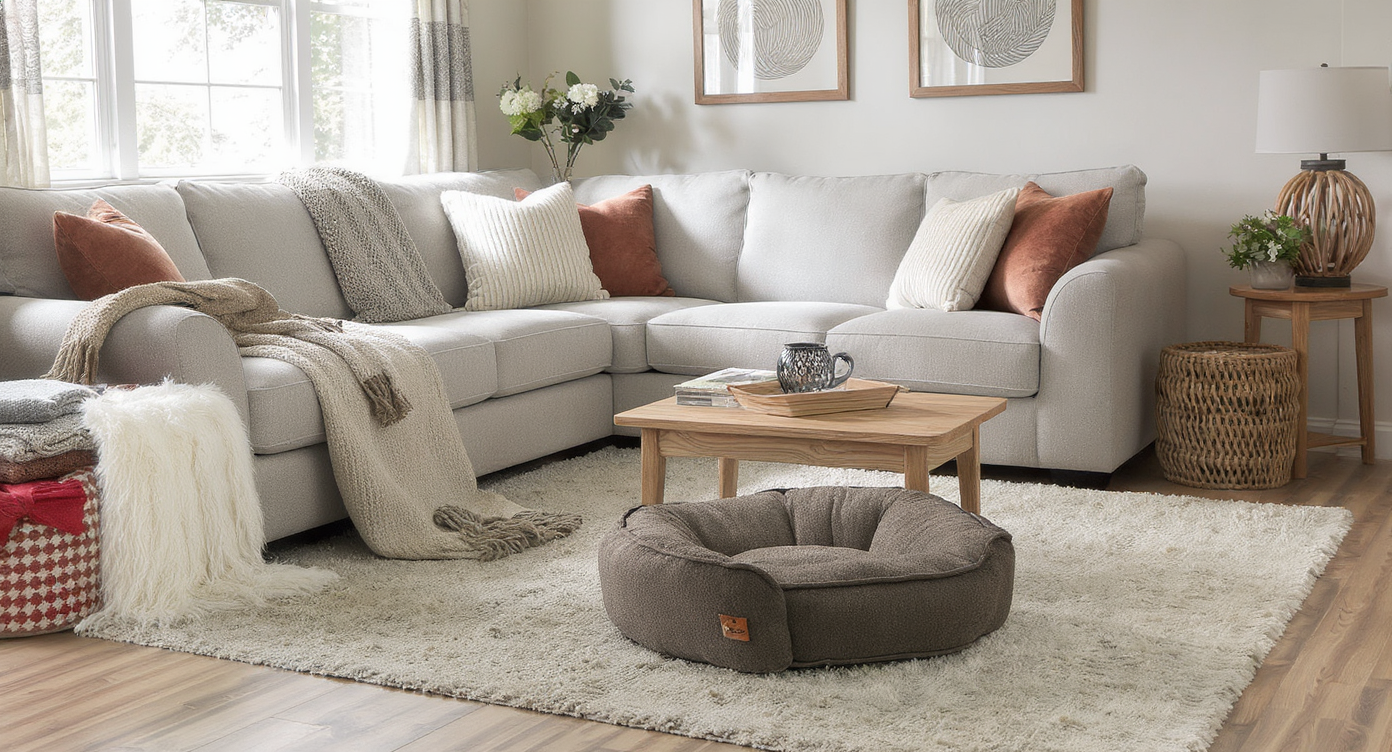
Cozy basement seating area featuring a plush dog bed, soft throws, and flexible furnishings for an inviting, pet-friendly environment.
Designing with pets and people in mind was central to the transformed basement. Cozy, affordable dog beds doubled as décor, chosen for comfort and practicality. Including durable textiles and movable pieces lets the basement adapt to real living, not just show-ready styling. Thoughtful touches, from soft rugs to plush throws, add layers of warmth and approachability. Seeking out affordable options does not sacrifice style, as highlighted by the accessible approach in affordable decorator tricks.
-
4. Embracing Partial Transformations
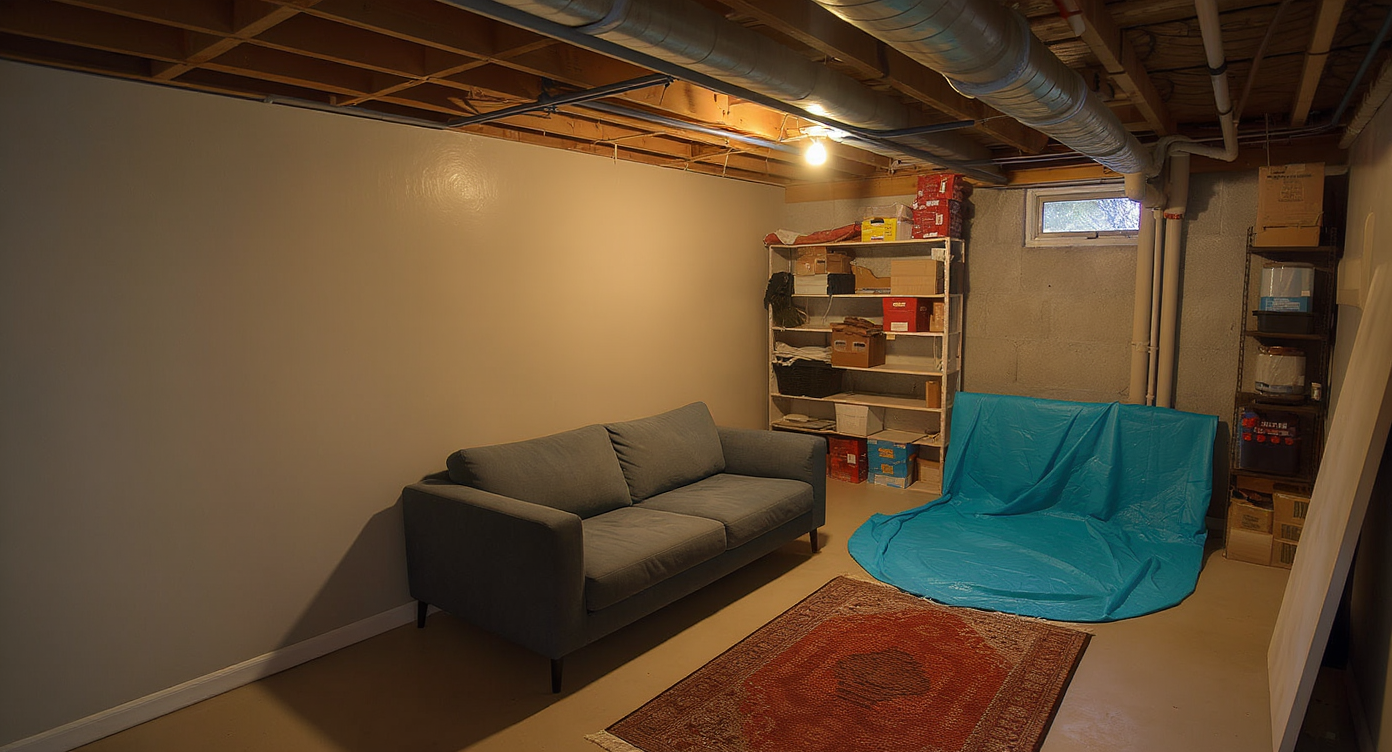
A phased basement makeover: one area finished and inviting, another left incomplete—showing incremental, real-world renovation progress.
Not every renovation is completed in a single sweep. This makeover demonstrates how phasing updates can be both pragmatic and effective. Even with plans to upgrade tile and finish other elements over time, the basement functions well and looks inviting. Partial improvements—fresh paint, flexible furnishings, interim solutions—bridge the gap between 'before' and 'after.' For owners working in stages or with a limited budget, this strategy provides livable, incremental progress, much like the real-world process shown in our DIY home decor transformation guide.
-
5. Making Safety a Priority in Design Decisions
Basements with fireplaces or open flame elements require diligent safety updates. Removing grates, insulating unused fireplaces, and being intentional about the placement of rugs or dog beds reflects a careful balance between function and peace of mind. Savvy renovators also know when to temporarily cover less-than-perfect features rather than rushing to install permanent fixes. This attention to practical detail ensures that projects add value and avoid common pitfalls flagged by professionals in our blog on design mistakes that decrease home value.
-
6. Introducing Playful and Personal Touches
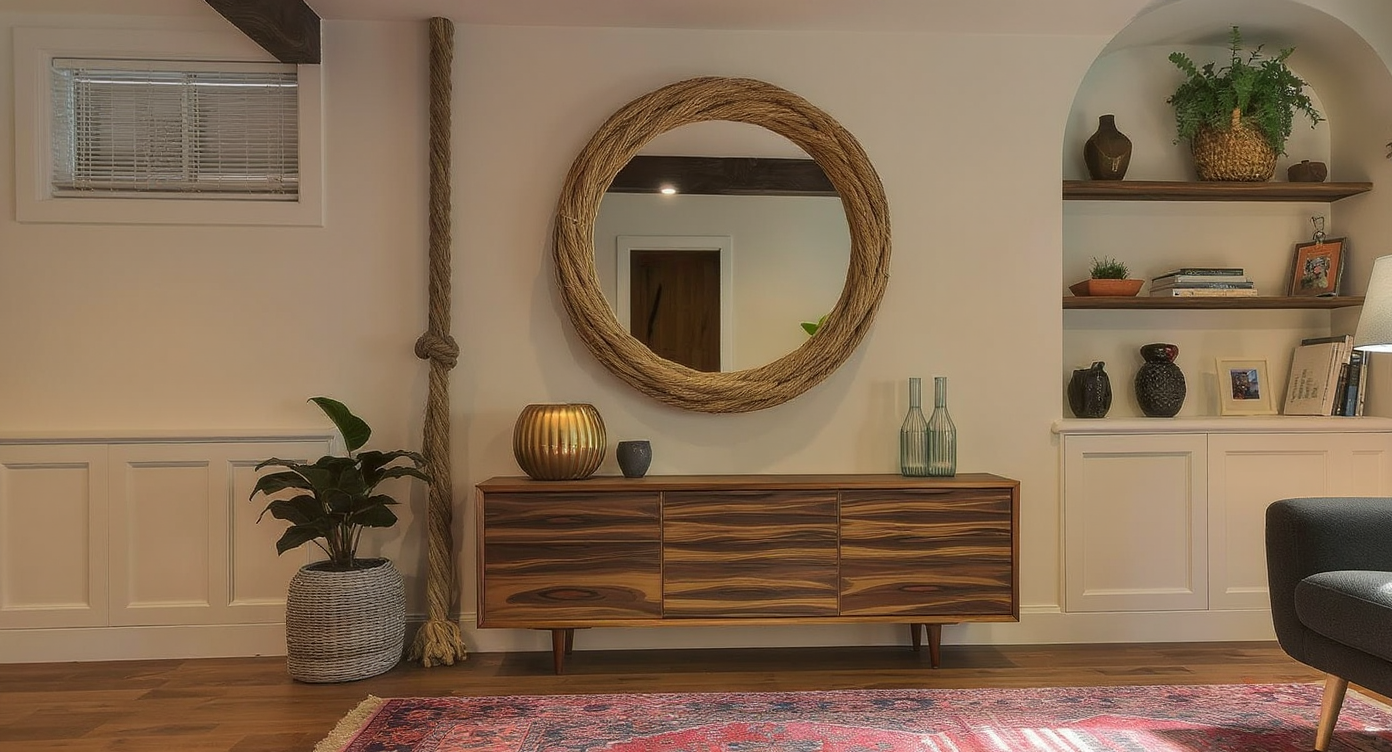
Personal touches in a basement—like a hidden mirror alcove and playful rope accent—add character and a sense of owned, authentic space.
Not every design decision needs to be fully explained. Layers of intrigue—like a mirror concealing an undefined space or a whimsical rope for visual interest—bring personality and energy to rooms that otherwise risk blandness. Accepting imperfect solutions or inside jokes creates a space that feels distinctly owned. As illustrated in various home makeovers, these quirks contribute to a sense of belonging and authenticity that mass-produced finishes lack.
-
7. Adding Real Value with a Finished or Usable Basement
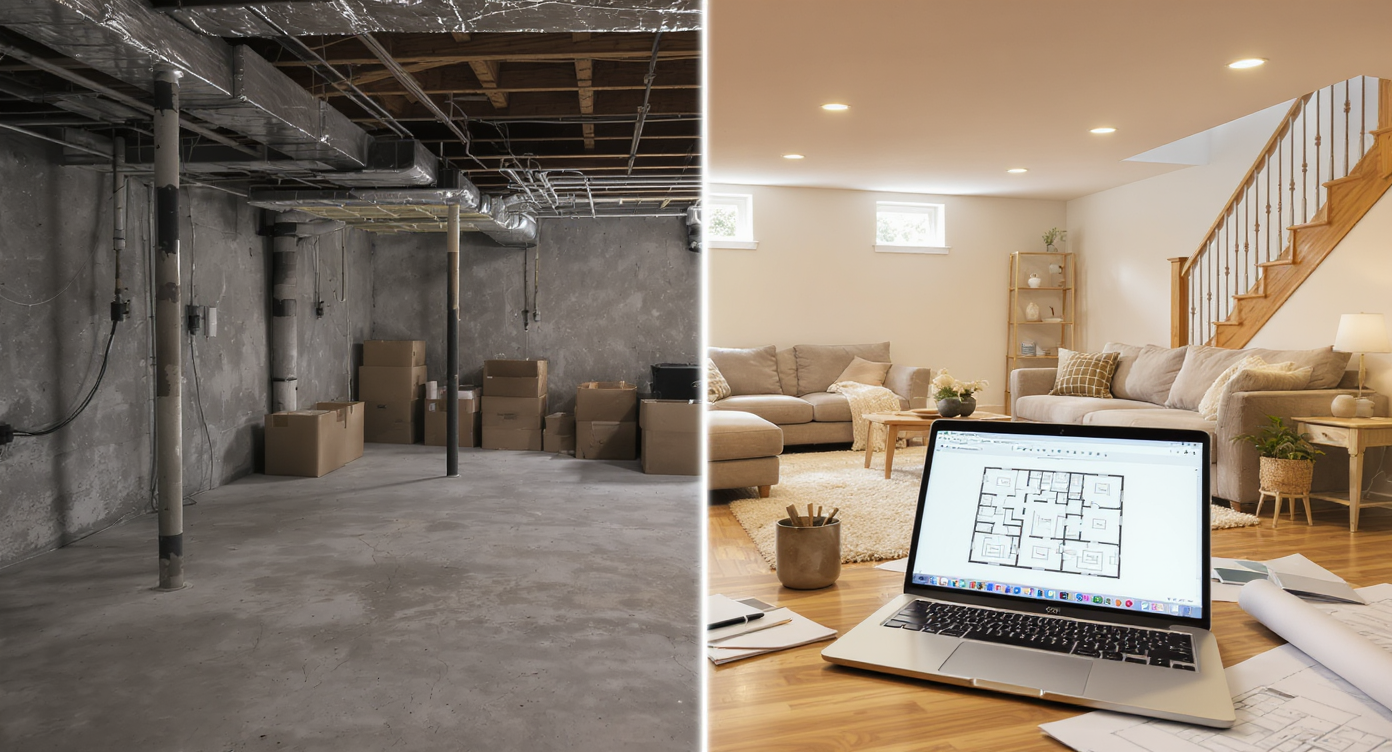
See how transforming a basement from storage space to finished living area can increase usable square footage and home value.
A finished or even partially finished basement remains one of the most value-adding upgrades for many homes. Usable square footage increases livability and can enhance resale value if done thoughtfully. The shift from storage to functional living area transforms the basement from liability to highlight. Digital planning tools like REimagineHome.ai make it possible to visualize, mock up, and refine potential layouts before committing to construction. For real-world examples of how virtual room mockups become actionable plans, refer to our guide on using before and after mockups for renovations.
Frequently Asked Questions about Basement Renovations
Use painted surfaces, layered lighting, and soft furnishings to add warmth and brightness to even basic spaces.
What is the best way to introduce natural light in a basement?
If possible, install or maximize egress or garden-level windows. Add reflective surfaces and a mix of ceiling, floor, and table lamps.
Is painting brick in a basement a good idea?
Painted brick adds drama and can help define the basement as a true living space rather than unfinished storage.
How can I plan a phased basement remodel?
Break the project into manageable stages. Use digital tools such as REimagineHome.ai to test ideas and visualize future phases without committing immediately.
What safety concerns should I address in basement updates?
Review heat sources, fireplace insulation, and the placement of furniture or soft goods to ensure that any existing hazards are managed before adding new décor or finishes.
Transforming Basements on Any Timeline or Budget
A great basement transformation is less about achieving immediate perfection and more about consistent, creative progress. From statement color to interim updates and pet-friendly choices, real value comes from both thoughtful planning and resourceful flexibility. Utilizing digital design tools such as REimagineHome.ai can streamline experimentation, helping homeowners test layouts and finishes before moving forward. Whatever the degree of finish, a basement with vision and intent becomes an asset rather than an afterthought.