Making Your Living Room Feel Complete: Solving the 'Something’s Missing' Dilemma
TL;DR
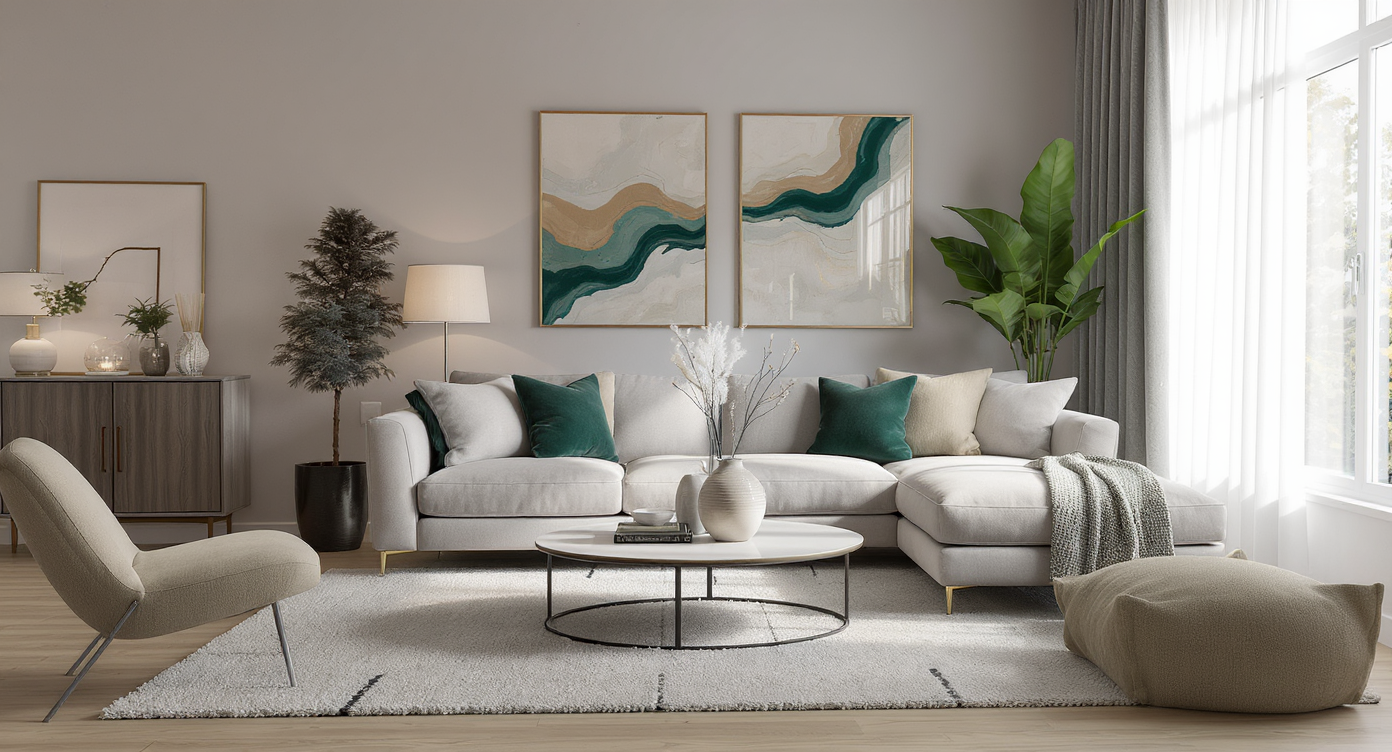
A living room often feels incomplete due to challenges with scale, lighting issues, color coordination, and clutter control. Solving these elements can quickly shift your main social space from 'almost there' to considered and welcoming. Focusing on lighting variety, a tight color story, and smart layout adjustments helps any room find its identity—even when you didn’t start with a grand design plan.
When a Room Feels "Almost Right"
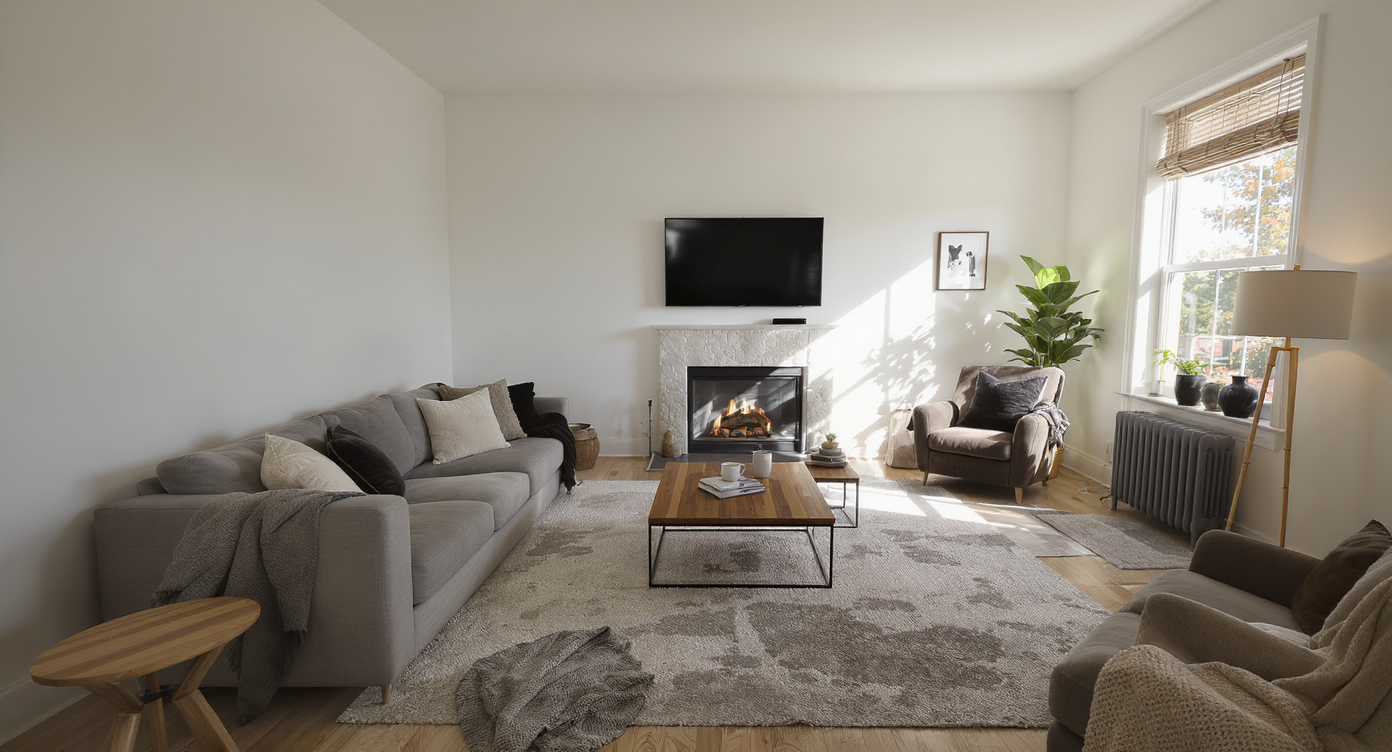
A tidy yet unfinished living room with mismatched basics, minimal decor, and empty wall space—illustrating the 'something’s missing' dilemma.
So many living rooms have all the basics—a sofa, a big rug, a TV, perhaps a fireplace—but still feel flat or unfinished. If you’ve ever walked into your main social space and felt an undefined void, you’re not alone. This feeling is especially common when furniture has been acquired over time, each piece from a different chapter, and there wasn’t a clear plan to begin with. Designers, DIYers, and online communities agree: it takes more than a collection of furniture to create a space that feels inviting and pulled together. The gap between "done" and "almost done" is rarely about expensive pieces. Instead, it's owed to scale, color play, lighting layers, and a handful of personal choices. Focusing on these right-sized moves can elevate even the most mismatched living room.
-
The Real Culprits: Scale, Lighting, and Visual Balance
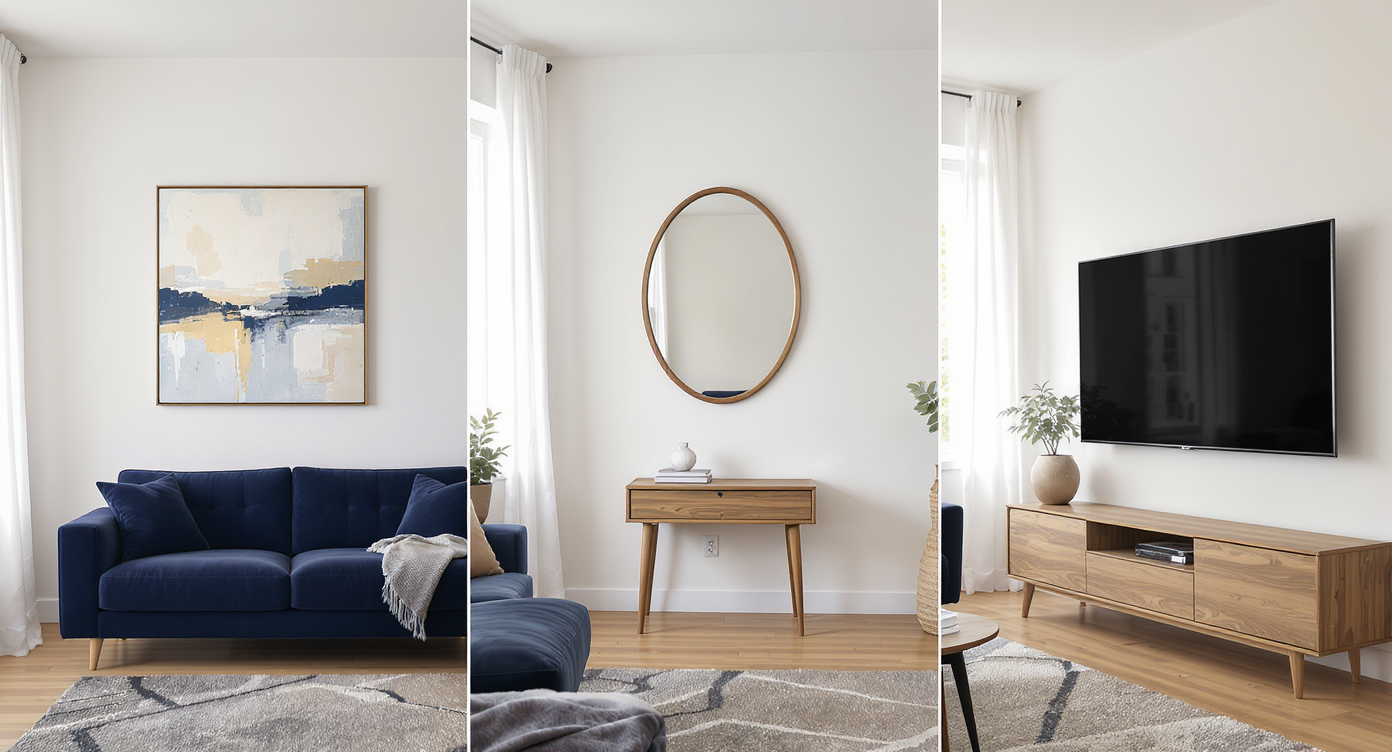
Visual examples of common scale and proportion mistakes in living rooms—tiny art above a sofa, an oversized mirror over a small table, and a TV mounted too high above a console.
An inviting living room functions like a well-edited canvas. But when scale is off, even designer pieces can compete rather than coalesce. The most common culprit is proportion—tiny art above a sprawling sofa, a massive mirror above a slight table, or a TV that hovers oddly high. Each of these choices draws attention to negative space or leaves walls and surfaces awkwardly empty or overfilled. Discussions in design circles repeatedly highlight the importance of aligning each object to the surrounding architectural features and furniture. Art should feel substantial over seating or surfaces. Mirrors need a supporting cast—either a wider table beneath or flanking accessories to anchor their reflective weight in the room. Even an extra six inches of curtain width or a lower TV mount can recalibrate the entire space. For more on right-sizing—even on a budget—see our take on missing living room elements.
Expert Insight
A client once confessed her living room always felt "off" despite new furniture. She realized, after moving a too-small piece of art from above the sectional and adding a large vintage painting from a local artist, the space finally felt finished. The simple switch, paired with swapping the overhead light for two tall shaded lamps, transformed both function and atmosphere. Sometimes a room’s missing piece isn’t more furniture, but a shift in what draws your eye.
-
Lighting Issues: The Mood Maker Everyone Neglects
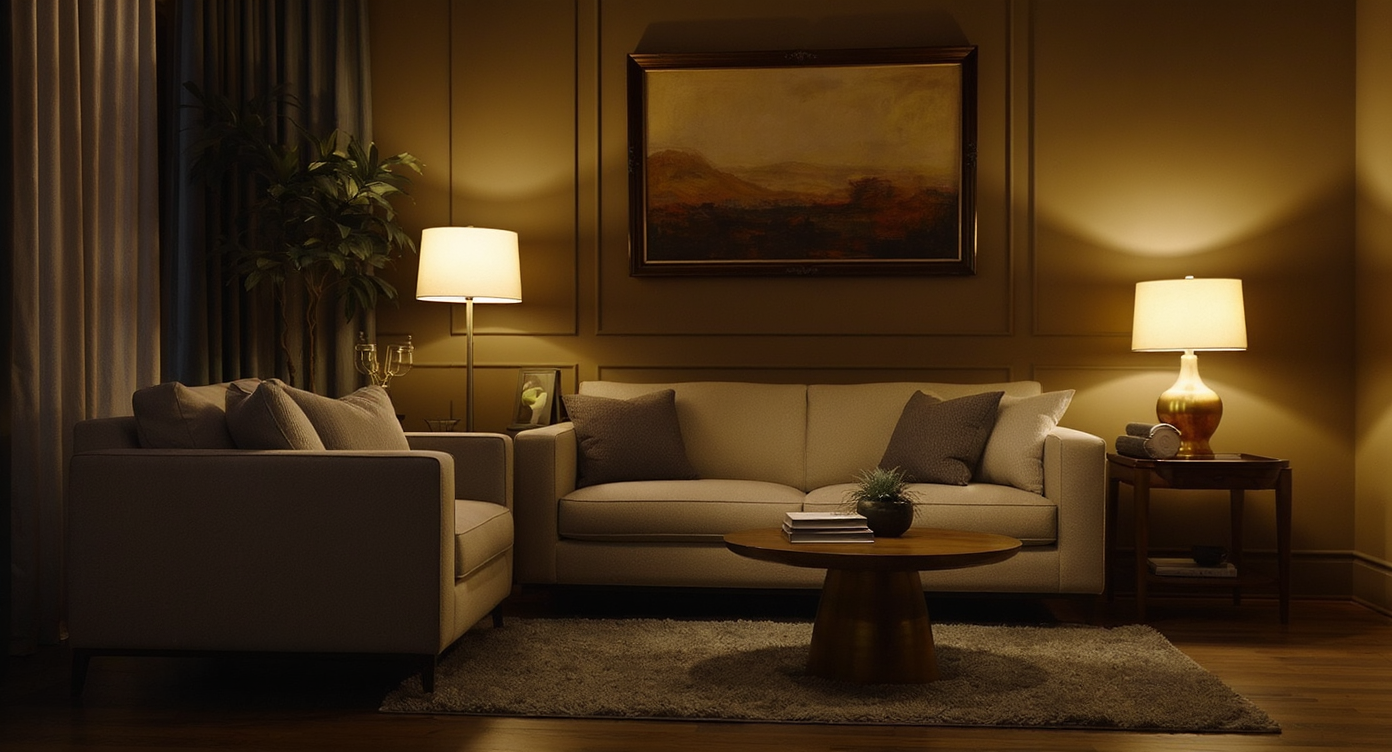
A modern living room feels cozier and more dimensional with layered lighting—floor, table, and picture lights—rather than just overhead.
Overhead lighting is often bright and efficient, but it rarely creates warmth. In fact, too much reliance on a single ceiling fixture can cast a living room in an unfriendly or even clinical light. Layered lighting—a strategic mix of floor lamps, table lamps, and even picture lights—adds comfort and dimension. This is particularly critical if your space feels flat, shadowless, or just 'not cozy.' A classic scenario: you shift from glaring ceiling fixtures to a constellation of warm side lights and the entire room feels more inviting. Designers suggest aiming for at least three different light sources in a modest living space. Keep bulbs in the soft-white to daylight range rather than harsh cool whites. If your room leans toward deep or earthy hues, adding a luminous layer helps break up the uniformity, lending both function and mood. Examples and visuals for layering light can be found in our feature on brightening brown-heavy living rooms.
-
Color Coordination: Vibrancy Versus Monotony
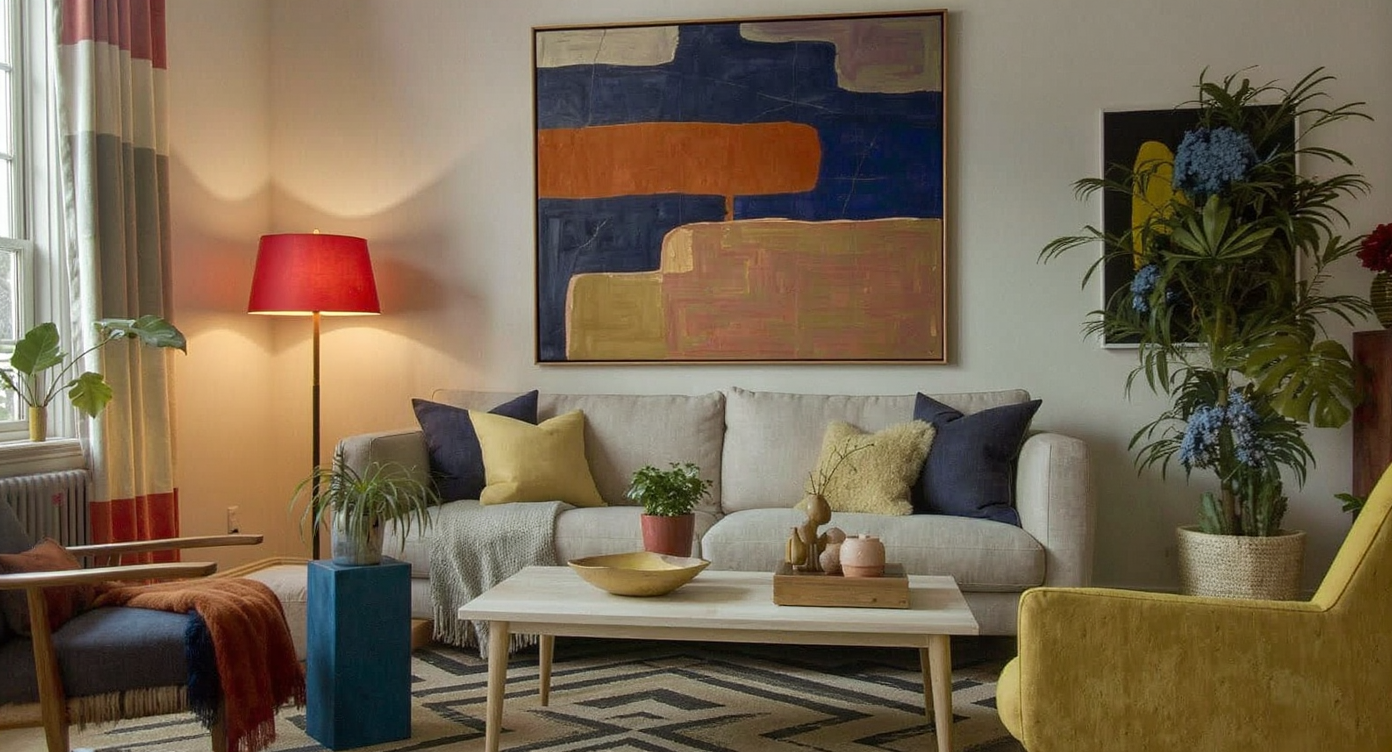
Repeating navy, mustard, and rust accents across pillows, throws, pots, and art adds vibrancy to a neutral living room without overwhelming it.
Living rooms dominated by a single color—especially beiges, browns, or earth tones—can read as careful or even bland, rather than serene. Introducing contrast and color layering is less about chasing trends and more about animating the space. It’s not unusual for people to own several neutral pieces but not know how to liven them up. The answer is judicious color repetition and targeted accents. Designers recommend repeating one or two new shades from art or textiles across at least three different areas of the room. Pillows, throws, plant pots, or even a bold lamp can all serve as low-investment starting points. A pop of contrasting color—think navy, mustard, or rust—gives even the most reserved palette a needed spark. In many rooms, color coordination offers the quickest fix for the "unfinished" feeling. More on layering hues without overwhelming your palette is captured in our review of finishing touches for neutral spaces.
-
Clutter Control and Personal Touches
Without intention, living rooms often become cluttered with items that don’t speak to each other—or to the people who live there. Tables get filled with unrelated objects, shelves accumulate odds and ends, and the overall effect can distract from the design story. Decluttering is the foundation, but adding meaningful objects is the next step. Once the surface is cleared, think about what actually matters: a curated stack of books, a striking piece of art, or a few plants positioned to draw the eye. Personal items—photos, mementos, handmade art—tether a space to the lives of its inhabitants. As seen in first-time homeowner decor examples, starting with what you love and editing carefully is better than aiming for 'magazine ready' perfection.
-
Main Social Space: Function Matters As Much As Form

A function-focused living room layout with a central sectional, flexible seating around the fireplace, and clear walkways supports everyday routines.
The living room is usually the hub where routines spill over—TV time, work-from-home sessions, friend gatherings, and dog naps. If a room feels incomplete, it’s sometimes because function has not been fully mapped. Try rethinking how the core pieces interact. Are the seats too far from the TV for movie night? Is the traffic flow interrupted by oversized furniture? Test moving the sectional closer to the center, or pulling conversation chairs around a focal point like the fireplace. Use a practical scenario: after a dinner party, is there flexible space for friends to lounge and converse? Or, at family movie time, can everyone see the screen comfortably without feeling isolated? Rethinking function in your main social space shifts the room from accidental storage to intentional living.
Visualization Scenario
Imagine entering a living room at dusk. Rather than flicking on a bright overhead light, you tap two floor lamps and a picture light above a fresh gallery wall. The oversized sectional sits comfortably atop a plush, patterned rug while throw pillows in varied hues tie both the green fireplace and the surrounding art together. Clutter is under control, surfaces display curated favorites—books, a unique vase, a photo from a memorable trip. The room feels layered, lived in, and finally complete.
Frequently Asked Questions
Finishing a space is about more than filling it with items. Scale, lighting, color coordination, and clutter control often make the difference between 'almost there' and complete.
What is the fastest way to brighten a dark, brown-heavy living room?
Layer in lighter textiles, use daylight-toned bulbs, enhance contrast with white or black accents, and consider adding mirrors for reflected light. Visual examples are showcased in our piece on brightening brown-heavy living rooms.
How do I control clutter without losing personality?
Declutter first, then add back a few well-chosen books, photos, plants, or art that genuinely mean something to you. Editing is as important as decorating.
Does my TV placement really matter?
Absolutely. TVs that are too high or too far disrupt both comfort and visual balance. Aim for seated eye level and keep the screen spatially connected to seating.
Can I preview décor changes before committing?
Yes. Tools like ReimagineHome.ai let you test wall colors, furniture layouts, and lighting before making changes.
Pulling It Together—Every Room Deserves a Finish
A living room doesn’t require a matching set or a big budget to feel finished. Addressing scale, incorporating layered lighting, enhancing color coordination, and practicing clutter control are the key levers to a cohesive and inviting main social space. Thoughtful tweaks—moving a sofa, repositioning the TV, or swapping harsh bulbs for warm ones—can unlock what’s missing. The most memorable rooms balance comfort with visual delight and, above all, reflect their owners’ personalities. To preview changes or experiment virtually, explore innovative design tools like ReimagineHome.ai.