7 Ways Local Nurseries Inspire Outdoor Spaces Beyond Plants
TL;DR
Local nurseries offer more than just plants—they create vibrant outdoor environments filled with inspiration for leisure zones and green spaces. From interactive animal habitats to community connections, these spaces influence how people think about designing outdoor areas at home.
Why Local Nurseries Spark Outdoor Creativity
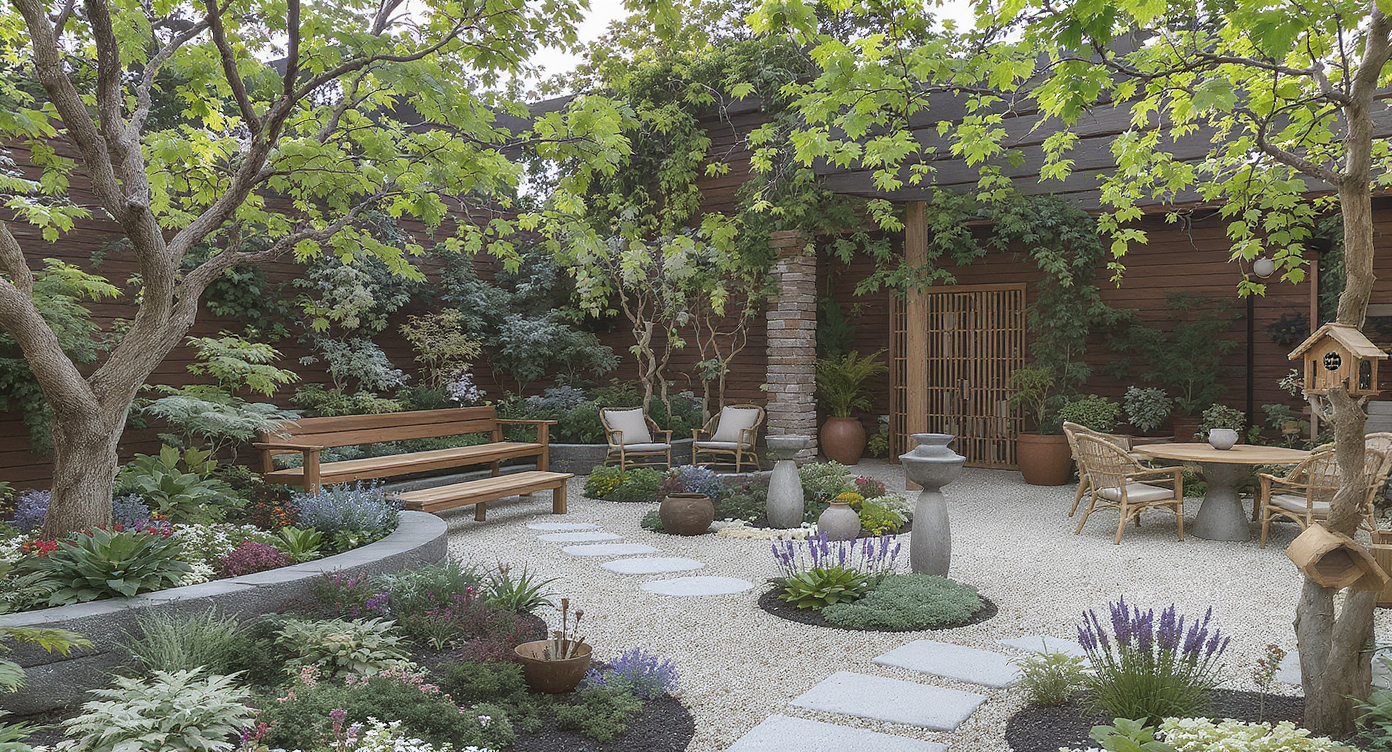
A photorealistic nursery courtyard with stone paths, vibrant plants, animal habitat pond, and relaxed seating—showcasing outdoor inspiration.
People often visit a plant nursery for new flowers or shrubs, but many discover much more than greenery. Nurseries that feature animal habitats, peaceful paths, and communal comfort turn routine shopping into inspiration for overall outdoor design. They illustrate how nature, relaxation, and social connection can shape inviting leisure zones and truly memorable green spaces. This list explores how standout nurseries go beyond their inventory to transform perspectives on backyard design and community gathering. Whether you own a home with a basic lawn or are passionate about pollinator gardens, local nurseries can reframe what's possible in any outdoor living area.
-
1. Animal Habitats that Encourage Engagement
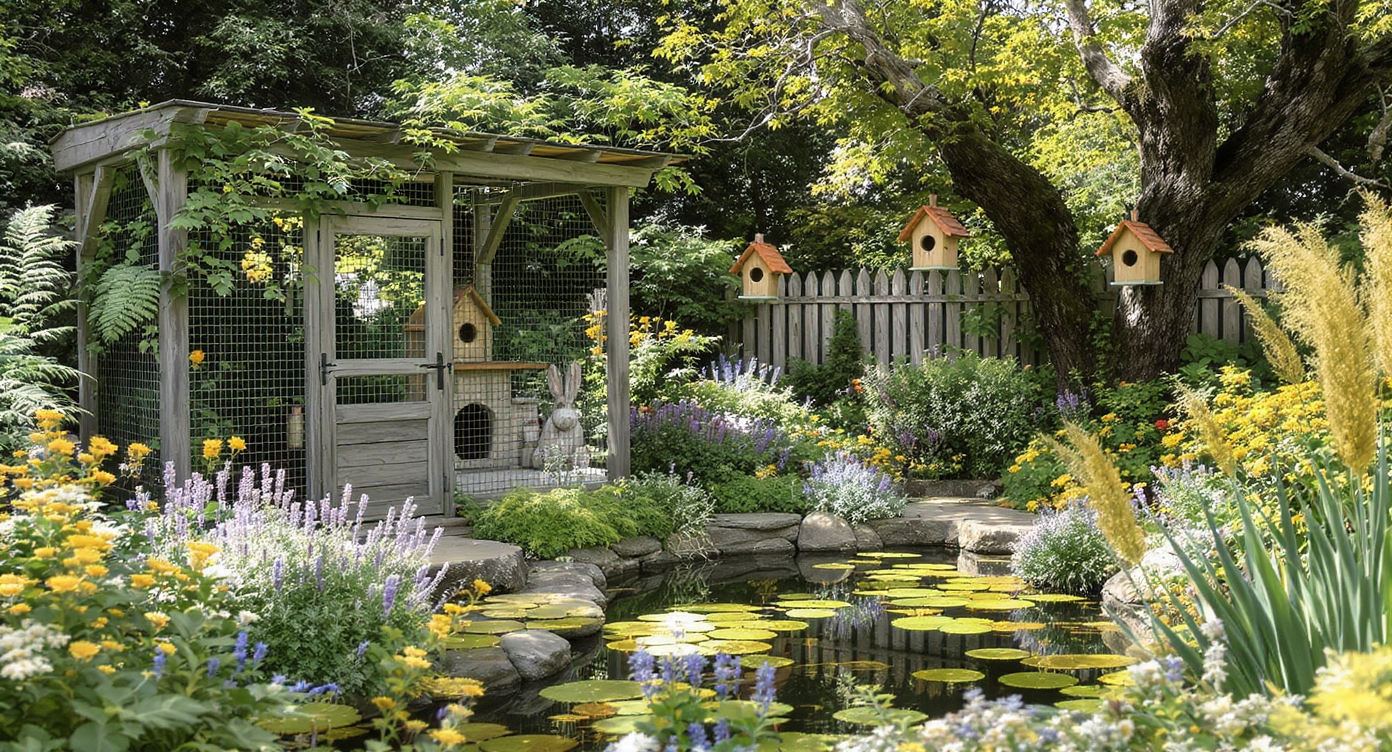
A realistic home garden section features animal enclosures, birdhouses, a bee hotel, and a natural pond to encourage wildlife engagement.
Creative nurseries frequently house rescued birds, rabbits, or goats in thoughtfully designed enclosures. These animal features invite visitors to interact, observe, and develop empathy for local wildlife. For home gardeners, the lesson is clear: incorporating animal-friendly elements, like birdhouses, bee hotels, or small ponds, adds texture and meaning to outdoor design. According to our guide on wildlife-friendly gardens, inviting life into a space enriches both the environment and those who spend time there. Consider replicating such experiences by creating designated zones for pollinators or small animals in your own yard.
-
2. Community Areas for Relaxation
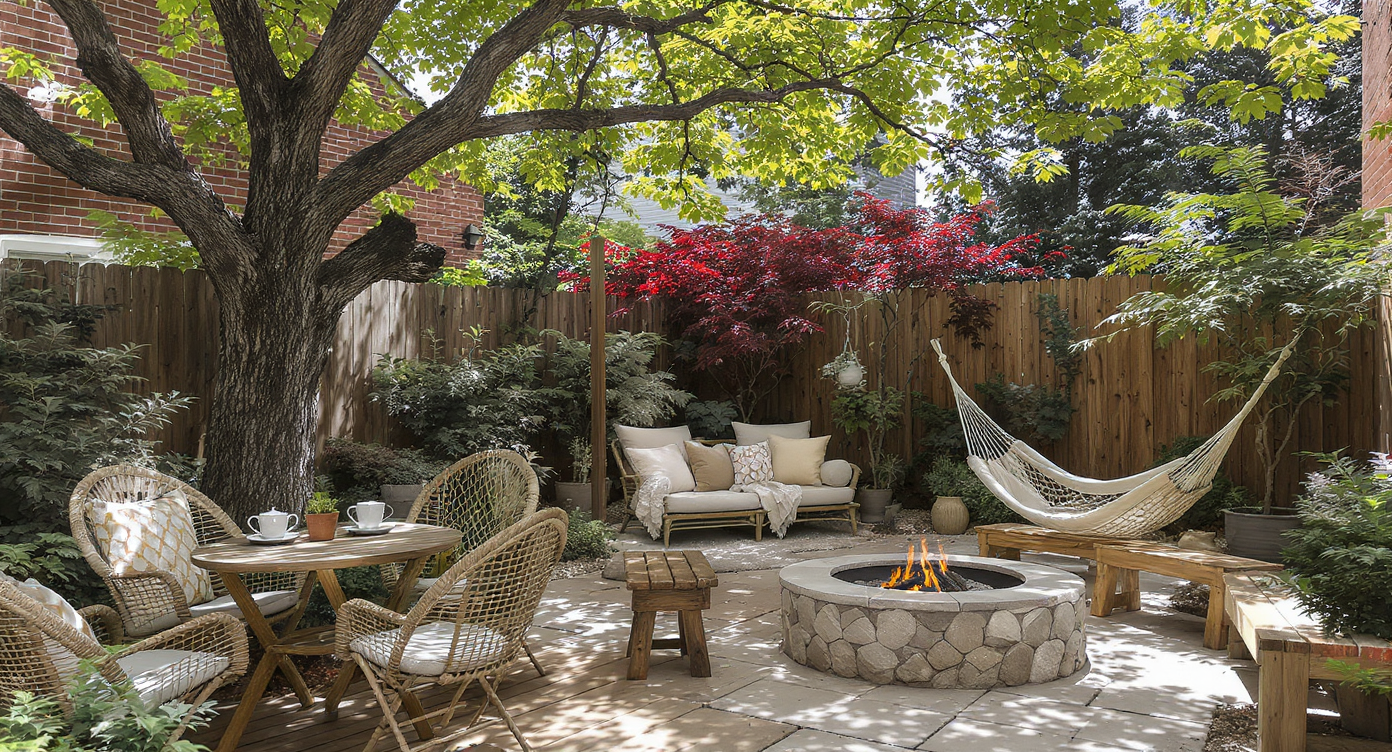
A welcoming urban backyard offers shaded café-style seating, a cozy tea nook, hammock, and fire pit area—ideal for outdoor relaxation.
Many nurseries set up café-style seating, pop-up refreshment stations, or shaded benches for visitors. These gestures foster a welcoming atmosphere and highlight the value of comfort in outdoor space planning. A well-designed leisure zone at home might include a quiet tea nook, hammock corner, or fire pit circle. Professionals see that these elements help turn utilitarian gardens into inviting retreats. In urban backyards or small lots, even a bistro table beneath a tree can provide a restorative escape.
-
3. Gardens Designed for Exploration
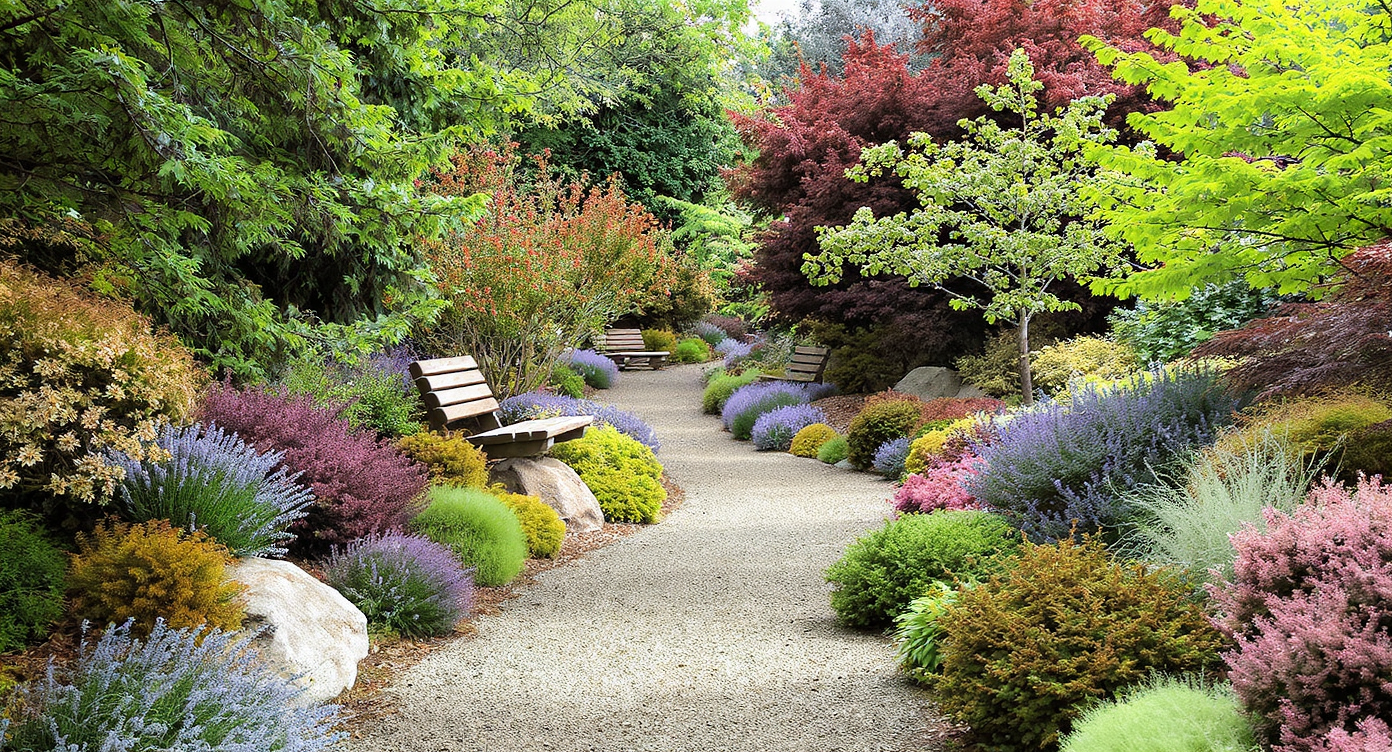
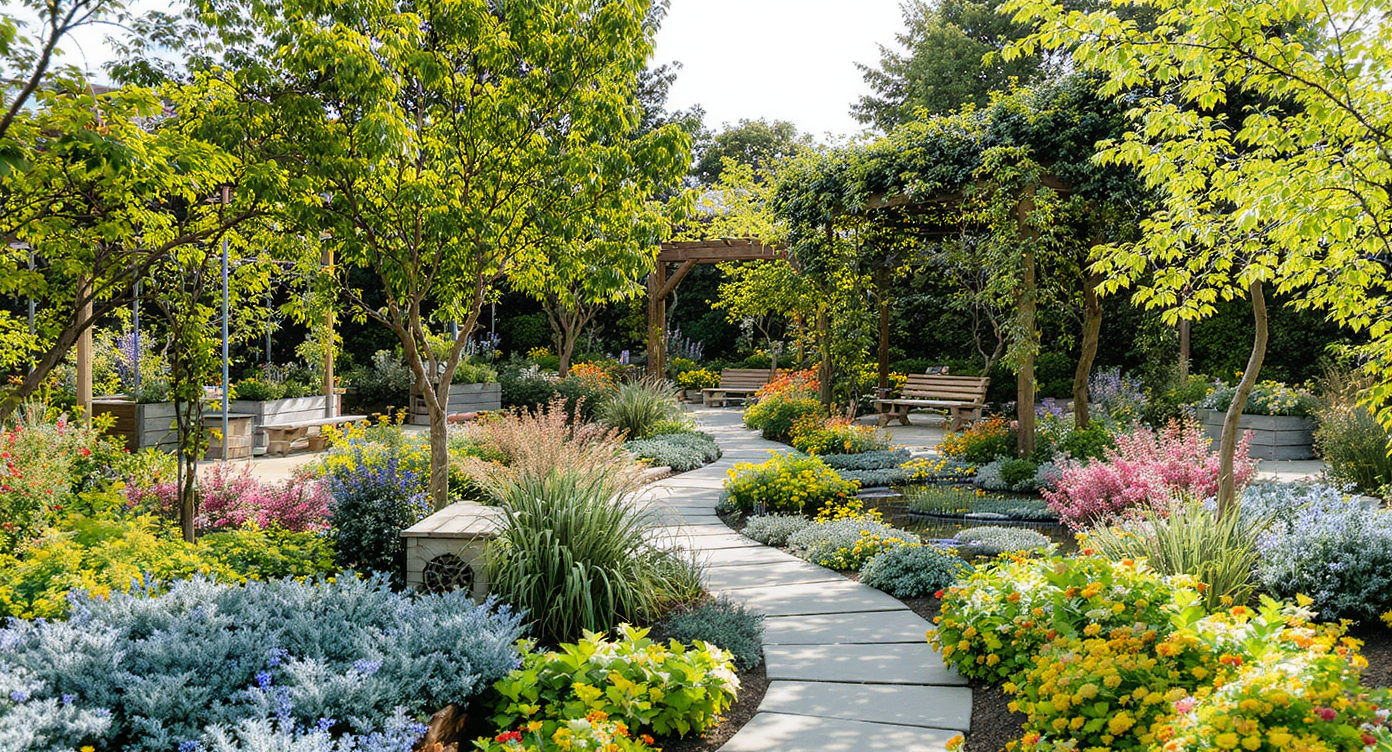
A gently curving garden path bordered by native plants and water features encourages discovery and sensory engagement in outdoor spaces.
The best nurseries encourage meandering with winding pathways, themed garden beds, and surprises around each corner. Pathways through beds of native plants, groves, or water features make the experience interactive and memorable. When planning a personal outdoor space, including curving paths or mixed planting beds gives friends and family reasons to wander and discover. Healing garden principles, as described in our review of therapeutic backyard trends, show how sensory engagement supports relaxation and wellbeing.
-
4. Spaces that Blend Play with Learning
Child-friendly nurseries often include opportunities for hands-on discovery—such as feeding goats, watching fish, or handling seed packets. These moments blend fun and informal education, fostering curiosity about nature. At home, integrating raised beds for vegetables, butterfly gardens, or simple water features can encourage children and adults to explore and learn together. Design professionals note the long-term benefits of creating spaces that connect families to natural cycles and outdoor stewardship.
-
5. Adaptive Design for Seasonal Enjoyment
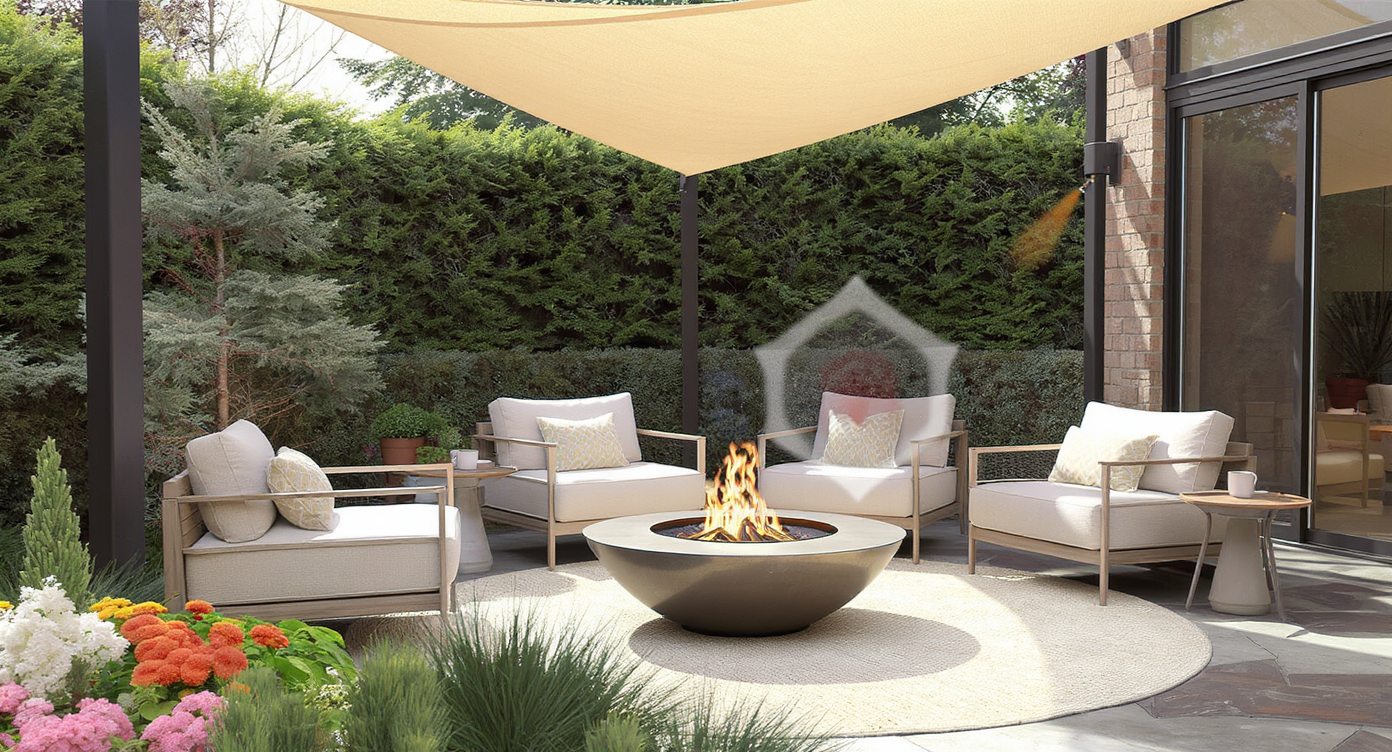
A backyard lounge illustrates adaptive design: removable shade sails, fire bowl, and mobile potted plants create comfort in any season.
Nurseries adapt offerings for each season, whether through indoor plant displays in winter or warm drinks outdoors in cold months. This responsive design keeps leisure zones lively year-round. Homeowners can emulate this versatility by planning spaces that evolve: removable shade sails for summer, fire bowls for winter, or potted plants that migrate indoors when temperatures drop. Adaptable design ensures that green spaces and leisure areas remain active and comfortable in every season.
-
6. Cultivating a Sense of Belonging
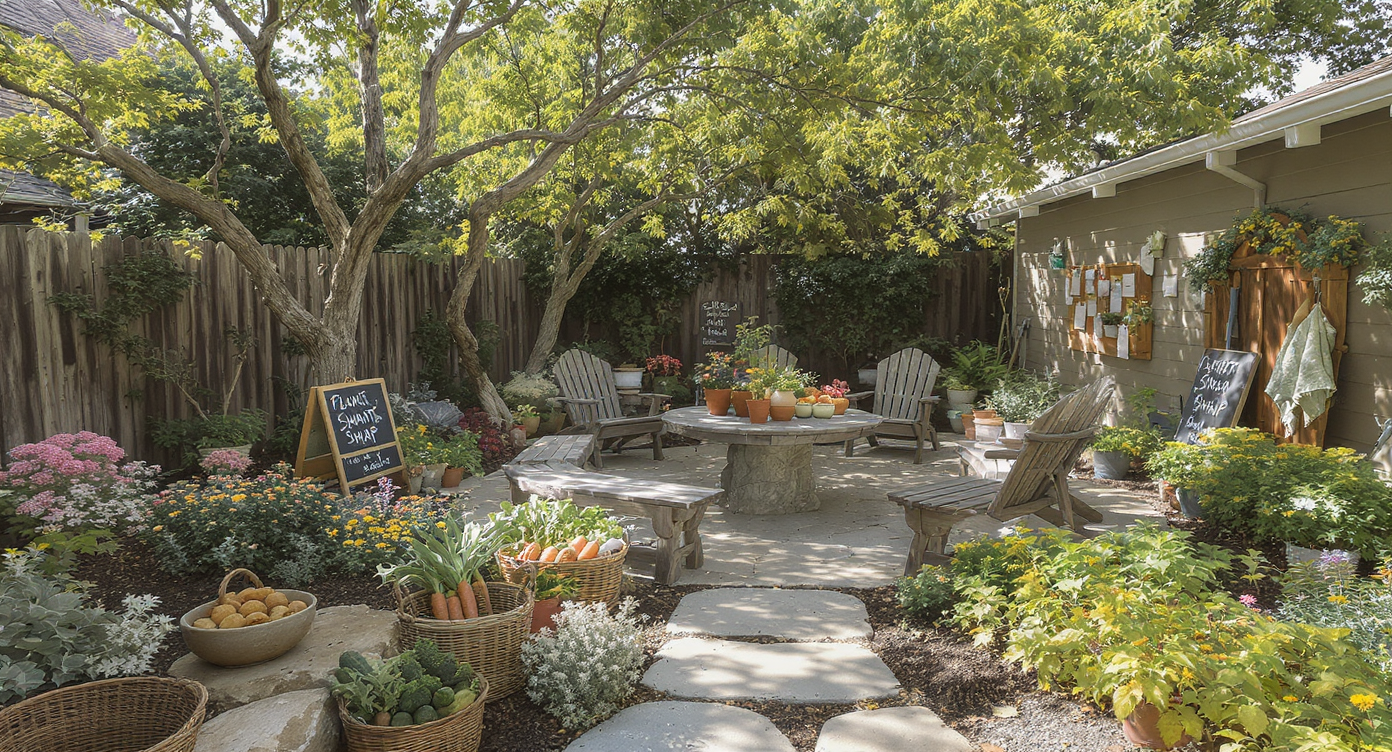
A home garden entry with a stone path, benches, harvest baskets, and plant swap area creates a welcoming, community-inspired outdoor space.
Regular visits to a nursery often foster connections among staff, customers, and the wider community. Recognition of returning guests or small acts of kindness, such as offering treats to children, create a sense of belonging. Building this feeling into a home garden might mean establishing a tradition—like seasonal plant swaps, communal harvests, or simply creating a welcoming entry path. Community-oriented spaces transform ordinary yards into anchors for friendship and neighborhood connection. According to ideas on restoring native gardens, subtle design cues encourage stewardship and a shared sense of place.
-
7. Showcasing Creative Repurposing
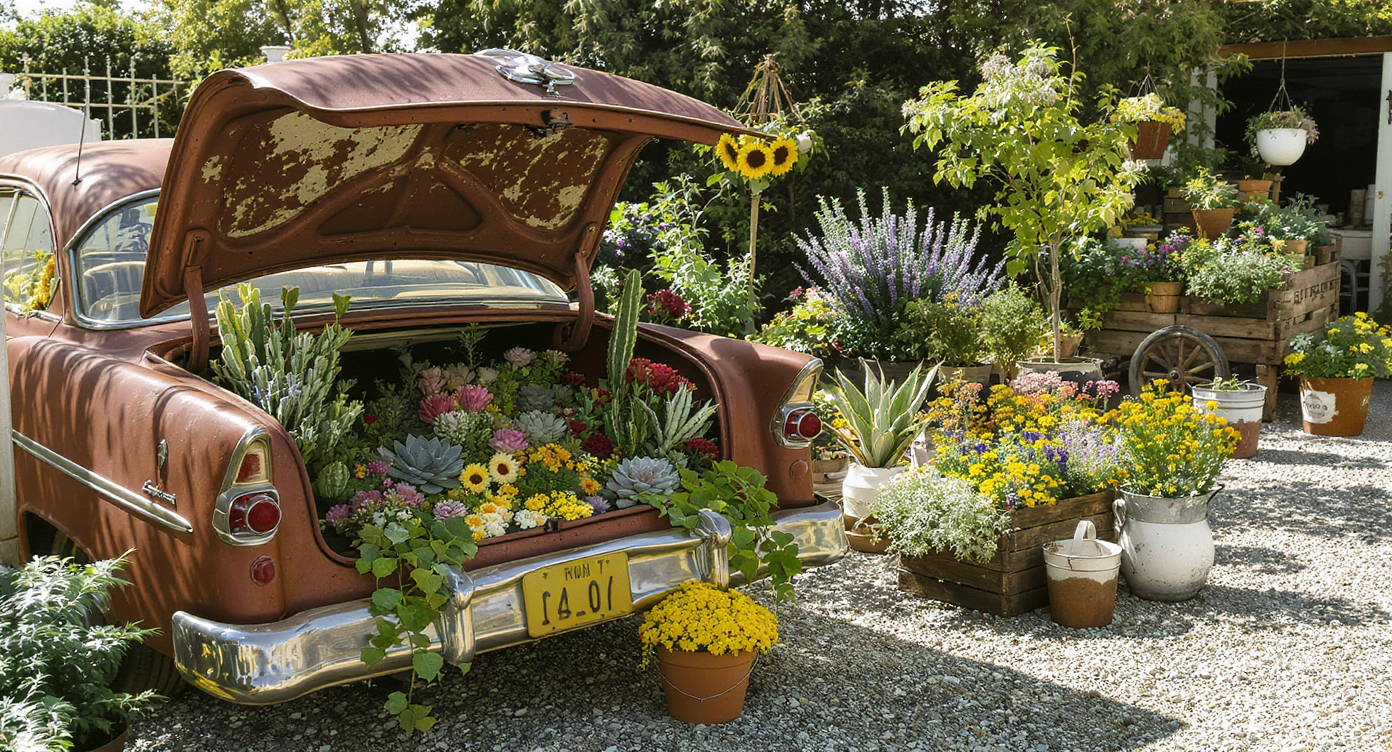
Creative nursery display: a rusted car overflowing with succulents, a flower-filled wagon, and recycled planters inspire garden upcycling.
Some nurseries draw attention for their imaginative use of found or recycled materials, such as converting a rusted classic car into a succulent planter. These displays inspire visitors to bring resourceful design home, whether using old wagons as flower beds or repurposing containers for raised planters. Professionals increasingly see upcycled features as focal points in modern landscapes, bringing character, playfulness, and sustainability together.
Frequently Asked Questions
Animal habitats attract pollinators, birds, and beneficial insects, adding life, movement, and educational opportunities to green spaces. Techniques from wildlife-friendly landscaping, such as providing shelter and water, support both biodiversity and overall outdoor design.
What are manageable ways to create a leisure zone?
Start with small comforts, such as a shaded bench, hammock, or outdoor rug. Layer in lighting, soft plantings, and focal points to increase the sense of welcome, as detailed in outdoor comfort studies.
How can I design my yard for year-round use?
Plan moveable seating, layered plantings, and weather-adaptive furnishings—ideas supported by adaptable garden concepts. Inspiration for multi-season plantings can be visualized through planning tools like REimagineHome.ai.
Where can I learn more about green space restoration after damage?
Tips for recovery after unintended lawn or garden disruptions are covered in our guide on restoring native gardens.
What is the value of creative reuse in outdoor spaces?
Repurposing found objects for planting and display reduces waste, adds personal character, and can serve as a conversation starter or focal point.
Fresh Perspectives from Local Nurseries
Nurseries that blend plant selection with interactive habitats, shared spaces, and creative vignettes spark ideas for transforming outdoor living at home. Their approach encourages people to see backyards as dynamic environments—not only places to garden, but to gather, relax, and reconnect. For those looking to test design choices or visualize new green zones, digital tools such as REimagineHome.ai can help refine ideas inspired by a standout nursery visit.