Making the Most of a New Apartment Floor Plan
TL;DR
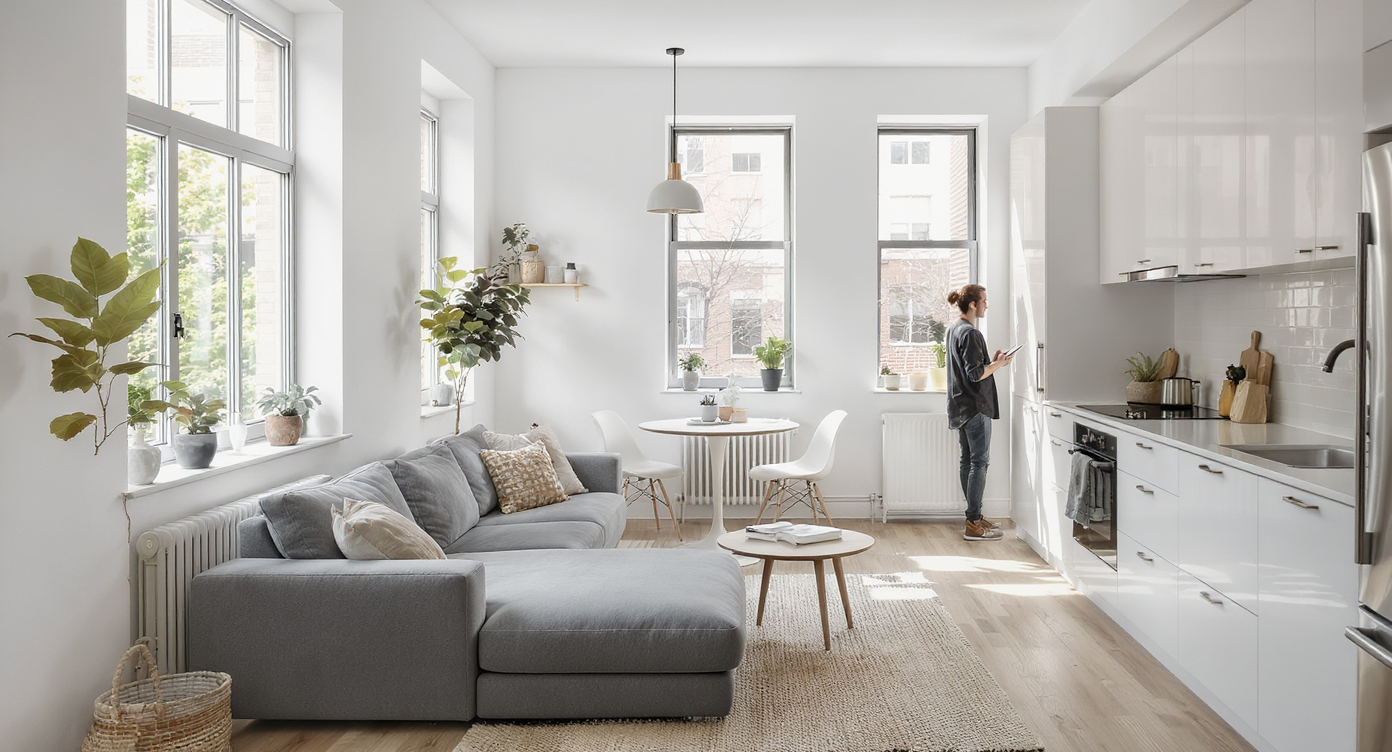
The key to optimal apartment layouts lies in connecting floor plan vision with the realities of furniture, function, and daily living. Success comes from aligning each room’s flow, careful furniture placement, and pragmatic storage solutions—especially in compact homes. Approaching your space thoughtfully can transform even limited square footage into a place that feels inviting and personal.
Every Floor Plan Has a Story
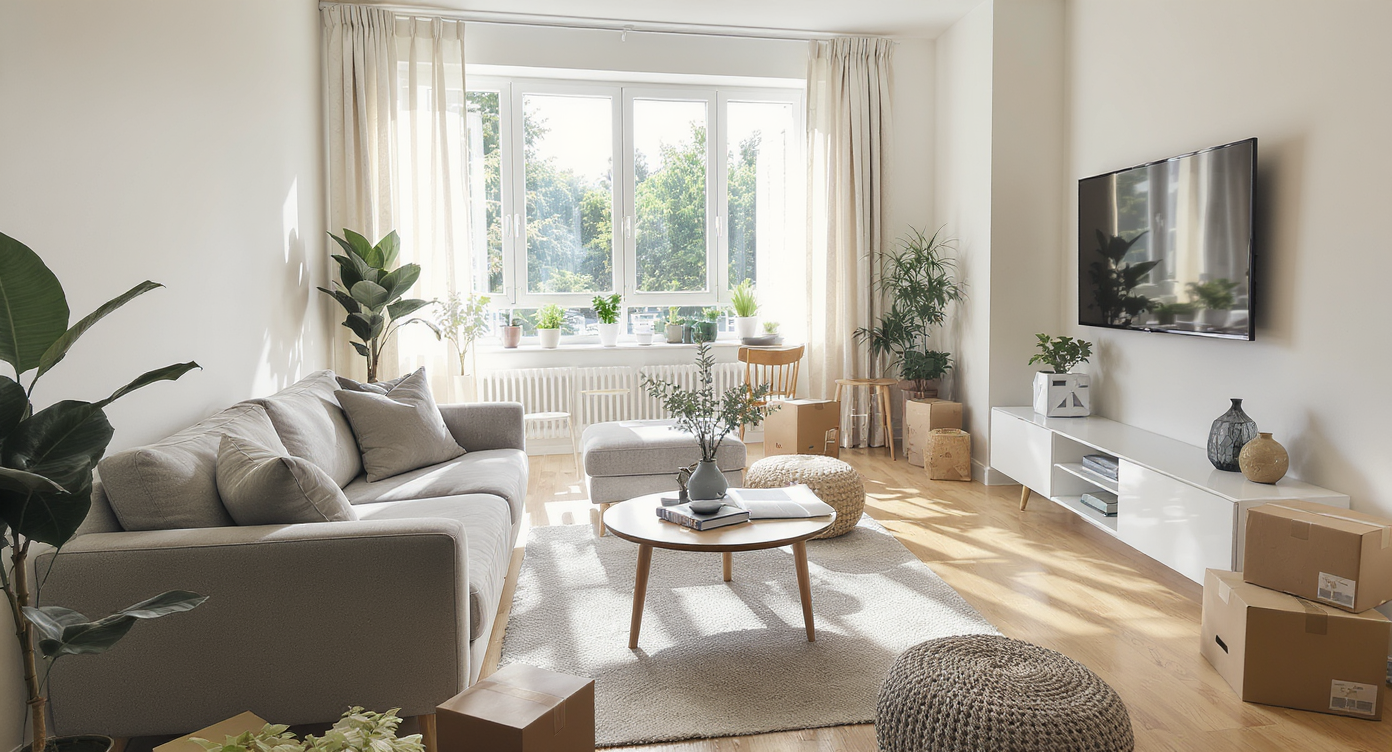
A resident reviews her floor plan in a sunlit, just-moved-into apartment—illustrating the fresh start and strategic planning ahead.
Moving into a new apartment often feels like a fresh start. You unroll the printed floor plan, brimming with potential—a blank canvas where comfort and style should coexist. But as boxes pile up and each piece of furniture claims its footprint, reality sets in. Even with a thoughtfully designed layout on paper, achieving a space that truly works takes more than just fitting everything in. The challenge is universal, whether you are navigating your first city studio or upgrading to a bit more square footage just across town. What often separates a functional, harmonious home from perpetual clutter is not just the size of the space, but how well its floor plan, furniture, and everyday flow play together. Designers and seasoned renters alike know that details—clearances, focal points, even storage that blends into the background—shape how spacious or crowded a room feels. With the right approach, a new apartment floor plan can accommodate the furnishings you cherish and support the way you actually live.
-
Why Floor Plans and Real Life Rarely Align
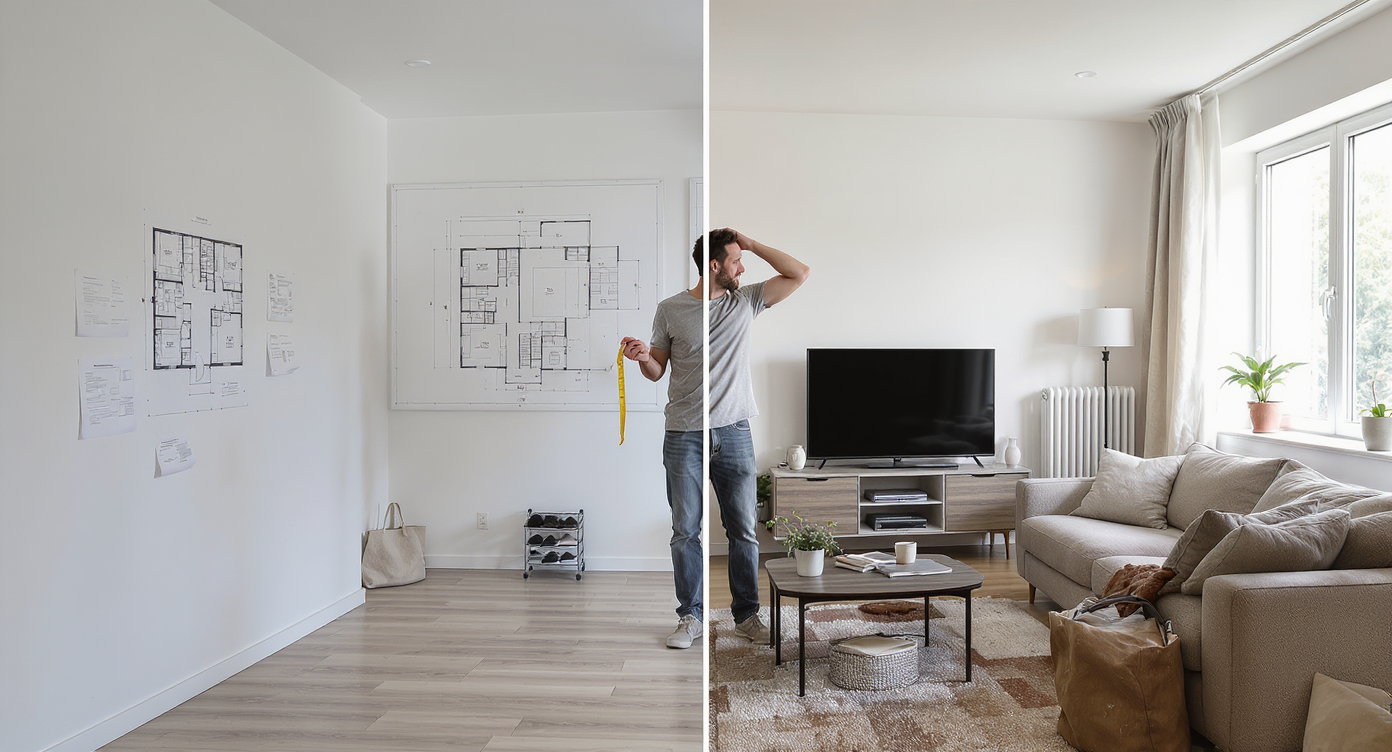
Floor plans rarely match reality—furniture and lived-in details quickly reshape how space, flow, and comfort come together in real life.
Printed floor plans inspire big dreams, but everyday factors quickly temper expectations. The wide-open living room on a drawing may shrink once you factor in a sectional, coffee table, and entertainment unit. Hallways that seem generous could oddly narrow with everyday necessities in place. Sometimes, windows, radiators, or odd protrusions force last-minute improvisation, even if you meticulously measured each piece. Many discover these quirks during move-in or as they start arranging their first pieces. For example, a couch that appears modest online might dominate a shared living space. According to designers, this is a common hurdle: success depends not just on how things fit but on how easily you navigate and use them. Measuring your key items and double-checking their proportions against the plan before moving in remains essential. Our overview of furniture size and style impact reveals that comfort and flow flourish when scale is considered alongside taste.
Expert Insight
When Jane moved into her first solo apartment, she was thrilled by the sunlight in the living room but puzzled by its narrow footprint. Determined to make it work, she swapped her old bulky sectional for a two-seater sofa and added floating shelves to expand storage upward. What started as trial and error turned into a weekend ritual of shifting things around until the room finally felt both inviting and spacious by Monday morning.
-
Personal Needs Shape Every Layout
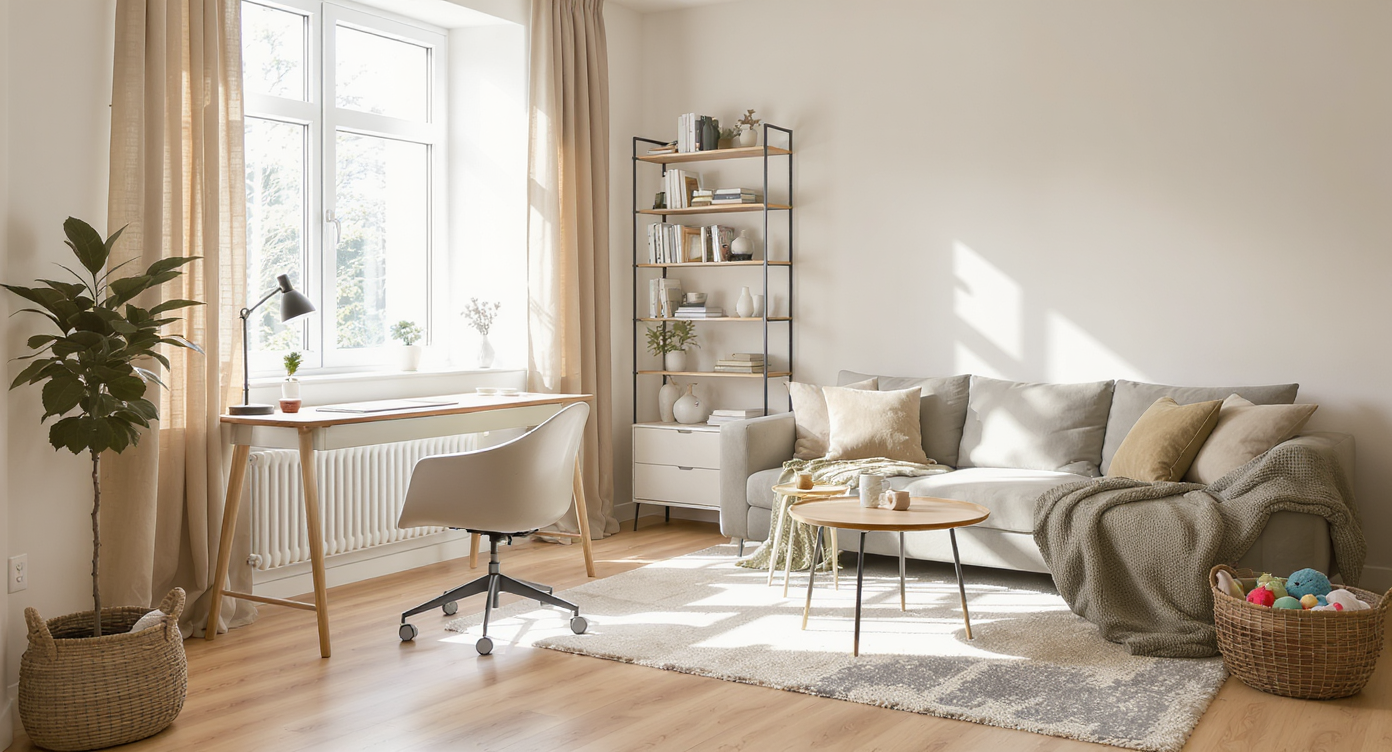
Thoughtful zones—a workspace, expandable dining area, and vertical storage—highlight how personal routines shape effective apartment layouts.
While a blank floor plan can suggest endless possibilities, personal routines bring clarity to what matters most in each room. Someone working from home, for instance, will need to create a micro-office that feels distinct from the rest of the living area. Others may prioritize a welcoming dining nook, a play space for kids, or a pet-friendly area for furry companions. It’s common for people to revisit their layouts several times, adjusting positions to support how they actually spend their days. Consider this: in a compact apartment, trading bulky nightstands for streamlined dressers or swapping out a rarely used dining set for an expandable table can make all the difference. According to our take on maximizing storage in tight bedrooms, integrating vertical storage and multipurpose furniture is a practical method to free up valuable floor space.
-
Furniture Placement and Flow Build Lasting Comfort
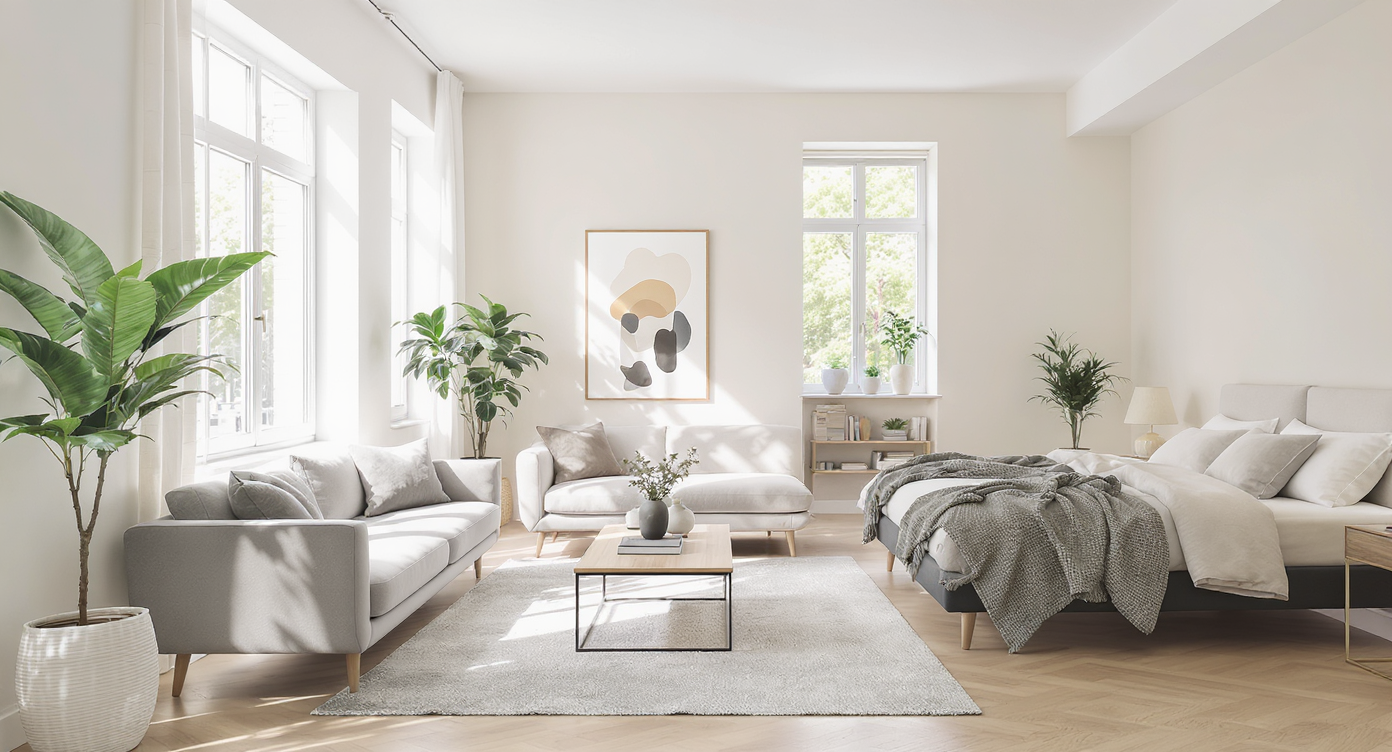
Thoughtful furniture placement with clear walkways enhances comfort and flow, even in compact apartment floor plans.
More than just making furniture fit, successful layouts consider how people move through a space. Clear walkways are not just about aesthetics—they influence daily comfort and safety. Designers suggest that leaving at least 24 to 36 inches for main paths helps rooms feel more open, even in smaller homes. For example, anchoring a sofa just far enough from the wall to allow for foot traffic, or placing the bed so that there’s space to easily make it each morning, transforms a tricky layout into one that just works. Our room-by-room arrangement strategies highlight the value of clearances and thoughtful spacing—especially when layout quirks threaten to bottleneck everyday movement.
Visualization Scenario
Imagine stepping into your newly leased apartment. Rather than shuffling boxes between rooms without a plan, you pause and unfold that annotated floor plan, a ruler in hand. You start by placing the bed where morning light peeks in and note how much space remains around it for movement. The dining nook tucks just beside the window, with chairs angled for conversation. With each decision, the space opens a little more, promising a home that’s uniquely yours.
Apartment Floor Plan FAQ
Start by measuring your main pieces, then prioritize clear walkways and multipurpose furniture. Removing underused items and opting for vertical storage, such as shelves above eye level, can also free up valuable floor space.
What's a common mistake when using a floor plan to furnish an apartment?
One frequent misstep is relying only on paper measurements and not accounting for real movement patterns. Always allow for enough clearance between pieces and factor in every door swing, window, and traffic path.
When should I place the largest furniture pieces first?
Generally, anchor the main seating or bed first to set the room’s function, then fill in with supporting pieces. This helps prevent accidental overfilling and makes it easier to visualize traffic flow.
Can I make an open-concept living area feel distinct?
Yes, by using rugs, lighting, and furniture arrangement to define zones. Plants, bookshelves, or even the back of a sofa can gently separate spaces without blocking light or movement.
Where can I find interactive tools to try layout changes virtually?
You can experiment with digital floor plan tools at ReimagineHome.ai to visualize arrangements before you commit.
Small Moves for Big Potential
A new apartment layout is more than dots and lines on a page; it becomes a living map that guides your habits and comforts day by day. With patience and a willingness to experiment, any floor plan—however tight or oddly shaped—can evolve into a home that supports your routines. Tweak your layout to support the way you live, listen to what each space asks for, and remember that thoughtful design solutions, no matter how simple, often create the most enduring comfort. If you need inspiration or want to experiment with virtual floor plan adjustments, ReimagineHome.ai offers tools and insights to help you take the next step.