Making a Compact Apartment Feel Like Home in 2026: Design Approaches for Odd Layouts
TL;DR
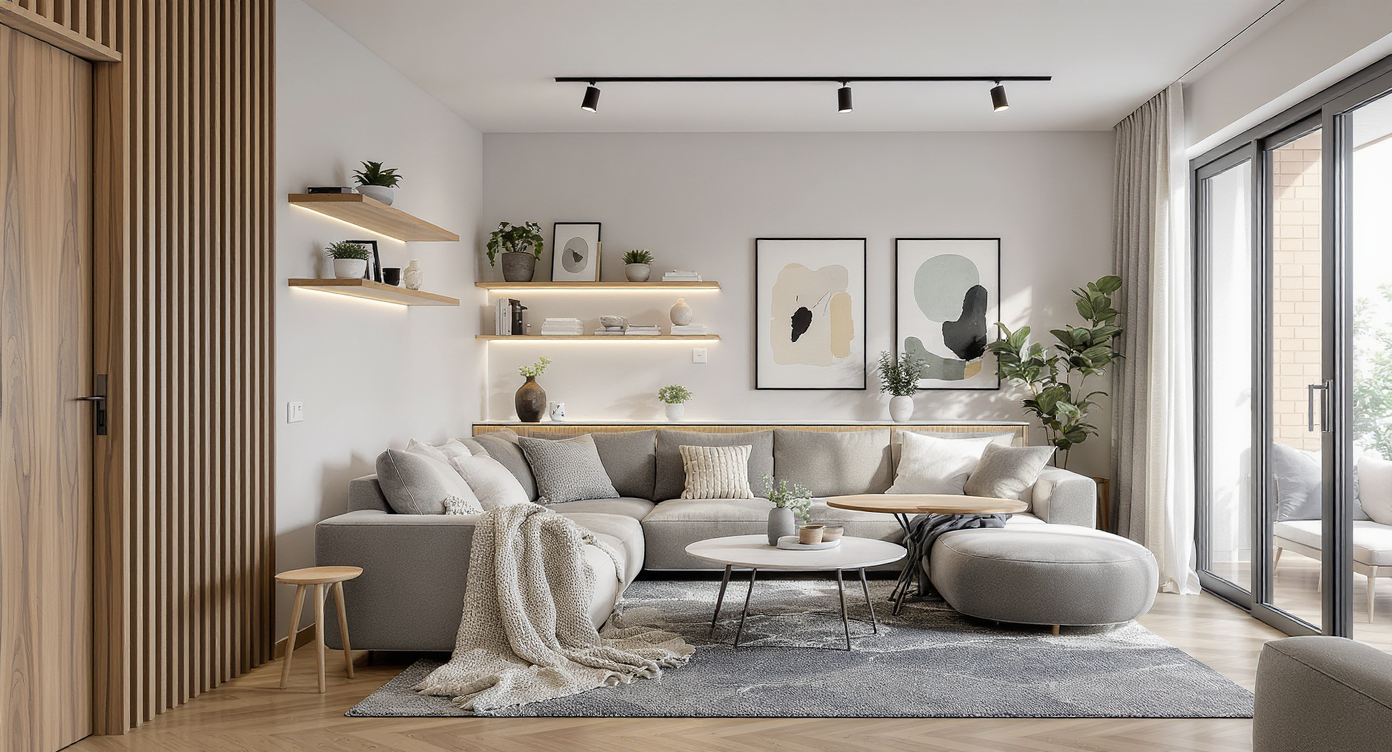
Turning a compact, unusually laid out apartment into a comfortable home starts with small, practical choices: multi-functional furniture, clever storage design, and spaces defined by zones. Approach the process slowly, letting your habits guide layout. Even with few possessions, affordable design strategies and creative solutions make odd spaces feel inviting and truly your own.
Why the First Step Matters Most in a New Space
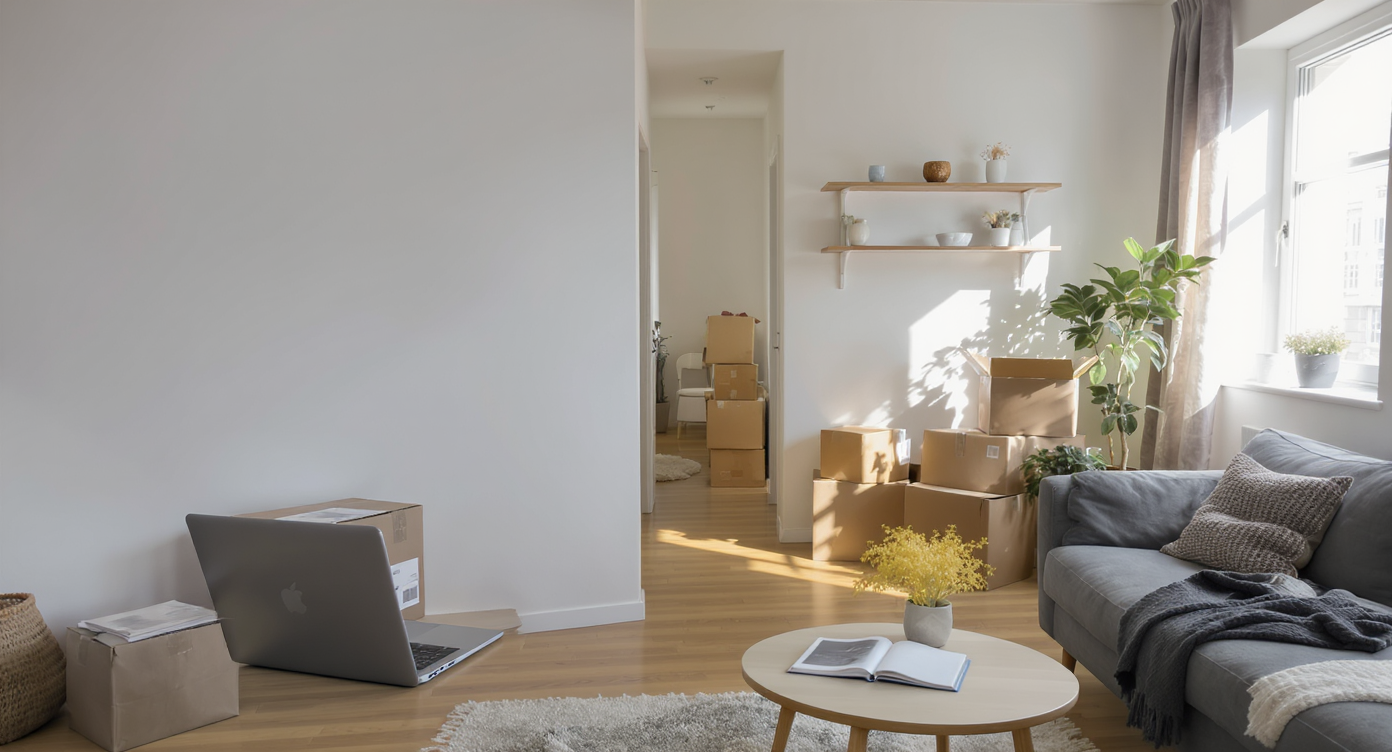
A compact, quirky-layout apartment with moving boxes and a few personal touches, capturing the first moments of settling into a new home.
Moving into an unfamiliar apartment can be overwhelming, especially when the space feels cramped or awkward. For many, the real challenge is not just unpacking boxes, but forging a genuine sense of belonging—and comfort—after a period of uncertainty or transition. Finding your footing in a new environment often starts not with big renovations, but with small, intentional steps. Compact apartments with odd layouts present both hurdles and hidden opportunities. The limits on square footage, storage, and natural boundaries force creative decisions. Yet, these constraints also encourage a focus on what really matters: spaces that foster routines, express personal interests, and provide a sense of peace. With a little patience and flexibility, even a sparse studio or unusually shaped one-bedroom can become a welcoming retreat.
-
Living With Compact Spaces: Why Slow Decisions Pay Off
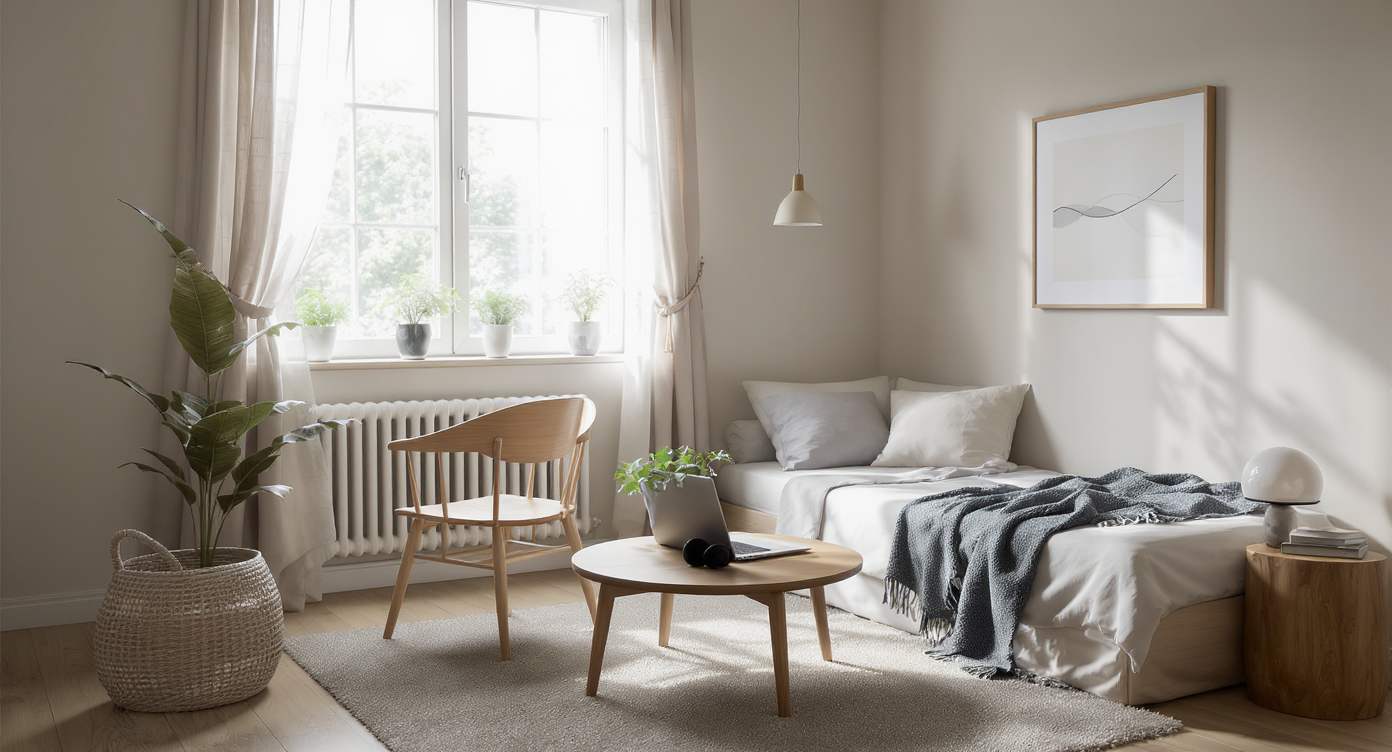
Beginning with just the essentials: minimal, portable furnishings arranged in a sunlit compact apartment corner to explore daily habits.
When every inch matters, it's tempting to rush into filling an apartment to ease the sense of emptiness. However, designers often suggest waiting until everyday patterns emerge. Observe where the best morning light falls, where you naturally settle with your coffee, or which spot draws you to unwind in the evening. In compact spaces, particularly those balancing multiple functions (like a recording minimalist, a book lover, and a film buff), these habits should inform both the placement and selection of furniture. Many who move into small, oddly-shaped homes find it helpful to live with minimal furnishings at first. For instance, bringing in just a bed and perhaps a makeshift desk or reading chair allows you to experiment with layout without commitment. By focusing early investments on pieces that double up—like a daybed that shifts from seating to sleeping, or a coffee table with added storage—you create flexibility. According to our guide on strategic furniture buying for rentals, those first pieces should be portable, adaptable, and not break the budget.
Expert Insight
A creative musician, having landed a quirky city studio, wondered how to fit gear, books, and comfort into 450 square feet. Instead of forcing a strict layout, they let their habits lead. The result? Most evenings, a soft glow from a lamp over the piano filled the apartment, books lined the divider shelves, and every alcove hummed with new life—a space that was both practical and deeply comforting.
-
Creating Zones in Open or Awkward Layouts
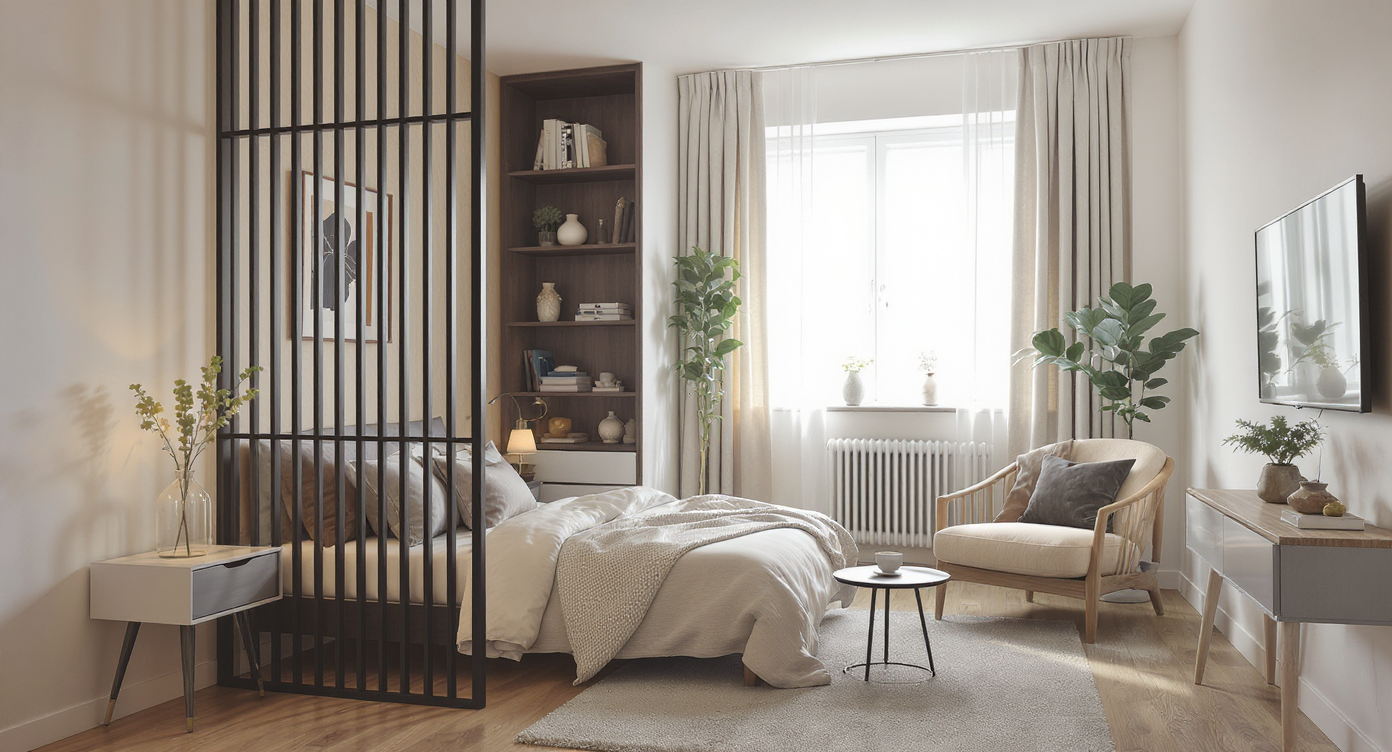
A compact studio apartment employing shelving, rugs, and furniture arrangement to create visually distinct sleep, work, and lounge zones.
Without obvious separations, small apartments can feel more like a single utility space than a home with dedicated areas for different activities. Dividing the main living area into zones—such as sleep, work, and entertainment—is key. This can be done visually, not just physically. An arrangement where a daybed or sectional anchors the sleeping area, a well-placed bookshelf forms a divider, and rugs anchored under coffee tables visually define lounge spots, can subtly structure experiences in an open plan. For example, one renter with a 450-square-foot studio used a compact shelving unit to offer both privacy for her bed and a wall for books to be displayed, creating a nest-like effect in the sleeping nook. She placed her keyboard by the window to maximize light during creative sessions, turning a weird edge of the room into an inspiring workspace. Small details—like bead curtains across open doorways or a plush armchair in a reading corner—help break up long sightlines and soften harsh transitions, allowing the brain to recognize distinct 'rooms' even where there are none.
-
Affordable Design for Limited Layouts and Small Inventories
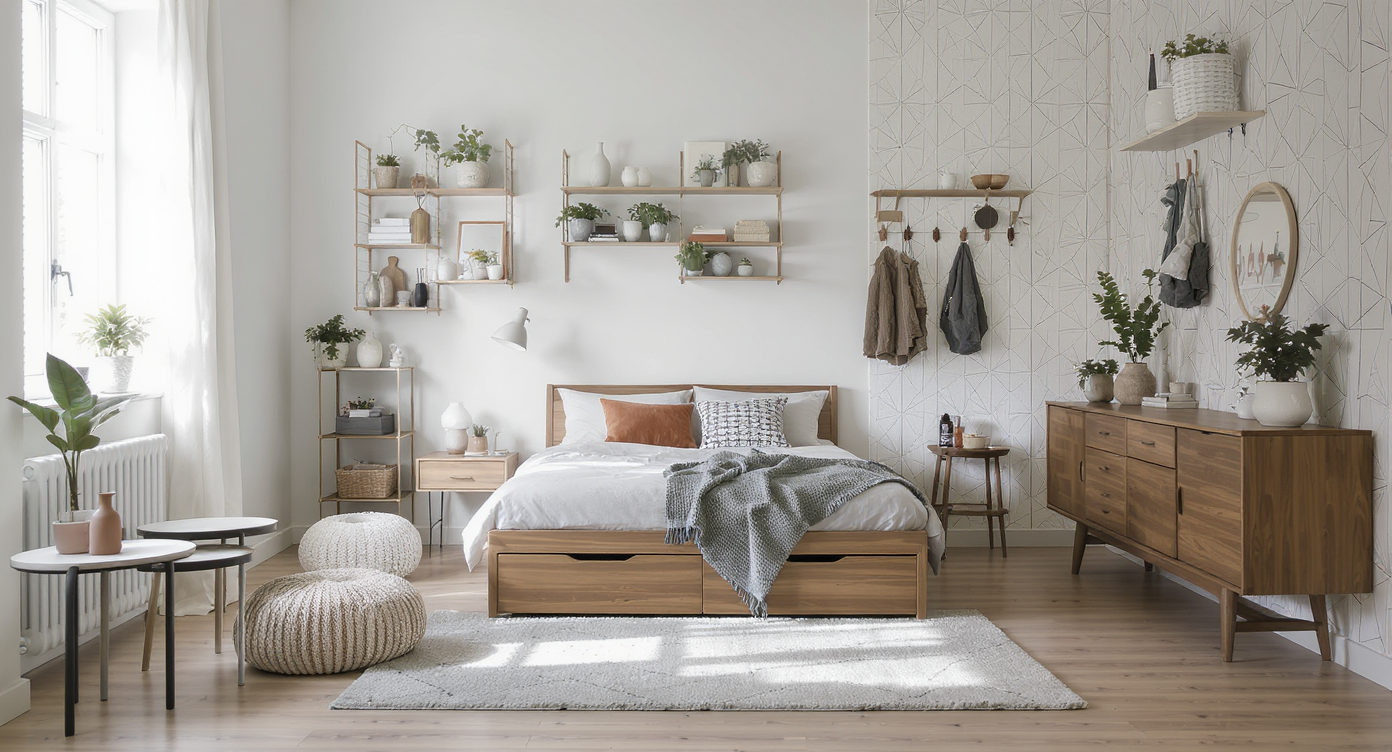
Affordable, renter-friendly design with multifunctional furniture, peel-and-stick wallpaper, and modular storage in a small apartment.
When starting with very little, budget constraints and limited possessions become part of the design story. Rather than seeing this as a setback, it’s an opportunity to prioritize function and comfort. Seek out furniture with built-in storage—beds with drawers, nesting tables, or credenzas that double as room dividers. Modular shelving, soft poufs, and movable lighting allow the apartment’s design to flex as your needs shift. Renter-friendly DIY projects are another solution for customizing without commitment. Peel-and-stick wallpapers, adhesive hooks, and removable curtain rods deliver color and personality with zero risk to your deposit. According to our post on DIY projects for renters, most upgrades can be completed for under $200. Even thrift store finds or upcycled pieces bring character and savings. Starting small—a lamp that feels "just right," a rug that warms up the floor beneath your feet—helps you invest confidently, layer by layer.
-
Anecdote: When a Strange Layout Becomes a Sanctuary
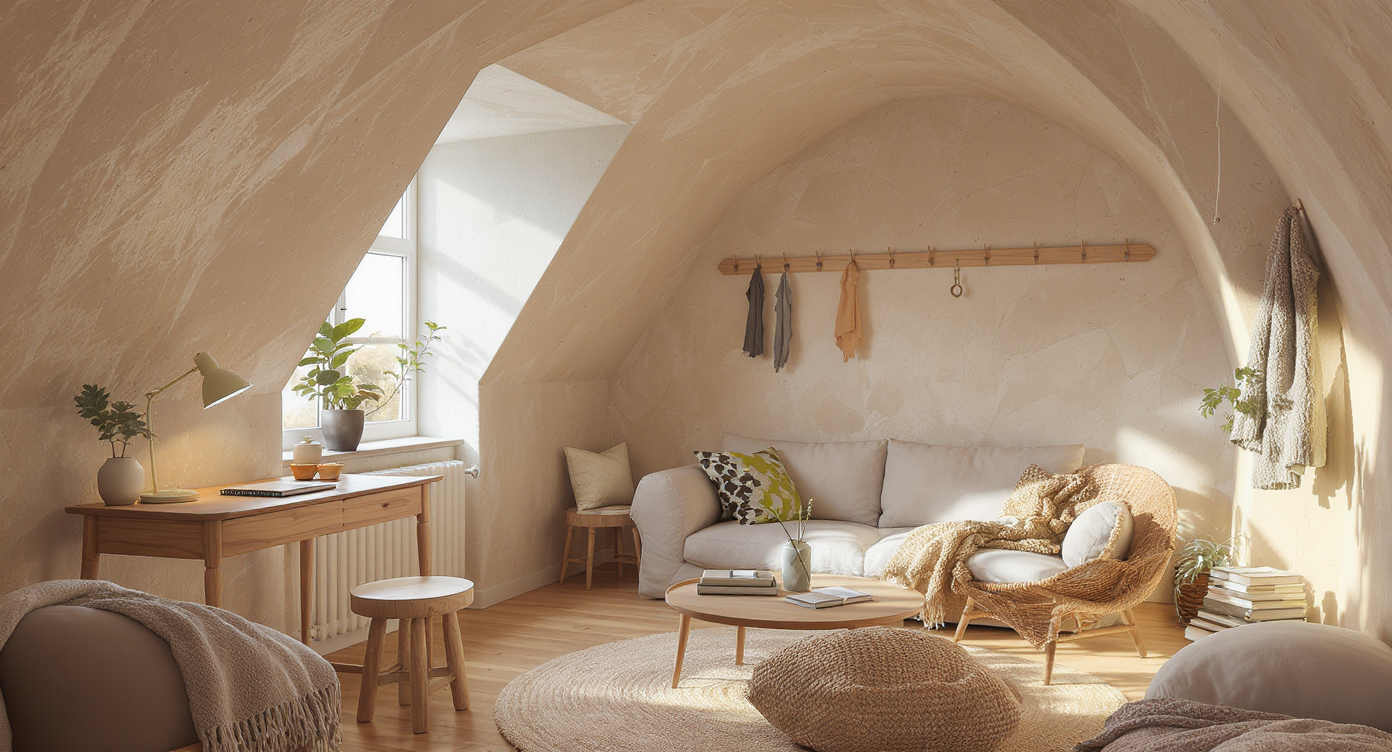
A compact studio transformed: writing desk, books, and shimmering textiles create meaningful zones in a quirky, century-old layout.
A friend of mine moved into a century-old studio that had been split oddly during a long-ago renovation, leaving it full of sharp angled alcoves and mismatched windows. For weeks, she felt adrift, unsure how to make sense of a space with no logical place for a bed, let alone all her hobbies. But as she lived with the layout, she found the sunniest corner perfect for a writing desk, tucked her books beneath a window, and used a wide archway as a canvas for removable hooks and shimmering textiles. Over time, the awkward layout faded away, and each micro-zone she created became richer in daily meaning. Today, she wouldn’t exchange her quirky alcoves for a "normal" bedroom.
-
Common Mistakes to Avoid in Small or Oddly Shaped Apartments
It’s easy to approach a blank—or oddly configured—room with an urge to overfill it. The most frequent misstep is acquiring oversized or single-purpose furniture, which quickly overwhelms modest dimensions. Another common error is neglecting the vertical plane: walls and even closet doors are prime real estate for additional storage or display, yet often go unused. Over-reliance on overhead lighting, instead of layered lamps and sconces, can make an already tight footprint feel sterile rather than cozy. Additionally, many renters try to split a long room by dividing it squarely in the middle. Instead, find natural paths of movement and let those define where each area begins and ends. As shared in our small apartment design strategies, clever layouts rarely follow a perfect grid, but rather respond to quirks, vistas, and how you live.
-
Tips and Designer Insights for Personality and Comfort
Professional designers highlight the power of repetition and texture. By coordinating a few accent colors or materials throughout the room—such as woven baskets, soft throws, or natural wood finishes—you create a continuous sense of calm, even among eclectic furnishings. Plants (real or faux) can soften hard lines and add a bit of life to windowless corners. Mirrors placed opposite windows amplify available daylight, making spaces appear larger and brighter. Flexible furniture—like rolling carts, nesting side tables, or daybeds—lets the apartment grow with your routines. Many designers recommend investing in just a couple of higher quality, comfortable pieces (like a supportive chair or a durable rug), while filling in with inexpensive, mobile items as needed. For inspiration, browse compact apartments from Paris, London, or Tokyo, where inventive storage is a fact of life. You’ll notice spaces look lived-in, but not cluttered. For additional DIY solutions, check out these decor ideas designers swear by.
-
How to Use These Approaches in Your Next Design
Consider real-life scenarios. If you’re a musician, build out a recording nook using inexpensive soundproofing panels in a walk-in closet. Bookworms can turn a window ledge into a reading seat with thrifted cushions and anchor shelves nearby. Those who love film can dedicate a corner for a screen and a set of compact speakers, placing a modular sofa or mattress so that it tucks smoothly into the overall plan. Start by planning zones with painter’s tape or lightweight folding screens to see how spaces work in practice, then fill in as budget and inspiration allow. The most memorable homes are those that reflect both current needs and dreams for what’s ahead.
-
Visualization: Experiencing a Transformed Studio
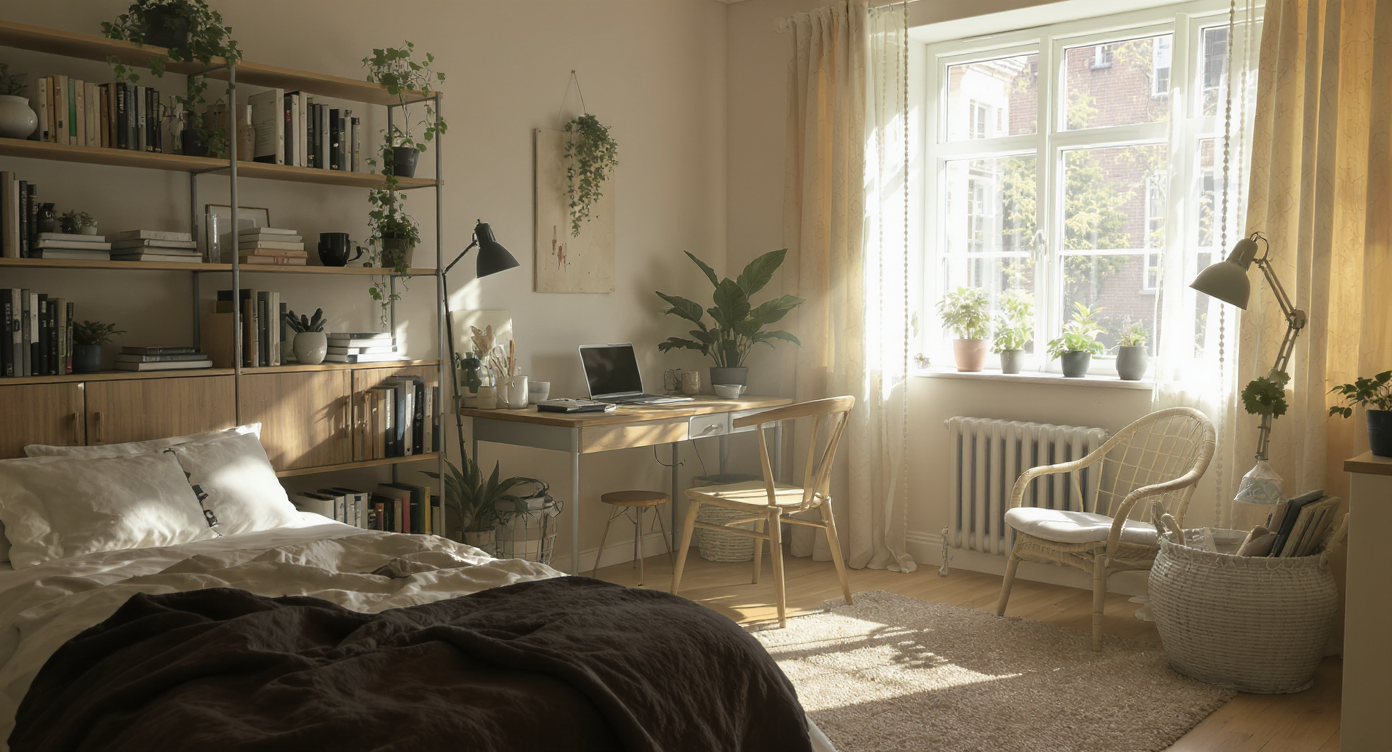
A transformed studio apartment is divided into defined, comfortable zones—each layer expresses personality and thoughtful daily routines.
Imagine entering a bright, compact studio on a crisp spring morning. The bed sits cozily in a corner, half-hidden by an open shelving unit crowded with favorite books and greenery. Near one window, a small desk doubles as a creativity nook, sunlight spilling across sketchpads and headphone cables. The kitchen area feels distinct, separated by a soft runner rug and framed by bead curtains that catch the light. A vintage lamp glows warmly beside a deep, comfortable chair. No surface is cluttered, yet each zone reflects daily rituals—coffee, music, quiet evenings immersed in a favorite film. Despite the modest square footage, the apartment feels layered, personal, and unmistakably home.
Visualization Scenario
Imagine entering a studio with tall windows and odd, shifting corners. A loft bed floats above a cozy desk with art supplies. Sheer curtains softly separate the sleeping area from a book-laden nook. In another corner, a compact keyboard faces a bright window, while plants cascade along open shelving. Every surface, though minimal, supports daily rituals, creativity, and rest.
Frequently Asked Questions
Defining zones is crucial—it helps you create boundaries for rest and activity, even without traditional rooms. Rugs, shelving, and tiered lighting are subtle tools for dividing space.
Can small apartments have dedicated workspaces?
Yes. Even a walk-in closet can double as a studio, while a windowsill with a slim desk becomes an inviting work corner.
What are budget-friendly upgrades for renters?
Peel-and-stick wallpaper, thrift store finds, and modular storage allow you to personalize without major investments or risking your deposit.
How do I avoid clutter in a space with little storage?
Be selective: invest in dual-purpose furniture, regularly edit down belongings, and use vertical or hidden storage. Leaving a few shelves empty keeps spaces feeling open.
Where can I learn more?
Explore more compact living strategies and inspiration at ReimagineHome.ai.
A Home of Your Own, One Layer at a Time
Turning a compact or oddly laid-out rental into a true home is not about perfection, but intention. Begin with a few multi-tasking pieces, carve out zones for your favorite routines, and layer in decor as your needs and confidence grow. What feels sparse or challenging at first will, with time and adaptability, become a background to your best new beginnings. For more inspiration and practical design support, visit ReimagineHome.ai.