7 Creative Ways to Turn a Former Granny Flat Into a Multipurpose Retreat
TL;DR
Transforming a compact “granny flat” into a multipurpose retreat is both achievable and rewarding. Prioritize open floor space, modular furniture, and clever storage to support work, play, and relaxation all within one adaptable zone. Resourcefulness, a defined palette, and flexible surfaces make every inch work harder without overwhelming the senses.
Why Flexible Spaces Are the New Essential
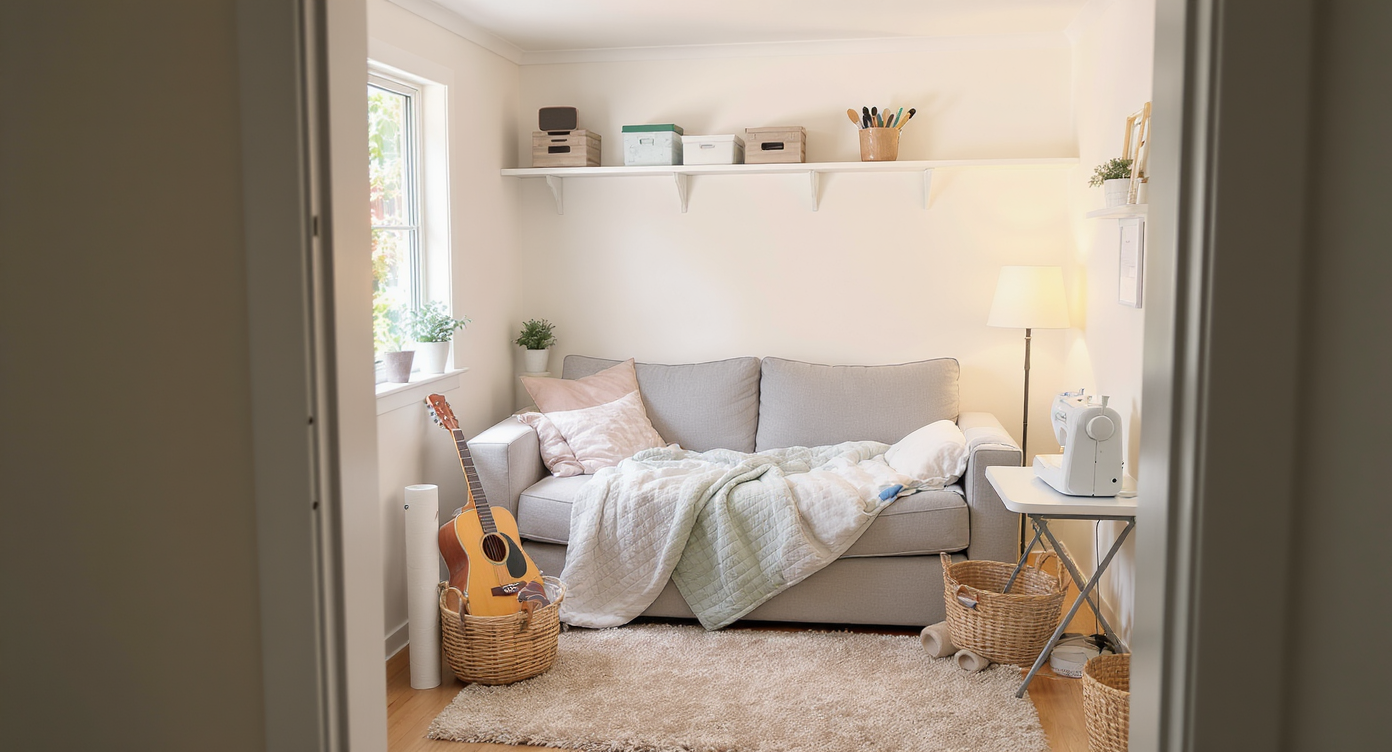
A decluttered former granny flat, now a welcoming multipurpose retreat for work, guests, music, and relaxation.
When single-purpose rooms become a luxury, maximizing a small, self-contained unit like a former granny flat opens creative potential. These modestly sized “mother-in-law suites” have become a favorite project for homeowners seeking adaptable zones for hosting guests, making music, sewing, and even impromptu yoga sessions. Removing a no-longer-needed kitchenette or shrinking existing features often frees valuable space, inspiring a reimagined layout tailored to modern needs. With careful planning and the right decorating approach, a pokey little outbuilding can transform into the most popular room in the house, meeting work, creative, and relaxation needs without feeling overcrowded.
-
1. Clear Out Redundant Fixtures to Expand Usable Space
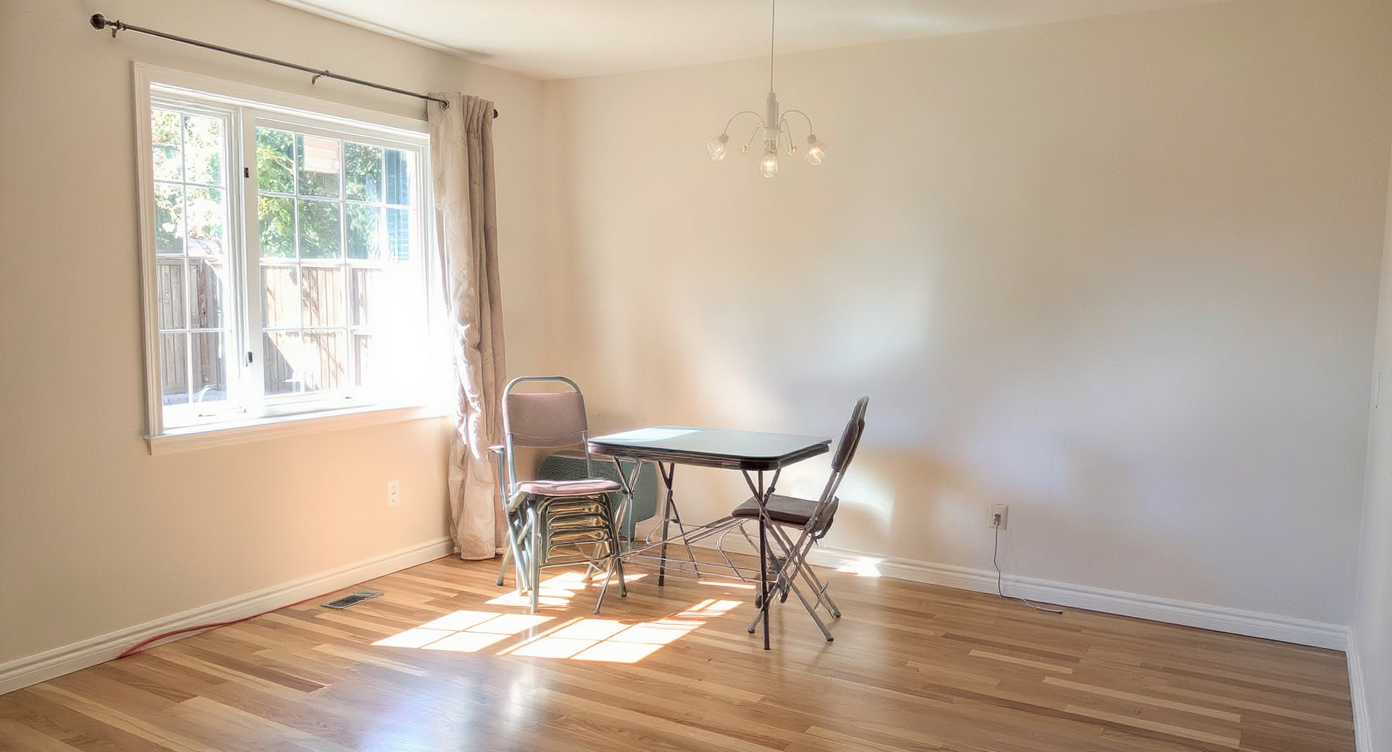
The removal of an unused kitchenette reclaims valuable floor area, making space for versatile activities in a reinvented granny flat.
The first step in reimagining a small granny flat often involves removing outdated or redundant features like an unused kitchenette. This decision reclaims valuable floor space for activities that align with current priorities. By clearing out fixtures that limited the room’s layout options, you can introduce more versatile furniture or simply enjoy open space—ideal for rolling out an exercise mat, hosting group activities, or giving children extra floorspace to play. According to our guide on affordable decorator tricks from the Southern Living 2025 Idea House, even small changes like removing a wall or fixture can unlock design opportunities that increase a room’s functionality and comfort.
-
2. Embrace Modular Furniture for Seamless Transitions
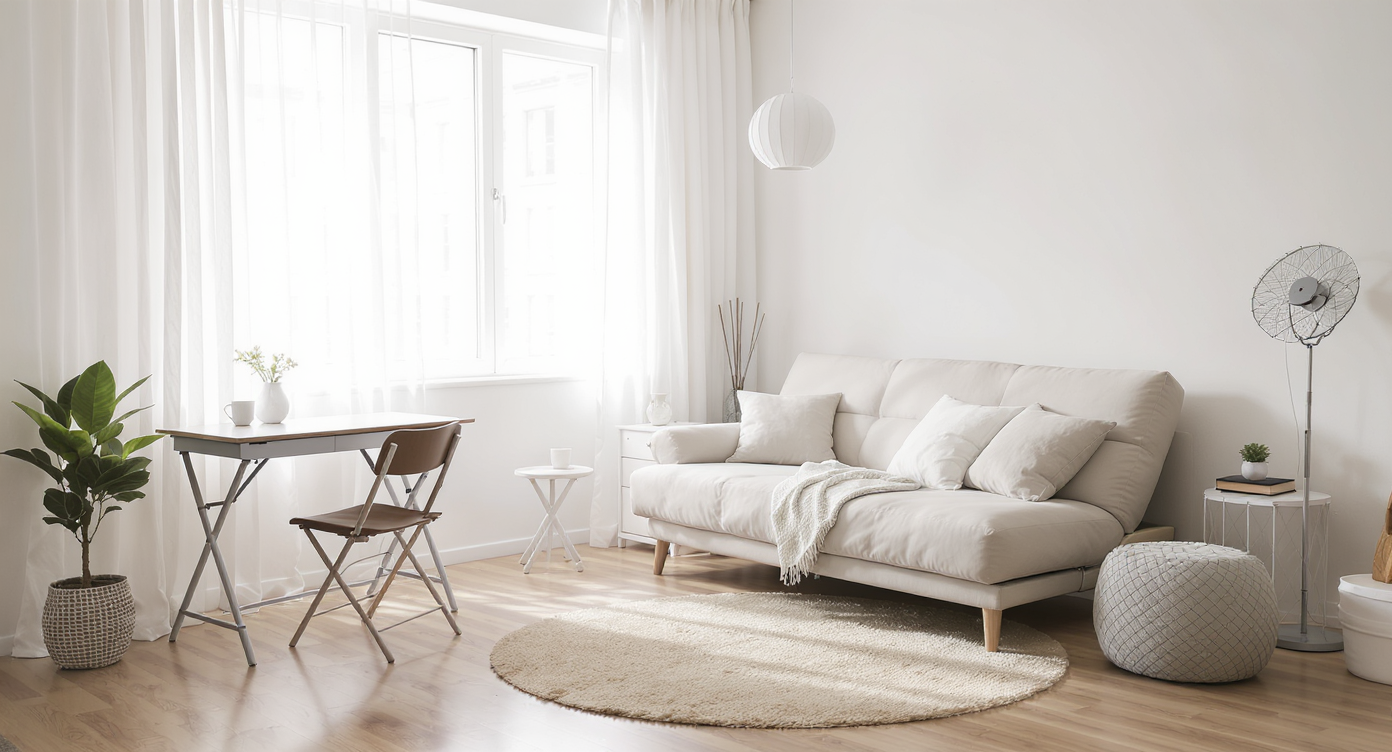
Modular furniture enables effortless transitions in a bright multipurpose room: futon, folding desk, nested tables, and stackable seating.
Rooms with shifting purposes—guest stays, music practice, crafting, office work—benefit from adaptable furnishings. Modular sofas, futons, nesting tables, and light, movable chairs enable effortless transitions between uses. For example, a futon can handle overnight visitors and provide daytime seating, while a folding desk can tuck away after a sewing project or work session. Designers frequently recommend DIY home decor ideas that allow furniture to do double-duty without sacrificing comfort or style. Choose pieces that stow easily or stack to make clearing floor space as easy as possible.
-
3. Create Dedicated Zones Without Permanent Barriers
To manage a multi-use room’s competing demands, define areas for each primary activity using portable or visual cues instead of fixed walls. Area rugs, shelving units on casters, and distinct lighting can signal zones for music, sewing, or guest sleeping without fragmenting the space. One real-world example involves a broad table that alternates between office setup, craft zone, and buffet for social events. For tips on dividing rooms in a way that keeps them light, cohesive, and flexible, see our take on how a sunroom can function as a dual-purpose space.
-
4. Invest in Storage That Minimizes Visual Clutter
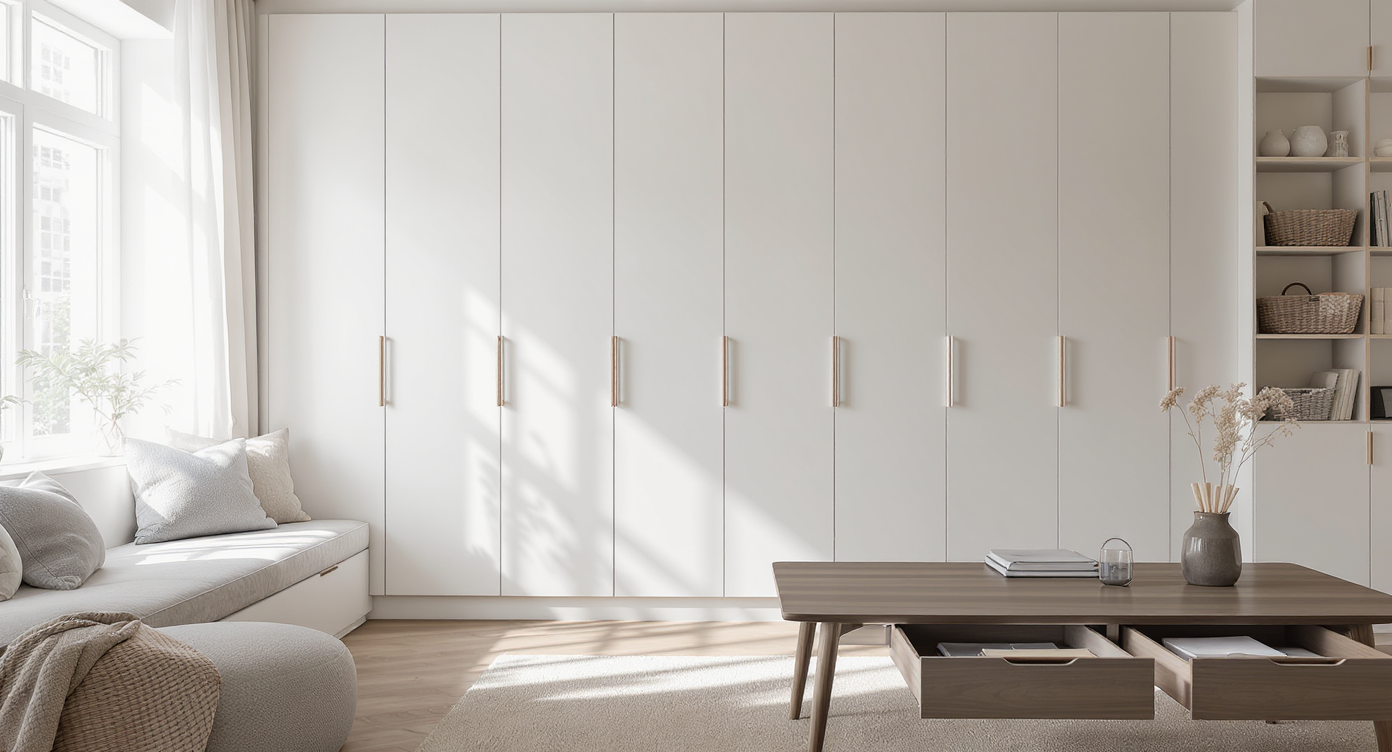
Closed built-in cupboards, hidden under-seat bins, and coffee table drawers minimize clutter and keep multipurpose rooms organized.
Multipurpose spaces can quickly accumulate “stuff” from every activity that takes place there. Built-in cupboards, under-seat bins, drawers within coffee tables, and vertical shelving all help maintain order and keep clutter at bay. Prioritize closed storage to minimize distractions and make reset between uses fast. For sewing aficionados or digital nomads, allocating a specific cupboard or basket for in-progress projects keeps surfaces clear for guests or playtime. Strategic storage is a recurring lesson among those optimizing small spaces for many uses; learn more from our discussion of smart bed-and-desk layouts in hybrid rooms.
-
5. Maximize Light for Versatile Ambiance
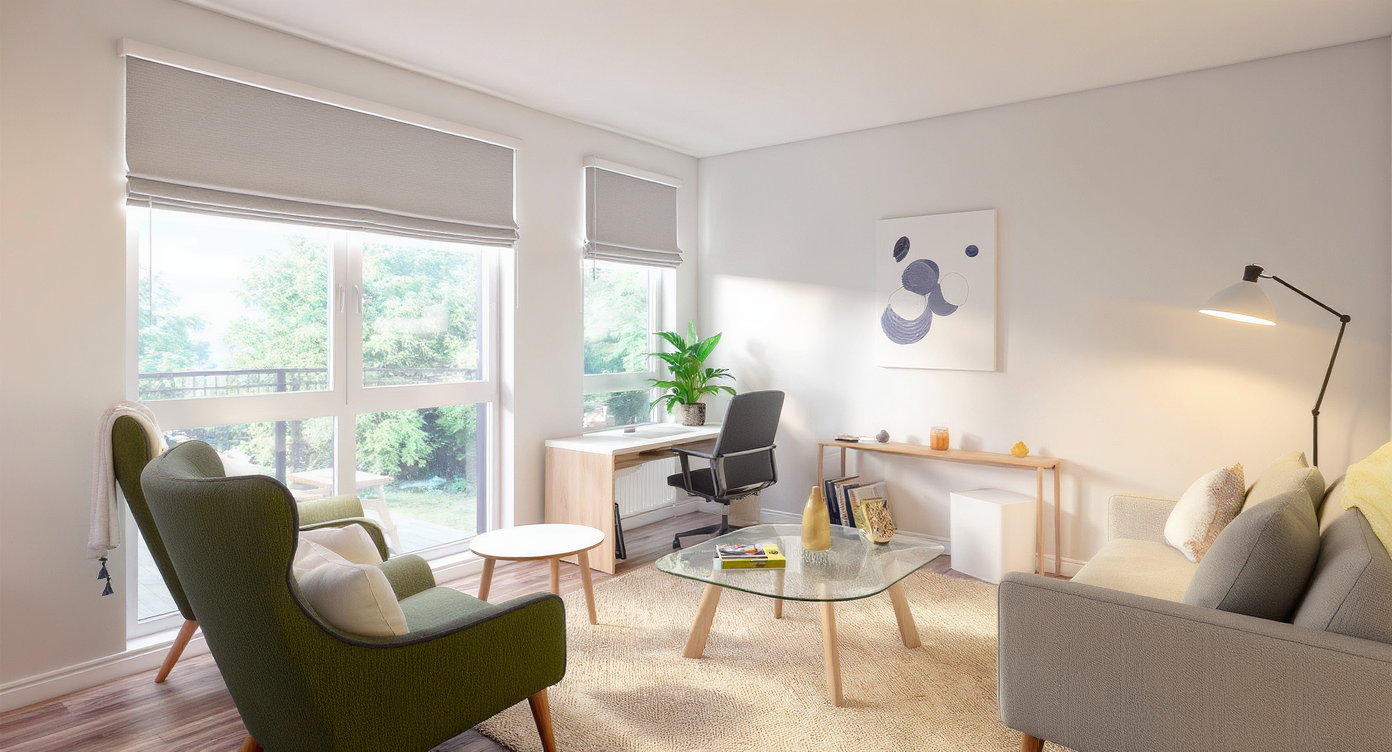
A sunlit multipurpose room, with layered ambient and task lighting, showcases how lighting transforms compact spaces for varied activities.
A light-filled interior not only makes compact rooms feel larger but also supports activities ranging from relaxation to productivity. Large windows, light-filtering blinds, and a strategic mix of ambient and task lighting ensure each area feels inviting. In regions where window treatments are costly, opt for affordable, widely available roller shades or consider UV film for sun protection. Layering table lamps, adjustable ceiling fixtures, and portable spotlights lets you quickly set the stage for music, crafting, or downtime. Small tweaks in lighting can make a multipurpose space feel notably more polished and functional.
-
6. Use a Tight Color Palette for a Unified Feel
When a single room does it all, visual continuity prevents chaos. Limit colors to a concise scheme—use variations of two or three shades throughout upholstery, rugs, walls, and accessories. This creates flow and pulls the room together even when its function changes by the hour. Designers often use accent textiles or art to add personality without overwhelming the senses. Reference our feature on creating cohesion through color for actionable ideas. A unified palette makes the space feel bigger and helps mix eras, pattern sizes, or furniture shapes without losing that intentional, curated effect.
-
7. Plan Layouts Virtually to Avoid Regret
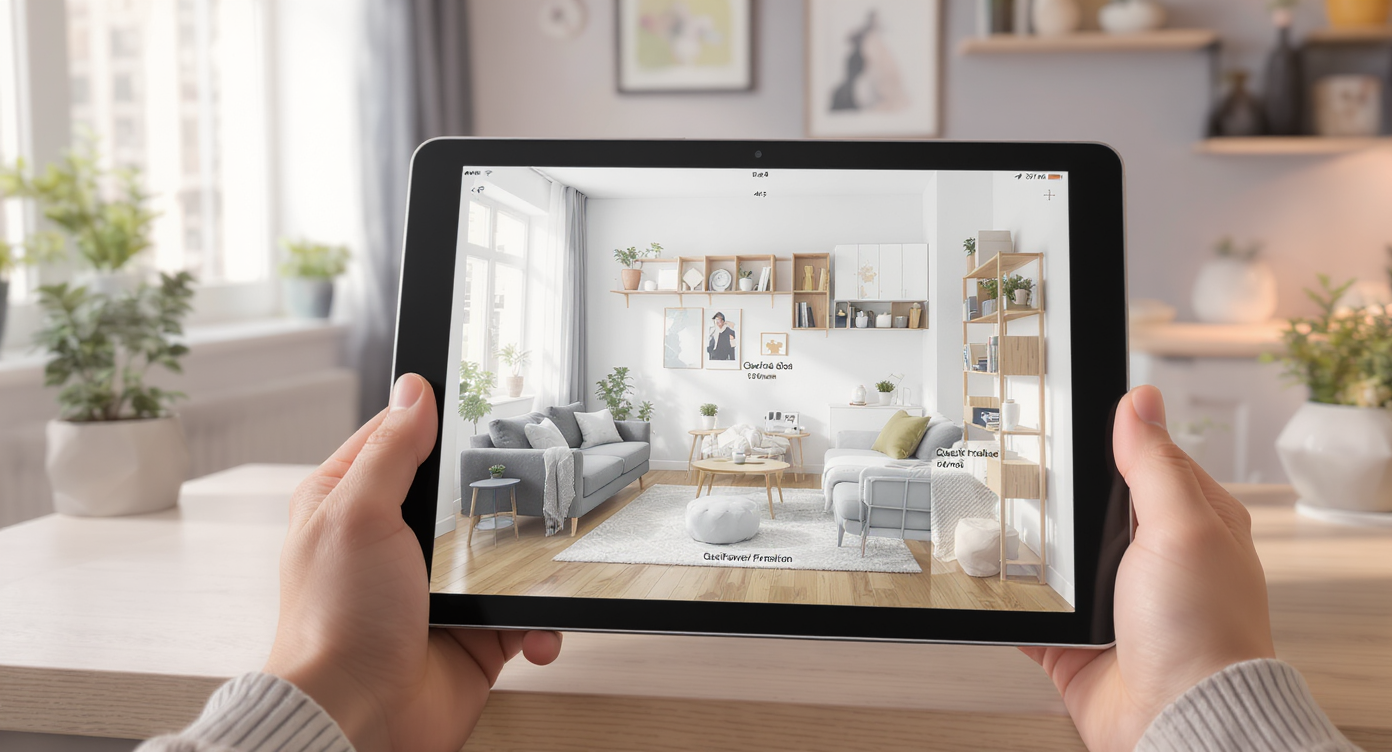
A small, converted granny flat displays both a digital layout mockup and the real furniture arrangement, ready for multipurpose use.
For those reconfiguring small areas, a little pre-work goes a long way. Digital tools such as REimagineHome.ai allow users to mock up potential layouts, experiment with furniture sizes, and predict how activities will flow without moving heavy pieces first. Early visualization tests can reveal issues like blocked walking paths or awkward sightlines—and solve them before any purchases or installations. Whether you are choosing where to stow a sewing machine or plotting overnight flow for guests, a digital plan keeps the project on track.
FAQ: Multipurpose Room Remakes
Stick with built-in or closed storage, edit the number of displayed items, and reset surfaces between uses. Planning your storage using tools such as REimagineHome.ai can help maximize options without adding bulk.
What kind of furniture works best for small, multi-use spaces?
Look for modular sofas, futons, extendable tables, and lightweight chairs—all with integration for storage when possible.
How do I divide activities in one room without using walls?
Visual signals like area rugs, shelving, or different lighting schemes can help identify specific activity zones without the permanence or bulk of extra walls.
What are some low-cost ideas for brightening a granny flat?
Light-filtering window treatments, mirrors opposite windows, and layering a mix of task and ambient lamps all boost brightness affordably. For more ideas, see our roundup of affordable decorator tricks.
Should I plan my layout digitally?
Visualizing your options in advance with platforms like REimagineHome.ai can prevent costly errors and confirm your room will function well for every intended use.
The Takeaway: Multipurpose Spaces Thrive on Planning and Flexibility
Expanding the usefulness of a former granny flat into a guest and activity hub calls for a mix of decluttering, multifunctional furniture, and visual coherence. Prioritize zones that can evolve on demand and keep surfaces as clear as possible. Harnessing digital resources such as REimagineHome.ai ensures decisions are stress-free and spaces remain welcoming to all purposes—whether for rolling on the floor or welcoming overnight guests.