Understanding the Impact of North vs. South-Facing Rooms on Home Comfort
TL;DR
The orientation of your home's rooms significantly impacts your daily life, with north-facing rooms often being cooler and dimmer, reducing light levels, while south-facing rooms enjoy ample sunlight throughout the day. This affects not only the ambiance but also emotional well-being, energy efficiency, and interior decor choices.
Orientation Matters: North vs South
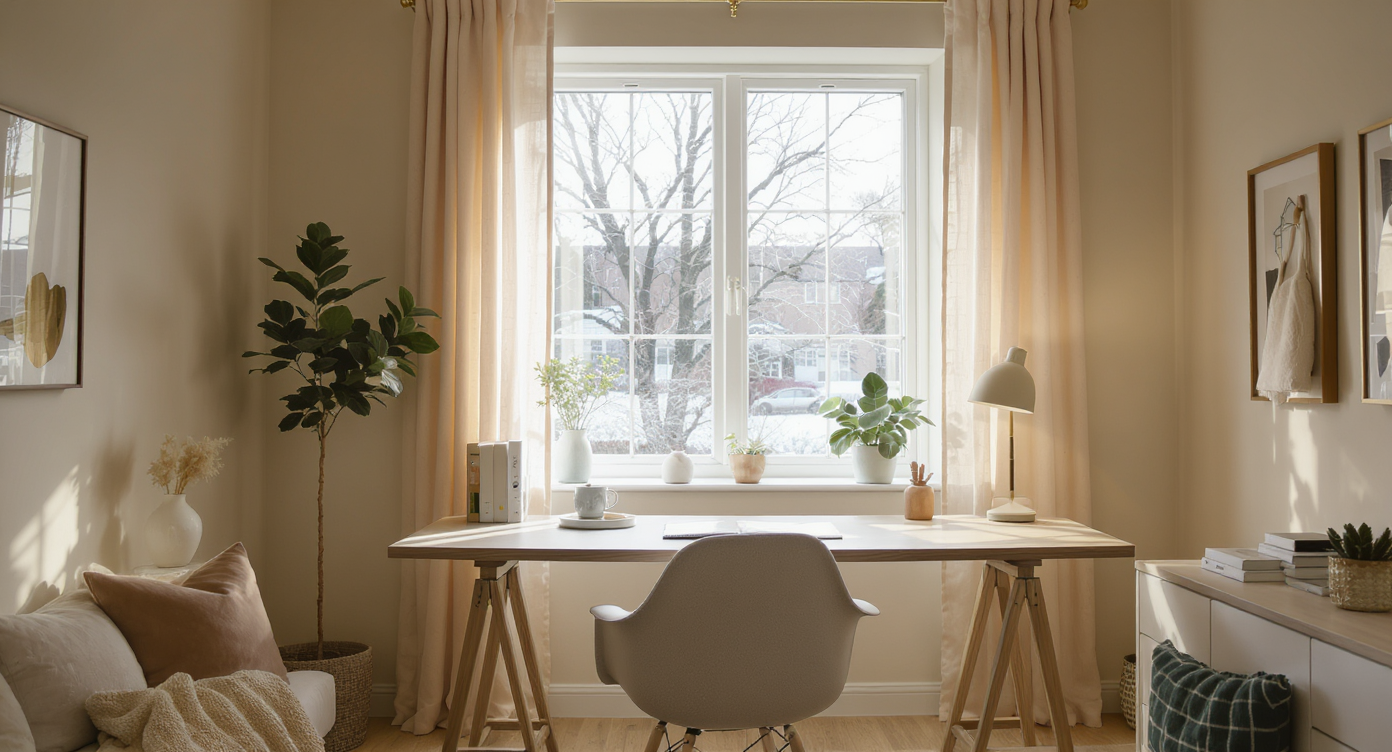
North-facing rooms offer a serene atmosphere perfect for focused work and creativity.
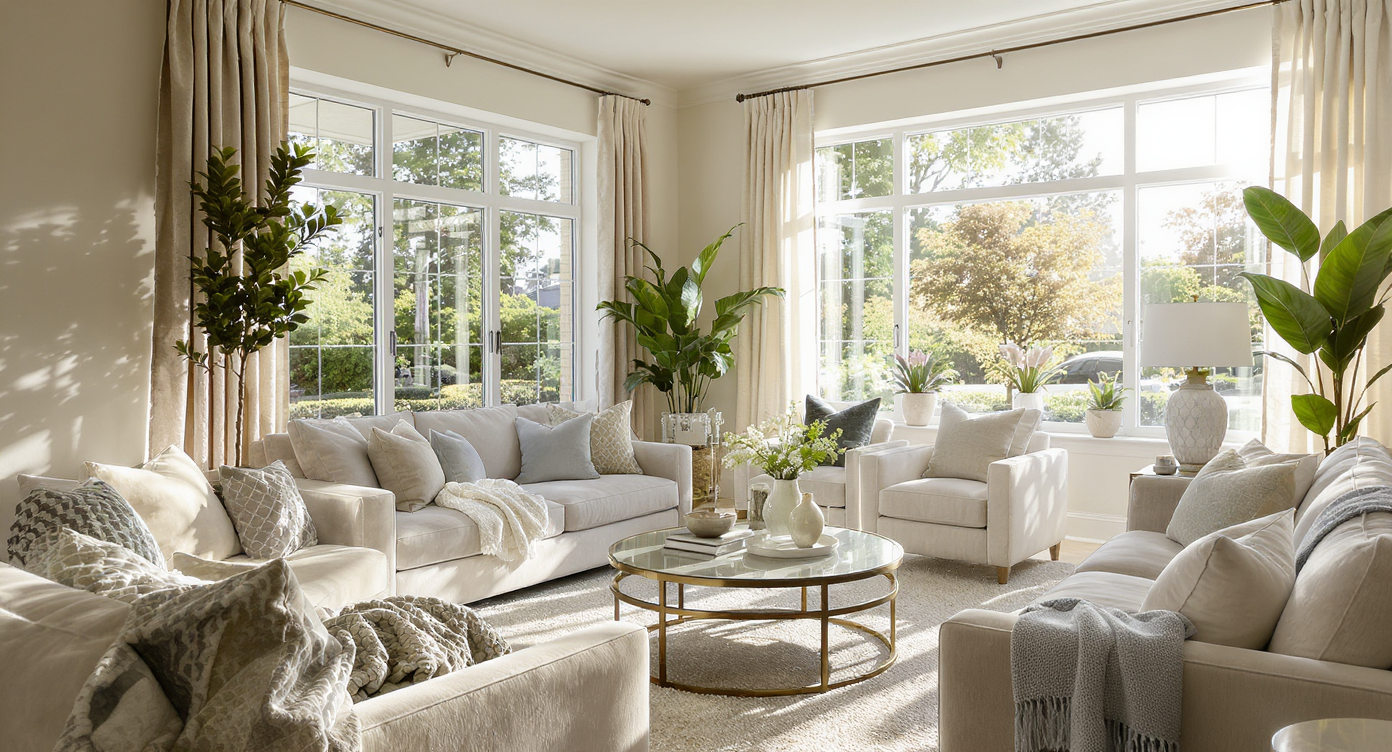
In home design, the direction your windows face can dramatically change the ambiance and comfort of your living space. North-facing rooms, especially in the Northern Hemisphere, tend to be cooler and receive less sunlight, which can lead to a more subdued atmosphere throughout the day. Conversely, south-facing rooms bask in abundant light from morning till evening, thus influencing both the warmth and the energy consumption of a home. Understanding these differences is essential for optimizing your interior design and home experience.
-
Why Room Orientation is Crucial
The orientation of a room not only shapes the lighting and temperature dynamics but also impacts your everyday mood and health. North-facing rooms in the Northern Hemisphere miss out on direct sunlight for most of the day, leading to cooler, dim and sometimes depressing environments. It's no wonder many people express a preference for south-facing rooms where light streams can boost serotonin levels and improve overall mood, making them popular choices for living rooms and home offices, as experts note in 2026 home trends. On the other hand, some homeowners appreciate north-facing rooms for tasks requiring steady, indirect light or for managing homes in hotter climates where too much sunlight might increase cooling costs and discomfort.
Expert Insight
Having moved from a dim, north-facing apartment to a sun-drenched south-facing home, I observed a notable lift in my spirits and a renewed energy for daily life. This personal transformation underscores how critical light orientation can be, not just for plants, but for human well-being too.
-
Interior Design Choices by Exposure
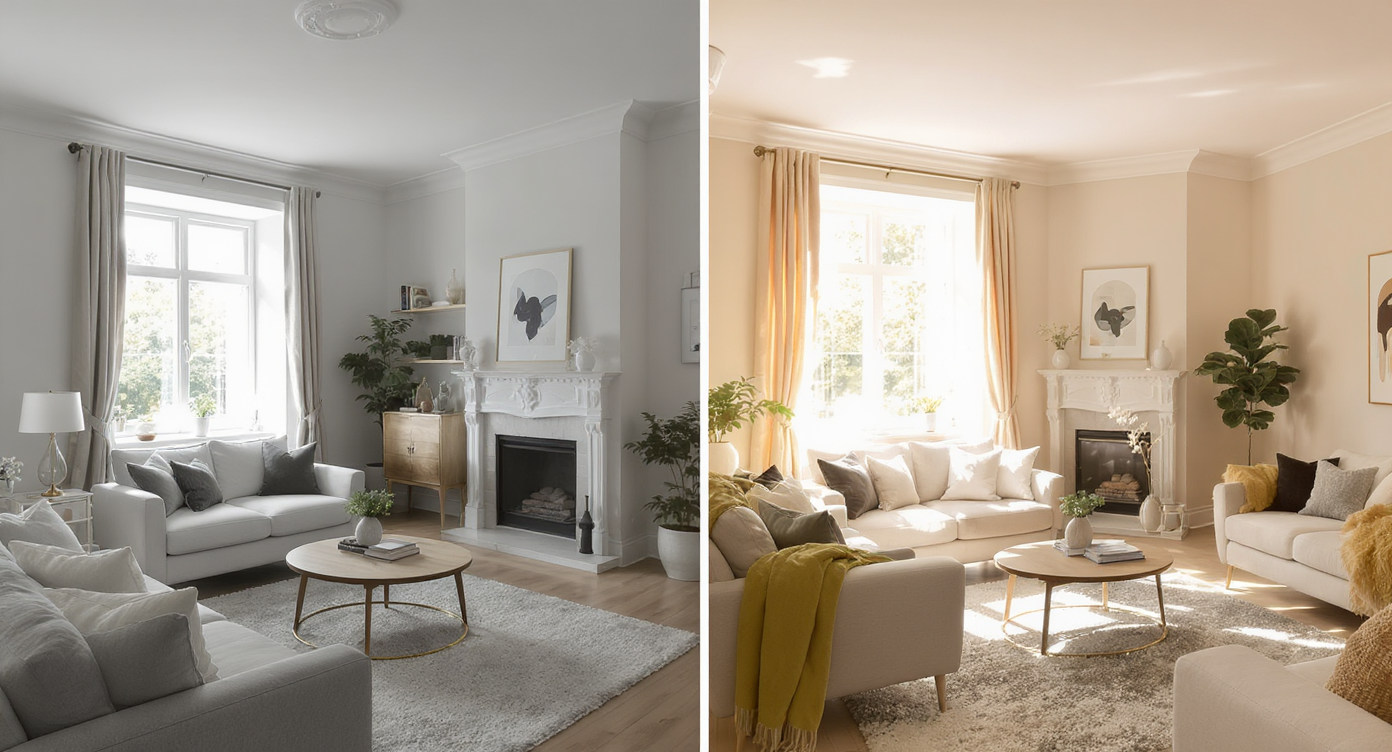
Understanding how room orientation affects ambiance and comfort is crucial for interior design.
Designing a room according to its orientation can make significant aesthetic and functional differences. For instance, colder north-facing rooms can be enlivened with warmer-toned paints or embedded with artificial lighting solutions to balance the natural light deficiency, as our color analyses show. Hanging mirrors strategically can amplify existing light and create an illusion of space, something particularly poignant in north-facing areas. In contrast, south-facing rooms, washed with light, often thrive with cool colors and heavy fabrics to minimize glare and manage heat — ideal for a cozy reading nook, which remains a favorite in wellness-centered home designs. The use of sustainable and customizable window coverings can help control sunlight, integrating natural warmth seamlessly for seasonal variations.
-
Navigating Home Economics with Orientation
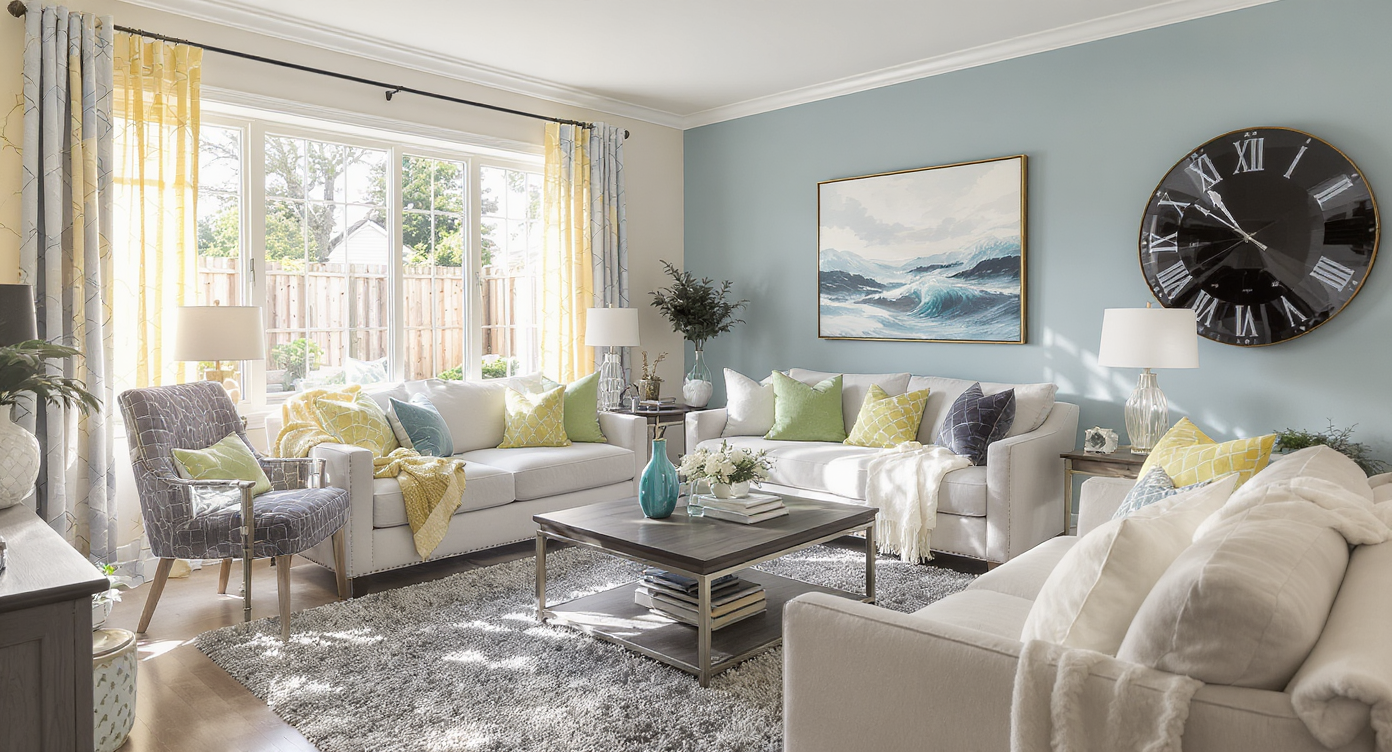
Designing by exposure enhances both aesthetics and functionality in a room.
Energy efficiency and utility costs are also heavily influenced by room orientation. South-facing windows can drastically reduce heating needs in colder months by allowing passive solar heat to penetrate deeply into living spaces. However over-reliance can lead to overheating, which underscores the need for smart management of natural resources. North-facing rooms, by contrast, can increase lighting needs and may require more heating during winters. Despite these challenges, strategic design and construction choices, such as using energy-efficient windows and insulated drapes, can mitigate excessive energy usage.
-
Common Mistakes to Avoid
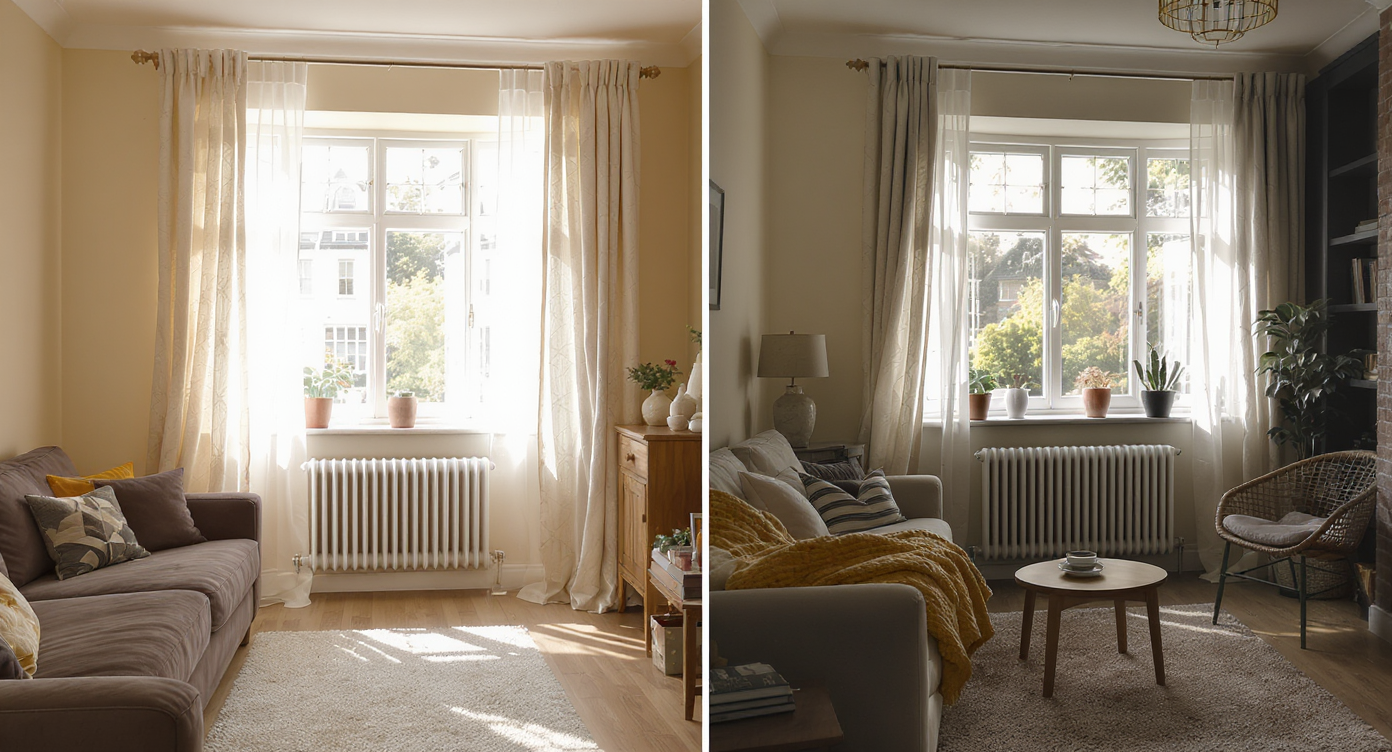
Learn how room orientation influences energy costs and comfort in your home.
When designing or redecorating, avoid these frequent pitfalls regarding room orientation:
- Ignoring Orientation in Layout: Placing main communal areas like living rooms in north-facing spaces might lead to underutilization due to lack of light. Instead, situate high-use spaces where they can benefit from southern exposure.
- Inadequate Light Control: South-facing rooms can overheat without proper shading solutions. Ensure the design includes options for controlling direct sunlight, such as blinds or reflective films.
- Uniform Paint Colors: A single color scheme throughout ignores the differential lighting conditions; vary your palette to adapt to the specific orientation of each room.
-
Tips & Tricks for Optimization
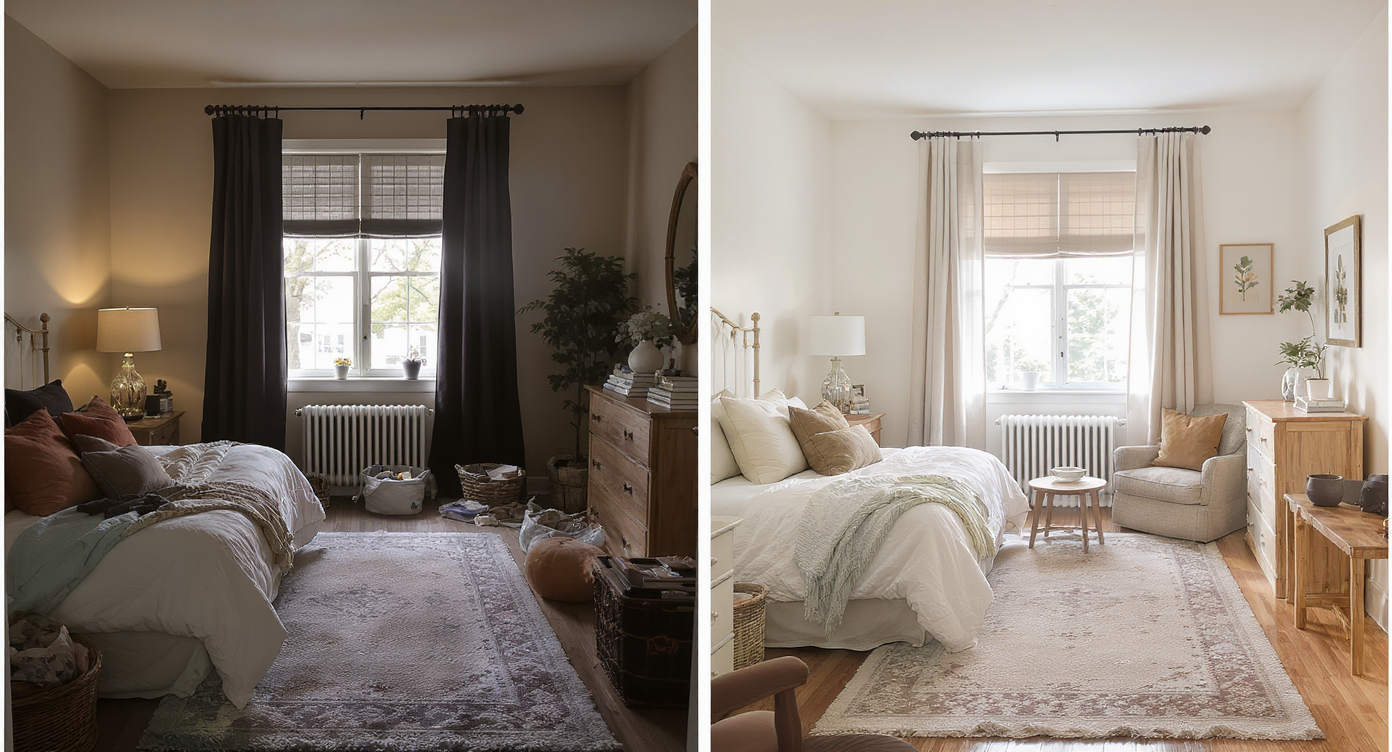
Avoid common mistakes in room design to maximize comfort and space utilization.
Make the most of your home's natural orientation with these strategies:
- Use Reflective Surfaces: Bring more light into dark rooms with mirrors and light-colored walls or ceilings.
- Seasonal Decor Swap: Adjust fabric and color choices seasonally, using lighter and cooler materials in south-facing rooms during summer.
- Adaptive LED Lighting: Install LED lights that allow you to adjust color temperatures, helping to mimic daylight in north-facing spaces.
-
Visualization Scenario
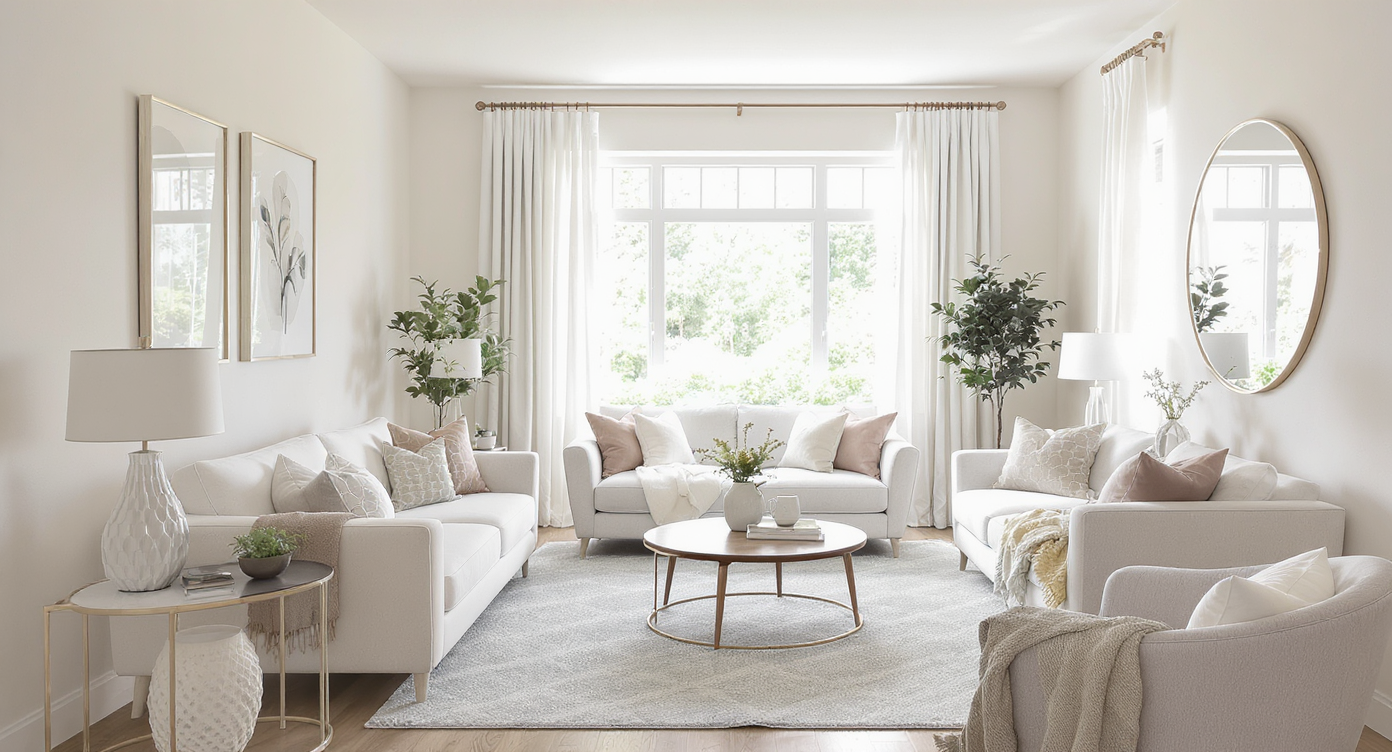
Maximize your space with these smart strategies for room optimization.
Imagine the transformative power of designing your home with orientation in mind: a cozy, soft-lit reading nook in a south-facing room, with light streaming across a comfy chair and bookshelf, or a work area strategically placed in a north-facing room with ample overhead lighting and warm decor. For personalized planning, use ReimagineHome.ai to visualize how different designs could play out in your own home.
Visualization Scenario
Picture transforming your north-facing room into an intimate library with floor-to-ceiling bookshelves bathed in warm, artificial light, or imagine your south-facing living room, where broad beams of sunlight energize and illuminate a room filled with vibrant houseplants.
FAQs About Room Orientation and Design
- What are the benefits of south-facing windows?
South-facing windows provide ample natural light, which can enhance mood and reduce heating costs in cooler climates, creating a warmer, more welcoming ambiance. - How can I improve lighting in a north-facing room?
Utilize lighter wall colors, install additional artificial lighting, and incorporate mirrors to reflect available light, thereby brightening the space. - Do I need special window treatments based on orientation?
Yes, using energy-efficient window treatments like blackout shades for south-facing windows can manage heat and light levels effectively.
Concluding Thoughts on Light and Orientation
The impact of room orientation on a home's ambiance and energy efficiency cannot be overstated. While preference tends to favor south-facing windows for their light and warmth, each exposure offers unique opportunities and challenges. By employing strategic design choices and incorporating modern tools like ReimagineHome.ai, homeowners can optimize their space for comfort and functionality. Whether you're revitalizing existing spaces or planning a new build, understanding and leveraging your room's natural light is a step toward more enriching and joyful living spaces.