Optimizing Master Bathroom Layouts After Removing Closets
TL;DR
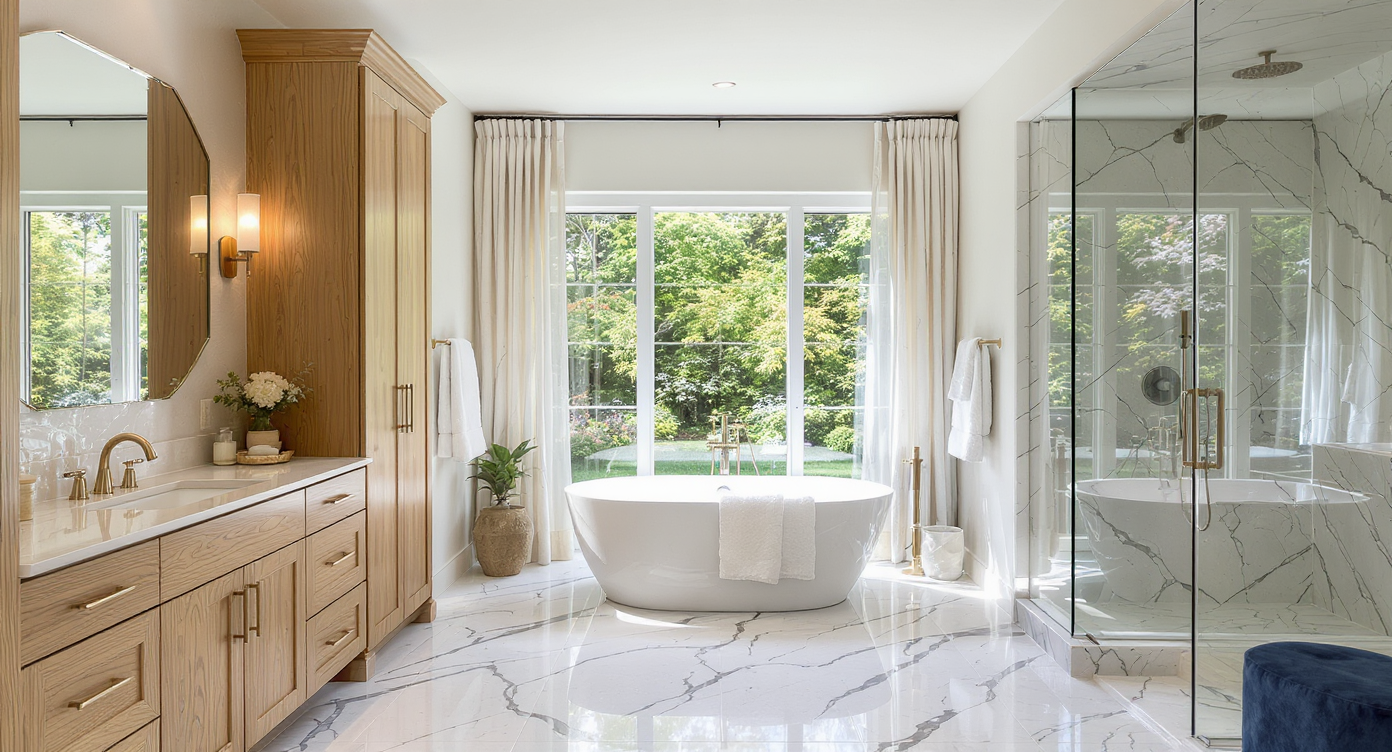
When closet walls come down in a master bathroom, it opens the door for streamlined layouts, better light flow, and personalized zones. Prioritize double vanities, combined wet areas with glass, and a versatile dressing nook. Think intentional furniture and flow to balance storage with spaciousness, especially in compact luxury remodel projects.
Rethinking Space in the Modern Master Bath
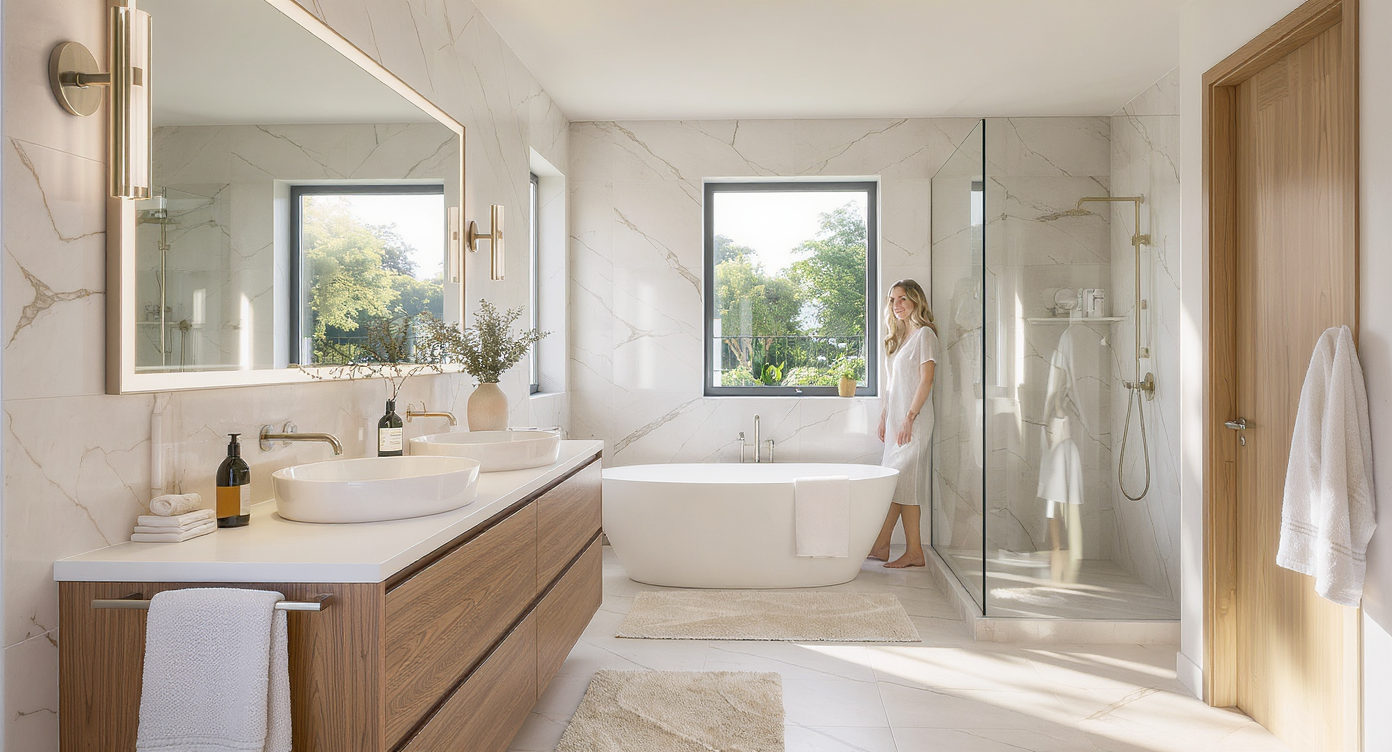
Removing closets transforms this master bathroom into a unified, serene retreat with optimized layout and luxurious openness.
Expanding a master bathroom by removing excess closets or partitioned hallways not only creates visual openness but also invites new opportunities for luxurious, functional design. Homeowners who once felt boxed in by storage spaces now face the question: how do you best use this newfound square footage for true comfort and practical elegance? The shift from segmented utility to a cohesive retreat involves more than simply filling the empty space. It’s about balancing essential features—like double vanities, wet rooms, and a walk-in dressing area—while ensuring the room’s layout still feels spacious. The decisions made here can determine whether the result feels like a hotel-inspired oasis or just a bigger, but not better, bathroom.
-
Furniture and Flow: Balancing Openness and Utility
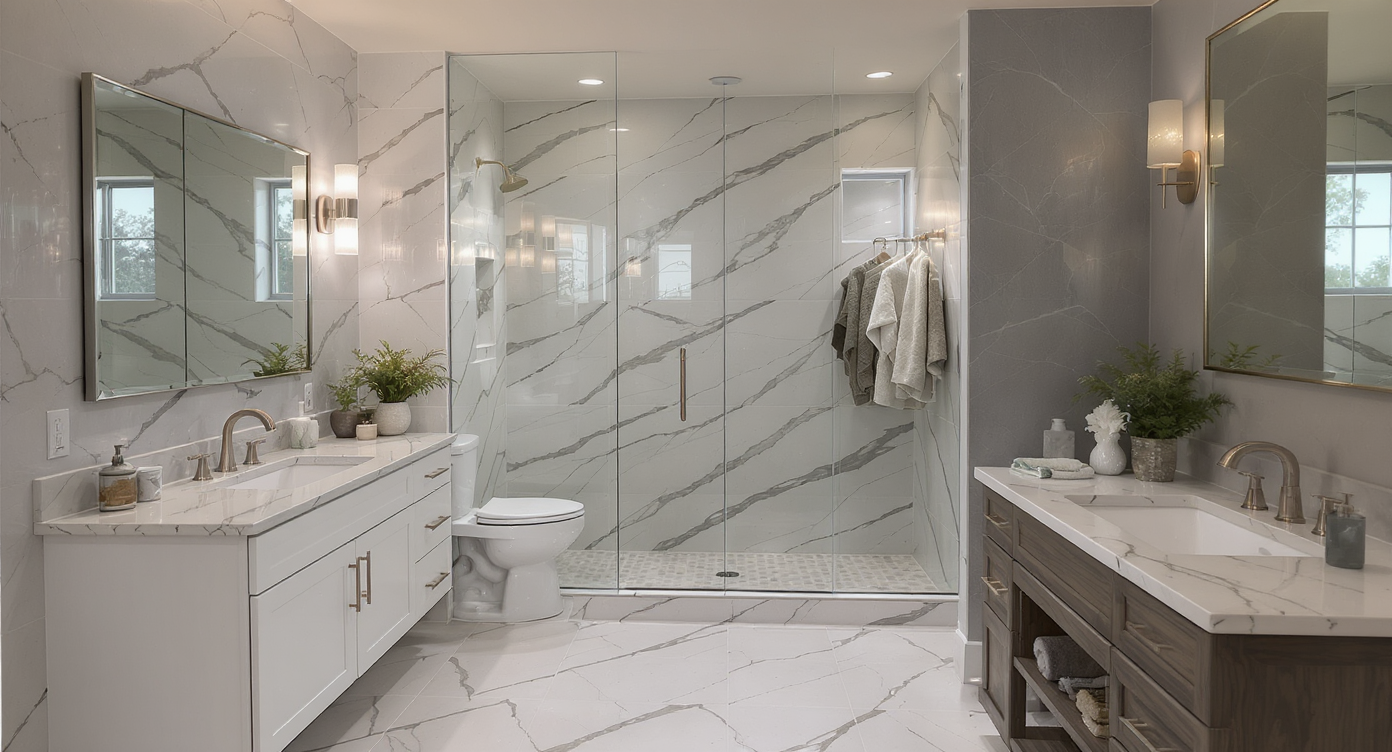
A well-balanced open master bathroom layout uses double vanities and a glass wet room to maximize utility while preserving flow.
Many homeowners tackling master bathroom remodel projects are surprised at how quickly an expanded footprint can be compromised by poor planning. Once the closets are gone, the urge to fill every inch with new fixtures is understandable—but a truly luxurious bathroom lets its spaces breathe. Designers often recommend anchoring the room with a double vanity that sits opposite the toilet or water closet. This allows for side-by-side morning routines without crowding. Placing vanities across from essential fixtures is practical and visually balanced. Consider the popular move of merging the shower and bathtub into a wet room. By enclosing this area with glass and integrating steam features, a single unified zone accommodates both quick daily showers and indulgent soaks. According to our piece on tub-in-shower wet rooms, adequate waterproofing and ventilation—sometimes aided by a strategically placed vented skylight—are key to preventing humidity buildup in open layouts. Carefully selected furniture, such as a makeup vanity or a storage bench, can provide needed utility without sacrificing flow. Designers suggest integrating a compact workout zone only if it truly fits without crowding vital walkways or mirrors, keeping the daily experience comfortable.
Expert Insight
After years of living with a trio of narrow closets, a couple decided to gut their master bathroom. Once the walls were down, their designer used tape on the floor to map out a double vanity, a glass-wrapped wet area, and a central dressing nook. On demo day, the room felt cavernous, but as the last fixture was installed—a backlit mirror and a slender bench near the new window—their builder noted how much larger the room lived, not just looked. The couple’s favorite upgrade? Morning routines no longer bottlenecked at the sink, and the openness offered space for a calm start to every day.
-
Unified Wet Areas: Modern Solutions for Bathing and Relaxation
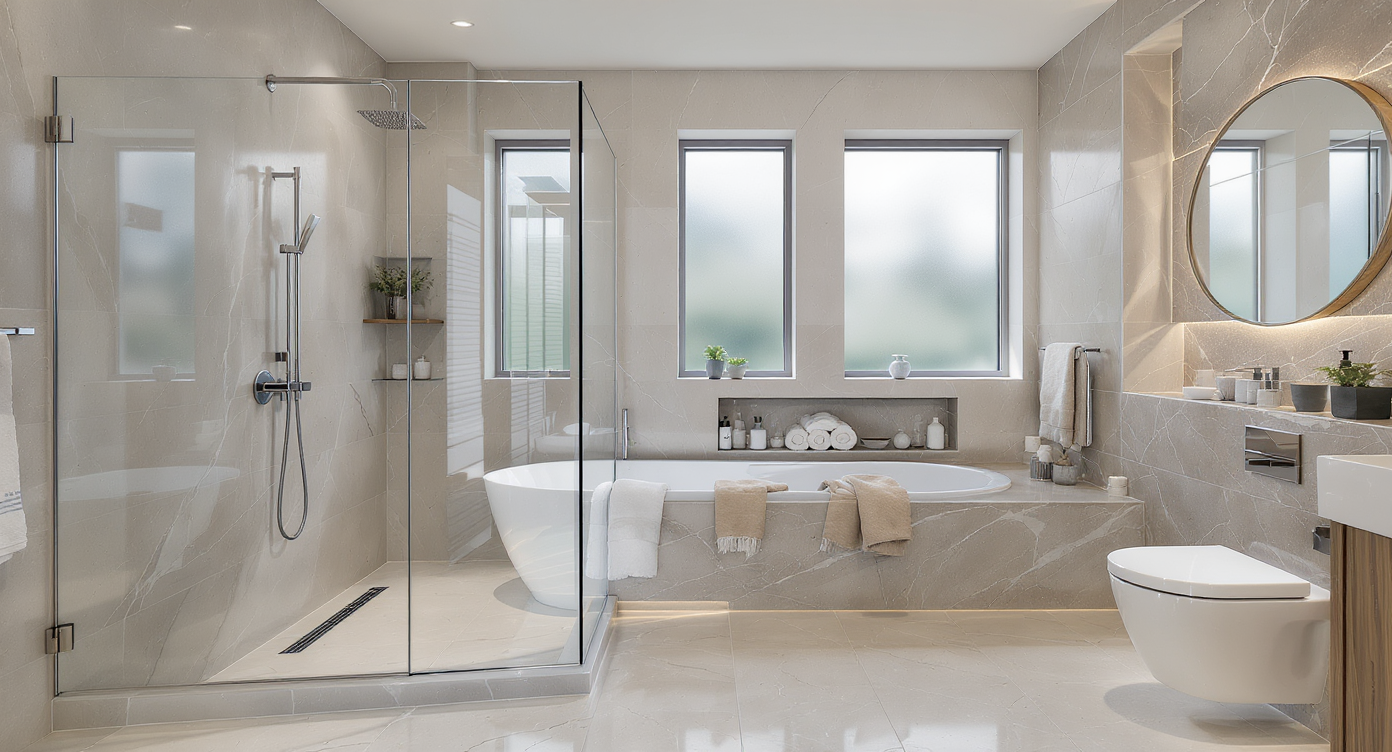
A spa-inspired master bathroom showcases a unified wet area with seamless glass, maximizing openness and luxury after closet removal.
The allure of a spa-like bathing experience within the comfort of home is undeniable. Enclosing a bathtub and shower together inside a dedicated wet room is a transformative upgrade that also capitalizes on the openness gained from closet demolition. The result is both visually expansive and exceptionally functional. Finished with either a frameless glass enclosure or clever half walls, these wet rooms deliver seamless transitions between showering and soaking. Sufficient clearance around the tub, at least several inches for cleaning access, ensures both aesthetic cohesion and practicality. One tradeoff: careful sealing becomes essential if steam features are included. An inward-opening or pocket door on the water closet maximizes efficiency in tight spots. Opt for slip-resistant tiles and linear drains for easy maintenance, as found in solutions to open shower bathrooms. Well-placed shelving between wet and dry zones keeps towels and toiletries within reach while preserving visual clarity.
-
Dressing Areas and Vanity Nooks: The New Personal Retreat
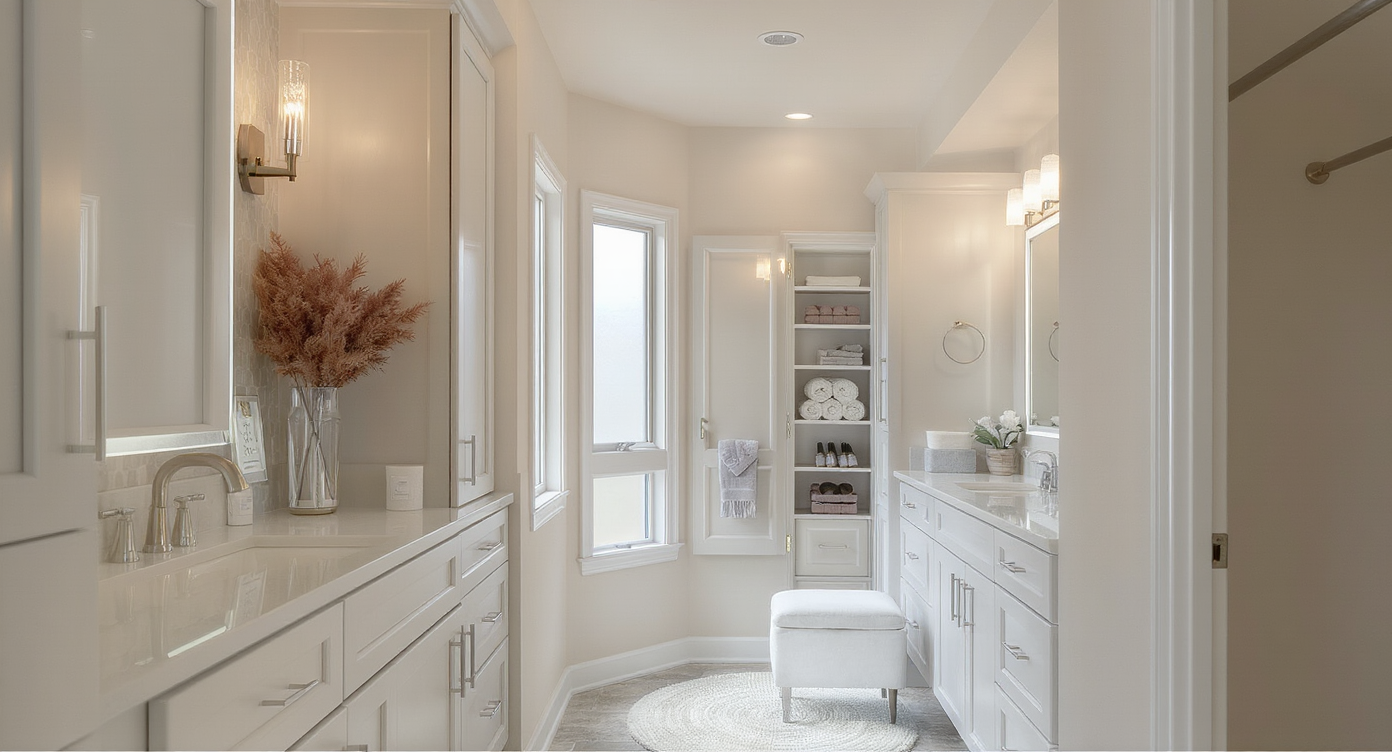
A seamless dressing area and vanity nook bring open, serene flow to a master suite—balancing luxury, organization, and relaxation.
As closets transform from multiple small spaces to a single central dressing zone, the master bath takes on the feel of a private suite. Integrating a walk-through dressing area near the entrance creates natural flow from bedroom to bath, while eliminating door congestion. His-and-hers sides customize organization. Many homeowners add a makeup area either between two sinks or tucked into the dressing space. This flexibility is especially valuable in compact luxury bathrooms, where maximizing functional storage within open layouts is key for maintaining serenity. Furniture choices in these spaces set the mood. Think of a plush ottoman for seating or slender cabinetry that blends with the overall palette, echoing strategies from the latest remodel finishing touch ideas exploring how light, materials, and hardware upgrades turn functional zones into feel-good spaces.
Visualization Scenario
Imagine entering a bright master bath where warm sunlight filters through a newly revealed skylight. To your left, a floating double vanity reflects the morning glow, its surface clear except for a single vase and two toothbrushes. Ahead, a wall of crystal-clear glass encases the wet room, steam gently curling around a freestanding tub and rainfall shower. Off one side, an open dressing zone lines both walls with elegant storage, and a small makeup table tucks neatly near a window. Each element feels purposefully arranged, with soft textures and layered lighting making the expanded space feel effortlessly serene.
Frequently Asked Questions
Opt for glass partitions in wet areas, use floating vanities, and keep color palettes light to enhance openness.
Is a combined shower and tub area a good fit for most bathrooms?
When enough space and proper waterproofing exist, this approach, sometimes called a wet room, can add luxury and efficiency to a remodel.
What are recommended storage solutions for a more open master bath?
Consolidating closets into a walk-through dressing area lets you add hidden cabinets or shelves without sacrificing style.
How can I test different bathroom layouts before hiring a contractor?
Platforms like ReimagineHome.ai enable virtual visualization of layouts, materials, and colors in your own space so you can compare options confidently.
What finishing choices make the biggest impact in a master bath update?
Experts highlight layered lighting, wall-mounted hardware, and coordinated mirrors as quick wins to elevate both look and feel.
Master Bathroom Openness: Beyond the Floorplan
Removing closets from a master bathroom delivers transformative potential—space for a double vanity, integrated wet area, and generous dressing zone. The true mark of a successful remodel lies in thoughtful furniture placement, circulation, and flexible nooks tailored to daily routines. For those seeking balance between compact and luxury elements, careful planning and visualization tools remain indispensable. Exploring layouts in advance, with close attention to finishing touches, ensures a remodeled bathroom delivers both function and relaxation. To visualize your own transformation, consider exploring ReimagineHome.ai.