9 Lessons Learned From a Modern Pantry Remodel
TL;DR
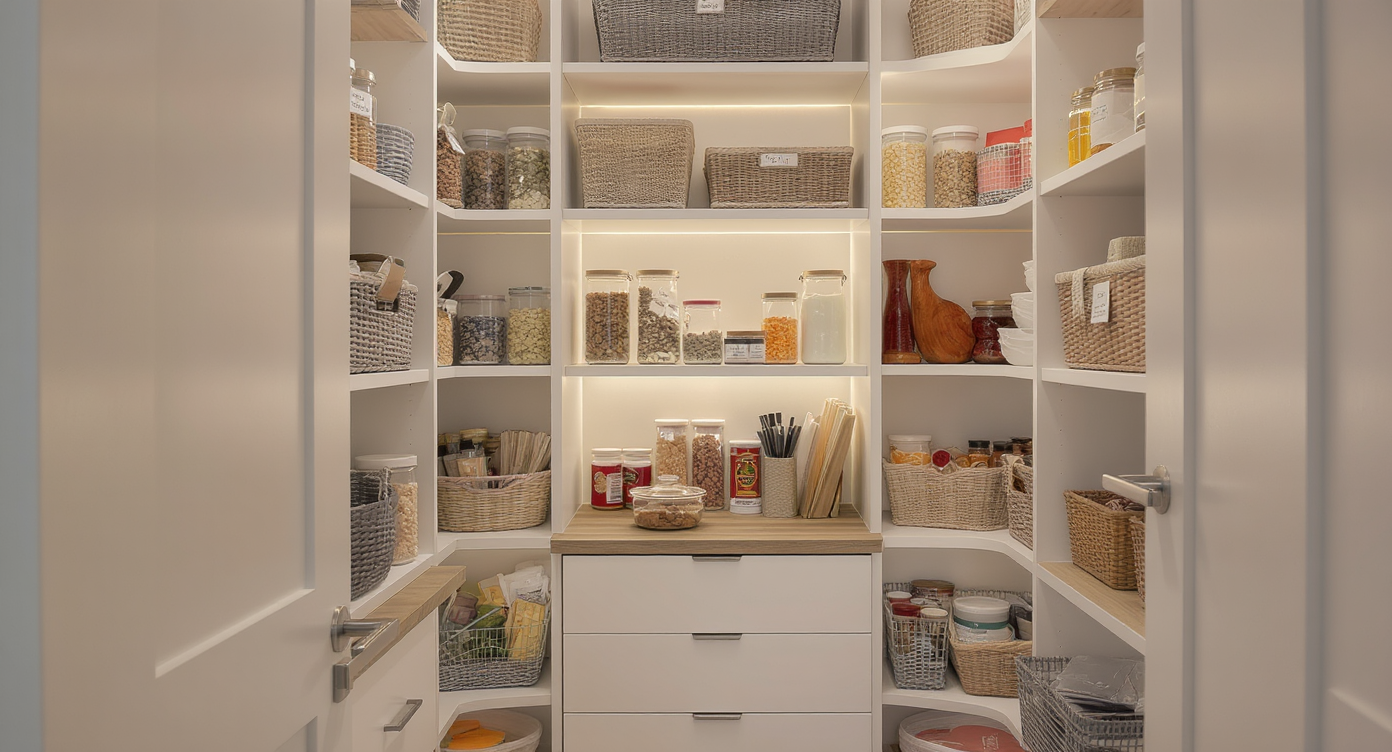
A thoughtful pantry remodel can completely transform daily kitchen routines, offering better storage design and practical solutions to lighting issues. By rethinking shelf layout, tailoring heights, and addressing dead space, anyone can achieve a significant boost in usable area and visibility. Several key choices—like shelf depth, lighting placement, and accessible organization—make the difference between clutter and convenience.
Why Everyday Storage Spaces Deserve More Attention
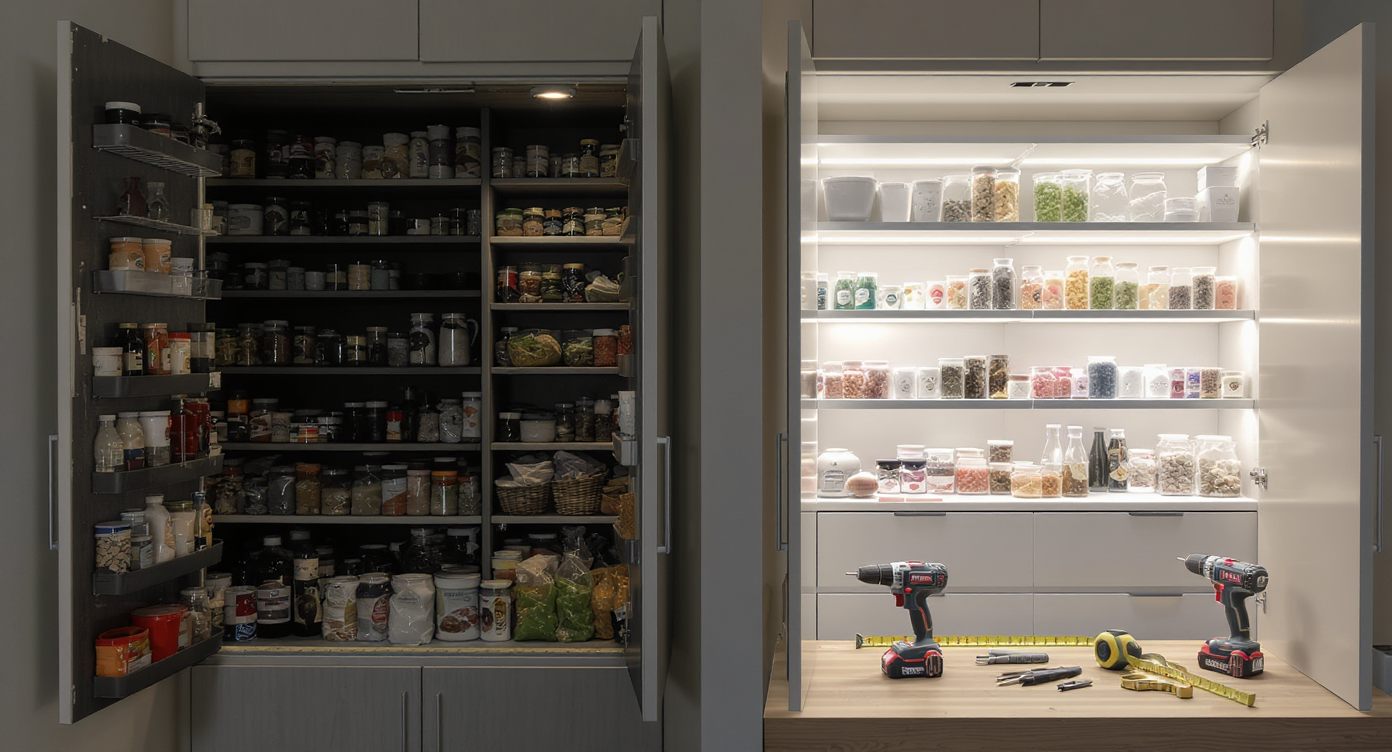
A modern pantry mid-remodel highlights common storage frustrations and the transformation to efficient, well-lit, organized shelving and containers.
A pantry often becomes the unsung hero or headache of a busy kitchen. Too many homes settle for overcrowded or dim storage, missing opportunities for upgrades that could boost both utility and comfort. When it comes to kitchen remodel projects, tackling a pantry offers a chance to solve several small frustrations in a single effort. Designers and homeowners alike routinely wrestle with the same complaints: shelves that are too deep, wasted vertical space, and poor lighting. But as recent real-world remodel projects show, reimagining these details can provide not only more storage, but also more sanity. This list distills the essential takeaways from a successful DIY pantry overhaul, revealing practical ideas anyone can adopt, whether you’re planning a full kitchen update or a targeted storage revamp.
-
1. Shallow Shelves Make Items More Accessible
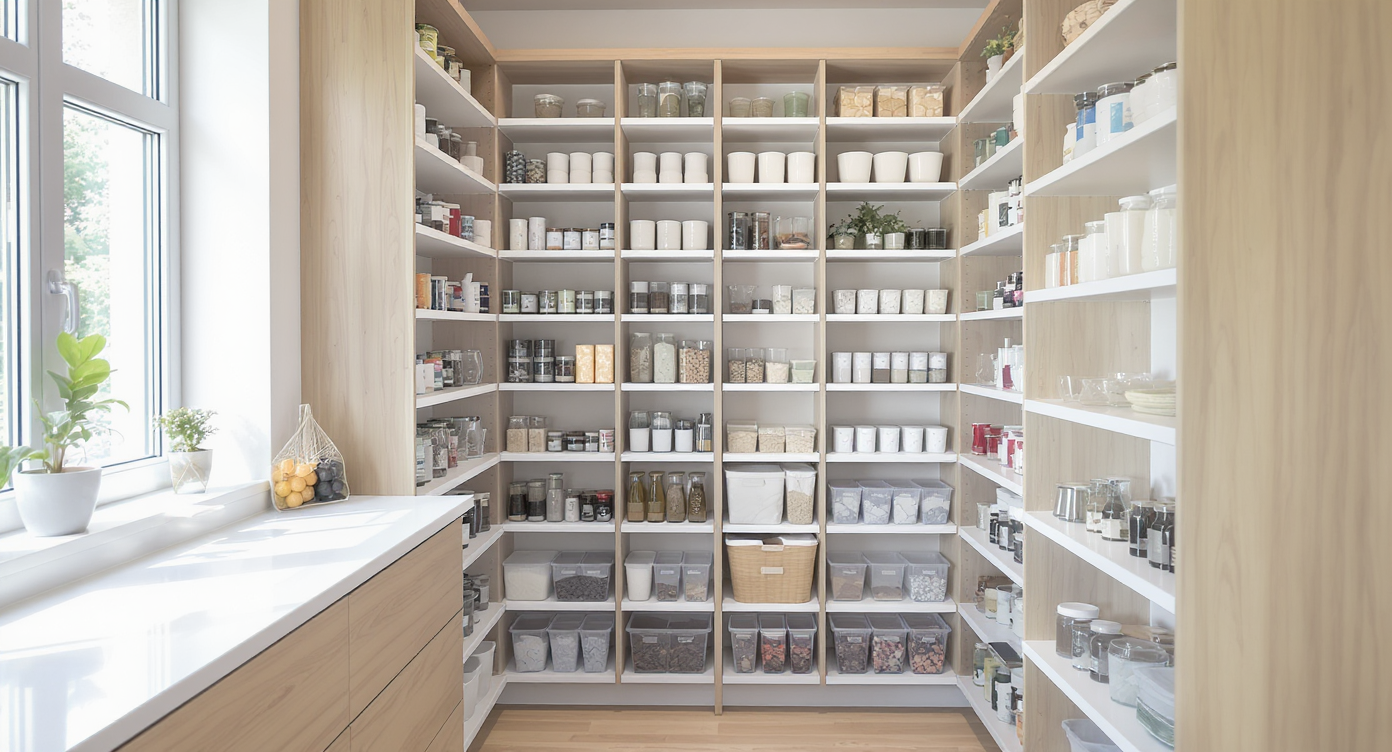
A modern pantry with U-shaped shallow shelving demonstrates how reduced shelf depth improves visibility and easy access to all stored items.
Deep pantry shelves are a common starting point in many homes, but they often create more problems than they solve. Items pushed to the back get forgotten, causing both waste and frustration during routine cleanouts. Instead, switching to shallower U-shaped shelves, as seen in practical remodels, dramatically improves visibility and reach. Placing bins at the deeper center and narrow shelves on the sides accommodates both bulkier and everyday items without the risk of forgotten goods. Pros consistently note that maximizing accessibility trumps simple square footage when it comes to storage design.
-
2. Vertical Space Is Frequently Overlooked
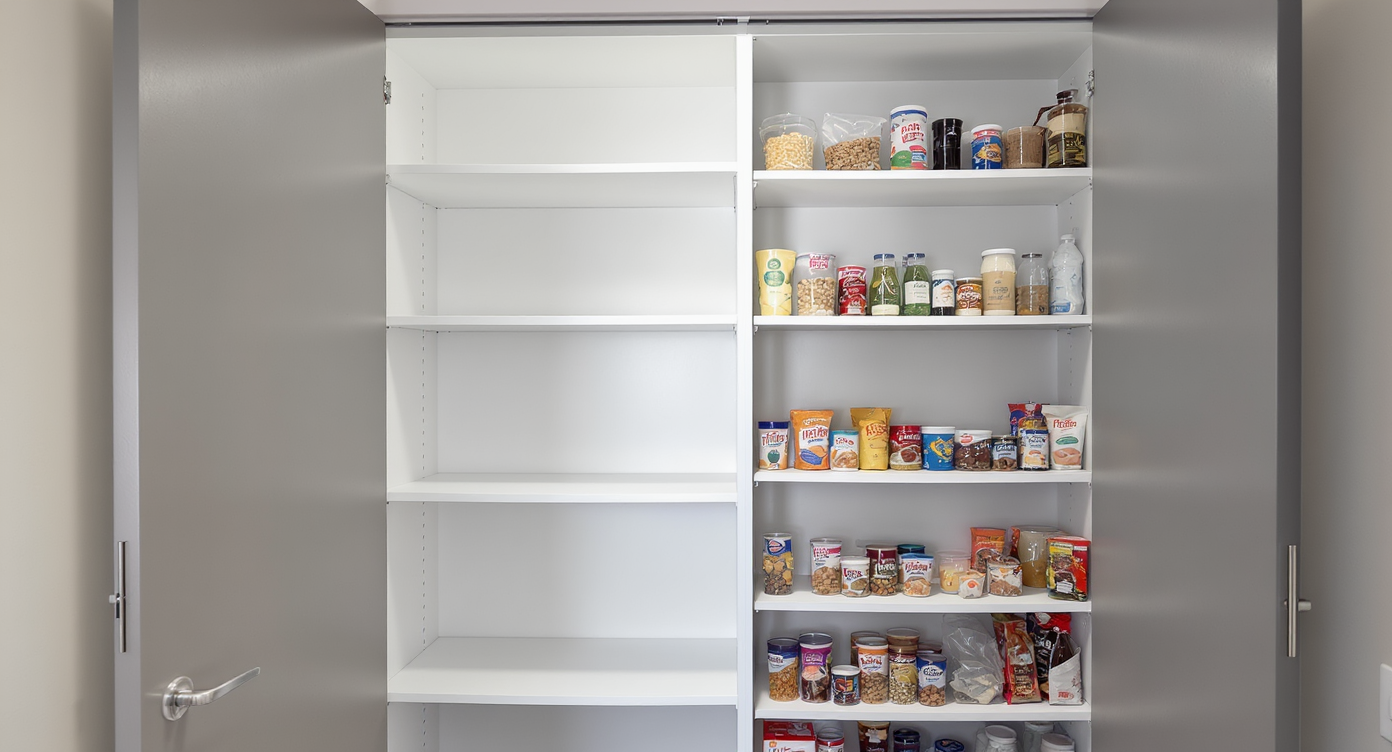
Maximizing vertical space: an organized modern pantry demonstrates how adding more, well-measured shelves increases usable storage area.
Many pantries waste valuable inches above the top shelf, especially if shelf heights are based on guesswork rather than measurement. Re-examining shelf placement can reveal opportunities for additional storage. In one streamlined project, installing five shelves instead of three led to a 13.5 percent increase in usable area. This boost did not require more square footage, just smarter configuration. Adjusting shelf spacing to fit actual pantry items—such as cans or small appliances—ensures space is truly optimized. For more on how to map out these choices, see the layout planning tips shared in our discussion of affordable renovation tips.
-
3. Custom Sizing Beats One-Size-Fits-All
Standard shelving often ignores the quirks of individual households. For example, a family with multiple small appliances or extra-large cereal boxes will need different shelf heights and depths compared to one that stores mostly cans and jars. During a remodel, measuring typical items and then customizing heights and widths ensures every inch is useful. This approach avoids the regret of retrofitting standard shelves, a problem that also plagues many DIY closet projects. Homeowners who tailored their shelf design with even basic digital tools found that a few hours of upfront planning led to years of clutter-free living.
-
4. Lighting Issues Undermine Otherwise Good Design
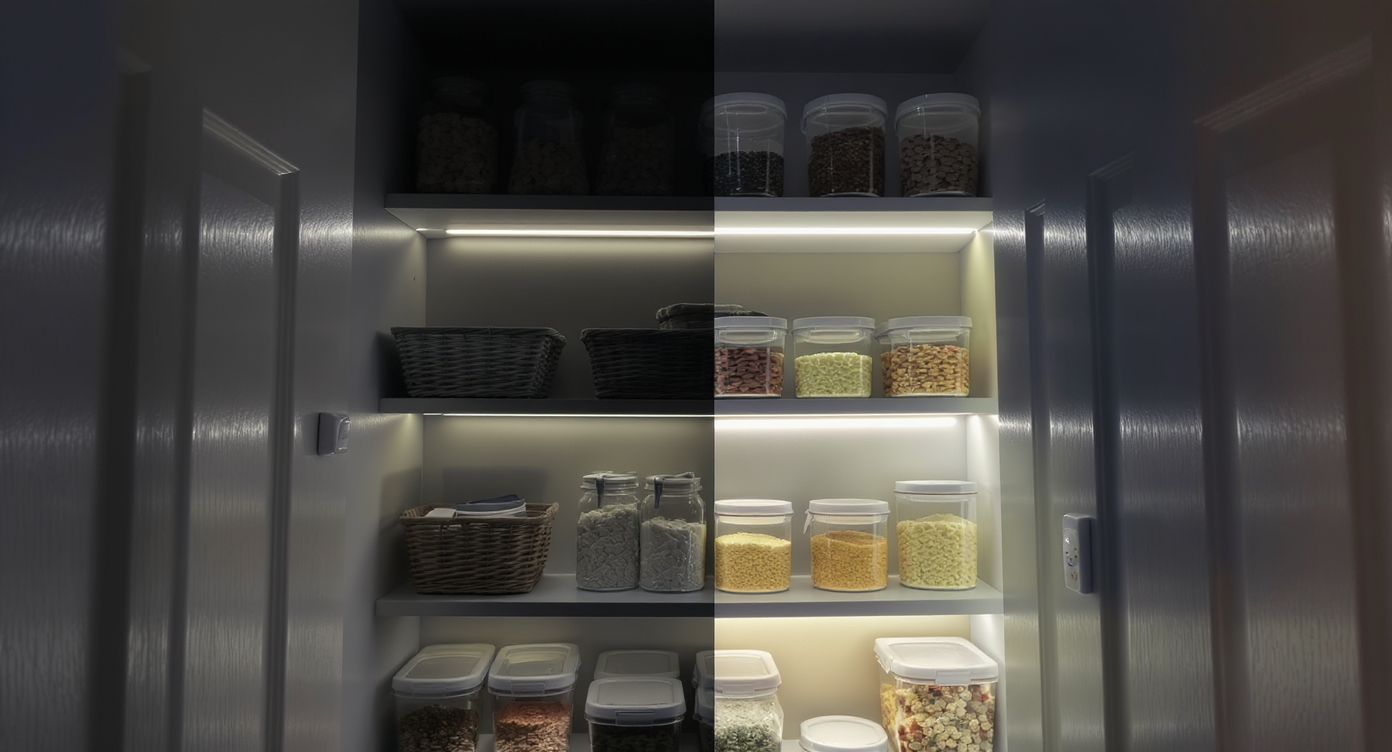
Properly installed LED and motion-sensor lighting banishes shadows from pantry shelves, making contents easy to see and access.
A well-organized pantry can still frustrate if you are searching shelves in the shadows. Many pantries suffer from lighting issues, especially above or below crowded shelves. Incorporating LED kits, motion sensors, or low-voltage solutions addresses the problem without major electrical work. Even renters or those unable to add outlets can find workarounds, such as running wires through an adjacent wall or using battery-powered strips. Safe, targeted lighting turns even a small storage closet into a welcoming space, and highlights every shelf—something often overlooked in remodel projects. Tutorials on improving pantry lighting appear in many contemporary DIY guides.
-
5. Material Quality and Installation Details Are Worth the Effort
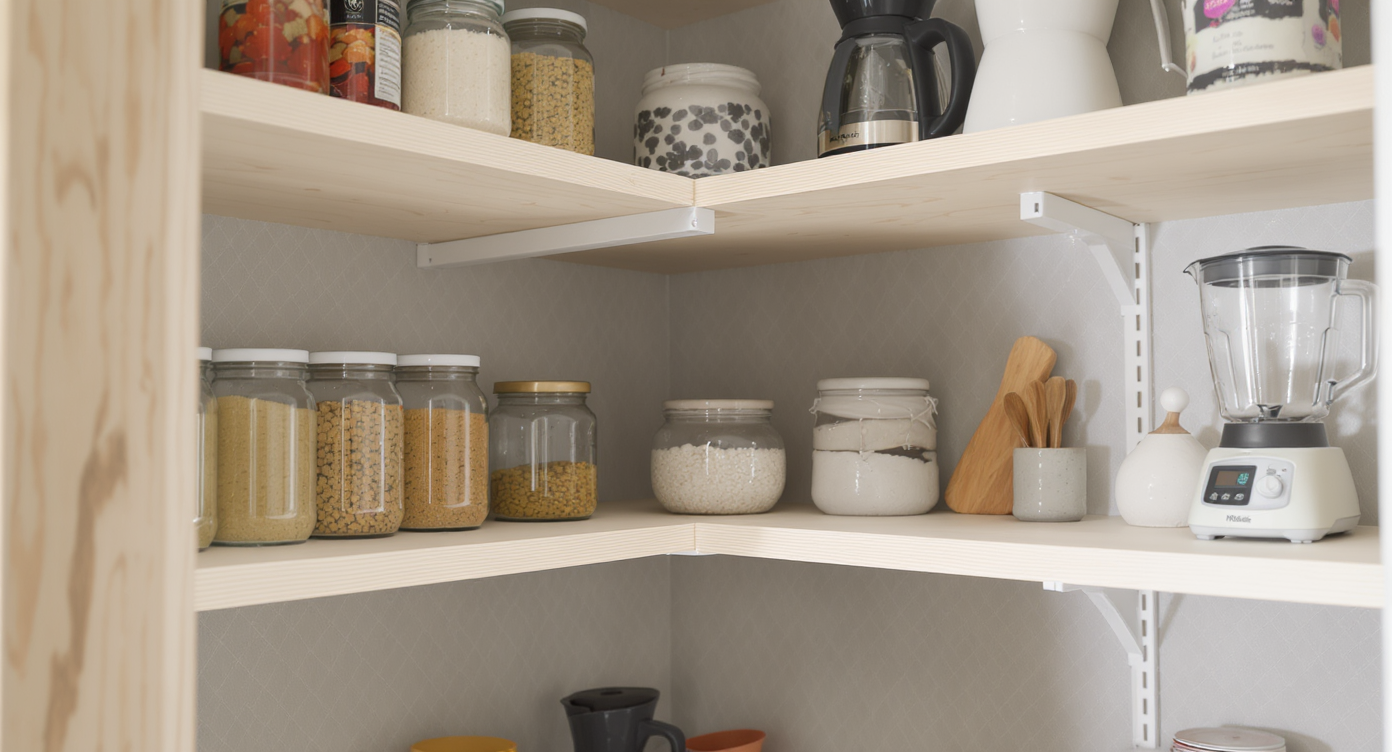
Sturdy plywood pantry shelves with secure cleats and contact paper demonstrate the value of quality materials and thoughtful installation.
The best storage design balances cost, durability, and ease of installation. Using quality plywood for shelving rather than soft pine, and opting for well-secured supports and cleats, prevents sagging and damage from heavy or frequently used items. Details like contact paper surface coverings allow for easy cleaning and fast updates that withstand daily wear. As highlighted in affordable renovation guides, even basic material upgrades pay long-term dividends, especially in high-traffic zones like the pantry. Taking the time for precise cuts, level installation, and tailored edge treatments results in shelves that look as good as they function.
-
6. Plan for Flexibility—and Real-World Use
Even the most beautifully built shelves need to stand up to family life. Adjustable shelf options, movable bins, and supporting brackets (especially near appliance zones or canned food areas) allow the pantry to adapt over time. Installing edge stops or shallow cleats can prevent cans and jars from sliding off, addressing safety and usability. Designers often recommend reviewing storage needs seasonally, since the supply of packaged foods and appliances can fluctuate throughout the year. If possible, future-proofing with adjustable elements at the outset saves both time and frustration later on.
-
7. Organizing for Visibility Prevents Waste
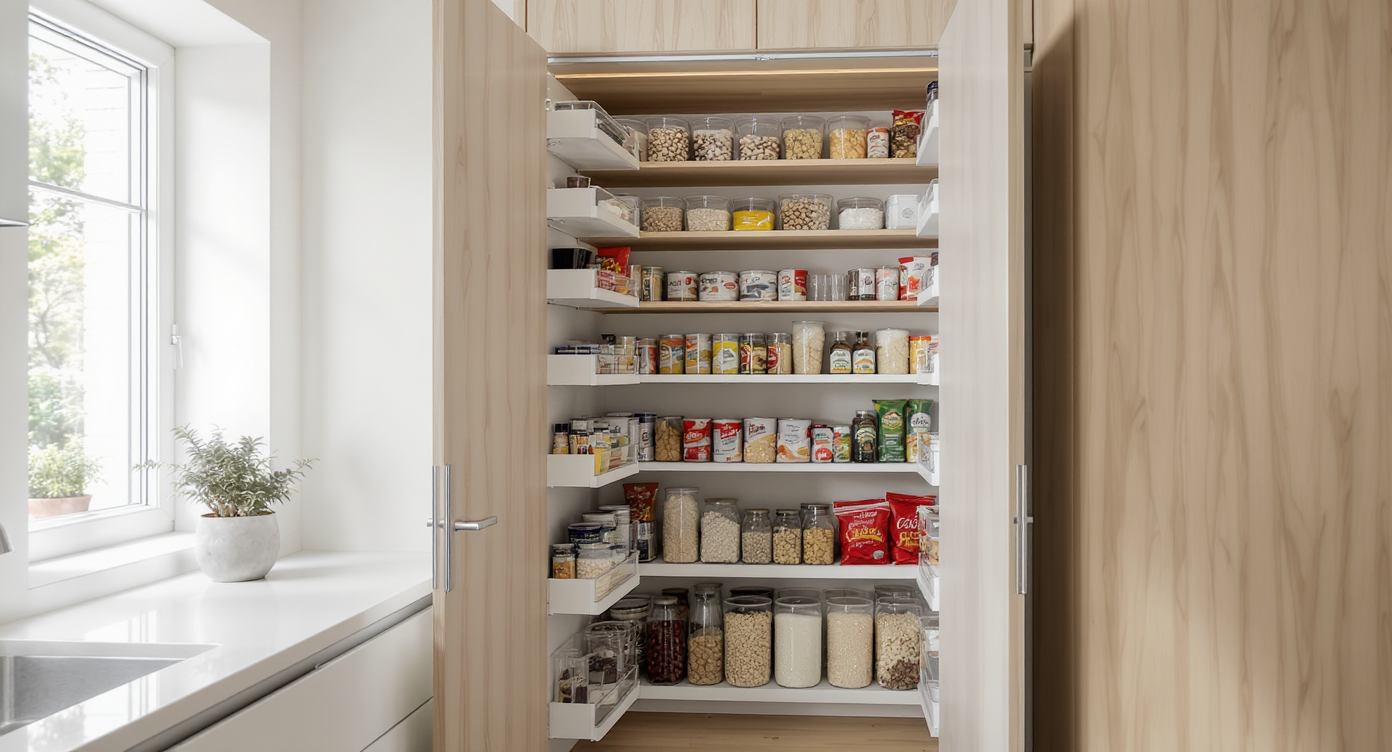
An ultra-organized pantry using clear bins, double-stacked cans, and shelf zones boosts visibility and helps prevent unused food waste.
A thoughtfully designed pantry encourages good habits, especially when every item can be seen at a glance. Solutions like grouping similar items into bins, using dedicated shelf zones for small versus tall containers, and double-stacking cans at the optimal height increase efficiency. Families who restructured their pantries found themselves using up inventory before it expired, which ultimately reduced grocery costs. Organization is, in many ways, the silent partner in any remodel project—a point echoed in advice on DIY decor enhancements for small spaces.
-
8. Quick Improvements Limit Disruption
One major appeal of pantry remodels is the manageable timeline. Breaking the process into stages—such as measuring and planning, sourcing materials, and short installation sessions—minimizes chaos in the kitchen. In practice, entire projects often span just a week of focused work, with installation completed in a single day. This approach not only makes the project doable, it also enables mid-course adjustments based on real-time needs. For those concerned about renovation fatigue or project overruns, our renovation timeline guide provides scheduling tips for keeping even larger remodel projects on pace.
-
9. Every Storage Solution Informs the Rest of the Home
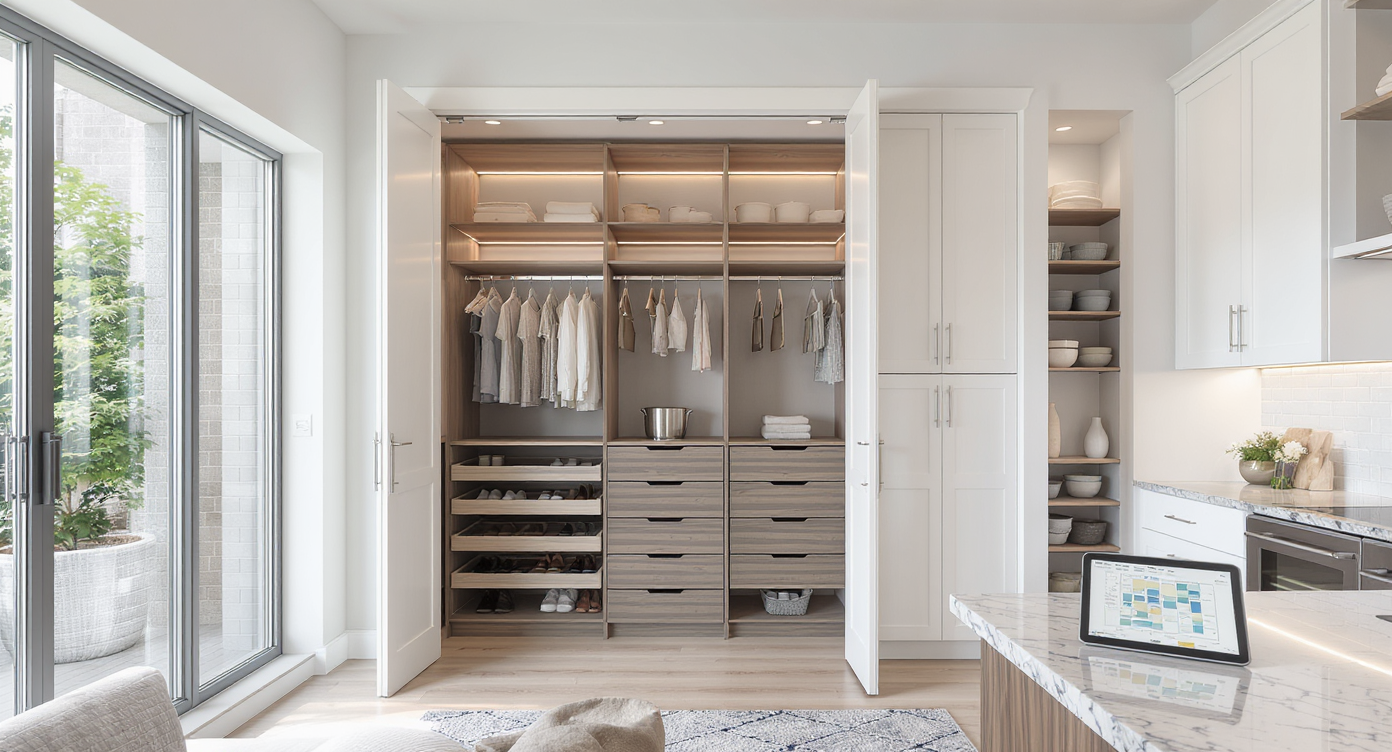
Seamless organization: custom shelving, thoughtful lighting, and digital planning tools unify pantry, closet, and laundry storage efficiency.
Lessons learned from a pantry remodel have ripple effects. Techniques such as using digital planning tools, optimizing lighting, and experimenting with shelf customization translate well to closets, utility rooms, or laundry areas. The core principle—design for how you actually live, not for theoretical maximum volume—is as useful in a walk-in closet as it is in the kitchen. Leveraging platforms like REimagineHome.ai when planning or comparing layout ideas can help homeowners visualize options before any wood is cut or paint is applied.
FAQ
For most households, shelves no deeper than 12 to 14 inches strike the right balance between capacity and visibility. Shallower side shelves further improve accessibility, especially for cans and jars.
How can I address pantry lighting issues?
LED strip lights, motion sensors, and battery-powered solutions are all effective and often easy to install. Reference guides suggest exploring platforms like REimagineHome.ai for visualizing fixture placement alongside storage upgrades.
Are DIY pantry remodels worth the effort?
Targeted DIY projects can create real value if the design is tailored to your needs. As observed in our breakdown of are DIY renovations worth it for resale, smaller projects impress buyers and improve daily function.
Can pantry storage solutions be applied elsewhere?
Absolutely. The principles of maximizing vertical space, organizing for visibility, and strategic lighting are just as effective in closets, laundry rooms, and garages.
What if I have a tight renovation schedule?
Many pantry upgrades can be completed in stages, making them ideal for tight timelines. See our guide on planning a renovation timeline and staying on schedule for managing projects of any size.
Applying Pantry Remodel Ideas Throughout the Home
Reimagining a pantry is more than just a storage upgrade—it models how a thoughtful approach to space can yield tangible improvements in daily life. By prioritizing tailored shelf heights, accessible lighting, and material quality, homeowners can elevate efficiency and enjoyment in nearly any room. Whether your goal is tackling kitchen clutter or embarking on larger remodel projects, platforms like REimagineHome.ai make it easier to visualize and plan before taking action.