7 Rules for Choosing Between Pendant and Sconce Bedroom Lights
TL;DR
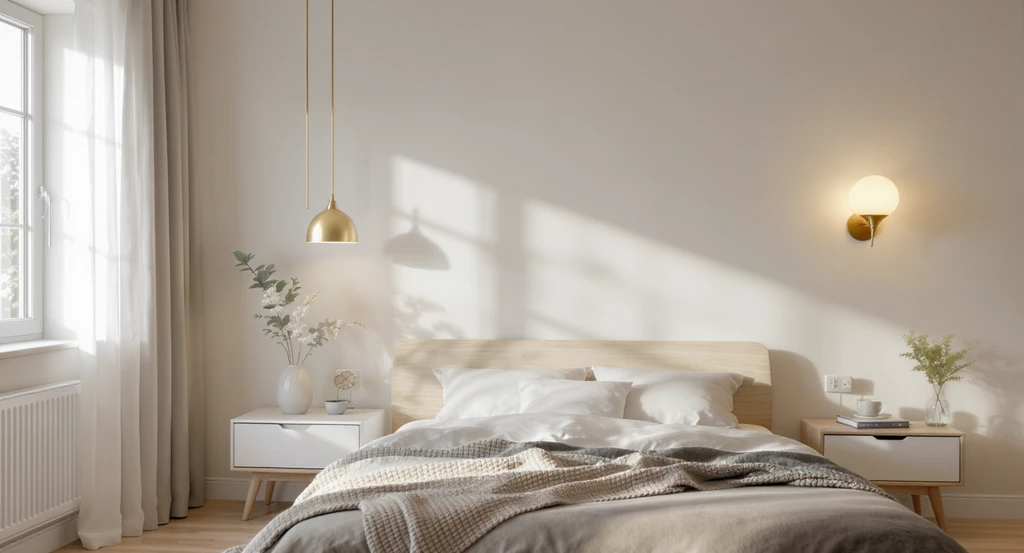
Choosing between pendant and sconce lights for bedrooms depends on your room’s dimensions, daily habits, flexibility needs, and safety priorities. Use the Light Interaction Matrix to match fixture type to function, proportion, and personal confidence. Well-chosen fixtures prevent regret, increase comfort, and support future changes.
Introduction: Why Bedroom Lighting Choice Is More Than Aesthetic
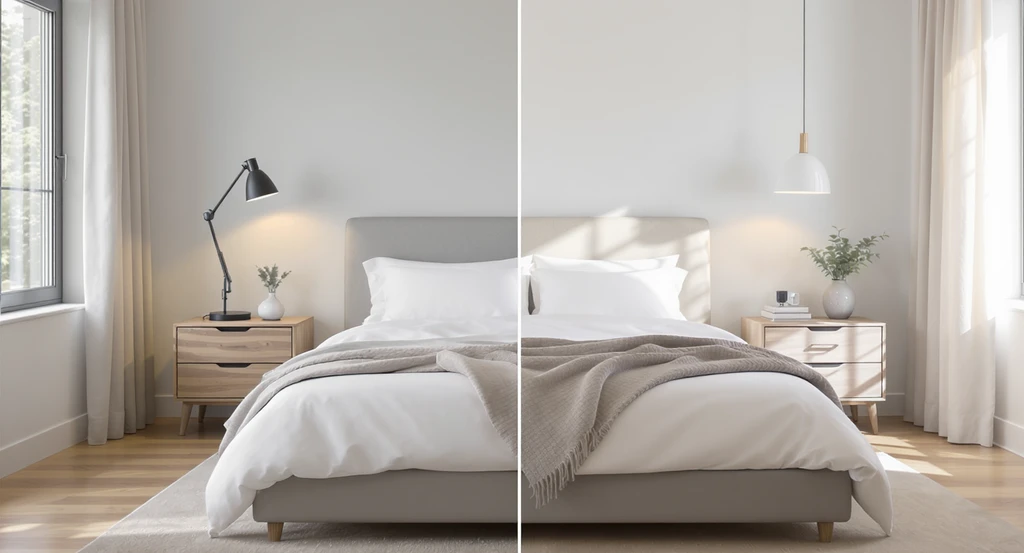
Choosing between pendant and sconce bedroom lights can shape how you decide bedroom lighting style. This visual highlights key differences—will pendant lights fit a small bedroom, or are wall sconces safer around children, and do pendant lights make a room look bigger—crucial considerations in making the right lighting choice.
Choosing between pendant and sconce lights for a bedroom impacts more than just style—these fixtures shape spatial comfort, nighttime safety, and how you experience the room every day. Many homeowners debate aesthetics, but the core decision hinges on layout logic, maintenance, and future flexibility. This guide applies the Light Interaction Matrix™, a practical REimagineHome framework for aligning lighting type to scale, shadow, reachability, and lifestyle needs. It provides clear rules and measurable perspectives, so you can avoid common pitfalls and visualize your best option before you commit.
-
1. Use the Light Interaction Matrix™ to Align Fixture Type With Core Needs
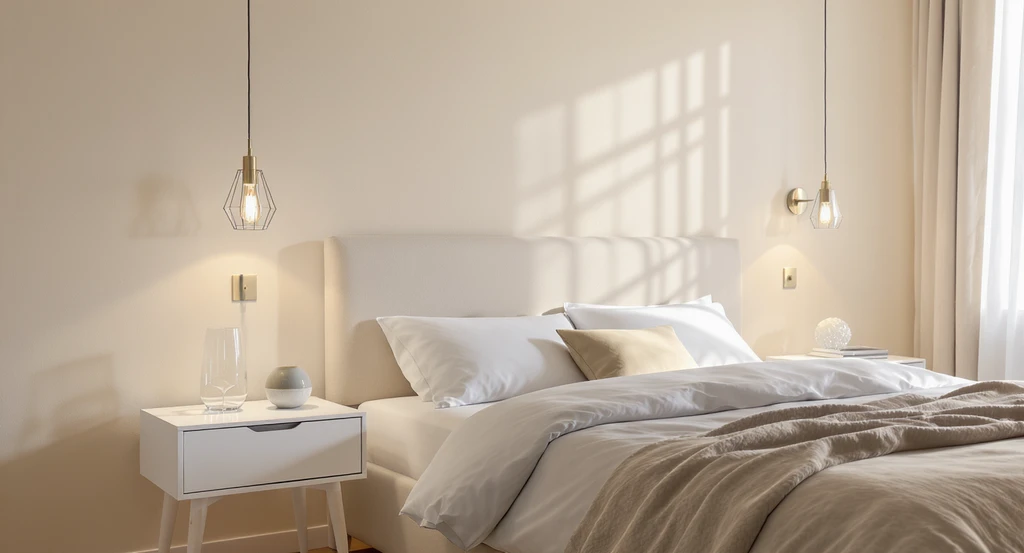
Compare how pendant and sconce bedroom lights influence function and aesthetics—see how to decide bedroom lighting style and answer will pendant lights fit in small bedroom or are wall sconces safer around children.
The Light Interaction Matrix™ classifies bedroom lighting decisions by four factors: clearance, adjustability, shadow direction, and fixture accessibility. Where pendants perform best (vertical drama, freeing up nightstand space), sconces excel at targeted, flexible, and safer illumination. By mapping your priority—whether it's reading light, child safety, or visual openness—against this matrix, you reduce spatial regret and design bias. This structure moves beyond mere preference and offers an actionable method to choose confidently.
Expert Insight
When moving into my last apartment, I fell for glossy photos of pendants above nightstands and ordered a set—only to realize the proportions clashed with my low ceiling and made late-night reading difficult. I swapped for matte swing-arm sconces, instantly calming the room and preventing midnight head bumps. Now I always test with mockups before making permanent changes.
-
2. Rule of 24/48: Measure Clearance to Prevent Head Bumps and Clutter
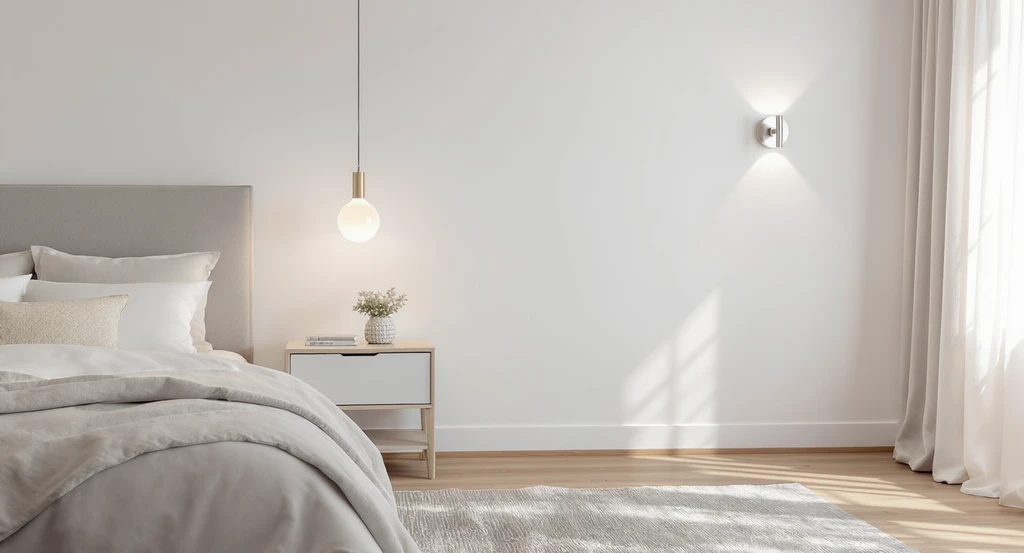
Proper fixture height is key when choosing between pendant and sconce bedroom lights—pendants need at least 24" above surfaces and 48" from bed edges, while wall sconces, often safer around children and better for small bedrooms, should be mounted at gallery height for best lighting style.
To prevent hitting your head, pendants should hang at least 24 inches above any surface people rise from, and at least 48 inches from the bed’s edge. Sconces should be mounted at 57-61 inches off the floor, roughly at eye or shoulder height while seated, as defined by gallery standard. Bedrooms with limited walking space or active children further benefit from sconces, which keep the floor and bedside clear. According to our guide on correct lighting and better scale, right fixture placement is essential for comfort and reduces accidental injuries.
-
3. Shadow Logic: Direct Light for Reading, Relaxation, or Ambiance
For bedside reading or task lighting, choose fixtures with directional adjustability: swing-arm sconces offer precise downlighting with minimal glare, while pendants value ambient glow over direct focus. Improper placement of either can cause sharp shadows—pendants may cast awkward downward cones, and misaligned sconces can highlight clutter or create uneven pools of light. Thinking beyond trends, ask: what will the distribution of light do for your nightly routines? This prevents disappointment during real-life use.
-
4. Safety Matrix: Children, Pets, and Fixture Stability
Wall sconces are typically safer around children and pets because they sit flush to the wall and lack exposed cords or swinging components. Pendants, by contrast, risk accidental contact and tangling, especially in rooms with bunk beds, cribs, or playful pets. If safety is paramount, sconces are the preferred fixture—reducing anxiety and the likelihood of breakage. As one commenter wisely noted, the brain wants no surprises while sleeping.
-
5. Small Room Amplifier: Visual Space and Proportion Principles
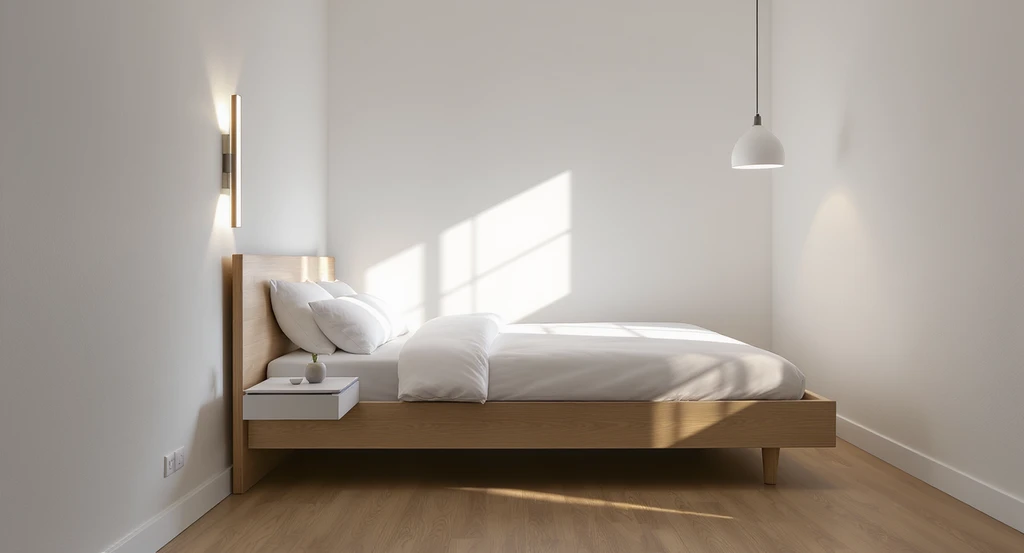
When choosing between pendant and sconce bedroom lights, slim wall sconces help maintain open sightlines in small spaces, while poorly positioned pendants can make a compact bedroom feel more crowded. Consider these lighting style decisions to optimize vertical volume and layout flexibility.
Pendants can visually raise the ceiling and expand vertical volume, but only when carefully positioned. In very compact bedrooms, improperly placed pendants crowd the perceived space, while slim sconces maintain open sightlines and adaptive layouts. As explored in our small bedroom design rules, leaner fixtures maximize adaptability and support space-saving strategies—critical if furniture placement or needs may shift over time.
-
6. Flexibility Factor: Designing for Change and Maintenance
Choose a lighting style that can evolve with your room. Sconces offer re-aimable light and easier rewiring or adjustment if your bed or nightstands move. Pendants, by contrast, require accurate pre-planning and may complicate future refreshes due to fixed wiring. If you anticipate redecorating or moving furniture, sconces or plug-in swing arms provide more freedom and long-term satisfaction. This principle aligns with the adaptable mindset encouraged by ReimagineHome visualization tools, enabling you to preview and test changes digitally before committing in real life.
-
7. Emotional Comfort Principle: Mood, Warmth, and Avoiding Regret
Lighting sets the tone for relaxation, intimacy, and psychological well-being in the bedroom. Pendants make a bold statement but can feel dramatic or clinical if the light is too harsh or the scale is misjudged. Sconces typically offer softer, more diffuse light conducive to winding down—particularly when paired with warm-toned bulbs or dimmers. Referencing the Japandi principle of "human-scale comfort" from our Japandi bedroom design trends, favoring fixtures that foster a sense of calm helps avoid the regret of style-driven but uncomfortable choices.
Visualization Scenario
Imagine your current bedroom with both lighting options: crisp pendants hover above each nightstand, drawing the eye upward for dramatic effect—provided your ceiling height allows it. Switch the visualization: now, slim, wall-mounted sconces project a warm, adjustable glow, freeing your nightstands and keeping the footprint minimal. With ReimagineHome, preview both scenarios before committing to hardware or holes in the wall.
FAQ: Pendant vs. Sconce Bedroom Lights—Key Answers
Pendant lights can make small bedrooms feel taller if positioned correctly, but may crowd compact spaces if hung too low or far from the wall. Sconces are often favored for tight rooms due to their minimal footprint and flexible placement.
Q: Which is safer around children: pendants or sconces?
Sconces are generally safer for households with children or pets, as they have less risk of swinging, tangling, or accidental impact. Wall-mounted fixtures reduce safety concerns common with over-bed pendants.
Q: Do sconces provide enough light for bedside reading?
Sconces, especially adjustable or swing-arm types, provide ample task lighting for reading. Position them at eye level and select fixtures with directional shades or dimming capabilities for optimal comfort.
Q: How do you decide between pendant and sconce lighting styles?
Evaluate your room's ceiling height, bedside table size, desired ambiance, and long-term flexibility. Use the Light Interaction Matrix™ to align fixture selection with your layout, habits, and visual preferences.
Q: Can I visualize both options before deciding?
Yes. Tools like ReimagineHome allow you to virtually preview pendants and sconces in your actual bedroom photo, adjusting placement and style to reduce decision anxiety before installation.
Conclusion: Visualizing Your Fit—Beyond the Fixture
Selecting between pendant and sconce bedroom lighting is not an either/or decision, but a structured match between room conditions, habits, and future needs. Apply the Light Interaction Matrix™ to your room, measure carefully, and visualize via digital mockups—such as those offered by ReimagineHome—to ensure your final choice supports both everyday comfort and long-term satisfaction.