7 Realities of Pocket Doors in Modern Bathrooms
TL;DR
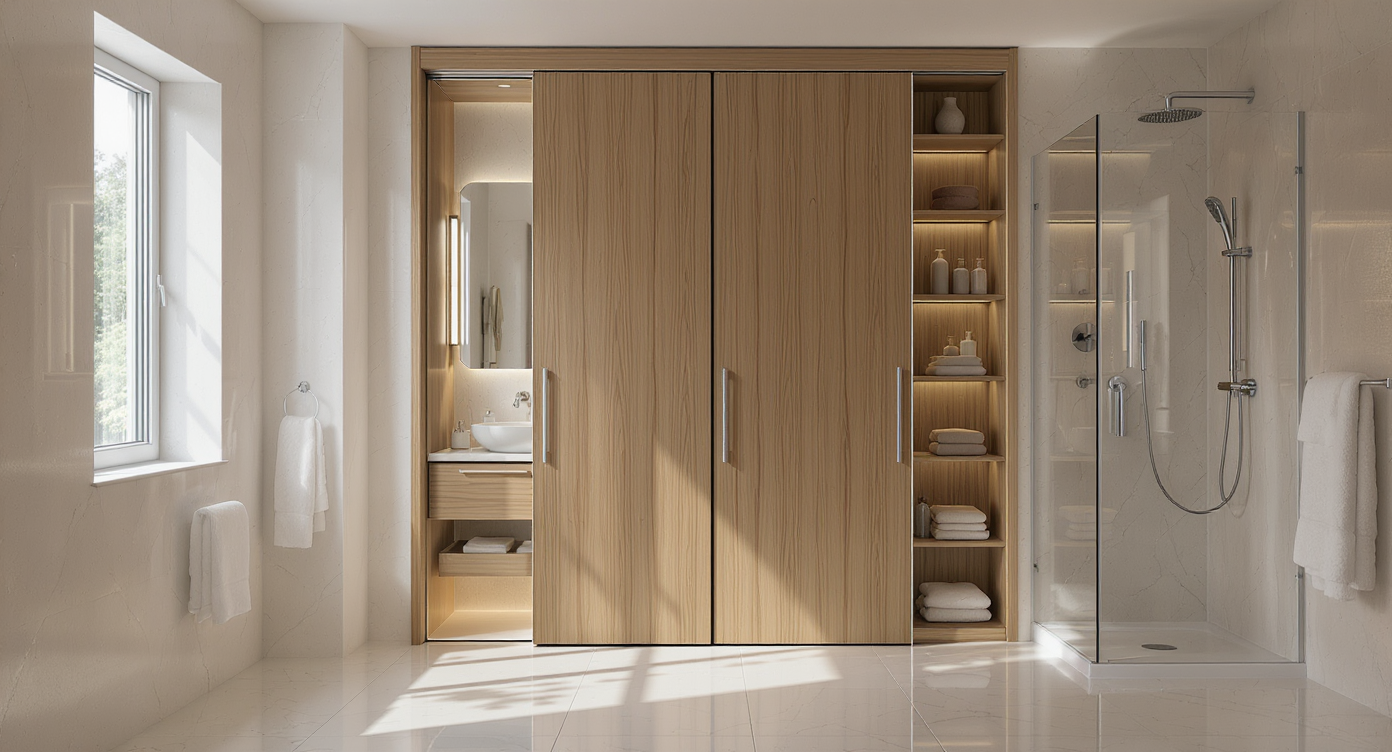
Pocket doors offer valuable space-saving advantages and can enhance the look of compact and luxury bathrooms, but come with trade-offs in privacy, soundproofing, and cost. Installation quality and material choices directly affect both durability and everyday comfort. By understanding these nuanced realities, homeowners can make informed decisions for their next remodel project without sacrificing style or acoustic peace.
Pocket Doors in Bathroom Design: A Closer Look
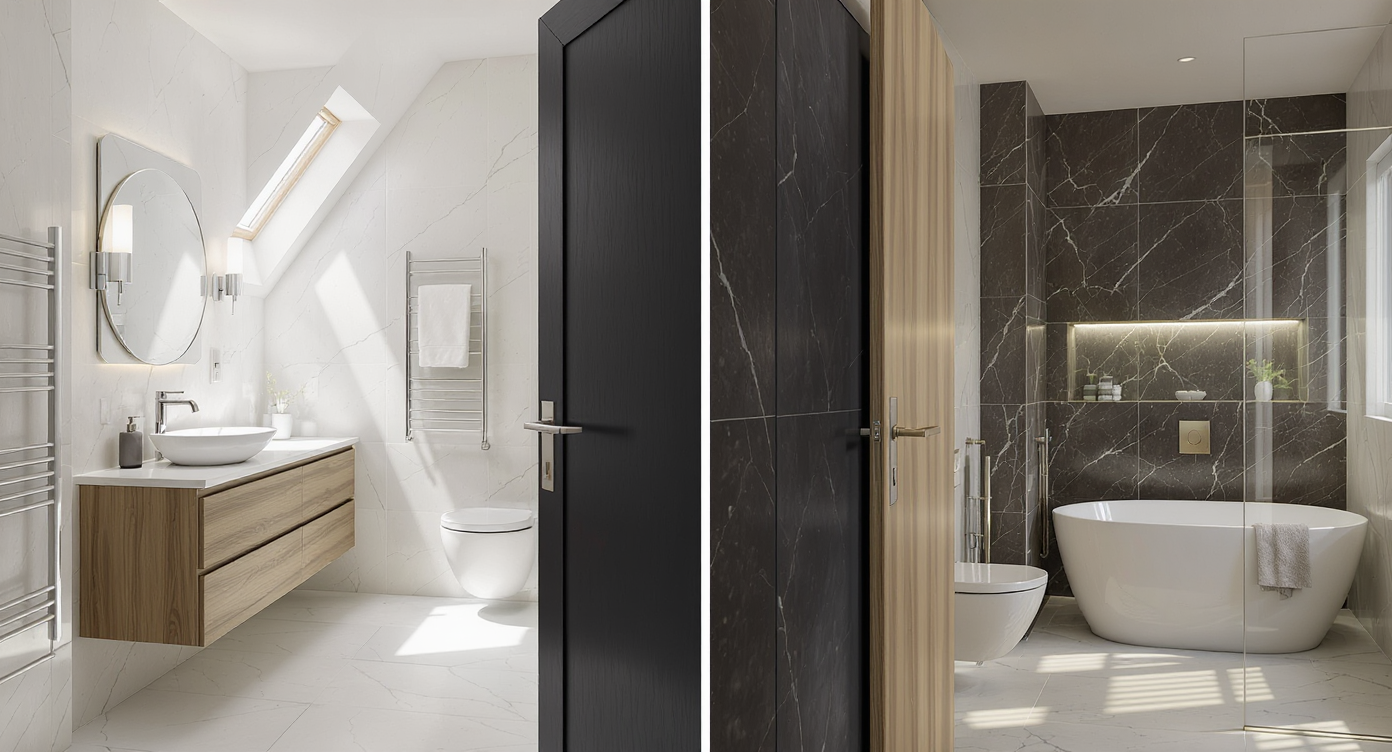
A photorealistic view of two modern bathrooms separated by a pocket door, illustrating how the door maximizes usable space and highlights material choices.
Pocket doors have carved a niche for themselves in modern interior design, loved for their clean lines and efficient use of space. Particularly in compact and luxury bathrooms, they promise to unlock square footage that swinging doors simply cannot. Yet, for all their visual and practical appeal, pocket doors remain divisive among discerning homeowners and professionals alike. This list offers an evidence-based breakdown of the true pros and cons of pocket doors for bathrooms. Whether you are designing a high-end remodel or selecting functional upgrades for a modest home, understanding these realities is key. The latest design studies and user experiences shed light on how pocket doors affect cost, durability, acoustics, and the way we use our private spaces.
-
1. Space Savings and Visual Impact
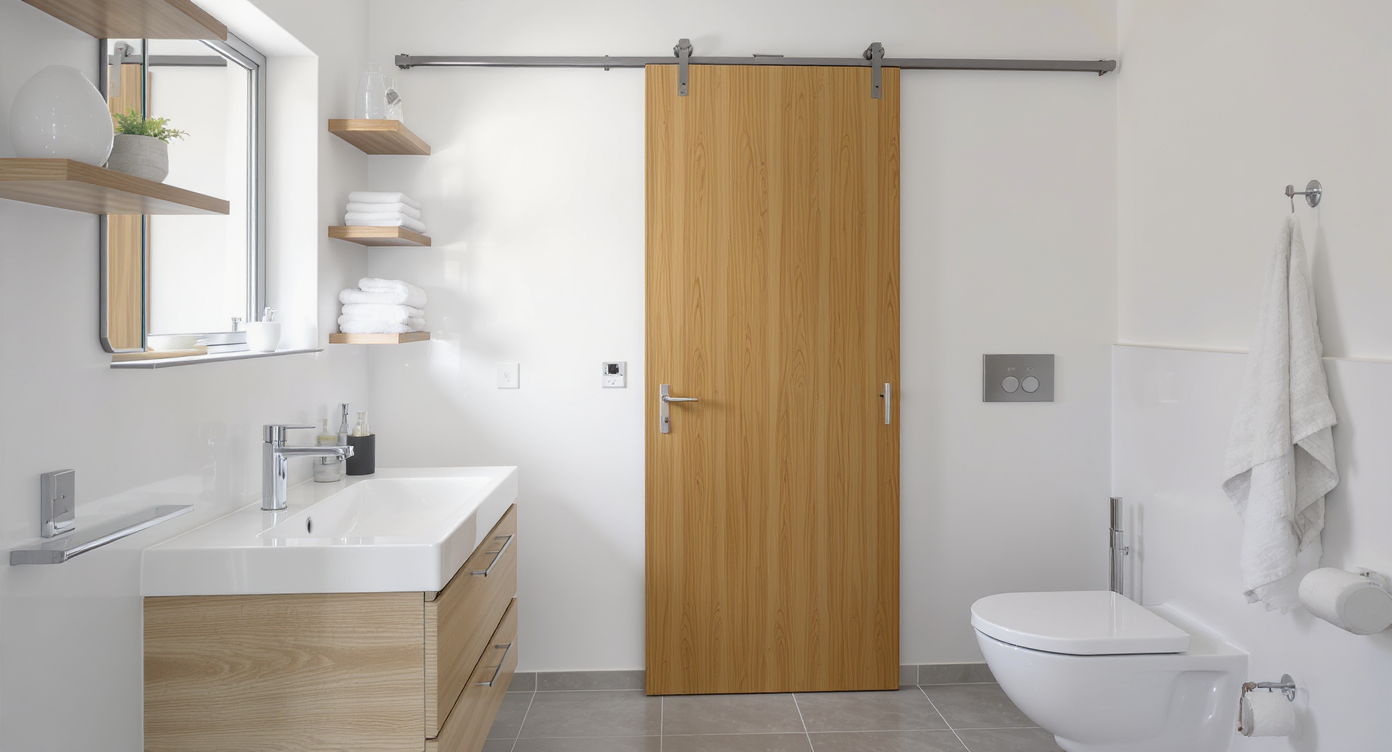
A pocket door recessed into the wall allows for efficient fixture placement in a compact modern bathroom, maximizing both space and visual flow.
A primary driver for choosing pocket doors is the immediate gain in usable space. Unlike traditional swinging or barn doors, pocket doors discreetly slide into the wall, making them ideal for tight bathrooms or layouts where every inch counts. Designers often highlight this benefit in compact & luxury bathrooms, as it enables more flexible placement of fixtures or storage. For a powder room squeezed beside a hallway or a master ensuite where form meets function, the change can be dramatic. However, while the visual payoff is real, it is important to weigh aesthetics against other functional considerations.
-
2. Privacy and Acoustic Pain Points
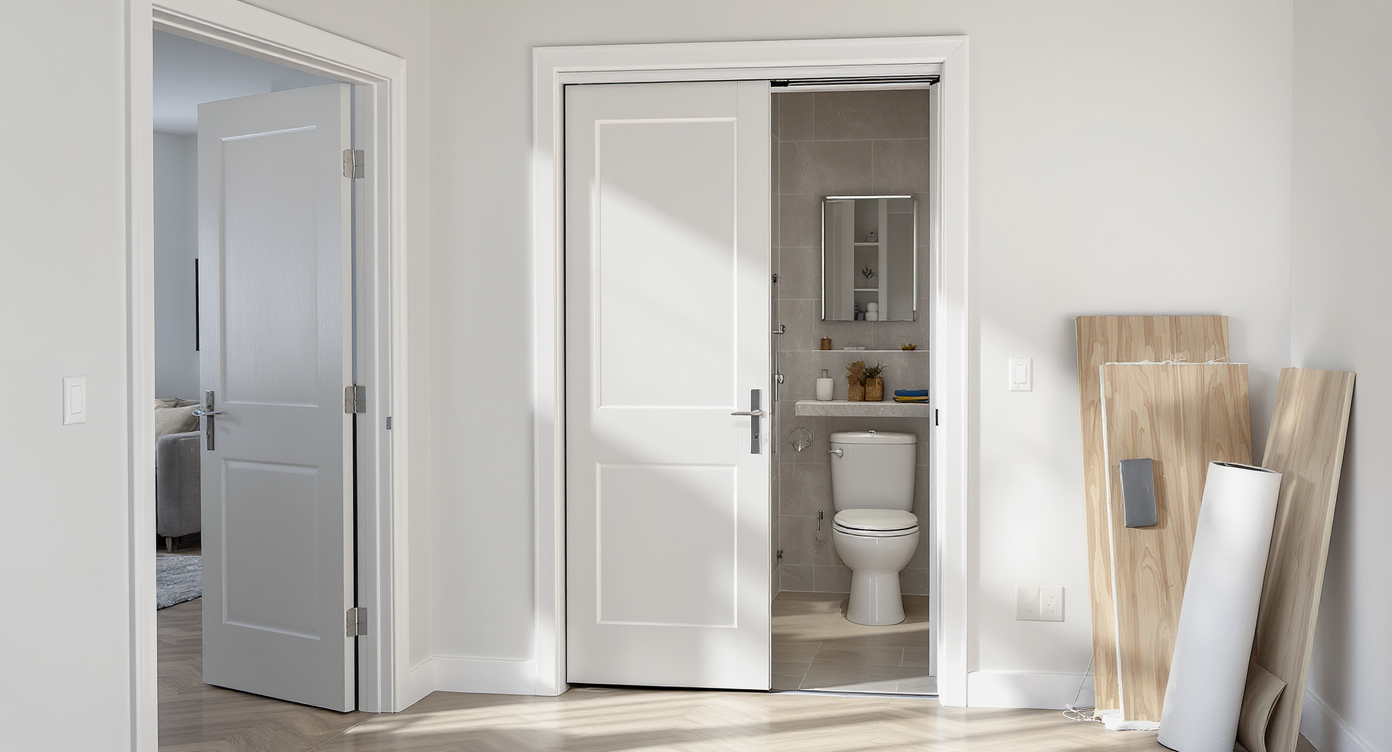
A modern bathroom with a partially open pocket door, showing the wall cavity and materials used for improving acoustic privacy.
Sound transmission is a recurring concern for anyone considering pocket doors, especially in bathrooms. Unlike traditional solid-core hinged doors, most pocket doors struggle to deliver similar levels of acoustic insulation. The inherent design requires open wall cavities, creating paths for sound to travel. As discussed in our review of design trends that will not age well, privacy issues are a top complaint for residents and guests alike, particularly when bathrooms are adjacent to social spaces. Solutions such as installing solid-core doors, adding mass loaded vinyl within the wall, or using rubber gaskets at the frame can address the acoustic pain, but these upgrades may offset some of the expected cost savings.
-
3. Cost, Installation, and Long-Term Value
Installation costs for pocket doors can vary widely, and are usually higher than those for conventional doors. Retrofitting a pocket door—especially in finished homes—often entails reframing walls and relocating utilities, which increases complexity as well as labor expenses. As some homeowners discovered, adding a pocket door where one was not originally planned can escalate into major remodel projects, impacting the overall budget for a bathroom upgrade. While long-term maintenance is minimal if quality hardware is used, initial outlays are only justified when space savings are essential. Gathering professional estimates and reviewing tile or wall plans in a virtual space—such as with REimagineHome.ai—can help avoid surprise costs and awkward layout adjustments.
-
4. Durability and Hardware Quality Matter
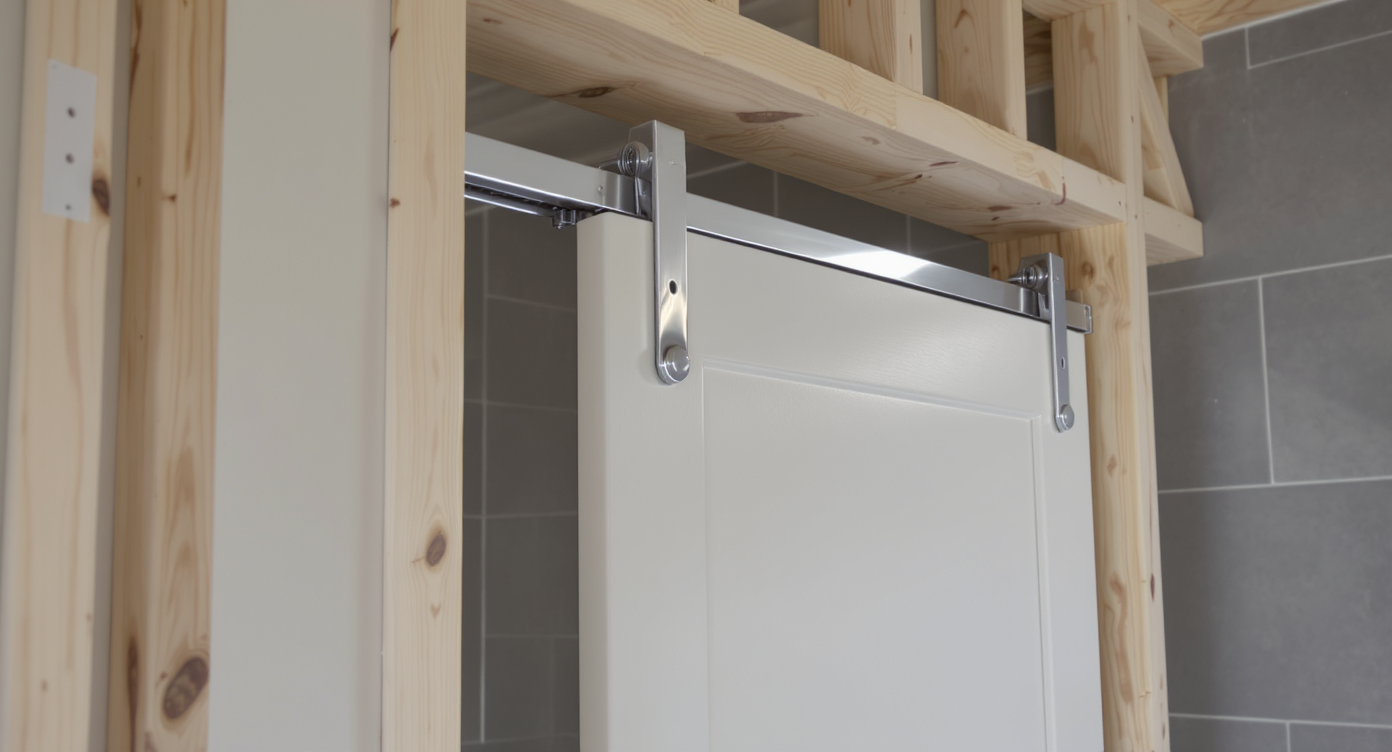
Solid-core pocket door installed with top-quality tracks and rollers, emphasizing durable hardware and expert installation quality.
Durability is directly linked to the quality of both the door and the installation. Long-term users note that well-installed pocket doors with premium tracks and rollers can last for decades without significant issues. However, lower-cost kits or poor installations can result in misalignment, sticking, or frequent repairs. Unlike surface-mounted barn doors, pocket doors cannot be adjusted or serviced easily once encased within the wall. Based on learned experiences from both historic homes and recent builds, experts recommend hiring specialized installers and choosing solid core panels for improved longevity. As identified in contemporary design analyses, neglecting this step can lead to premature issues—possibly requiring partial demolition for repairs in the worst cases.
-
5. Cleaning, Maintenance, and Everyday Use
Pocket doors have fewer external surfaces than barn doors, reducing dust and streaking on visible sliders, but present challenges of their own. Debris can accumulate inside the track or cavity, especially in homes with pets. Locking mechanisms and handles on pocket doors can also be more complicated for children or older adults. Owners of compact & luxury bathrooms who value ultra-smooth daily function should test out handle options and research door hardware prior to committing. Regular checks of the track and occasional lubrication help maintain ease of use, but maintenance is less convenient once the components are concealed within the wall—unlike more accessible traditional doors.
-
6. Suitability for Different Bathroom Types
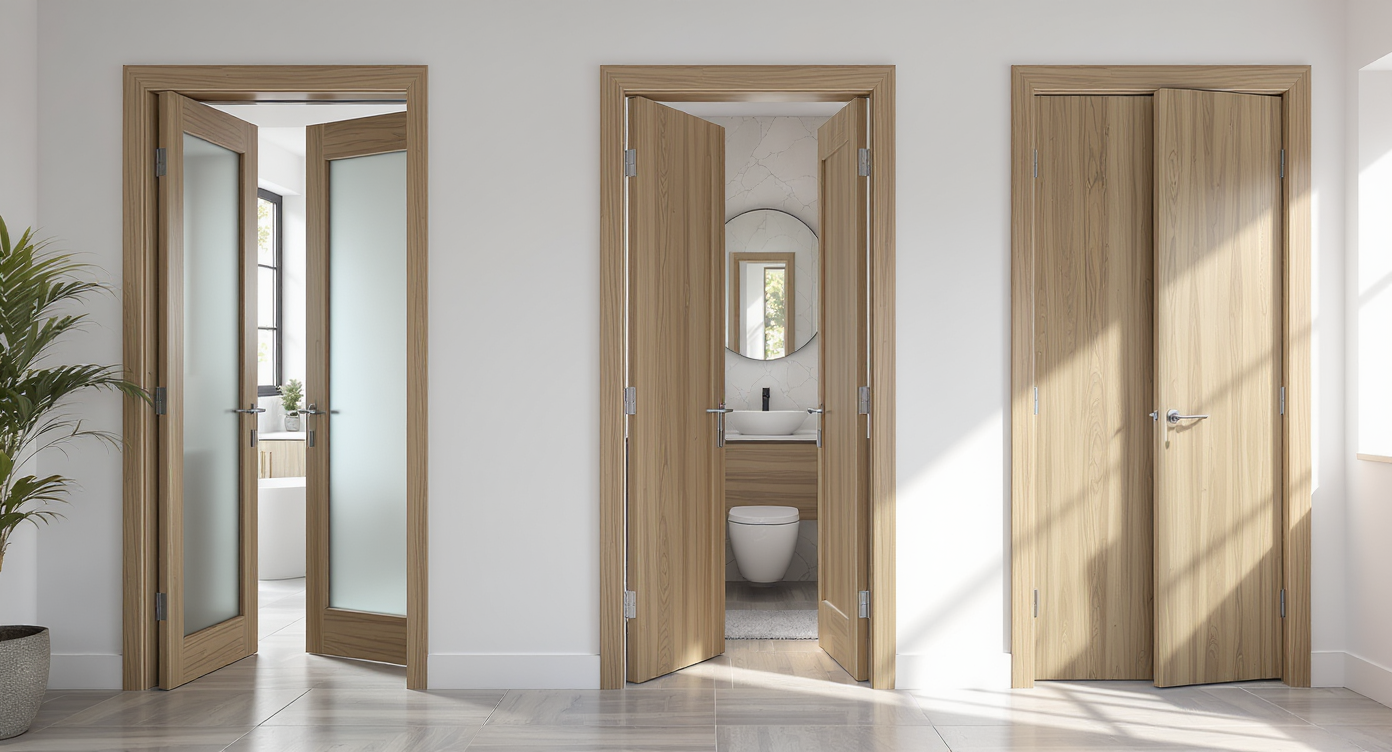
Different bathroom types: master ensuite and guest bath feature pocket doors, while the kids' bathroom uses a standard swing door for safety.
Not every bathroom benefits equally from pocket doors. Master ensuites, guest baths isolated from busy living areas, and water closets can make excellent candidates, enjoying the space-saving perks with minimal privacy trade-offs. For high-traffic family bathrooms or powder rooms near kitchens or living rooms, acoustic and privacy limitations become much more pronounced. As noted by industry insiders and in user feedback, pocket doors are less ideal for kids’ bathrooms due to noise, handling, and occasional safety issues involving small fingers. Matching the door style to the bathroom’s purpose ultimately delivers better value and comfort.
-
7. Evolving Trends: Alternatives and Smarter Solutions

Three smart bathroom door alternatives—pivot, bi-fold, and translucent pocket—shown in realistic use, alongside a digital room visualization tool.
As the design world pivots away from overexposed barn doors—now often seen as dated or impractical according to recent critiques—pocket doors remain a viable middle ground for tailored situations. However, interest is also rising in other solutions such as sleek pivot doors, space-efficient bi-folds, or creative use of translucent panels for light without sacrificing privacy. Design professionals underscore the importance of considering acoustics, traffic flow, and the broader style palette, as seen in projections of trends likely to fade by 2030. Before committing, savvy renovators use digital tools to test-drive alternatives in their own rooms, helping avoid regret and supporting smarter investments that stand the test of time.
Frequently Asked Questions About Bathroom Pocket Doors
Pocket doors shine in compact bathrooms where swing space is limited. Their ability to recapture otherwise wasted square footage is a major win in tight layouts.
How do pocket doors impact acoustic privacy?
Pocket doors typically allow more sound transfer than standard solid-core swing doors. Upgrading to solid-core panels and enhancing wall insulation can help, but perfection is rare for bathrooms directly next to social areas.
What is the typical cost difference compared to regular doors?
Initial installation for pocket doors generally exceeds that of traditional doors, particularly for retrofits that require wall modifications. Gathering bids from contractors and virtually testing layouts with REimagineHome.ai can clarify project scope and investment.
How durable are pocket doors over time?
With high-quality materials and professional installation, pocket doors can last for decades. Poor-quality kits or improper fitting lead to track problems and repairs, making careful selection essential.
Are there style alternatives if pocket doors do not suit my needs?
Yes. Recent design guides highlight bi-fold doors, modern pivot doors, and sliding glass panels as emerging favorites. Digital visualization tools help compare these options before making permanent changes.
Making Pocket Doors Work for Your Bathroom
Pocket doors can be transformative in bathroom remodel projects, but their success hinges on context, installation quality, and an honest assessment of needs. They are not a one-size-fits-all solution, especially where acoustic pain or privacy is critical. To future-proof your choices, preview design options in virtual room planners such as REimagineHome.ai and review lessons from evolving design trends. Striking a balance between function and aesthetics leads to better, longer-lasting outcomes.