9 Practical Corrections to Instantly Improve Your Home’s Aesthetic
TL;DR
A cohesive aesthetic starts with decluttering, a unified palette, and proper lighting. Correct layout, lighting, and decor issues step by step for inviting, upgraded spaces.
Why Does Your Room Still Feel "Off", Even After Decorating?

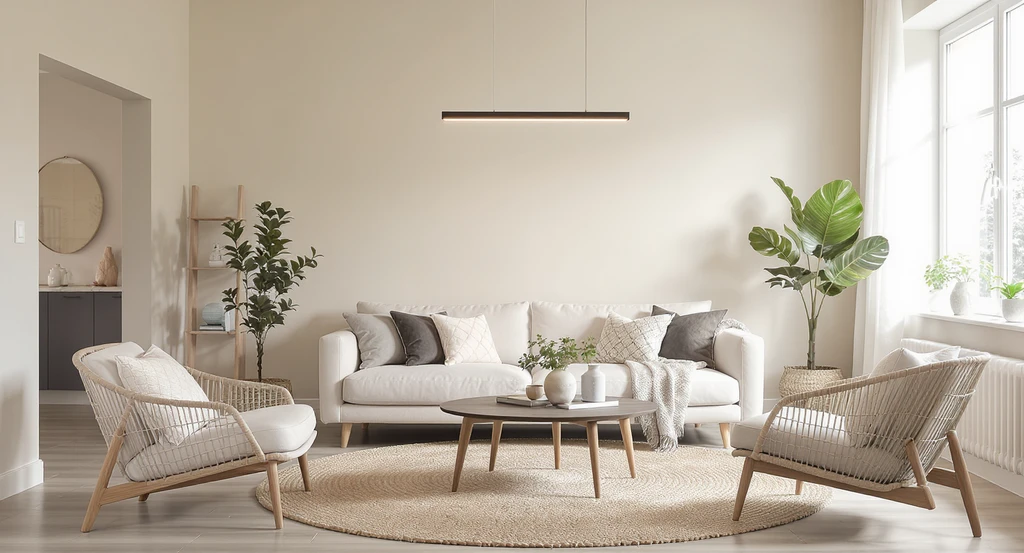
Struggling to picture possibilities? This realistic living room illustrates common decor mistakes—perfect for how to visualize home decor changes, interior design tips for aphantasia, and furniture layout ideas if you can’t picture it.
Many people finish decorating, only to find their space still feels awkward or incomplete. Common issues, like mismatched rugs, one-note lighting, or cluttered surfaces, often hold a room back more than outdated furnishings. Before buying anything new, step back and analyze your space using a simple, tactical framework that puts correction and clarity first.
This guide introduces the 4-Layer Aesthetic Check, Layout, Light, Scale, and Texture, to help pinpoint common mistakes and apply quick, measurable fixes. You’ll find rules for rug sizing, lighting layers, and visual balance, plus clear steps and industry-backed guidelines (like the 60–30–10 rule for color). Expect practical corrections for a more polished, personalized home, no matter your room size or budget.
-
01. Why Your Room Still Looks Messy Even After Decorating

How to visualize home decor changes: Keeping surfaces clear, using closed storage, and grouping decor creates a cohesive, clutter-free living room.
Clutter is the most common barrier to a room that feels truly finished. Even one or two surfaces crowded with items, wires, or unnecessary decor will make the space look chaotic. This usually happens when there aren’t enough integrated storage solutions, or when old habits cause items to pile up over time.
Correction logic: Limit visible items to 3–5 per major surface. Use closed storage where possible and baskets or trays to organize what stays in sight, especially in living and dining areas. Regularly edit and group decor for a cohesive look, as outlined in our guide to cozy, cohesive living rooms.- Checklist: Clear all surfaces, isolate daily-use items, group decor thoughtfully.
-
02. Using Too Many Colors (Or None at All)
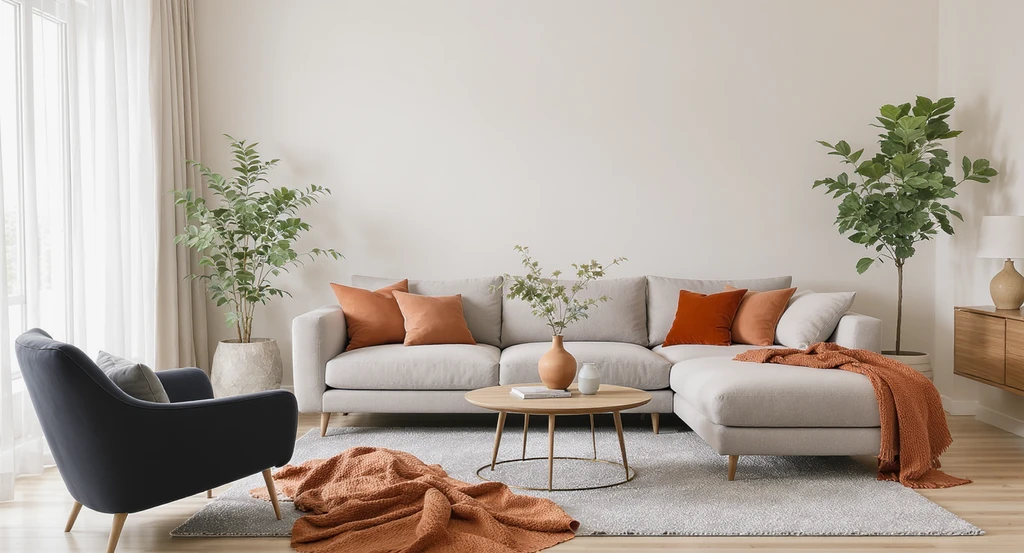
How to visualize home decor changes: See the 60–30–10 rule for interior design, with a balanced, color-zoned living room showing calm cohesion.
A room feels disjointed if you use more than three main colors or layer too many bold statements without a neutral anchor. Mismatched accents happen when purchases are made piecemeal, without a palette plan, or when trying to copy trends without considering existing furnishings.
Correction logic: Apply the 60–30–10 Rule. Make 60% of your space one neutral (walls/floor/large furnishings), 30% a secondary, softer hue, and 10% a single accent. Keep accent colors under 15% visual dominance for calm cohesion. For practical color zoning tips, see our advice for finishing neutral rooms. -
03. Blocking or Ignoring Natural Light
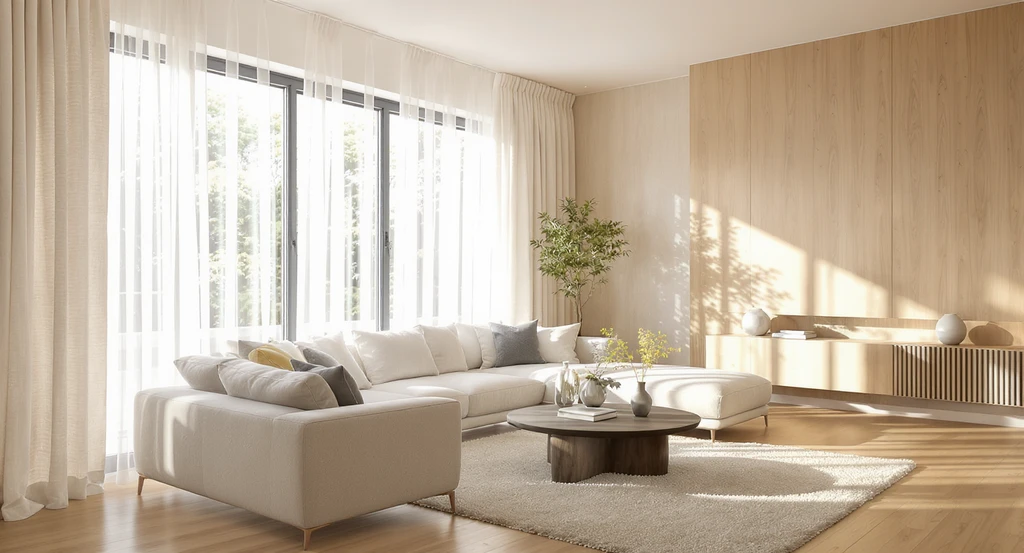
Maximize your home’s natural light by using sheer curtains hung high and wide and keeping furniture clear of windows. This photorealistic example shows how to visualize home decor changes and use interior design tips suited for aphantasia or anyone needing to see renovation changes before committing.
Heavy curtains, bulky furniture, or skipping window treatments altogether can restrict daylight, causing rooms to feel smaller and less welcoming. This mistake often occurs when people default to inherited drapes or position furniture for convenience rather than flow.
Correction logic: Hang drapes high and wide, choose sheers or light fabrics, and move large pieces away from windows. Never block natural light with storage or TV units. Align treatments for uniformity. Window light is central; maximize it for a brighter, larger-feeling space. -
04. Rugs That Are the Wrong Size (and Shrink the Room)
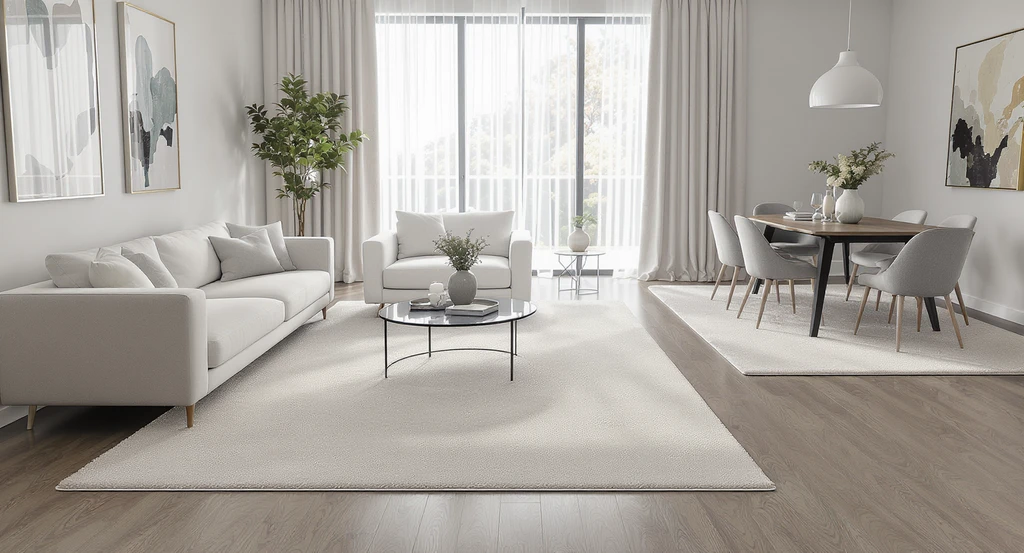
Undersized rugs in living and dining rooms disrupt space unity and make rooms feel cramped. This example shows how to visualize home decor changes and highlights interior design tips for aphantasia and layout planning before committing to renovation.
A common error is buying a rug that’s too small, often for budget reasons or due to store limitations. Undersized rugs chop up the floor visually, making the room lose unity and feel cramped.
Correction logic: In living rooms, rugs should be at least 8'x10' (or large enough to fit under all main seating legs by at least 6"). For dining rooms, the rug needs to extend at least 24" beyond the table on all sides so chairs stay on the rug when pulled out. Following these standards prevents visual fragmentation. For detailed sizing and placement, review our guide on dining room rug selection.- Quick Test: If any seat sits off the rug, it's too small.
-
05. Relying on One Ceiling Light (Flat Lighting Trap)
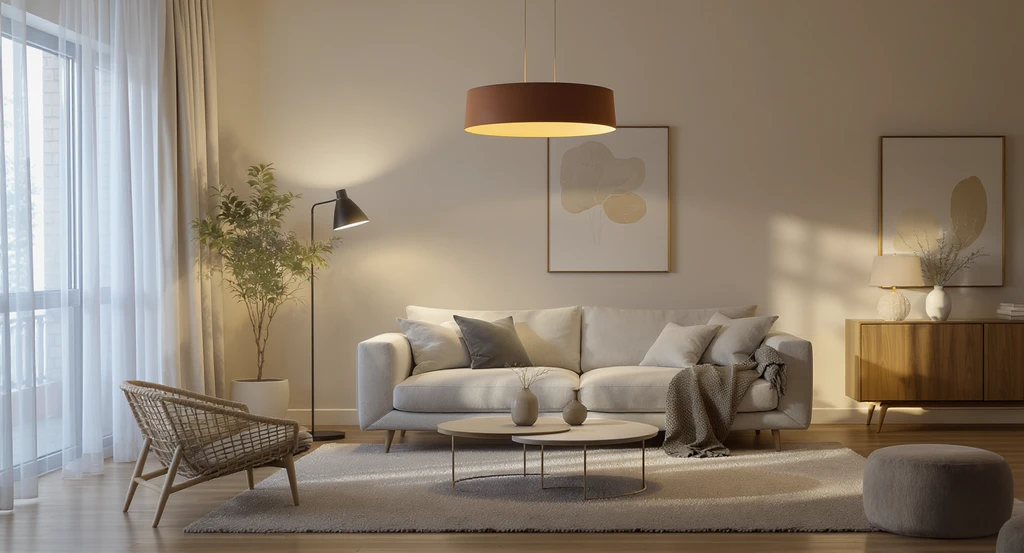
Layering ceiling, floor, and table lamps at different heights helps visualize dramatic home decor changes and enhances interior design instantly.
Overhead lights alone leave shadows and make rooms look flat or harsh. This happens when task or accent lighting isn’t considered, especially in small apartments or rental homes.
Correction logic: Use at least three light sources, ambient (overhead), task (reading, cooking), and accent (table lamps, wall sconces, picture lights). Place these at different heights to add depth and adjust brightness as needed. According to industry standards, every major room benefits from layered lighting. See our living room finishing tips for lighting approaches. -
06. Hanging Art with No Sense of Scale or Anchor
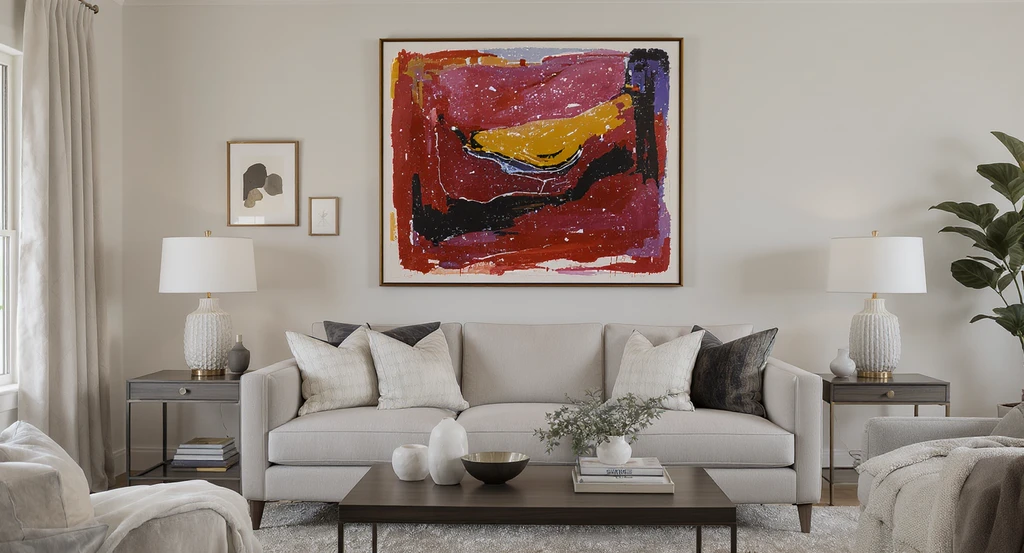
See how the right art placement anchors a living space—large artwork at eye level and a perfectly spaced gallery wall create intentional visual focus. Interior design tips for aphantasia and home decor changes you can picture before committing.
Art is another spot where size and placement are often misjudged. Hanging small frames too high or scattering pieces randomly creates a sense of floating clutter instead of visual focus. This issue is common when art is an afterthought, not integrated into layout planning.
Correction logic: Hang principal artwork at 57'' to the center from the floor (the accepted average eye level). Group smaller pieces into a grid or gallery wall, keeping spacing 2–3 inches. Bold, right-sized art over sofas, dining tables, or beds becomes a focal anchor, see more on optimizing gallery wall placement in our furniture layout guide. -
07. Forgetting to Mix Textures and Materials
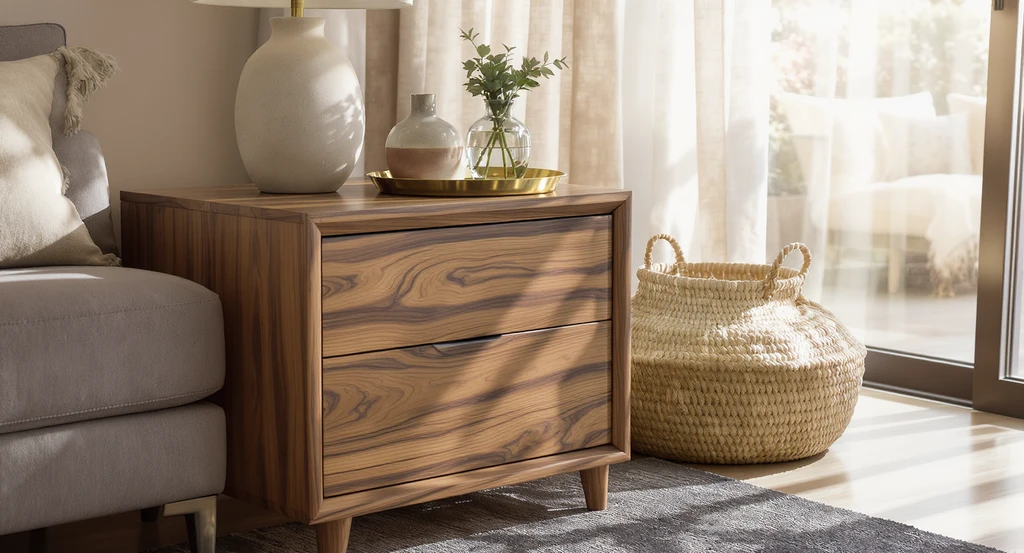
Interior design tips for aphantasia: See how mixing a wool rug, linen sofa, and ceramic lamp instantly adds home decor contrast and depth.
Many rooms feel sterile or “flat” when all materials are similar, think all-wood, all-fabric, or only plastics and metals. This happens when trying to simplify costs or stick to a minimalist look without layering. The result is a lack of depth and tactile interest.
Correction logic: Layer at least three textural elements in each zone (e.g., textiles, metal, wood, woven, glass). A wool rug, linen cushion, and ceramic lamp quickly add necessary contrast and warmth, as discussed in our living room styling strategies. -
08. Ignoring Plants and Vertical Variation
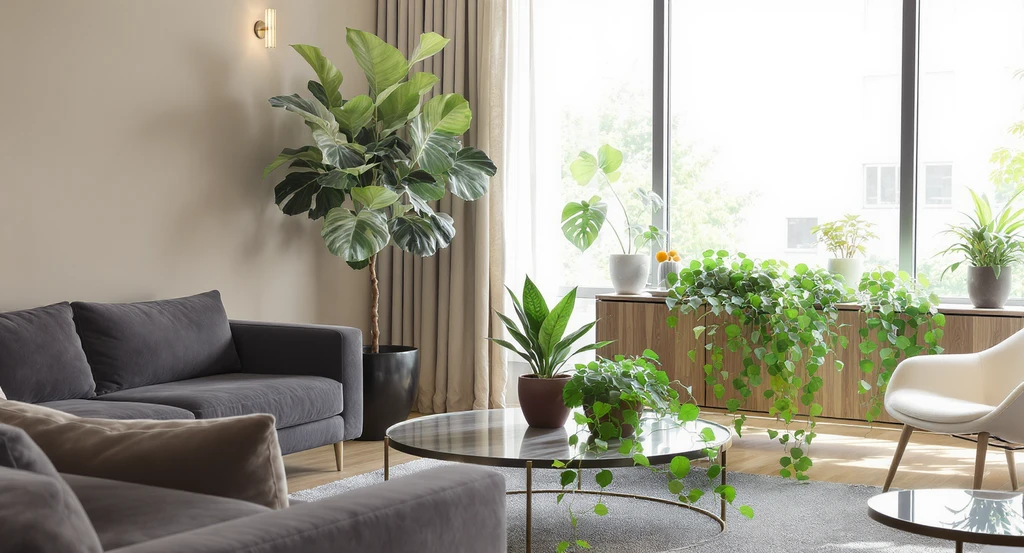
Showcasing how to visualize home decor changes: Layering tall floor plants with lower tabletop greenery adds vertical interest and balance, perfect for interior design tips for aphantasia or furniture layout ideas if you can’t picture it.
A room with nothing green, or only low arrangements, misses an easy chance to boost freshness and balance. Limited plant selection or everything at one height creates a static, visually compressed space.
Correction logic: Mix floor plants (for corners or behind sofas) with tabletop options. Pair low-maintenance species with tall, structural greens to draw the eye upward. Use at least two heights per room, aligning with windows for light. This establishes both vertical balance and visual energy. -
09. Failing the "Purposeful Vignette" Test
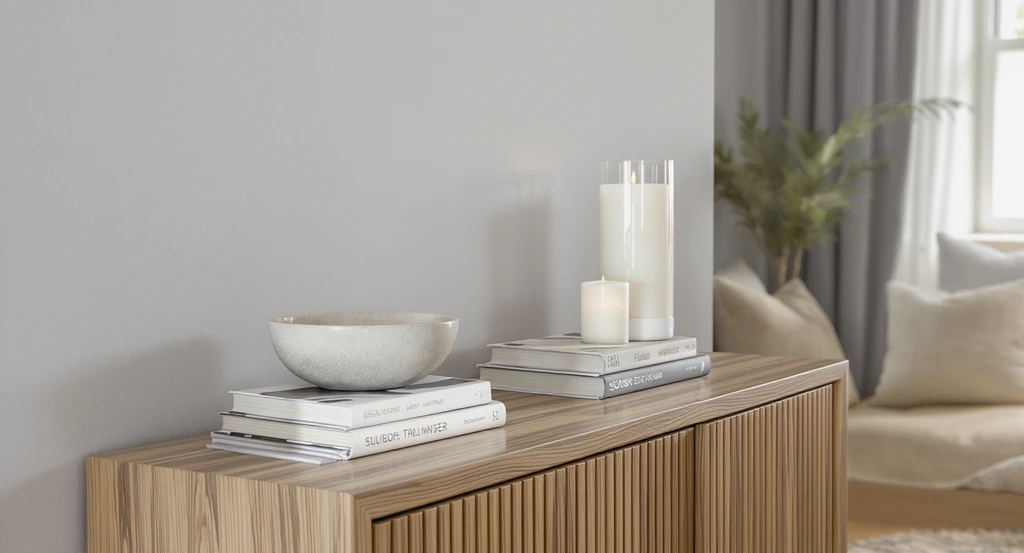
A well-composed vignette using a bowl, books, and candle demonstrates how to visualize home decor changes and interior design tips for aphantasia.
Surfaces that are either barren or overloaded lack intent. Styling only feels complete when grouped in odd numbers with varied heights, colors, and materials. Many people skip this, leaving spaces that are either impersonal or cluttered.
Correction logic: Group items in threes or fives, mix heights (tray, stack of books, bowl), and echo palette or materials from elsewhere in the room. Use a signature scent (candle, diffuser) to layer in personality. For open layouts, repeat a visual cue across connected rooms for unity. Read more about finishing details here. -
Design Standards Snapshot: The 4-Layer Aesthetic Check
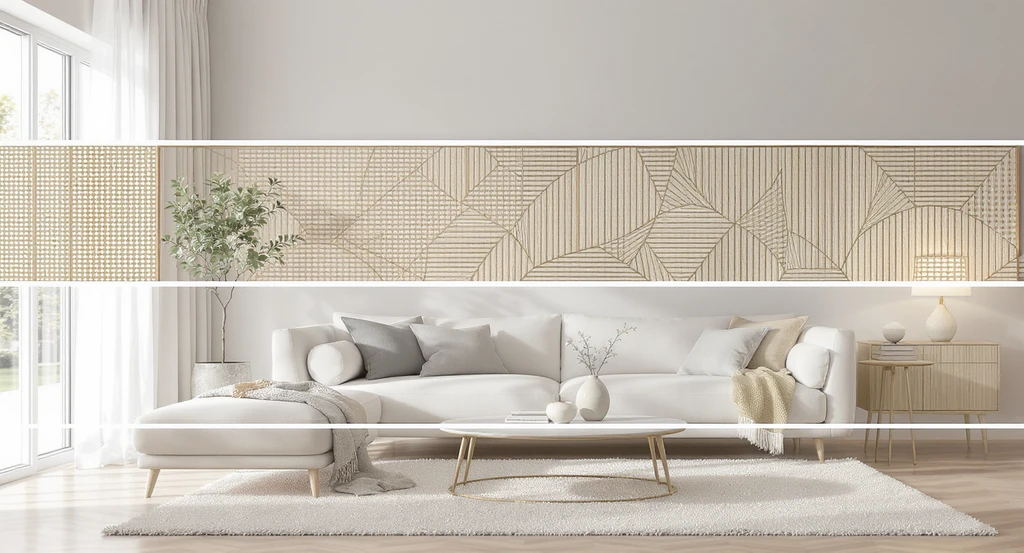
Design Standards Snapshot: The 4-Layer Aesthetic Check Image
Apply this quick framework in any room:
- Layout: Clear entryways, avoid blocking windows, give seating space to breathe.
- Light: Minimum 2, preferably 3 types, overhead, task, accent.
- Scale: Rugs sized to fit under all furniture; art hung at 57'' center; table lamps around 26-30'' high.
- Texture: Mix at least three types, soft, hard, and natural. for depth and comfort.
-
Quick Fix Summary: Mistake → Correction → Visual Impact
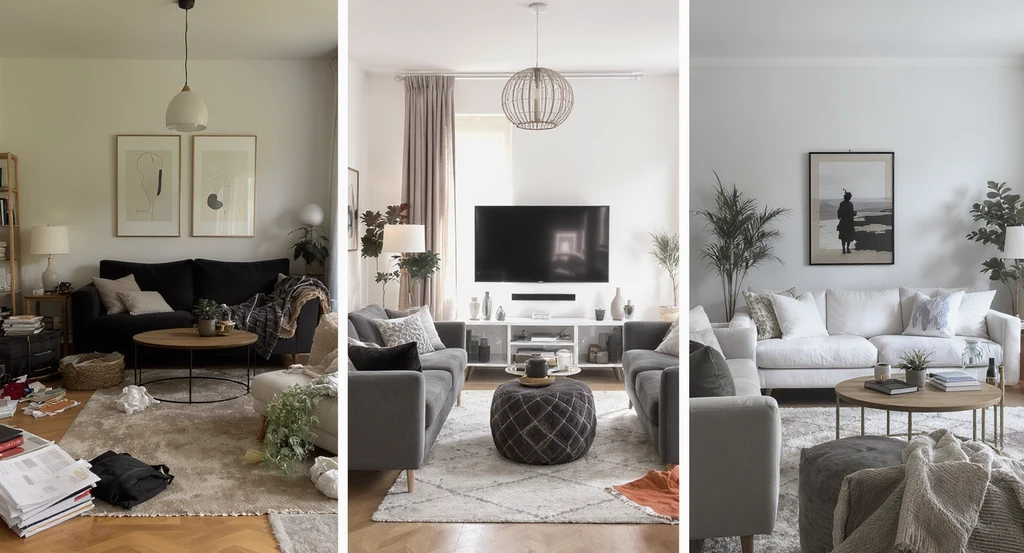
Quick Fix Summary: Mistake → Correction → Visual Impact Image
Mistake Correction Impact Cluttered Surfaces Limit to 3–5 items, use storage Calmer, finished look Too Many Colors Apply 60–30–10 rule Unified, relaxed aesthetic Blocking Windows Move furniture, use sheers Brighter, bigger feel Small Rugs Minimum 8'x10', all legs on Greater sense of proportion One-Light Rooms Add 2 supplementary sources Layered, inviting lighting Tiny or Off Art 57'' center, group pieces Visual anchor, style Flat Materials Mix 3+ materials/textures Depth, warmth added No Plants/No Height Use tall and small greenery Vertical dynamism Empty or Crowded Vignettes Group odd numbers, vary heights Intentional, polished finish
FAQ: Practical Room Correction Answers
- How do I make my living room look expensive on a budget?
- Start by decluttering, adding layered lighting, and using a consistent color palette of neutrals and one accent. Large, well-placed art also helps.
- Why does my rug always look too small?
- If the rug isn’t at least 8’x10’ in a living area or doesn’t extend 24" past dining chairs, it’ll look undersized. Learn precise sizing in our rug guide.
- How many lights should a living room have?
- Ideally, use three: overhead (ambient), one task, and one accent source. Layer at different heights for best effect.
- Why does my space still feel flat after redecorating?
- Rooms lacking texture—from all similar materials or finishes—often feel lifeless. Mix in wood, textiles, baskets, and at least one plant.
- How do I avoid buying decor that doesn’t fit?
- Measure main pieces and preview layout before purchasing. Check furniture clearances and follow guidelines for rug and art sizing, as explained in our layout planning guide.
Apply These Corrections, Room by Room, For Instant Improvement
A realistic, inviting home is built through simple but deliberate corrections, not sudden overhauls. Focus on one layer at a time: clear clutter, balance your palette, enlarge your rugs, and add purposeful lighting. Before making purchases, check each item through the 4-Layer Aesthetic Check and reference our linked guides to avoid setbacks. Apply just two or three of these fixes in your most-used room, and you’ll see and feel the difference almost immediately.