9 Practical Fixes for Reading Nooks That Actually Get Used
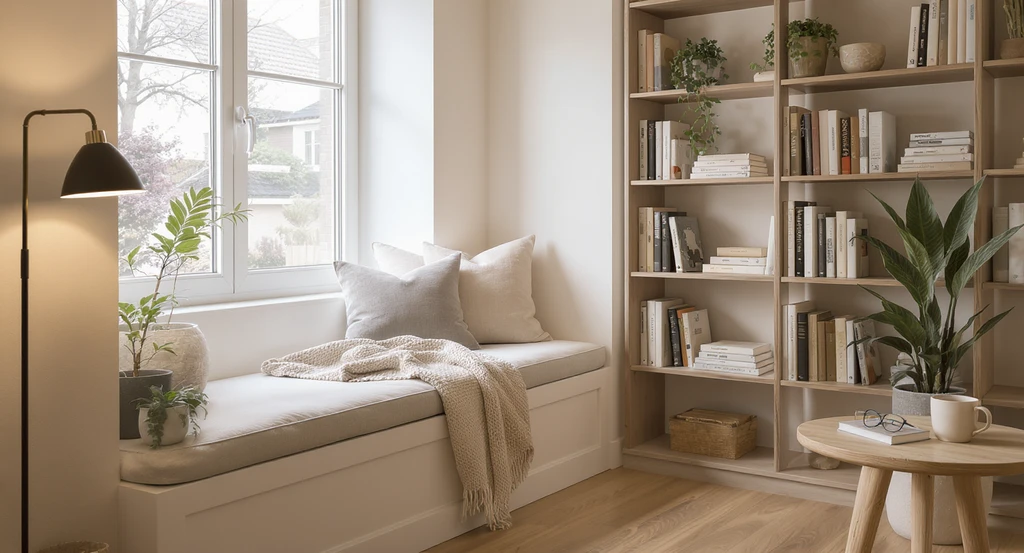
TL;DR
A successful reading nook is about comfort, quiet placement, effective lighting, and simplicity, not just great style. Avoid common pitfalls by choosing truly supportive seating, layering lighting, and using minimal, focused surfaces. Prioritize real use over décor to create a reading corner that’s actually lived in.
Why Most Reading Nooks Photograph Well But Don’t Get Used
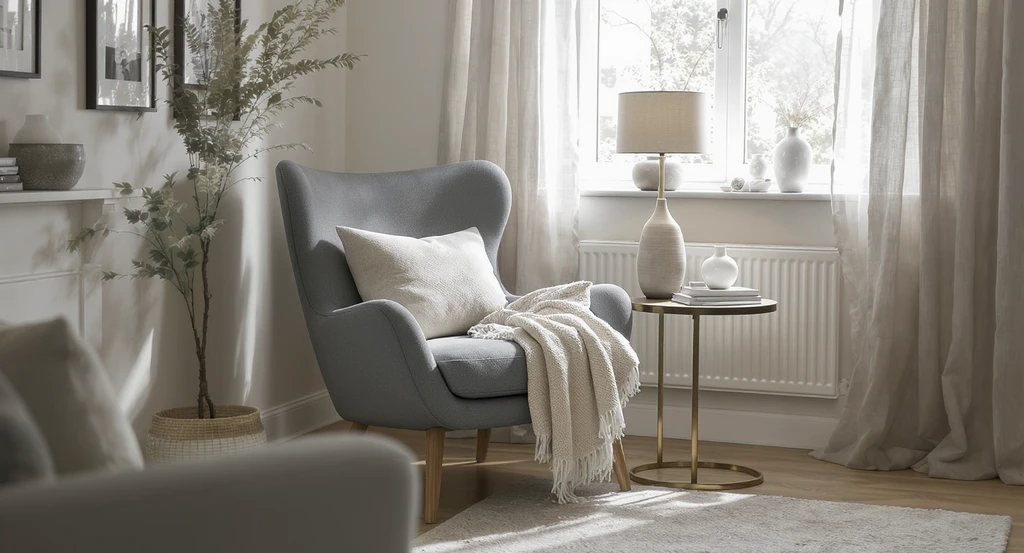
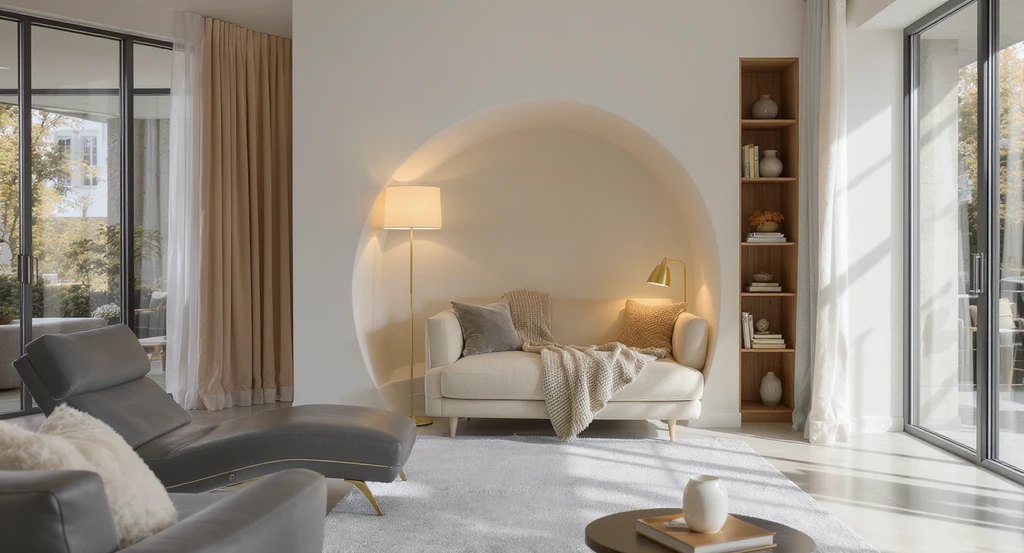
A beautifully styled reading nook in a living room corner shows how the lack of supportive seating and proper lighting can impact daily use. Discover how to create a functional reading nook with the best lighting, practical seating options, and ideas for minimizing distractions in a reading corner.
Reading nooks look dreamy in photos. But when it comes to daily life, most of these inviting corners sit empty. The culprit isn’t your taste in décor, it's a disconnect between styling and usability. Designers and stagers notice that the nooks people actually use prioritize comfort, lighting, placement, and restraint over pretty accessories and trendy chairs. Why do so many reading nooks fail in practice? The answer is function. Supportive seating, proper lighting, minimal clutter, and true separation from noisy or distracting areas are all essential. Without them, even the coziest-looking nook becomes wasted space. In this guide, we’ll break down nine practical fixes (inspired by lessons from living room corners, layout guides, and sunroom libraries) to create a reading nook that truly works for everyday reading and relaxation.
-
1. Define the Purpose First, Before Buying Anything
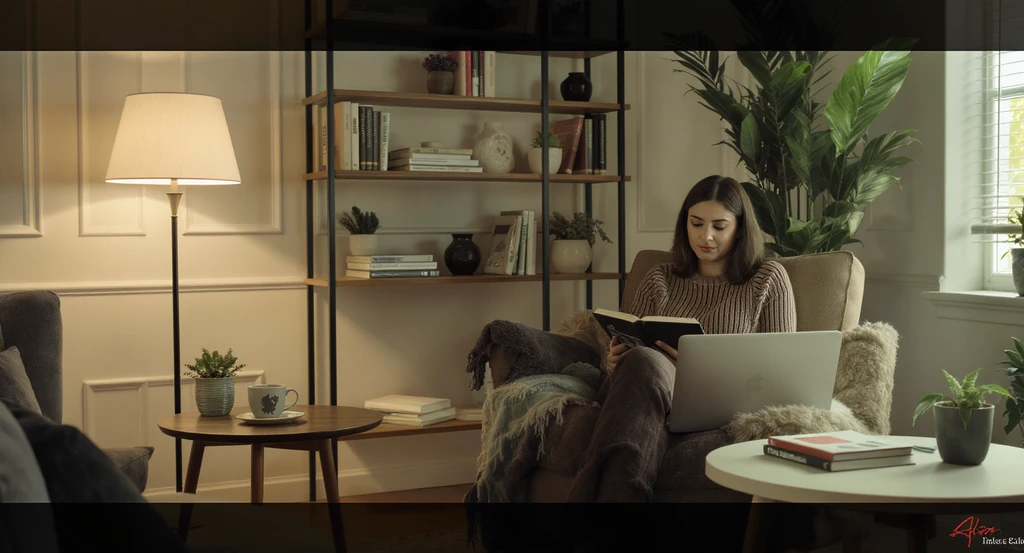
1. Define the Purpose First, Before Buying Anything Image
Jumping into furniture shopping is a common pitfall. Many nooks fail because they’re designed for looks instead of real use. Decide upfront: is this for your short daily reading burst, weekend lounging, or deep, immersive sessions? The answer shapes your seating, layout, and lighting needs. As we explored in our sofa sizing and layout guide, leading with use, not just style, ensures every component supports your routine. If you don’t know the purpose, the nook almost always feels off and gets ignored.
-
2. Pick the Right Location (Function Over Looks)
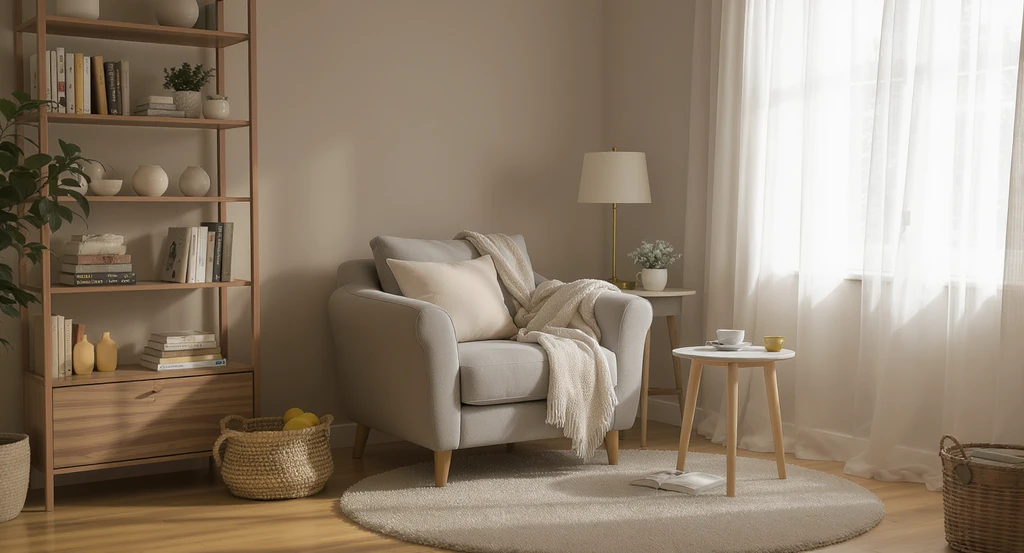
The best lighting for a cozy reading nook and supportive seating options for small nooks come from prioritizing quiet corners with natural light, keeping distractions to a minimum.
The prettiest corner is rarely the best. Effective reading nooks sit away from TVs, walkways, and noisy spots, tucked into window alcoves or bedroom corners where distractions are minimal. Filling empty floor space just for visual balance is a common pitfall, as discussed in our guide to empty living room corners. Instead, prioritize natural light, quiet, and some level of separation—even if it means moving the nook away from a picture-perfect spot.
-
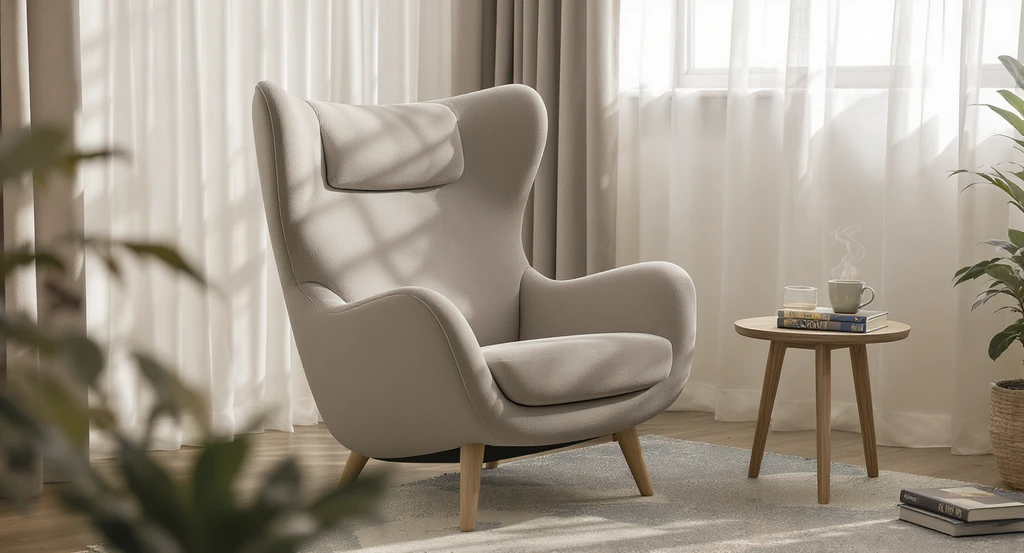
3. Prioritize Supportive Seating, Not Decoration
3. Prioritize Supportive Seating, Not Decoration Image
Ask yourself: would you happily sit here for 30–60 minutes? Choose a chair or chaise with real back support, armrests, and enough seat depth. Chaise lounges are popular, but only fit if you have enough entry space, at least 30 inches clearance (see our furniture arrangement guide). Test your options in person. Comfort trumps visual appeal every time; beautiful but unsupportive chairs will doom your nook to disuse.
-
4. Get Lighting Right, Layer for Day and Night
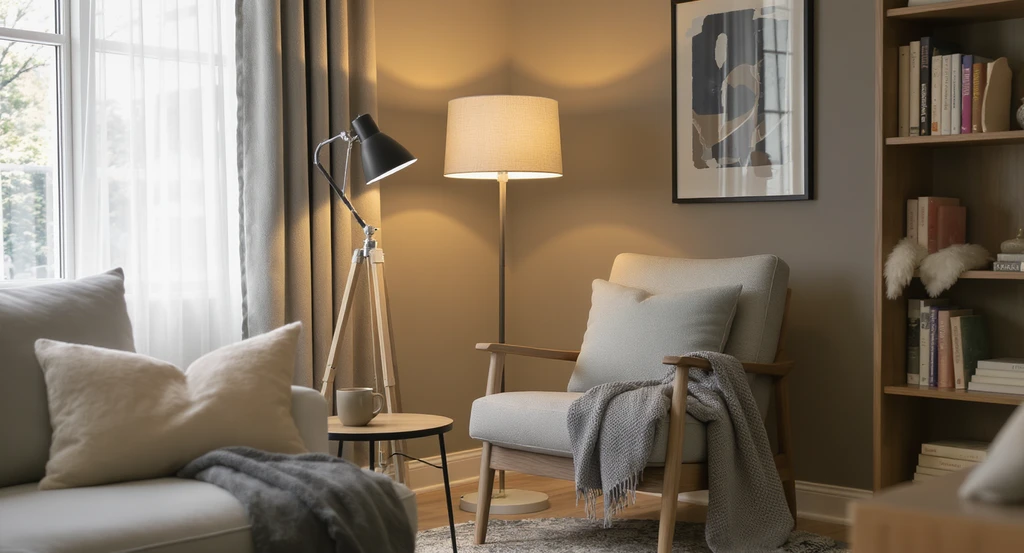
How to create a functional reading nook with the best lighting: combine a supportive chair, layered lighting for cozy reading, and minimal distractions.
Lighting is the number one functional failure point. Relying only on natural light means your nook gets abandoned at sunset; overhead lights create harsh glare. Layer natural light with a task lamp (floor or wall-mounted) at shoulder height and choose warm bulbs (2700–3000K). Refer to our LED accent lighting guide for tips on avoiding eye strain and glare while keeping the atmosphere warm and inviting. Test your lighting at real reading times, not just in midday sun.
-
5. Limit to One Functional Surface, No More

5. Limit to One Functional Surface, No More Image
More tables mean more clutter. Restrict the nook to a single, usable surface like a petite side table or wall-mounted ledge, just enough for a book, your coffee, and glasses. Skip baskets and extra shelves, which encourage a build-up of stuff. In tricky layouts, wall-mounted options work especially well (and echo strategies we’ve used to resolve awkward living room corners).
-
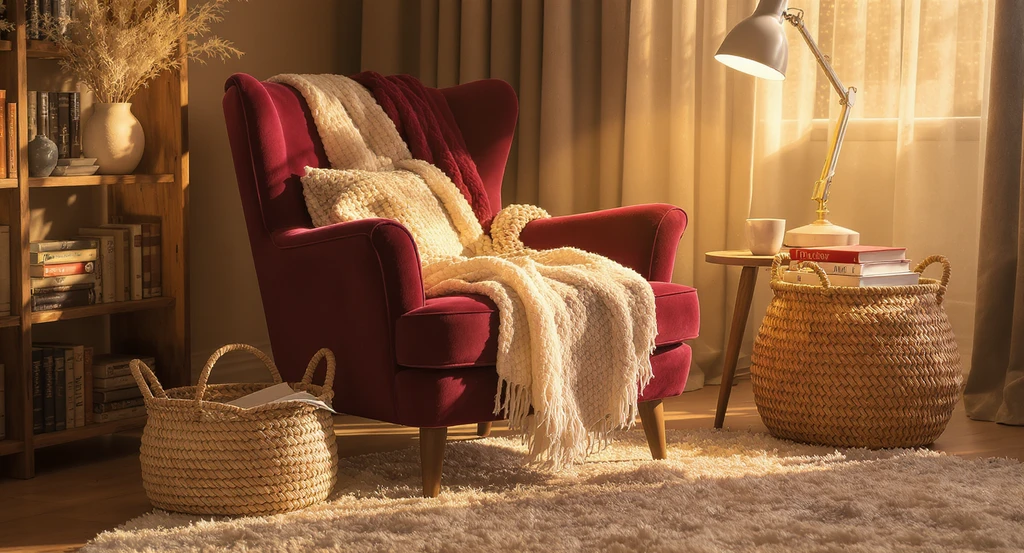
6. Layer Texture for Cozy Comfort, Not Just Color
6. Layer Texture for Cozy Comfort, Not Just Color Image
“Cozy” comes from what you touch, not how many colors or patterns you stack. Stick to a tactile throw, a plush cushion, or a soft rug underfoot if it’s open to the room. Mixing too many patterns only adds visual noise and undermines calm. If things feel busy, take one item away rather than piling on more, this also aligns with advice for styling awkward bedroom or sunroom nooks (sunroom reading retreat ideas).
-
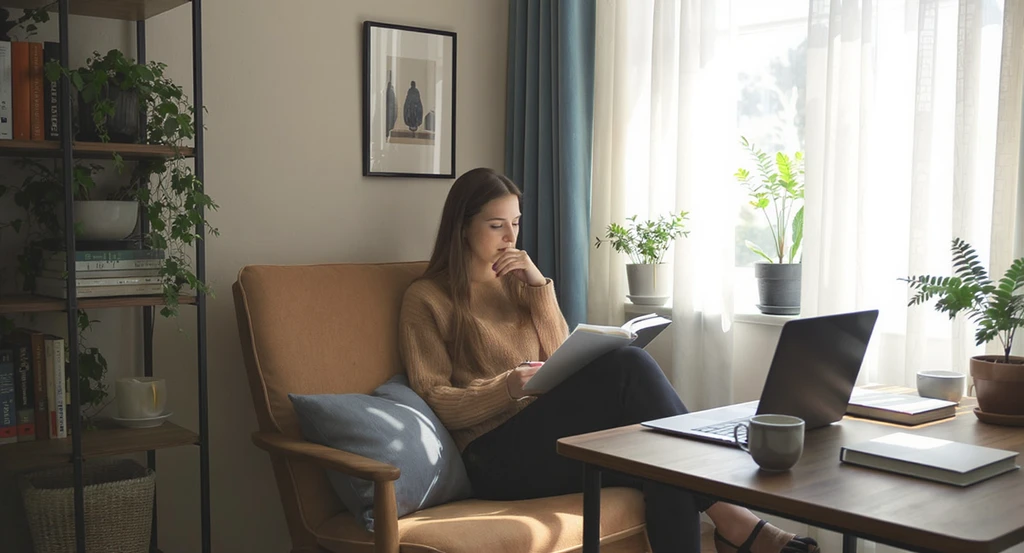
7. Position Your View for Focus and Calm
7. Position Your View for Focus and Calm Image
Visual distractions wreck focus. Don’t face your nook toward TVs, cluttered shelves, or bright gallery walls. Instead, orient to a window, a neutral wall, or a single piece of calm artwork. According to advice in our living room corner decorating guide, your eyes need a clear, restful landing spot for both comfort and mental quiet.
-
8. Visually Separate the Nook, No Actual Walls Needed
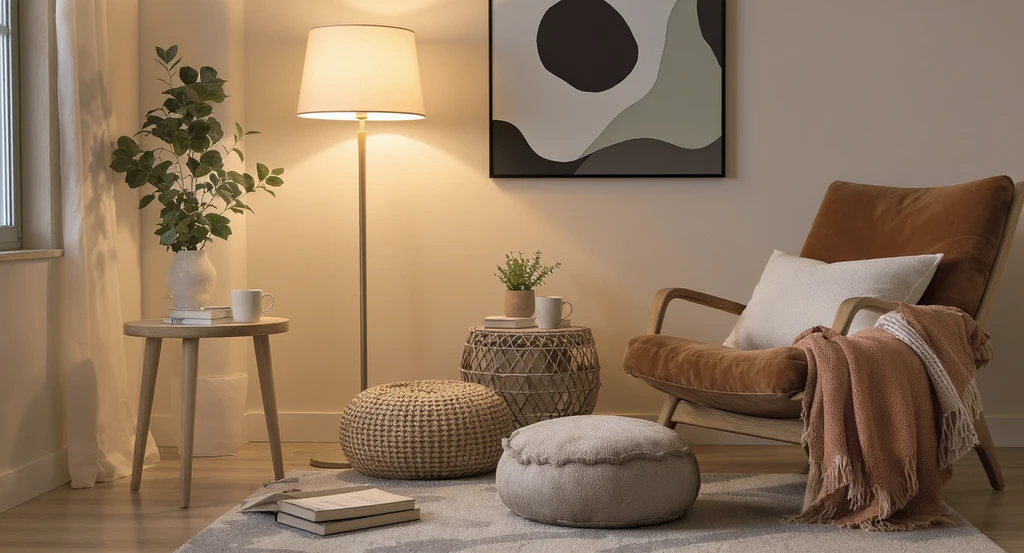
How to create a functional reading nook: Visually zone a cozy corner using a rug, floor lamp, supportive seating and bookshelf—no walls needed. Discover the best lighting and supportive seating options for small nooks to minimize distractions in a reading corner.
Use subtle signals to define your nook: a rug under the chair, a tall floor lamp, the back of a chaise, or a low bookshelf edge. These anchors provide a sense of “zone” without needing physical dividers, making even small apartments feel larger and purposeful (see layout and furniture arrangement strategies).
-
9. Edit Accessories Ruthlessly, Style Last, Not First
9. Edit Accessories Ruthlessly, Style Last, Not First Image
A reading nook is not a display shelf. Keep only what supports your reading. One or two meaningful objects max, a single framed photo, a favorite candle. If it doesn’t contribute to your restful retreat, take it out. Editing is vital for calm, as echoed in our advice on making the most of awkward corners and cluttered sunrooms. The less you “need,” the more often you'll actually use the space.
-
Edge Cases: Rentals, Small Studios, and Shared Homes
Edge Cases: Rentals, Small Studios, and Shared Homes Image
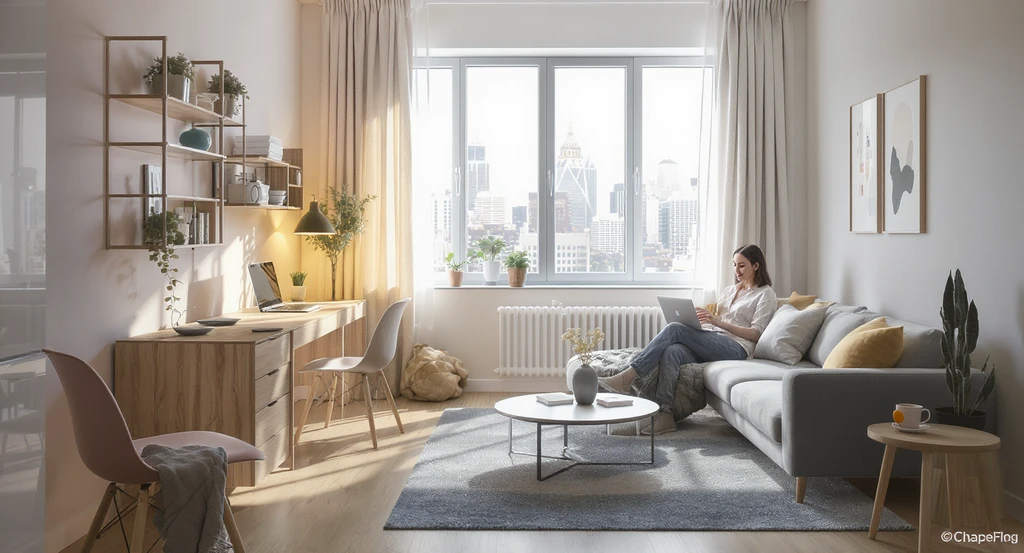
If you rent, use portable lights and chairs; wall-mount with no-drill ledges. In small studios, rugs and lighting can visually separate your nook. Shared homes? Avoid noise zones. Adapt these principles, don’t abandon them, to match your limitations and lifestyle.
-
Checklist: Know Your Reading Nook Works
Checklist: Know Your Reading Nook Works Image
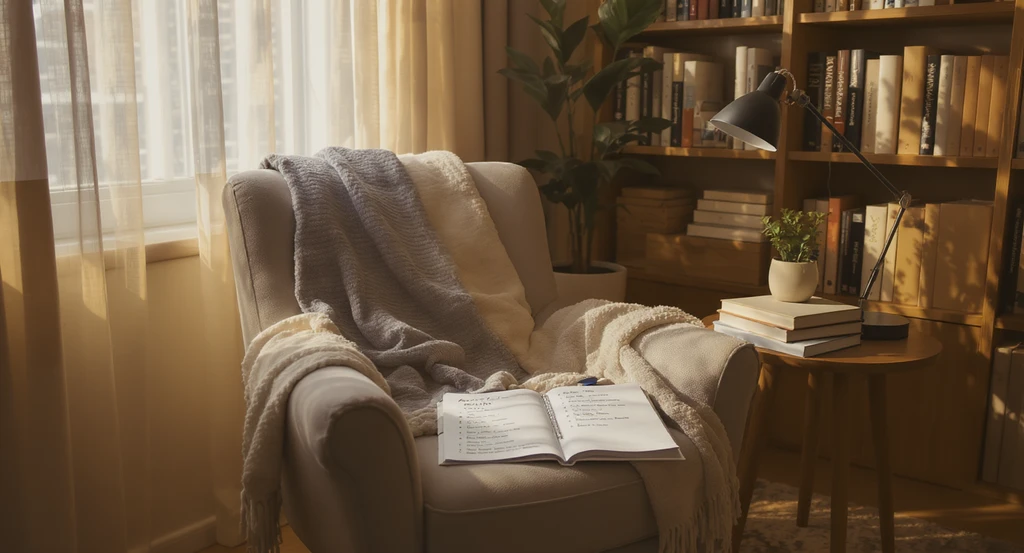
- You settle in for 30+ minutes without discomfort - Lighting is layered: no harsh glare, no deep shadows - There’s just one functional surface - Minimal noise and little visual distraction - The nook feels intentional, not “just filled”
Frequently Asked Questions About Reading Nooks
What is the minimum space needed for a reading nook?
Just 3x3 feet is enough—a single, supportive chair, a light source, and a small table will work. Smart placement and purposeful choices matter more than size.
Can I set up a cozy reading nook in a small apartment?
Absolutely. Corners of bedrooms, by a window, or even a hallway can work when you clearly define the space with a rug or lighting. For advice, see tips for making the most of awkward corners.
Are chaise lounges a good fit for small reading nooks?
They can be if you have at least 30 inches of entry space. Always check the scale before committing, as explained in our furniture layout guide.
Is special lighting required for reading nooks?
Layered lighting is essential. Rely on both natural and adjustable task lighting for day and night comfort. Learn how to avoid glare and eye strain in our LED accent lighting advice.
Final Takeaway: Function Before Styling, Always
A reading nook isn’t just a spot for pretty photos. True daily use comes from comfort, light, placement, and restraint, never just from a well-styled vignette. If you lead with how your body rests and mind focuses, the space will feel like a retreat every time you visit. Incorporate lessons from related guides on empty corner solutions, furniture scale, and layered lighting for a nook that actually gets used—and loved.