6 Foundational Rules for Furnishing an Empty Room from Scratch: The Priority Sequence Model
TL;DR
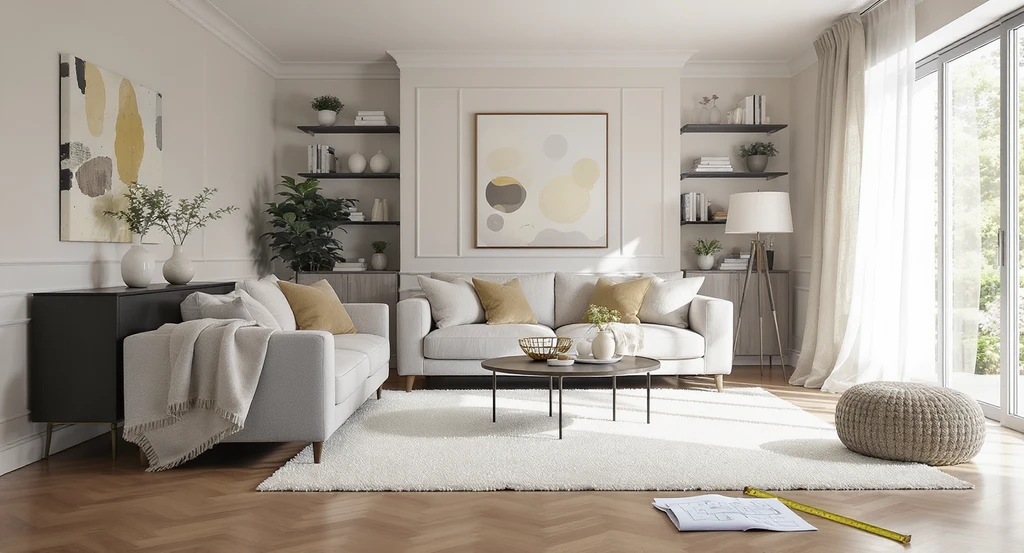
Furnishing an empty room can be overwhelming when needs, proportions, and style are unclear. The Priority Sequence Model organizes decisions into six concrete steps: function, anchor, adjacency, style, sequence, and visual testing. This structure ensures every choice connects to both space and use, reducing errors and regret.
A Systematic Approach to Starting from Zero
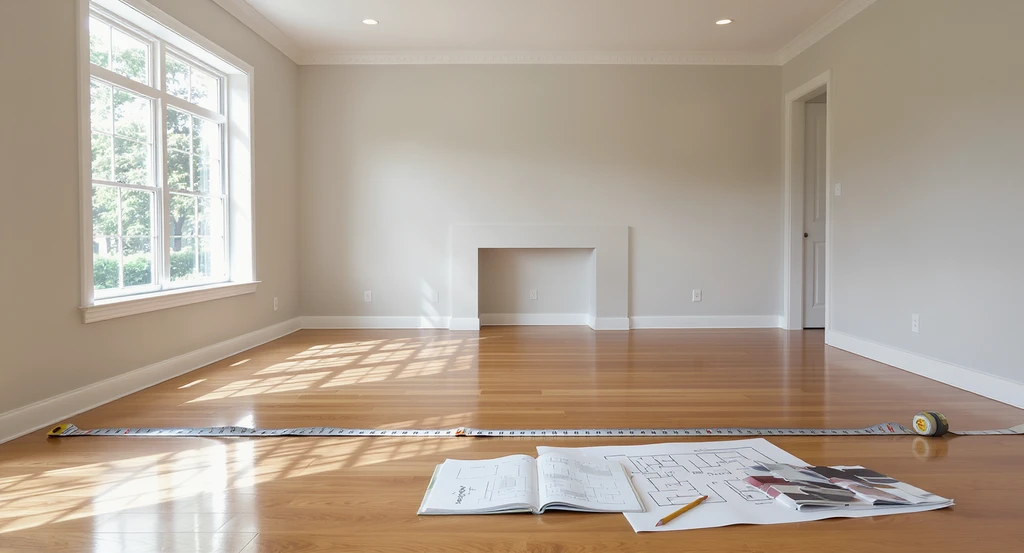
Wondering how to furnish an empty room from scratch? Start with a step by step guide to room design, creative ideas for empty living room spaces, transforming awkward room layouts, and deciding what furniture to buy for open plan rooms.
Most design frustration comes not from lack of taste, but from unstructured decision-making at the beginning. Standing in an empty room, the stakes feel high and every purchase seems like a risk. To improve decision clarity and reduce future regret, you need a method that sequences decisions according to spatial logic and practical needs—not just personal style inspiration. This article introduces the Priority Sequence Model, a repeatable framework for furnishing any empty room from scratch. The structured sequence builds confidence, reduces mismatches, and minimizes psychological stress in both open-plan and awkward layouts. Every rule connects spatial reasoning to actionable steps.
-
01. Prioritize Essential Function First
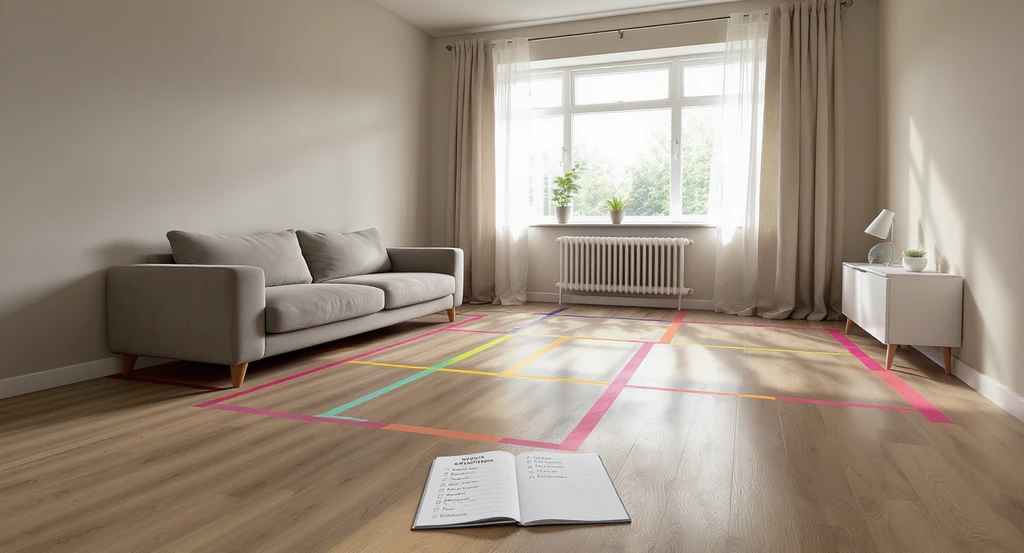
How to furnish an empty room from scratch: define primary functions and map activity zones before choosing furniture—a step by step guide to room design and transforming awkward layouts into functional spaces.
Every successful room begins with a precise definition of primary and secondary functions, not with a shopping list. Most design regret is linked to buying before clarifying core uses, leading to later layout conflicts and underused furniture. Define the room’s required purpose—sleep, work, reading, dining—before thinking about layout or style. In multi-use spaces, explicitly map each activity to a physical zone. When furnishing an empty room from scratch, this functional clarity prevents wasted space and supports confident investing. According to our living room decor guide for first-time homeowners, listing daily activities and needs anchors every further design choice.
Expert Insight
A couple moving from a one-bedroom apartment into a large home struggled with furnishing their empty guest room. By following a spatial-first model—mapping out primary function and anchoring with a sleeper sofa—they avoided the partial, piecemeal approach that left their previous rooms chaotic and unfinished.
-
02. Anchor with a Visual Weight Principle
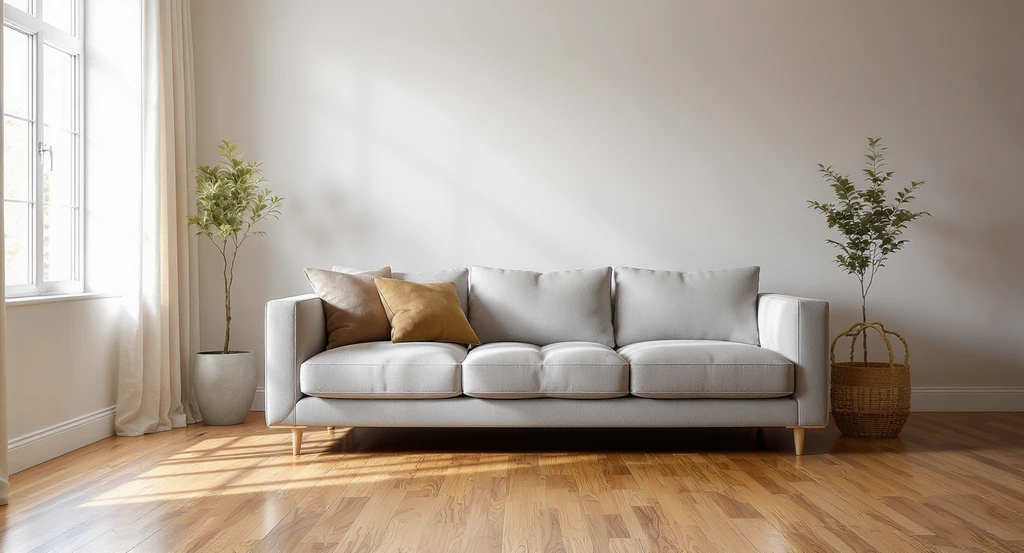
An ultra-realistic empty living room demonstrates how to furnish an empty room from scratch by anchoring with a sofa, showcasing creative ideas for empty living room spaces and a step by step guide to room design focused on visual weight principles.
The Visual Weight Principle: Start each room with one major furniture piece—the anchor—that sets physical and visual hierarchy. Most scale mistakes occur when secondary items arrive before the anchor, producing visual chaos. For living rooms, this is usually the sofa or sectional; in bedrooms, the bed. An anchor's placement influences flow, traffic, and sightlines. Choose a size and position that fit clearances (typically 30-36 inches suggested for primary walkways) and establish scale early. This approach prevents the fragmentation that often arises when starting with smaller items or fillers.
-
03. Sequence Adjacency: Map Pathways Before Layers

How to furnish an empty room from scratch: use blue tape to map clear walkways and chalk outlines for planned furniture, a creative step by step guide for transforming awkward spaces and ensuring functional room layouts before buying any furniture.
Layout flow depends on walkways and adjacency—never add secondary pieces until primary axes are confirmed. The safest layout rule is to leave unobstructed routes between entry points, windows, and focal elements, usually with at least 28-36 inches of clearance. Mapping movement first averts congested spaces and frustration later. For open-plan or awkward layouts, draw pathways on paper or in a digital tool before choosing accent or storage pieces. This method aligns with advice in our comprehensive room flow and sofa size guide, which details scale and clearances for each furniture category.
-
04. Apply the Adjacency-Contrast Matrix to Corners and Negative Space
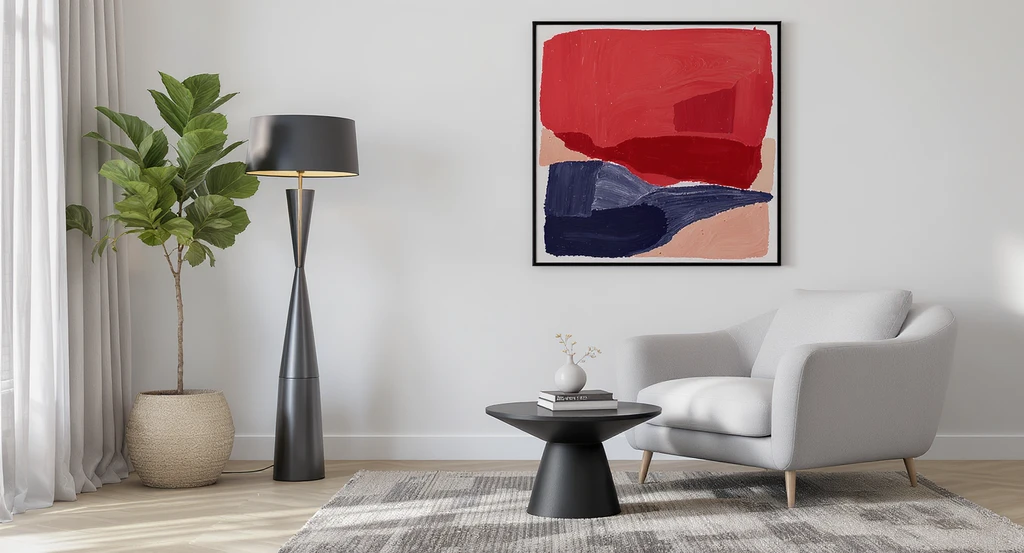
Applying the Adjacency-Contrast Matrix, this inviting room corner shows how to furnish an empty room from scratch by transforming dead zones into functional, visually engaging areas. A tall lamp, low armchair, and bold artwork demonstrate creative ideas for empty living room spaces and offer a step by step guide to room design.
The Adjacency-Contrast Matrix governs how to transform awkward corners or dead zones into assets. Never let empty corners default to afterthoughts: each should either enhance function (reading niche, storage) or provide a contrasting visual anchor (lighting, art, plant). The mechanism: strong contrast in scale (e.g., a tall lamp beside low seating), texture, or function gives corners intention and reduces the sense of emptiness. To avoid clutter, always opt for one substantial element over many small items—learn practical options for this in our corner decorating guide.
-
05. Sequence Style AFTER Function and Scale Decisions
Select style direction and color palette only after main furniture and layout are set, never before. Most costly mismatches happen when buyers fall for a trend piece before ensuring it fits anchor scale or pathway needs. If adjacent rooms are already decorated, harmonize materials and hues for visual logic, especially in open-plan homes. In a blank home, choose an inspiration piece that you relate to strongly, then map secondary purchases to this palette. This sequence—function, anchor, layout, then style—prevents discordance and emotional burnout. Maintain a visual record (mood board or digital folder) to clarify your vision as it develops.
-
06. Use Visualization Tools to Pre-Test Before Purchase
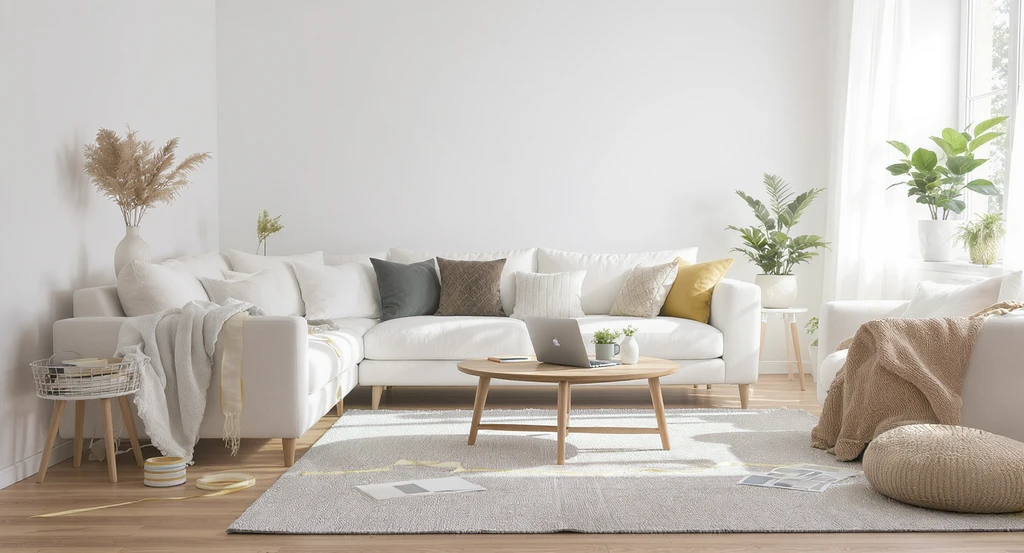
How to furnish an empty room from scratch—capture creative ideas for empty living room spaces with visualization tools like tape, sketches, and room planning software. This step by step guide shows what furniture to buy for open plan rooms and ensures functional, regret-free results.
The Pre-Commitment Visual Test: Always visualize (not just imagine) your proposed choices before buying. Sketch floor plans, use painter's tape, or leverage digital tools to preview arrangement and scale. Visualization exposes potential flow issues, disproportioned buys, or unexpected sightline clashes before they turn into permanent fixtures. For highest decision confidence, platforms like ReimagineHome enable spatial and style testing tailored to your real space, streamlining commitment while safeguarding against regret. Apply this test as the final step to ensure the spatial reasoning holds up under real-world conditions.
Visualization Scenario
Imagine standing in a vast empty room: painter’s tape outlines the bed, mock nightstands, and path to the window. On your tablet, you place and shift virtual chairs until every traffic flow aligns. Light changes hourly; color updates, furniture resizes, and the room slowly feels like it fits your uses before a single dollar is spent.
Frequently Asked Questions
- What is the most common mistake when furnishing an empty room?
- Buying accent pieces or decor before identifying the room’s functional needs and anchor furniture leads to layout and scale errors harder to fix later.
- How do I choose a style for a room that is a blank slate?
- Begin by selecting one inspiration object or image you truly relate to. Use this as a palette reference, but finalize style once function, main layout, and pathways are set for greater harmony.
- What is the recommended order for purchasing furniture?
- Start with anchor pieces (sofa, bed, dining table), then map secondary seating, main storage, and finally add accent tables and decor after major pathways are set and anchor scale is established.
- How can I preview a furniture layout before buying?
- Use tape on the floor, rough sketches, or spatial planning tools. Digital visualization platforms like ReimagineHome can test combinations and scale, minimizing errors.
- How do I treat empty or awkward corners?
- Assign intentional function or strong visual contrast—such as a single tall lamp or curated artwork—rather than cluttering with multiple minor decor pieces.
Summary: Structured Sequence Reduces Decision Fatigue, Maximizes Longevity
Furnishing an empty room is not a single leap but a layered process. Applying the Priority Sequence Model—function, anchor, adjacency, contrast, style, and pre-visualization—gives assurance at every stage. The structured reasoning behind each rule avoids common pitfalls such as scale mismatches, wasted purchases, and indecision paralysis. With these principles, design becomes measurable, adaptable, and uniquely personal.