When "Normal" Is Enough: Rethinking Expectations for Everyday Home Style
TL;DR
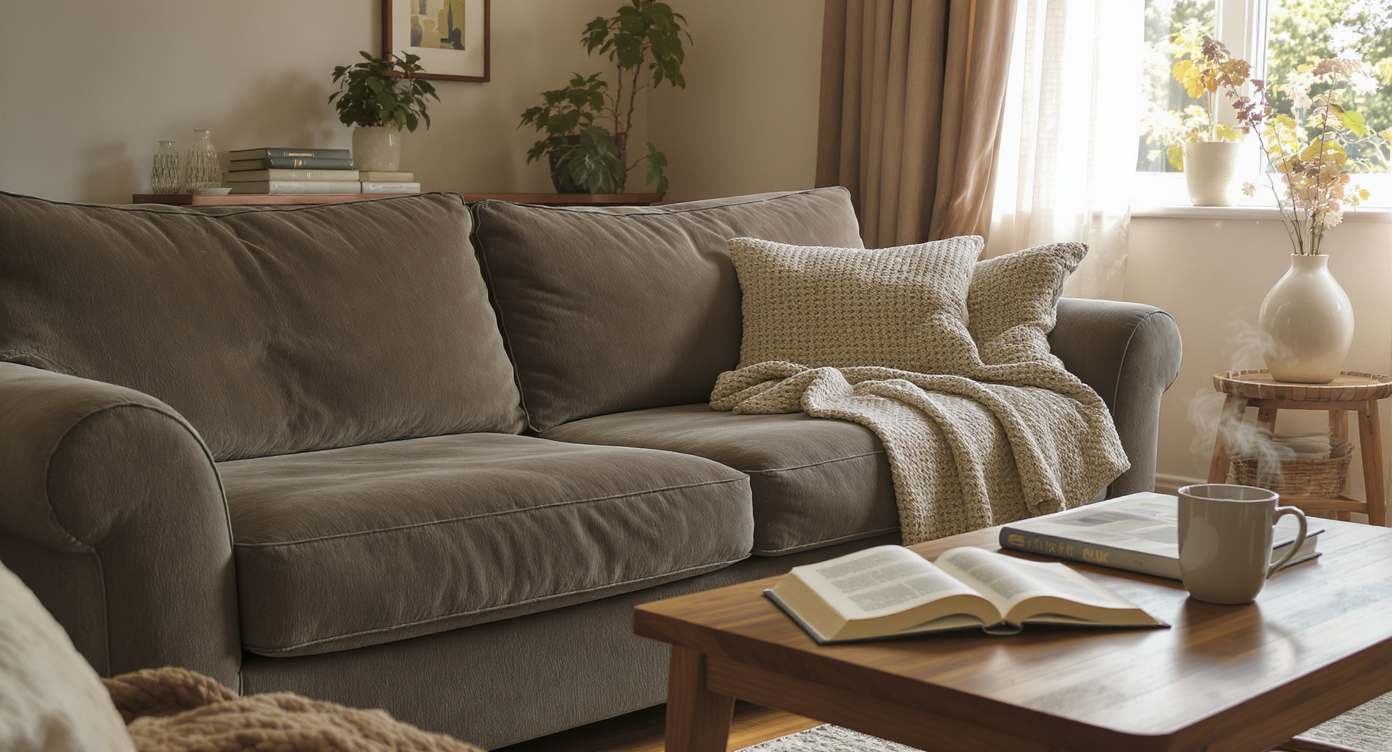
A home doesn't need to look like a showroom or reflect a trend to feel inviting and personal. Many people, especially renters or those with inherited furnishings, worry their space lacks personality or aesthetic flair. Yet, with thoughtful tweaks to lighting, layout, and personal mementos, any living space can become truly welcoming.
Embracing the Realities of Everyday Homes
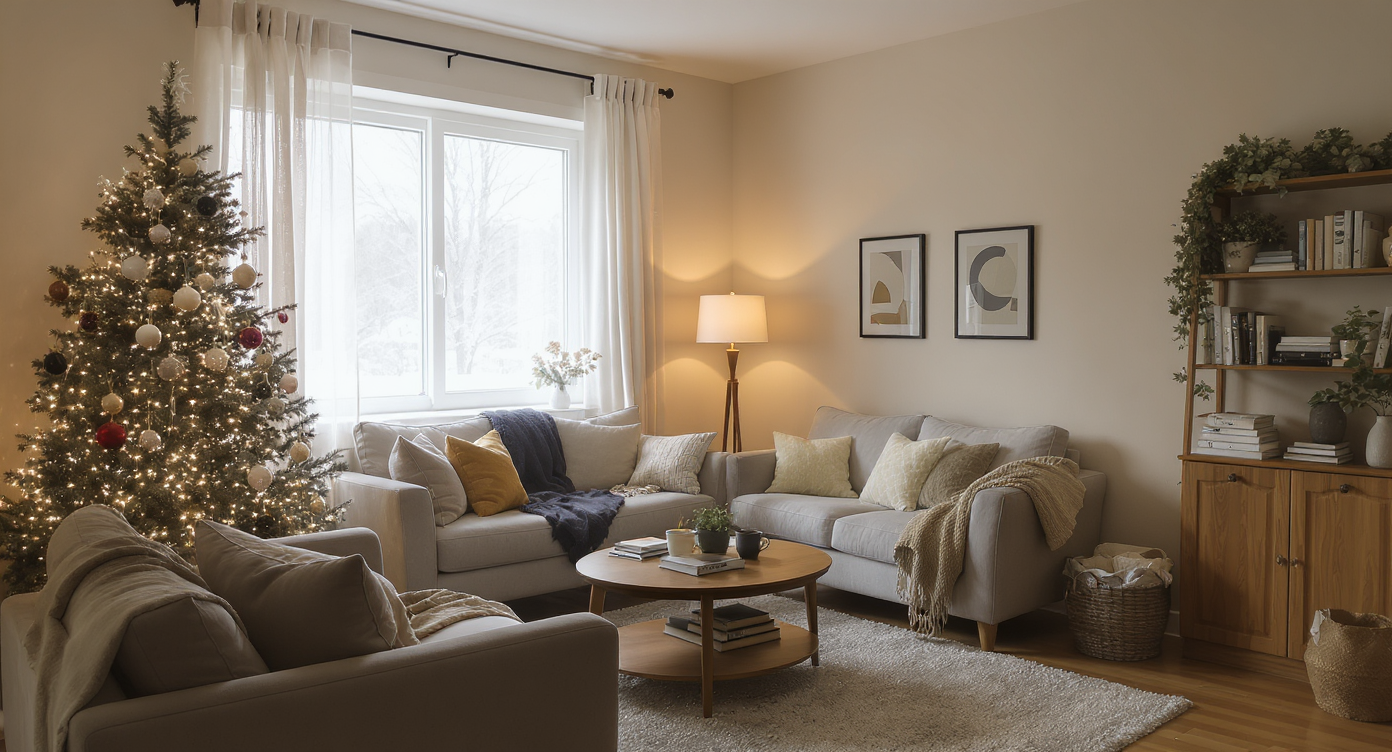
A lived-in apartment in early December with a bare Christmas tree, mismatched furniture, and practical lighting reflects authentic home comfort.
Walk into any typical apartment during the early days of December, and you might catch sights of an undecorated tree, borrowed furniture, and lighting that feels more practical than artful. For many, the expectation to have a home brimming with design intent or Instagram-worthy details feels perpetual. Yet, what if 'normal'—rooms that serve us, comfort us, and reflect the quirks of daily life—is more than enough? The idea that home style must align with societal or cultural assumptions can create self-doubt, when, in truth, a welcoming environment often comes from authenticity, not perfection. The internet is awash with discussions where people confess to missing the so-called "design gene." Posts lamenting plain spaces and inherited items reveal a widespread uncertainty about how much effort, money, or creativity a comfortable home actually requires. But maybe the real answer is simpler than we think: lived-in spaces, rooted in experience and ease, can be rich with a sense of place—no designer pedigree required.
-
The "Good Enough" Living Room
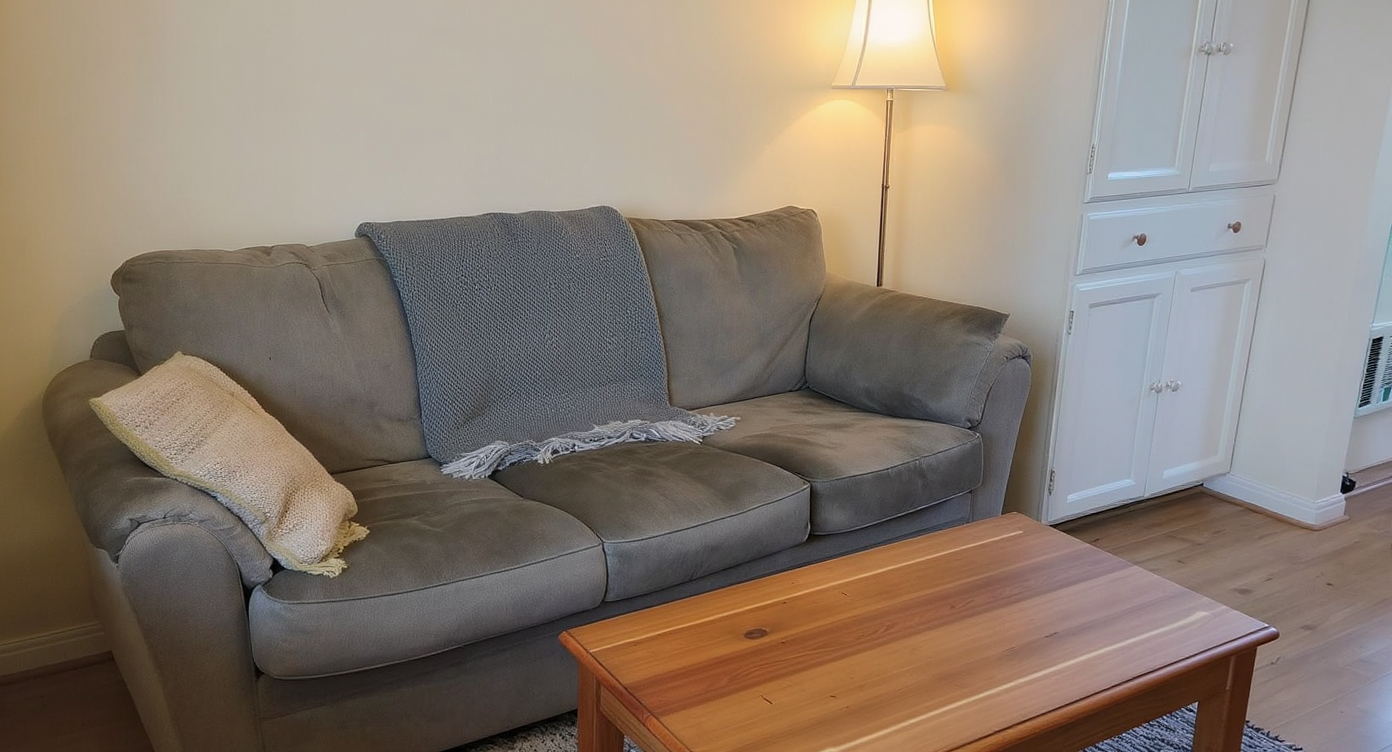
A comfortable, unfussy living room anchored by inherited shelves, vintage furniture, and simple, meaningful personal touches.
There is power in a living space that reads as normal. This word might feel lackluster in a world obsessed with curated vignettes and maximalist statements, but a room that feels unforced often becomes a quiet anchor for everyday rituals. A rental unit with inherited shelves, a classic kitchen table with generational stories, and adjustable overhead lights preferred for their brightness—such realities foster memory in ways that a brand-new look never can. According to our exploration of What’s Missing in Your Living Room Decor? 9 Fixes for a Cozy, Cohesive Space, initial focus on comfort, cleanliness, and a touch of visual rhythm sets the tone. Rather than dramatic overhauls, it's subtle layering—clean surfaces, familiar mementos, or even the trusty permanence of hand-me-downs—that contribute to a sense of belonging.
Expert Insight
Several years ago, a new neighbor moved in down the hall, carrying nothing but a suitcase, a coffee maker, and a weathered, hand-sanded table their grandfather had built. Over the next week, neighbors watched as a mismatched set of chairs, a thrifted lamp, and a crocheted blanket filled out the space—not stylish by magazine standards, but every item warmed up an otherwise blank apartment. The table, with scratches and wobbles, became the site of impromptu breakfasts and weekend board games, modeling how ordinary pieces accumulate meaning and connection.
-
Lighting and Layout Troubles—And Why They Matter
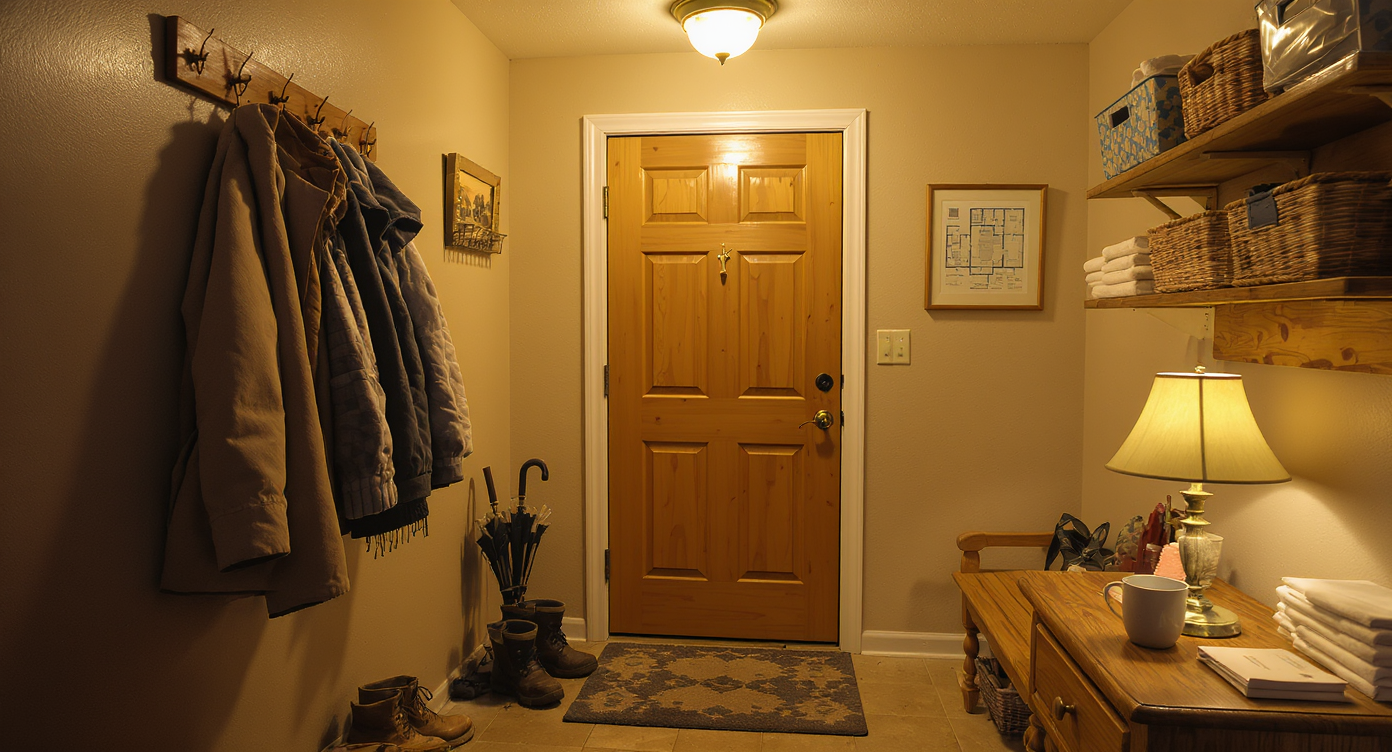
A Midwest home entryway blends overhead lighting with a table lamp, coat rack, boots, and storage—showcasing functional layout choices.
Lighting is often the silent maker or breaker of atmosphere. Many functional spaces default to bright overhead fixtures—the so-called 'landlord special'—especially in rentals or older homes. This bright, utilitarian approach to lighting might lack designer flair, but it caters to daily needs: reading, cleaning, or working late into the night. Some prefer the glow of multiple lamps or the ambiance of layered sources, a suggestion echoed by designers who advocate for a combination of soft and task lighting to add warmth and flexibility. Layout styling, likewise, isn't just about what looks good in a photo. Consider the practicality of having a table near the entry for gatherings, the sentimental value of an inherited piece, or the need for accessible storage. Even a crowded coat rack or a mat for wintry boots tells a story—one of adaptation and real life. When every surface is scrubbed and the clutter contained, 'normal' is often closely tied to routines and comfort, as seen in countless family homes throughout the Midwest.
-
Adding Warmth Without Clutter
The fear of a space feeling sterile or impersonal haunts many people, especially those who keep things tidy or lean minimalist. Real warmth rarely comes from more stuff—it’s the thoughtful inclusion of a few tactile objects, a pop of color, or textures that soften the eye. Simple touches, like a candle in the window inspired by childhood tradition, or a cluster of LEGO botanicals standing in for living plants, can make the difference between an impersonal room and one that quietly celebrates what matters to you. As discussed in ways to add warmth without clutter, choosing one or two personal accents—rather than chasing after a designer's ideal—gives a space its genuine charm.
-
Layering Holiday and Seasonal Decor Thoughtfully
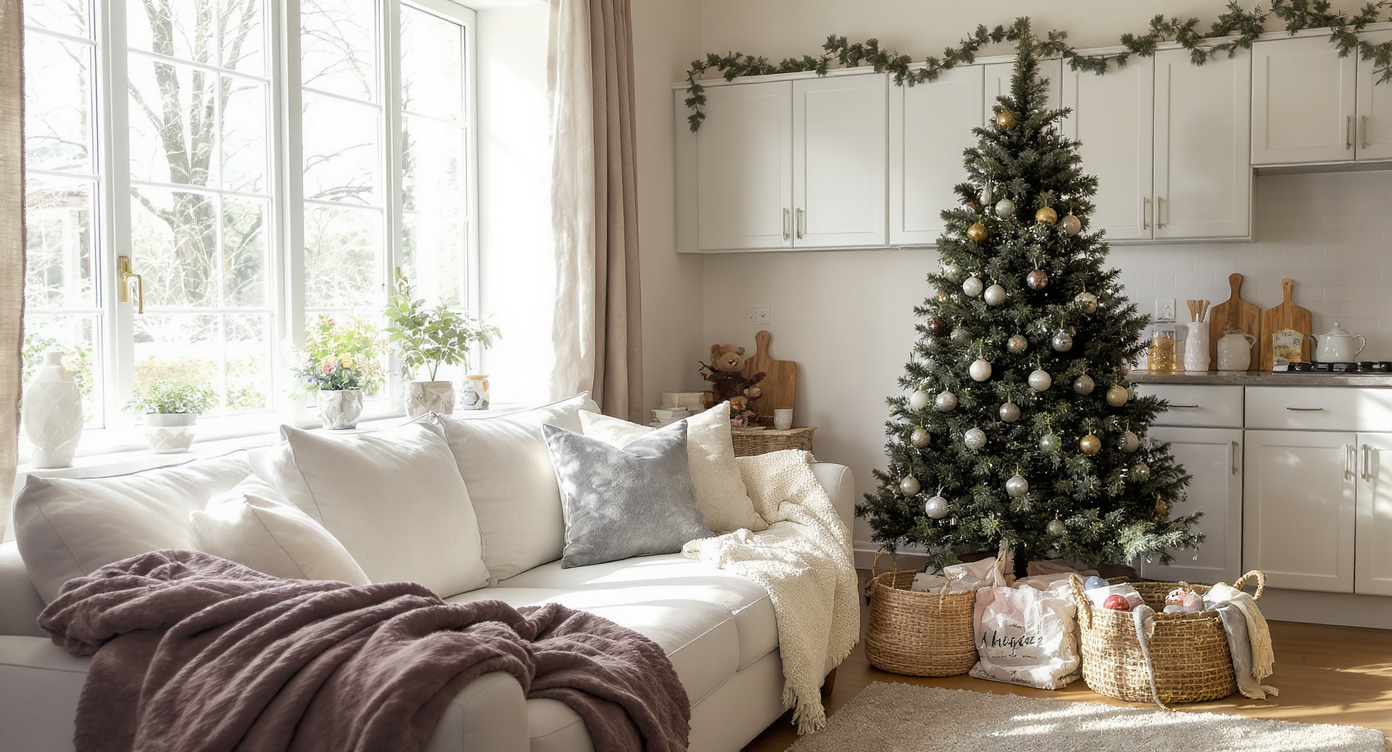
A lived-in living room featuring an undecorated tree, family ornaments, subtle garland, and soft candlelight for thoughtful seasonal layering.
Holiday decorating can invite even more uncertainty for those unsure about home styling. How much is too much? Is it better to leave a tree bare than risk an overdone display? The answer lies in gentle layering. An undecorated tree—a work-in-progress—signals both anticipation and the cyclical nature of home life. Garland draped above kitchen cabinets, candles lighting Advent, or an ornament stash drawn from family history turns a plain living room into a seasonal haven, however understated. If your tradition calls for subtle shifts in lighting, household routines, or scents, those quiet moments are just as meaningful as a meticulously planned display. Incorporating finishing touches, especially for neutral spaces, can help a room feel more complete for the holidays and beyond. As noted in strategies for finishing touches in neutral living rooms, focus on layering textures, adding softness, and integrating personal color memories for a cohesive and welcoming result.
-
Anecdote: A Story of the Borrowed Table
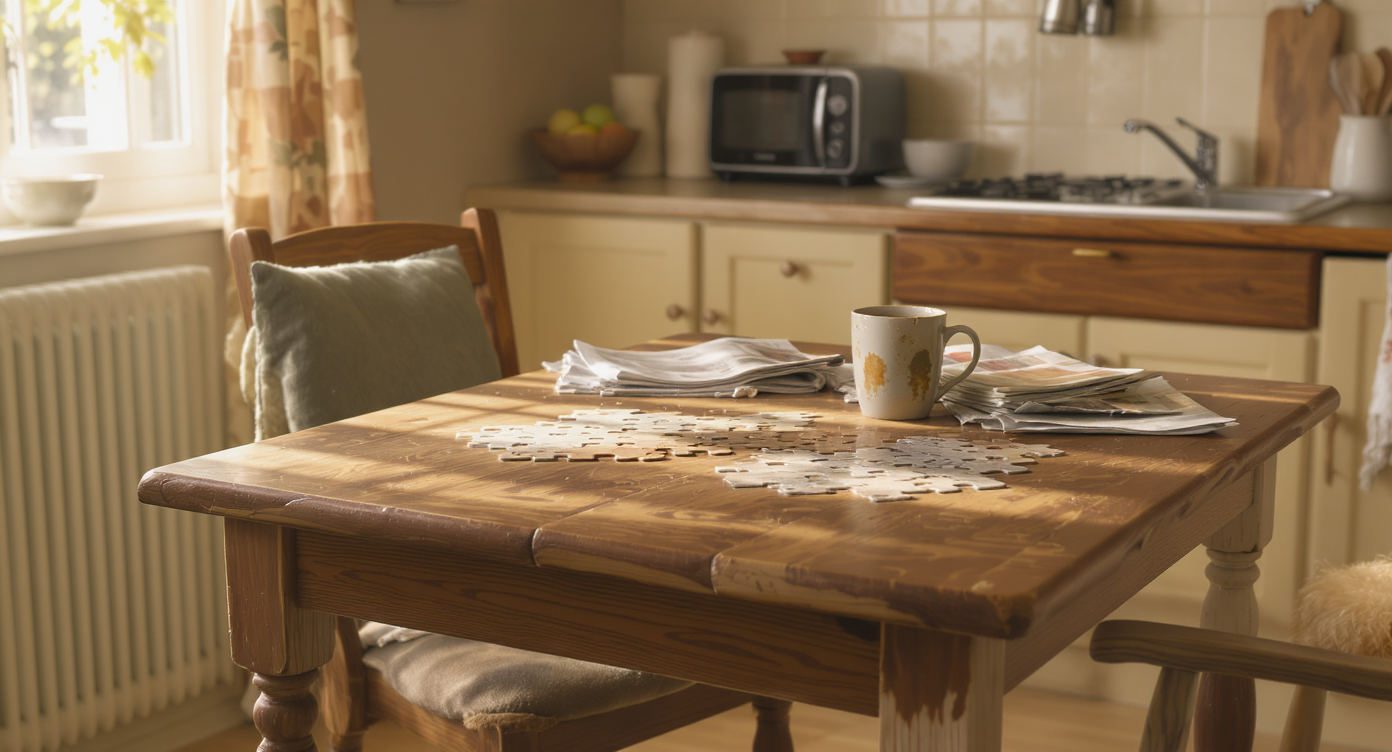
A timeworn kitchen table, marked by years of shared meals and memories, sits at the heart of a warm, inviting, lived-in home.
A friend once described their kitchen table as a 'boomer's relic.' Its journey spanned bachelor pads and family dinners, bouncing between homes as relatives upgraded or downsized. Despite its dated look and mismatched character, the table anchored lively debates, winter puzzles, and quiet cups of morning coffee. What critics saw as 'out of style,' its owner saw as living history—a testament to imperfect but enduring comfort. In practical homes, it’s these lineage pieces that knit stories as much as any new décor.
-
Common Mistakes to Avoid
One frequent misstep is overcorrecting perceived blandness by cluttering every surface with new trends, which rarely leads to the cohesion or coziness sought. Equally, trying to mimic showroom perfection can erase the warmth found in personal mementos or practical arrangements. Another pitfall is neglecting layered lighting solutions—relying only on harsh overhead bulbs can flatten a room’s atmosphere, while a mix of floor and table lamps can subtly enhance comfort. In neutral rooms, skipping finishing touches, like a right-sized rug or a statement color pulled from artwork or nature, often leaves spaces feeling unfinished or cold.
-
Tips and Expert Insights
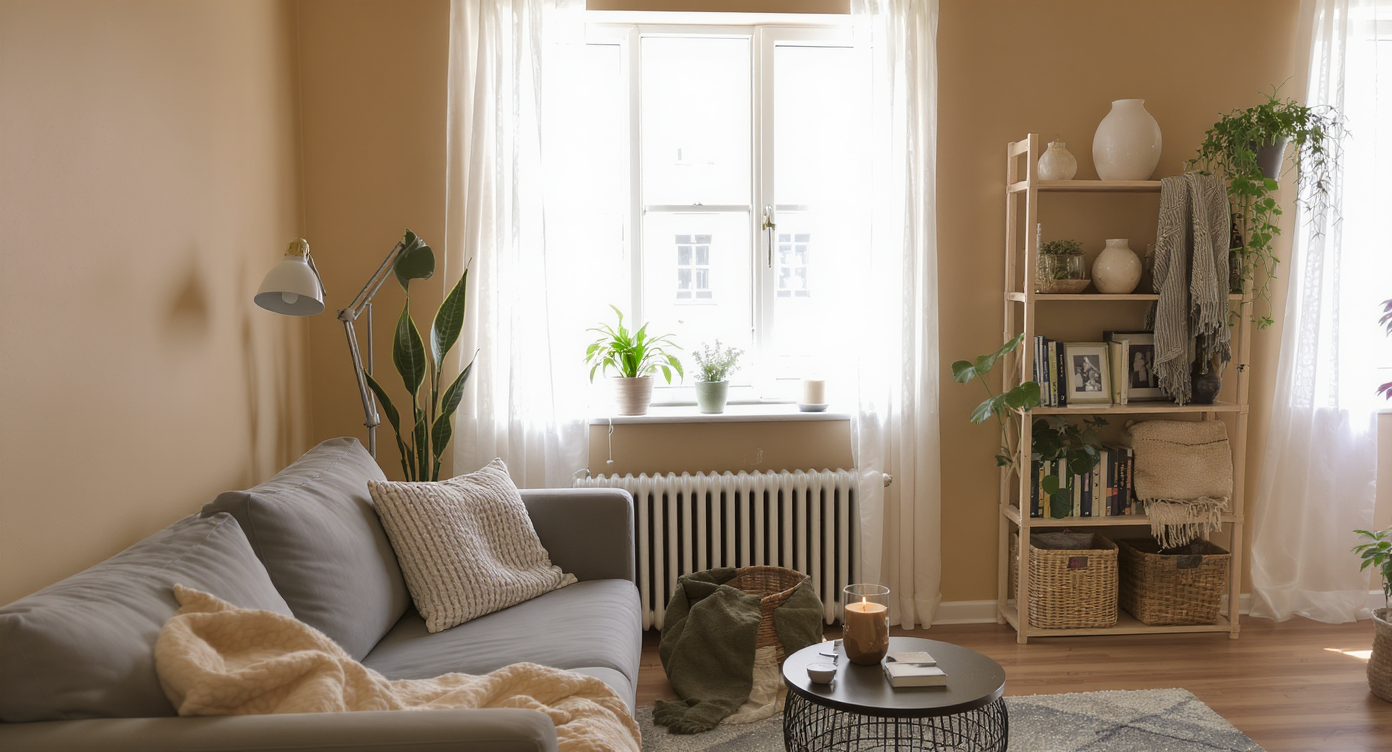
A renter’s living room thoughtfully arranged with hand-me-down furniture, layered textiles, plants, curated shelves, and meaningful personal touches.
Designers often recommend working with what you have: rearrange for better flow, swap a tired shade for a softer lamp, or curate a single shelf rather than filling every inch. If walls can’t be painted, bring contrast through textiles or art. Personal details—a favorite book, a family heirloom, a candle in the window—instantly humanize a space. Practical mini-scenario: Consider a renter with strict rules, working with inherited tan walls, standard fixtures, and a spectrum of hand-me-downs. A couple of plants, a layered throw on the sofa, and an adjustable reading lamp transform the room’s energy. Another scenario: revisiting a minimal apartment with only essential furniture, the occupant chooses a deep green accent pillow and a woven rug picked up on a memorable trip, immediately warming up the mood.
-
How to Use This in Your Next Designs
Whether decorating your own first apartment or helping a friend, begin by observing how the space is realistically used—from shoe drop zones to favorite reading corners. Don’t underestimate the power of lighting shifts or the resonance of a meaningful memento. When debating seasonal decor, let nostalgia and routine inform choices, rather than external expectations. Most importantly, remember that a home is successful when its inhabitant feels at ease, regardless of design dogma.
-
Visualization: A Fresh Look at "Ordinary" Style
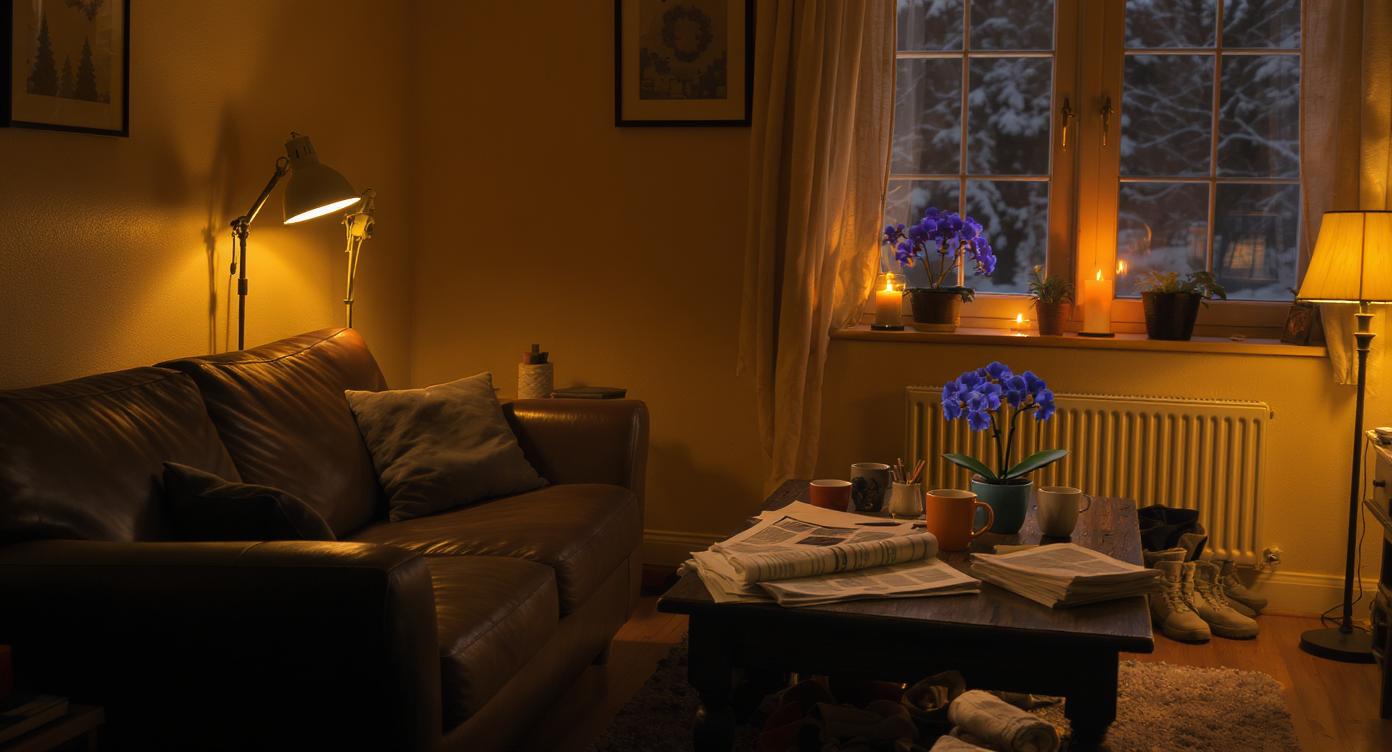
A cozy living room reveals the quiet beauty of ordinary life—scattered mugs, a LEGO orchid, and soft lighting on an early winter evening.
Picture a small living room on a frosty December morning. The central table is crowded with day-old mugs and half-finished crosswords, a LEGO orchid provides a spot of color on the sill, and adjustable bulbs throw golden light against oatmeal-hued walls. A tangle of winter boots rests near the door, and the only overtly festive flourish is a window candle softly glowing at dusk. There are no bold design moves here, but lying on the couch, you’ll sense a kind of lived-in serenity—proof that comfort and style don’t always wear the same face.
Visualization Scenario
Imagine arriving home on a freezing evening to the glow of adjustable lights, inherited brown shelves, and a kitchen table with years of nicks—familiar, functional, and quietly festive with a half-decorated tree. Despite the absence of overt design statements, the layered effect of old and new, practical and personal, fosters the kind of ease guests and residents remember long after a trend fades.
FAQ: Real-Life Home Styling Insights
Start with clean surfaces, comfortable seating, and personal touches. Incorporate layered lighting and a textile or two for softness.
How can renters add personality without permanent changes?
Focus on easily switched items: lamps, rugs, removable art, and plants can all be taken with you or swapped seasonally.
Why does good lighting matter in home design?
Lighting influences mood and functionality. A mix of sources gives more flexibility for daily activities and relaxation.
Can inherited or mismatched furniture look intentional?
Absolutely—repeating colors or materials helps tie pieces together, while celebrating their stories adds character.
Where can I visualize layout or decor changes before investing?
Use free or paid digital tools such as ReimagineHome.ai to test arrangements and accessories before making a purchase.
A Home That Feels Like Yours
Truly inviting spaces aren’t necessarily defined by the latest trends or the reach of a design gene. Instead, they emerge from a balance of comfort, function, and subtle nods to personal history. By prioritizing cozy routines, functional lighting, and meaningful details, anyone can nurture a home that’s both beautiful in its simplicity and entirely their own. For those looking for practical ways to visualize and enhance their rooms, tools like ReimagineHome.ai offer helpful inspiration without requiring an interior designer’s eye.