6 Shower Curtain Mistakes That Shrink and Darken Your Bathroom, And How To Correct Them
TL;DR
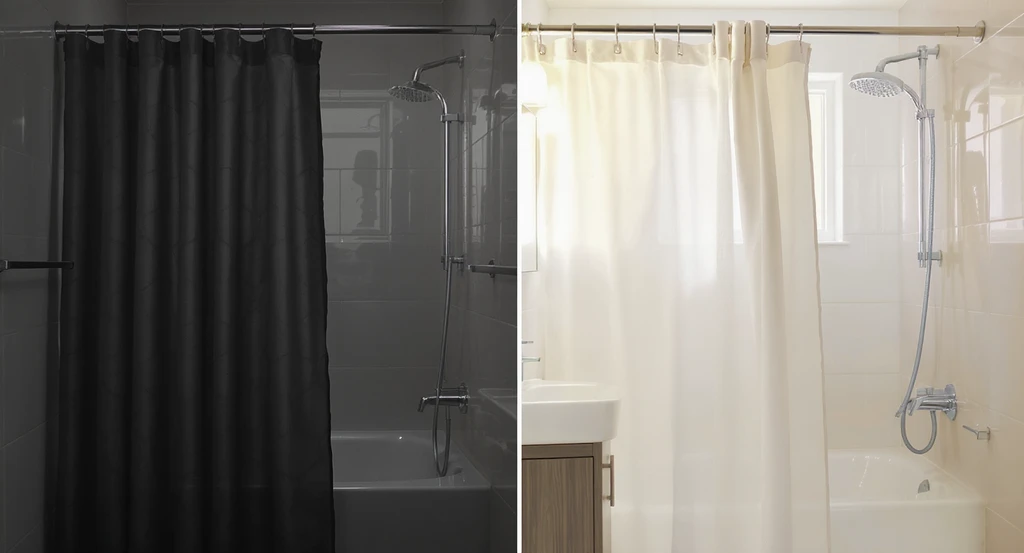
A shower curtain shapes your bathroom’s sense of space, light, and finish. Use the right length, texture, and placement to avoid making your bathroom look cluttered or gloomy. Preview choices before you buy to prevent common size and color regrets.
Why Shower Curtains Control Bathroom Feel More Than You Think
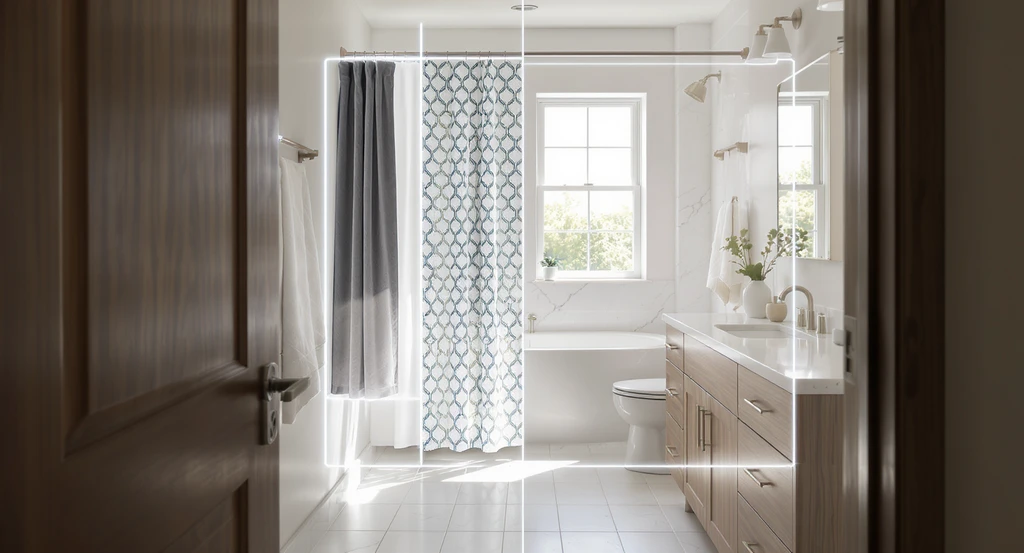
How to visualize shower curtain choices using mockup apps—see how curtain fabric, color, and placement change a small bathroom’s size and brightness.
Most people pick a shower curtain as an afterthought, yet it is usually the largest surface in a bathroom, especially in small or rental spaces. The fabric, color, and placement influence how large, bright, and finished the entire room feels. Choosing poorly can make even expensive tile or careful paint jobs seem off, as we explored in our guide to cozy small bathrooms. This article will show you the most common shower curtain mistakes, why they happen, and how to correct them using clear layout and visual balance rules. You’ll learn how tools to preview bathroom curtains can transform results and reduce frustration.
-
01. Picking the Wrong Length, Curtain Too Short
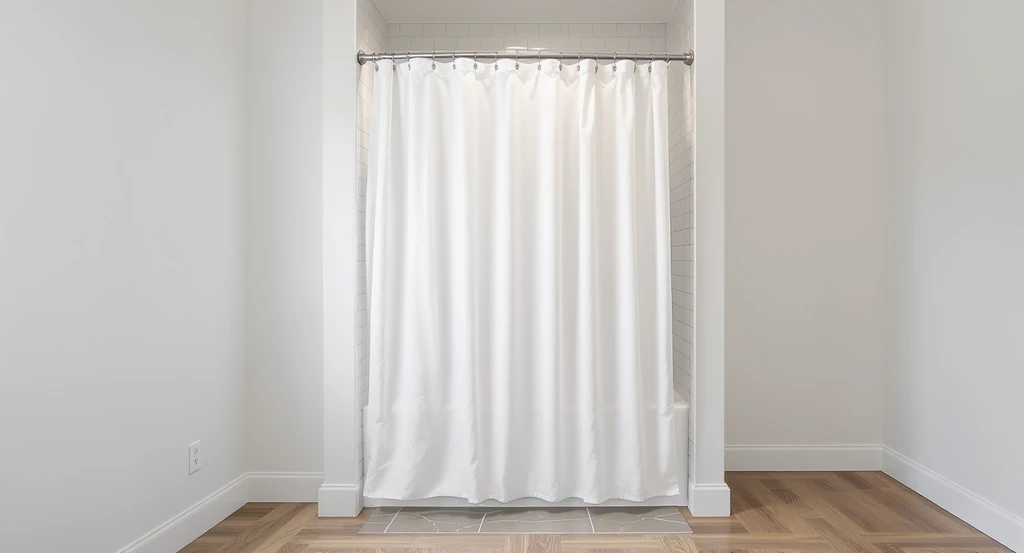
Preview how shower curtain mockup apps help avoid mistakes—this modern bathroom shows why curtain length is vital for making small spaces feel taller and more unified.
The most common mistake is choosing a shower curtain that hangs well above the floor. Curtains that end mid-shin or higher visually chop the room, making ceilings feel low and reducing the sense of space.
This happens because many standard curtains are designed for fixed rods, but ceiling heights can vary. To correct, measure from your rod (ideally mounted high, just below the ceiling) and select a curtain that ends 1–2 inches above the floor. This creates unbroken vertical lines, which helps the room feel taller and more unified. Mounting the rod higher is also a best practice referenced when previewing finishing touches in our curtain and hardware preview guide. Always check the packaging’s length against your real measurement before purchasing.
-
02. Heavy or Opaque Fabrics in Dim Bathrooms
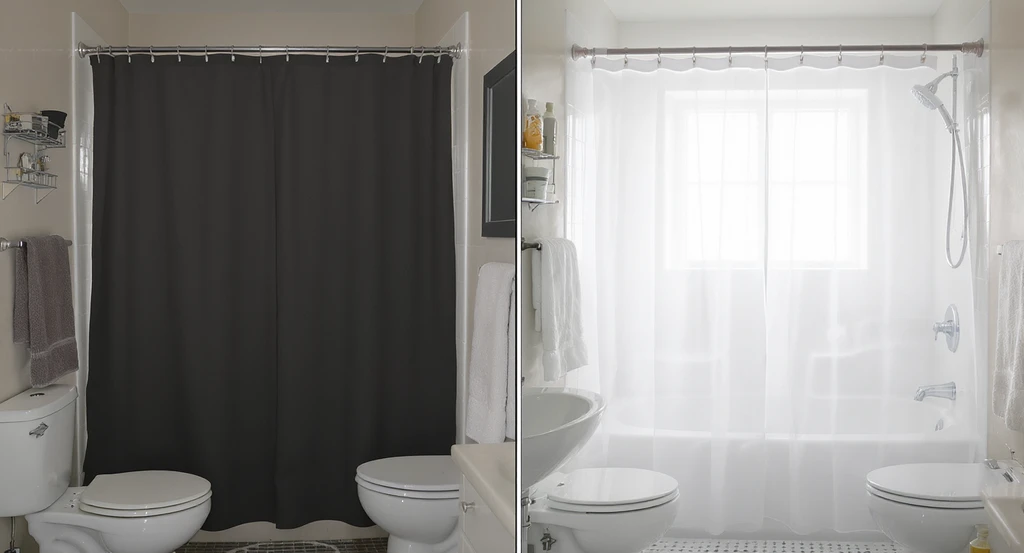
See how a heavy, opaque shower curtain darkens and shrinks a small bathroom while a semi-sheer curtain brightens the space—tips for choosing bathroom curtains and how to visualize different options using preview tools or mockup apps, especially for those with aphantasia.
Choosing a thick, dark, or fully opaque curtain in a bathroom with limited natural light or only one ceiling fixture is a common error. Heavy fabrics absorb both real and reflected light, making the space feel smaller and gloomier.
This usually happens when privacy is the main concern or when following trends without considering the room’s actual lighting conditions. In small or dark bathrooms, opt for a light, semi-sheer, or lightly textured fabric that allows daylight or artificial light to filter through. As explored in our renter-friendly bathroom fix article, layering warm bulbs and lighter curtains can transform the space. Reserve heavy curtains for rooms with abundant light or use them as a decorative outer layer only.
-
03. Loud Patterns in Small or Detailed Spaces
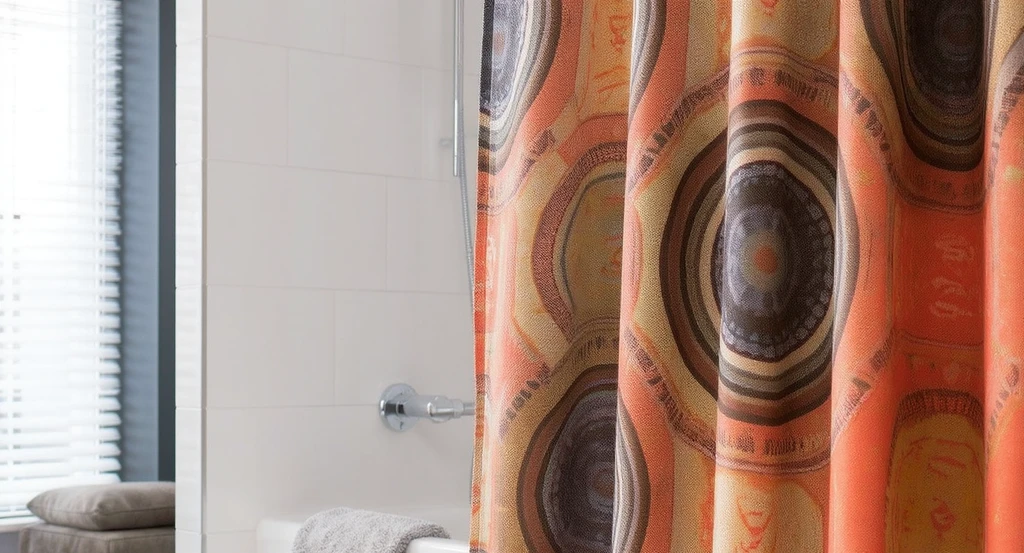
03. Loud Patterns in Small or Detailed Spaces Image
Choosing busy patterns or bold colors for the shower curtain in small bathrooms or ones with detailed tile creates visual chaos and a sense of clutter. The curtain is usually the dominating element from most angles.
This mistake happens when people try to add personality or follow trends without coordinating with existing finishes. If your bathroom tile or vanity already has strong color, texture, or pattern, keep the curtain neutral or subtly textured. On the other hand, a very plain bathroom can benefit from a gentle pattern for softness, as outlined in our real estate bathroom staging tips. Always preview the pattern next to your actual wall, floor, and vanity color whenever possible.
-
04. Rod Mounted Too Low Creates a Boxy Look
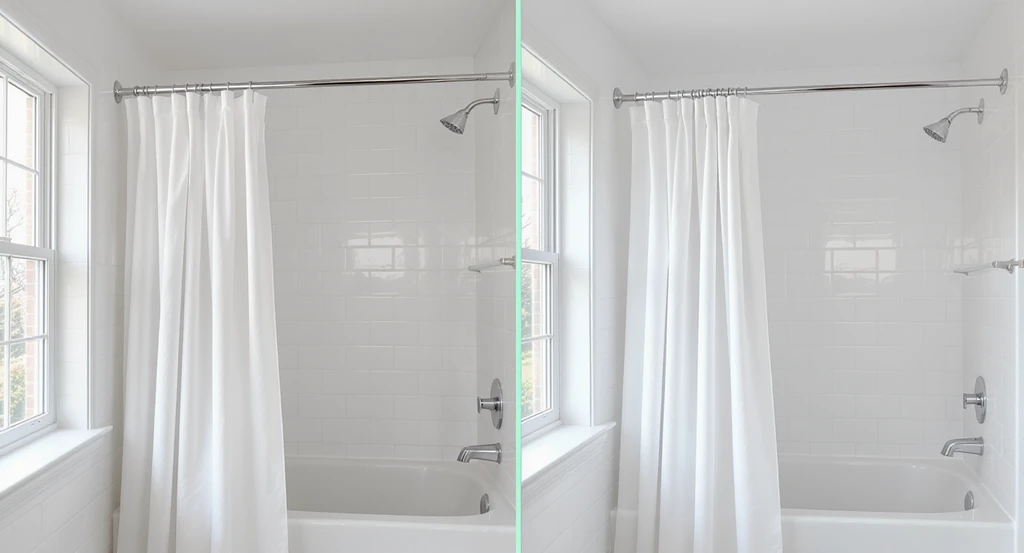
Previewing bathroom curtain placement with digital mockup tools shows how raising the shower rod and using a longer curtain can open up small bathrooms—ideal for those struggling to picture design changes.
Mounting the shower rod at standard tile height (about 6 feet) instead of closer to the ceiling visually compresses the bathroom, making the shower look like a box and the ceiling feel lower.
Many default to this placement for easy installation, but raising the rod 6–10 inches higher elongates sight lines, expanding the perceived ceiling height. This method is especially effective in rentals because it doesn’t require permanent changes. Be sure to select a curtain long enough for the new rod position, measure, don’t guess. As explained in our previewing finishing touches article, try a virtual mockup before drilling to get rod height right the first time.
-
05. Choosing Fabric Without Considering Maintenance
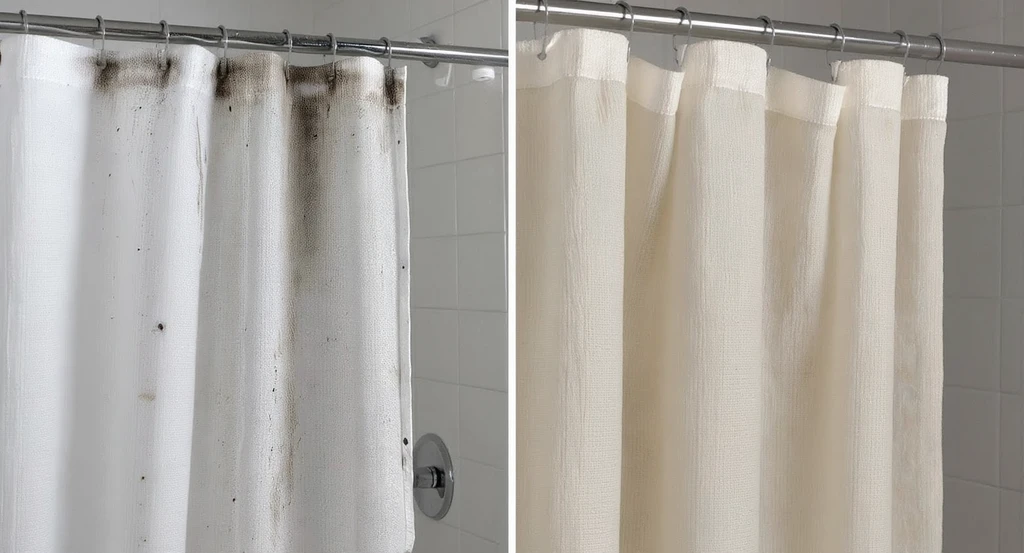
05. Choosing Fabric Without Considering Maintenance Image
Cotton and linen curtains may look high-end and feel soft, but they absorb moisture and develop mildew faster than synthetic options. If you aren’t committed to frequent laundering, these materials can make your bathroom feel unfinished over time due to wrinkles, stains, and sagging.
People often select natural fabrics for a spa-like feel, but for high-use or humid bathrooms, polyester or waffle-texture blends provide an easier balance of look and function. Synthetic fabrics are easier to wipe clean and less likely to attract mold. For the luxury appearance of natural fabric, use as an outer decorative layer with a reliable waterproof liner, as described in our bathroom staging essentials. Match daily habits to fabric type for long-term results.
-
06. Not Previewing Curtain Choices Before Buying
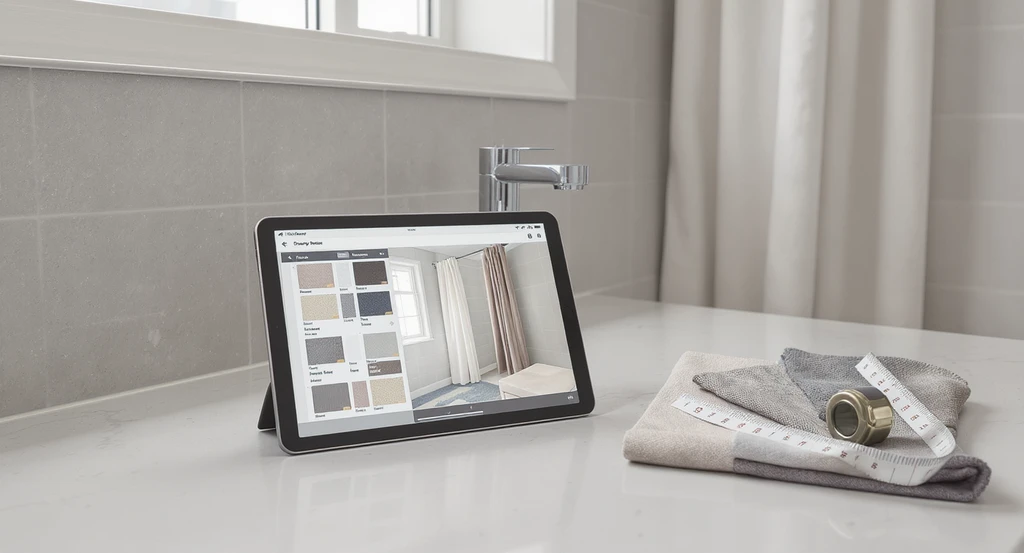
Use shower curtain mockup apps to preview curtain colors and styles in your small bathroom—essential for how to visualize shower curtain choices, solve aphantasia in interior design, and avoid buying mistakes.
Many people guess how a curtain’s color, texture, or length will look in their own bathroom, only to find the result clashes or feels wrong after install. Returns are inconvenient and rarely solve the issue, especially if you can’t visualize undertones or scale.
This error happens due to lack of tools or underestimating the impact of small changes. Using tools to preview bathroom curtains, such as uploading a photo to REimagineHome AI, lets you quickly test fabric, length, rod position, and color. This is particularly useful if you struggle with aphantasia or matching undertones, as highlighted in our bathroom tile visualization feature article. A mockup reduces the risk of selecting a curtain that shrinks or darkens your bathroom, or that creates color conflicts with floor, countertop, or wall paint.
Bathroom Shower Curtain Selection FAQ
- How can I preview shower curtain options in my bathroom?
- Upload a photo to REimagineHome AI to see different curtain types, colors, and placements before deciding.
- What’s the ideal curtain length for small bathrooms?
- Choose a curtain that ends 1–2 inches above the floor, with the rod mounted as high as possible for visual height.
- Should I use a fabric or plastic shower curtain?
- For high-use bathrooms, go with polyester or plastic for easy cleaning. Use cotton or linen only if paired with a liner and regular washing.
- What shower curtain color makes a small bathroom look bigger?
- Light, neutral, or gently textured curtains reflect more light and expand space; avoid heavy, dark fabrics in small or weakly lit rooms.
- How do I choose curtains when I can’t picture the result?
- Leverage shower curtain mockup apps and preview tools to see scale and color with your real fixtures and lighting—increasing accuracy and confidence.
Key Takeaways: The Curtain Shapes the Bathroom
Treat the shower curtain as a primary design element, not an afterthought. The right length, fabric, and installation method directly influence spatial feel and light level in every bathroom. Measure carefully, match fabric to daily use, and always preview choices in your space for the most reliable results. For more on layering tweaks that fix the “almost there” feeling, see our step-by-step guide to bathroom finishing touches.