Making Small and Oddly Shaped Living Rooms Flow Beautifully
TL;DR
To create comfort and flow in small or oddly shaped living rooms, focus on compact layouts, clear zoning, and careful furniture choices. Use open shelving, creative seating, and coordinated colors to maximize light and space. Protect walkways and experiment virtually to avoid clutter and achieve a layout that feels intentional, inviting, and refreshingly livable.
Why Odd Layouts Inspire Creative Solutions
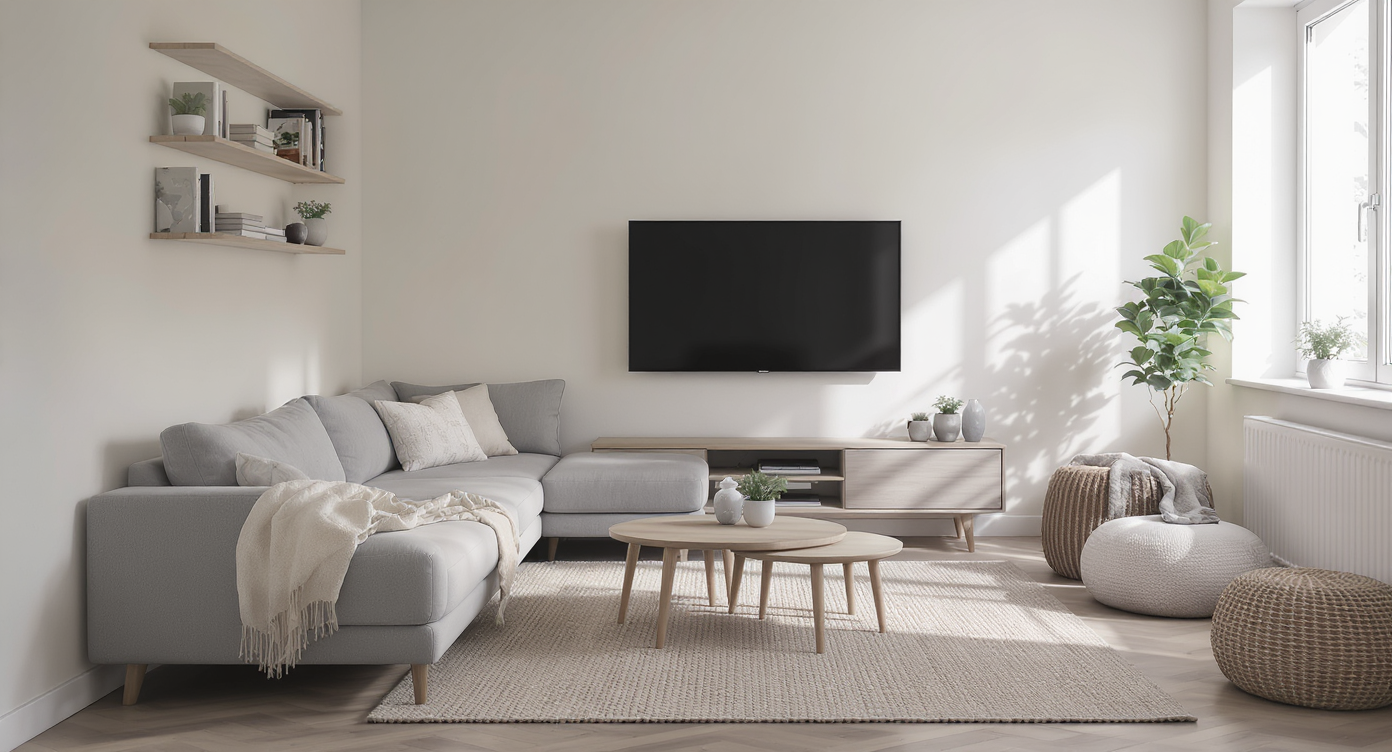
A small, uniquely shaped living room layout demonstrates clever furniture placement and subtle zoning to create an airy, open flow.
Designing a living room in a small or unusually shaped apartment often means seeing challenges as opportunities. Compact layouts and odd room shapes naturally force us to step outside standard decorating formulas. Instead, they prompt clever workarounds: using furniture as subtle dividers, prioritizing multi-use pieces, and embracing unique proportions to enhance both comfort and style. Interior designers often note that when spaces are limited, the way furniture and flow interact becomes even more important than the size or expense of individual pieces. Arranging a seating area, for example, requires balancing privacy and openness, maximizing every square foot, and still letting light find its way across the room. These constraints spark design innovation, leading to layouts that tell a more personal story.
-
Sectioning Without Cramping: When to Use Open Shelving
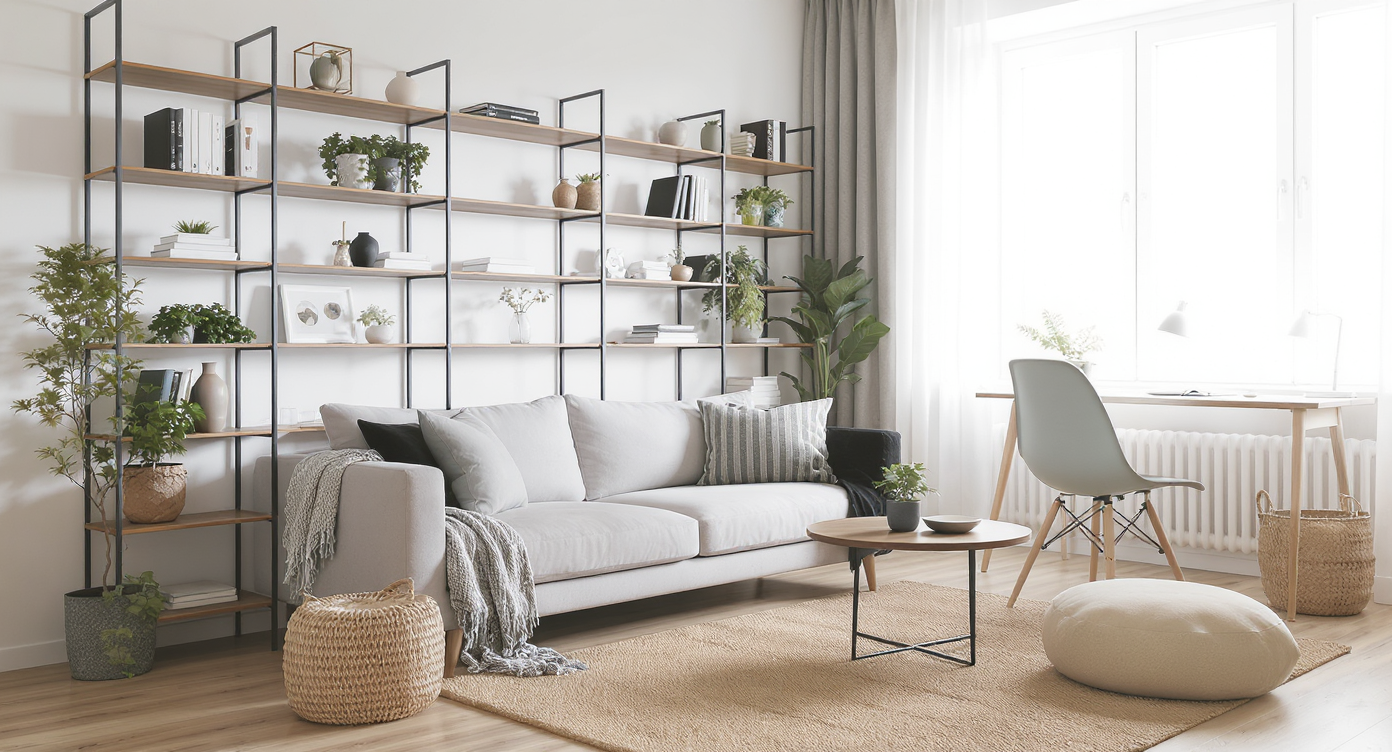
Open shelving behind a sofa subtly zones a small living room, creating distinct areas without blocking light or cramping the space.
Many small apartments benefit from visual zoning—that is, gently dividing living functions without erecting walls or heavy dividers. Open shelving systems, such as minimalist bookcases or glass-framed structures, offer an elegant solution that provides storage, delineates seating, and lets natural light permeate throughout. For instance, a modular shelving unit placed behind a sofa can carve out a defined lounging area, distinguishing it from work or dining zones. Yet community experiences often show that choosing the shelving's transparency matters: dense, cube-based units may inadvertently block light and shrink the look of a room, especially when they are filled with decor. Slim, open-framed or glass shelving keeps the room cohesive while maintaining sightlines and daylight. These options also bring storage right into the center of daily life, making essentials easy to reach without dominating the space.
Expert Insight
Maya was skeptical about her tiny, L-shaped living room. She went through at least four rearrangements, each felt frustrating. Then she discovered the benefit of transparent shelving and balanced pathways. After painting one wall and introducing modular tables, she realized that a well-zoned layout isn’t only possible in a textbook rectangle—it can also transform even the quirkiest of spaces.
-
Compact Layouts That Prioritize Movement
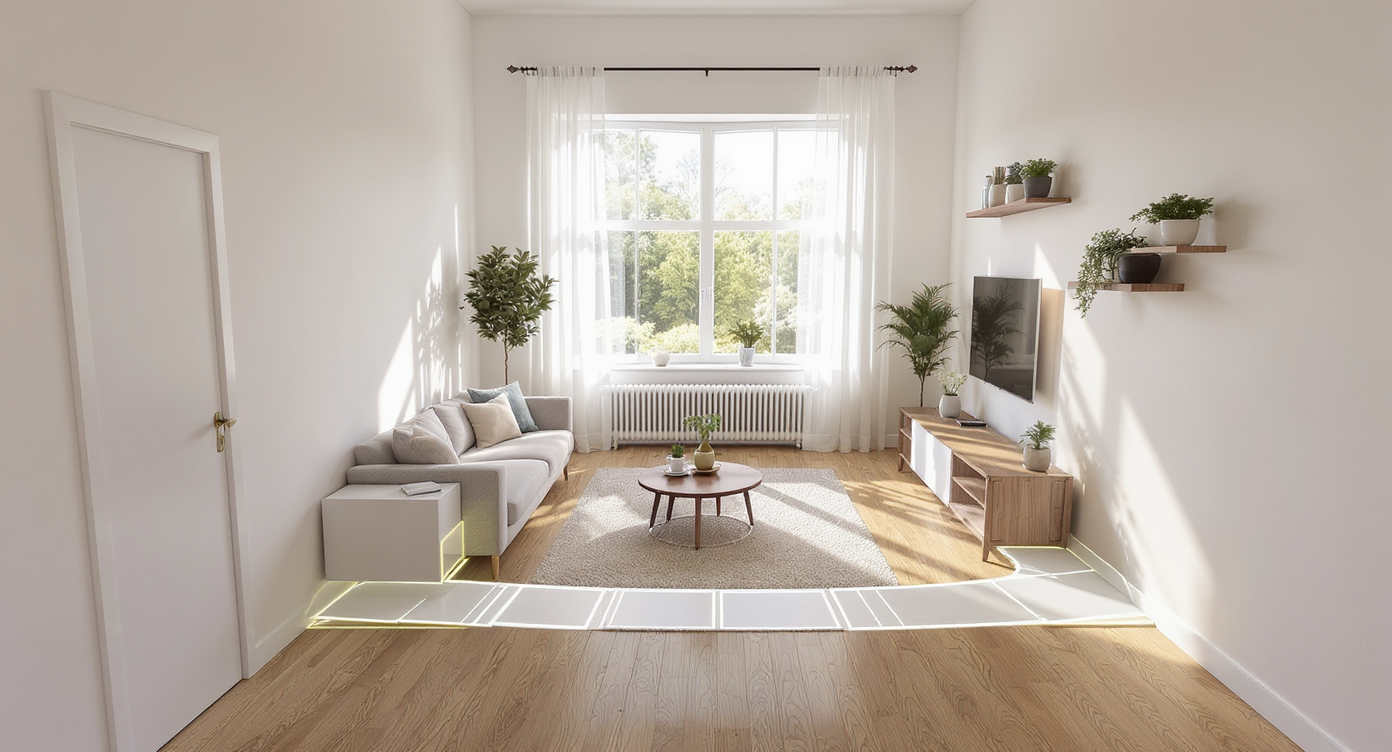
Smartly spaced furniture in a compact living room creates clear, comfortable walkways and purposeful zones for easy movement.
Traffic flow is the backbone of any effective small-room plan. Protecting a comfortable walkway, usually at least 30 to 36 inches wide, helps prevent a room from feeling boxed in, according to our feature on sofa size and room layout fit. In odd layouts, slender walkways might seem inevitable, but a few measured shifts—sliding the desk along a wall or pulling the sofa slightly inward—can open surprising avenues. For example, positioning a work desk in a "line of habitability," parallel to a wall, can streamline day-to-day activities and carve out purposeful zones even in the tightest quarters. Zoning also encourages creative use of multi-functional pieces. A gateleg dining table that collapses or expands based on need avoids clutter and helps the room adapt for gatherings or solo nights in. Be attentive to how each new addition, from media consoles to planters, influences daily movement. Avoid "wall-to-wall" furniture lines, which can box in the room and dampen comfort.
-
Furniture and Flow: Avoiding the Clutter Trap
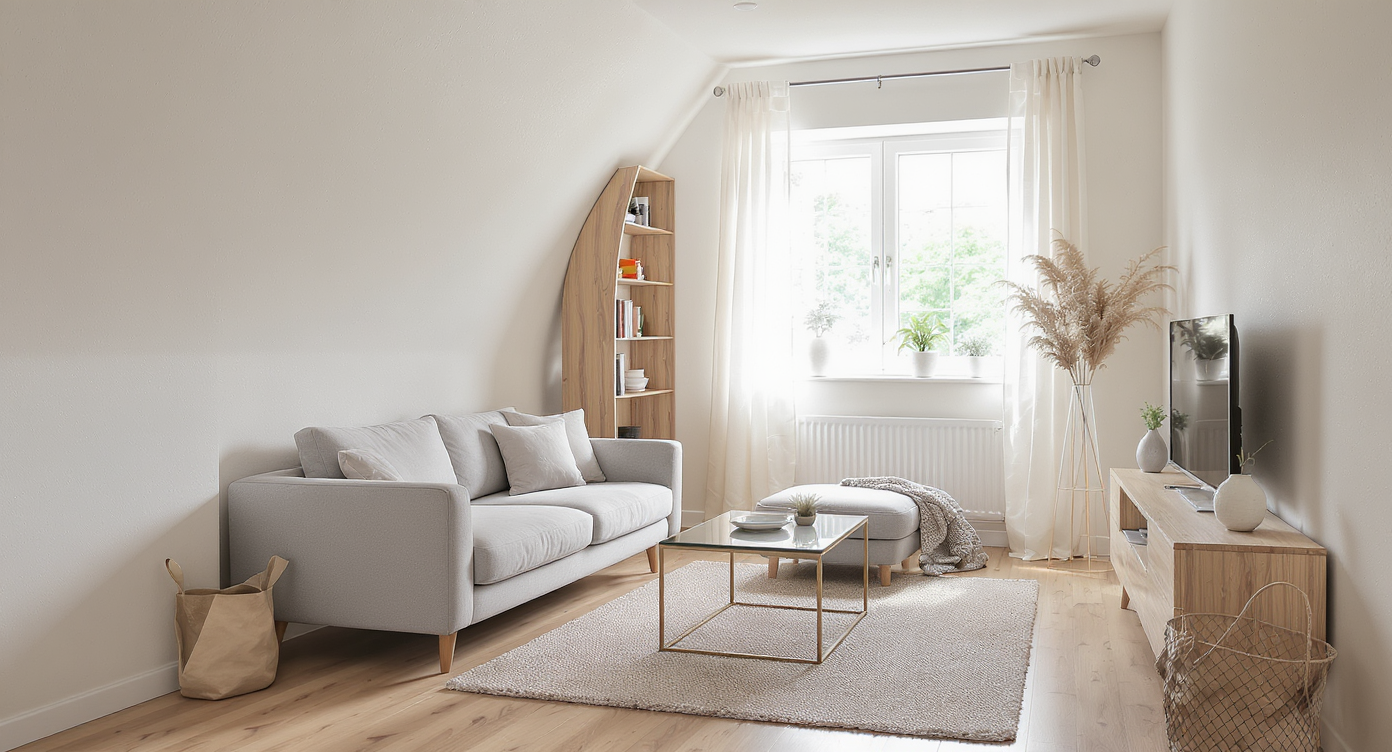
A compact living room featuring light, flexible furnishings and streamlined storage, arranged to maximize open flow and minimize visual clutter.
The risk of clutter looms larger in compact or oddly shaped living rooms, but the solution is rarely to strip the room bare. Instead, balance is key. Visual lightness—achieved with glass, metal, and airy color palettes—can offset the massing of functional furniture. Storage should serve a dual purpose: keeping essentials on hand and reducing surface scatter. For instance, tall but narrow bookshelves and slim media consoles can accommodate more without overwhelming the footprint. If your seating feels crowded against walls or corners, try swapping larger pieces for more flexible small sofas or adding movable ottomans. According to the insights in furniture arrangement and sofa size best practices, thoughtfully sized furniture is often more effective than simply choosing the smallest item available. Cohesive colors and harmonized finishes further reduce the sense of visual fragmentation, making even highly compact layouts feel connected and calm.
-
Personalized Flourishes: Bringing Character to Quirky Spaces
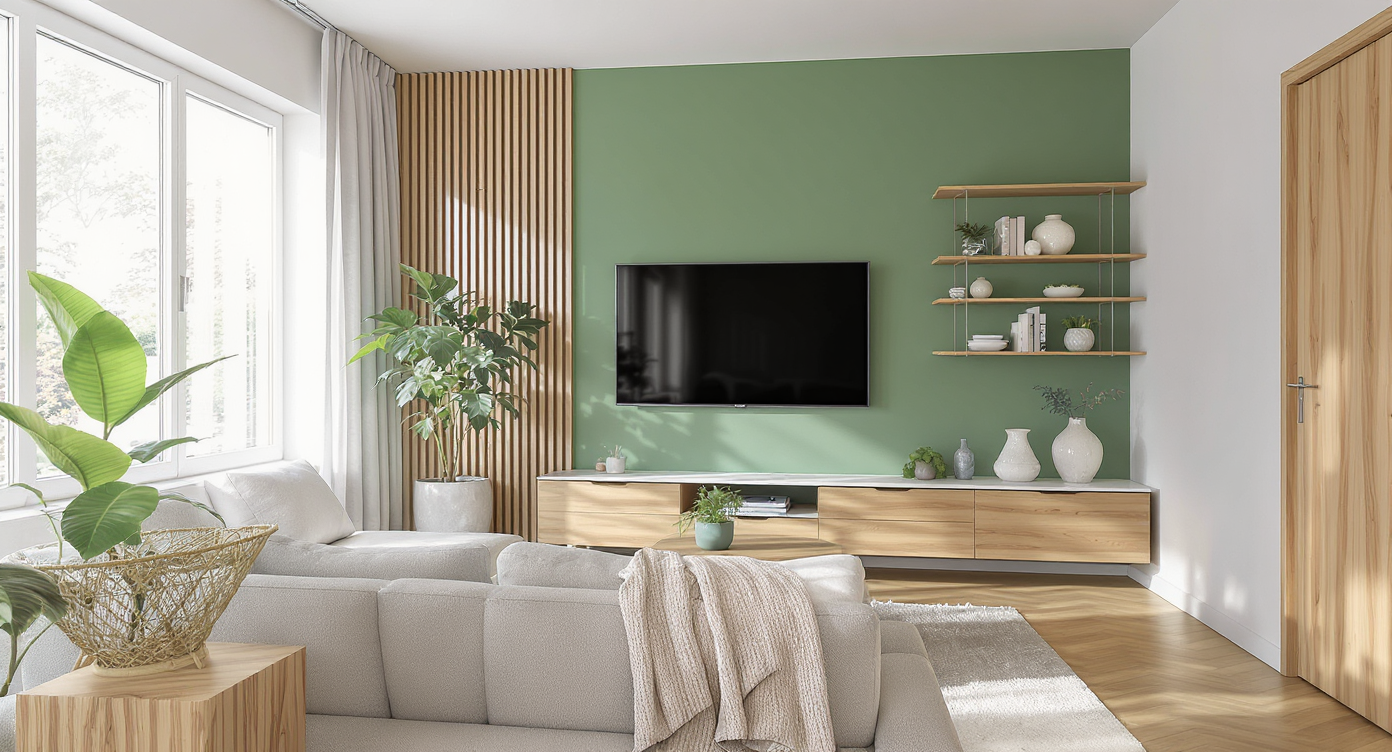
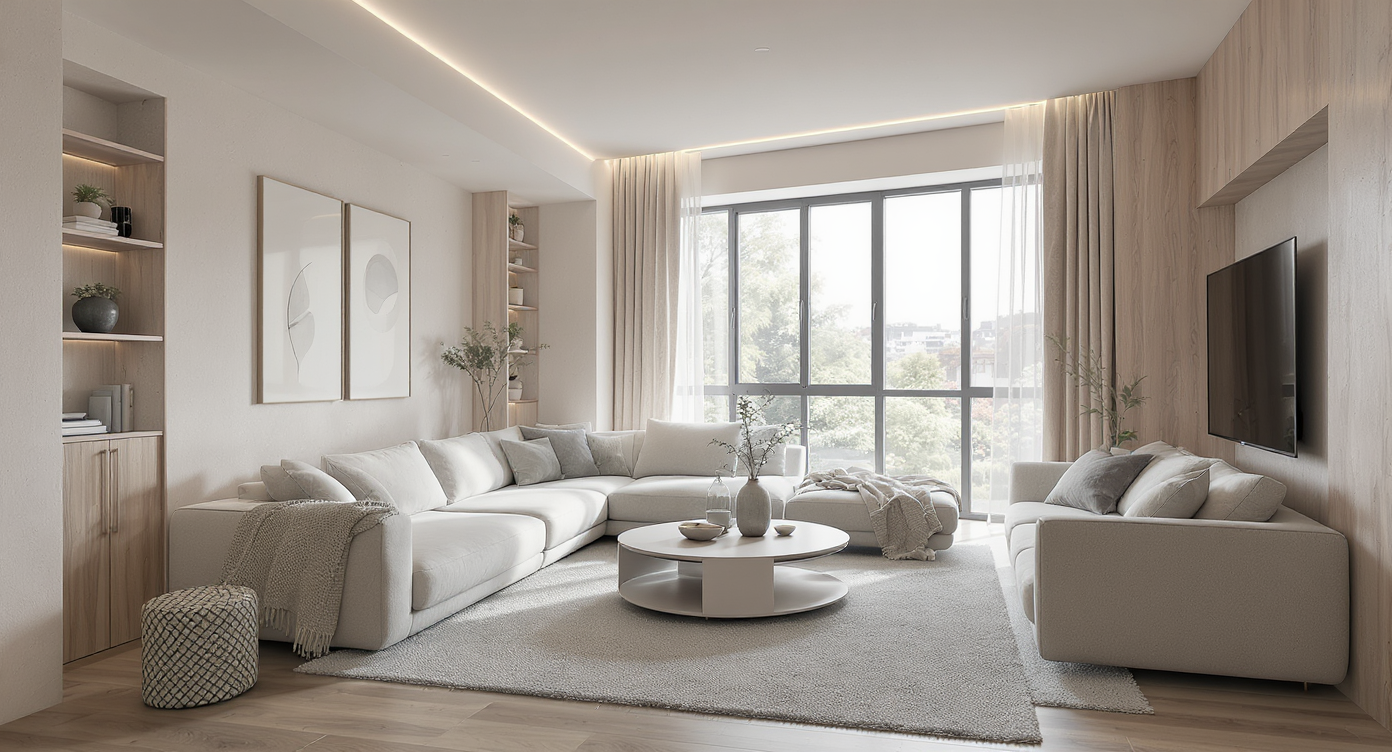
Personalizing a small living room: green accent wall, wood slats behind the TV, leafy plant in the corner, and modular open storage.
Compact rooms benefit from features that draw the eye and foster a feeling of belonging. Color blocking one wall with a calming shade—like a green accent near the window—can frame the view and give a small space more dimension. Wooden slats or acoustic panels, especially behind a TV or entertainment area, provide acoustic benefits while doubling as textural art. Well-placed personal touches turn functional planning into a lived-in sanctuary. A large leafy plant near the window not only improves air quality but brings movement and softness to corners that might otherwise feel neglected. Opt for décor and storage with an open, modular feel. Modular side tables and wall shelves adapt as your layout evolves, reflecting the rhythms of real living.
-
Anecdote: The Living Room That Surprised Its Owner
When Maya, a recent city dweller, moved into her 52 square meter apartment, she worried her L-shaped living room would always feel awkward. After experimenting with multiple layouts online, Maya realized it wasn’t about cramming in the smallest furniture, but about letting the space breathe and move. She invested in a see-through bookcase to separate work and lounging zones, flipped her desk to a window-facing wall, and brought in an expandable dining table that folded away nightly. Though initially skeptical about open shelving, she now marvels at how the room feels brighter and more inviting—even friends comment it looks larger than its actual size.
-
Common Mistakes to Avoid
A frequent pitfall is overwhelming a compact room by pushing all furniture up against the perimeter, which can create an isolated "furniture island" in the center. Chunky, opaque dividers make things worse. Similarly, failing to account for daily patterns—for example, ignoring where sunlight falls or underestimating the room's traffic needs—can turn even sharp-looking layouts into frustrating spaces. Choosing storage for quantity over visual lightness, and layering too many competing styles or colors, can add to the sense of clutter and disunity.
-
Tips and Expert Insights
Designers often suggest visualizing several layouts digitally before committing to a final plan, especially for compact layouts or odd rooms. The strategies of Small-Space Modern, forecasted for 2026, emphasize circulation and adaptable furniture, advice echoed in the story of small-space modern design trends. Prioritize layout flexibility using lightweight, modular pieces and remember: a sense of order will always trump clutter. Adding a plant, a coordinated accent color, or a subtle acoustic panel can instantly make a space cozier. Regularly edit possessions and storage to align with how you actually use the room, rather than aspirational plans. Thoughtful lighting and layering of textures give the illusion of depth and scale even in small footprints.
-
How to Use This in Your Next Designs
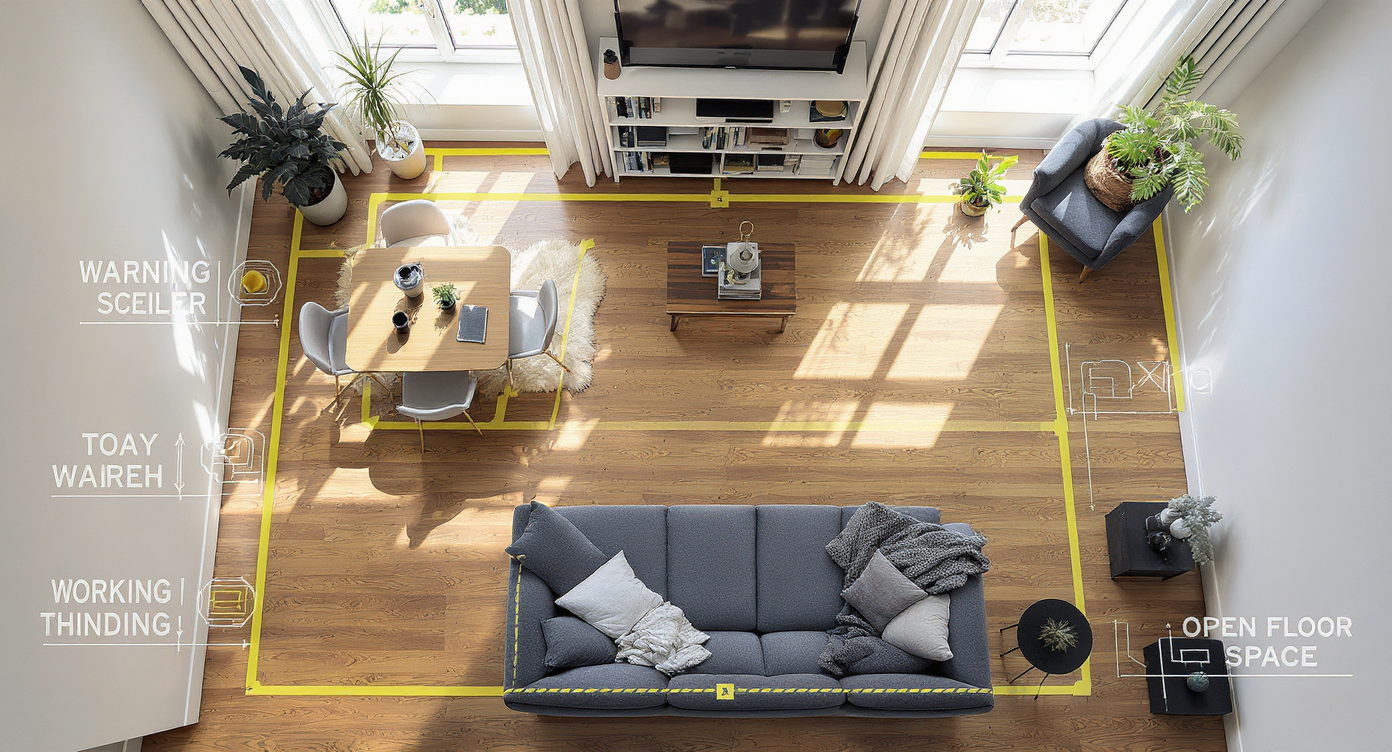
Overhead look at a living space mapped out for zones, showing taped outlines and modular furniture to optimize layout before purchase.
Start each project by mapping out movement zones, marking likely seating, dining, and working spots. Only then select furniture that fits these zones while preserving open space. Test arrangements virtually to anticipate bottlenecks and flow interruptions before making major purchases. Draw inspiration from small-apartment solutions, like multi-use shelving, extendable tables, and modular seats. Review interior design concepts that prioritize usage over size, such as those found in our small-apartment planning insights. This process helps every new design feel effortlessly harmonious—even in rooms where every centimeter counts.
-
Visualization Scenario: Rethinking a 50m2 Apartment
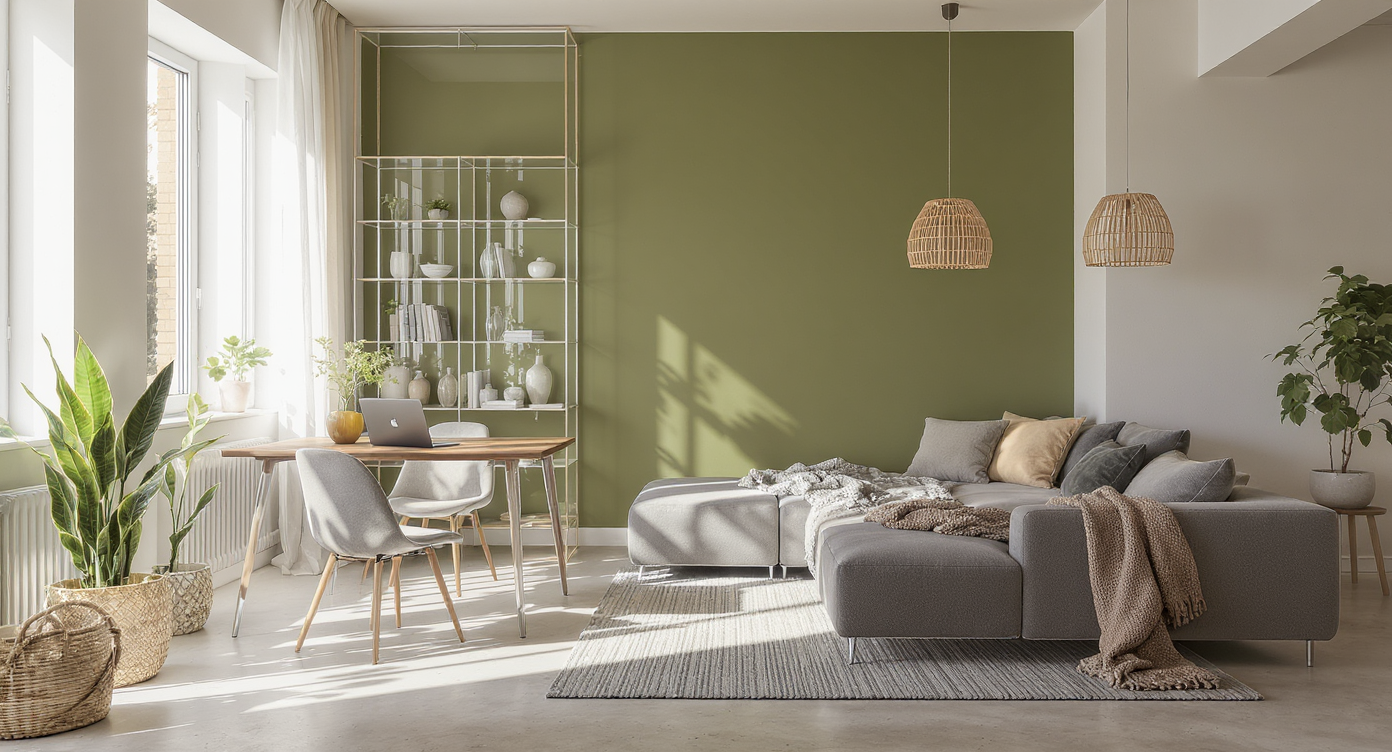
A thoughtfully arranged 50m2 apartment living area with angled walls, open shelving, and streamlined furniture for flexible everyday use.
Picture entering a 50 square meter apartment with an angled living room that at first glance feels restrictive. Natural light slips in from one side, highlighting a green-accented wall and casting soft lines across a see-through shelving unit. The sofa nestles in its own nook, a flexible dining table mirrors the dynamics of the week, and a lean desk sits ready for those rare work-from-home afternoons. Instead of furniture pressed against every wall, movement feels intuitive—paths form naturally, and the room hums with functional calm. Despite its quirks, the space exudes intention and warmth, inviting anyone inside to sit, work, or gather comfortably.
Visualization Scenario
Envision sunlight tracing a gentle line along a green accent wall and through open glass shelving. The flow of feet from the entry to the sofa is unimpeded, a slim desk basks in natural light, and every corner feels intentional. Despite unconventional angles, warmth and efficiency carry the day, hosting everything from after-work relaxation to weekend brunch effortlessly.
FAQ: Small and Odd-Shaped Living Room Solutions
Prioritize multi-functional or modular storage, keep walkways clear, and use visually light furnishings. Test virtual layouts to identify and fix crowding before you purchase.
Is shelving a good way to divide a living area?
Yes, open or glass shelving can delineate zones without sacrificing light, but avoid shelf styles that block too much daylight or look heavy when filled.
What is the ideal sofa size for an unconventional layout?
Sofas should fit the intended seating area with at least 30 inches of clearance for walkways. Modular or loveseats often work best. Adjust size as needed for balance and comfort.
What wall color works best for compact, quirky spaces?
Soft, light-reflecting hues—such as pale green—can open up a room visually. Accent colors help zone different functions without crowding.
Where can I experiment with layout ideas before moving furniture?
You can test room plans virtually using tools and inspiration from ReimagineHome.ai.
Living Fully in Small and Unusual Living Rooms
Compact and oddly shaped living spaces are not obstacles, but canvases that invite creativity and adaptability. By focusing on balanced zones, clear pathways, visually light storage, and thoughtfully sized furniture, even the most unusual rooms become comfortable and inviting. Testing multiple layouts and making adjustments with flexible décor help turn any small home into a source of pride and ease. For more inspiration and layout ideas, explore options with ReimagineHome.ai.