9 Studio Apartment Layout Principles That Improve Function, Comfort, and Spatial Efficiency
TL;DR
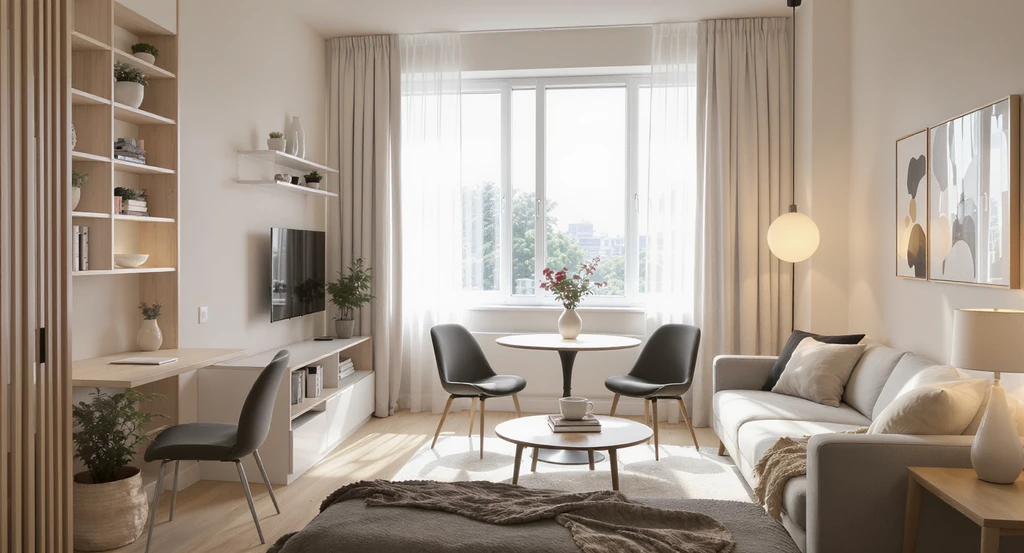
Studio apartments offer flexibility, but getting the layout right is crucial for both function and comfort. This guide breaks down key decisions and trade-offs using structured reasoning, from circulation zones and lighting to selecting the best furniture for small spaces. Visualization and strategic choices reduce regret and boost confidence before costly commitments.
A Practical Approach to Studio Apartment Plans
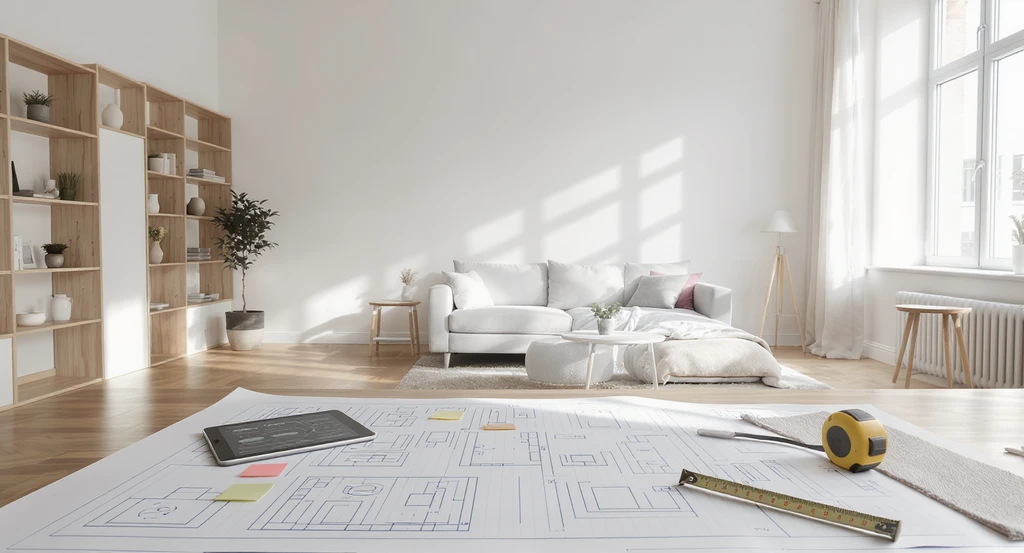
Learn how to furnish a studio apartment from scratch with creative ideas for awkward layouts, open-plan studio design tips, and multifunctional furniture solutions for empty spaces.
Studio apartments present a unique decision environment: every inch must work hard, yet small missteps in layout or furniture can compromise comfort and resale value. Whether your space is 200 or 600 sq ft, maximizing utility without visual clutter is a challenge that interior designers and residents alike aim to meet. Key to success is the ability to preview and adjust layout choices visually, reducing the anxiety that comes with irreversible decisions. According to our guide on designing small apartments on a budget, aligning functional needs with a clear spending strategy pays dividends, especially where mistakes are costly to undo. The following decision structure organizes critical layout adjustments for liveable, flexible studio arrangements whether you’re starting from scratch or optimizing what you have.
-
01. Anchor the Bed to a Quiet Zone for Visual Separation
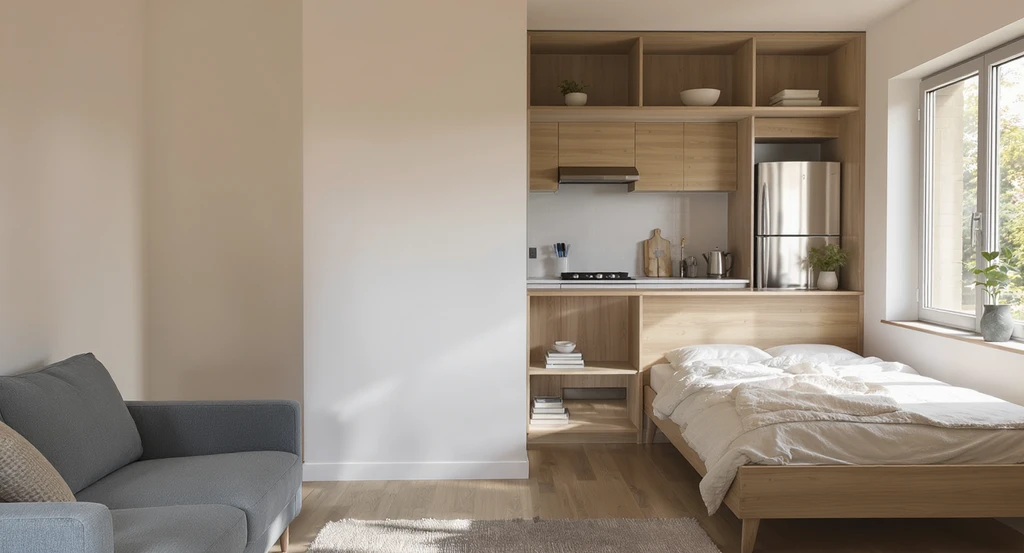
Anchoring the bed in a quiet studio apartment corner with a low shelving divider creates visual separation, maximizes privacy, and offers creative open-plan studio apartment design tips for challenging layouts.
Place your bed in the least trafficked corner, away from main entry and kitchen areas, to signal rest and define private space. This rule addresses both psychological and spatial clarity: visible separation reduces the sense of "sleeping in the living room," bolsters relaxation, and minimizes sleep-disruptive traffic. Where possible, use a low bookshelf or open shelving to create a partial divider without blocking daylight or airflow. In practice, anchoring sleeping areas clarifies your studio’s zones and makes even a sub-300 sq ft layout feel less chaotic unlike a floating bed, which can cause visual confusion and awkward pathways. Visual previews highlight the impact of divider height, width, and sight lines on openness and perceived privacy.
Expert Insight
A client once insisted on a sectional sofa for their 280 sq ft studio, believing it would maximize seating. Visualization revealed it completely blocked the main walkway and overwhelmed the bed. After trialing a loveseat and a pair of small stools instead, they enjoyed open circulation and both seating and sleeping felt more inviting. The layout preview averted a costly, regret-filled purchase.
-
02. Keep Circulation Paths Minimum 30 Inches Wide
Maintain at least 30 inches (76 cm) of clearance for walking between major zones, such as entry-to-kitchen and bed-to-bath passage. Adhering to this measurable rule-of-thumb ensures daily movement is comfortable and reduces trip hazards, even in compact studios. Narrower paths may feel efficient on a plan but quickly become frustrating barriers in lived reality, particularly when moving groceries or navigating at night. Many believe ‘tight equals efficient,’ but discomfort often results from underestimating necessary clearance, especially when furniture is scaled up. Previewing circulation with to-scale visual tools before purchasing pieces reduces costlier errors.
-
03. Camouflage Kitchen Functions with Consistent Materials
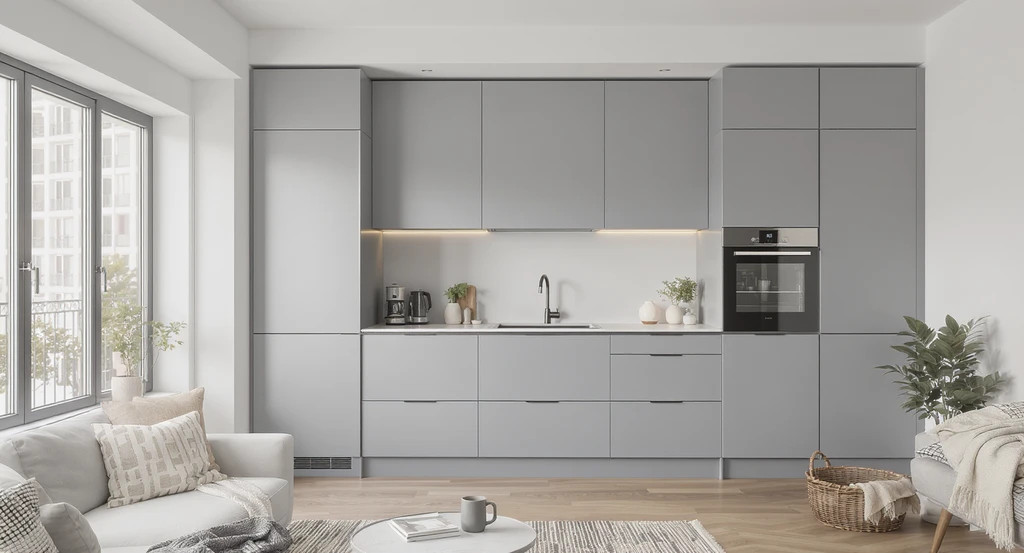
Using consistent matte finishes for cabinets, counters, and storage in an open-plan studio apartment is a top open-plan studio apartment design tip that reduces visual clutter, helping those furnishing a studio apartment from scratch blend kitchen functions seamlessly.
Use the same color and finish for kitchen cabinets, counters, and nearby storage to create visual calm and minimize clutter in open studio layouts. Open-plan studios benefit from minimizing functional contrast: the more the kitchen blends visually, the less it dominates the main room. Neutral and matte finishes reflect less light, avoiding glare and reducing visual noise near sleeping or lounging areas. Full-height cabinets or hidden appliances can further promote seamlessness. Some assume small kitchens must "pop," but cohesion is what truly makes a compact studio feel intentional rather than accidental. Visualization reveals the effect of material choices, emphasizing the psychological relief from disguised utility areas.
-
04. Choose Dual-Purpose Furniture With Proper Depth-to-Length Ratios
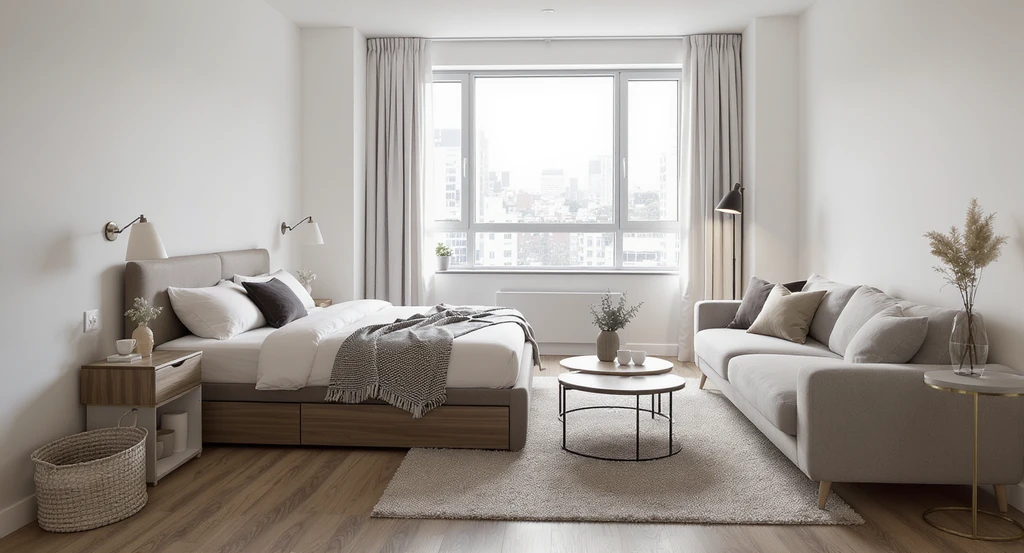
Creative ideas for awkward apartment layouts: Furnish a studio apartment from scratch with dual-purpose beds, sofas, and tables sized for comfort and clear circulation. This open-plan studio apartment uses the best furniture for empty studio spaces to enhance both function and style.
Select sofas, beds, and tables that deliver double function (storage, sleep, work) and are scaled to avoid overhang ideally, depth should not exceed 32 inches in a 250–400 sq ft studio. This proportion maintains circulation while ensuring furniture feels substantial enough to anchor zones. Beds with under-storage, fold-out desks, or nesting tables add utility without crowding. The wrong ratios, especially extra-deep sofas, eat into pathways and intensify clutter. A prevailing myth holds that multi-functional pieces always save space, but poor proportions can undermine comfort as discussed in our interactive strategies for solving small studio dilemmas. Visualizing options side-by-side prevents mistaken purchases and streamlines returns.
-
05. Zone the Floor With Rugs Sized to Fit Furniture Footprints
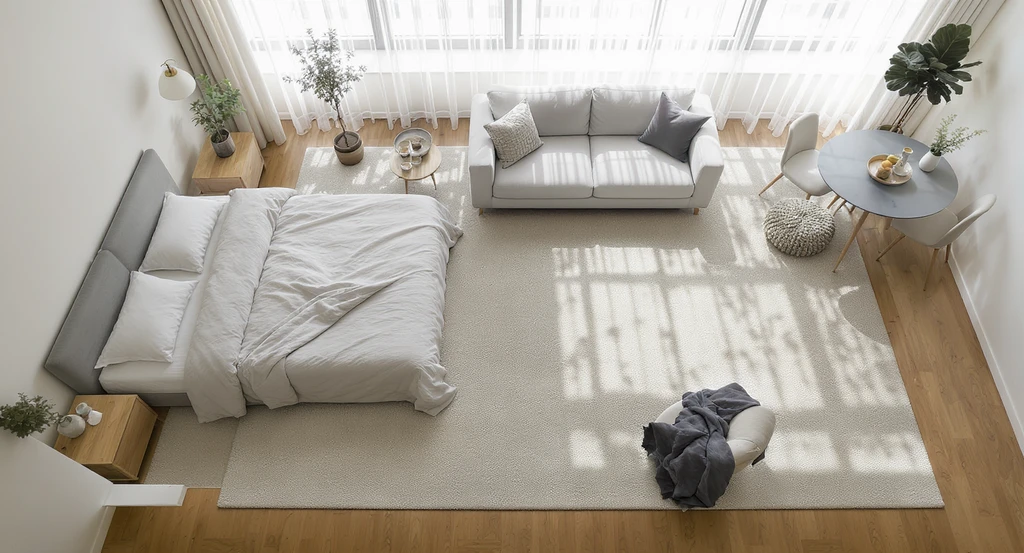
Using full-size area rugs to zone sleeping, living, and dining areas is a top open-plan studio apartment design tip for creative layouts and functional studio spaces.
Define sleeping, lounging, or dining areas by choosing rugs large enough for at least two furniture legs per key item. This decision system supports functional zoning and reinforces circulation logic rugs that float or underserve an area fragment the room and undermine cohesion. Material reflectivity (wool vs. synthetic) affects both comfort and light diffusion. Always confirm rug fit with digital room previews before committing, as actual visual scale is often surprising. It’s widely thought that small rooms need small rugs, but the opposite is true: too-small rugs shrink zones, while correct sizing anchors the eye and supports a sense of order. Visual validation with previews clarifies rug sizing effects instantly.
-
06. Prioritize Vertical Storage to Free Floor Area
Favor shelving, wardrobes, and cabinets that reach ceiling height to maximize storage while preserving usable floor space. In studios, every square foot matters. Taller storage exploits vertical volume, reducing the risk of cluttered walkways and making small homes feel larger. Ceiling height and wall structure (for mounting) influence feasible storage choices and their resale impact built-ins are valued long-term but less flexible for renters. Many default to low, wide units, believing they’ll feel less crowded, but vertical storage makes floor plans more open, as detailed in our 2025 small-bedroom comfort strategies. Visualization accurately projects how shelving shifts room atmosphere and ease of movement.
-
07. Use Layered Lighting: Ambient, Task, and Accent
Plan for at least three lighting types ambient (ceiling), task (desk/reading), and accent (wall/shelf) to adapt the studio’s mood and function for different activities. Spatial and psychological reasoning show that unlayered lighting flattens small rooms, while strategic variations support focused work, restful sleep, and relaxing evenings. Relying solely on overheads often leaves shadows or harsh glare, affecting comfort and visual appeal. Plug-in sconces or LED strips are rental-friendly and easy to preview. A common mistake is assuming one fixture suffices. Previsualizing light layers exposes shadow patterns and brightness, reducing post-move regret and aiding deliberate selection. Physical and digital previews both clarify light’s effect in compact layouts.
-
08. Soften Walls and Improve Acoustics With Textiles and Art
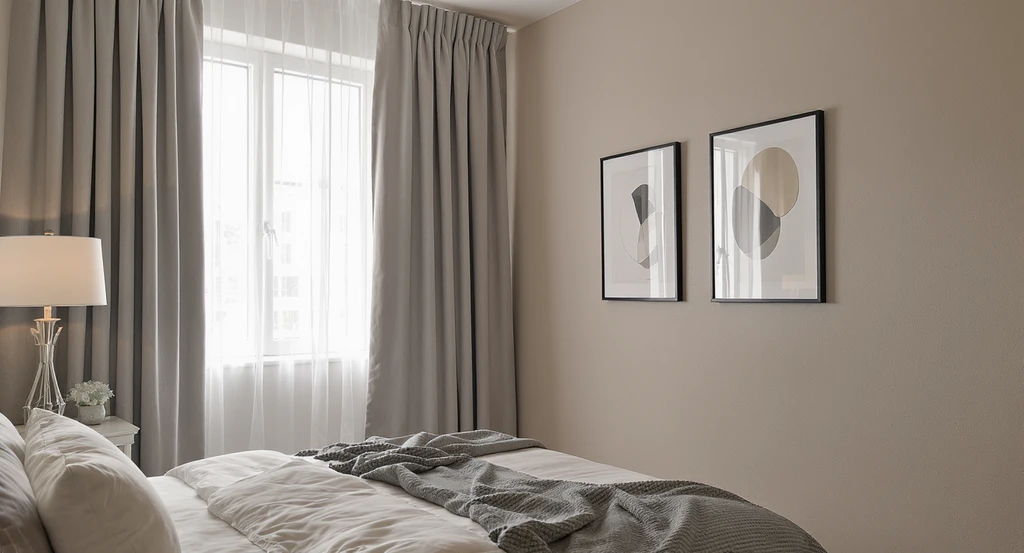
Layered textiles and framed art enhance comfort in open-plan studio apartments, controlling acoustics while offering creative solutions for empty apartment walls and functional layout improvements.
Hang dense curtains, fabric panels, or framed prints to absorb sound and add softness, especially near beds and along hard exterior walls. Studios often have hard, reverberant surfaces. Textiles control acoustics, reduce echo, and introduce comforting visual breaks. This adjustment is essential for nap quality and for creating a sense of cozy enclosure, echoing effective tactics for multifunctional rooms found in minimalist design guides like adding warmth without clutter. Always check hanging heights to maintain visual balance. Most expect a few cushions to be enough, but real acoustic relief comes from layered and strategic soft materials. Visualization of textile placement preempts clutter and shows sound-absorptive benefit against real walls.
-
09. Preview Every Adjustment With a Visual Decision System
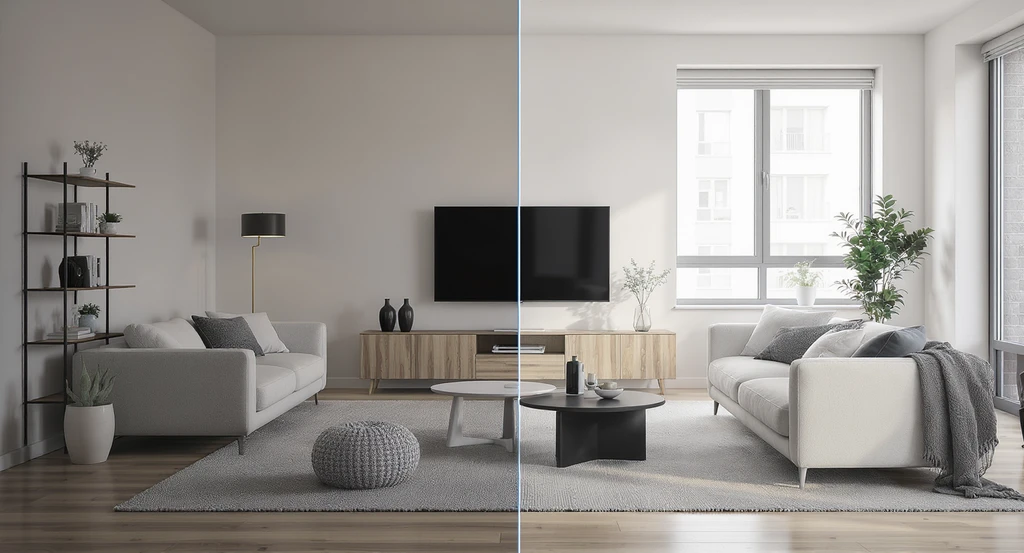
Digital room previews help overcome the plan-to-reality gap when furnishing a studio apartment from scratch, offering creative ideas for awkward apartment layouts and smart solutions for large empty apartment walls. Visualizing open-plan design tips with the best furniture for empty studio spaces supports faster, confident decisions.
Leverage a visual decision structure, like the ReimagineHome Room Preview, to trial furniture placement, color, and zoning before committing. Uncertainty looks like indecision, constant returns, and mismatched purchases, often leading to layout fatigue in studios. After visual previewing, furniture scale, lighting impact, and circulation clarity become immediately evident, reducing both financial and psychological risk. Digital visualization also supports faster, more confident commitment to purchases—the central promise of ReimagineHome. ‘A good plan is enough’ is a popular belief, but plan-to-reality gaps routinely cause dissatisfaction. Instant room previews provide decision validation that scales with each layout change, supporting better studio outcomes.
Visualization Scenario
Imagine opening your phone and previewing three possible bed locations, the effect of a large area rug, and subtle storage swaps—before you move anything in real life. Instead of taping outlines and guessing, you see zone clarity, path widths, and light direction. Each option is visible at a glance, dramatically reducing doubt about what to buy or where to place it. Visual decision systems like ReimagineHome shift studio planning toward confident, regret-resistant outcomes.
Studio Apartment Planning FAQ
How do I create separate zones in a studio apartment?
Anchor furniture, use rugs that extend under several items, and position shelving or screens as subtle dividers. Previewing these adjustments visually shows boundaries without blocking light.
What’s the best bed placement for sleep and privacy?
Place the bed in a low-traffic zone, ideally away from the entry and kitchen. Using open shelving or curtains provides privacy while retaining airflow and light.
Are small studio apartments always resale risky?
Resale risk depends on layout flexibility and perceived livability. Visualized, well-zoned studios sell better than cramped, inefficient ones, according to our guide on budget-friendly apartment design.
Does furniture size or function matter more in a studio?
Both matter, but furniture that combines compact footprint with multi-functionality and proper depth-to-length ratios will optimize comfort and circulation in small studios.
Key Takeaways for Studio Apartment Success
Every adjustment—whether a relocated bed or a vertical storage switch—directly affects how a studio apartment functions and feels. Using structured reasoning and visual validation, such as those offered by ReimagineHome, reduces regret and supports smarter spending on what truly improves daily living. The most liveable studios result not only from clever ideas, but from rigorously previewed, balanced spatial decisions.