7 Timeless Kitchen Design Ideas for Longevity: How to Get It Right
TL;DR
Kitchens that truly last focus on smart layouts, classic cabinets, neutral materials, and measured use of color. This guide breaks down the most common mistakes and how to correct them, so your kitchen still looks right in a decade.
How to Spot a Kitchen That Will Still Work in 10 Years
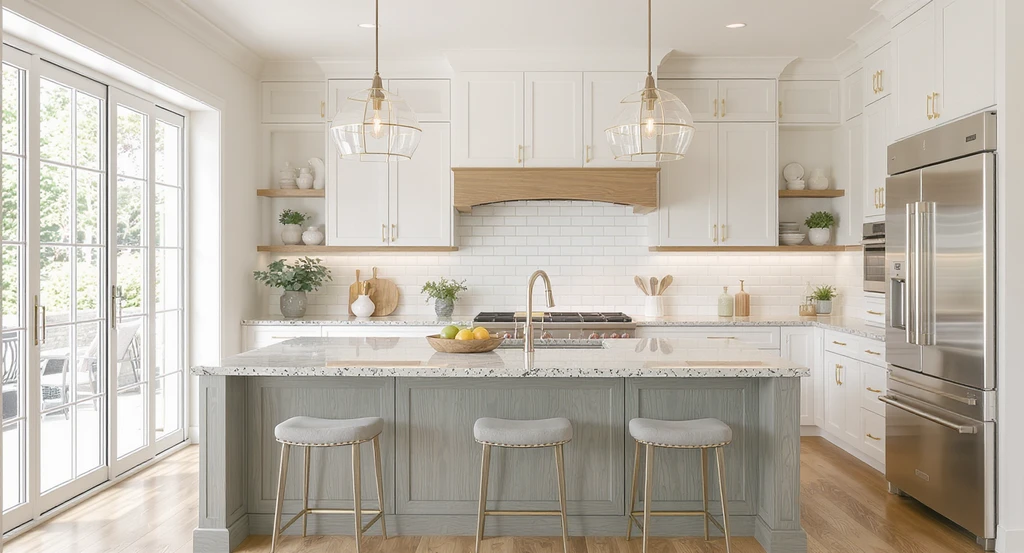
Discover timeless kitchen design ideas for longevity with durable materials and the best kitchen layouts for lasting appeal. Avoid trendy kitchen mistakes.
Kitchen trends appear and fade quickly, but a truly timeless kitchen always holds up because of what happens beneath the surface. The secret isn’t being plain, it’s about making decisions now that won’t corner you later. If you want a kitchen you’ll love well beyond a trend cycle, the key is to focus on foundational elements you can live with for years. Below, you’ll learn practical layout rules, common errors to avoid, and clear ways to correct them so your kitchen feels right now, and still feels right after a decade. According to our guide on timeless kitchen design, these choices aren’t about playing it safe, but about building quietly confident spaces that age gracefully.
-
01. Ignoring Layout Logic for Style
01. Ignoring Layout Logic for Style Image
The biggest mistake in kitchens designed to last is putting style ahead of function. If the flow is off, even if beautiful, the space will feel awkward over time.
This usually happens when decisions are made for visual impact, such as oversized islands, dramatic lighting, or trend-forward elements, and basic ergonomic rules are ignored. To correct this, start with the core work triangle: ensure the sink, stove, and fridge are easily accessible, with at least 36–48 inches clearance for walkways. Leave at least 15–18 inches of clear landing space on each side of major appliances, and make sure cabinet doors and appliances can open fully without clashing. As explored in our kitchen trends guide, the most future-proof layouts let you update a style or finish, not the kitchen's bones.
- Check if you have enough space for two people to work at once.
- Ensure every storage element is accessible and logical for your habits.
- Only bring in aesthetic features after the layout is functional.
-
02. Treating Only the Surfaces as 'Timeless'
02. Treating Only the Surfaces as 'Timeless' Image
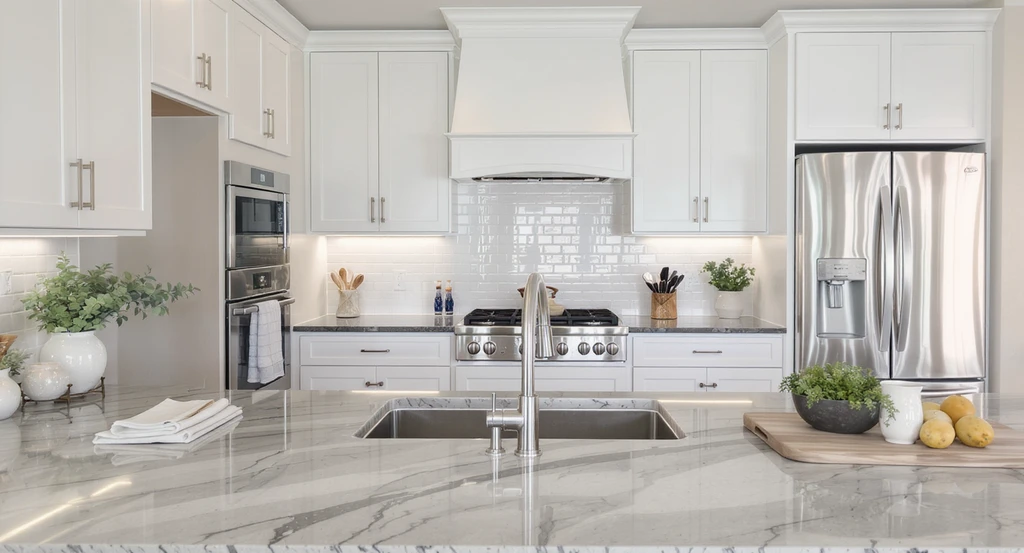
Assuming that adding neutral counters or classic tile makes a kitchen timeless is a common trap. True longevity requires neutral foundations, not just finishes, but also cabinet profiles and flooring, that don’t overwhelm the senses or lock you into a style.
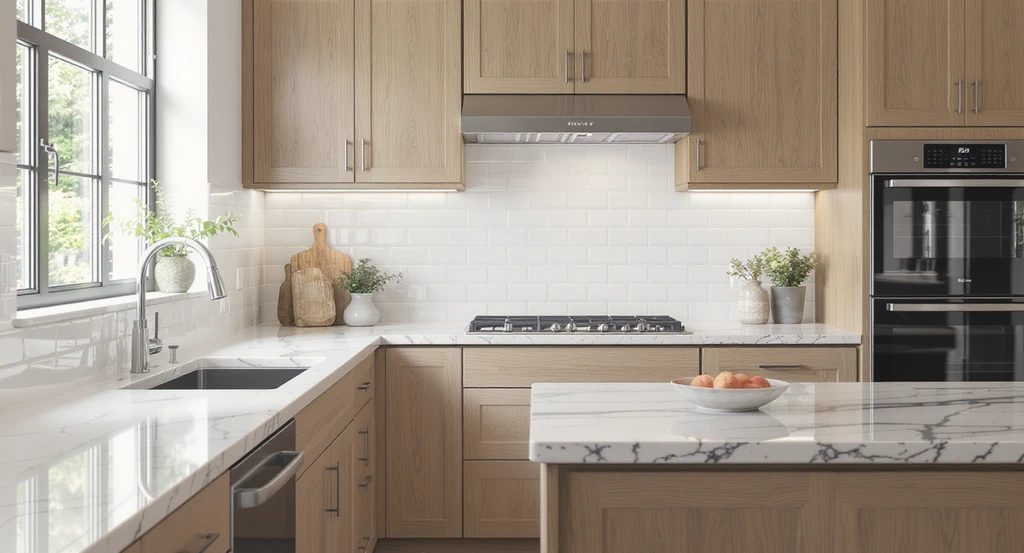
This happens when people confuse timeless with featureless. The correction is to make permanent pieces like cabinetry, floors, and main counters neutral (such as natural stone, subtle quartz, or oak with clear finishes) while introducing personality in parts that are easy and economical to swap (lighting, stools, accessories, wall color). If repainting, updating, or changing out a piece would require a major renovation, keep that element simple and classic.
-
03. Obvious, Era-Stamped Cabinet Styles
03. Obvious, Era-Stamped Cabinet Styles Image
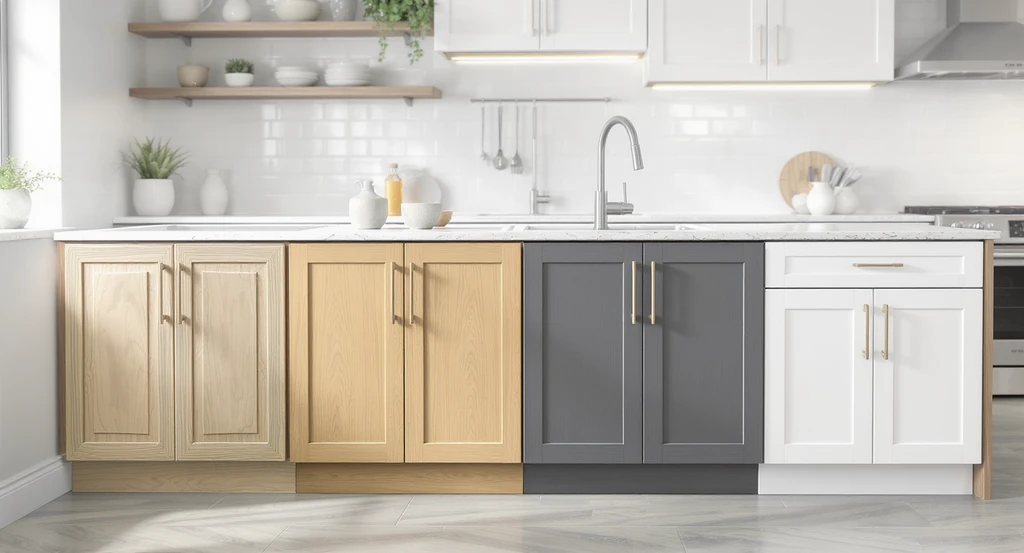
Choosing cabinets that are too on-trend or ornate can immediately timestamp a kitchen. Cabinets with distinctive grooves, novelty fronts, or ultra-modern details tend to age quickly.
Timeless kitchens usually use a simple shaker or consistent, minimal flat-panel design. Consistent detailing and no excessive trims create a cohesive framework that lets other elements shift over time. As noted in our overview of practical, timeless kitchens, framed or refined slab cabinets tend to hold up best.
- Use the same door profile throughout the kitchen for a seamless, unifying feel.
- Avoid heavy molding or ornate insets unless matching traditional architecture.
-
04. Relying on Risky, Trend-Focused Color Choices

04. Relying on Risky, Trend-Focused Color Choices Image
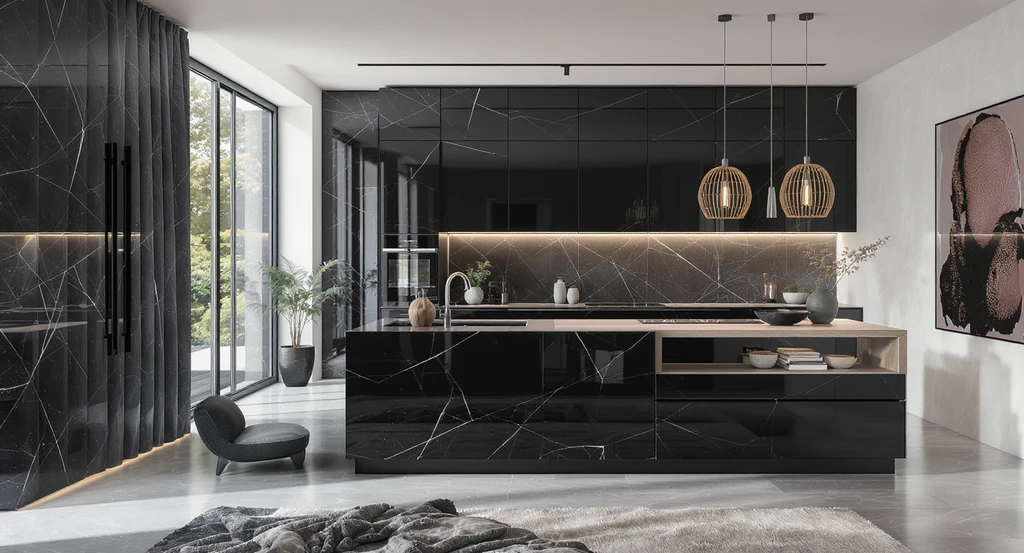
Strong, trendy hues, like bold greens, two-tone cabinets, or high-contrast islands, might look contemporary today but tend to wear out their welcome.
Kitchens with staying power use warm whites, muted grays, light beiges, or natural wood as the main act, putting bolder colors on elements that are easy to change (like walls, stools, or pendants). If you crave color, keep it on paint and textiles instead of cabinetry or counters. According to recent kitchen color insights, flexible neutral palettes consistently outlast bold looks.
-
05. Overlooking the Value of Long-Wearing, Real Materials
05. Overlooking the Value of Long-Wearing, Real Materials Image
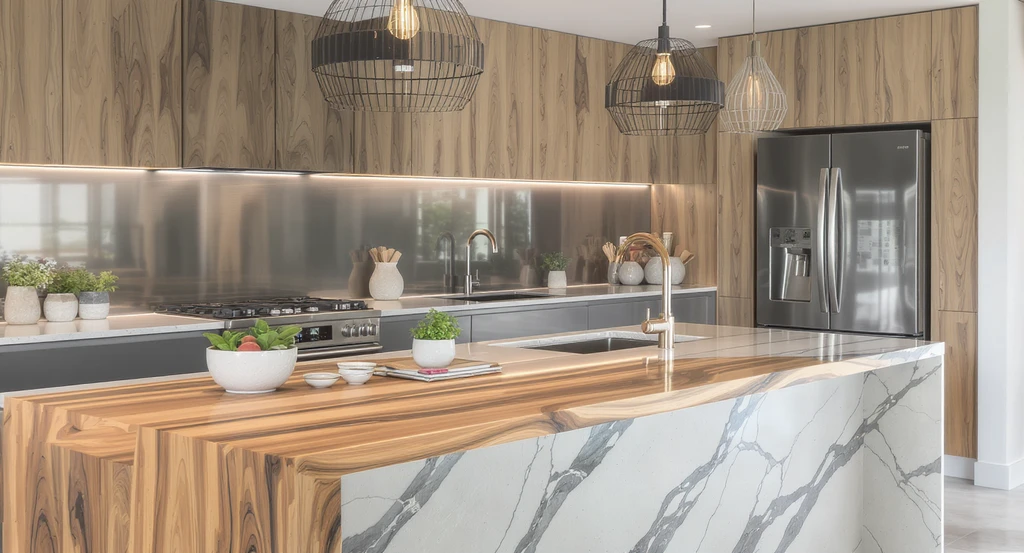
Kitchens that last are built from surfaces designed to develop character instead of wear out. Using materials that degrade or discolor quickly (like porous wood near sinks, glossy laminates, or delicate finishes) is a mistake future you will notice daily.
The correction: stick to durable counters (natural or engineered stone), solid woods with visible grain, matte or satin finishes, and uncoated metals that develop patina, such as brushed brass or stainless steel. As seen in our list of top kitchen materials for 2025, surfaces that actually look better as they age save you money and frustration long-term.
-
06. Skimping on Layered, Adjustable Lighting
06. Skimping on Layered, Adjustable Lighting Image
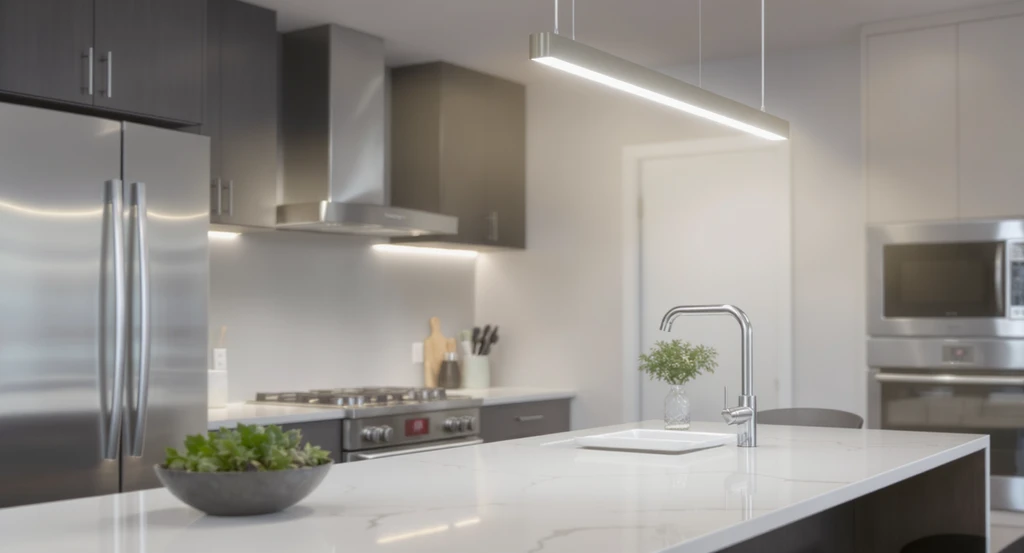
Poor lighting, or relying on one oversized fixture, can make kitchens feel dated or impractical. Timeless kitchens are designed to adapt to changing needs, cooking routines, and even vision as time passes.
Plan lighting in layers: use overall ceiling-controlled lighting (ambient), focused lights under cabinets or over prep areas (task), and a few accent lights for mood or display. Include dimmer switches for flexibility. Ensure all major work zones, sink, stove, prep, are well lit, and avoid harsh, glaring LEDs. Practical choices like these, instead of statement fixtures alone, keep the room usable and inviting for years.
- Ambient: Recessed or flush-mount ceiling lights evenly spaced.
- Task: Under-cabinet strips beneath all upper cabinets and over islands.
- Accent: Subtle pendants or sconces where a soft glow is desired.
-
07. Letting the Room Try Too Hard for Attention
07. Letting the Room Try Too Hard for Attention Image
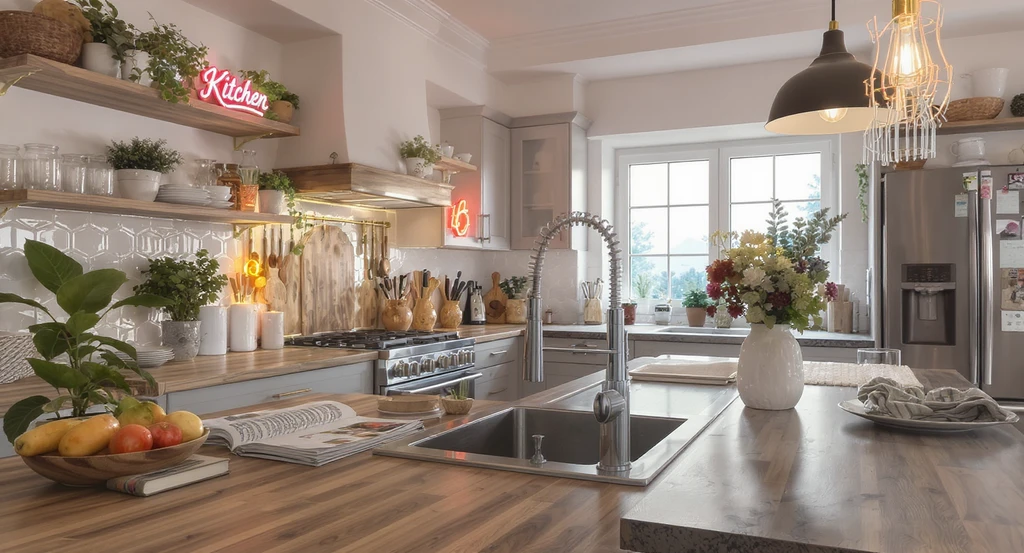
A kitchen that aims for "wow" at the expense of calm is likely to feel dated quickly. Overdecorating, mismatched hardware, or clashing finishes make the room feel busy and disjointed as styles change.
The best test is the "ten-year test": imagine the space with new stools, lights, or wall color. If the kitchen still feels balanced, it will age better. Stick with classic, structured layouts and finishes that allow accessories to evolve around them. As we outlined in our kitchen longevity guide, the right balance comes from simplicity and confidence, not from chasing trends.
Frequently Asked Questions
- How do you know if a kitchen design will age well?
- Check that the layout is practical and the major surfaces are neutral and high-quality. Ask yourself if you’d like the space with new stools, lighting, or decor. If yes, the foundation is likely timeless.
- What kitchen trend should I avoid for longevity?
- Avoid committing to bold colors or ornate cabinet styles for permanent features. Use trends for non-permanent accents like hardware or paint, which are easier to update later.
- Which materials perform best over time?
- Stone (like marble and quartz), solid wood, brushed metals, and high-grade tile age well. Avoid porous woods at wet zones and low-quality laminates in high-traffic areas.
- How important is lighting for lasting appeal?
- Layered, practical lighting ensures the kitchen adapts to different needs, keeping the room usable and attractive over the years.
Key Takeaways for a Kitchen That Holds Up
Designing a kitchen you’ll still like in ten years is about making smart, quiet decisions at the foundation, especially around layout, materials, and scale. Use the "ten-year test" to check your plan, and remember: updates are easy when the permanent parts are calm, durable, and flexible. For more details on layouts, color choices, and timeless design principles, see our linked resources above.