Deciding Between Tote Racks and Traditional Shelves for Small-Space Storage
TL;DR
Tote racks are gaining popularity as a space-saving storage solution, especially in garages, attics, and utility spaces. They use sturdy bins slid onto wall-mounted rails to maximize vertical storage and accessibility. However, choosing between dedicated tote racks and classic shelving involves understanding durability tradeoffs, adaptability over time, and how well each option supports effective clutter control in small or oddly shaped rooms.
Why Small-Space Storage Solutions Are Evolving
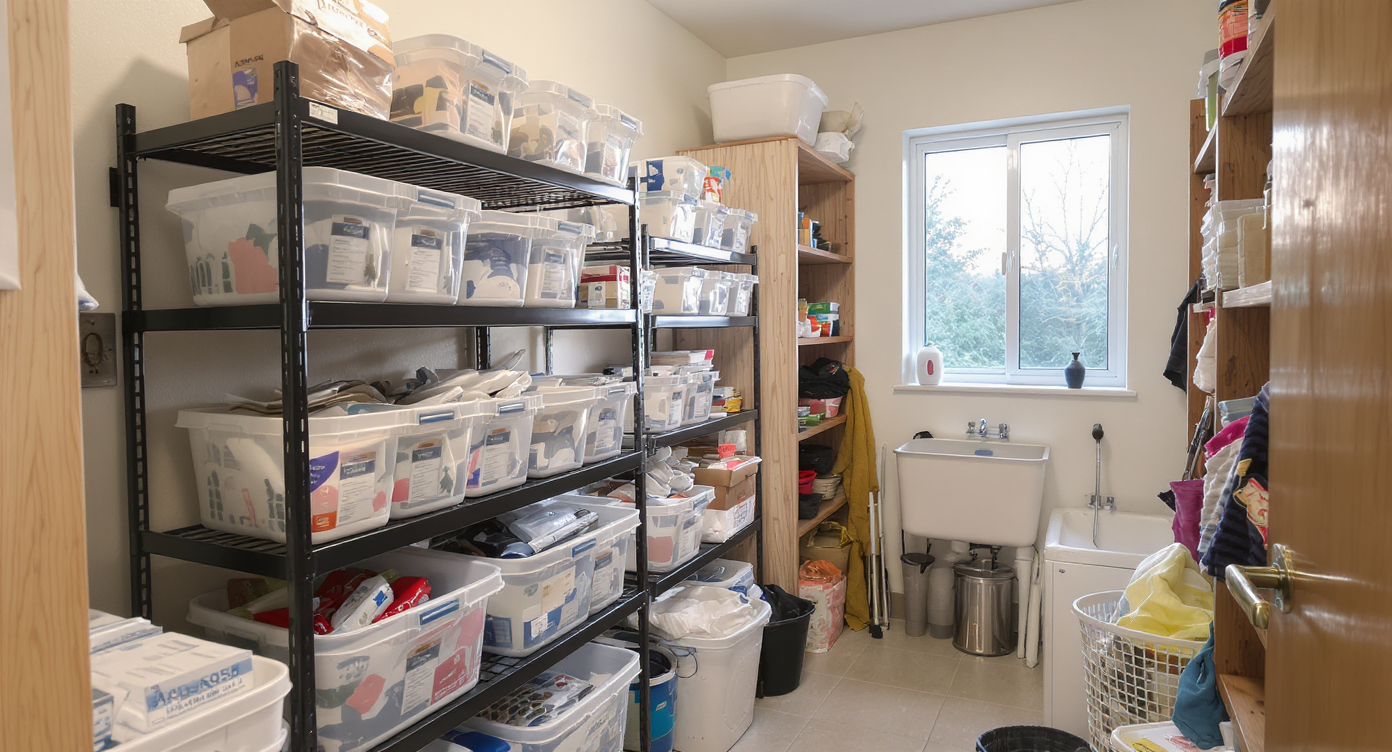
Compact utility space showing wall-mounted tote racks with neat bins and traditional shelves crowded with storage, highlighting real-life small-space choices.
In homes where every inch counts, storage design has become a frequent topic of debate. Clutter quickly accumulates in compact bedrooms, utility rooms, and garages, especially after moves or seasonal transitions. A recent trend shows homeowners turning to wall-mounted tote racks: simple rail systems that hold rugged plastic bins. This approach promises better use of vertical space and easier access to belongings, but also stirs questions about long-term durability and versatility. The core of good clutter control is not just finding space but choosing methods that sustain order year after year. Understanding the realities behind tote racks versus shelving—and how both can fit your storage needs—can help you avoid the frustrations of cracked bins or wasted space. As with all home improvement, the best solution balances innovation with practicality.
-
Tote Racks: Upsides and Real-Life Compromises
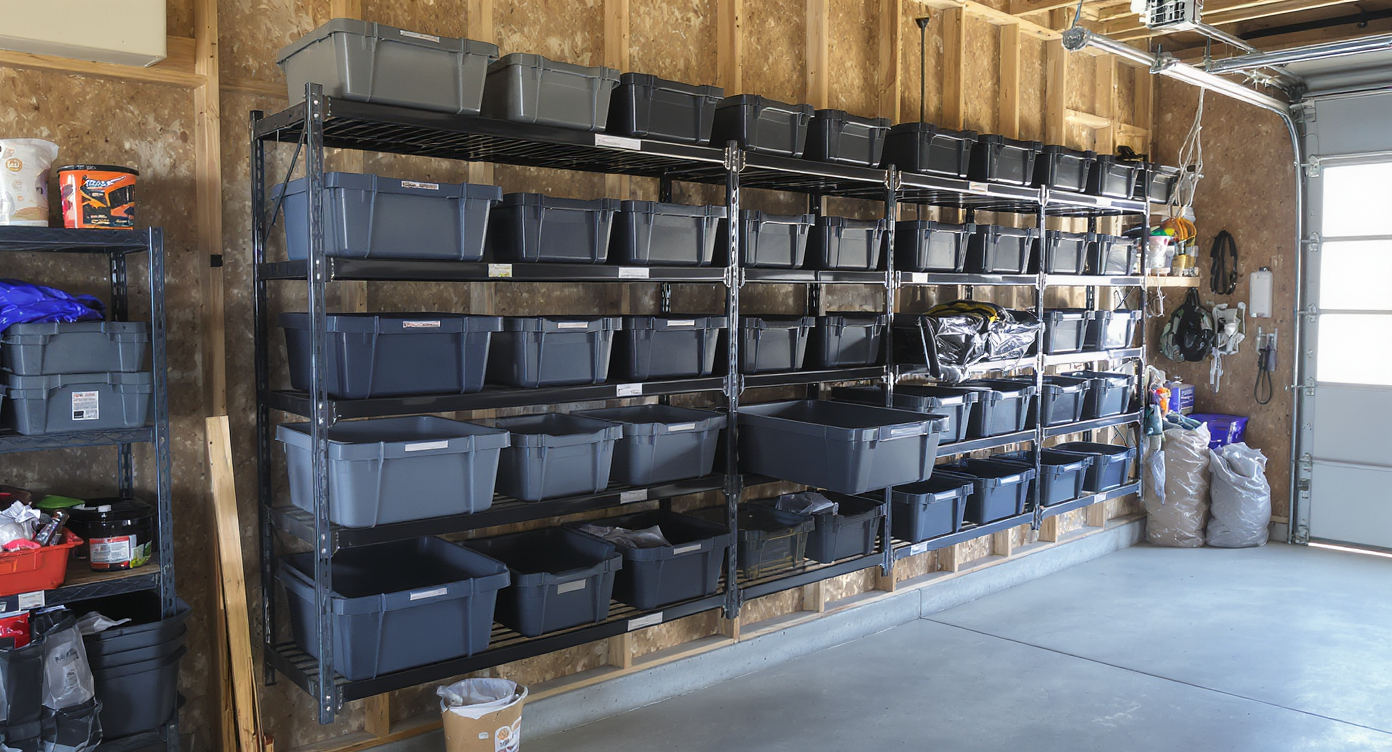
Tote racks maximize vertical storage by allowing sturdy bins to glide on wall-mounted rails, freeing up floor space in a compact garage.
Tote racks make practical use of rails attached to wall studs, allowing heavy-duty bins to glide in and out without the usual battle with stacked containers. In theory, this setup reduces the need to move multiple bins just to access one, and can add structure to a garage or basement that otherwise feels chaotic. Proponents often cite the time saved and satisfaction of seeing every organized tote in plain view. Vertical efficiency is the main appeal: by sliding totes onto rails instead of stacking, you open up floor space. This is especially useful in tight or awkwardly shaped zones, such as under eaves or along utility walls. Homeowners with similar layouts, like small bedrooms or narrow closets, have long searched for ways to store out-of-season clothing or rarely used tools with minimal disruption to everyday routines. It echoes storage philosophies outlined in our post on maximizing space in a small bedroom layout, where every foot of wall space is pressed into service. Yet, there are tradeoffs. Bins supported by their lips must be commercial-grade to safely hold any significant weight long-term. Industry reviews and user experiences consistently report that less robust bins risk bowing or outright cracking—especially when removed and replaced frequently, or after years in sun-exposed garages. Each manufacturer seems to tweak dimensions, making replacement tricky if your preferred bin is discontinued. And unlike classic shelving, these racks accept only bins of precisely the right size.
Expert Insight
A family moved across the country and wound up with a mountain of sturdy, mismatched storage bins—each packed with everything from holiday dishes to hiking gear. The bins lived in precarious stacks until a rail-based tote rack finally tamed the chaos. For months, it felt brilliant: no more lifting multiple bins just to find the tent. But when the time came to store an oddly shaped antique or swap a cracked bin for a newer model, the family found classic shelving earned back its place for flexibility. The combination made their home feel ready for anything.
-
Classic Shelving: Flexibility and Longevity
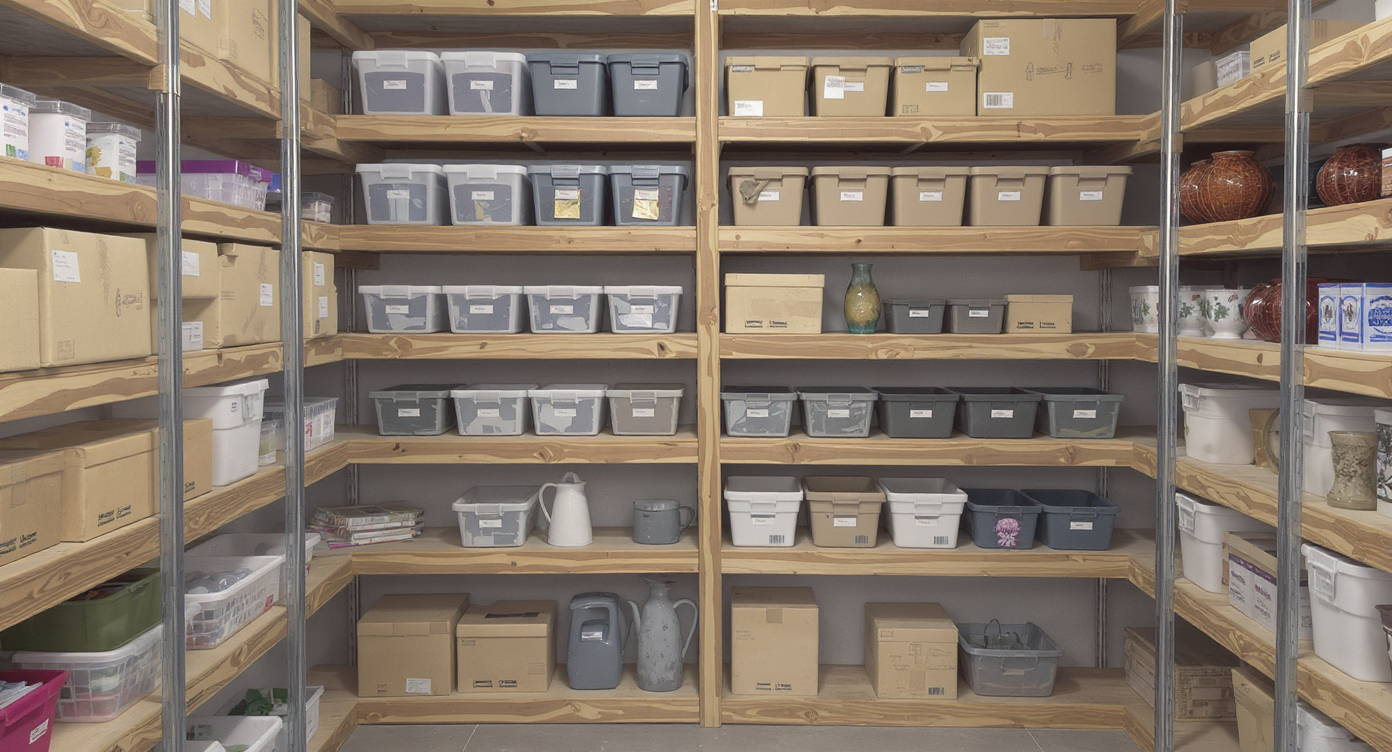
Classic plywood shelving in a compact storage room holds varied containers at different heights, showing flexible, durable storage solutions.
Where tote racks stand out for highly specific, uniform bin storage, classic shelving embraces flexibility. Standard shelves grant freedom to use a variety of containers—totes, boxes, even oddly shaped tools or decor pieces. They can be installed at custom heights to accommodate large or small items and can be easily modified if your storage needs evolve. Shelving also provides weight support along the entire container base, which is a critical difference in terms of equipment durability. Over time, the bottoms and lips of bins age, especially under strain or environmental swings. Sturdy 2x4 and plywood shelving, as many seasoned DIYers attest, is less likely to cause containers to fail or contents to spill. Accessibility stays high since bins slide or lift out without catching, and labels or inventory sheets attached to the container front can streamline finding what you need. Adherents of either approach point out that a sharp furniture layout and the right storage combination can spark satisfaction even in formerly disorganized rooms—much like the DIY design ideas that emphasize easy-win upgrades. The central takeaway is to consider not just today's neat appearance, but tomorrow's maintenance and adaptiveness.
-
Practical Scenarios: Which Storage System Fits Your Lifestyle?
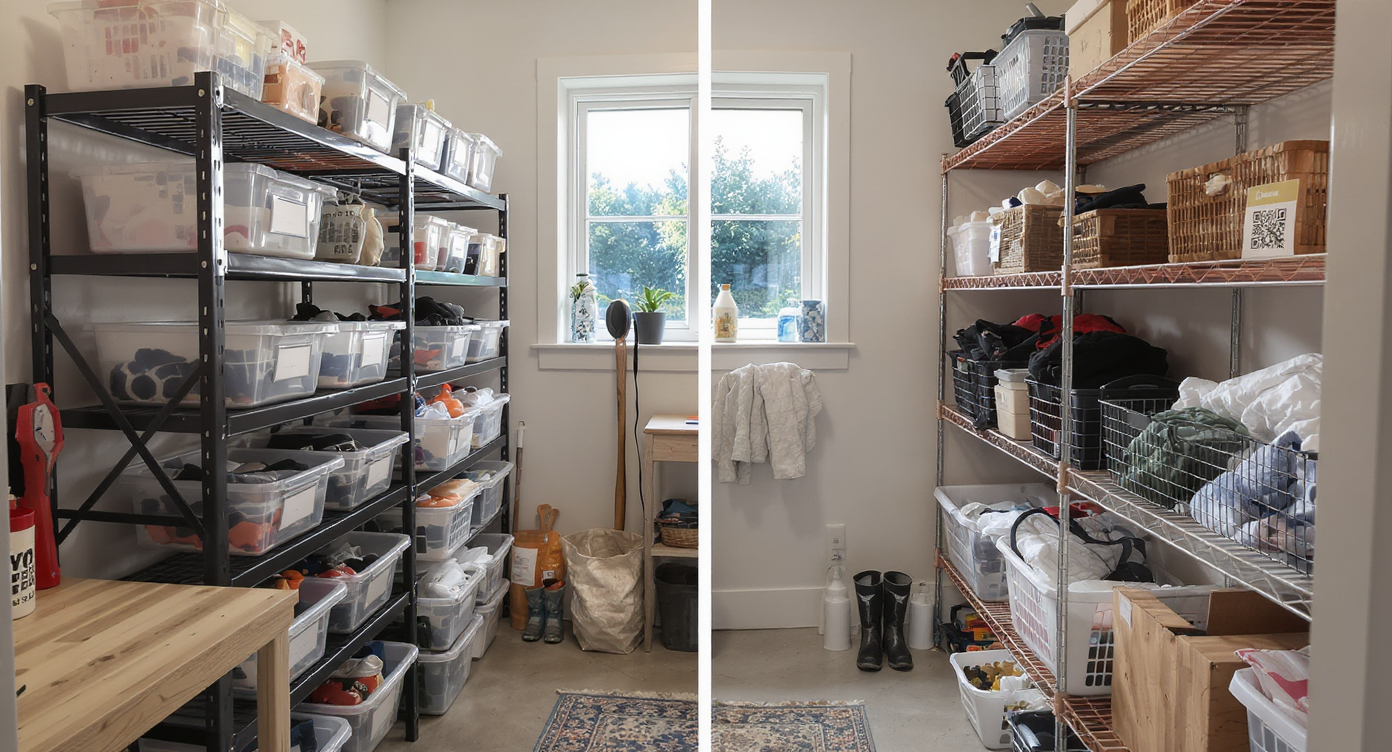
A compact utility room contrasts tote racks with labeled bins for rarely used items against flexible shelves holding gear, bins, and baskets.
Imagine working in a compact utility room that also serves as your hobby space. Tote racks could help dedicate one wall to materials you rarely use, offering quick access during weekend projects and keeping the floor open for large tools. But if your family’s possessions range in size and shape, classic shelving enables a mix of storage boxes, baskets for sports gear, or even laundry bins for muddy boots after a rainy day. For families who rotate seasonal items in and out of storage—holiday decorations, camping gear, sports uniforms—the ability to reconfigure shelves, swap container sizes, or add hooks for odd-shaped gear becomes invaluable. Think of a parent setting out school supplies in August only to box them up for holiday decor in November. A tote rack, while efficient for one type and size of bin, might not adjust so readily to these shifting needs. In multi-user spaces like garages or shared apartments, labeling also becomes critical. Rack devotees might use whiteboard stickers or index card holders to track contents, while shelf systems lend themselves to broader categories and rapid reshuffling. Regardless of style, visible labels and inventory control—whether a handwritten sticker or a QR code—ensure you spend less time searching and more enjoying your living space.
-
Common Mistakes to Avoid
One frequent pitfall is overloading bins beyond what the lips or handles can bear. Even the strongest totes can fatigue or crack if consistently forced to hold heavy items without bottom support. Racks designed for side-lip support should be reserved for reinforced bins, and weight should be distributed evenly—avoiding concentrated loads that concentrate pressure in one area. Another misstep is choosing a rack or shelf based on short-term appearance rather than long-term needs. The allure of matching bins can obscure the reality that styles and sizes may change, or that a shelving unit could outlive multiple generations of containers. Failing to anchor any structure solidly to the wall also risks collapse, especially in households with children or pets who might bump or climb on storage units. Finally, labeling—or lack thereof—regularly derails even the tidiest setup. Unmarked bins, ambiguous category stickers, or incomplete inventories result in confusion and unnecessary rummaging.
-
Tips and Expert Insights
Designers often suggest blending both racks and shelving in larger spaces to accommodate future changes. In a garage renovation, add a stretch of rails along the ceiling for little-used totes while installing adjustable shelves for the items you grab regularly. Use clear plastic bins when possible for instant content checks, and swap out brittle or damaged containers as soon as cracks appear. For city apartments or condos, make use of vertical surfaces but prioritize flexibility—wall-mounted shelves, over-door hooks, and slim dressers all help corral supplies without permanent changes. Labeling strategies should balance detail with ease: use simple masking tape and marker for evolving needs, or invest in clip-on label holders for more static, long-term storage. Above all, revisit your storage system seasonally. Items naturally shift with routines, so reorganizing in spring and autumn can head off accumulating clutter. And remember that maximizing storage can be as much about adjusting the storage method as it is about acquiring more containers.
-
How to Use This in Your Next Designs
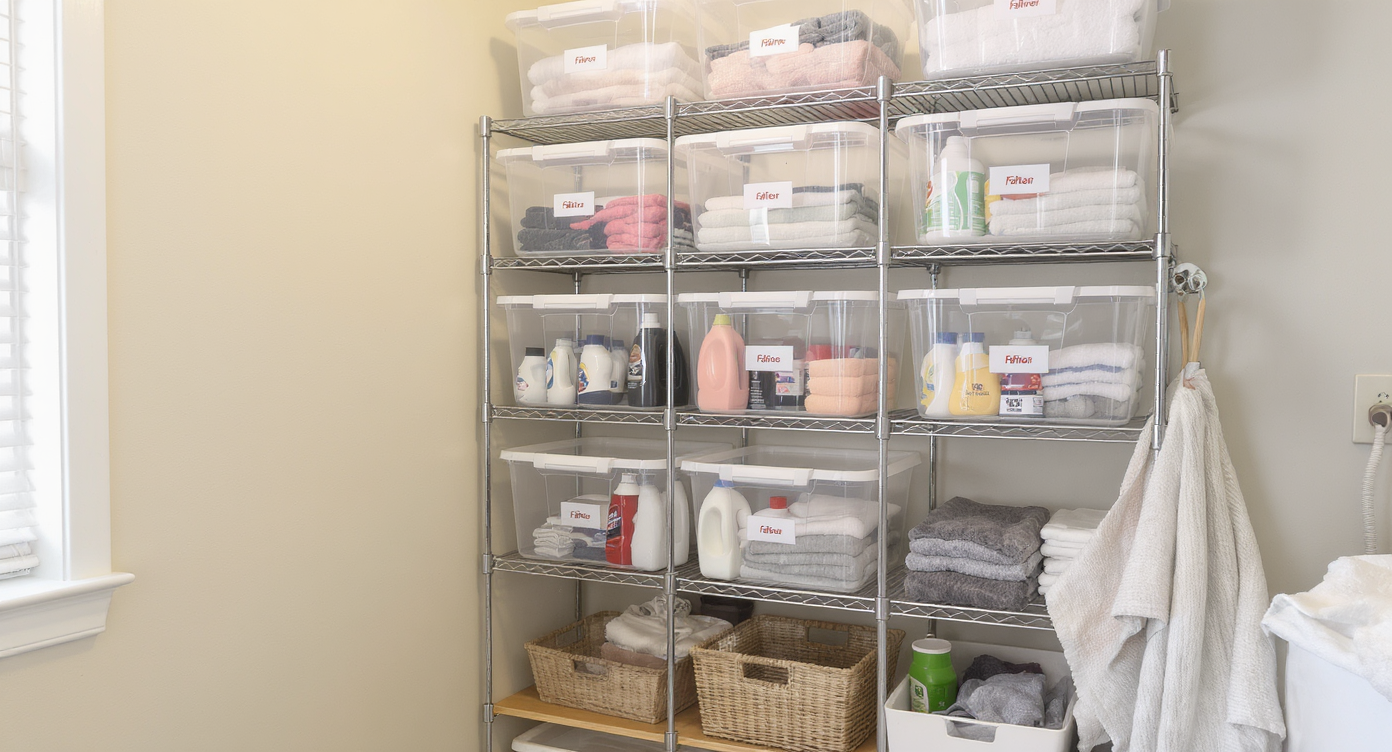
Realistic laundry room storage: upper tote rack for infrequent items, open shelving below for daily essentials, installed on mapped wall studs.
Incorporate tote racks for areas where item uniformity and visibility matter most, such as bulk pantry goods or archive files. For variable needs, especially in small bedrooms or secondary closets, modular shelving with adjustable heights offers both adaptability and better support for irregular items. Map out wall stud locations for secure installations and, if possible, future-proof by leaving extra lateral space for replacing or resizing containers. Consider mixed systems: a wall with upper tote rails for rarely accessed materials, complemented by floor-standing shelves below for daily-use objects. A practical example: one homeowner installed a rack along the back wall of a laundry room for outgrown kids’ clothes while maintaining open shelving beneath for detergent and tools. This blend achieved a clean, ordered look while avoiding the frustration of mismatched bins down the line.
Visualization Scenario
Picture a narrow garage where the washer, sports gear, and seasonal decorations all vie for space. Along one wall, a sleek row of matching totes hovers above the ground, labels clearly visible. Underneath, a sturdy built-in shelf keeps crates of winter boots and gardening supplies within arm’s reach. Step stools tuck beneath the shelf, and a magnetic strip holds tools beside the door. Every item has a home, and uncluttered floor space makes the garage feel unexpectedly open and calm.
Frequently Asked Questions
Durability tends to favor classic shelving, since shelves support bins from underneath and accommodate containers that may change in size or material over time. Tote racks depend on the strength of the bin lip; plastic can become brittle and crack, especially if heavily loaded or exposed to varied temperatures.
Can tote racks really save space in a small room?
Tote racks make use of vertical surfaces and allow for swift access to contents. However, the gain in usable space is often minimal compared to well-designed shelving—especially when factoring in the need for matching bins and careful weight distribution.
How should I label storage bins for best results?
Simple, visible labels are most effective for long-term organization. Tape and marker work for evolving needs, while clip-on or adhesive holders suit more static storage. For digital inventories, printing QR codes or attaching photo previews may add value but require consistent updates.
What should I avoid storing in hanging tote racks?
Avoid packing heavy or point-loaded items such as books, free weights, or dense hardware into bins that hang by their lips alone. Distribute weight evenly and opt for reinforced, high-quality totes. Shelving is preferable for very heavy or irregular items.
Where can I experiment with different room layouts or storage solutions?
Use planning tools such as ReimagineHome.ai to virtually test configurations before you build or buy.
Bringing Order to Cluttered Corners
Effective clutter control relies on more than buying containers or shelves. It requires an honest assessment of the types of items you store, how often you retrieve them, and the way your needs change throughout the year. Tote racks offer a visually satisfying and efficient system—if you can commit to one style of bin and practice thoughtful labeling—but classic shelving remains unmatched for long-term adaptability and supporting a wider range of storage needs. Blending multiple solutions often brings out the best of both worlds. Revisiting your setup as your routines evolve ensures your storage system doesn't become another source of stress. For inspiration or to experiment with your next project, explore innovative planning tools like ReimagineHome.ai.