Choosing Between Vertical and Horizontal Windows for Small Homes
TL;DR
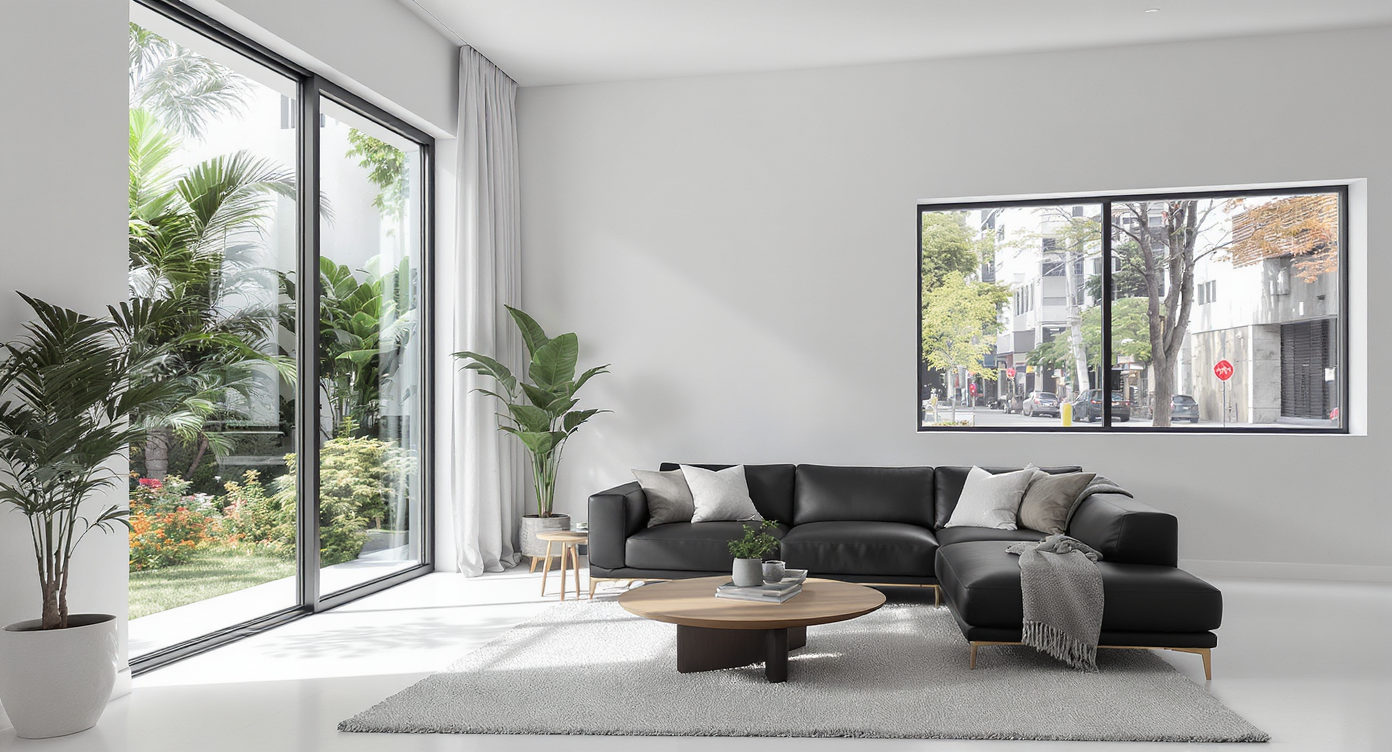
In small homes and new builds, the decision between vertical and horizontal windows shapes both layout and experience. Horizontal windows offer wider views and furniture flexibility, while vertical windows can boost daylight and add height. A balanced approach, considering views, privacy, and budget, leads to the most cohesive and comfortable space.
Window Orientation: Small Choices, Big Impact
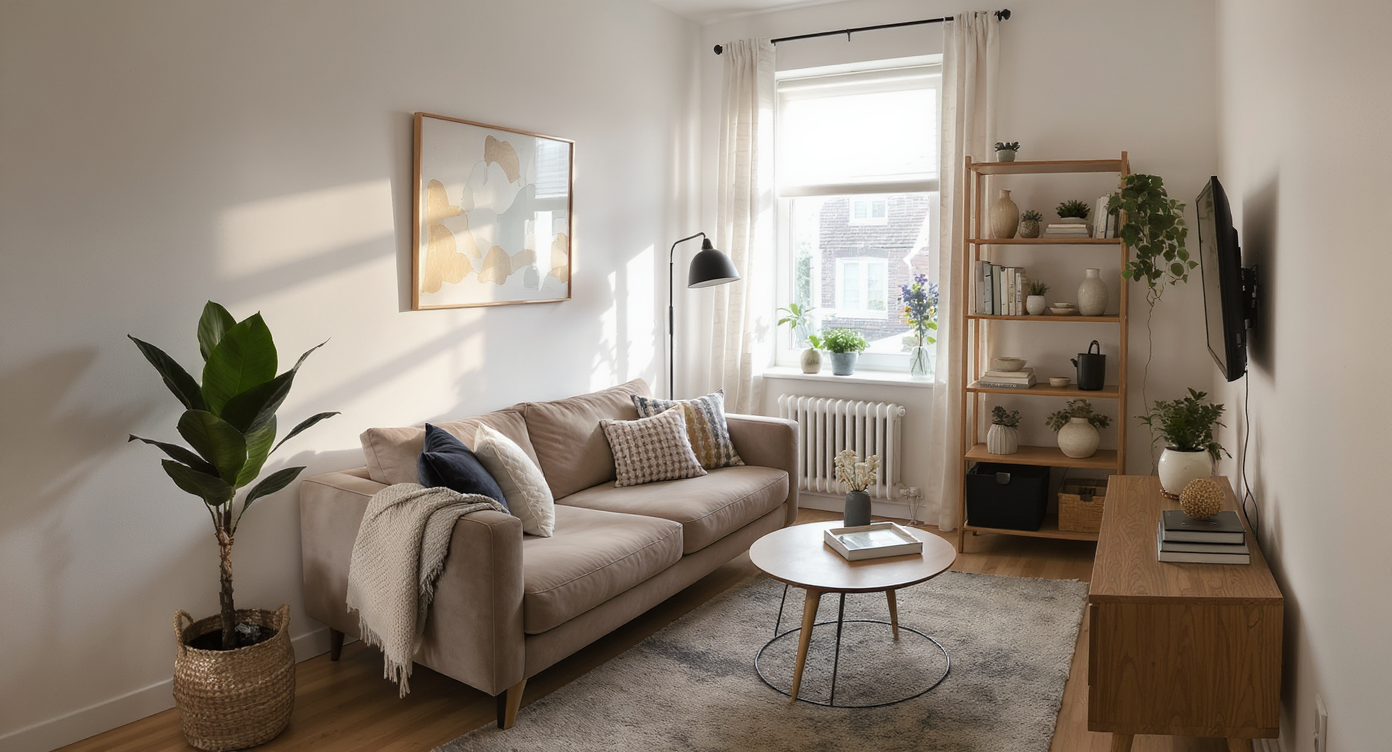
A compact living room with both vertical and horizontal windows shows how window orientation influences light, space, and furniture layout.
When designing a compact home, every element is a careful choice—but few influence daily living as much as window placement. The orientation of your windows does more than simply frame your views. It determines how spacious your rooms feel, the quality of daylight inside, how you arrange furniture, and even the perception of privacy or openness. For new builds and layout changes in homes under 1,000 square feet, these small architectural moves echo through daily routines and lasting impressions. Designers and homeowners alike often find themselves torn between vertical and horizontal windows, each carrying distinctive benefits. The decision can seem deceptively minor on paper, but translates to an entirely different atmosphere once built. Understanding the tangible impact of your choice is the first step toward a home that feels both functional and inspiring.
-
The Practicalities of Vertical vs. Horizontal Windows
In small homes, where maximizing both space and light is essential, window orientation turns into a strategic consideration. Vertical windows, often seen as classic double-hung or tall casements, subtly draw the eyes upwards. This has a space-enhancing effect, making ceilings appear taller and rooms airier. Such windows can flood a small space with daylight, especially when placed where sun angles vary by season. However, horizontal windows—so-called ribbon or picture windows—add a modern, streamlined vibe. They allow for sweeping, uninterrupted views and create powerful datum lines along walls. This ribbon effect translates into cohesive surfaces, opening up wall area for art or low-profile furniture and making compact rooms feel wider. According to insights from vertical vs horizontal window design in small homes, the layout you choose shapes how light and interior flow interact.
Expert Insight
A couple moving into a 700-square-foot new build faced window indecision—they wanted sunlight in the kitchen but worried about losing precious wall space. After experimenting with mockups, they installed a tall, narrow window over the sink and a long, horizontal expanse across the living wall. The setup allowed cozy breakfasts flooded with sun and evenings spent gazing at sunsets, all while maximizing both privacy and layout options.
-
Balancing Design Flexibility and Budget
Cost is often a critical driver in compact home builds, particularly when custom solutions are out of reach. Vertical windows frequently offer more budget flexibility, especially with standard sizes and simple installation. They’re also often easier to configure for ventilation and privacy with off-the-shelf blinds or curtains. Horizontal windows, on the other hand, can come with higher installation costs, especially as panes grow wider. Wider, uninterrupted glass raises both the price per unit and the complexity of delivery and fitting—worthy considerations for any project on a shoestring budget. Despite these challenges, horizontal windows confer serious practical gains. Furniture can be placed below the glass without blocking sightlines, making living and dining areas easier to arrange in versatile, multi-use homes. Meanwhile, vertical windows typically mean less wall space for larger furniture items or artwork, but more opportunity for layered natural light. As with most elements in compact design, a mix-and-match approach can be the most resource-savvy path forward. Careful planning lets you enjoy both vertical brightness where you want it, and horizontal expanse where your rooms crave openness.
-
Aesthetics, Views, and Cohesion
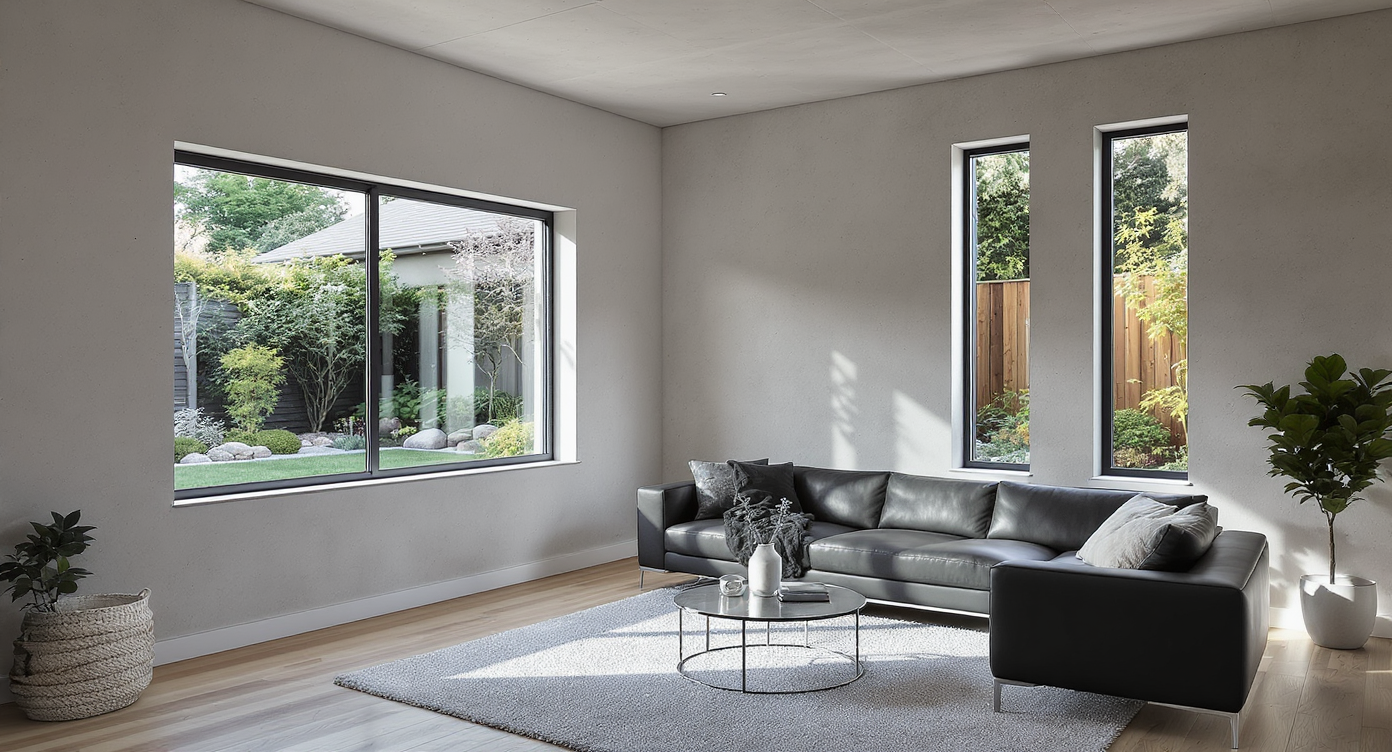
A compact living room with both horizontal and vertical windows, showing how window orientation shapes views, aesthetics, and cohesive design.
Window orientation isn’t just about performance—it transforms the identity and curb appeal of your home. Horizontal windows recall the clean, modernist aesthetics that gained fame in the postwar era. When used thoughtfully, they can make even a modest living space feel panoramic, connecting interiors to exterior landscapes and gardens. But overuse or an inconsistent pattern can sometimes evoke a commercial or institutional mood, something to balance with strategic placement and framing choices. For a deeper dive on current material and style blends, see 2025 exterior trends for color and window selection. Vertical windows, meanwhile, lend a sense of tradition and can anchor a more classic architectural style. They often present as more private from the street, especially when sill heights are raised, and can provide immersive sightlines to the ground just outside your window. Their repetition, however, can sometimes make walls feel visually "busy" if not carefully spaced, a common observation noted by homeowners experimenting with multiple slim vertical panes.
-
Real-Life Scenarios: Window Choices in Action
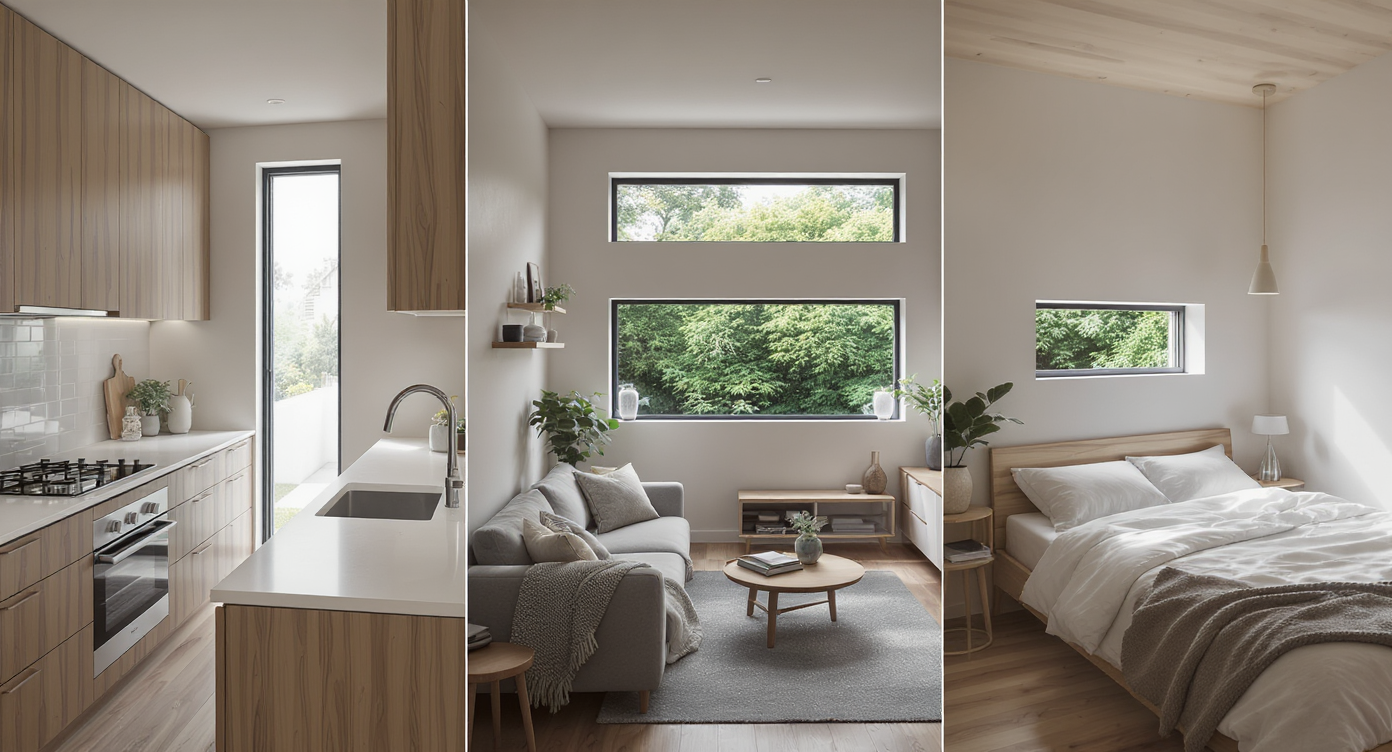
Three connected rooms in a small home, each illustrating clever use of vertical and horizontal windows to enhance sunlight and functional space.
Picture a compact kitchen where daylight is at a premium. Here, a vertical window over the sink can bring in shafts of morning light without taking away crucial counter or storage space. In a living room, a horizontal ribbon window above a sofa offers broad outdoor views without sacrificing wall space for shelving or entertainment units. And in a bedroom, a combination of one tall vertical pane for ventilation paired with a lower, wide horizontal to the side can help make even the smallest sanctuaries feel open yet private. This hybrid approach, mixing both types intentionally, is increasingly reflected in modern small-space design. Designers often suggest mapping your daily patterns—where you sit, where you stand, how you move at different times—and aligning window placement accordingly. This practical dance between vertical and horizontal ensures your decisions are lived, not just imagined. As we’ve seen visualized in trending small-space modern layouts, hybrid window schemes are driving both next-generation aesthetics and efficiency.
-
Anecdote: The Choice That Changed a Home
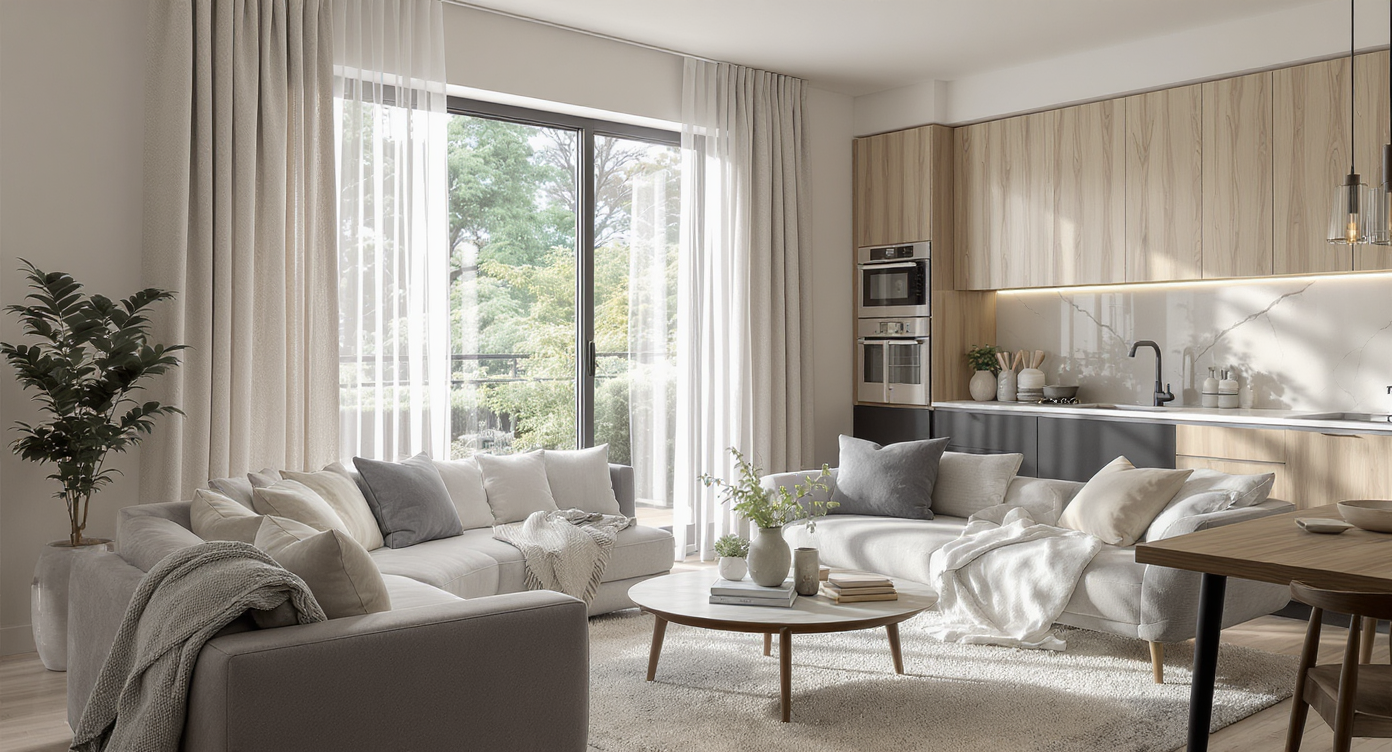
Living room with a wide horizontal window over the sofa and kitchen featuring a vertical window above the sink, both illuminating the compact space.
A homeowner recalled standing in the center of their compact living room, samples and paint swatches in hand, unable to decide if vertical or horizontal windows would give the best effect. After posting numerous mockups, they found that a long horizontal ribbon over the sofa revealed sweeping tree views and welcomed in light without forcing extra clutter onto the surrounding walls. In the kitchen, one tall vertical window above the sink brought in soft morning light just where it was needed. Months later, these choices shaped daily rituals—coffee by the wide view in the morning, quiet evenings reading by the vertical light shaft in the kitchen. That mix offered both comfort and openness in a new build that felt anything but small.
-
Common Mistakes to Avoid
Many new builders in compact spaces fall into the trap of installing too many windows, thinking this will automatically make things feel brighter and more expansive. In reality, a scatter of small panes often leaves interiors choppy, diminishes privacy, and limits wall space for furniture or art. Instead, designers routinely advocate for fewer, larger windows—placed intentionally for views, light, and layout cohesion. According to the perspective shared at best window mixes for small homes, restraint and thoughtful alignment go much further than sheer quantity. Another common slip is ignoring how window orientation will affect exterior appearance or sun path. Always consider how windows look from outside, and how they work with the elevation, style, and materials of your home.
-
Tips and Expert Insights
Designers often recommend aligning horizontal windows to a consistent datum line when possible for a sense of order and flow. If using both types, repeat verticals in focal points—like beside an entry or in a kitchen—while horizontal ribbons support living spaces for seating and views. Prioritize natural light without overexposing: in bedrooms or bathrooms, privacy-friendly glass or higher sills can balance openness with comfort. Practical mini-scenario: A family opted for a single wide, horizontal band window across their small dining area, allowing relatives and guests to look outside while seated—while saving costs and simplifying shades. In a cozy reading nook nearby, a tall, slender vertical compromised little wall space yet brought in daylight exactly where needed. These incremental choices reflected both style and practicality.
-
How to Use This in Your Next Designs
Whether you’re sketching a floor plan from scratch or updating an existing space, start by mapping your must-have furniture and movement patterns. Identify where you need daylight most, and where you want immersive views or privacy. Test combinations on paper or digitally, evaluating not only how windows look, but how they shape your use of each room throughout the day. Use these guidelines for compact spaces: Fewer, larger windows for openness. Mix vertical and horizontal for function and aesthetics. Raise or lower sills as appropriate for views and furniture. And above all, align on both interior layout and curb appeal—external consistency is just as vital as internal comfort.
-
Visualization: Bringing Window Concepts to Life
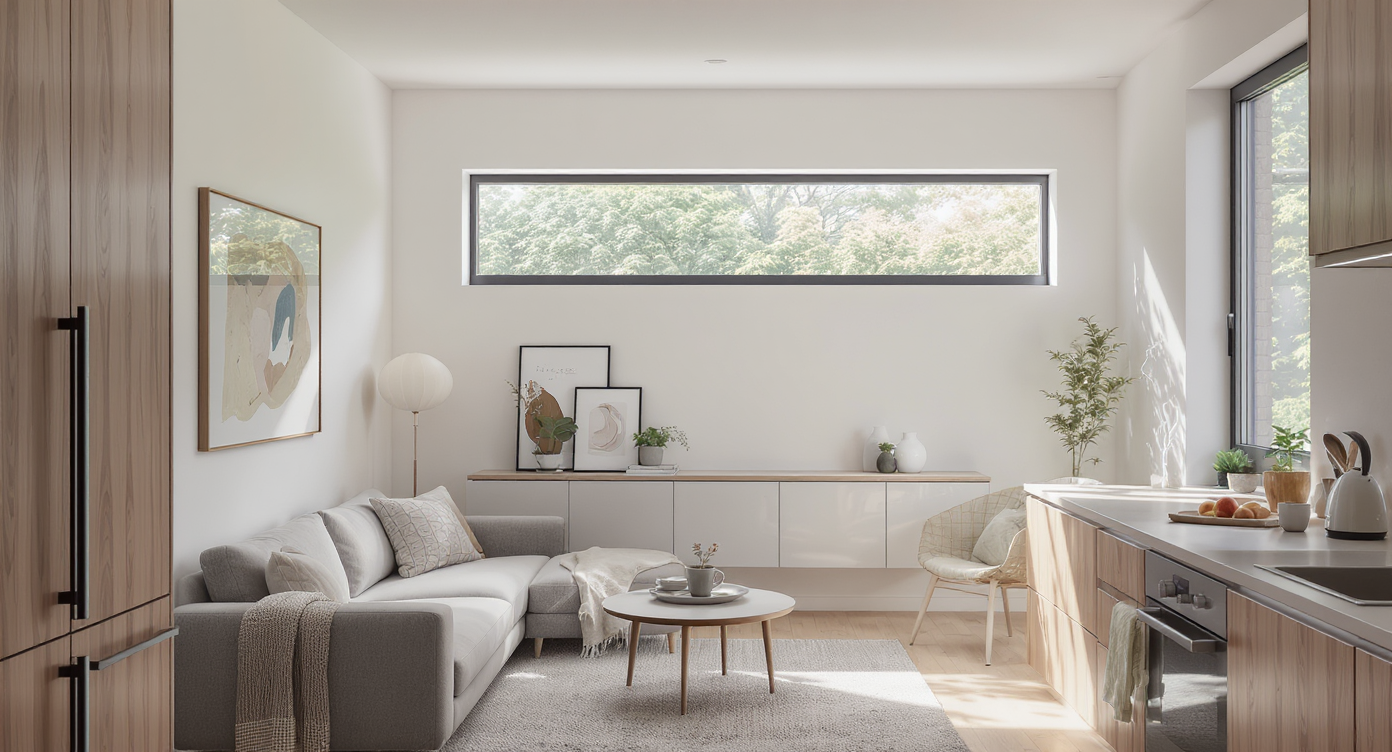
A compact living and kitchen space demonstrates how horizontal and vertical windows transform light, views, and the sense of openness in a small home.
Imagine stepping into a bright, compact living room where a horizontal band of glass draws your gaze outward to treetops, relaxing the sense of enclosure. A slim, vertical window in the kitchen lets in soft, dappled light as you prepare breakfast. Furniture hugs the walls without blocking views, and art pieces fit comfortably above or beside openings. You realize that, even in a small home, the right window orientation can change not just how a space looks—but how it feels each morning and evening. If you want to visualize your own space before committing, interactive rendering platforms now let you upload floor plans or snapshots, testing out different window types side by side. This real-time preview helps homeowners fine-tune layout, maximize light, and get it right from the very start.
Visualization Scenario
Picture yourself in a compact home at sunrise: horizontal windows in your living area usher in soft, golden light across the floor, while a single vertical window by the kitchen showcases the changing sky as you make coffee. Shelves, art, and a slim bench nestle comfortably beneath the glass, and the entire space feels both open and neatly arranged—proof that with thoughtful window orientation, even the smallest home is filled with possibility.
Frequently Asked Questions
Vertical windows can make ceilings feel higher, bring in more vertical daylight, and add classic curb appeal. They’re ideal in traditional designs, tight spaces, or where privacy is a key concern.
Why choose horizontal windows for a compact layout?
Horizontal windows enable wider, panoramic views and make rooms feel larger by drawing the eye out. They also offer more flexibility for low furniture placement and support clean, modern lines.
Can I mix vertical and horizontal windows in the same small house?
Yes, mixing both orientations is increasingly popular. It allows you to tailor window types to different rooms and needs, balancing daylight, privacy, and exterior unity.
How can I visualize different window layouts before building?
You can use design visualization tools like ReimagineHome.ai to upload a plan or photo, apply various window schemas, and see instant results.
What is the biggest mistake when placing windows in small spaces?
Overfilling walls with small windows can make interiors look choppy and restrict furniture placement. Focus on fewer, larger openings, matched to both function and the desired mood.
Window Orientation: A Lasting Signature in Small Homes
The orientation and size of windows in compact homes have an outsized impact on comfort, livability, and design coherence. When balancing cost, aesthetics, and flexibility, resist the urge to fill every wall. Instead, choose fewer, larger windows—mixing horizontal and vertical types with intention—so each space feels bright, cohesive, and genuinely yours. If you’re unsure how your ideas will play out in three dimensions, platforms like ReimagineHome.ai let you experiment with confidence before you build.