Top 8 Basement Wall Decorating Ideas for Safety, Comfort, and Functionality
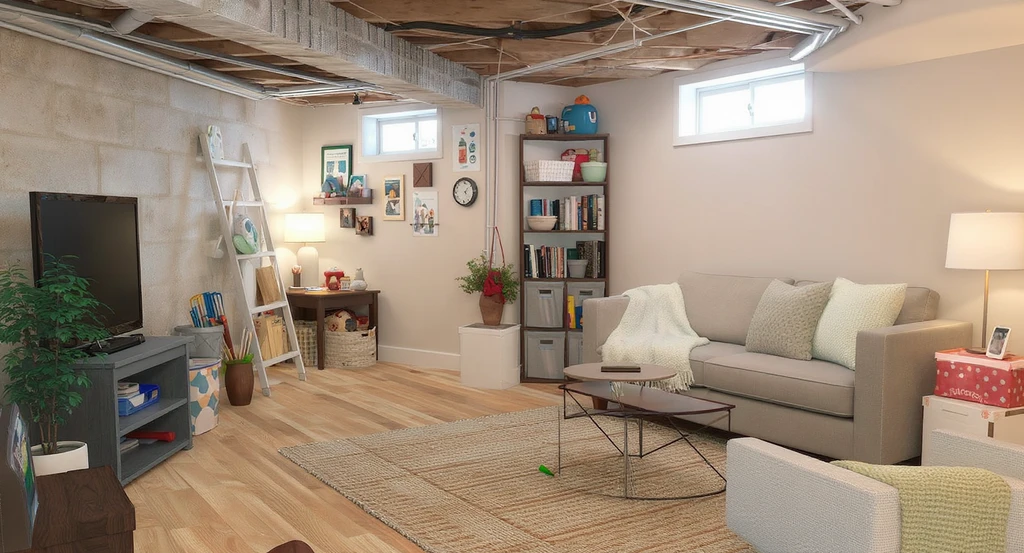
Moving Beyond Boring or Hazardous Walls
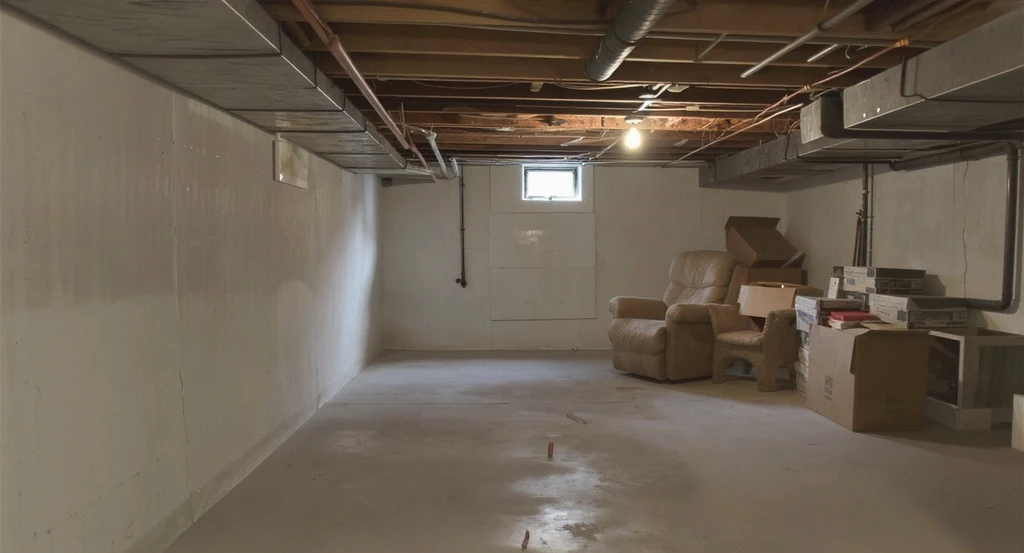
Many basements start as storage-like spaces with empty, awkward walls. Discover how to decorate basement walls and furnish a basement from scratch using the best wall art.
Decorating basement walls can feel daunting given awkward layouts, low ceilings, and a reputation for making the space appear cramped or even unsafe. Many people default to blank drywall or haphazard decor, which leaves the room feeling more like a storage zone than a living space. Yet, intentional wall decor can transform a basement from a liability to a genuinely comfortable and practical retreat. Rather than focusing on surface-level trends, this guide introduces the Grounded Layering Principle—a repeatable approach to basement wall decor that considers safety, perception, and spatial flow first. Whether your basement is a play space, rec room, or guest suite, you’ll find guidance here that anticipates both real-world obstacles and underappreciated opportunities unique to below-grade spaces.
-
1. Apply the Grounded Layering Principle: Start With Protection, End With Style
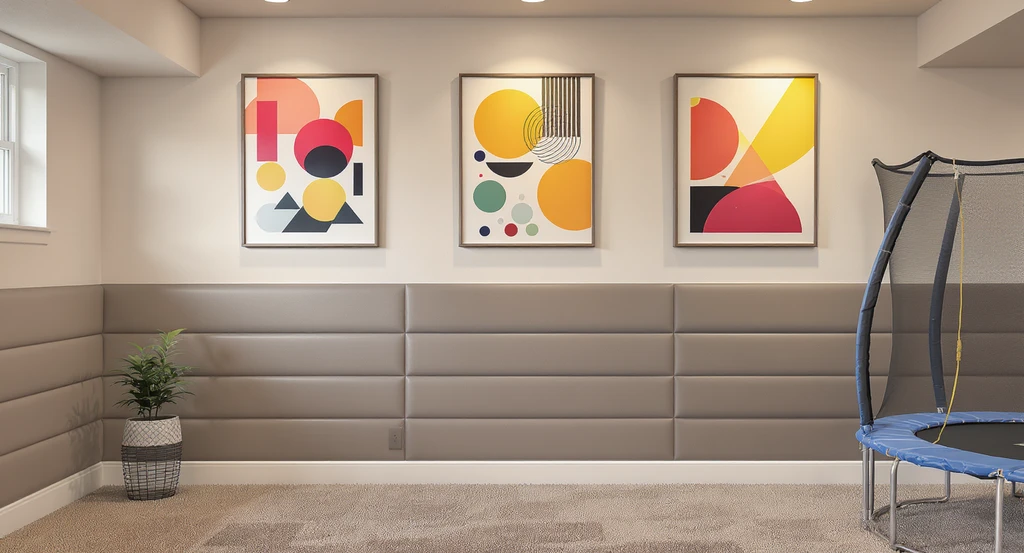
This example of creative wall decor for basements pairs protective padding with stylish art, showing the best way to decorate empty basement walls for comfort and safety.
The Grounded Layering Principle stipulates that all basement wall decor should prioritize protective function before aesthetics think padding, durable materials, or wipeable surfaces as foundational layers. These not only guard against accidental bumps (especially in play areas with trampolines or low ceilings) but also psychologically signal safety and comfort. Once functional layers are in place, dedicate the upper visual layer to art, color, or graphics. This sequence reduces regret by ensuring every decorative choice has practical value, mirroring the success of basement bathrooms made less intimidating through thoughtful surface upgrades as detailed in our guide to basement bathroom improvements.
-
2. Use Light-Reflective Panels to Combat the Closed-In Feeling
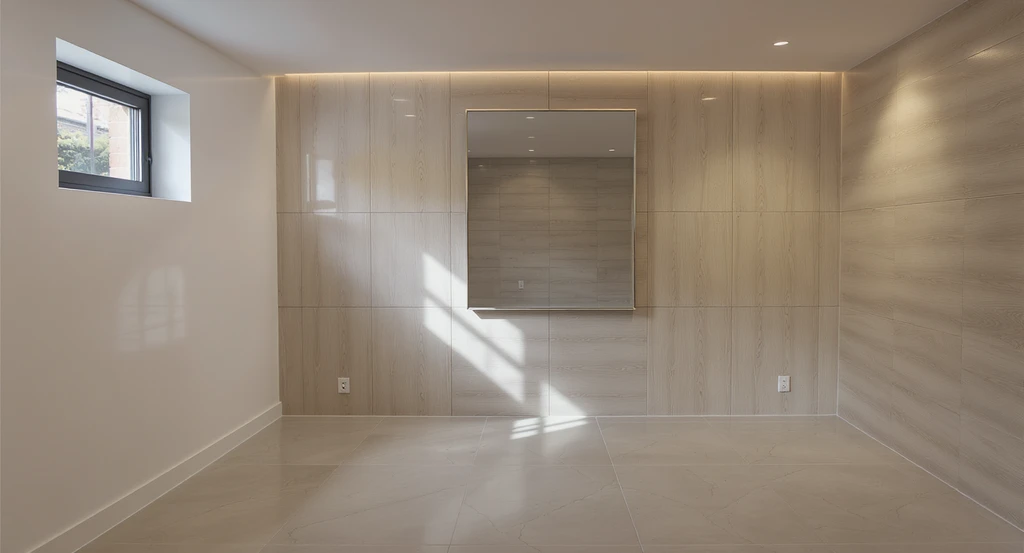
Light-reflective panels and secure mirrors on large basement walls offer creative wall decor ideas that expand and brighten awkward basement layouts.
Wall-mounted mirrors, whitewashed wood, or high-gloss panels reflect light and visually expand basement walls, counteracting the claustrophobic effect of limited daylight. This works best on large, uninterrupted sections but requires careful placement to avoid glare from artificial fixtures. Position reflective elements across from windows or light sources for maximum effect. Psychologically, amplified brightness and the perception of spatial continuity can prevent the space from feeling like an afterthought. Always secure mirrors firmly especially in recreation zones to prevent injury if an impact occurs.
-
3. Define Zones With Color-Blocking and Strategic Murals
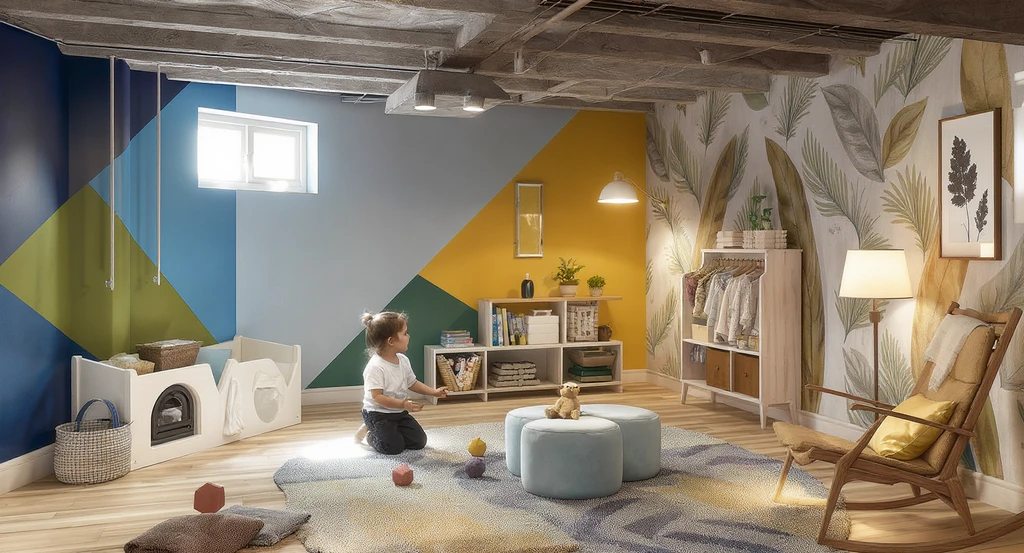
Strategic color-blocking and mural art offer one of the best wall decor ideas for basements, clearly defining zones and furnishing large, awkward layouts for comfort and clarity.
Color-blocking, in which walls are divided into visually distinct zones through paint or murals, clarifies basement functions while improving visual interest and reducing monotony. For large, awkward basements, mural-based spatial cues (such as a stylized street scene for play areas or organic patterns for relaxation corners) can help users intuitively recognize safe, appropriate use zones. This visual zoning method addresses both wayfinding and the tendency for basements to feel undefined or cluttered. Pair wall art with matching lighting to avoid shadowy corners and reinforce each zone’s intended mood.
-
4. Choose Impact-Resistant Materials and Modular Decor
For high-activity basements (with trampolines, play equipment, or team hangouts), prioritize wall coverings like gym-quality wall pads, acoustic panels, or flexible cork tile. Modular decor think removable graphic decals or magnetic boards provides a dynamic option that withstands wear yet can be updated as needs change. The mechanism for comfort here is twofold: impact-resistant materials cushion accidental bumps, while modularity reduces psychological commitment, making it easy to adapt the space as its use evolves.
-
5. Integrate Informational and Safety Features as Design Elements
Framing first aid kits, safety instructions, or even emergency call devices as intentional wall decor combines utility with serenity. This approach framing a phone, hanging a visible first aid case, or mounting playful directional signs prepares the basement for real-life mishaps without sacrificing aesthetics. According to the community-driven suggestions often found in online discussions, this type of practical wall feature can also reduce parental anxiety, especially in energetic zones.
-
6. Scale Wall Art Strategically for Large Spaces
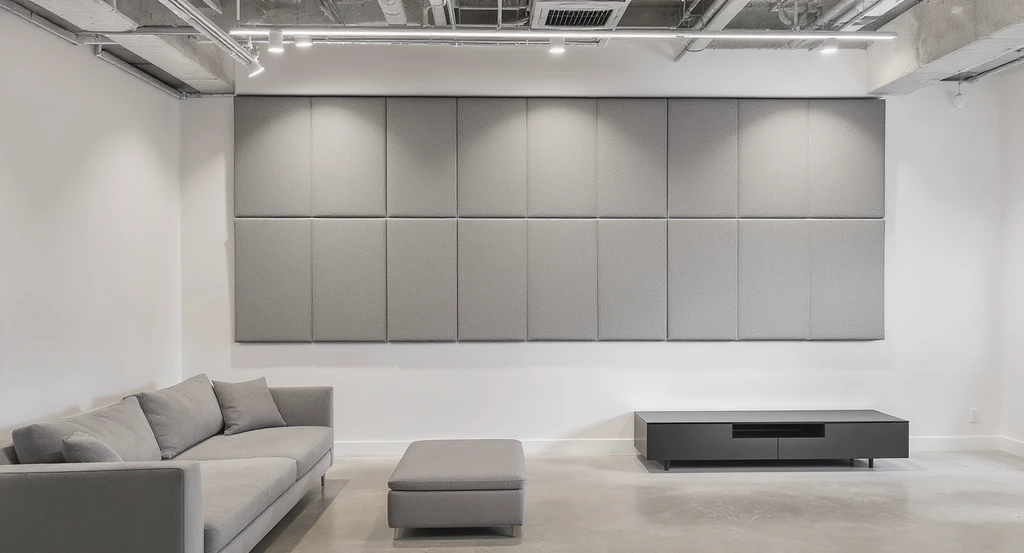
Strategically scaled oversized fabric wall art anchors expansive basement walls, exemplifying creative wall décor ideas and how to decorate empty basement walls while improving lounge acoustics.
Oversized wall art, such as large-format prints or fabric panels, anchors and unifies expansive basement walls that might otherwise overwhelm. The guidance from the Visual Anchor Framework holds: select pieces at least one-half the width of the targeted wall for balanced proportion and psychological cohesion. For lounge or media areas, use absorbent fabric art to soften acoustics while adding visual weight. This approach is distinct from simple gallery walls and relies on proportion to eliminate the emptiness characteristic of unfinished basements.
-
7. Employ Multi-Functional Wall Fixtures for Every Baseline Activity
Attach multi-use fixtures (pegboards, helmet racks, chalkboards, or interactive scoreboards) to walls in basements expected to host a range of activities. These serve as both decor and organizational systems. Pegboards can safely store safety gear, helmets, or balls preventing clutter on the floor and instantly signaling the room’s usage intent. This strategy is particularly valuable for awkward layouts or shared family spaces where functions often overlap.
-
8. Prioritize Visualization Tools Before Permanent Decisions
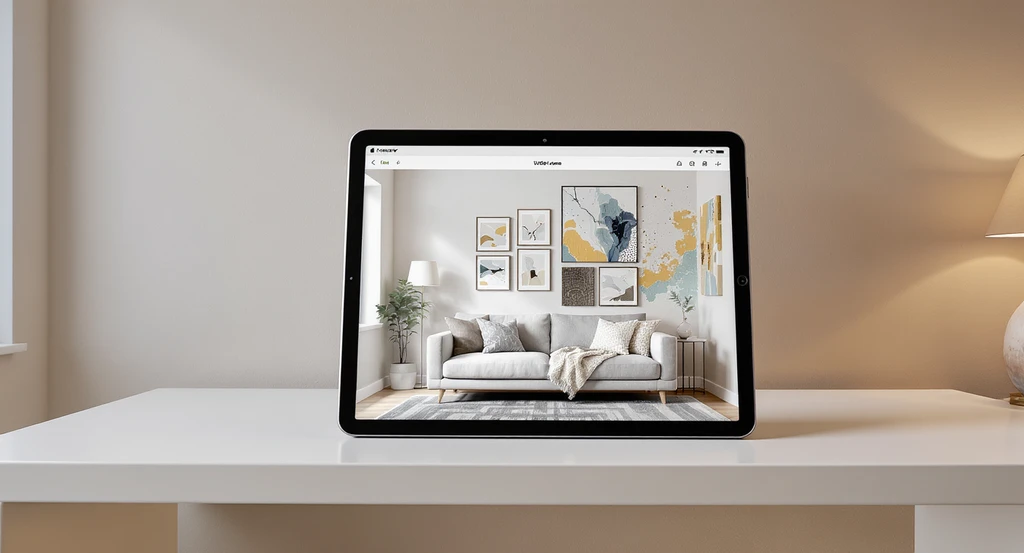
Using visualization tools helps homeowners experiment with creative wall decor ideas for basements and plan how to decorate empty basement walls confidently.
Leverage visualization platforms like REimagineHome to pre-test wall art, paint tones, or mural placements virtually before committing. Visualization tools allow homeowners to simulate lighting effects, surface materials, and wall arrangements within their unique basement context—preventing the common regret of unanticipated color cast or scale issues. Iterating digitally supports greater decision confidence and ensures that changes are grounded in spatial reality, not just inspiration boards. For additional DIY-driven experimentation, learn more about approachable home decor projects that work in every zone.
Visualization Scenario
Imagine standing at the threshold of your once-empty basement. As you step down, your eye is drawn to a color-blocked mural guiding you toward a cozy reading corner, while the opposite wall reflects light with a large, securely mounted mirror. Foam-backed art panels shield the play zone, and magnetic boards offer rotating displays of family art or important reminders. Emergency kits are framed alongside playful signage, and every visual choice feels intentional, reinforcing both safety and comfort before you even cross the room.
Basement Wall Decor FAQ
- What are the best materials for impact-prone basement walls?
- Gym wall pads, cork tiles, and acoustic panels offer superior cushioning and durability, particularly for areas used by children or active groups. These materials absorb impacts, are easy to clean, and can be adapted with decorative finishes to coordinate with the rest of the space.
- How can I reduce the “creepy basement” atmosphere through wall decor?
- Integrate warm paint tones, layered lighting, and finished surfaces. Covering exposed pipes, adding mirrors, and using light-reflective materials help foster a welcoming environment—as explored in our guide to basement bathroom improvements.
- Are murals or large wall art practical in basements?
- Yes, provided you scale the artwork correctly and use materials suited to humidity and impact-prone environments. Large fabric panels or murals can unify and warm a big basement, especially when paired with appropriate lighting.
- Can wall decor improve the usability of awkward or oddly shaped basements?
- Absolutely. Zoning with color, interactive fixtures, and modular decor can visually define distinct areas and clarify how each zone should be used, making awkward layouts much more functional and inviting.
A Safer, More Personalized Approach to Basement Wall Decor
Effective basement wall decor is rooted in layered safety, spatial awareness, and adaptive design—not just decoration for its own sake. By applying the Grounded Layering Principle and frameworks like the Visual Anchor Framework, you can move beyond generic solutions and create a basement that adapts to real activities and evolving needs. With visualization tools and modular, impact-resistant solutions, your basement walls become assets rather than liabilities.