What Is Your Home Library Missing? Practical Corrections for a Complete, Cohesive Reading Room
TL;DR
Most home libraries look nearly finished but feel incomplete because of missing layers: not just more décor, but layout logic, scale, and finishing touches. This article explains a simple framework for how to check what’s missing, why visual imbalances happen, and how to use clear steps and AI visualization to bring practical cohesion and comfort to your reading space.
Why Many Home Libraries Feel 'Almost There'
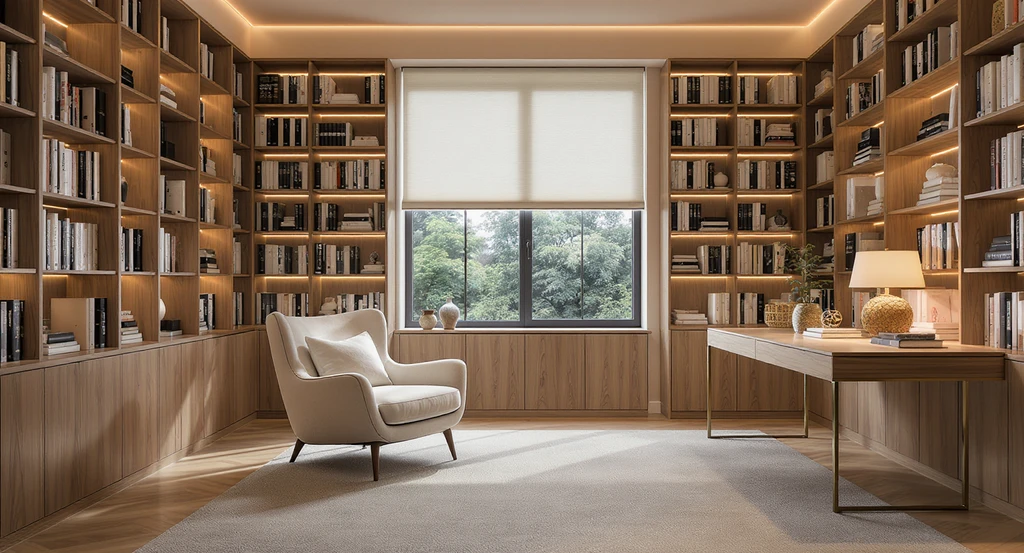
A realistic home library shows how ai visualization for home library design and ai tools recommend better layout, furniture, and lighting, helping solve common home library mistakes for a complete and cozy reading space.
Many home libraries start strong, good shelves, a comfy chair, and a stack of favorite reads. Yet, something often feels off. The atmosphere may lack warmth. The layout looks staged, not lived in. Most people respond by adding more décor, but a well-designed library actually depends on a few essential logic layers: layout balance, correct scale, and purposeful finishing touches. This article breaks down why libraries feel unfinished, how to spot what’s missing using a structured approach, and how smart tools and AI visualization can help you achieve a space that’s beautiful, practical, and uniquely yours.
-
The Core Issue: Why 'Almost Finished' Libraries Fall Short

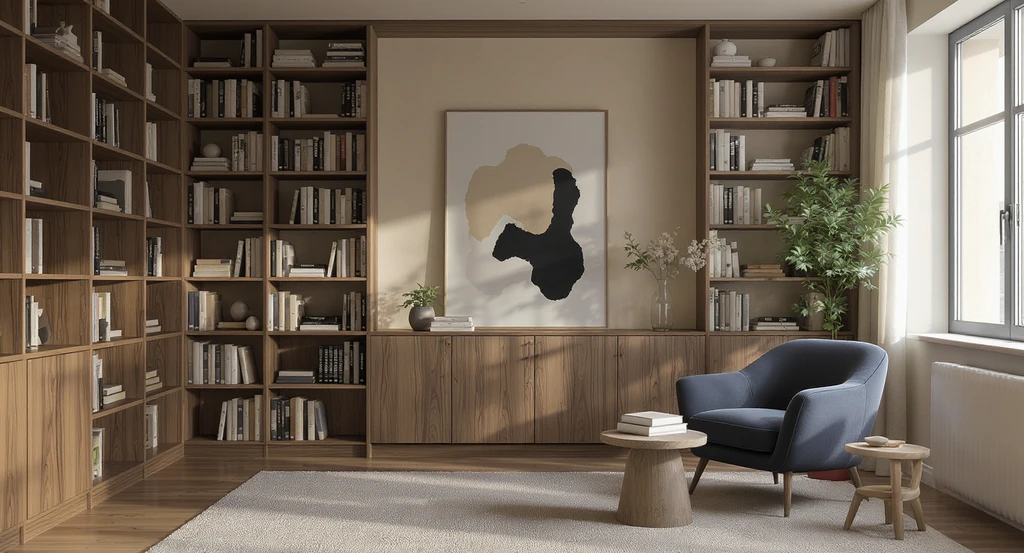
Many home libraries lack cohesion and visual logic; ai visualization for home library design can reveal issues like misaligned furniture and random décor placement.
Most home libraries are missing cohesion, balance, and real comfort, not just objects or accessories. Online forums highlight endless lists of ottomans, throws, and art, but layering these without an underlying structure doesn’t solve the core problem: visual logic is missing. Real coziness and function come from correctly scaled elements, thoughtful placement, and intentional layering, not random additions.
Expert Insight
A homeowner had the right paint, solid shelves, and a quality chair, yet the library felt incomplete until she layered a rich rug, hung full-length curtains, and balanced the layout. Using AI visualization, she tested the best curtain lengths and rug shapes before buying. That shift turned an 'almost cozy' room into a welcoming, functional retreat.
-
Why It Happens: Missing the Design Logic Layer

Why It Happens: Missing the Design Logic Layer Image
The most common mistake is treating finishing touches as a shopping checklist instead of a spatial system. When furniture is cramped against shelves, bookshelves stop short of the ceiling, or all the weight sits on one wall, the room feels incomplete. Too much empty floor space without a grounding rug, or poor lighting placement, leaves the space flat and cold. As seen in numerous Reddit discussions, many users chase coziness but miss the foundational logic that ties everything together.
-
A Simple Framework: The 'Library Cohesion Check'
AI visualization for home library design: Discover how AI tools recommend library furniture, optimize lighting, and solve common home library mistakes for cohesive, comfortable reading spaces.
- 1. Measure & Observe: Is your chair too close to a shelf? Is the rug lacking or undersized? Is there an imbalance in where furniture is clustered?
- 2. Visual Weight Test: Do the shelves, curtains, and seating balance both visually and physically? Step back and check if one side of the room looks heavier.
- 3. Texture & Layering: Are textiles only present in small accents, or do they anchor the space (rug, curtains, throw, footstool)? Are wall colors, moldings, or ceiling left stark compared to wall and floor?
- 4. Lighting: Is there just overhead lighting, or a mix of reading, accent, and ambient light? Are dark corners softened by lamps or sconces?
- 5. Finishing Touches: Are art, plants, and decorative objects placed for balance, or just added for quantity?
This step-by-step system lets you audit your space without buying more, so every addition has a purpose.
-
Practical Corrections: Step-by-Step Improvements

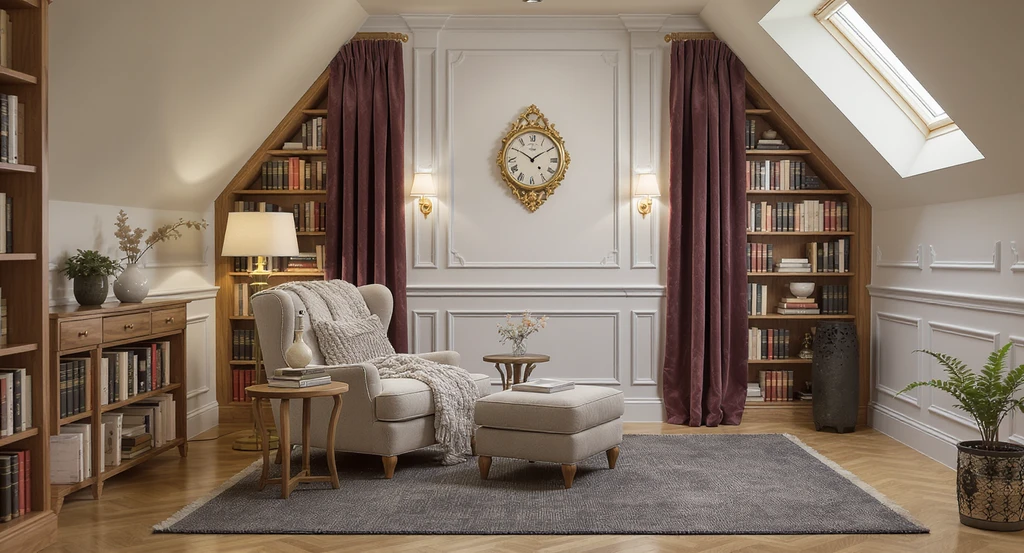
Using ai to optimize library lighting and ambience, this home library visualization demonstrates how ai tools recommend ideal furniture spacing, rug placement, layered lighting, and curtain finishes. Can ai solve common home library mistakes? This example shows practical corrections in action.
- Spacing: Pull reading chairs slightly away from bookshelves (at least 12"–18"). Don’t push furniture against all walls.
- Rug Logic: Use a rug that anchors the seating area—even over carpet. A round or patterned rug instantly defines a reading zone and absorbs sound. Learn more in our article on how the right rug shapes comfort and style.
- Lighting Layering: Add task lighting (lamp or sconce near the chair), accent lighting (picture lights, shelf LEDs), and consider a dimmable overhead or statement fixture. Avoid relying on just one source.
- Curtain & Ceiling Finishes: Hang curtains high and wide to boost height and visual softness; color drenching (painting ceiling and trim to match walls) increases coziness. Heavy drapes in velvet or lined fabric are particularly effective in libraries.
- Art, Plants, & Personal Objects: Intentionally placed art and lush greenery on shelves or in corners invite a sense of life, as supported by many real-world library users online.
- Rebalancing Objects: Move portable items off the floor (guitars, globes), use wall or ceiling space for storage and display, and keep flat surfaces clear for current reads and a drink.
-
Visual Reasoning: Scale, Light, and Balance in Action
Visual Reasoning: Scale, Light, and Balance in Action Image
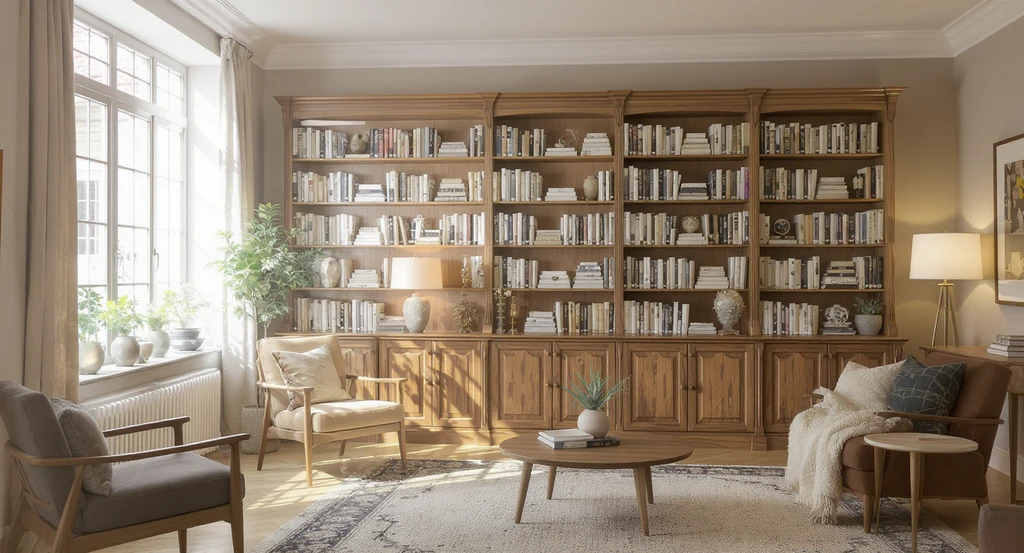
Scale mistakes, like a rug that floats too small or a single chair pushed into a corner, break the flow of a library. Balance means distributing furniture and objects so one wall isn’t overloaded while others are barren. Lighting must account for glare, reading needs, and mood. Proper visual balance is about intentional placement and repetition of color, shape, and material. These details are also key in making neutral rooms feel alive and cohesive.
-
Why AI Visualization Matters for the Home Library

Using AI visualization for home library design enables smarter decisions on rug size, color balance, and furniture as AI tools recommend optimal layouts and solve common home library mistakes.
AI visualization tools like REimagineHome AI allow you to preview how layout changes, rug size, or color drenching will shift the atmosphere before you commit. This helps prevent common mistakes, such as choosing a rug that’s too small or picking curtains that fight the bookshelf lines. AI lets you test scale, furniture placement, and color balance quickly, moving your library from 'almost right' to genuinely finished with confidence.
-
Real-World Constraints: Making Practical Library Decisions

Real-World Constraints: Making Practical Library Decisions Image
Work within fixed room dimensions, carpeted floors, or rental restrictions by using portable furniture, over-carpet rugs, and temporary lighting or shelving. When built-ins aren’t allowed, connect separate bookshelves visually with crown molding trim or color. Use adhesive lighting or tension-rod drapery for no-drill solutions. Addressing these real limits creates trusted, practical library advice, more on this in future content pillars.
-
From Advice to Authority: Turning Library Frustration Into Confidence

From Advice to Authority: Turning Library Frustration Into Confidence Image
Most people get stuck at 'almost right' because of decision anxiety, not knowing how to layer, what scale to use, or how finishing touches work together. Instead of endless inspiration lists, using a structured correction system (like the "Library Cohesion Check") turns your project from trial and error into confident steps. This methodology also strengthens every other room update, as shown in our guide on creating balance and coziness in living rooms.
Visualization Scenario
Picture your own library with your current furniture, and then toggle in a deep-toned circular rug, high velvet curtains, and a matching reading lamp in a visualization tool. Instantly, the room feels richer and taller. You can move the chair, preview art scaling, and see how every layer works together, eliminating guesswork before you commit.
Home Library Completion FAQ
- How do I know if my library's layout is balanced?
- Step back and view the room as a whole. Do furniture and bookshelves cluster on one wall, or is visual weight distributed? Use a rug and curtains to anchor and balance—see our Living Room Balance Guide for more layout strategies.
- Is it okay to layer a rug over carpet in my library?
- Yes. As explored in our rug trend article, a rug over carpet can define zones, add texture, and improve coziness—just use non-slip pads to prevent shifting and choose a size that connects the reading area to the rest of the room.
- What if I rent and can't install shelving or lights?
- Try freestanding shelves, tension rods for curtains, adhesive lighting, and hanging art with removable hooks. Connect bookshelves visually with trim pieces or matching colors for a built-in look with no drilling required.
- How can I preview changes before making a purchase?
- Use AI visualization tools like REimagineHome AI to test layout adjustments, rug sizes, or color changes digitally. This lets you see the real impact before investing—reducing regret and decision fatigue.
Key Takeaways: How to Finish Your Home Library, For Real
- Most home libraries miss a logic layer, focus on purposeful layout, scale, and balanced layering.
- Audit using the "Library Cohesion Check" instead of adding random décor.
- Prioritize rug scale, layered lighting, and anchored seating for comfort and flow.
- Visualize changes with AI tools before committing.
- Real comfort comes from correction, not just collection, turn indecision into stepwise, confident design.