When Should You DIY or Call a Pro for a Remodel Project?
TL;DR
The line between DIY and professional remodels can be surprisingly nuanced. While smaller projects like storage optimization or renter-friendly upgrades suit hands-on enthusiasts, larger structural changes, major outdoor extensions, and technical repairs often demand professional expertise. Making the right call means assessing your skill, safety, and long-term goals—and knowing that the best homes balance both approaches.
The DIY or Pro Dilemma in Home Remodels
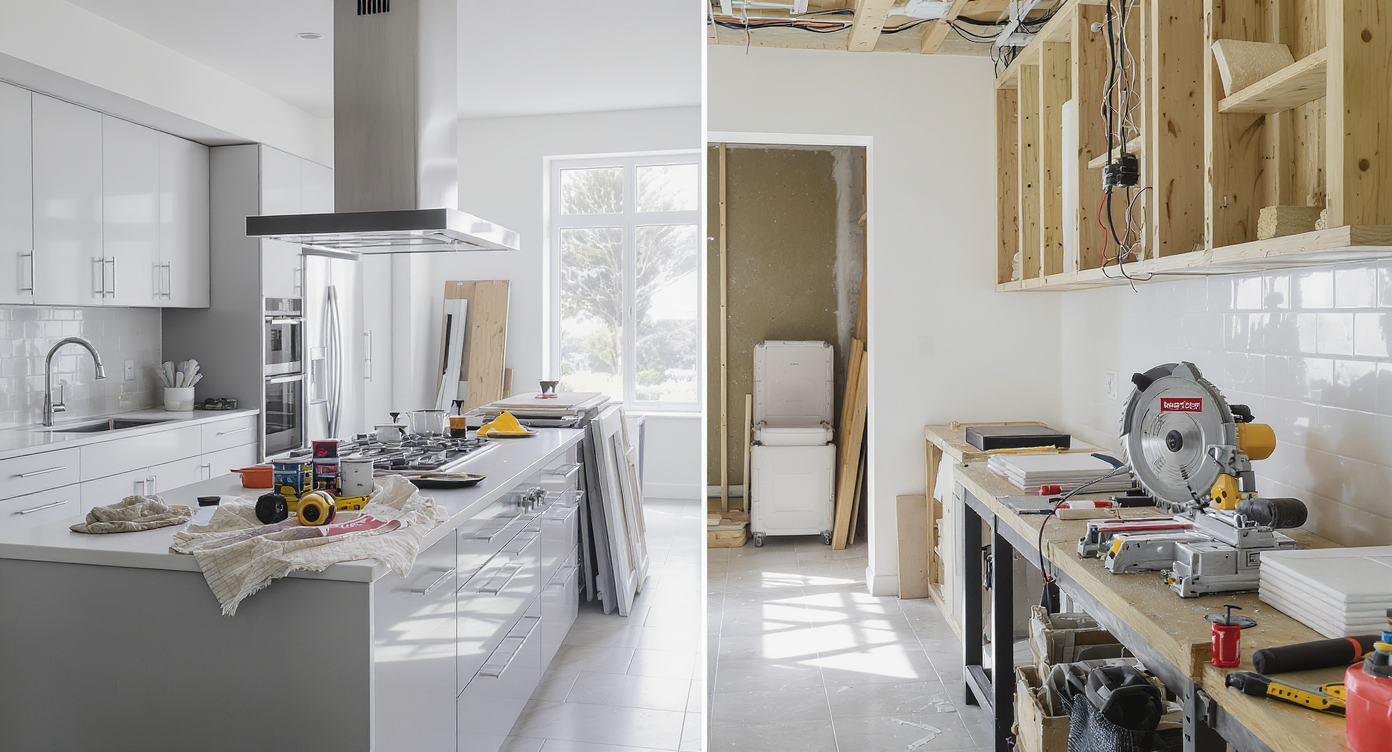
Side-by-side view of DIY and professional remodel setups in a modern home, illustrating decision points in a renovation project.
Renovation projects unlock creativity, boost property value, and turn everyday spaces into places that genuinely reflect their owners. Yet, the question of whether to tackle a project yourself or recruit a professional remains central to every home improvement journey. From storage solutions to ambitious outdoor extensions, the decision shapes not just outcomes, but the entire experience of your remodel. Understanding when to roll up your sleeves—or when to entrust your vision to an expert—can redefine the way you approach design and functionality in your home.
Homeowners regularly weigh issues of budget, skill set, and timelines against the excitement of hands-on work. It's a balance between personal satisfaction and the demands of safety, codes, and polished finishes. In practice, the optimal path often sits at the crossroads of DIY ingenuity and professional reliability. Here, we explore the markers that help you steer confidently between both worlds.
-
The Rise of DIY: Storage Innovation and Renter-Friendly Upgrades

Renter-friendly DIY storage solutions: removable wall shelves, modular cubbies, a custom alcove pantry, and a closet reconfiguration.
Modern DIY culture is about empowerment and customization. Many projects—think closet reconfigurations, shelving installations, and temporary décor—are excellent arenas for creativity without requiring specialized tools or licenses. Temporary wall treatments, removable storage cubbies, or clever solutions like command strips have found popularity, particularly for renters or those seeking cost-effective yet expressive changes. According to our discussion of pre-spring DIY upgrades, most of these improvements are affordable, approachable, and entirely reversible, making them ideal for short-term needs and flexible lifestyles.
DIY storage designs stretch beyond just adding shelves. Homeowners convert awkward corners into reading nooks or craft stations, while small alcoves become mini pantries. Practical scenarios often involve measuring a tricky niche for custom shelving or installing a series of ledge shelves in a child’s room—projects that usually require just basic woodworking tools. In apartments and smaller homes, these skills offer real freedom, providing tailored solutions to everyday problems without any long-term commitment.
Expert Insight
One homeowner recounted transforming their chaotic closet space over a single rainy weekend. After reviewing tutorials and measuring the oddly-shaped interior, they opted for a modular shelving kit, assembled with simple tools. Not only did they uncover forgotten belongings, but they also discovered how rewarding—and attainable—a DIY storage upgrade could be.
-
Outdoor Extensions: When to DIY, When to Seek Expertise
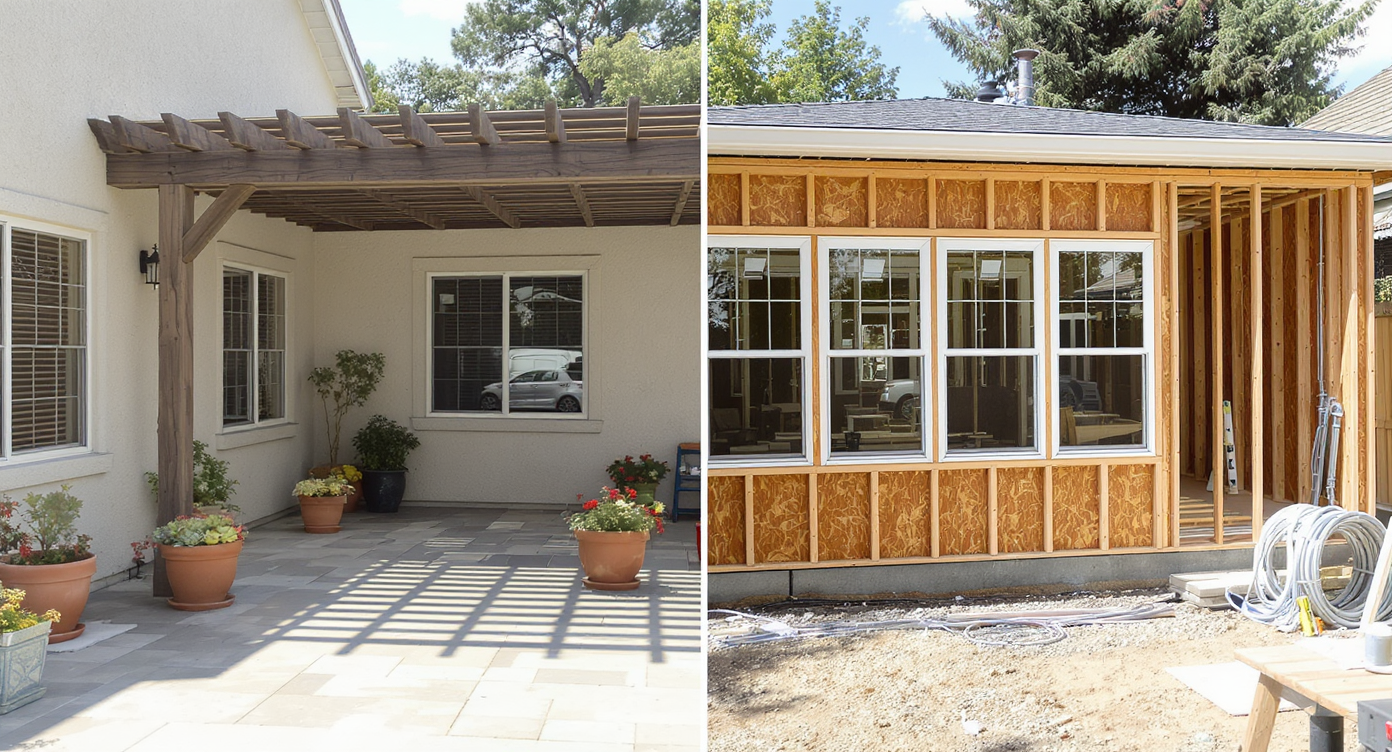
A realistic backyard patio transformation shows both DIY-friendly features and pro-level construction, highlighting when to tackle or call experts.
The allure of expanding your living space outdoors is irresistible, whether it’s a patio, sunroom, or enclosed porch. Some smaller outdoor projects—like container gardens, portable planters, or minor pergola setups—fit comfortably within the DIY spectrum, rewarding resourcefulness with clear, quick results. However, converting a patio into a weatherproof living area, building structural walls or roofs, and integrating utilities step into professional territory. Safety, local codes, and weatherproofing become non-negotiable, especially if the addition changes how your home functions or is valued.
One practical example: a homeowner in the Bay Area hoping to enclose their existing patio ran into questions of permits, construction standards, and integrating laundry areas. While building simple walls might feel approachable, consulting local authorities and assessing your skill level is crucial. If your vision involves insulation, plumbing, or electrical installations, or if you are unsure about foundation requirements, reaching out to a contractor brings peace of mind—and usually, better long-term value.
Timelines for such projects can also quickly extend, especially as you encounter unforeseen issues. Staying on schedule and within budget is easier when professional experience guides you, as detailed in advice for planning renovation timelines. DIYers can sometimes underestimate the complexity and coordination required for larger extensions, leading to scope creep or code violations that slow down progress and increase costs.
-
Repair, Reconfigure, Repeat: Understanding Boundaries
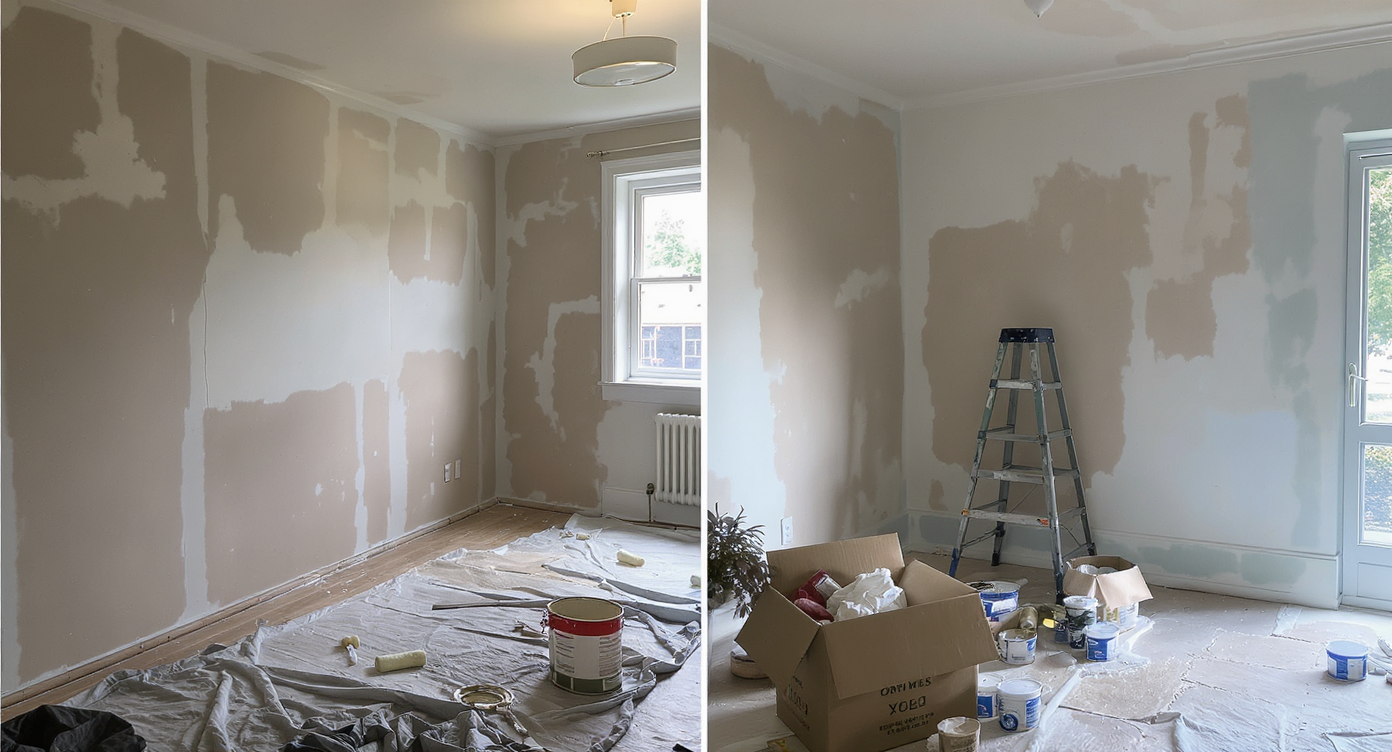
A living room illustrates DIY-friendly upgrades on one side and a hazardous, permit-required structural area marked for the pros on the other.
DIY repair work can yield instant gratification—patching a wall, updating fixtures, or optimizing storage offers satisfaction and saves money. In fact, weekend-friendly fixes like repainting, re-caulking, and cleaning appliances are all typically within reach, given some patience and a willingness to learn new techniques.
The boundary appears sharply when dealing with structure, safety, or specialized materials. If a project involves load-bearing changes, gas appliances, major plumbing, or roofing, stepping aside for licensed experts protects both your investment and your well-being. Electrical rerouting, especially, is subject to local codes and can readily exceed an enthusiastic DIYer’s scope. Similarly, DIY structural additions or repairs in mobile homes often prompt questions about permits and the limits of do-it-yourself savvy.
There’s also the matter of longevity. DIY projects that lack proper planning or oversight can affect resale value or create long-term repair costs. Real estate agents repeatedly emphasize—as assessed in our piece on renovations and resale value—that homes with amateur repairs or unpermitted changes tend to linger on the market or suffer in price negotiations. The best results occur when DIYers know their limits and supplement sweat equity with expert knowledge where it counts most.
-
Anecdote: From Hesitation to Handiwork
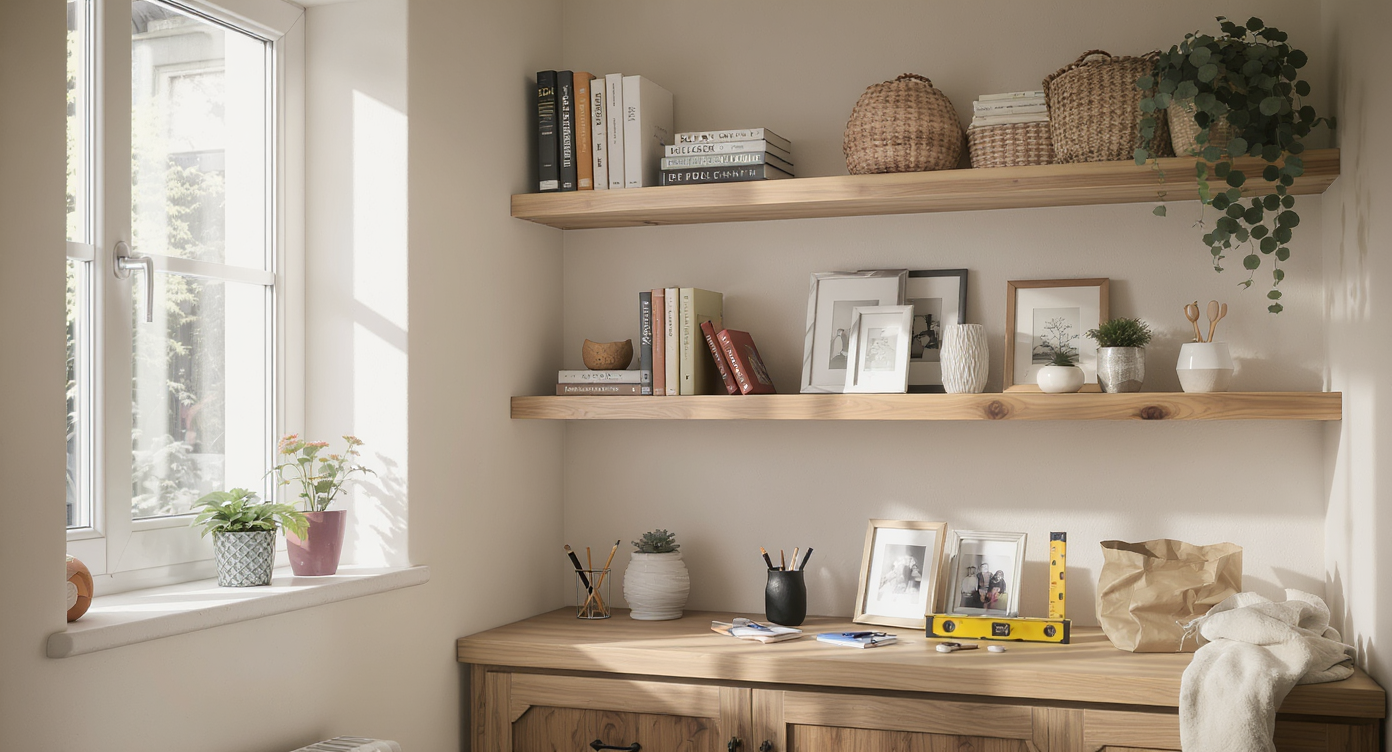
DIY-built ledge shelves in a small hallway nook showcase books and family photos, reflecting the transformation of an awkward space.
Consider the story of a young couple tackling storage in their first apartment. After puzzling over where to keep their ever-growing collection of books and keepsakes, they hesitated between hiring a carpenter for custom built-ins or trying something themselves. Inspired by online forums, they decided to measure, plan, and construct a set of ledge shelves—transforming an awkward hallway nook into a small gallery for books and family photos. The process required patience (and a few extra trips to the hardware store), but the end result was a functional, personal space that became a conversation piece for visitors. Their experience echoes that of countless homeowners: sometimes, tackling a project initiates a deeper connection to the space itself.
-
Common Mistakes to Avoid
Mistakes often arise from ambition unsupported by research or preparation. Underestimating the complexity of electrical, structural, or plumbing work is a frequent pitfall, as is skipping crucial steps like obtaining permits for extensions and additions. Rushing material selection, failing to measure twice (or more), and poor sequencing often result in costly backtracking. Overconfidence in skills or tools can lead to disappointing finishes, and neglecting to account for safety codes may create hazards or lower resale appeal. Many DIYers learn the hard way that even impressive work can be undervalued by buyers if it’s not properly documented or permitted.
-
Tips and Expert Insights
Designers often suggest starting with small, well-defined projects to build confidence and skills. Temporary and modular storage systems, for example, offer adaptability and are ideal first steps. Before starting an outdoor extension or major remodel, budgeting for professional consultations—even if you do most of the work—can clarify scope and identify unseen challenges. Carefully research local codes and always confirm permit requirements. For time-sensitive projects, building in contingency buffers helps keep stress levels manageable and costs in check, as highlighted in renovation planning strategies.
Visualization tools can also help avoid missteps: using digital mood boards, sketching ideas at scale, or leveraging online AI planners can reveal design issues before a single nail is hammered. When in doubt, invest in quality materials for visible areas and always prioritize safety over speed. Real-life progress often looks like a blend of resourcefulness, consultation, and a willingness to ask for help when things feel out of depth.
-
How to Use This in Your Next Designs
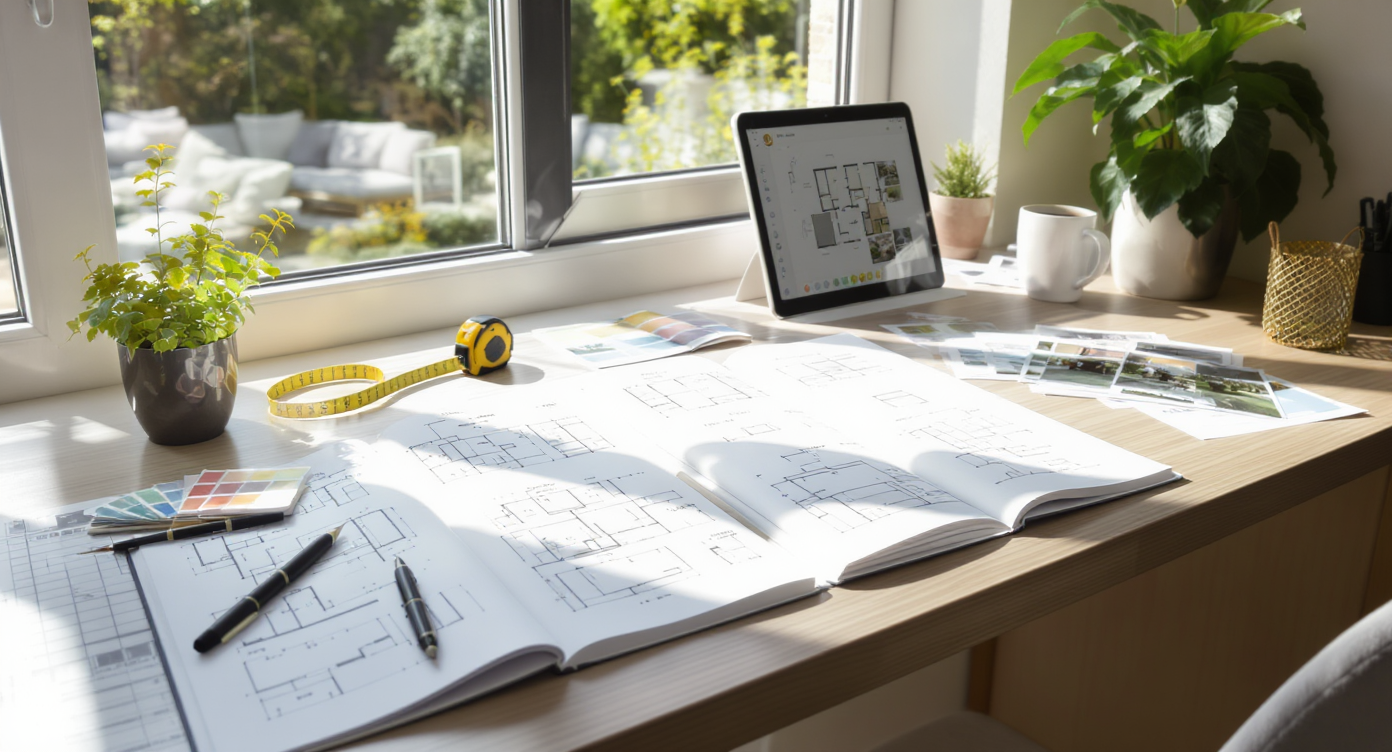
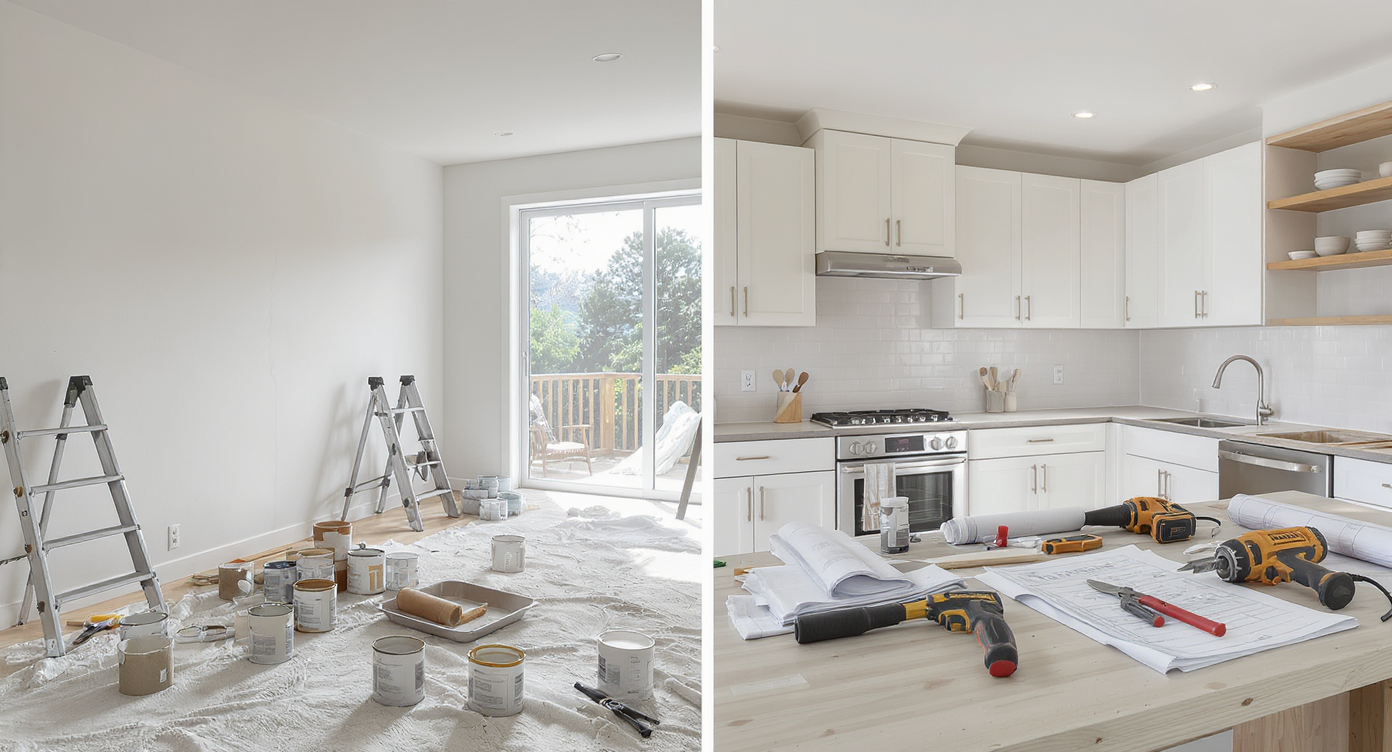
A realistic home design planning area featuring sketches, material samples, plans, and tools—ideal for testing ideas before major changes.
Bringing these lessons forward means embracing both creativity and caution in equal measure. Start by identifying your personal skill zone—what you can comfortably accomplish and what stretches your comfort level. Test ideas with temporary upgrades or pilot projects before committing to major changes. For outdoor extensions and structural work, recognize that collaboration with professionals delivers deeper value than most DIYers expect. Document your designs, seek input from friends, online communities, and local home improvement staff. Above all, see your home as a laboratory for growth, where successes and (small) setbacks both move you forward.
-
Visualization: Bringing DIY and Pro Projects to Life
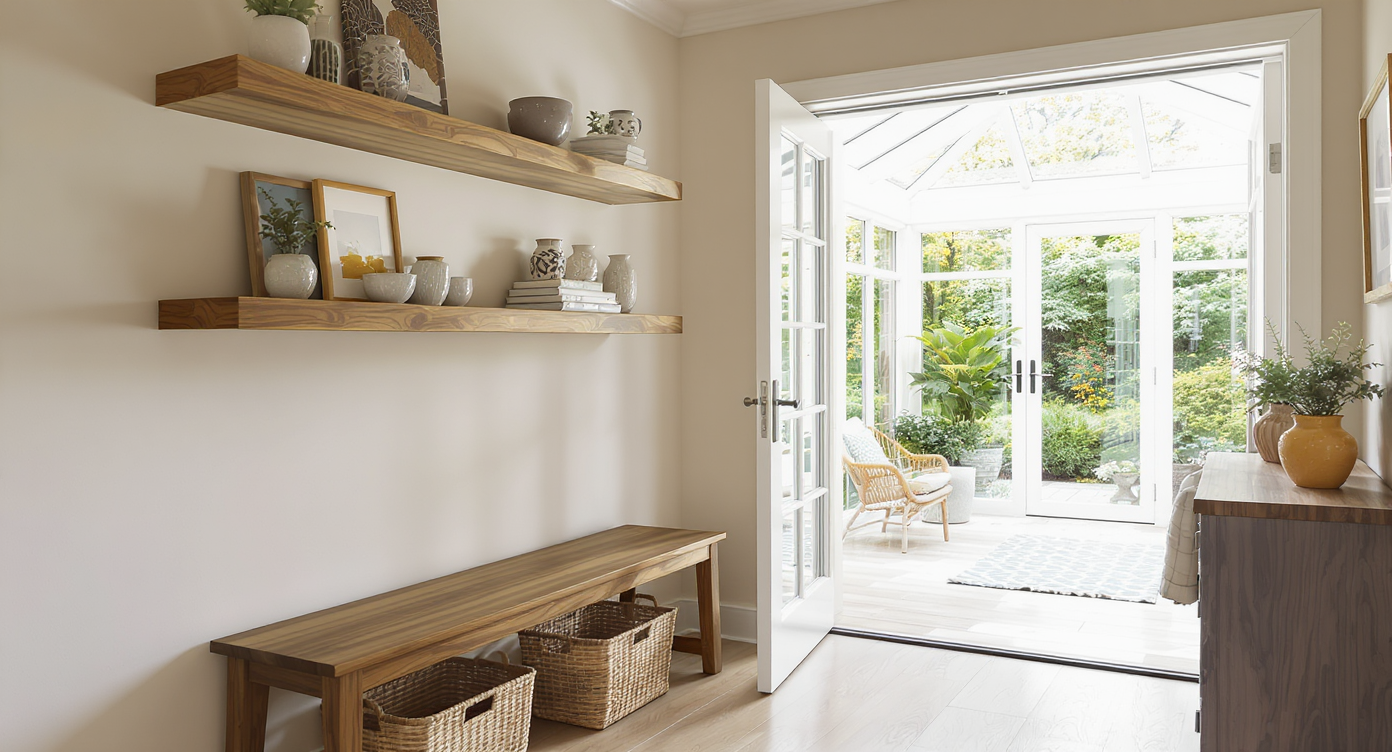
A personalized entryway with DIY-crafted shelves and bench flows naturally into a professionally built, light-filled sunroom overlooking the garden.
Imagine stepping into a newly refreshed entryway where floating shelves you crafted bounce natural light around framed art and ceramics. In one corner sits a streamlined bench you refinished, paired with woven baskets for storage. Just beyond, a professionally built sunroom—fully insulated and fitted with a row of sleek windows—extends your living space into the garden. The flow between both areas feels seamless, inviting, and wholly tailored to your daily rituals. Each project, whether built over weekend afternoons or brought to life by skilled hands, reflects a story of curiosity, intentionality, and smart decision-making.
Visualization Scenario
Picture standing in your backyard as your enclosed patio transitions from bare framing to a cozy three-season room. A professional crew handles the heavy lifting, but you’ve designed and painted the accent wall, assembled modular storage, and potted plants for sun-dappled corners. The blend creates a personalized retreat, fusing expert structure with light, inventive DIY touches.
Frequently Asked Questions
- What projects are best suited for DIY versus hiring a professional?
- Small repairs, surface updates, and flexible storage upgrades are safe and cost-effective candidates for DIY. Structural changes, anything involving major utilities, and exterior expansions generally call for professional guidance.
- How can I estimate costs and practicality for an outdoor extension?
- Begin by defining the project’s size and scope. Include materials, labor (if needed), and permit fees in your calculations. Consulting a professional—even for a feasibility assessment—can prevent overspending and design errors.
- Do DIY projects really add value to my home?
- Cosmetic upgrades and well-executed repairs can boost perceived value and livability. However, poorly executed or unpermitted work may negatively affect resale. Prioritize quality and documentation, and check with real estate agents what buyers look for in your market. For nuanced real estate perspectives, review what agents say about DIY value.
- Are there renter-friendly projects that truly make a difference?
- Absolutely. Removable wall decals, thrifted storage updates, and self-contained shelving all yield high impact with minimal risk. For a seasonal checklist of practical improvements, browse our guide to DIY projects for renters.
- How do I stay on schedule for larger remodels?
- Careful planning is key. Start early, build in buffer time, secure material lead times, and coordinate with your contractor or building department. For logistics and sequencing advice, see step-by-step renovation timeline strategies. Digital visualization tools like ReimagineHome.ai can help clarify workflow and prevent costly detours.
The Balanced Home: Where DIY and Professionals Meet
Building a home that works for you often means merging the best parts of DIY ingenuity with the reliability of professional expertise. Tackle smaller upgrades and storage solutions to personalize your spaces, but never hesitate to bring in specialists for complex builds, safety concerns, or ambitious outdoor extensions. In today’s renovation landscape, collaboration and discretion add up to higher satisfaction—and a home that stands the test of time. For digital tools and visual inspiration that support both paths, ReimagineHome.ai helps homeowners and renters alike frame their next project with confidence.