Evaluating Butcher Block Countertops for Busy Kitchens: Cost, Maintenance, and Real-Life Durability
TL;DR
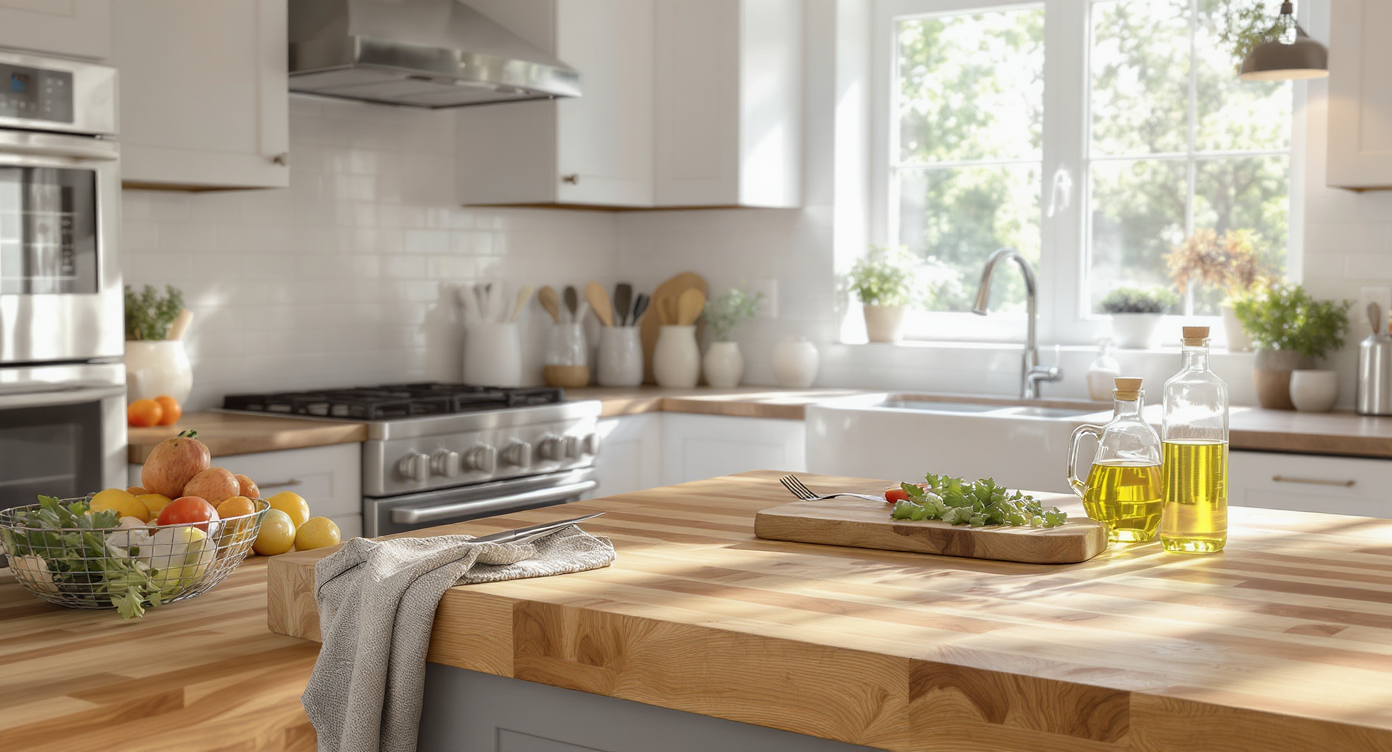
Butcher block countertops can bring lasting warmth and practicality to a kitchen island, provided you are ready for a moderate maintenance commitment. Choosing the right wood species, sealing method, and care routine impacts both cost and durability. Real-life use shows that with regular oiling and practical expectations, butcher block surfaces can thrive—even in active, family-centered kitchens.
The Enduring Allure of Butcher Block Countertops
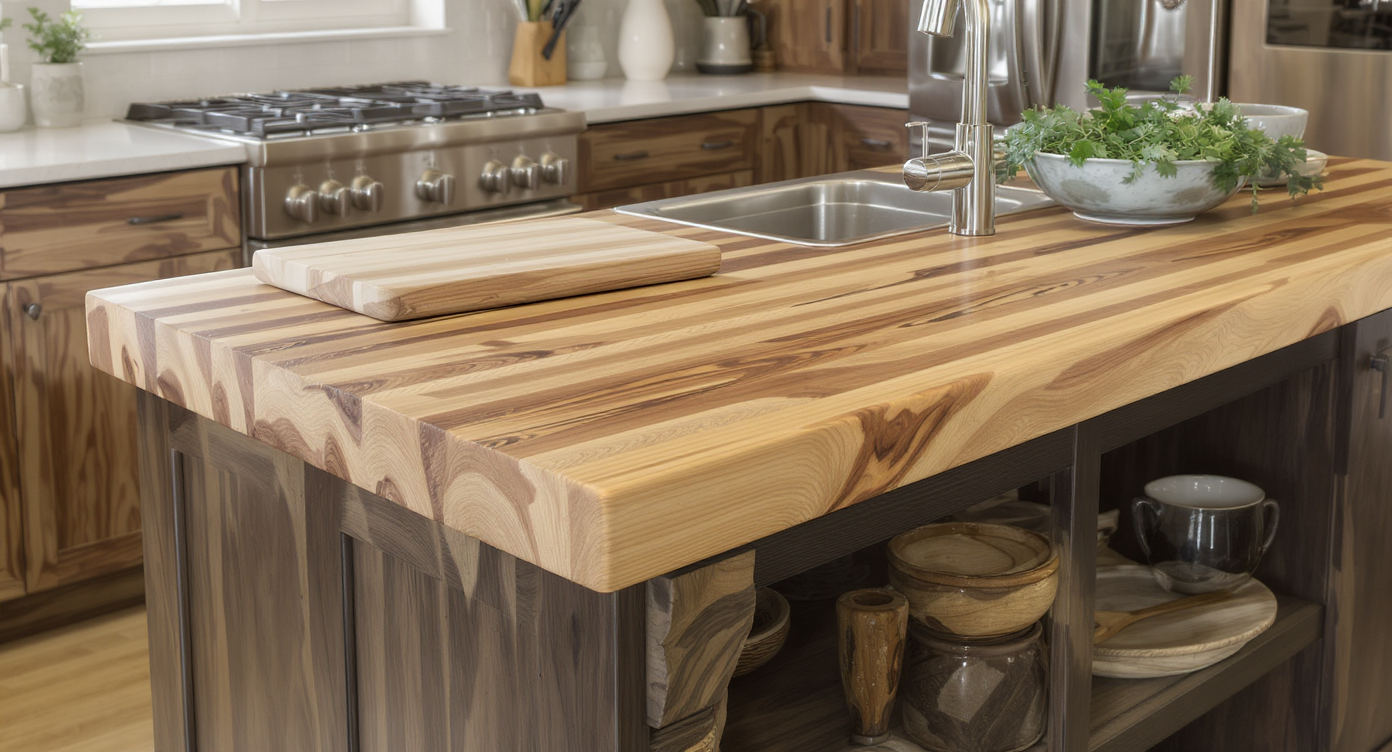
A lived-in kitchen island with a worn butcher block countertop highlights the practical warmth and character of wood surfaces in daily use.
Few materials marry utility and warmth quite like butcher block on a kitchen island. Unlike cold stone or manufactured slabs, wood offers an approachable texture, gentle acoustics, and a character that evolves with every meal. Whether you are considering a kitchen remodel project or simply weighing options for a workhorse centerpiece, understanding the realities of butcher block—the good and the challenging—can inform a choice that suits your lifestyle and aesthetic preferences. As kitchen design trends for 2025 lean into tactile, handcrafted, and natural finishes, more homeowners are drawn to butcher block’s honest appeal. Yet, practical questions about choosing materials, cost, and ongoing maintenance often linger. This editorial explores what happens when you make wood the focal point of everyday cooking.
-
Cost, Character, and the Appeal of a Working Island
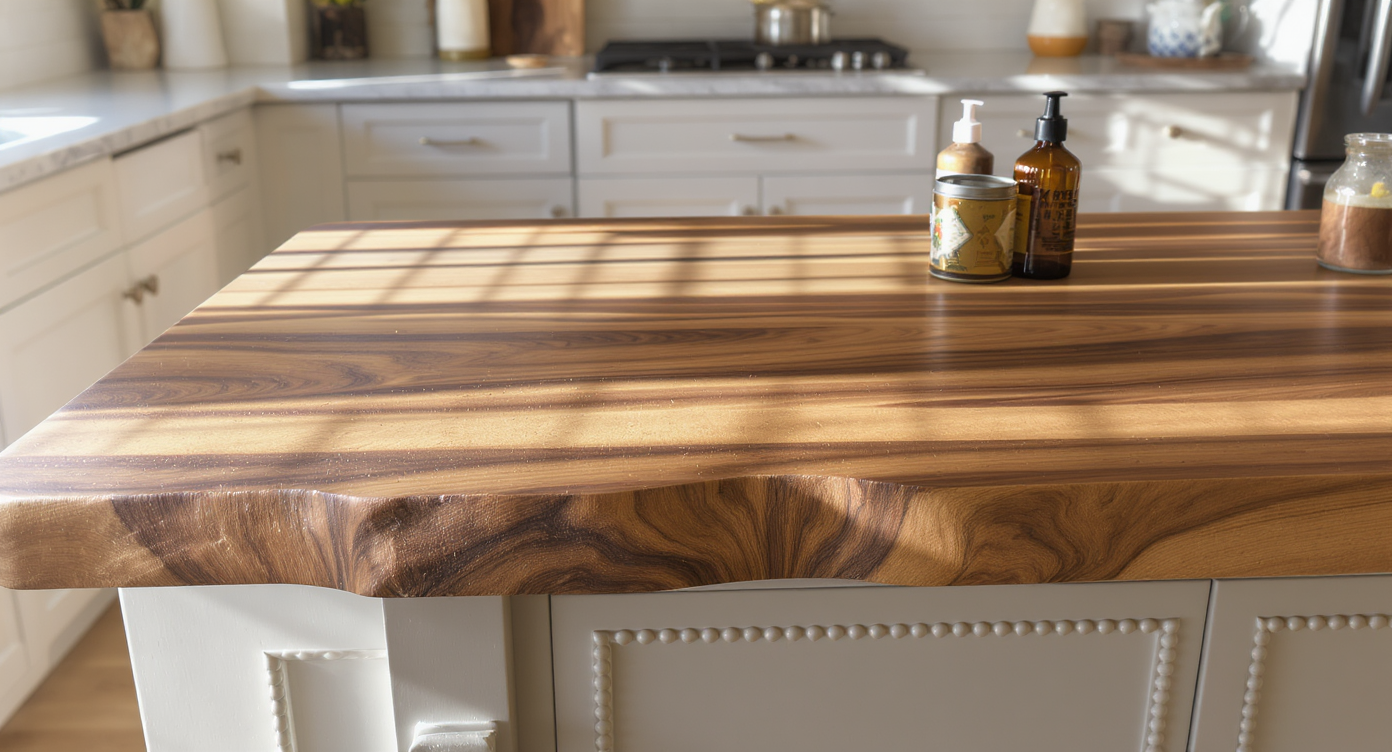
A walnut butcher block island stands out beside quartz counters, showing rich patina, subtle nicks, and the tactile warmth prized in working kitchens.
For many, the dream of a butcher block island starts with budget. Compared to high-end quartz or marble, butcher block can be an accessible entry point, especially for DIY-inclined renovators. An island-sized walnut slab, for example, may run in the range of $500 to $600, with finishes and edge details contributing modestly to the final tally. Additional costs may include specialized oils, conditioners, and occasional professional labor if you want custom routing or robust upgrades like trim or beadboard paneling. But cost is not the only consideration. The inherent warmth of walnut, maple, or oak, along with the patina they develop from daily use, offers a depth that manufactured surfaces rarely replicate. Families who embrace a "working kitchen" mindset appreciate that nicks, faint cut marks, and subtle color variations can tell a story rather than signal damage. When thoughtfully incorporated—perhaps set off against perimeter counters in quartz or stone—butcher block islands provide an inviting contrast and focal point. This timeless quality is often cited by designers as a key reason wood surfaces have enduring appeal, according to our discussion of timeless kitchen features.
Expert Insight
During a winter remodel, one family learned that their new walnut butcher block island became the gathering point not only for chopping but for everything from homework to casual breakfasts. A toddler, perched safely on a helper tower, loved to snack while watching vegetables being diced. As weeks went by, what started as a delicate, almost pristine worktop soon wore enough subtle marks to reassure its owners that their kitchen was being well used and well loved.
-
Maintenance Realities: Sealing, Conditioning, and Everyday Use
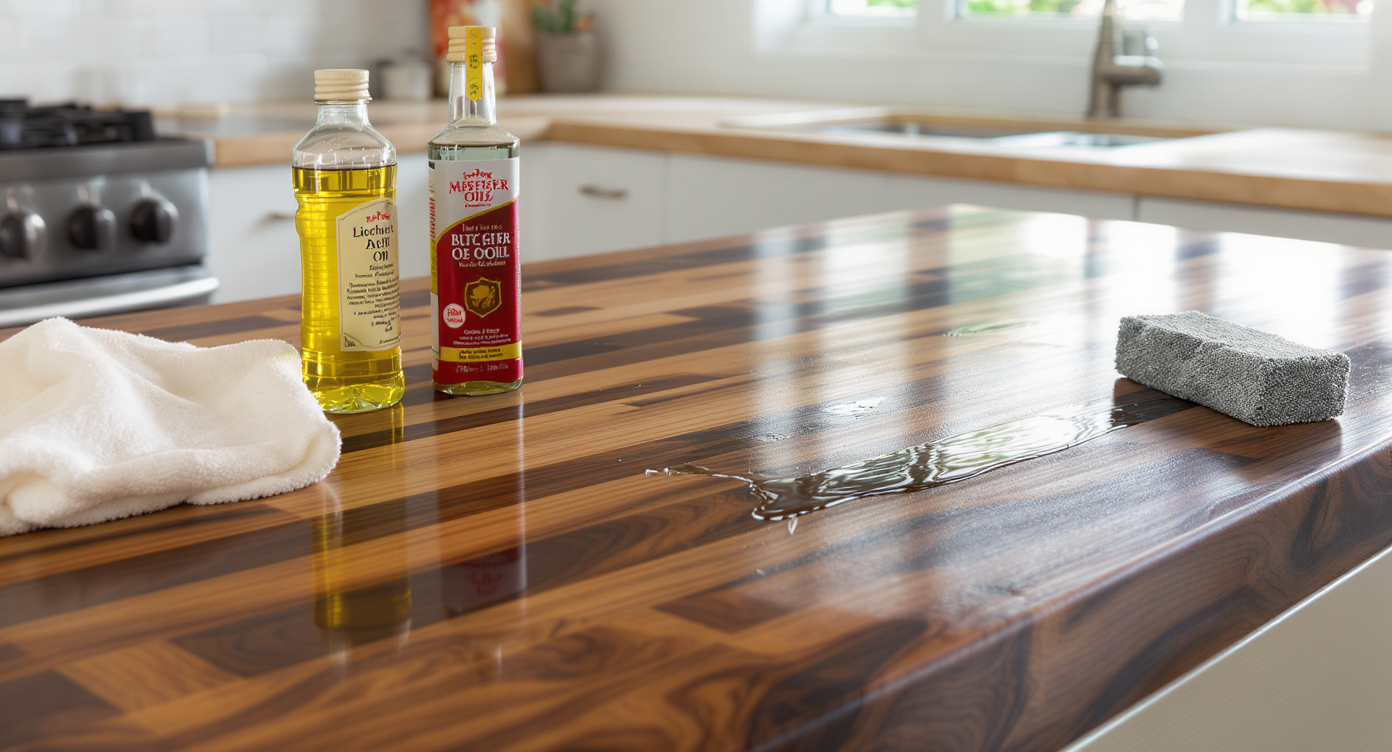
Oiled walnut butcher block countertop with oil, cloth, steel wool, and maple wood contrast, highlighting maintenance routines.
Butcher block countertops demand a commitment to maintenance that sets them apart from stone and composites. During the initial months, newly installed slabs can soak up surprising amounts of oil and conditioner, especially if the wood is open-grain, like walnut. Homeowners often perform daily oil applications for a week or more, then continue with weekly conditioning through the early period. Over time, this regimen settles into periodic oiling and gentle cleaning—perhaps every three to four months. Brief sessions using fine steel wool (such as 00 grade) can help smooth raised fibers that emerge after exposure to water, a trick that works particularly well for open-grain species. Closed-grain woods like maple may require less frequent attention as they resist fuzziness and moisture better. These techniques echo the hands-on, detail-oriented DIY approaches described in real-life home transformations. It is important to understand what butcher block is not: a care-free surface. If left unsealed or exposed to prolonged moisture, wood will darken, warp, or even develop mold around vulnerable features like drip channels or adjacent sinks. Waterlox and other permanent sealers offer more robust protection for those not planning to cut directly on the surface, while mineral oil and beeswax conditioners preserve the food-safe, tactile feel for those using the surface as a giant prep area.
-
Choosing Materials and Setting Practical Boundaries
Selecting the right wood species and finish is crucial. Maple, with its tight, closed grain, is a classic butcher block choice due to its durability and resistance to staining. Walnut is more dramatic visually, but requires diligence to prevent raised fibers and staining. Oak offers rustic charm, though its open pores can collect debris if not regularly cleaned and sealed. Practicality extends to how the surface is used. For those who prepare large quantities of produce or prefer plant-based cooking, a well-oiled butcher block becomes a daily partner. However, when it comes to potentially contaminating foods, such as raw meats or juicy, vividly colored fruits, many experienced users recommend supplementing with separate boards. This approach streamlines cleanup—especially since home cooks cannot submerge a countertop for thorough sanitization. Coffee and soft fruit stains are rare if spills are wiped quickly, but they may temporarily mark the surface until the next conditioning session. These tradeoffs align with a broader trend toward working kitchens that prioritize daily enjoyment over a showroom sheen, as highlighted in current kitchen trends.
-
Embracing Time: How Use and Patina Enhance the Countertop
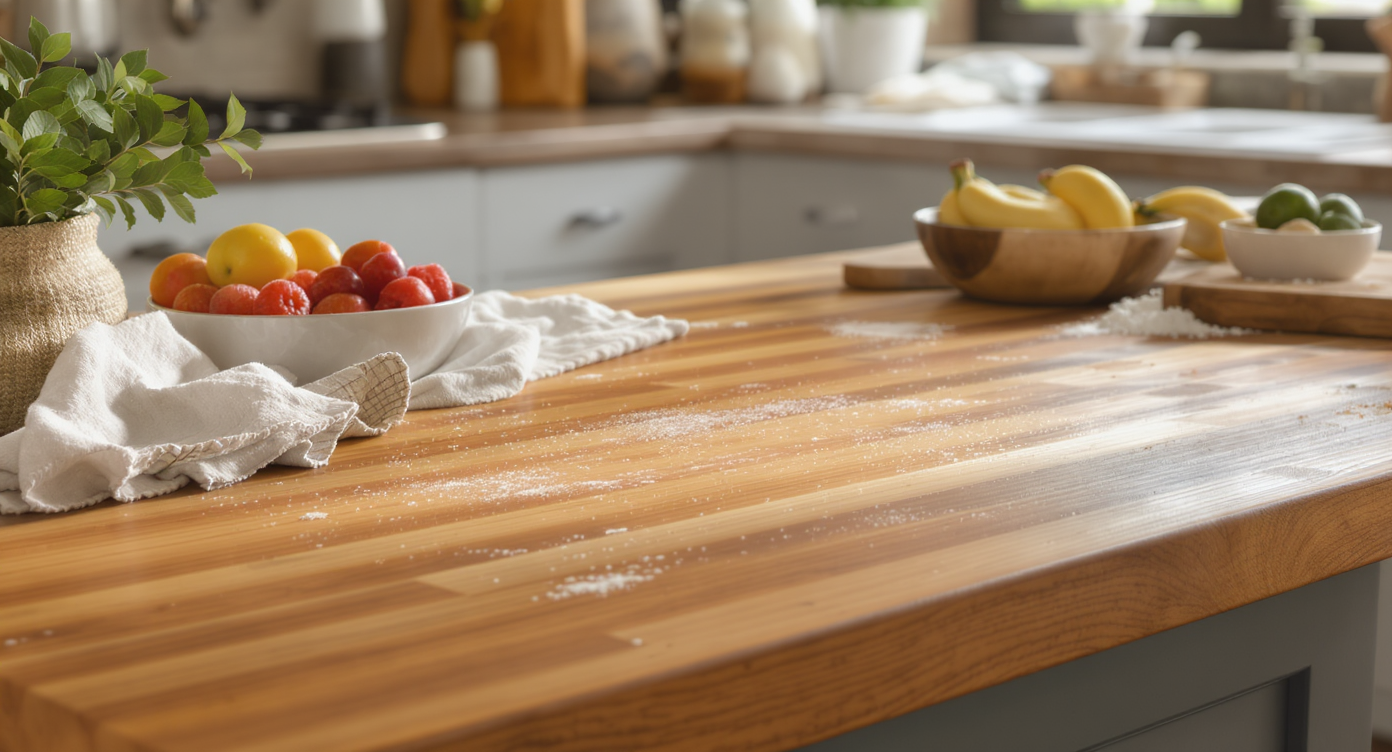
Visible wear, faded stains, and a rich patina illustrate how daily kitchen use enhances a well-maintained butcher block countertop over time.
Everyday rituals—from prepping produce for family dinners to wiping away coffee spills before they settle—gradually transform the surface of a butcher block island. The first few months may be marked by anxiety over each visible cut or water ring. Over time, most homeowners find satisfaction in the accumulation of gentle wear. For those who cherish visible evidence of shared meals, children’s baking experiments, or the flour-dusted evenings of homemade bread, these traces become more feature than flaw. Seasoned users often report that once the wood is fully saturated with oil and wax, stains and marks become less frequent. Even vivid food stains, such as blackberry or coffee, tend to fade after a few cleaning cycles. Subtle burnishing, rather than irreversible damage, is typical. Achieving this stage is a process—one that requires patience, attentiveness, and a willingness to periodically renew the finish.
Visualization Scenario
Picture a sunlit kitchen where a three-by-six-foot walnut island stands at the heart of the bustle. A parent preps vegetables for dinner while a young child, secure atop a learning tower, sprinkles flour on the counter edge for baking. Evening light catches faint cut marks that weave a silent record of holiday gatherings and weekday lunches. Every so often, a pass with steel wool and a fresh coat of conditioner renews the warmth and luster of the wood. The overall feeling is of a kitchen that works not just for today, but for many meals—and memories—to come.
Frequently Asked Questions About Butcher Block Countertops
Yes, butcher block can serve as an effective and enjoyable work surface for daily cooking, especially with plant-based meals or when using cutting boards for heavy-duty prep like meat or wet produce. Regular oiling keeps it ready for most kitchen tasks.
Will a butcher block countertop stain easily?
Quick cleanup prevents most staining. Occasional temporary marks from berries or coffee are possible, but frequent conditioning minimizes their permanence.
How often does a butcher block countertop need maintenance?
Initial oiling is intensive, potentially daily for a week, then weekly for a few months. Once established, quarterly maintenance usually suffices.
Why choose butcher block over quartz or stone?
Butcher block offers warmth, approachability, and the opportunity to age gracefully. It’s especially valued in homes that favor tactile, timeless materials.
Where can I visualize a butcher block island in my own home?
Visit ReimagineHome.ai to experiment with surface options and layouts.
Key Takeaways for Choosing Butcher Block in Modern Homes
A butcher block kitchen island is not for everyone, but for those willing to nurture their materials, the rewards are as much experiential as they are visual. When approached with knowledge and a little patience, butcher block counters pair the practical needs of meal prep with a sense of lived-in comfort rarely matched by harder surfaces. Setting realistic expectations around upkeep and respecting the constraints of wood as a natural substrate allow you to enjoy both utility and beauty. For personalized visualization or to reimagine your kitchen with a custom touch, ReimagineHome.ai offers inspiration for every step.