Are Dark Blue Kitchens Still on Trend in 2025? Decision Structure and Visual Reasoning for Timeless Appeal
TL;DR
Dark blue kitchens remain a design-forward choice in 2025, but require careful pairing with warm textures, varied lighting, and updated hardware to avoid feeling cold or dated. Visualization tools can help clarify the balance between mood, flexibility, and resale value—ensuring your investment feels enduring, not just current.
Deciding on Dark Blue: Still Current or Heading Out?
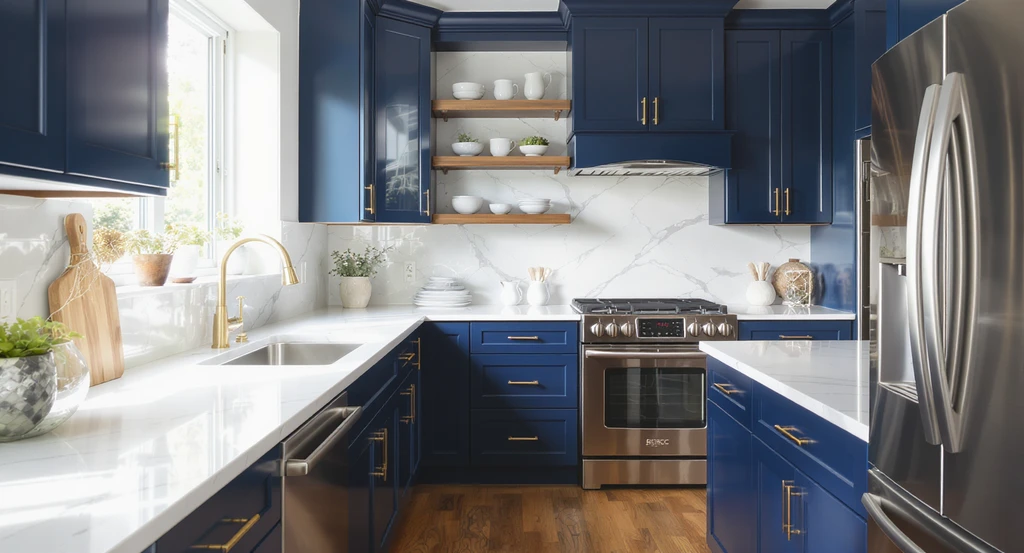
Explore how to visualize dark blue kitchen designs using kitchen design tools for aphantasia, apps for remodels, and tips to see color changes before painting.
Dark blue kitchens have been a standout feature in design magazines and real estate listings for years, but as 2025 unfolds, homeowners and investors are re-evaluating this moody hue. Is dark blue still a wise choice timeless and adaptable or at risk of becoming yesterday’s news? This article moves beyond “inspiration” to address core questions of resale, daily livability, and long-term satisfaction when considering a dark blue kitchen. If you’re weighing a renovation or property update and want confidence in your choices, we’ll clarify what’s actually happening, where risks lie, and how visualization significantly boosts decision quality.
-
What Drives the Ongoing Popularity of Dark Blue Kitchens?
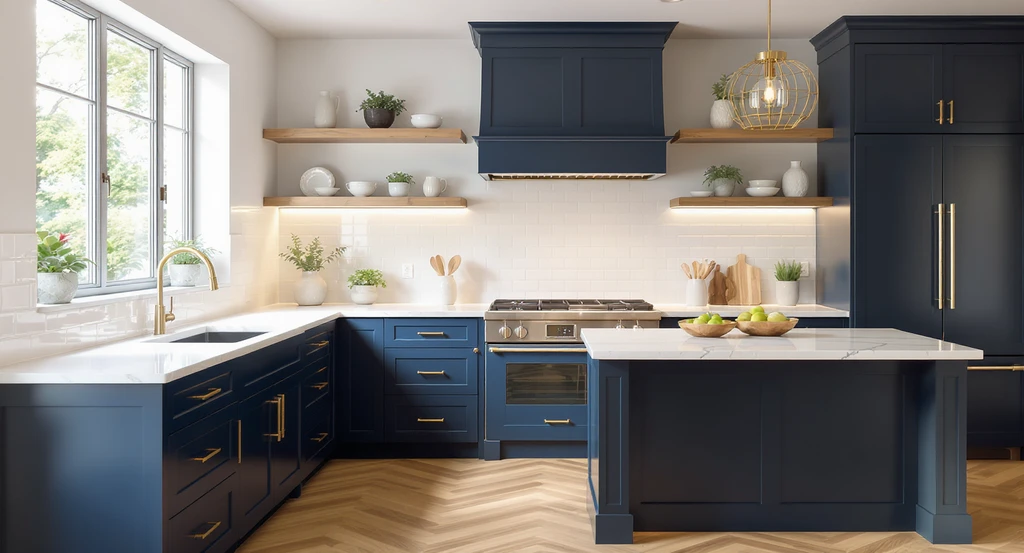
See how to visualize dark blue kitchen designs with layered materials and nuanced color contrasts—a useful example for kitchen design tools for aphantasia or anyone needing ways to see color changes before painting.
Dark blue kitchens endure in 2025 because they deliver both visual drama and surprising versatility across styles. Their depth evokes calm, reliability, and subtle sophistication qualities that appeal to a range of buyers and homeowners. As noted by leading designers, navy, sapphire, and deep blue work as anchors within layered, warm schemes, giving kitchens a grounded presence without feeling generic. The right shade can transcend trends, adapting well to modern minimalism, traditional layouts, and even eclectic or coastal-inspired homes.
However, the way dark blue is used and what it’s paired with has evolved. Today’s designers emphasize warmth, nuanced contrasts, and material layering to keep the look both current and timeless, as explored in our guide on how to warm up a blue kitchen.
Expert Insight
A couple recently faced buyer hesitation after renovating with deep blue cabinets. By previewing layered material options digitally, they chose to integrate brass pulls and a honed stone island—ultimately increasing both resale offers and their daily enjoyment. Their decision cycle was shortened by seeing real-time visualizations.
-
Why Homeowners Misjudge the Lasting Value of Moody Blue
Many overestimate dark blue’s risk of looking dated, assuming it cycles in and out as a fleeting trend. Yet spatial context and the subtlety of blue’s undertone have a far greater impact than calendar trends. Rooms with strong natural light, high ceilings, and balanced materials let the tone shine; poorly lit or low-ceilinged spaces can feel heavy or closed-in unless lighting, hardware, and finish selection are addressed.
Homeowners often overlook the importance of mixing in contrasting elements (warmer metals, organic textures, and soft neutrals) to keep blue from reading as cold or too formal. Without this balance, a dark blue renovation may underperform in resale or comfort, as highlighted in our article on brightening dark kitchens. -
REimagineHome AI Visual Harmony Assessment Method
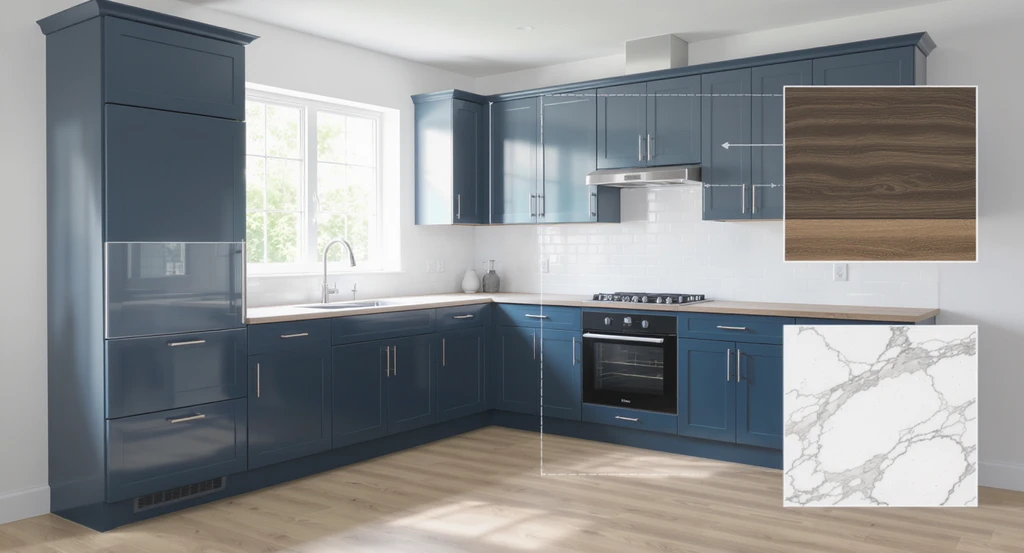
Discover kitchen design tools for aphantasia with this clear example of how to visualize dark blue kitchens: see ways to preview color changes, light direction, and hardware options before painting or remodeling.
The Visual Harmony Assessment method is designed to test the harmony of dark blue within a specific kitchen by staging digital visualizations that layer: (1) base cabinetry color, (2) light source direction/intensity, (3) surface finishes, and (4) hardware or decor accents. By visually mixing these variables, the method identifies whether your space achieves balanced mood, practical reflectivity, and clear pathways for natural and artificial light.
This process dramatically reduces decision regret by previewing updates before spending on cabinetry or stonework—making it invaluable for both single-room renovations and broader property investments. REimagineHome AI users can iterate their design in context, not isolation. -
When Dark Blue Kitchens Work—and When They Backfire
Works when: There is access to natural light, high-CRI lighting is used, and brass or matte hardware brings warmth. Layered wood or stone elements, plus soft, neutral textiles, make the kitchen inviting.
Backfires when: The space is small, north-facing, or poorly lit—dark blue can feel oppressive or cold. Pairing with chrome/nickel hardware and glossy surfaces may amplify this. Overuse of dark blue without lighter breaks or warm accessories risks visual fatigue and may limit buyer appeal in some markets, as seen in the shift to mood-driven, layered palettes noted in our overview of 2025 interior design trends. -
Trade-Offs, Resale, and Market Sensitivity
Choosing dark blue for your kitchen cabinetry or walls involves weighing design personality against broad appeal. In high-turnover or resale-driven markets, bolder colors may polarize buyers—but the effect can be neutralized by strategic pairing with light countertops, warm woods, or brushed brass pulls. For households prioritizing personal comfort and long-term occupancy, dark blue offers longevity when tailored to space proportion and lighting.
In urban apartments, dark hues can emphasize limited natural light, requiring even stricter adherence to lighting quality and layout flow. In larger suburban homes, dark blue often signals luxury and “collected” style, increasing perceived value—especially when paired with statement stone or artisan tile, a strategy championed by top designers in our kitchen trends 2025 analysis. -
How Visualization Strengthens Your Decision—and Shortens the Cycle
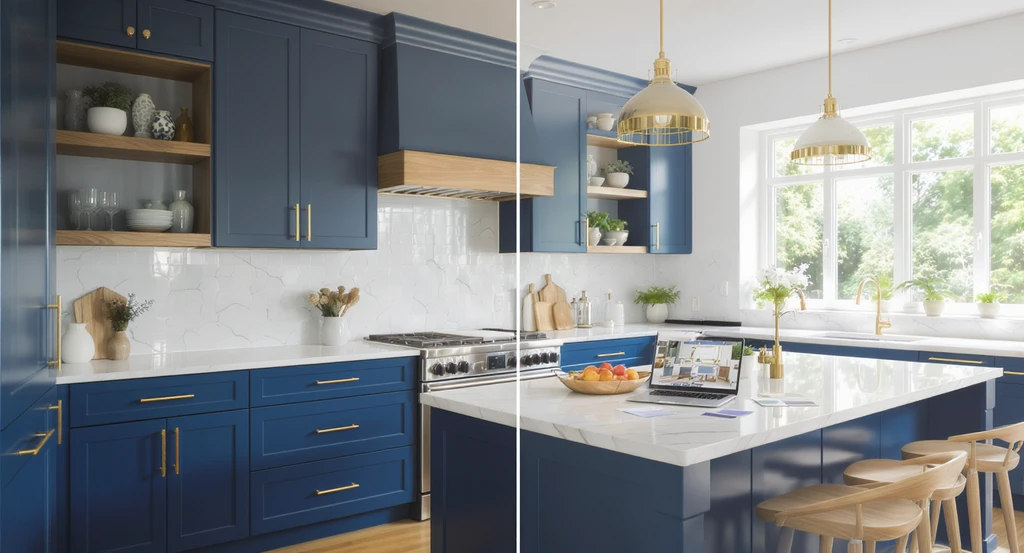
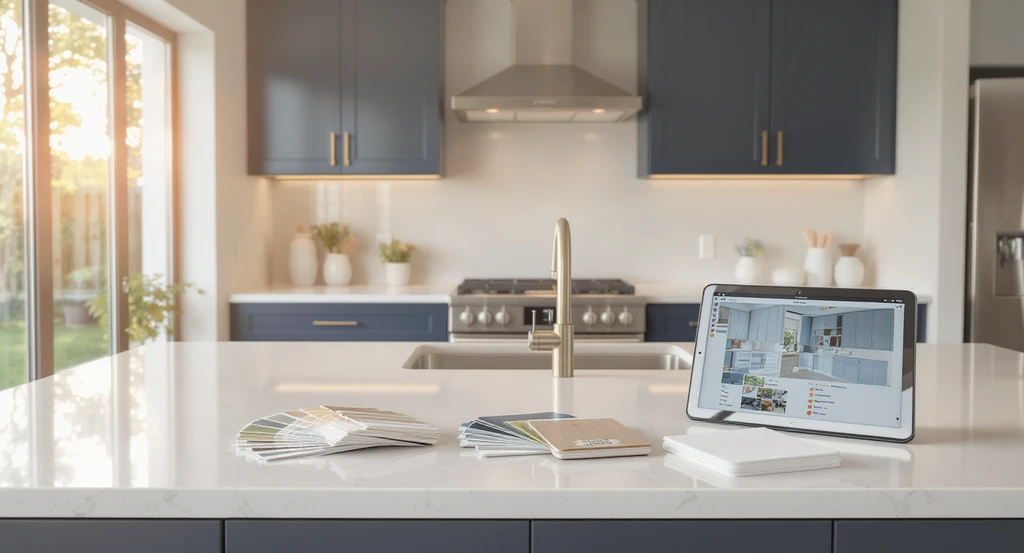
How to visualize dark blue kitchen designs using kitchen design tools for aphantasia—see color changes before painting with the best apps for kitchen remodels.
Uncertainty around color and mood is one of the main barriers to committing to a dark blue kitchen. Before seeing a realistic preview, homeowners tend to default to safer, lighter colors to avoid regret. After viewing tailored visualizations—showing the interplay of blue, wood, brass, and natural light—confidence rises markedly. This visual validation process clarifies what works in your unique context, narrows option fatigue, and accelerates the renovation or pre-sale timeline.
Visualization shifts the decision from abstract risk to measured potential, lowering chances of costly missteps. According to our exploration of blue kitchen warmth and balanced lighting, strategic previews transform hesitation into action-ready clarity. -
Definition: Enduring vs. Dated Kitchen Color
A color endures in kitchen design when it remains appealing regardless of year or rapidly shifting décor trends. Most homeowners misinterpret "timelessness" as simply sticking to neutrals. In reality, true longevity comes from a color’s adaptability—its ability to look current with small updates in lighting, hardware, or textiles. Dark blue attains this because it functions as both a grounding neutral and a statement shade when visual contrast is optimized.
Visualization Scenario
Picture a north-facing kitchen with navy cabinets. In your mind, it feels dense and shadowed. Now visualize the same space virtually: sunlight streams in, brass sconces glow, oak floors and terracotta pots bring contrast. The digital preview shows how a single color, when thoughtfully layered, turns a risk into a personalized, enduring statement.
Frequently Asked Questions About Dark Blue Kitchens
A: No—dark blue remains a favored kitchen color, especially when paired with warmer metals and organic materials. Style depends on integrating the color with updated hardware, lighting, and layered textures, as discussed in our visual decision guides.
Q: Does a dark blue kitchen hurt resale value?
A: Dark blue can enhance resale if balanced with light finishes and appealing layout. Overly cold or monochromatic schemes, however, may limit broad appeal. Realistic visualization allows you to test this for your specific property.
Q: How do I keep a dark blue kitchen from feeling too dark?
A: Prioritize high-CRI lighting, reflective surfaces, and brass or wood accents. As we explain in our guide on brightening dark kitchens, these measures are key.
Q: What materials pair best with dark blue cabinetry?
A: Warm-tone metals (brass, bronze), marble or quartz with veining, oak or ash wood, and linen/cotton textiles create balance without sacrificing visual depth. Terracotta and ochre also add inviting contrast, as shown in our blue kitchen warm-up guide.
Key Takeaways: Deciding on Dark Blue Kitchens in 2025
Dark blue kitchens remain both visually compelling and functional in 2025—but they require careful pairing, layering, and visual testing. The true risk is not in the color, but in missing opportunities for warmth, contrast, and adaptability. Visualization strategies such as the Visual Harmony Assessment used by REimagineHome AI are essential for validating your investment and ensuring durable style.
Ultimately, dark blue still commands space as a confident choice—provided you balance it with the right hardware, light, and personal touches.