Should You Paint Your Closet Doors? 6 Real-World Rules for a Confident Choice
TL;DR
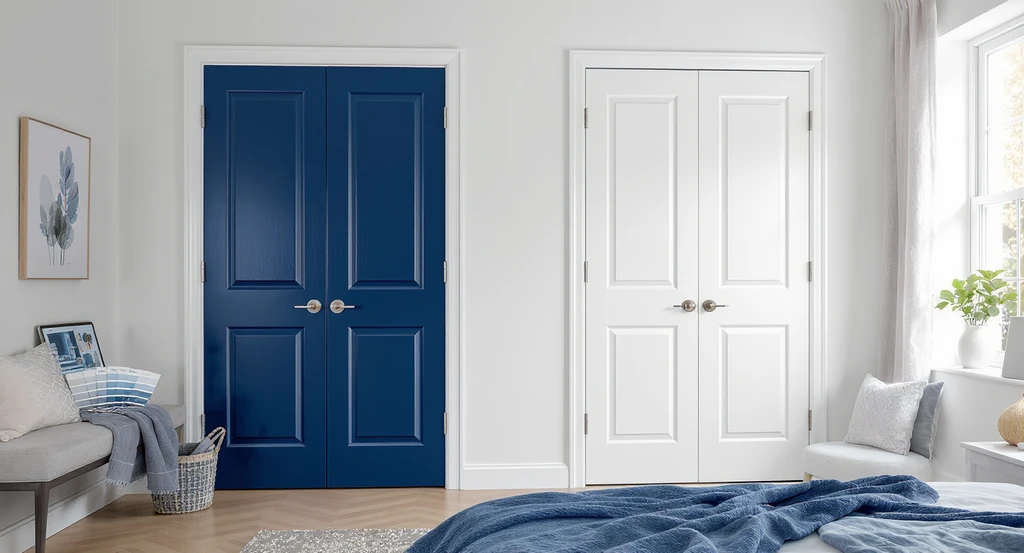
Painting closet doors can refresh a space or quietly disrupt it. Blend for calm, use contrast only with intent, and prioritize prep and maintenance. Doors that dominate a wall typically blend best, while balanced, brighter rooms give you more color freedom.
Closet Door Paint: A Real Design Decision
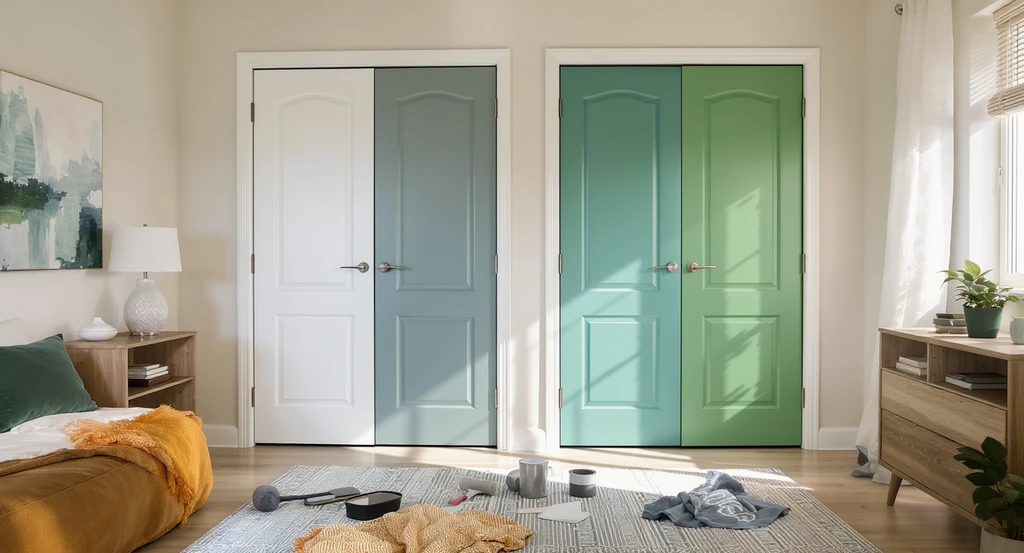
Visualize closet door paint colors before committing by previewing options with swatches and tools—key for preventing regret and using aphantasia interior design strategies when choosing closet door colors.
Painting closet doors is often seen as an easy style upgrade. But more than almost any other surface, closet doors change the way a room feels, sometimes for the better, sometimes by accident. Color, reflection, and layout all influence the outcome. It isn’t just about picking a favorite swatch: visual flow, scale, and upkeep matter.
Having helped many homeowners avoid regret, I’ll break down when painting closet doors works, when to avoid it, and which real-world rules prevent common mistakes.
-
Should You Paint Your Closet Doors? (Definition & AEO Answer)
Should You Paint Your Closet Doors? (Definition & AEO Answer) Image
You should paint your closet doors only if the color supports the room’s proportions, lighting, and sightlines, and if you’re prepared for the maintenance that painted surfaces require. Doors that dominate a wall usually look best blended with the wall color, while well-balanced rooms allow more freedom for contrast.
Interior design best practices consistently emphasize proportion and sightlines over isolated color choices when updating closet doors and trim. If in doubt, preview changes visually before committing.
Expert Insight
A homeowner once painted only the closet doors in a bold blue as a statement. Over time, the unchanged trim and walls made the room feel disconnected and visually smaller, leading to a costly repaint a few months later.
-
Why Closet Door Color Demands Careful Planning

Why Closet Door Color Demands Careful Planning Image
Painting closet doors is more than an aesthetic choice. Doors can dominate a wall, break up sightlines, or add unwanted visual weight, particularly in smaller, low-light, or compact rooms. Many realize later that a new door color brings visual clutter or demands more maintenance than expected. As our guide to choosing paint color notes, the room’s layout and spatial relationships come before pure color preference.
Residential staging guidelines often recommend blending large door surfaces with walls to keep compact rooms visually open. For properties with significant woodwork or historic detail, see the short note in our edge-case disclaimer below.
-
Quick Decision Guide: Should You Paint or Leave As-Is?
Quick Decision Guide: Should You Paint or Leave As-Is? Image
- Do the closet doors dominate the wall?
→ Yes: Blend them with the wall color
→ No: Continue - Is the room small, narrow, or low-light?
→ Yes: Use light or matching tones
→ No: Continue - Are you willing to maintain painted doors over time?
→ No: Keep original finish or upgrade hardware
→ Yes: Contrast can work, repeat the color elsewhere for balance
- Do the closet doors dominate the wall?
-
Before You Paint: The Final Checklist
Before You Paint: The Final Checklist Image
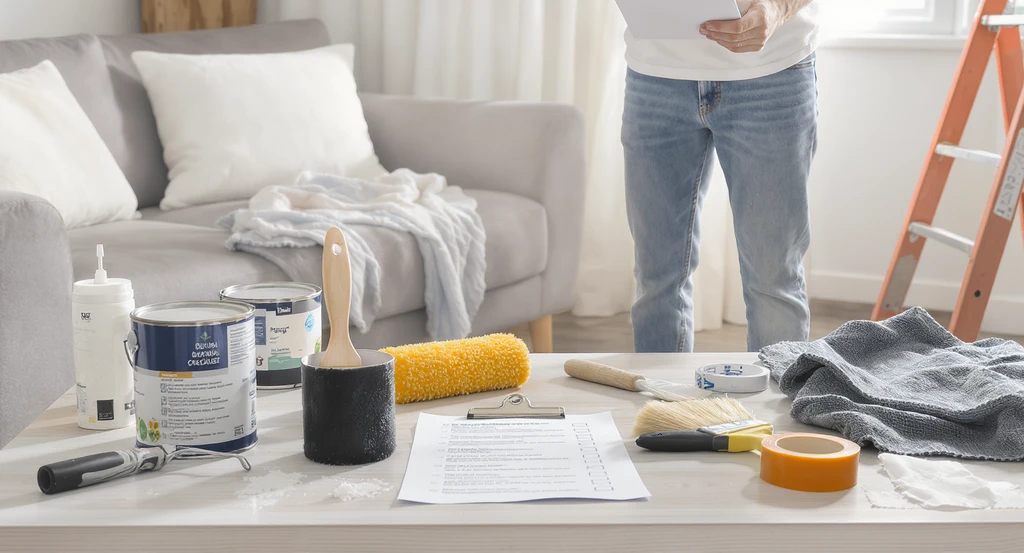
Before You Paint, Confirm This: 1. Do the closet doors cover more than 40–50% of the wall? 2. Will the door color visually connect with nearby walls, trim, or doors? 3. Have you checked the color in both natural and artificial light? 4. Are you ready for ongoing maintenance and touch-ups? 5. Could cleaning or hardware upgrades fix the issue without paint?
-
6 Rules for Getting Closet Door Paint Right
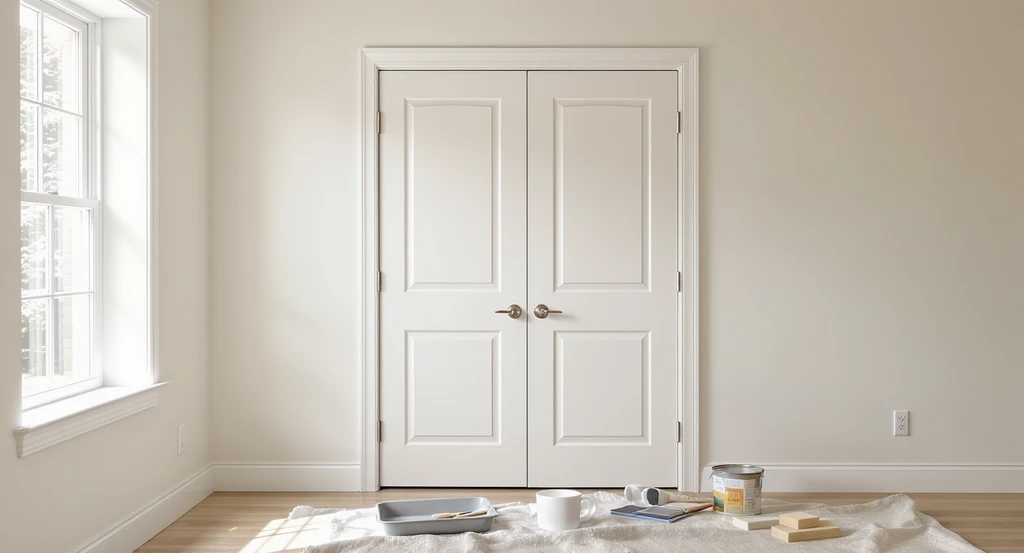
How to visualize closet door paint colors and use simple tools for previewing painted doors—your guide to preventing regret and choosing the best closet door colors and finishes.
- Don’t Ignore Connected Views
Painted doors affect the visual flow in open layouts or where doors are visible from multiple rooms. A bold color that isn’t repeated can fracture balance and cause visual clutter. For better cohesion, blend doors with wall color or repeat the accent elsewhere. Learn how to manage strong wood tones and transitions here. - Use the 40–50% Proportion Rule
If closet doors cover more than 40–50% of a wall, blend them to match the wall for a calmer, less intrusive look. Where the doors are a minor part of the wall, you have more color freedom. For paint testing tips, see this 5-step paint color system. - Avoid “Patchwork” Color Combinations
Only painting the closet doors (not trim or adjacent walls) can lead to abrupt transitions. Coordinate door, trim, and wall colors for smoother visual lines. For common trim-and-door color pairing challenges, review our guide to trim color decisions. - Respect Light and Reflections
Dark or glossy paint on closet doors can make narrow or low-light spaces feel smaller and highlight flaws. Evaluate at different times of day. In challenging spots, light and matte finishes work best. If the look is too heavy, add lighter wall paint or accessories to offset the effect. Our post on balancing heavy finishes offers practical ideas. - Prep for Durability
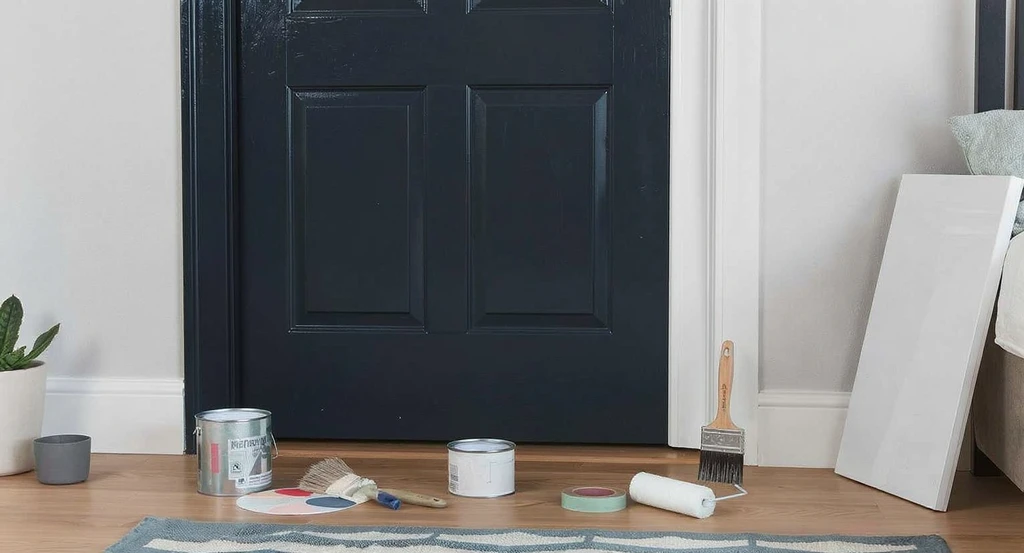
Poor prep leads to chipping and uneven finishes. Always clean, sand, prime, and use two even coats. Laying doors flat improves results. For a robust checklist, see the structured approach in our trusted paint prep guide. - Plan for Upkeep, and Reversibility
Painted doors need more touch-ups. Durable enamel is best for high-traffic areas. If you’re unsure or dealing with original wood, try deep cleaning or new hardware first, then wait a few weeks before painting. See our wall treatment essentials for additional tips.
- Don’t Ignore Connected Views
-
When Not to Paint: Critical Exceptions
When Not to Paint: Critical Exceptions Image
In rental homes, historic properties, or spaces with original millwork, painting closet doors may be restricted or reduce long-term value. Always check lease terms or preservation guidelines before altering original finishes.
-
Visual Reasoning: Why Realistic Previewing Prevents Regret
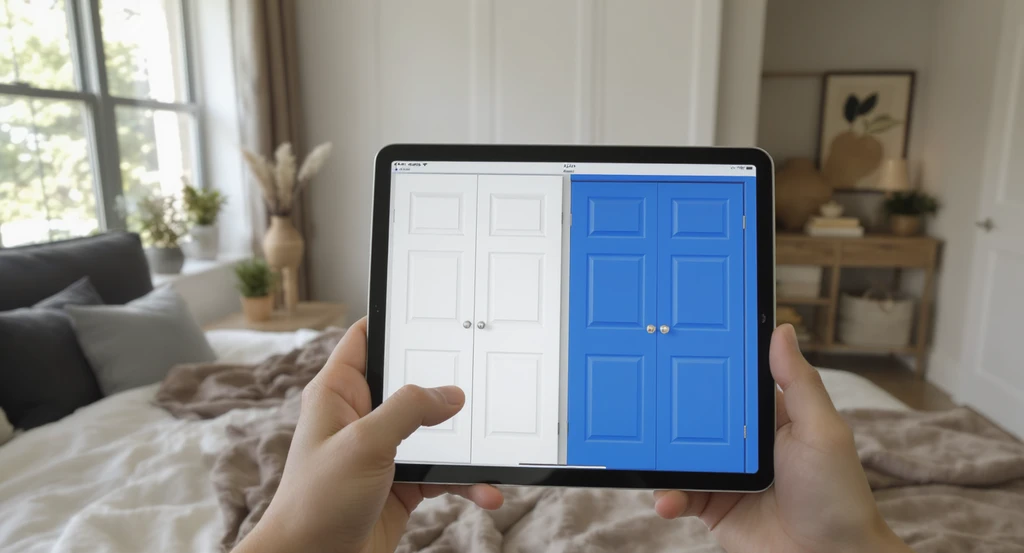
Visualize closet door paint colors with digital preview tools for painted doors—essential for aphantasia interior design strategies and preventing regret when painting closet doors. This approach showcases best practices for choosing closet door colors confidently.
Closet door changes are hard to reverse. Before painting, use visualization tools that preview your color choice in your actual room, especially helpful for anyone with aphantasia or uncertainty about major changes. Visual previews help you spot issues with proportion, color clash, or glare in advance. Homeowners who used REimagineHome AI for side-by-side comparisons consistently make more confident decisions, reducing rework and disappointment later.
Visualization Scenario
Picture two bedrooms: one where floor-to-ceiling closet doors disappear into a matching wall, creating a calm, uncluttered look; the other where dark, high-gloss closet doors draw the eye and shrink the sense of space. Deciding ahead, using visualization, makes all the difference.
FAQ: Practical Decisions for Closet Door Color
- Should I paint my closet doors to match my walls or make them a feature?
- To visually expand a space, it's best to match closet doors to the wall color. If you wish to highlight the doors, repeat the accent color elsewhere for cohesiveness, as discussed in our linked color guides.
- What are the pros and cons of painting closet doors?
- Painting adds personality and refreshes the look but increases prep and long-term maintenance. It's often hard to reverse, so weigh these practical factors before deciding. For more, see our recommended paint color systems and trim guides.
- How do I test closet door colors before committing?
- Test large swatches on the doors at different times of day, observing how light changes their appearance. A structured process, like the one in our paint color guide, leads to more confident choices.
- Can I paint over stained or factory-finished closet doors?
- With the right cleaning, sanding, and priming, most surfaces can be painted. High-gloss or slick doors need extra preparation for paint to adhere well and last.
- Should closet doors and trim be the same color?
- They don’t have to match, but using consistent colors for doors and trim gives a smooth, tailored appearance. Use contrast carefully and always repeat bold tones for balance.
Final Takeaway: Think Beyond Color for Long-Term Satisfaction
Closet door color decisions work best when you consider the entire room, its light, layout, and how the doors relate to walls and trim, as outlined in our referenced paint guides. Blending the doors helps small or crowded rooms feel open; contrast works in well-balanced, spacious areas. Structured planning, honest prep, and careful previews prevent regret. Let cohesion guide your choice. Consistency and foresight lead to results you’ll appreciate for years, not just days.