Why Unique Decor Actually Feels Good: What the Eye (and Heart) Really Notices
TL;DR
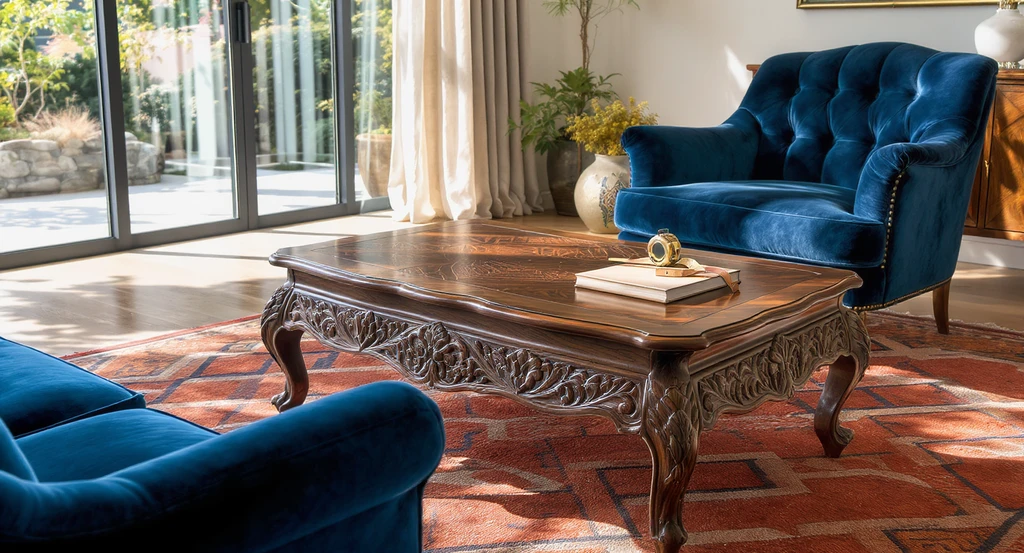
Unique decor and furniture create rooms with presence, memory, and playful tension. This guide reveals why singular pieces feel so powerful, how to avoid proportion pitfalls, and why visualization helps you choose what truly fits your home without later regret.
Why Are We Drawn to Unique Pieces Even When They Seem Odd?

Choosing unique furniture that fits—like a lily chair or vintage stone accent—makes a room memorable. See tips to avoid oversized sofas, measure furniture, and plan your layout for statement decor that feels personal and inviting.
From a lily-shaped chair scooped up secondhand, to a centuries-old stone jutting from a living room wall, there’s a special feeling that only unique decor brings. Reddit threads brimming with photos vintage puppet collections, hand-carved tables, mannequin shelves—reveal a common craving for character over convention. Many people admit their most conversation-worthy pieces were found at flea markets, inherited, or made by friends. There’s both comfort and curiosity in what others might see as random: that sense of a room with a story. Unusual objects prompt immediate emotional reactions—delight, puzzlement, or a spark of nostalgia. But when something truly unique enters a familiar room, why does it feel so right (or so wrong)? This guide brings subtle clarity to how distinctive items shape the feel of our homes, what “fitting in” really means, and how seeing furniture at home—before you buy—can spare future hesitation.
-
What Actually Happens When Unique Furniture Enters a Room
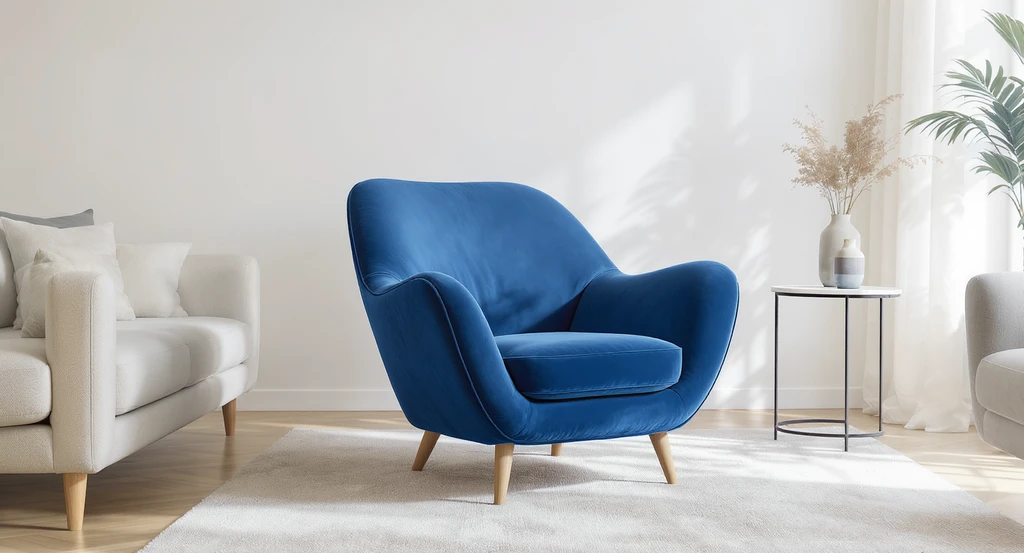
Planning room layout for unusual decor includes how to choose unique furniture that fits and tips to avoid buying oversized sofas or statement pieces that overpower a space.
A one-of-a-kind chair, lamp, or handmade table can act as an anchor, a focal point, or even a gentle disruptor. Instead of fading into a scheme, the eye catches on the shape, finish, or story behind the object. But balance is easily lost: bold pieces often challenge scale, proportion, or flow—the boundaries that make a room feel whole. The underlying mechanism is visual hierarchy. When an object is unusually shaped (like a petal-armed lounge chair or a carved animal lamp), it tends to draw attention through both its silhouette (outline) and surface quality (texture, gloss, color). This “visual weight” can overpower lighter or simpler items unless it’s offset by space or repetition elsewhere. The room’s stability, then, depends on both the placement of the piece and the surrounding sense of order.
-
Why Some Unique Pieces Feel Like They Belong—and Others Don’t
It’s not just about style; it’s about dialogue. Successful unique furniture seems conversational with the rest of the room: its scale is in harmony with the rug size, ceiling height, and the negative space around it. When a singular item feels unsettling or awkward, the cause is often proportionate mismatch. An oversized vintage chair can look playful in a large, high-ceilinged space but feels stifling in a narrow den. Conversely, a delicate vintage lamp can feel underwhelming if dwarfed by a chunky sectional or busy gallery wall. Most people assume that uniqueness alone guarantees charm. In reality, even the quirkiest object needs a visual echo—either in color palette, shape repetition, or distance from other focal points—to avoid feeling accidental. According to our guide on refreshing a dated home without losing character, unifying elements like art scale, palette, or material can let strange finds shine without clashing.
-
What Most People Miss: The Subtle Trade-Offs of Statement Decor
A common oversight: Statement furniture often changes its impact depending on natural light, room traffic, and daily use. While a sculptural chair can look stunning in a staged photo, it might project long shadows into walkways or become a catchall for laundry in real life. Materials matter too—metals glint, velvets absorb light, carved wood introduces pattern and shadow. Another missed detail is how personal items—family mementos, inherited heirlooms—carry both emotional and visual stories. Sometimes the delight (or discomfort) they trigger comes from memories as much as aesthetics. Many find joy in the strange, like a flea market lamp or a rock formation in the wall, but regret letting sentiment overrule function when a heavy table blocks daily movement or a delicate piece can’t survive pets.
-
How to Make Unique Pieces Work—instead of Just Weird
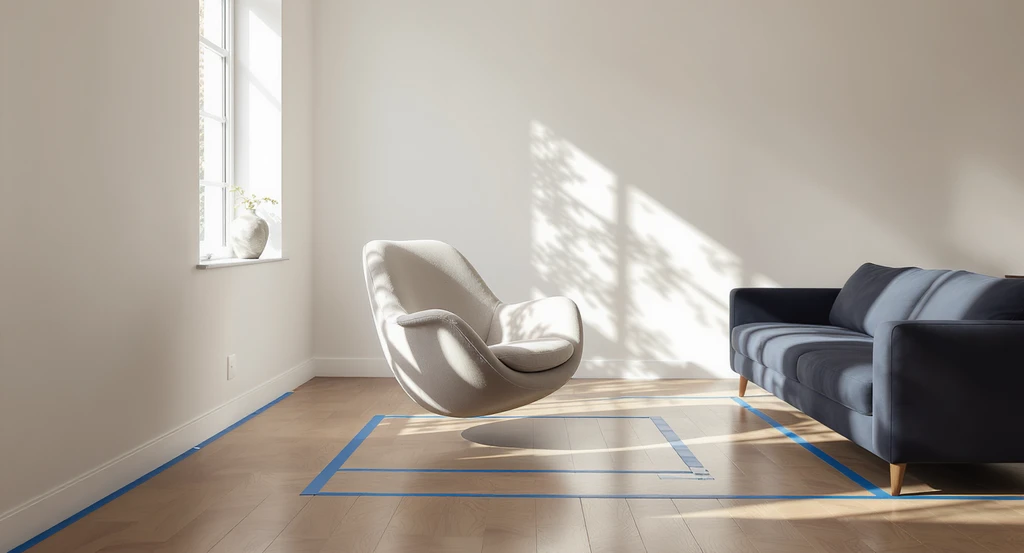
How to choose unique furniture that fits by visualizing with painter’s tape before buying. Tips to avoid oversized sofas and plan layout for unusual decor.
Unique decor succeeds when it listens, not just shouts. This means considering size, posture, and room flow before falling for an object’s story. Instead of pushing everything to the edges, try floating a curvy chair closer to the room’s center, where it feels less isolated and more intentional. Layering—by echoing a color or shape elsewhere—lets bold items enter a quiet conversation with the space. Measuring first prevents regret. As explored in our 2025 furniture trend forecast, oversized sofas and dramatic chairs are increasingly popular, but what matters most is how they balance traffic flow and light sources. If a chair blocks a window or forces awkward walkways, even the most impressive find can become frustration. Visualizing furniture to scale—using painter’s tape, templates, or digital previews—often reveals these issues before you commit.
-
Visualization: The Practical Antidote to Decision Hesitation
Imagination alone rarely predicts how a distinct piece will truly feel at home. Lighting, room size, wall color, and even floor patterns all mediate the effect of a whimsical lamp or a hand-painted bench. Tensions arise when the piece is better in theory than in reality. Visualization, in the form of room mockups or AR previews, helps translate inspiration into lived experience. Even simply blocking out object footprints with cardboard can let you measure, shift, and sense presence without making a permanent mistake. REimagineHome AI prioritizes this approach: seeing unique furniture in your actual space—at the right scale and under real light—allows you to recognize subtle imbalances before they become daily irritations. According to our guide on DIY home decorating ideas, small shifts in layout, scale, or lighting can make dramatic items feel purposeful, not random.
-
The Enduring Power of Character and Memory in Decor
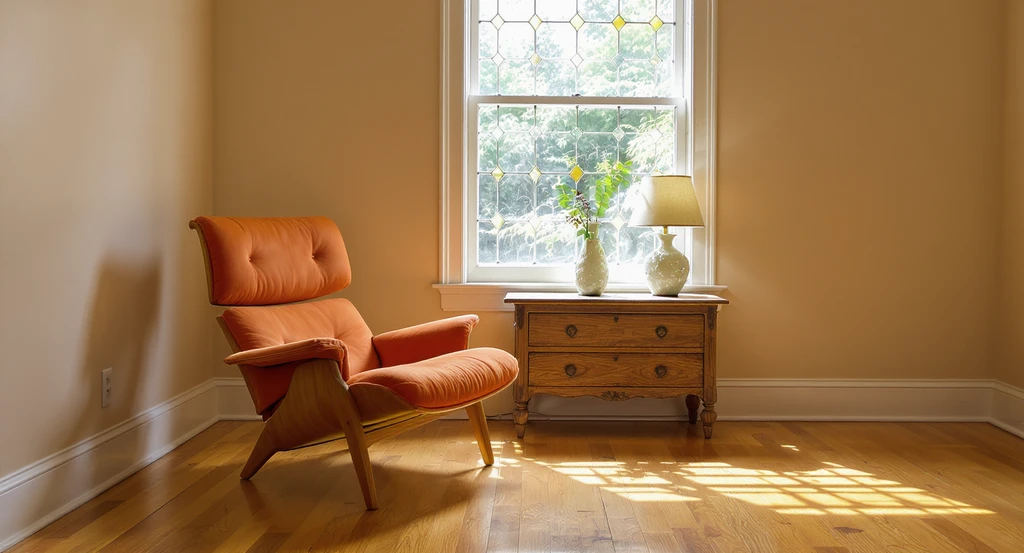
How to choose unique furniture that fits: this living room displays how planning room layout for unusual decor—like a stained-glass window, orange lounge chair, and handmade lamp—prevents clutter and shows why statement pieces look different at home.
What makes a home feel alive is rarely perfection or matchiness, but the daily enjoyment of objects with a story. A stained-glass mallard window, an orange '70s lounge chair, a handmade animal lamp—these all inject meaning beyond surface style. As we explored in our guide to vintage and antiques in modern decor, the most memorable rooms blend bold individuality with a subtle sense of respect: honoring both function and feeling. In practice, the happiest spaces display confidence in their quirks—objects placed with intention, negative space deliberately left, and color used thoughtfully. Letting a few unique pieces stand out often prevents both clutter and blandness. Seeing their impact before deciding avoids the regret of beautiful objects that simply overwhelm daily life.
Visualization Scenario
Imagine seeing an exuberant, flower-shaped chair in a glossy online catalog. You love it, but uncertainty creeps in—will it dwarf your living room? Block the window? By previewing its footprint with tape, or using a tool that lets you see the chair at true scale under your room’s morning light, you realize it fits best floating near a corner—close enough to anchor the space, but not crowding traffic flow. This quiet test phase replaces hesitation with grounded confidence, letting you enjoy the chair’s playful spirit without daily frustration.
FAQ: Unique Decor, Scale, and Everyday Happiness
Start by measuring both the piece and your available floor space. Tape its outline on the floor and check for at least 36 inches of clear walkway. Visualization tools or digital previews make it easier to judge comfort.
Why does my statement furniture look different at home than in photos?
Light direction, ceiling height, and adjacent furniture all change how bold shapes and colors are perceived. Previewing items at full scale in your real setting is the best way to judge their true effect.
How can I blend old or quirky pieces into a modern room?
Look for small echoes—matching a shape, texture, or color elsewhere in the space. Layering vintage with new, as described in our guide on mixing antiques, helps balance personality and harmony.
What’s the risk of buying unusual items without planning?
The main regret comes from blocked walkways, crowded sightlines, or furniture that feels out of context. Previewing items in place, physically or digitally, reduces these disappointments.
Should unique pieces always take center stage?
Not always. Some thrive as conversation starters, while others add quiet note of personality from a secondary spot. Enjoyment comes from their intentional placement, not just their novelty.