Deciding Between Cash Offer and Traditional Sale: Making Sense of Home Resale Choices

TL;DR
When faced with selling a family home after significant upgrades and emotional investment, deciding between a quick cash offer and the traditional real estate process comes down to weighing convenience against potential gains. Sellers frequently find that while cash offers provide speed and simplicity, traditional sales can yield higher returns if they are prepared for staging, repairs, and negotiations. Understanding cost estimation, staging flow, and clutter control helps homeowners make an informed choice as they transition to a new chapter.
When Every Decision Counts in Home Resale

A lived-in family home prepared for sale—neatly arranged, with moving boxes and recent renovations visible, embodying the transition phase.
Navigating the sale of a well-loved family home can be as complex emotionally as it is logistically. Many owners find themselves balancing recent investments in remodel projects with the realities of market expectations and the desire for a clean slate. When unexpected life transitions occur, the decision between accepting a cash offer or preparing the home for a traditional sale often feels daunting. The choice impacts not only the financial bottom line, but also the speed and simplicity with which owners can move forward. A clear-eyed look at staging flow, clutter management, and realistic cost estimation is crucial to making a responsible, confident decision.
-
The Allure of Cash Offers: Speed and Simplicity
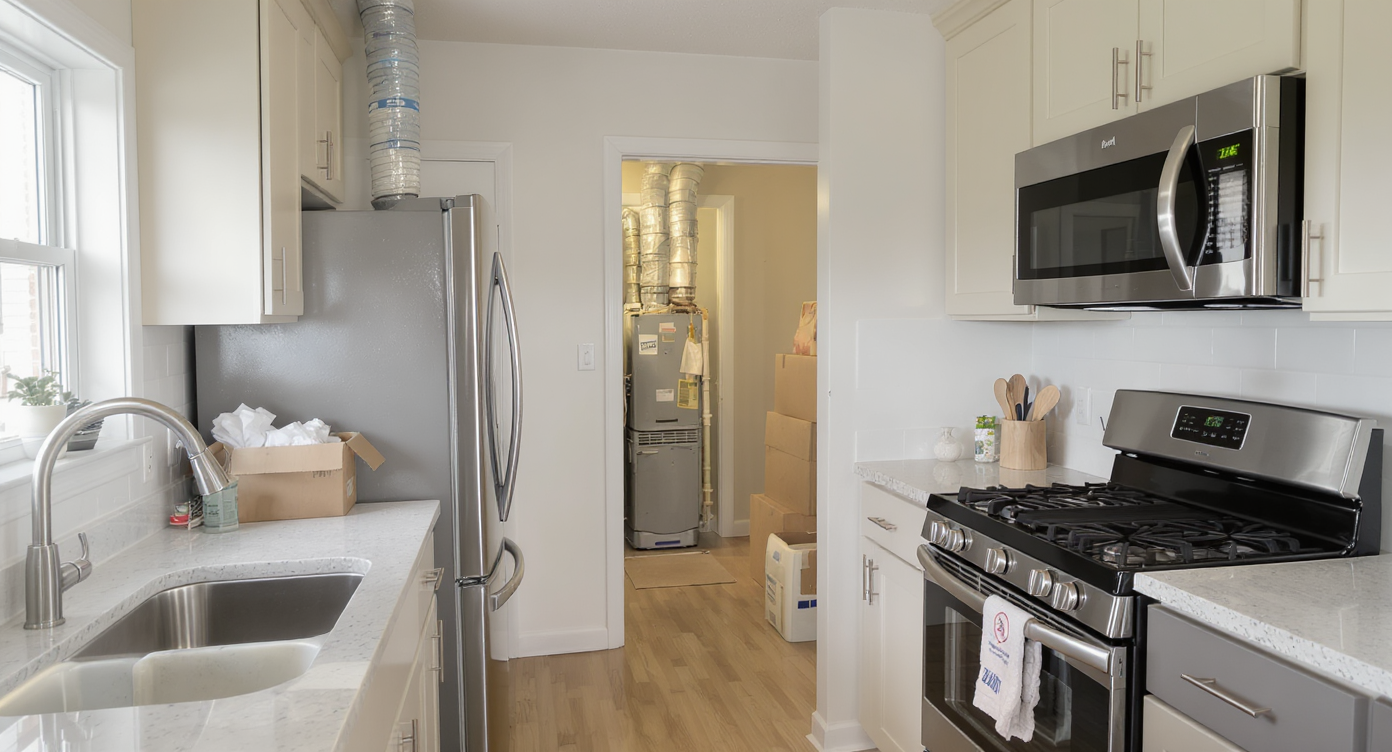
Freshly updated kitchen with new appliances, boxed belongings, and evident signs of readiness for a fast, no-hassle cash home sale.
Cash-for-home companies present a fast, no-hassle path to closing for those seeking immediate relief from the burdens of ownership. These offers, often below market value, eliminate many steps such as repairs, showings, and prolonged negotiations. For homeowners who have recently undertaken necessary upgrades—like replacing appliances, installing up-to-date heating systems, or updating critical infrastructure—the draw of a fast transaction can be strong when fatigue or the need to simplify becomes a priority. However, experts note that cash buyers typically operate with profit in mind, often offering seventy to seventy-five percent of the potential market value. For families feeling overwhelmed by impending costs or inheriting a property filled with decades of belongings, the near-immediate resolution of a cash sale can seem pragmatic, even liberating.
Expert Insight
A close friend recently faced the sale of a family house after years of caretaking. After debating a fast cash offer, she decided to take two weeks to clear clutter and touch up the main living spaces before listing. The home sold for ten percent over the highest cash offer, and she later described the process as tiring but ultimately rewarding, both financially and emotionally.
-
Traditional Sale Path: Value Through Preparation

A staged, clutter-free living room with updated features and neutral décor, showcasing preparation for a traditional home sale.
For those willing to invest additional time and energy, the traditional sales process can unlock higher sale prices—even when clutter and ongoing repairs feel daunting. A home that has recently seen key renovations, such as a new roof or upgraded appliances, stands out in competitive markets. Yet, readiness for showings involves more than just functional improvements. Effective home staging and clutter control are cited as major drivers of buyer appeal and higher offers. Sellers often underestimate the impact of streamlined rooms, neutral palettes, and clean spaces. While costs for staging, haul-away services, and closing fees can add up, careful planning helps avoid sticker shock. It's not uncommon for these expenses to run eight to ten percent of the final sale price, but the resulting market exposure and potential bidding wars often offset those outlays.
-
Estimating True Costs: Beyond Dollar Signs
The decision between cash and traditional sales hinges on a nuanced understanding of all-in costs and returns. Sellers should account for professional fees, staging logistics, overdue maintenance, and the psychological weight of decluttering. Recent estate transitions frequently involve spaces—like garages or attics—packed with family belongings that require professional removal at considerable cost. According to experts, repairs for long-tenured rental units or unfinished basements often run several thousand dollars, adding to the complexity. However, these investments often translate into stronger negotiating positions and swifter, higher-value offers. Learning how to plan a renovation on a budget, as detailed in our affordable renovation tips, gives homeowners the power to allocate resources where they will pay off most.
-
Emotional Fatigue and the Value of Closure
While financial considerations drive most discussions around home sale strategies, emotions play an undeniable role. Sellers dealing with estates or inherited properties may reckon with a complex mix of nostalgia, exhaustion, and a desire for closure. The decision to accept a lower, but immediate, cash offer is sometimes as much about mental wellbeing as it is about money. Yet many discover that pushing through a short period of intense preparation—sorting belongings, making the home shine for potential buyers—often leads to a deeper sense of accomplishment and improved financial outcome.
Visualization Scenario
Picture a sunny Saturday, open house flyers on the counter, the main rooms freshly decluttered and staged with inviting seating and soft lighting. A young couple lingers in the newly renovated kitchen, envisioning breakfasts and celebrations. Meanwhile, the seller watches from outside, feeling the first sense of relief as the prospect of a new beginning pulls closer with every showing.
Frequently Asked Questions
- What are typical closing costs in a traditional home sale?
- Closing costs, including realtor commissions, staging, and minor repairs, often total eight to ten percent of the final sale price. Adjustments may apply if the property requires significant clean-out or upgraded staging solutions.
- Will a cash-for-home offer save me money overall?
- Cash offers can save on repairs and reduce the time your property spends on the market. However, these advantages are usually reflected in a lower sale price compared to traditional methods. Homeowners should compare net proceeds from both routes and seek multiple offers or consult agents before making a decision.
- How can staging flow and clutter control impact my home’s sale?
- Staging and decluttering create a spacious, inviting environment that appeals strongly to buyers—and can lift sale prices by several percentage points, according to residential sales data.
- Is it worth investing in last-minute upgrades before a sale?
- Minor, high-impact cosmetic upgrades often yield favorable returns, while major, structural projects may not recoup costs. Sellers are encouraged to focus on visible areas that boost curb appeal and buyer confidence, a principle reflected in our review of DIY renovations for resale.
- Where can I find inspiration for creating a minimalist staging plan?
- ReimagineHome.ai offers staging insights, practical design advice, and real-life home transformations to help you streamline your preparations.
Choosing the Right Sale Path for You
Selecting between a cash offer and a traditional home sale remains a deeply personal choice, shaped by both practical and emotional factors. Achieving the best outcome means weighing not only the upfront financial offer but the hidden costs, time commitments, and personal bandwidth. Relying on trustworthy cost estimation, proper staging flow, and judicious clutter control ensures that whether you opt for speed or maximum value, you make your decision from a place of clarity. For additional tools and inspiration, ReimagineHome.ai supports homeowners seeking a smooth, informed transition.