7 Unexpected Causes of Orange Flames on Home Gas Appliances
TL;DR
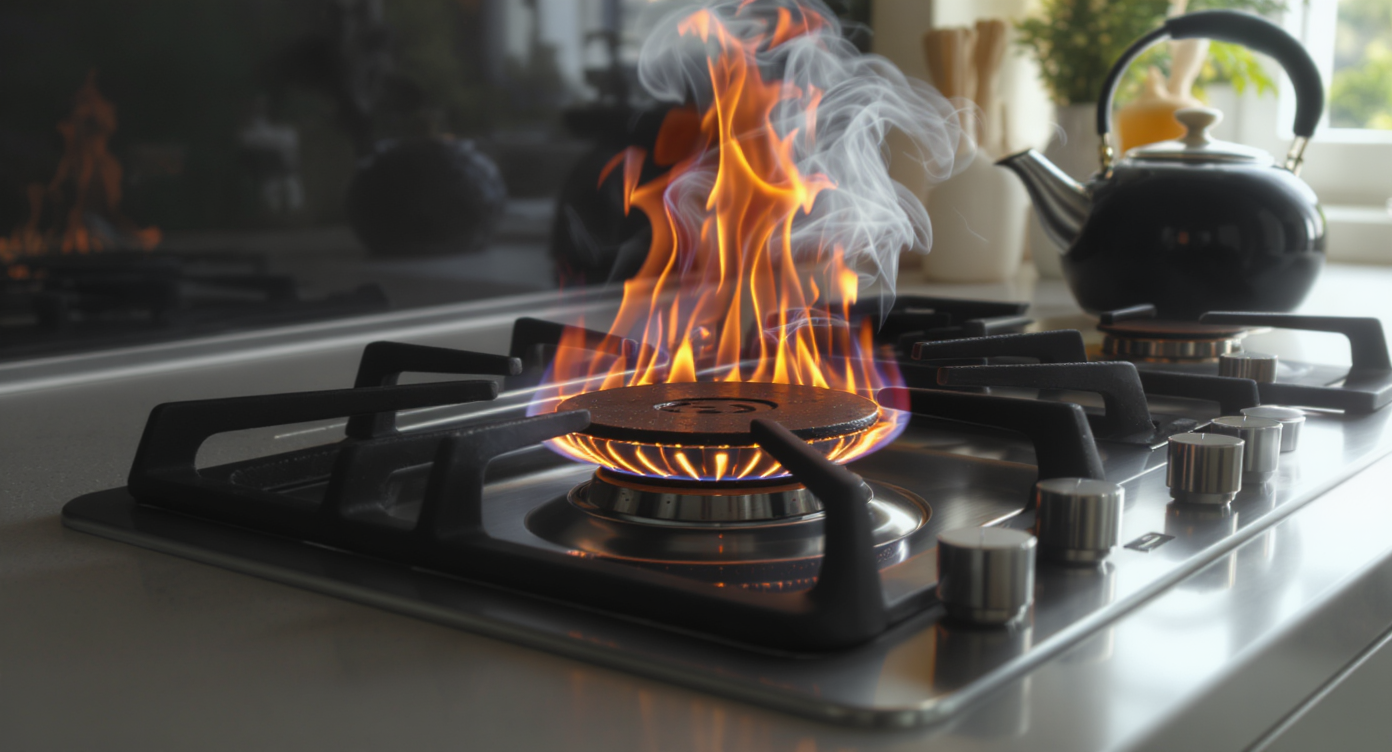
Seeing orange instead of blue flames on your gas appliances can be alarming. This list uncovers seven lesser-known reasons why gas flames turn orange, including moisture problems and mineral residue from humidifiers, while outlining safe troubleshooting steps that go beyond a routine service call. Comfortable, safe, and efficient home living starts with a clear understanding of your gas systems.
Orange Gas Flames: More Than Meets the Eye
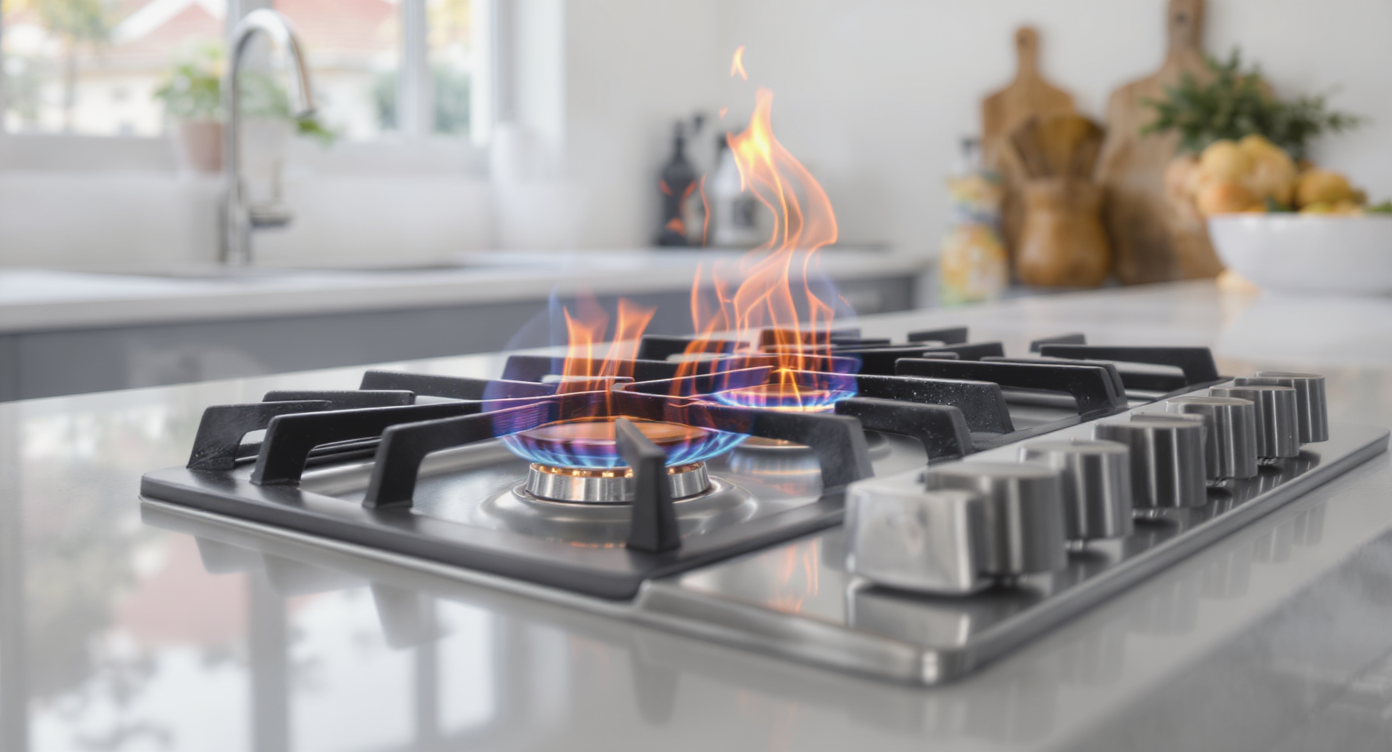
A clean, modern gas stove shows one burner with an unexpected orange flame next to a blue flame, highlighting a common household concern.
A blue flame on your gas stove or furnace is a reassuring sign of proper combustion. When that flame suddenly shifts to orange, it often prompts concern and confusion. While many homeowners immediately suspect a faulty appliance or dangerous gas leak, the actual cause can sometimes be surprisingly ordinary or environmental. This guide explores seven frequently overlooked reasons for orange flames in household gas appliances, emphasizing safety, air quality, and attentiveness to everyday conditions that might go unnoticed. Drawing on expert insights and real-world scenarios, you will leave with the confidence to diagnose and address these changes—and know exactly when to call in the professionals.
-
1. Elevated Indoor Humidity Levels
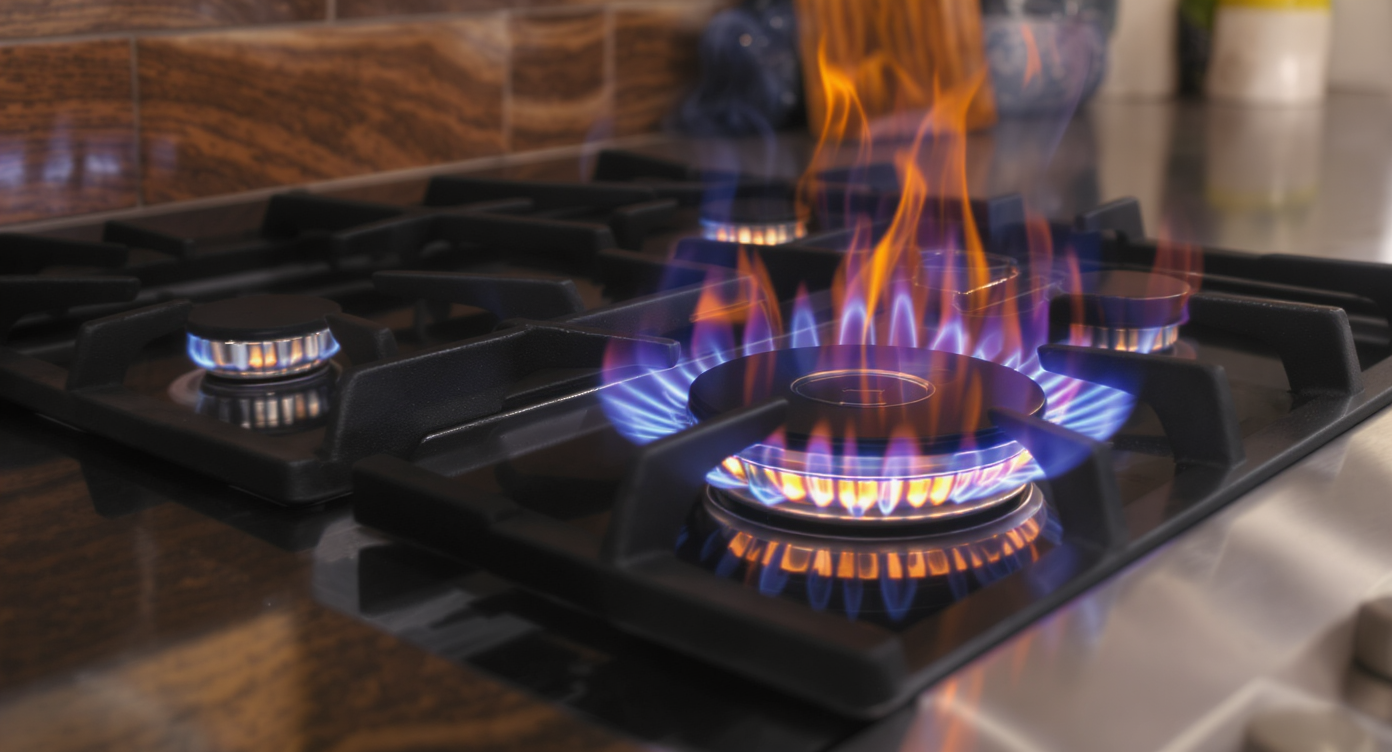
High indoor humidity visibly alters a gas burner's flame color to orange, highlighted by nearby humidifiers and evidence of recent rainfall.
High humidity is an often underestimated culprit in causing orange flames in gas appliances. Moisture introduced into the air—whether from persistent weather conditions or increased use of humidifiers—can influence combustion dynamics. When humidity saturates the indoor air, it interferes with the oxygen-to-gas ratio at the burner, leading to incomplete combustion and a visible color change. Homeowners sometimes notice this after periods of heavy rainfall or when running multiple humidifiers throughout the house. According to our guide to outdoor hardscaping in humid climates, controlling excess moisture benefits not only your garden but also your indoor living conditions.
-
2. Use of Ultrasonic Humidifiers with Tap Water
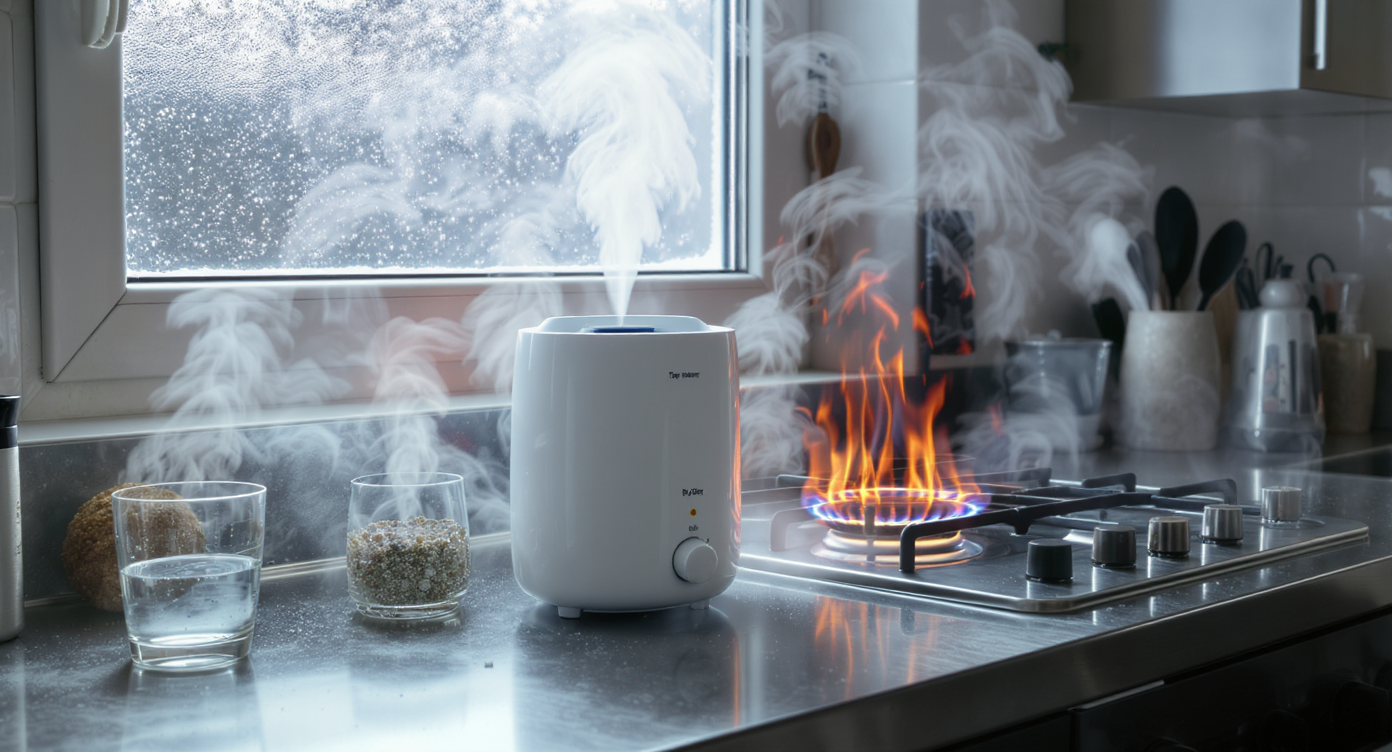
An ultrasonic humidifier disperses mist from tap water, resulting in mineral particles that cause orange flames on a nearby gas stove.
Ultrasonic humidifiers are designed to disperse very fine water droplets into the air. When filled with tap water instead of distilled water, they also release microscopic minerals and impurities present in that water. These particles remain suspended in the air and can end up being drawn into gas burners during combustion. The result is a distinct orange or yellow tint in the appliance flame. Many experts recommend either using distilled water in such devices or switching to evaporative humidifiers if mineral buildup and air quality concerns arise. This is an often-missed explanation for the simultaneous discoloration of flames in multiple appliances, especially during cold or dry seasons.
-
3. Insufficient Oxygen Supply
Gas appliances require a balanced supply of fuel and oxygen for efficient combustion. When there is inadequate air flow—whether due to tightly sealed windows, blocked vents, or poor kitchen ventilation—the burning process can become incomplete. This results in the production of carbon monoxide and a change in flame color from blue to orange. Homeowners in energy-efficient, well-sealed modern homes may inadvertently create ventilation issues by sealing out necessary airflow, especially during cold weather when windows remain closed. Routine checks for proper ventilation are crucial for both safety and appliance performance.
-
4. Residue and Debris on Burners
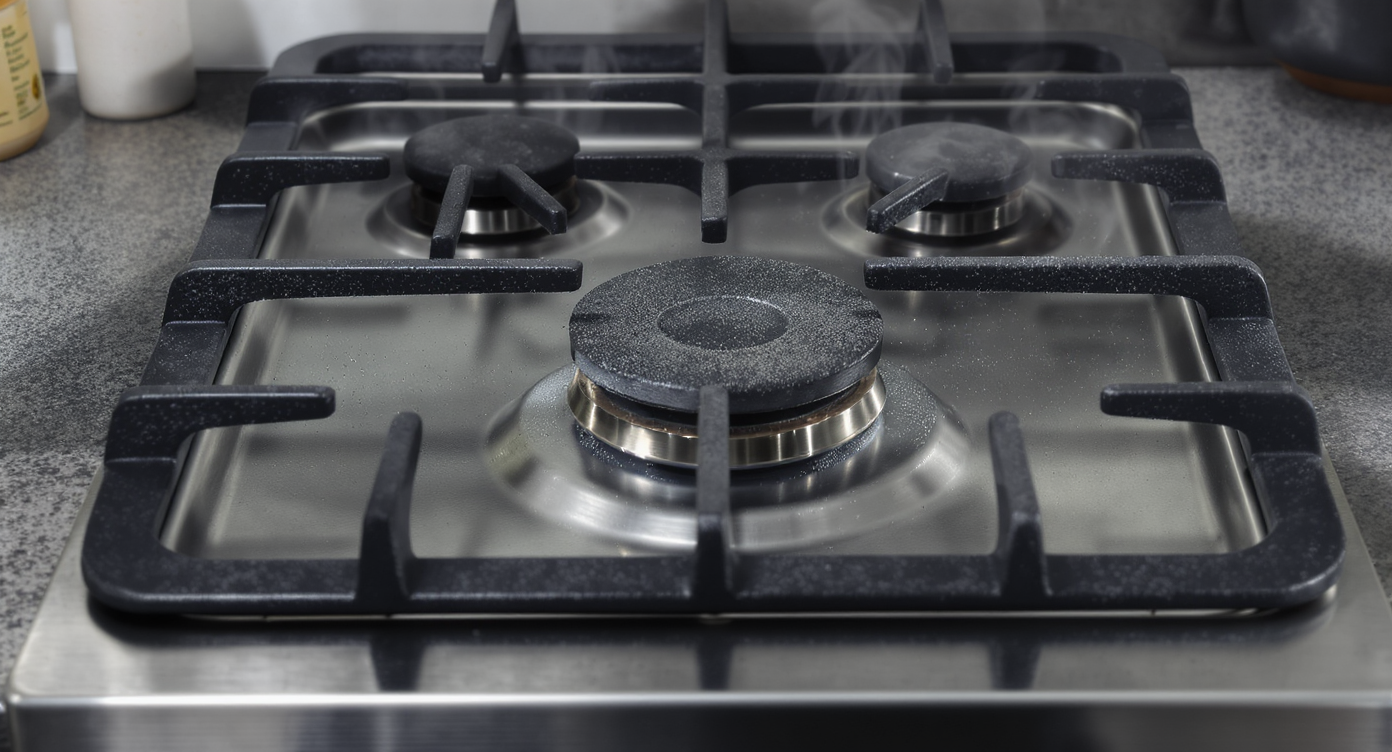
Residue from cleaning agents or food spills on gas stove burners can cause temporary orange flames until fully burned off.
Residues from cleaning agents, food spills, or even water left after washing burner components may linger on stove grates and caps. As these materials burn off during use, you may see temporary orange or yellow flames until the residue has been eliminated. This is often more noticeable after deep cleaning kitchen appliances, or when a cleaning product has not been fully rinsed away. Allowing burners and components to thoroughly dry before reassembly, and following manufacturer instructions on cleaning, can help restore a consistent blue flame.
-
5. Persistent Moisture Problems in the Home
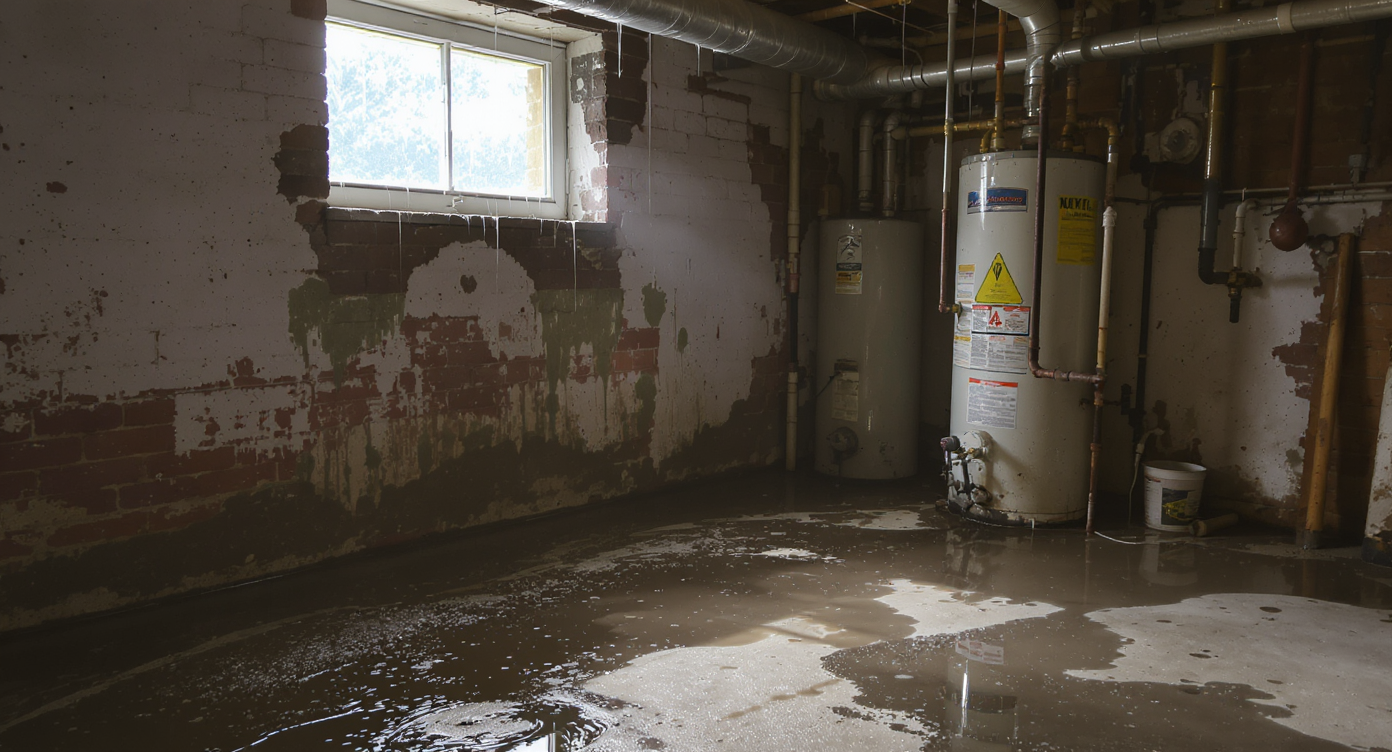
Persistent basement moisture near a gas appliance, showing water stains, condensation, and early signs of mold from chronic dampness.
Chronic moisture problems in basements, crawl spaces, or kitchens can play a role in the performance of gas-burning appliances. Over time, lingering dampness not only contributes to air quality issues and possible mold growth but also subtly affects combustion by increasing local room humidity. This problem is particularly prevalent in older homes or those with insufficient hardscaping solutions to drain excess water away from the foundation. Effective home maintenance may include both interior venting upgrades and exterior improvements, such as those described in visualizing permanent outdoor drainage solutions.
-
6. Imbalances in Gas Pressure and Quality
While less common, variations in gas supply pressure or inconsistencies in fuel composition can manifest as orange flames. Slightly elevated or reduced gas pressure may alter the fuel-to-air mix, affecting flame characteristics across multiple appliances. If orange flames persist despite addressing common household causes, a professional check of supply-side pressure and gas quality is warranted. Occasionally, utilities may make changes to gas blends or delivery settings, and these are best addressed through a direct call to your local provider for system inspection.
-
7. Blocked or Malfunctioning Ventilation Components
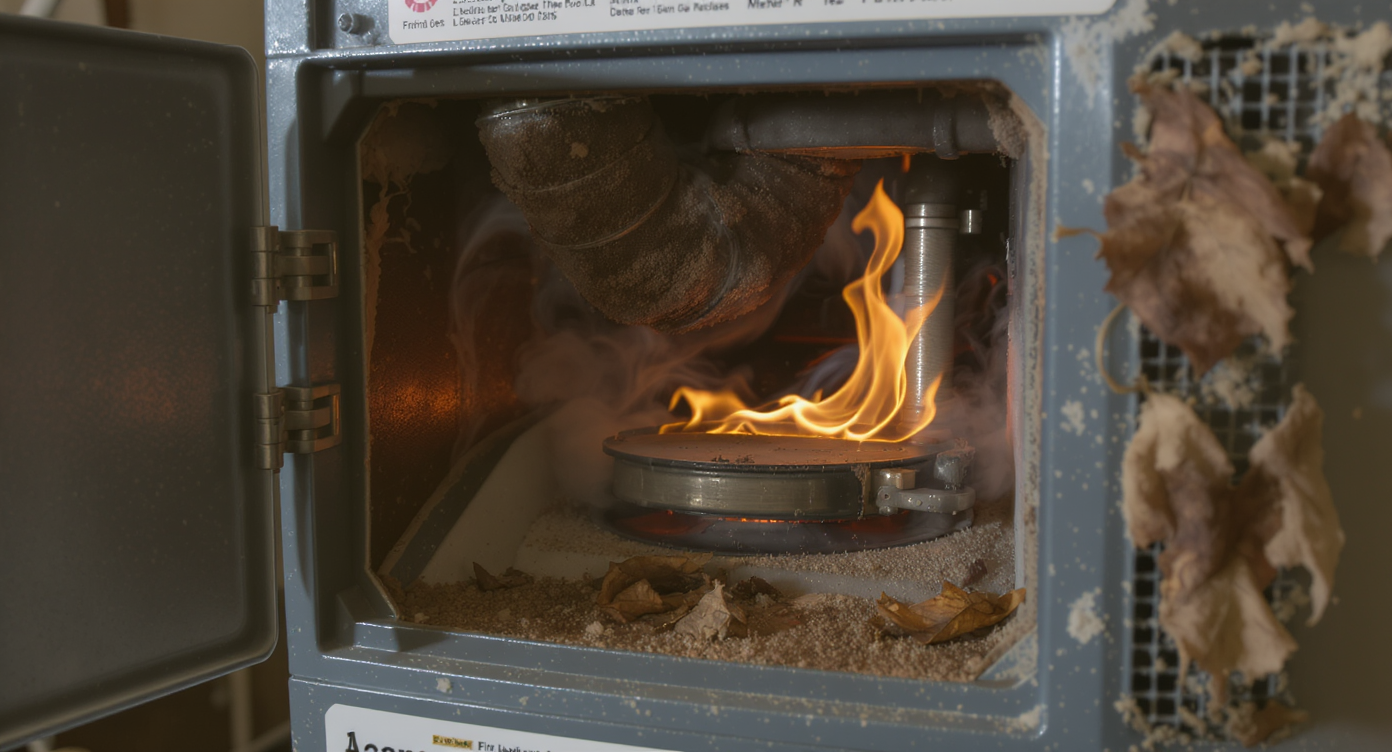
Obstructed vent pipes and debris-covered exterior vents can cause orange flames and reduced efficiency in gas appliances like furnaces.
Obstructed flue pipes, faulty vent hoods, or blocked exterior vents disrupt normal combustion airflow for major gas appliances. Accumulated lint, dust, or seasonal debris can create backdrafts, resulting in both orange flames and diminished appliance efficiency. For furnaces and water heaters, regular maintenance of venting systems is as critical as burner cleaning. Visual inspections and periodic professional servicing prevent chronic airflow restrictions—and can also reduce the risk of unseen carbon monoxide buildup.
Frequently Asked Questions About Orange Gas Flames
Simultaneous color changes often point to an environmental factor, such as increased household humidity, mineral-rich mist from ultrasonic humidifiers, or general ventilation issues. These causes tend to affect multiple appliances throughout the home.
Can running a humidifier make my gas stove burn orange?
Yes, especially if using an ultrasonic humidifier with tap water. Minerals and impurities in the mist can be drawn into burners and change the flame color. Using distilled water helps prevent this issue.
Is an orange flame dangerous?
An orange or yellow flame can sometimes indicate incomplete combustion and increased risk of carbon monoxide production. While many cases are harmless and temporary, recurring orange flames should always be investigated to confirm appliance safety.
How do I fix orange flames on my gas appliances?
Begin by checking for recent changes in household humidity, recent cleaning residue, or blocked vents. If these do not resolve the color change, consult an appliance technician or your utility for further investigation. Previewing ventilation and airflow changes in REimagineHome.ai can help plan solutions.
Could my outdoor setup be contributing to indoor combustion problems?
Persistent indoor moisture from poor drainage or insufficient hardscaping can play a role. Explore options for better hardscape and landscaping integration, such as those discussed in our analysis of hardscaping and landscaping synergy.
Prioritizing Safety and Clarity in Home Combustion
Changes in the color of your gas appliance flames should always be taken seriously, but the cause is often less dramatic than feared. Moisture problems and subtle shifts in ventilation or home humidity are responsible for many cases. Develop a habit of observing both your appliances and environmental conditions, and consider smart tools or layout adjustments—potentially previewed in REimagineHome.ai—to address trouble spots. Professional help is justified whenever the solution is unclear or problems persist despite common-sense fixes.