
TL;DR
Hardscaping refers to the non-living, structural features like patios, walkways, and retaining walls, while landscaping involves the living components such as plants, trees, and grass. Combining both creates an inviting, functional outdoor space that enhances home value and appeal. Explore how ReimagineHome.ai can help visualize and plan your ideal outdoor designs.
Why Understanding Hardscaping and Landscaping Is Crucial for Your Home’s Outdoor Design
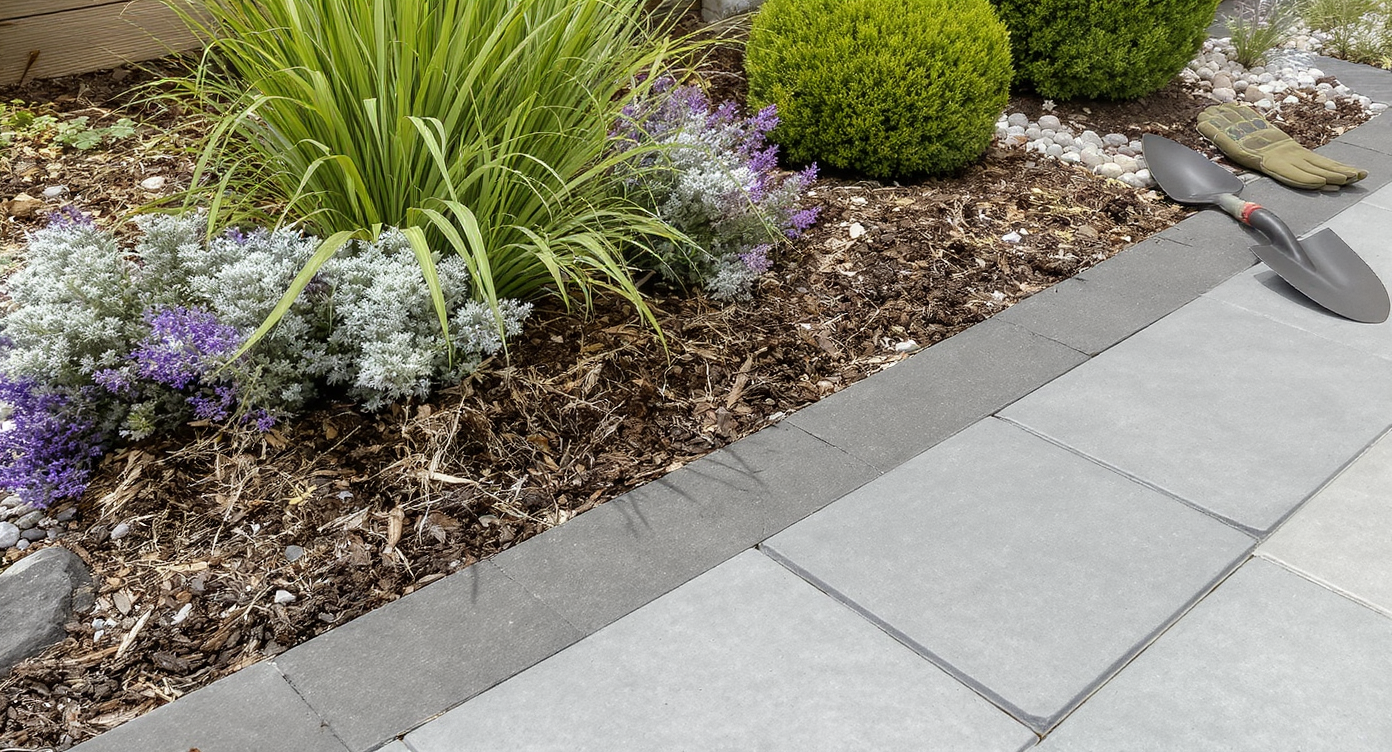
Combining stone hardscaping with thriving plant life creates elevated and practical outdoor environments.
Hardscaping and landscaping are foundational but distinct elements that shape your outdoor living space. Understanding what each entails helps you design a yard that’s both beautiful and practical. From durable patios to vibrant gardens, these components work together to elevate your home’s curb appeal and usability.
What Hardscaping Really Means and Why It Matters
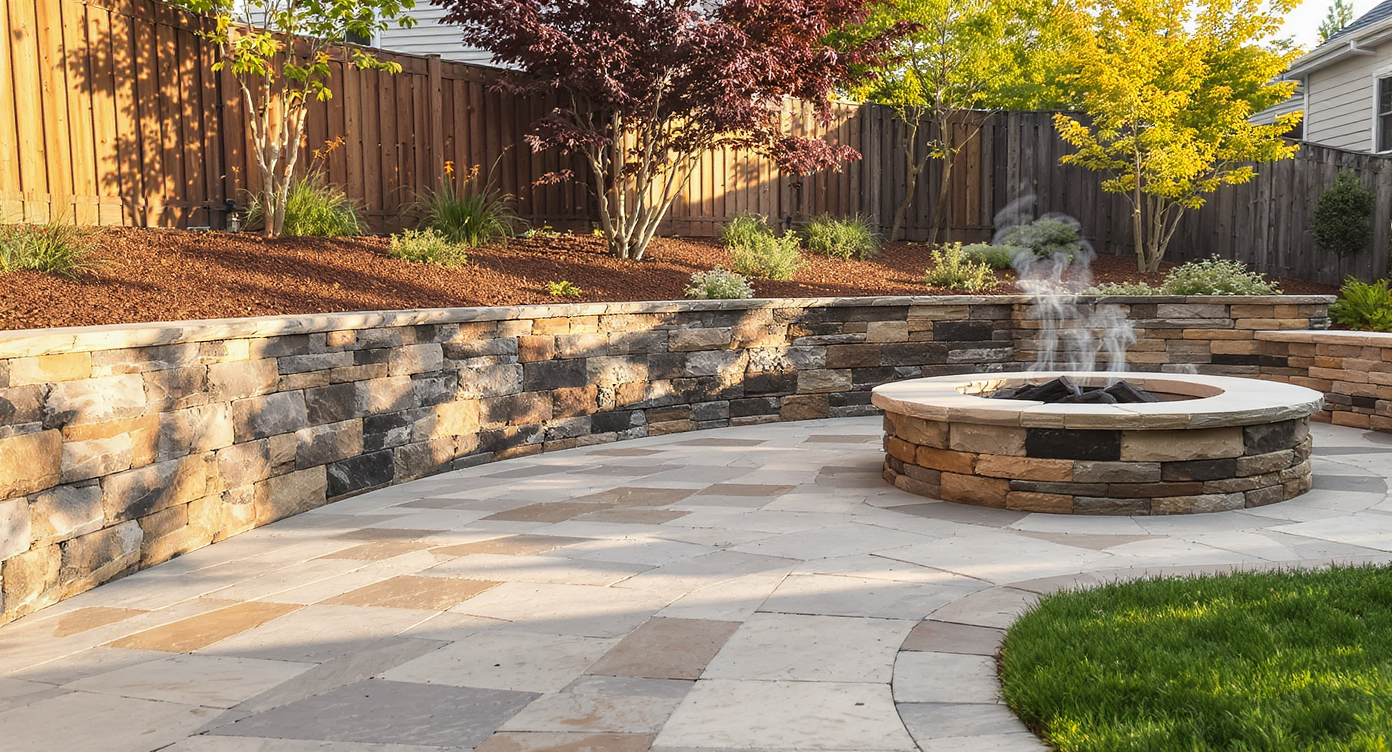
Hardscaping defines functional structure and durability in outdoor living spaces with textured stone and brick.
Hardscaping encompasses all the inanimate, structural features in your yard designed to add functionality and visual interest. Elements like patios, walkways, retaining walls, outdoor kitchens, and pergolas fall under this category. These features create solid, durable areas that extend your living space outdoors and improve usability. For example, walkways prevent mud damage to lawns and define pathways, while retaining walls control soil erosion and drainage.
Anecdote
That once-undesigned backyard with uneven dirt patches and unfinished concrete suddenly looked like a fully livable extension of the home after blending a stone patio with lush flower beds, thanks to smart landscaping choices.
Common Mistakes Homeowners Make
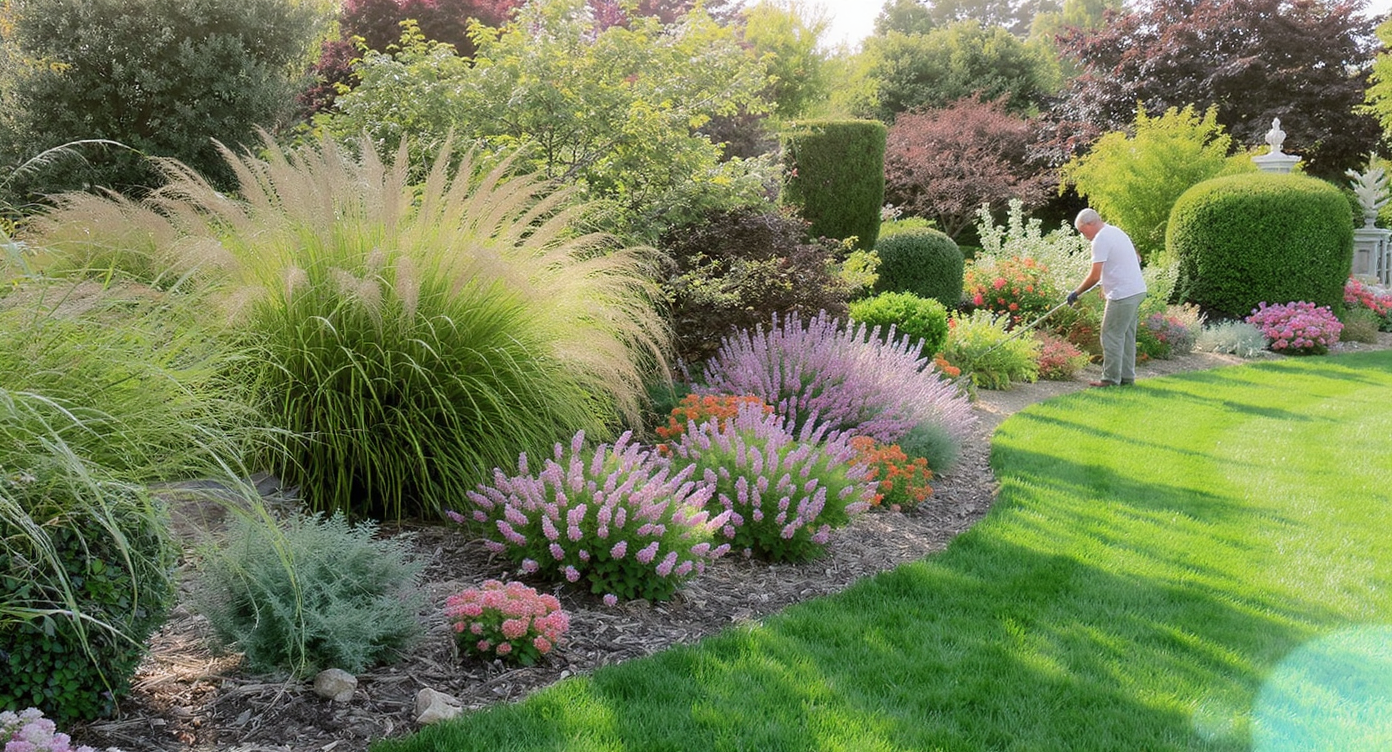
Landscaping delivers lush greenery and vibrant life, enhancing outdoor aesthetics with soft natural textures.
Many homeowners misunderstand the balance between hardscaping and landscaping. Here are the most common errors: 1. Choosing Looks Over Function A stylish patio or garden often fails when it doesn’t support real everyday use. Always design around lifestyle first. 2. Overdoing the Hardscape Too much stone or concrete makes the yard feel harsh. Outdoor spaces need greenery to feel inviting. 3. Picking High-Maintenance Plants Landscaping that doesn't match climate or upkeep levels quickly becomes expensive and overwhelming. 4. Ignoring Drainage Poor drainage under patios and walkways leads to sinking, cracking, and water pooling — the costliest mistake. 5. Treating Hardscaping and Landscaping Separately When designed in isolation, the yard feels disjointed. Both elements should work together for balance and flow. 6. Not Visualizing the Final Layout Skipping design previews leads to regrets about size, placement, or materials. Tools like ReimagineHome.ai help avoid these errors.
Smart Tips to Blend Hardscaping and Landscaping Seamlessly
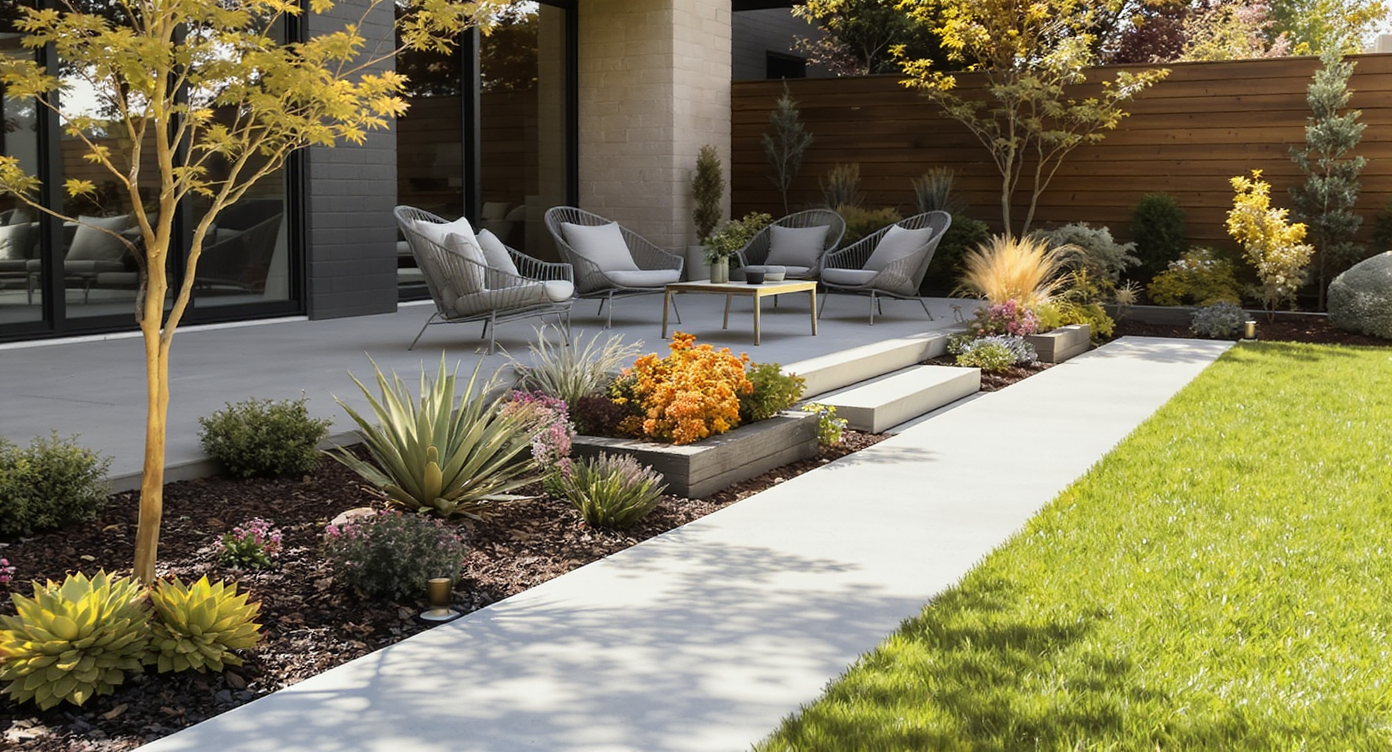
Smartly blending hard and soft elements creates inviting, low-maintenance yet stylish outdoor living areas.
For harmonious outdoor spaces, blending hardscaping and landscaping is key. Start by planning hardscape elements around natural movement and plant growth. Incorporate curved lines to balance the strong geometric shapes of patios and walkways. Choose plants that thrive in your climate and complement your hardscape materials. Ensure soil drainage and structural integrity by placing hardscape features like posts and retaining walls smartly, avoiding flood-prone spots. Use lighting to unify features, highlighting both soft greenery and hard surfaces.
Who Benefits Most from Combining Both in Outdoor Design
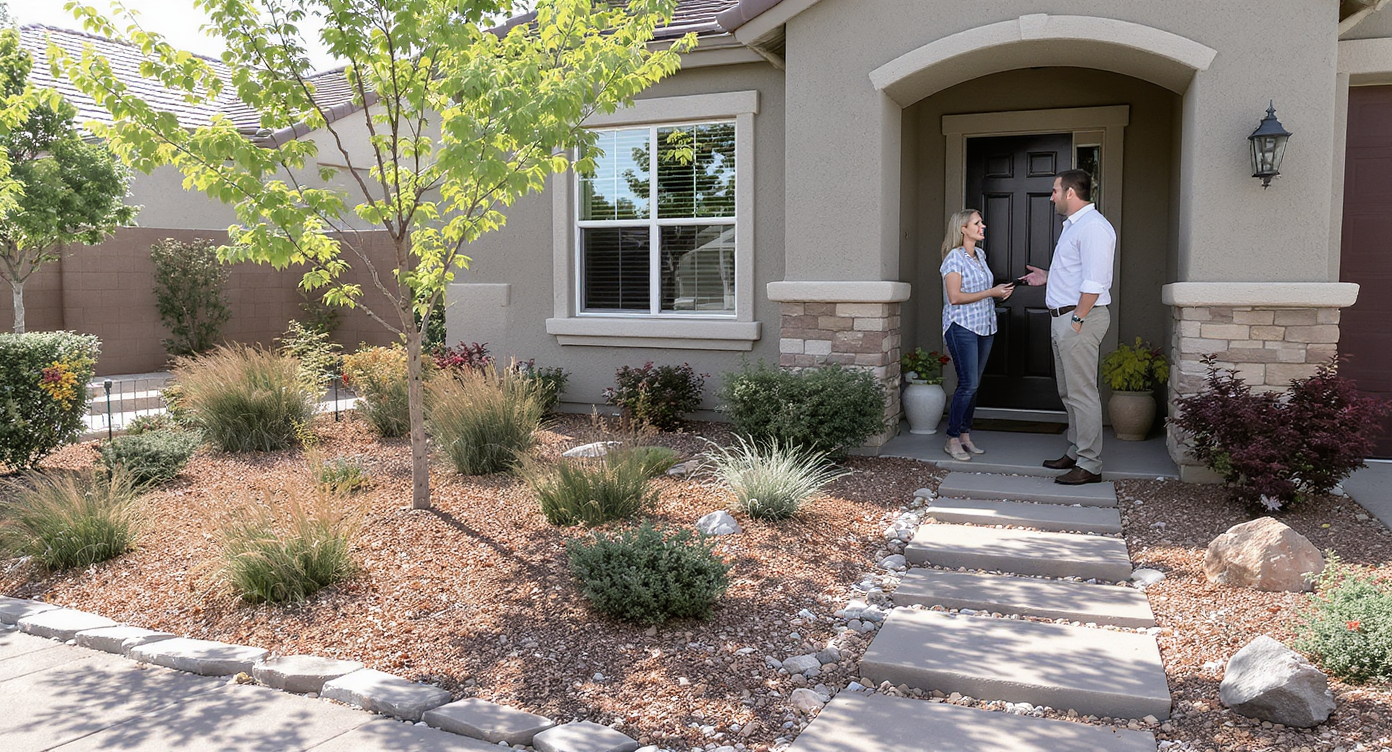
Combining hardscaping and landscaping suits homeowners and agents aiming for stylish, low-maintenance yards.
Homeowners aiming for low-maintenance yet stylish yards, real estate agents wanting to boost curb appeal, and garden designers looking for balanced outdoor spaces all benefit from integrating hardscaping with landscaping. Investors and flippers appreciate that well-combined outdoor designs add measurable property value and attract buyers. Even DIY enthusiasts can use tools to visualize these combinations before investing, avoiding costly mistakes.
Visualization Scenario
Visualize an empty backyard transformed digitally into a beautiful space with stone walkways, a fire pit, verdant shrubs, and colorful blooms, all rendered seamlessly with AI design tools.
Frequently Asked Questions About Hardscaping and Landscaping
Q: What is the primary difference between hardscaping and landscaping? A: Hardscaping refers to non-living structures like patios and walkways, while landscaping involves living plants and greenery that beautify and soften the space. Q: Can AI tools help in planning landscape and hardscape together? A: Yes, platforms like ReimagineHome.ai allow users to visualize the integration of hardscape and softscape elements realistically, aiding better design decisions. Q: How do hardscape features benefit garden maintenance? A: Hardscaping reduces maintenance by limiting planted areas, preventing soil erosion, and providing durable surfaces requiring minimal care. Q: Are there climate considerations when choosing plants for landscaping? A: Absolutely; selecting plants suitable for your region’s weather ensures longevity, reduces upkeep, and enhances overall garden health. Q: Can combining hardscaping and landscaping increase property value? A: Yes, balanced outdoor designs improve curb appeal and functional living areas, both highly valued in real estate markets.
Visualize and Perfect Your Outdoor Space with ReimagineHome.ai
ReimagineHome.ai offers AI-powered visualization tools that let you experiment with combinations of hardscaping and landscaping before breaking ground. By uploading photos, you can preview patios, walkways, and decking alongside various plants and trees, all rendered realistically. This way, you gain confidence and inspiration to create your perfect outdoor retreat with efficiency and style.