Should You Wallpaper Your Ceiling? 7 Essential Rules to Decide
TL;DR
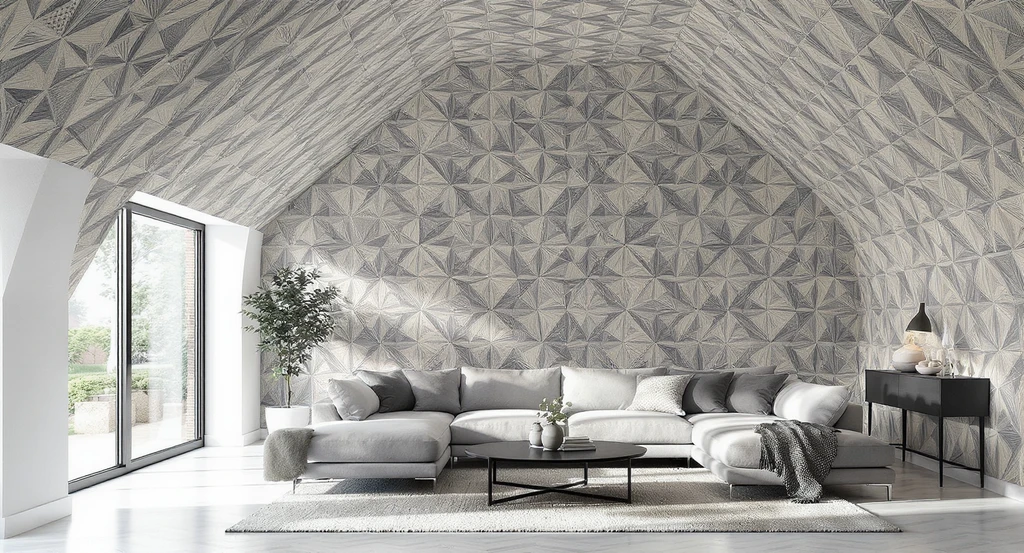
Wallpapering a ceiling is a bold design decision with high visual impact but also unique risks. This guide introduces the Ceiling Canvas Principle a model for evaluating fit, pattern, and regret risk so you can avoid common pitfalls and make informed choices. Understand psychological and spatial consequences before you commit.
-
1. Apply the Ceiling Canvas Principle for Context Fit
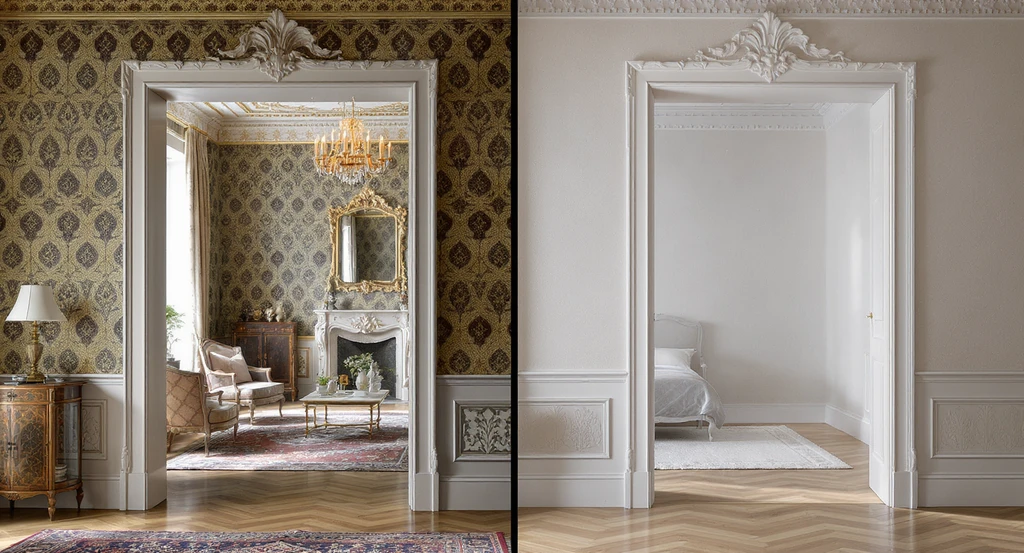
Should you put wallpaper on ceiling? This visual illustrates the pros and cons of ceiling wallpaper; strong architecture and decor support bold overhead patterns, while builder-grade spaces may highlight mistakes to avoid with wallpapered ceilings.
Use the Ceiling Canvas Principle: treat your ceiling as a fifth wall only if the room’s context—architecture, light, and furnishings—can visually support it. High ceilings, strong window trim, and layered decor reinforce ceiling wallpaper. In builder-grade or minimally detailed spaces, wallpaper overhead often highlights blandness rather than adds drama. This principle explains why a room with character and intentional furnishings can carry ceiling wallpaper, while a basic, undecorated room may feel off-balance. Pausing to assess your room’s context minimizes mismatch regret and aligns expectations, as noted in our guide on updating a dated home without losing character.
Expert Insight
When a friend transformed their dull dining room with botanical wallpaper on the ceiling, the risk paid off guests now linger longer, and the space feels immersive and lively. But in a small, north-facing hallway, the same strategy created gloom and felt cramped within weeks, proving that placement and context are critical.
-
2. Prioritize Scale and Pattern Restraint
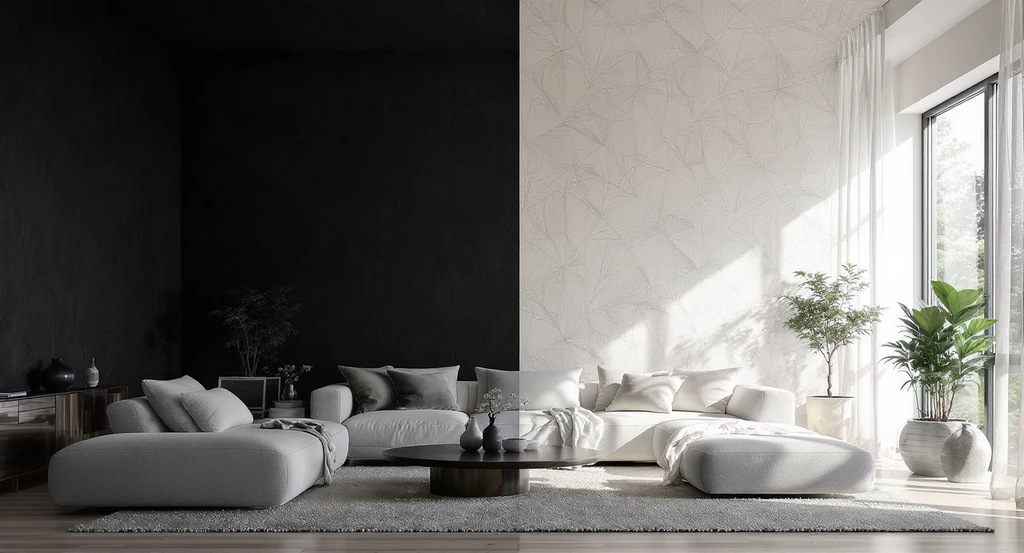
Should you put wallpaper on ceiling? This realistic scene demonstrates how choosing the right ceiling wallpaper pattern—avoiding mistakes with scale and opting for restraint—prevents renovation regret and highlights key pros and cons of ceiling wallpaper choices.
Selecting wallpaper for the ceiling requires careful attention to scale and pattern. Large-scale prints can overwhelm low ceilings, distorting spatial proportions, while tiny ditsy prints may disappear on high ceilings. A ceiling absorbs and reflects more ambient light, amplifying the visual weight of the pattern. Judicious restraint in pattern not only reduces visual chaos but preserves comfort—ensuring the room still feels inviting. This approach is a core mechanism for avoiding regret in bold design moves.
-
3. Assess Light Direction and Material Reflection
3. Assess Light Direction and Material Reflection Image
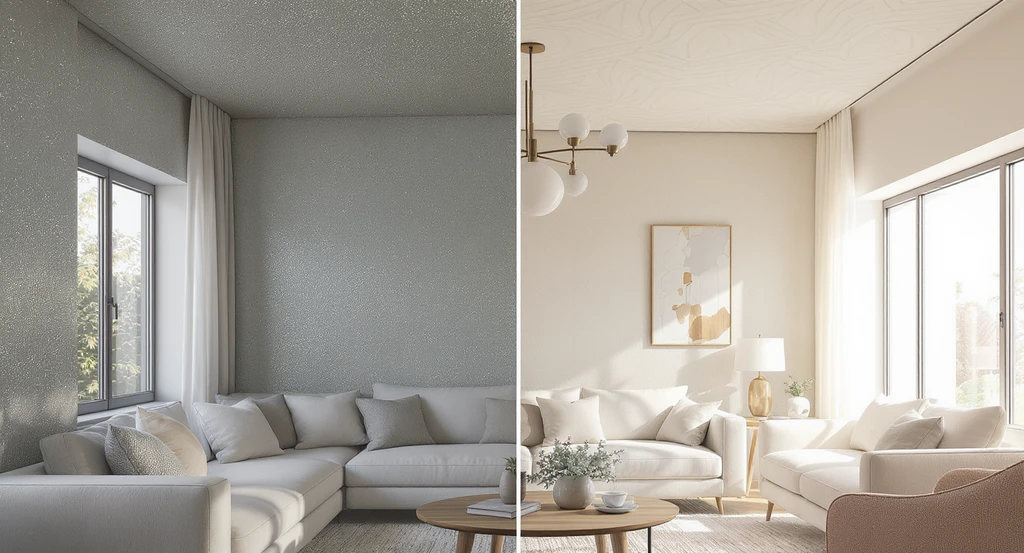
Ceiling wallpaper influences how both natural and artificial light bounce through the room. Glossy or metallic finishes intensify reflections and can create glare, while matte or fabric-like papers absorb light and feel cozier. Consider window placement: in north-facing rooms, dark ceilings may make the space feel oppressive, while in south-facing rooms, reflective papers can introduce a pleasing, sunlit glow. Map your space’s light journey before selecting a wallpaper to optimize atmosphere.
-
4. Test the Pattern With Visualization Tools First

4. Test the Pattern With Visualization Tools First Image
Before installation, use visualization tools like REimagineHome to preview how a potential ceiling wallpaper will interact with your existing finishes and furniture. This reduces uncertainty and avoids renovation regret by enabling you to spot mismatches in color, motif, and scale before committing. Visual testing also helps you sidestep decision bias, which can occur when you fall in love with a swatch out of context but dislike it at room scale. Layering this step ensures confidence and more predictable outcomes.
-
5. Weigh the Pros and Cons of Ceiling Wallpaper Objectively
The main advantage of wallpapering your ceiling is dramatic, personalized impact—it defines the spatial envelope in a way that no wall treatment can. However, cons include increased installation effort, potential for visual fatigue, and complexity in future changes. Unlike wall wallpaper, ceiling applications expose seams and flaws more readily. Consider how the ceiling finish will affect your willingness to refresh the room down the line, and factor this into the life-cycle cost of the decision. As we explored in our discussion of how bold color intersects with quiet luxury trends, strong overhead treatments require careful forethought to avoid quick burnout.
-
6. Avoid the Two-Tier Mismatch Mistake
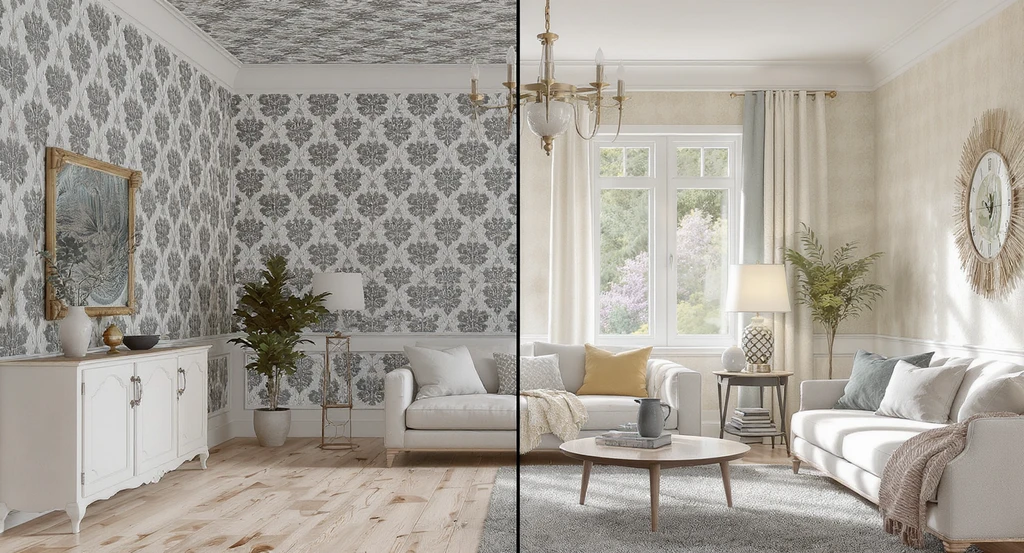
A side-by-side living room comparison reveals the pros and cons of ceiling wallpaper—one half with disjointed, clashing finishes and the other unified by coordinated colors. This highlights should you put wallpaper on ceiling, how to avoid renovation regret with wallpaper, and key mistakes to avoid with wallpapered ceilings.
Never select ceiling wallpaper in isolation from wall, trim, and floor finishes. The Two-Tier Mismatch Mistake occurs when the ceiling and walls compete rather than coordinate—this disrupts design harmony, making rooms feel fragmented and confusing. Use color bridging (connecting ceiling color to subtle elements in walls or decor) to unify the scheme. This principle shields against clashing layers that quickly date a home. Unifying elements, even subtly, improves longevity and satisfaction.
-
7. Plan for Renewal and Regret Mitigation
Treat bold ceiling treatments as high-stakes moves: have a plan for renewal or removal. Use strippable or peel-and-stick wallpapers to lower future regret. Recognize that intense ceiling patterns may age faster visually diminishing joy over time if tastes shift. The best way to avoid renovation regret is to factor exit strategies into initial planning, as echoed in our coverage of design trends that stand the test of time.
Visualization Scenario
Imagine standing in a sun-drenched, high-ceilinged library: floral wallpaper floats above like a sky. Notice how, depending on the pattern’s scale and the way light filters down, the ceiling feels either expansive and dreamy or, if misjudged, heavy and distracting. Visualizing your own space with tools before you install can save you from choosing a ceiling treatment that quickly wears thin.
FAQ: Your Ceiling Wallpaper Questions Answered
Should you put wallpaper on the ceiling in every room?
Wallpaper works best on ceilings in rooms with architectural detail, adequate height, and intentional decor. Use restraint in compact or featureless spaces to avoid visual overload or awkwardness.
What are the main pros and cons of ceiling wallpaper?
Pros: ceiling wallpaper adds drama, personalization, and encloses the space. Cons: greater installation challenge, potential for regret, and tricky future updates due to access and pattern removal.
How do you avoid mistakes with ceiling wallpaper pattern?
Always test patterns in situ with samples or visualization tools. Choose patterns that coordinate with walls, flooring, and trim to prevent Two-Tier Mismatch and visual disharmony.
How can you reduce regret with bold ceiling design?
Use removable or strippable papers, preview with digital visualization, and plan a future refresh strategy so bold moves don’t become long-term burdens.