9 Essential Questions to Ask When Choosing a Timeless Flooring Color
TL;DR
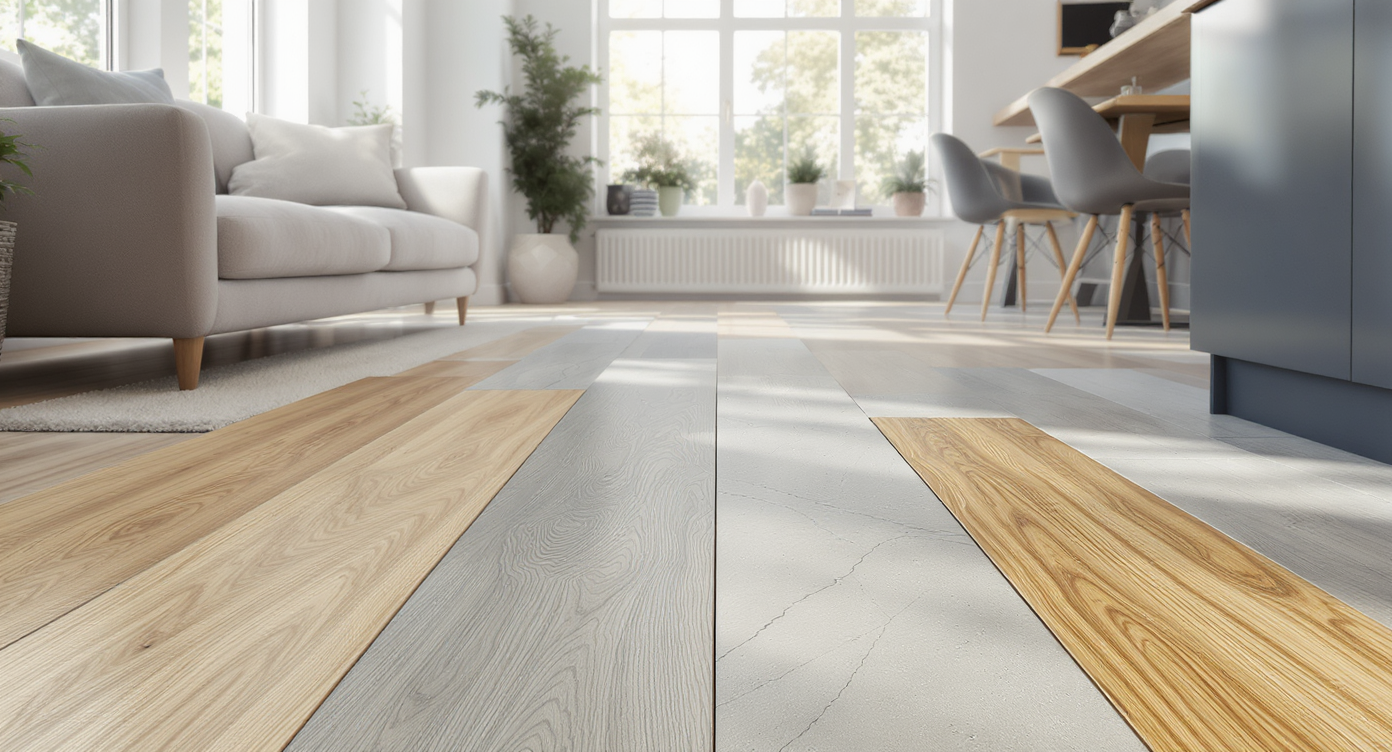
Selecting a flooring color with lasting appeal requires balancing aesthetics, practicality, and coordination with other design elements. Mid-tone natural wood shades often offer the flexibility and classic feel that homeowners seek. This list explores the nuanced factors behind what truly separates timeless from trendy when it comes to flooring.
The Real Challenge of Choosing Timeless Flooring
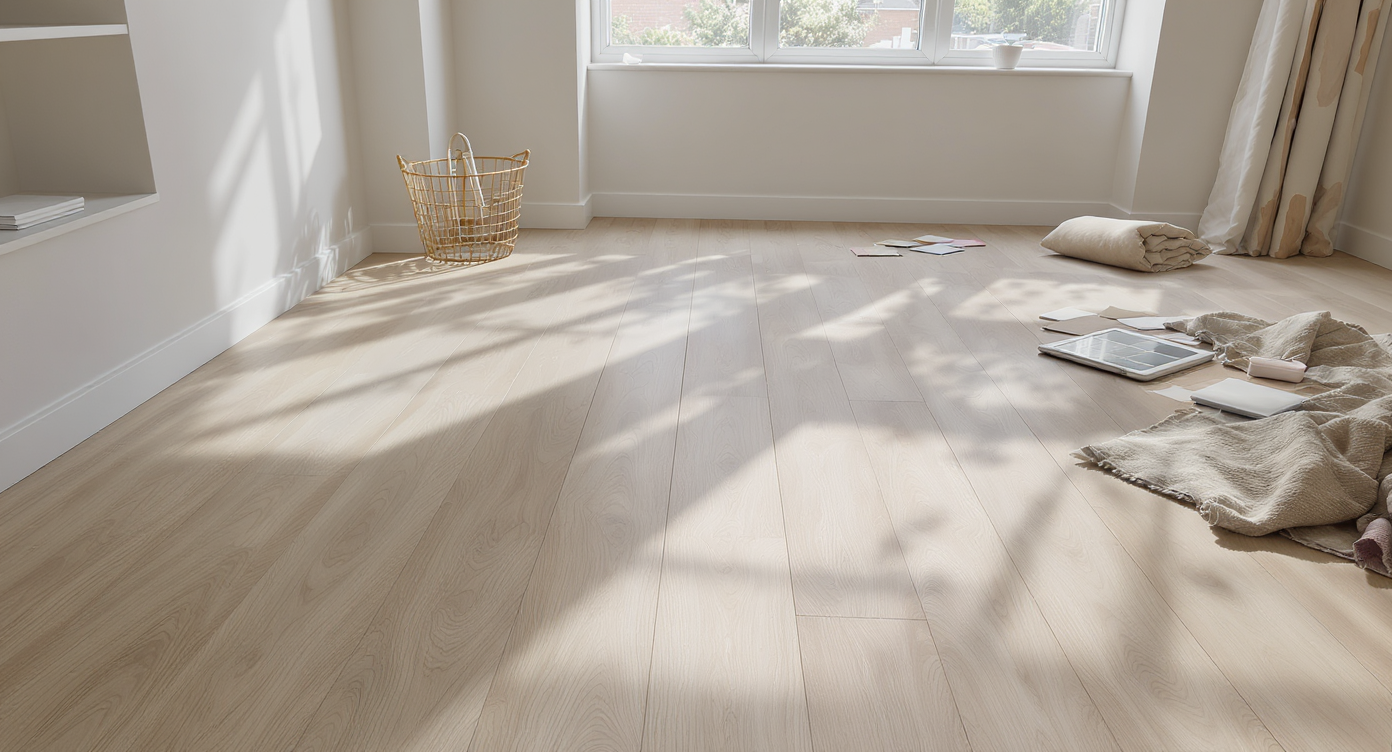
Flooring samples in multiple timeless colors spread out in a bright living room, illustrating the real-world decision process of choosing new flooring.
Choosing a new flooring color is a high-stakes decision, especially for homeowners planning to stay put for decades. The goal is often to find a look that feels at home today but will also weather shifts in style and function over time. Achieving that "timeless" balance in a remodel project means considering both aesthetics and the realities of daily living. This list breaks down the most critical questions to ask yourself before committing. By tackling issues from material selection and color tone to lifestyle demands and future design shifts, you can ensure your new floors have true staying power. It’s a process that calls for both self-awareness and attention to broader design cycles, as designers frequently observe in their assessments of lasting versus fleeting interior trends.
-
1. Does the Material Truly Endure?
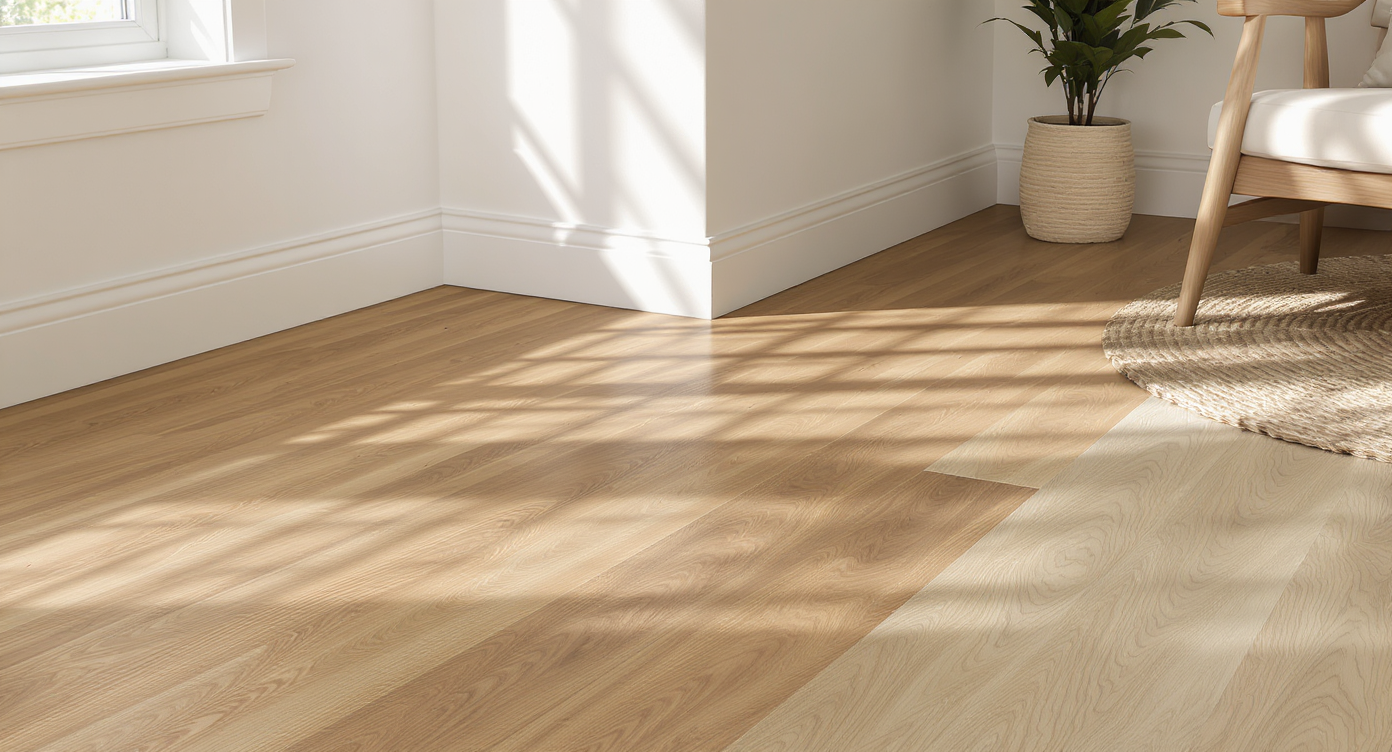
Compare solid oak, engineered maple, and luxury vinyl plank floors in a real home setting to visualize long-term durability and timeless appeal.
Before dwelling on color coordination, it’s wise to assess whether your chosen flooring material genuinely stands the test of time. Solid hardwood in classic species such as oak or maple has proven its longevity, showing up in homes a century old and still looking relevant. Engineered hardwoods and certain luxury vinyl planks can also fit the bill if chosen for durability and authentic appearance. Floor lifespan plays a crucial role in how quickly a space may look outdated or worn, and it’s often cited by professionals that opting for real, refinishable materials is a safer bet for long-term value. As explored in what makes a space "very 2020s," material fads such as ultra-gray LVP are among those most likely to read as dated in a few years, whereas true hardwood rarely falls out of favor.
-
2. Where Does the Shade Sit on the Timeless vs Trendy Spectrum?
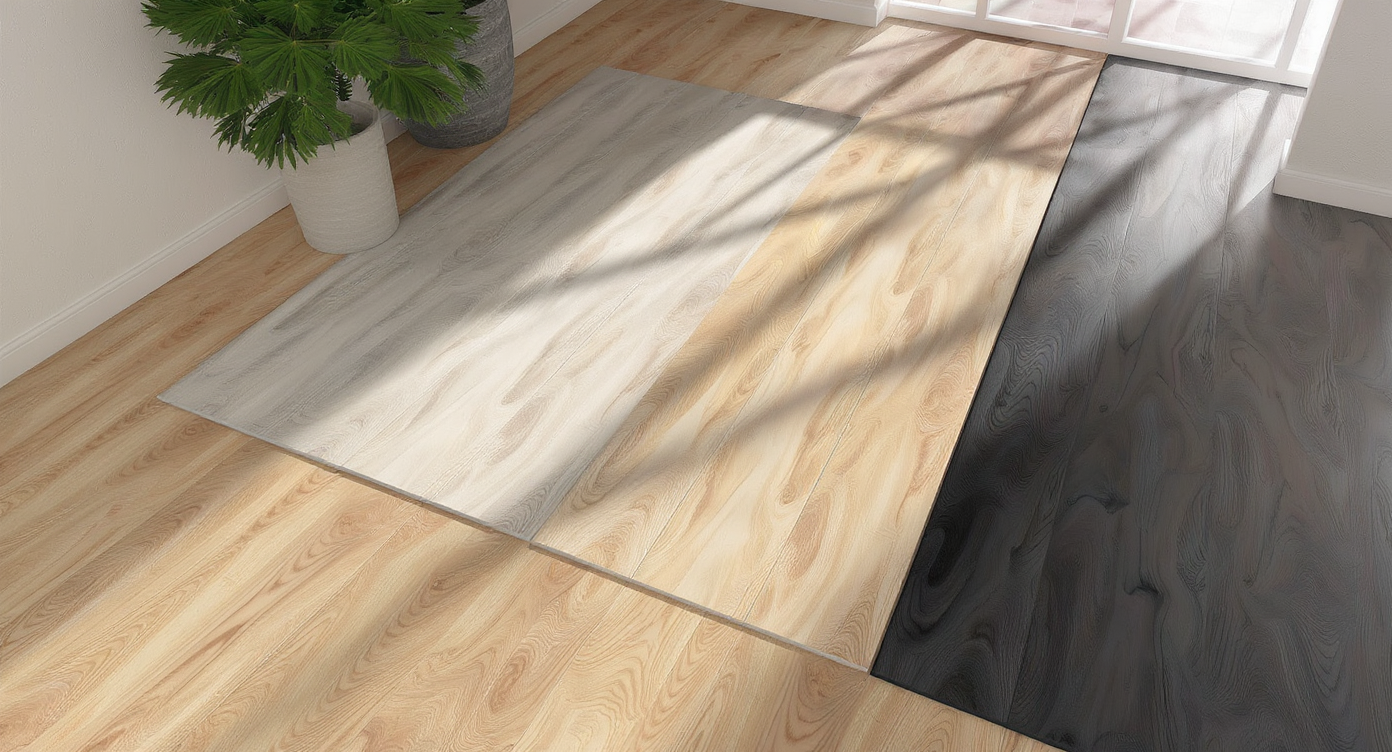
Side-by-side floor panels in trendy gray, classic mid-tone, and dark wood visually demonstrate the timeless versus trendy spectrum.
Color trends are a moving target. Gray floors, once the darling of contemporary remodel projects, now face criticism for lacking warmth and feeling cold or sterile. Mid-tone woods, with neutral undertones, tend to avoid swinging too far toward yellow, red, or overly dark shades—qualities that professionals consistently recognize as enduring. Both light and dark floors may rotate in and out of fashion, but medium shades usually offer a safe, classic middle ground. According to our analysis of the interior trends likely to fade by 2030, extremes are easily identified as "of their era" just a decade later.
-
3. How Well Does the Color Coordinate with Existing Elements?
Flooring color should not be considered in isolation. If you are not planning a full interior overhaul, think about how your new floor will interact with other woodwork—like railings, mantels, and trim—as well as painted walls and cabinetry. Coordinating undertones creates flow, but perfect matching is not mandatory. In fact, a deliberate choice of either harmonious or contrasting tones can add depth and sophistication. Homeowners often find that mid-tone browns provide versatility for both warm and cool wall palettes, addressing the classic challenge of color coordination within evolving interiors.
-
4. Will Maintenance Be Manageable Given Your Lifestyle?
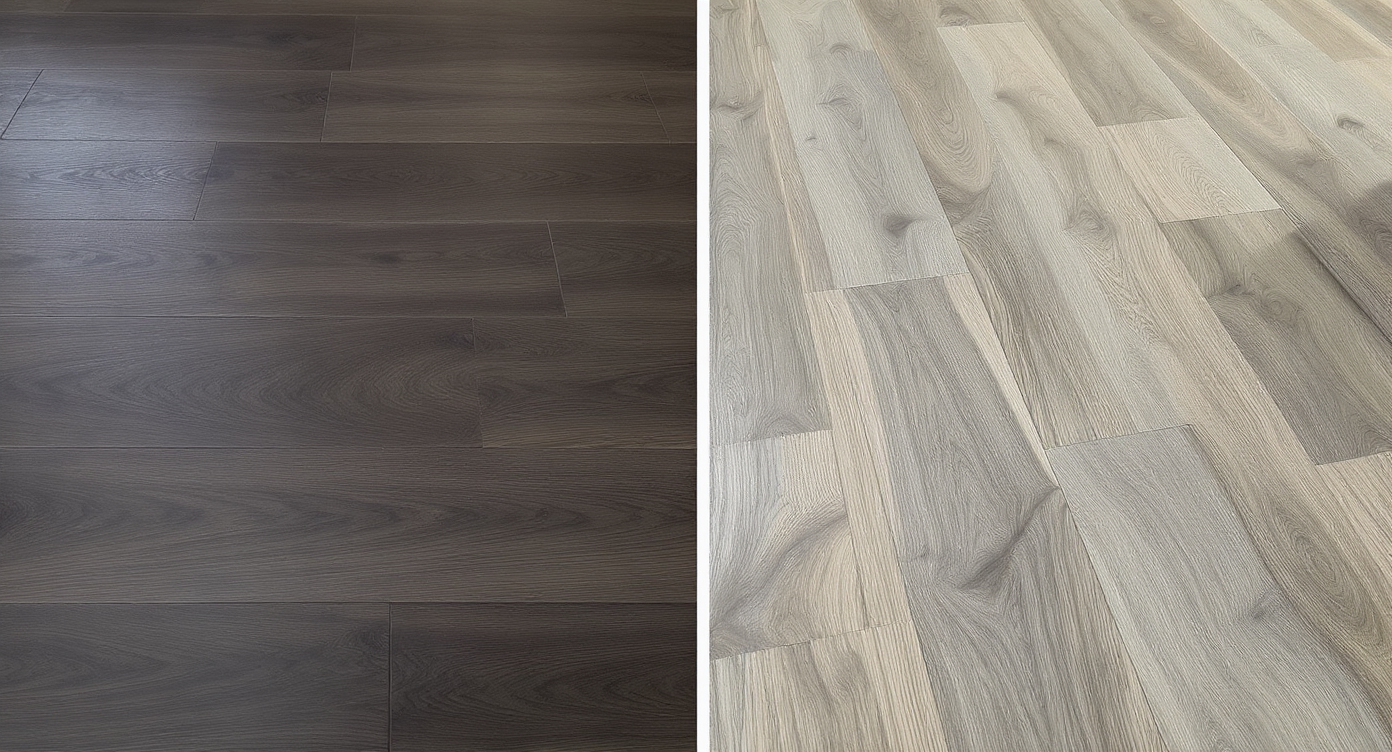
Real-world comparison of maintenance challenges: dark flooring shows pet hair and dust, while light flooring highlights scuffs and yellowing.
Practicality must come before idealized aesthetics. Darker floors are often admired for depth and drama but can highlight pet hair, dust, and scratches more than lighter options. Conversely, very light floors may conceal some debris but risk appearing "budget" or prone to yellowing over time. If you have multiple pets, children, or a high-traffic household, durability and camouflaging daily wear will help preserve the floor’s beauty—and your patience. This is a critical distinction when comparing timeless vs trendy, as a trend-driven look that frustrates in practice rarely stands the test of time.
-
5. Can You Tell Whether the Tone Warmth Feels Dated?
The most polarizing aspect of wood flooring color often comes down to undertone. Floors that lean heavily yellow, orange, or red are commonly flagged as risky for dating a space, especially when paired with cooler grays or contemporary palettes. Homeowners regularly report that even a slightly "honey oak" feel can evoke memories of the 1990s and early 2000s. A stronger bet is a neutral or muted mid-tone that neither dominates nor recedes, as seen with many naturally-finished oaks or walnuts. This balance is highlighted in guides discussing what people are over in contemporary home design.
-
6. How Does Lighting Conditions Affect Your Perception?
Natural and artificial light can significantly alter the appearance of any flooring. What reads as warm and inviting in showroom displays may turn glaringly yellow or lifelessly gray in your actual space. Test large samples in different rooms at various times of day to catch subtle color shifts. This helps prevent surprises that come only after installation—one common regret reported by homeowners. Using a tool like REimagineHome.ai can help you visualize these shifts under a range of lighting, providing greater confidence before you commit.
-
7. Does the Choice Align with Your Region and Architecture?
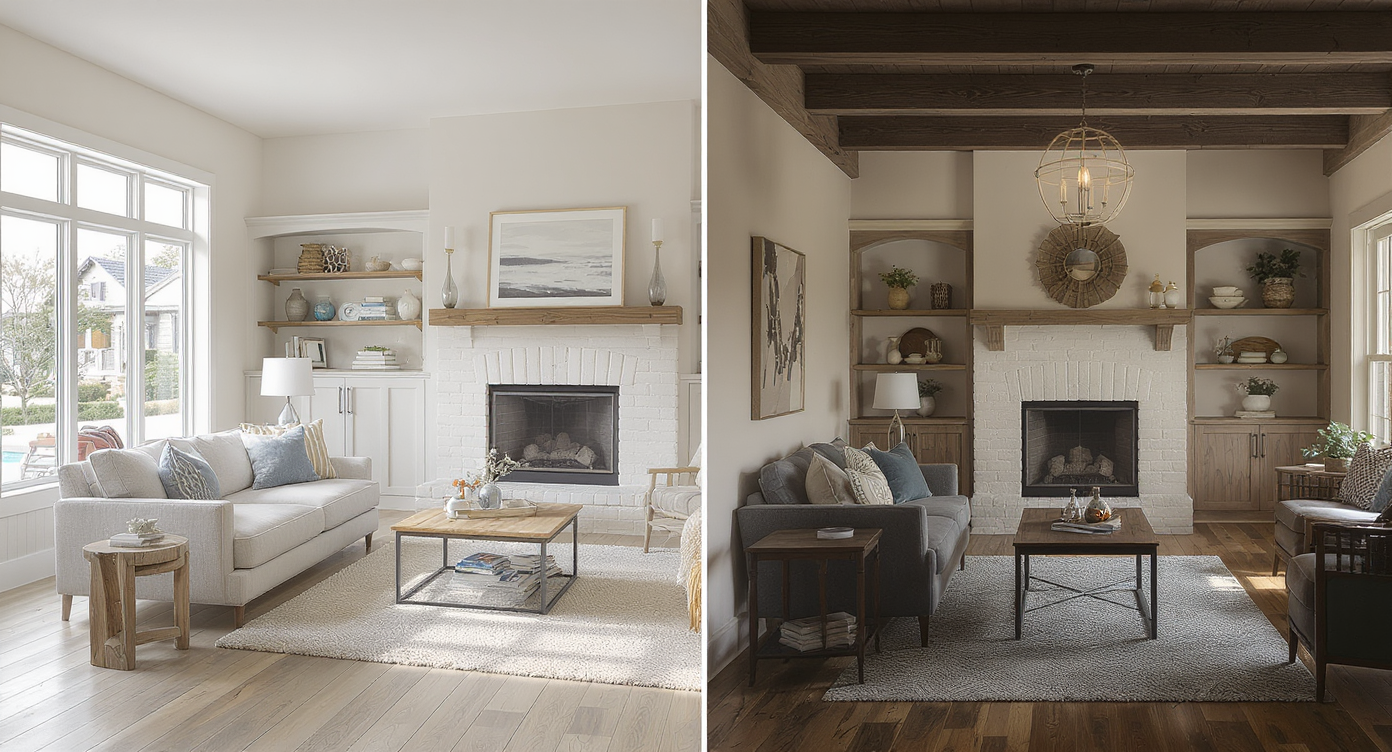
Side-by-side interiors demonstrating how floor color aligns with regional context—light wood for coastal, medium-dark for craftsman architecture.
Regional context can gently influence what feels timeless. For example, floors that are considered classic in coastal homes may differ from those found in historic brownstones or mountain cabins. Factors like light levels, moisture, and local design preferences should shape your choice, alongside your home’s architectural style. A craftsman home with dark ceiling beams, for instance, can feel cohesive and enduring with a medium-dark wood floor, while a bright, modern home may suit a lighter, more natural finish. Professional designers often encourage looking beyond trend lists to what authentically fits your environment.
-
8. Will the Floor Adapt If You Paint Walls or Change Decor?
Over a 25-year period, it’s likely you’ll update paint, furniture, and décor several times. Opt for a flooring color that is forgiving and complements a range of palettes—from airy whites and beiges to more saturated accent colors. Mid-tone and muted natural wood floors generally outperform heavily stained or trendy colors in this regard, letting you evolve your style without a full-scale renovation. Testing out schemes digitally beforehand, such as with REimagineHome.ai, gives you an edge in seeing which shades sustain design flexibility across the decades.
-
9. Are You Choosing Timelessness for the Right Reasons?
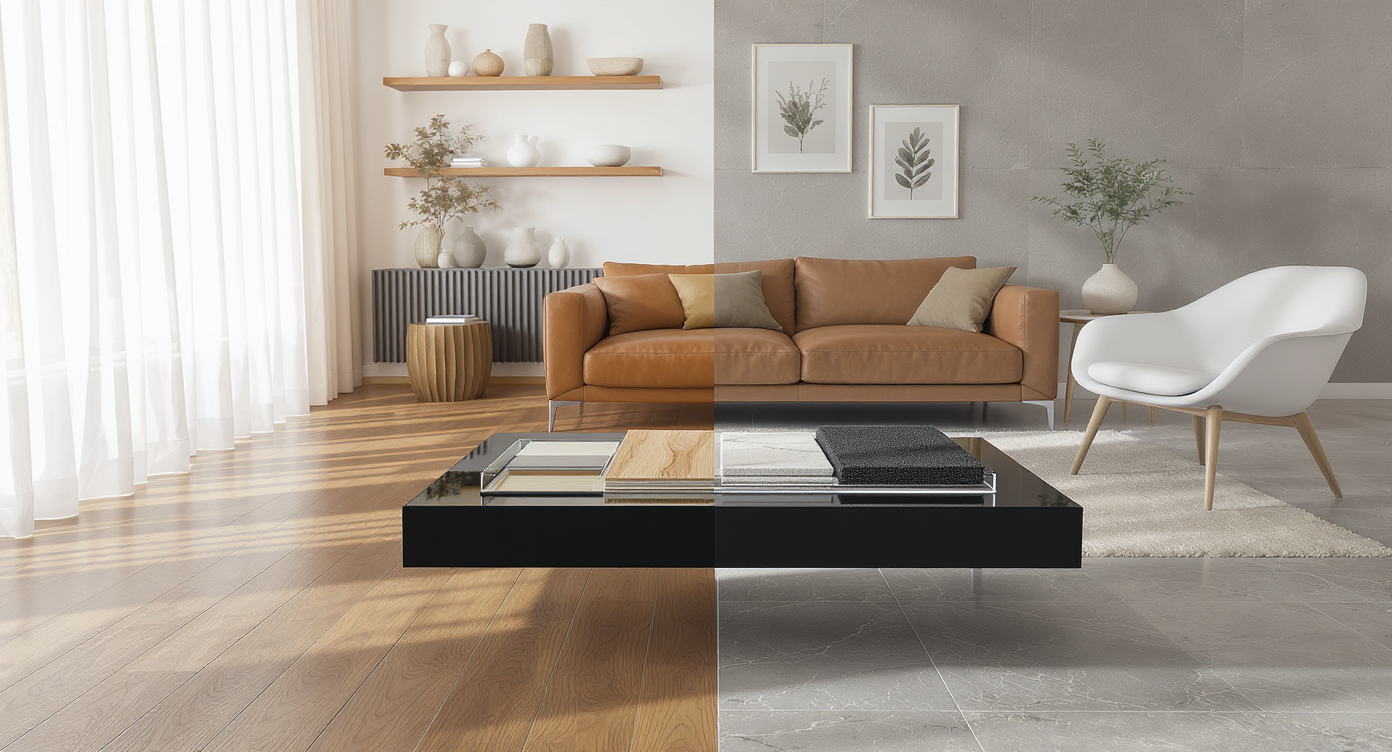
Comparing timeless and trendy flooring options in a sunlit living room, with real material swatches for making a personal, lasting choice.
Finally, interrogate your motivation. Some homeowners pursue timelessness primarily for resale value or fear of regret, but the subjective experience matters just as much. Even classic wood floors can feel oppressive if they clash with your personal taste or the way you want to live. According to reflective discussions about which design trends truly last, it’s wise to select something you genuinely enjoy looking at, not only what a trend forecast or resale playbook prescribes. Remember, what is considered “timeless” evolves too, so opting for real materials, subtle color, and authentic coordination generally yields the longest-lasting satisfaction. For further perspectives, see our analysis of design trends that won’t age well.
Flooring Selection FAQ
Mid-tone hardwoods in oak, maple, or walnut, with neutral undertones, have shown the greatest longevity across eras and styles.
How do you avoid trendy mistakes in flooring?
By steering clear of extreme colors (cool grays, heavy reds), choosing authentic materials, and visualizing how the shade works with your space using resources like REimagineHome.ai.
Should flooring wood match cabinetry and trim?
Perfect matching isn’t necessary—coordinated undertones and intentional contrasts often look more sophisticated and stand the test of time.
Is engineered hardwood as timeless as solid hardwood?
If the veneer is thick enough for refinishing, high-quality engineered hardwood can be nearly as enduring as solid hardwood, especially in environments where moisture is a concern.
Where can I learn about flooring trends that might quickly date my space?
The blog on interior trends that may look "very 2020s" covers this topic in detail.
Key Takeaways for Future-Proof Flooring
Selecting a timeless flooring color is as much about thoughtful observation as it is about taste. Prioritize material quality, choose balanced tones, and consider both current and potential future palettes. Remember, flooring interacts with every other design element in your home—testing options digitally through platforms like REimagineHome.ai can calm doubts before the investment is finalized. Your floors become the literal foundation of your long-term style, so aim for adaptability and a look that genuinely feels right for your space.