15 Mistakes That Make Your Home Look Cheap
-
01. Too Much Visible Clutter
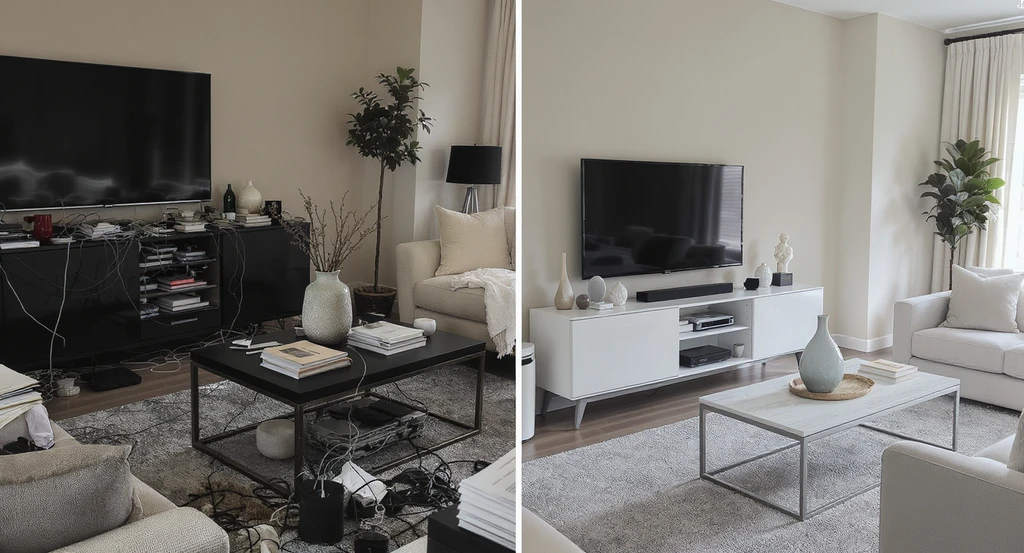
See how ai design ideas can make a home look expensive—by simply decluttering surfaces, even on a budget. AI tools offer smart virtual room makeovers and frugal home decor solutions for more sophisticated interiors.
Allowing clutter to collect on surfaces instantly cheapens a room’s appearance, no matter the quality of your furnishings. This happens because visual chaos distracts from even your best design choices and reduces the sense of calm and order.
How to Fix It: Start by clearing all surfaces of unused items, managing cords, and storing paperwork out of sight. Following the guidance in our practical corrections guide, leave intentional negative space to help your best pieces stand out. Decluttering is the fastest route to a more expensive look.
-
02. Relying on One Harsh Overhead Light
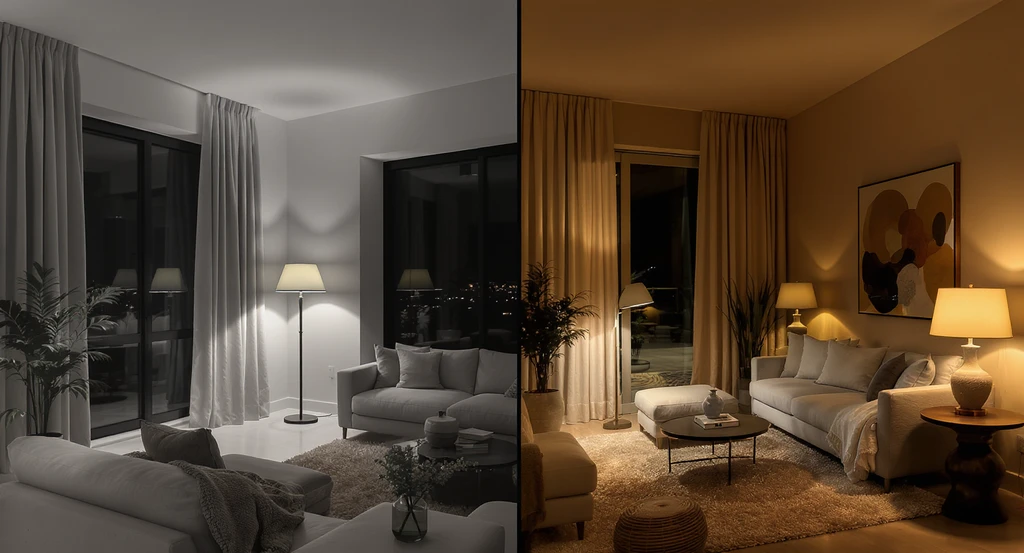
A single harsh overhead light creates a cheap, clinical home look. Using ai design ideas to make home look expensive, layering warm lamps and overheads improves home aesthetics and transforms ambiance affordably.
Single-source, overly cool lighting creates a clinical, uninviting atmosphere. Harsh white LEDs or absence of layered lighting can make any finish look cheap, flattening textures and details.
How to Fix It: Combine overhead lights with table lamps and floor lamps using warm bulbs to create even, layered illumination. As explored in our guide to transformative fixes, always check that corners and seating areas are well-lit to enhance ambiance and surface quality.
-
03. Undersized and Poorly Placed Rugs
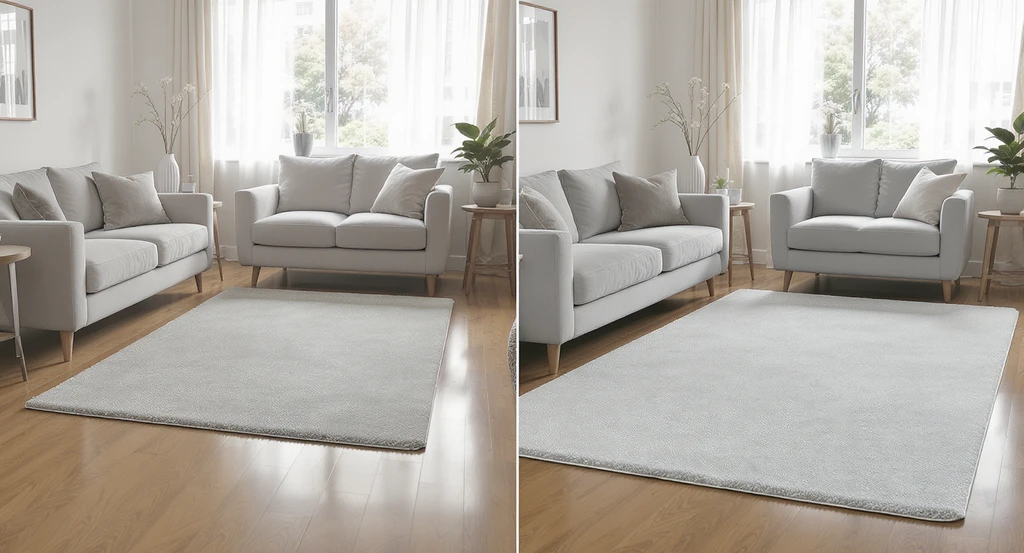
A side-by-side comparison of living room rug placement shows how virtual AI room makeover on a budget and best AI apps for frugal home decor can fix undersized, poorly placed rugs—anchoring furniture for a more expensive, cohesive look.
Small rugs that float in the center of a room or don’t anchor furniture make spaces feel disconnected. This visual gap actually shrinks the apparent size of your room.
Simple Fix: Choose a rug large enough that at least the front legs of your main furniture pieces sit on it. This anchors the layout and creates cohesion. According to our home aesthetic guide, correct rug sizing is essential to avoid a cheap, unfinished effect.
-
04. Matching "Catalog Set" Furniture
Buying identical furniture sets (sofa, chairs, tables all in the same style) may seem safe, but creates a flat, uninspired look. This approach removes visual hierarchy and character from a room.
How to Fix It: Mix in at least one piece that contrasts the main set, perhaps a vintage chair, a unique coffee table, or a textured side table. A blend of textures and styles always creates a more layered, interesting, and expensive-looking space.
-
05. Exposed Cords and Wires
Leaving cords from lamps, TVs, or chargers in plain sight disrupts the lines of a space and signals poor finishing. This is a common and easily fixable detail but is often overlooked. Simple Fix:
- Bundle and route cords behind furniture where possible
- Use simple cable covers painted to match your walls
- Choose furniture that offers built-in cord management
-
06. Outdated Builder-Grade Hardware
Dated brass door handles or basic chrome cabinet pulls make even freshly painted rooms feel old and mass-produced. The fine details signal quality and should not be neglected.
How to Fix It: Replace hardware with modern, matte, or timeless finishes. These small upgrades, often available at low cost, deliver outsized returns, as supported by our home improvement corrections.
-
07. Short or Unlined Curtains
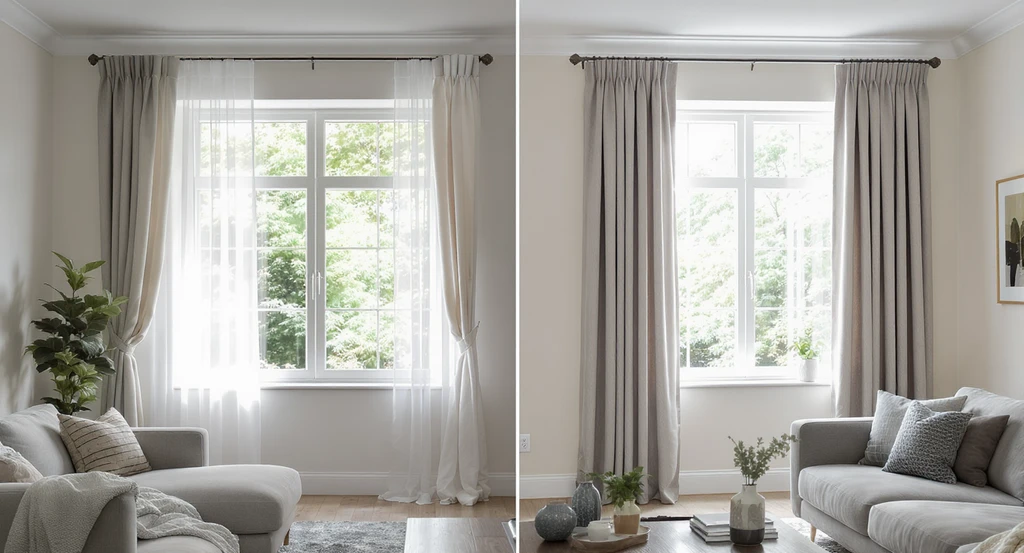
Compare short, unlined curtains to floor-length, lined curtains for a virtual ai room makeover on a budget—see how ai tools to avoid cheap looking interiors can elevate your home’s style with easy design swaps.
Curtains that are too short (ending above the floor) or too sheer look unfinished and flimsy. This disrupts vertical lines and makes ceilings feel lower.
Simple Fix: Always use curtains that just break or touch the floor, and opt for lined or thicker materials to provide both privacy and presence. Mount rods higher and wider than window frames for a visually elevated effect.
-
08. Too-Trendy or Mass-Produced Art
Generic wall art, repetitive slogans, or mass-produced canvases prevent a space from feeling curated. When artwork isn’t chosen with intent, it lacks authenticity and looks disposable.
How to Fix It: Select larger, single-piece artwork or create a small gallery wall with prints you resonate with. DIY art and framed personal photos add personality, as discussed in our transformative room fixes.
-
09. Overusing Synthetic or Faux Materials
Excessive use of shiny laminates, thin particleboard, or all-polyester textiles creates a plastic, low-value effect. These materials lack depth and do not wear well over time.
Simple Fix: Balance with touches of natural texture. Introduce cotton, linen, wool, or wood, if only in accents like cushions, a small bench, or baskets. Mixing materials, even on a tight budget, improves perceived quality.
-
10. Using Too Many Colors in One Room
When every surface or decor item is a different color, or all elements are the same tone, rooms feel either chaotic or bland. Both issues lower the perceived value of your interiors.
How to Fix It: Use the 60:30:10 rule, a principle where 60% is your main color, 30% a contrasting tone (furniture or flooring), and 10% your accent. This forms a harmonious palette and intentional visual hierarchy, a strategy highlighted often in our step-by-step aesthetic corrections.
-
11. Ignoring Paint Wear and Patchiness
Chipped, dirty, or mismatched paint instantly signals neglect. This undermines even the best decor choices and makes rooms feel outdated.
Simple Fix: Touch up scuffs and repaint problem areas with a clean, neutral shade for a consistent finish. Prioritize even, well-prepped surfaces. Fresh paint is a cost-effective improvement that always pays off.
-
12. Leaving Walls Blank or Spaces Unfinished
Unadorned walls and unfinished nooks make a room feel temporary. An incomplete space never feels “expensive”, it just feels neglected.
How to Fix It: Add measured finishing touches, art, mirrors, or open shelving, to provide structure and intention. Avoid overfilling, but ensure every wall and corner communicates care.
-
13. Incomplete or Awkward Furniture Placement
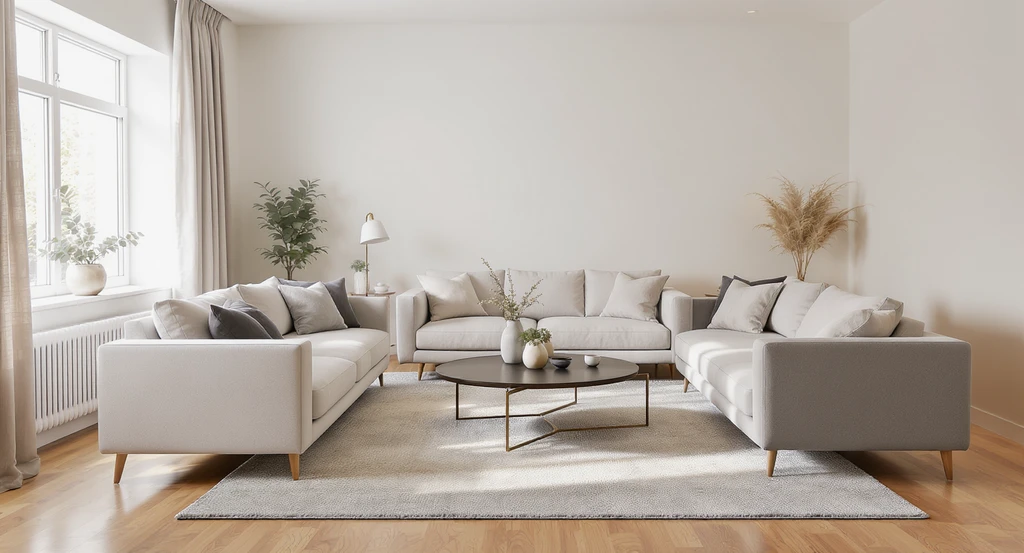
Floating seating away from walls, as shown here, is a classic ai design idea to make home look expensive and improve overall home aesthetics.
Placing all furniture against the walls or blocking pathways interrupts flow and creates dead zones. This mistake is common, especially in small rooms, and can cheapen the space’s feel.
How to Fix It: Float seating arrangements in conversation zones. Keep enough space for movement (ideally 3 feet for main walkways). If the room feels “off,” try making small furniture adjustments. Even simple rearrangements can improve flow, create better balance, and make the space feel more intentional.
-
14. Neglecting Minor Repairs and Wear
Worn-out or visibly damaged trim, flooring, or furniture sends a message of neglect. It also makes any newer investments seem less meaningful. Simple Fix:
- Fix chipped wood and paint dents
- Patch small holes
- Address loose hardware and torn textiles
Small fixes prevent wear and tear from becoming more noticeable over time and help maintain a clean, polished, and well-cared-for appearance.
-
15. Rooms Lacking Finishing Touches and Greenery
Omitting plants, flowers, or simple decorative objects results in a cold, unlived atmosphere. The most expensive homes always look complete and thoughtfully styled.
How to Fix It: Add a low-maintenance houseplant, a simple vase, or a set of books. These inexpensive details help a room feel complete, adding warmth, personality, and depth without increasing your budget.
Frequently Asked Questions
- What’s the most budget-friendly way to make a home look more expensive?
- Pare back visible clutter, replace outdated hardware, layer your lighting, and use the largest rug your space comfortably allows. These adjustments offer the highest impact for the lowest cost.
- Do I need to buy all new furniture to avoid a cheap look?
- No. Mixing and rearranging existing pieces—balancing styles and textures—usually delivers better results than matching catalog sets. Add or swap small accents for variety if needed.
- Can lighting really change the way my home looks?
- Absolutely. Harsh, single-source light flattens textures and makes imperfections obvious. Warm, layered lighting builds dimension and a cozy atmosphere instantly.
- How can I make my small home feel more polished?
- Focus on decluttering, correct rug sizing, properly hung curtains, and a consistent color palette. These steps visually open the space and raise its perceived value.
Key Takeaways: You Don’t Need a Big Budget to Look Expensive
An expensive-looking home depends less on price tags and more on details: decluttered surfaces, the right rug and curtain sizes, smart lighting, and intentional color schemes. Addressing these common mistakes, step by step, will have a bigger impact than chasing every new trend or accessory set. Focus on balance, quality where it counts, and thoughtful finishing. Small, practical corrections are often all you need to transform your space.