Navigating High Spots on Slate Flooring: Risks, Options, and Real Outcomes
TL;DR
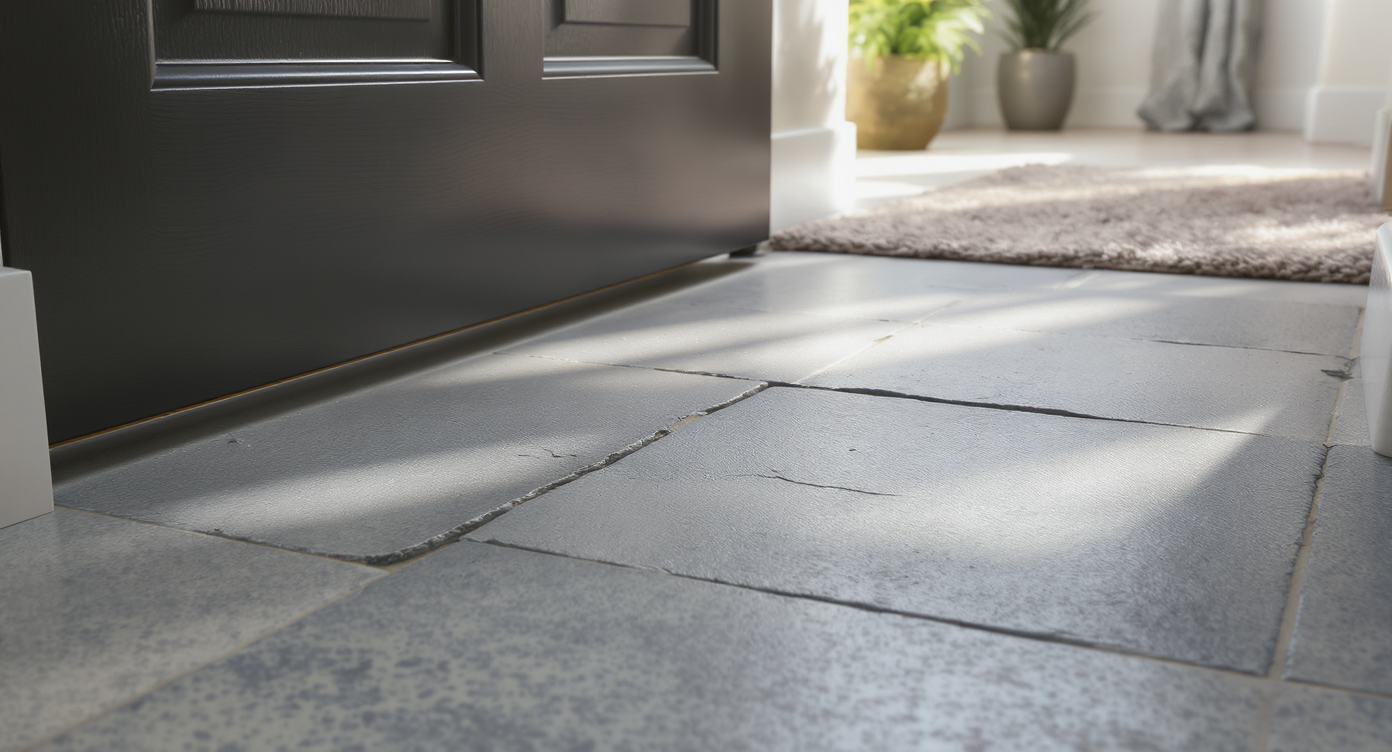
When a slate tile's raised corner causes persistent friction with a door sweep, homeowners face a nuanced choice between DIY fixes and professional intervention. Shaving, sanding, or grinding slate can alter its appearance and texture. Most experts suggest minimally invasive, reversible solutions—like adjusting door hardware, modifying the sweep, or, if warranted, replacing the tile—rather than potentially compromising your floor’s integrity.
The Subtle Frustration of a Stubborn Tile
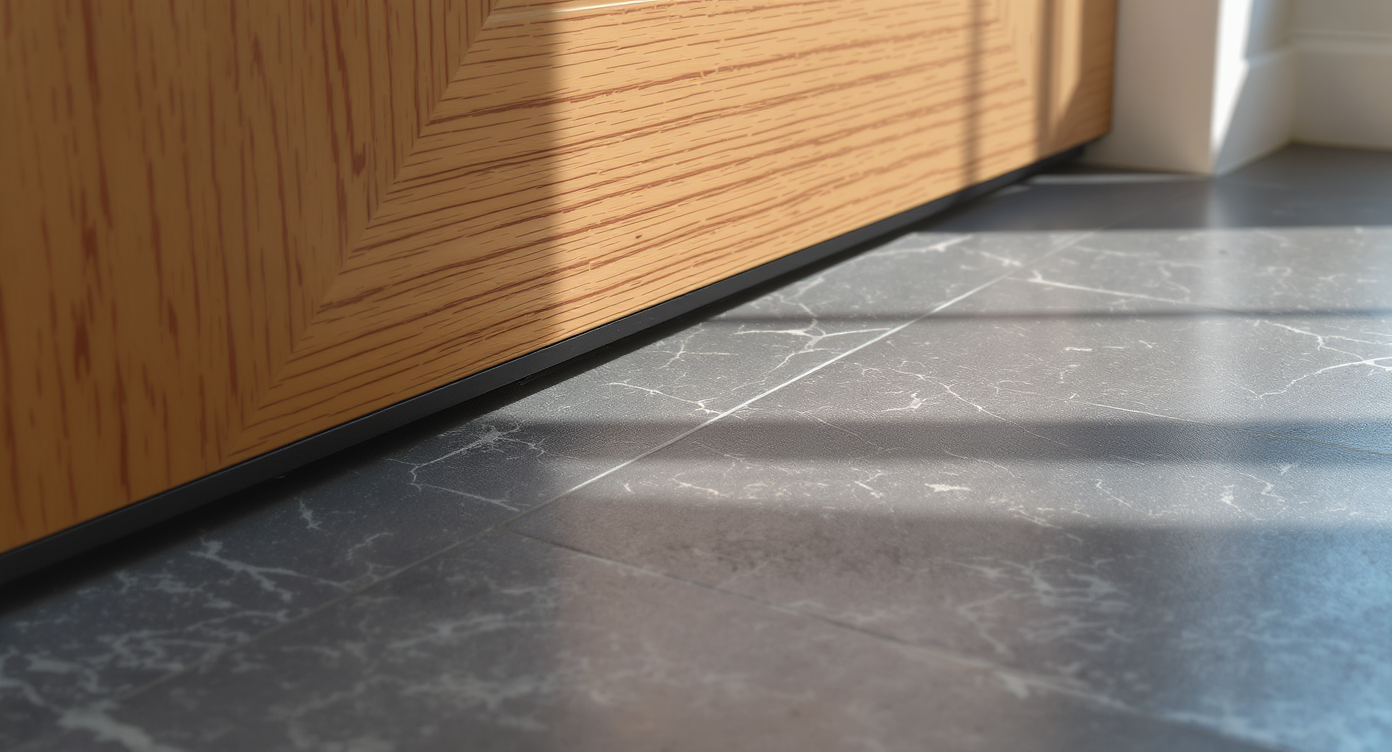
A modern entryway reveals a slate tile with a subtle high spot under the door sweep, capturing the real annoyance of uneven flooring.
A squealing door sweep in the foyer is rarely the design statement anyone hopes to make. Yet for many, a project starts with just such a mundane annoyance: a 1-2 millimeter high spot on a single slate tile. This minor imperfection can upend the rhythm of daily life and spark a cascade of DIY ambitions and anxieties. For homeowners committed to a beautiful, functional home, the decision to address this issue is both practical and philosophical. Is it wiser to embark on a precision fix by altering the stone, accept the slight imperfection, or invest in a larger-scale remedy? Each option has its tradeoffs, and understanding them is essential to safeguarding both the look and value of your space.
-
Slate’s Unique Structure: Why ‘Shaving’ Spells Caution
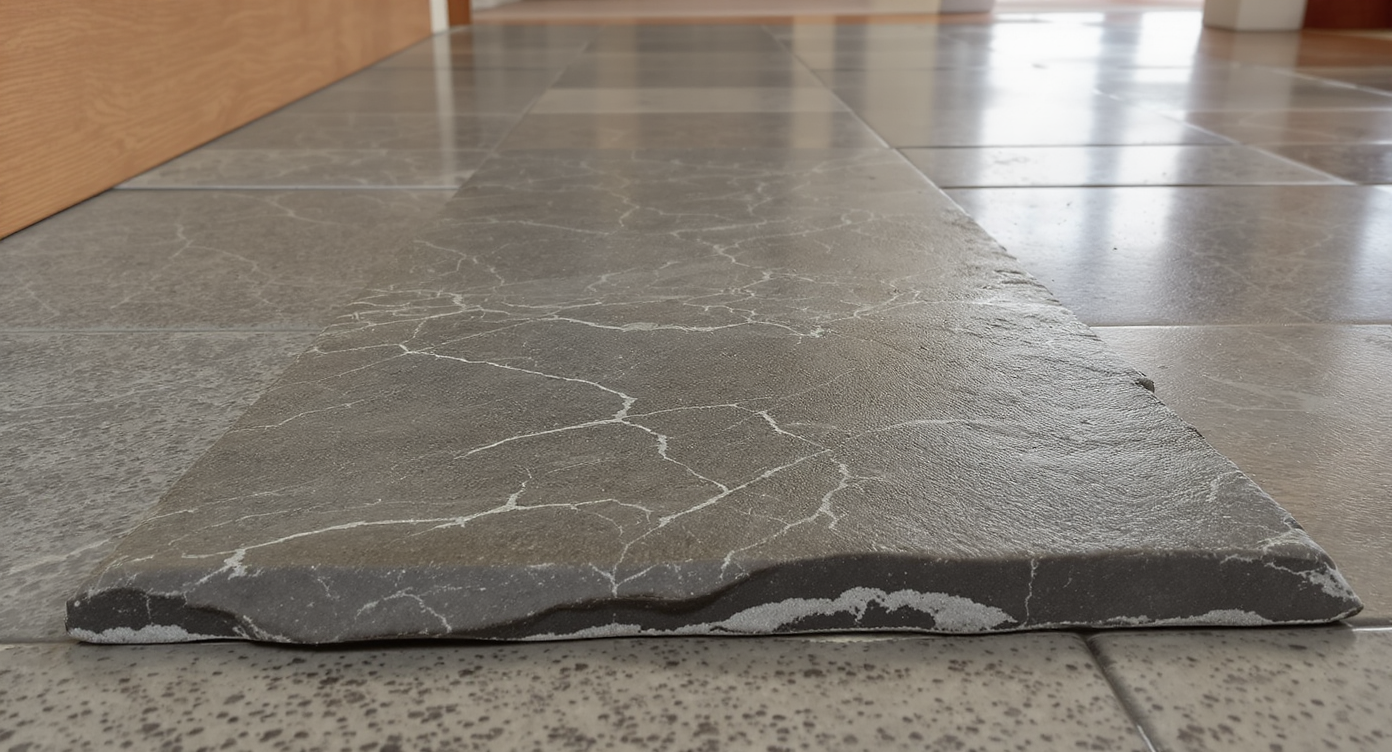
A high spot on slate flooring after attempted grinding, exposing the brittle, chalky layers that risk a patchy and porous surface finish.
Slate’s allure stems from its organic texture and layered composition. Unlike machined tiles, natural slate forms through thousands of years of geological process, resulting in variations that imbue each tile with character. However, these same layers, or foliation, also make slate more brittle and unpredictable than harder stones like granite or porcelain. When a high spot appears—even if it is just a millimeter or two above plane—the temptation to sand, grind, or shave it down can be strong. Yet professionals and veteran DIYers often urge restraint. Aggressive sanding can ‘exfoliate’ slate in unintended ways, producing a chalky finish that struggles to blend with adjacent tiles. This isn’t just a cosmetic concern. The altered surface is often more porous, attracting dust and grime, while the sheared layers can flake unpredictably with regular foot traffic. Homeowners who take a grinder to slate may gain clearance for their door, but at the expense of a patchwork finish that never quite recedes from view.
Expert Insight
A young couple moving into their first home quickly discovered the sound of the entry door's sweep scraping loudly across the slate foyer. Initially, they attempted to sand the highest tile by hand, only to find the spot turned a pale gray, losing its rich black hue. After consulting with a friend experienced in stonework, they switched course, gently trimming the vinyl sweep instead. The result was a quiet door and a floor that retained its character. The once glaring defect faded into the background, a reminder that sometimes the simplest fix is the best.
-
DIY or Professional: Evaluating the Realistic Paths
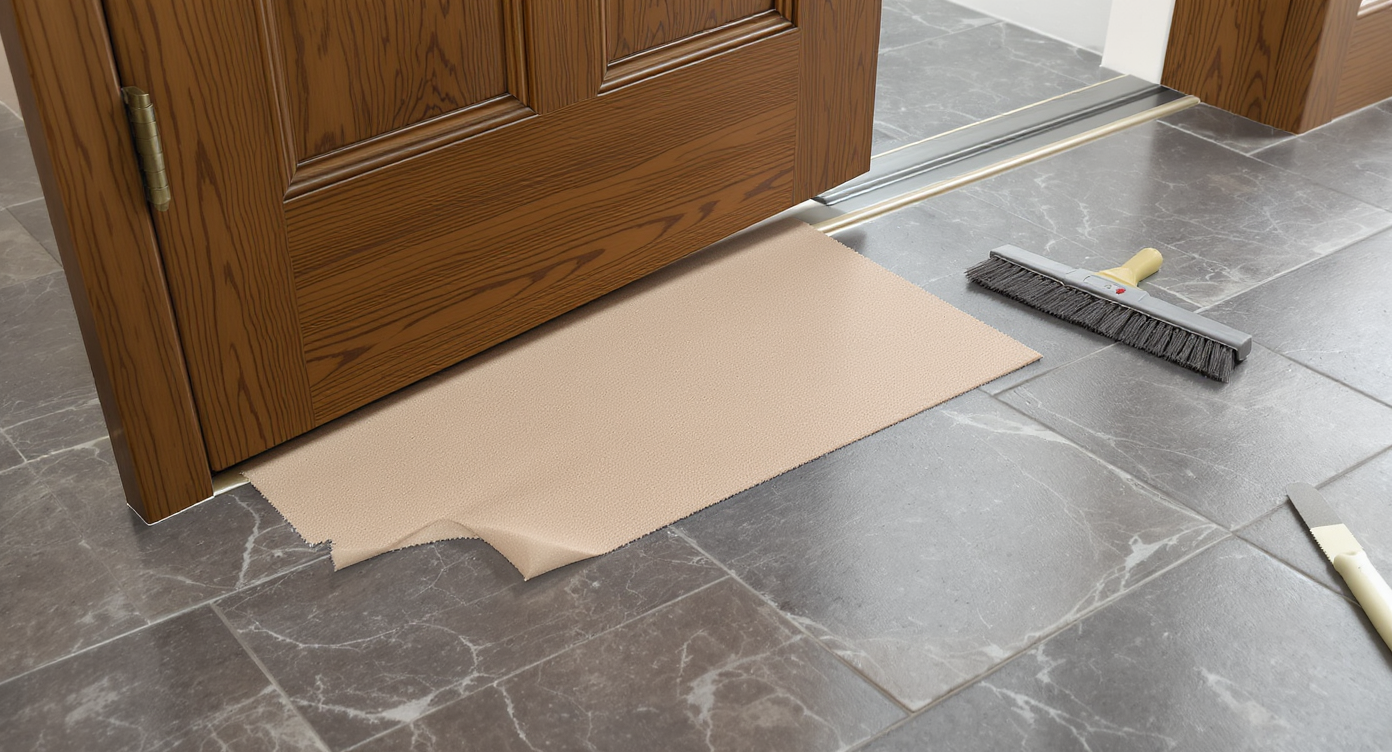
Multiple tools and solutions arranged by a raised slate tile and door illustrate DIY and professional approaches to spot tile adjustment.
It’s easy to feel empowered after browsing online tutorials or receiving advice from friends who swear by their rotary tools. However, slate’s idiosyncratic nature means even seasoned renovators weigh each scenario carefully. DIY strategies, such as hand-filing or using adhesive-backed sandpaper, might appear low-risk but can still produce uneven edges or color mismatch. Some homeowners try running the door itself over strategically placed sandpaper, allowing the problem spot to wear down gradually. This approach is slow, but sometimes yields a just-good-enough outcome if the interference is truly minimal. Others explore adjusting the door sweep, trimming a barely visible portion where it meets the raised tile. Unlike reshaping the floor, this method is reversible and preserves the integrity of both door and tile. Occasionally, the situation merits calling in a professional tiler. Replacing a single problematic tile may sound drastic, but for those intent on preserving resale value or design consistency, it is often the most foolproof choice. Our guide on DIY renovations and home value highlights how craftsmanship and finish quality can mean the difference between a home sought after and one second-guessed by buyers.
-
When Every Millimeter Matters: Practical Decision-Making
Whether the goal is to eliminate an annoying screech or avoid compromising a door’s weather seal, the circumstances around a raised slate tile rarely allow for a one-size-fits-all answer. If pets, heavy traffic, or moisture are considerations, every subtle alteration to surface and subfloor becomes magnified over the long term. For instance, scraping away at the high spot on natural stone may leave a mark that, while fading visually over time, never truly disappears under direct light. Conversely, altering the sweep may introduce a small gap—potentially undermining the energy efficiency or code compliance of a garage entryway, particularly in regions where air sealing is crucial. Designers often advise experimenting first on spare or hidden tiles before committing to a visible alteration. In some cases, the right choice may be a creative blend of minor floor shaving and sweep adjustment. The key is to respect the unique material qualities of slate and to align the fix with the broader goals of maintenance and aesthetics. If your household demands low-maintenance, pet-proof surfaces, lessons from our review of DIY flooring choices for active homes also suggest considering future upgrades when ease of upkeep is a priority.
Visualization Scenario
Imagine stepping through your front door on a rainy day, grocery bags in hand. Instead of a harsh screech, the door glides silently over the slate, the transition between indoor and out seamless and welcoming. Guests notice only the natural, earthy beauty of the floor, with each tile contributing to a cohesive visual tapestry. The balance between function and aesthetics is restored, and you start to forget there ever was a raised tile at all.
Frequently Asked Questions
- Is it safe to sand or grind down a slate tile to fix a high spot?
- It is possible, but sanding or grinding slate often results in a changed appearance, including a lighter, chalkier finish and reduced durability. Test on a spare tile first and proceed very carefully if you choose this route.
- Would replacing the entire problematic tile be a better approach?
- Replacement typically produces the most visually consistent and durable outcome but requires more labor and specific matching materials. This approach is preferred when aesthetics and resale value are primary concerns.
- Can adjusting the door sweep be a long-term solution?
- Trimming or repositioning the door sweep can alleviate friction without impacting the floor. Just ensure modifications still meet energy and safety codes, especially for doors that lead to garages or exteriors.
- Will visible marks from floor alterations fade over time?
- Minor scratches and lightened areas may become less noticeable with daily use but rarely disappear entirely. Sealing can help blend them, but a close inspection will usually reveal touched-up areas.
- Where can I find visualizations and more personalized advice?
- Scenario tools like ReimagineHome.ai can model outcomes for various materials and design fixes before you commit to a solution.
Prioritizing Longevity and Cohesion in Home Fixes
Addressing a raised spot on a slate tile requires balancing immediate convenience with long-term outcomes. Quick fixes can resolve friction but may introduce new visual or functional drawbacks. Often, the most reliable solution is the least invasive or most easily reversed. Whether you opt to file a sweep, replace a tile, or attempt a careful grind, grounding these decisions in the unique attributes of your interior materials will help prevent regret. For tailored inspiration aligned with your home’s particular quirks, platforms like ReimagineHome.ai offer design pipelines and scenario testing that support confident material choices.