Designing Kids’ Rooms That Grow: Personality, Play, and Real-Life Comfort
TL;DR
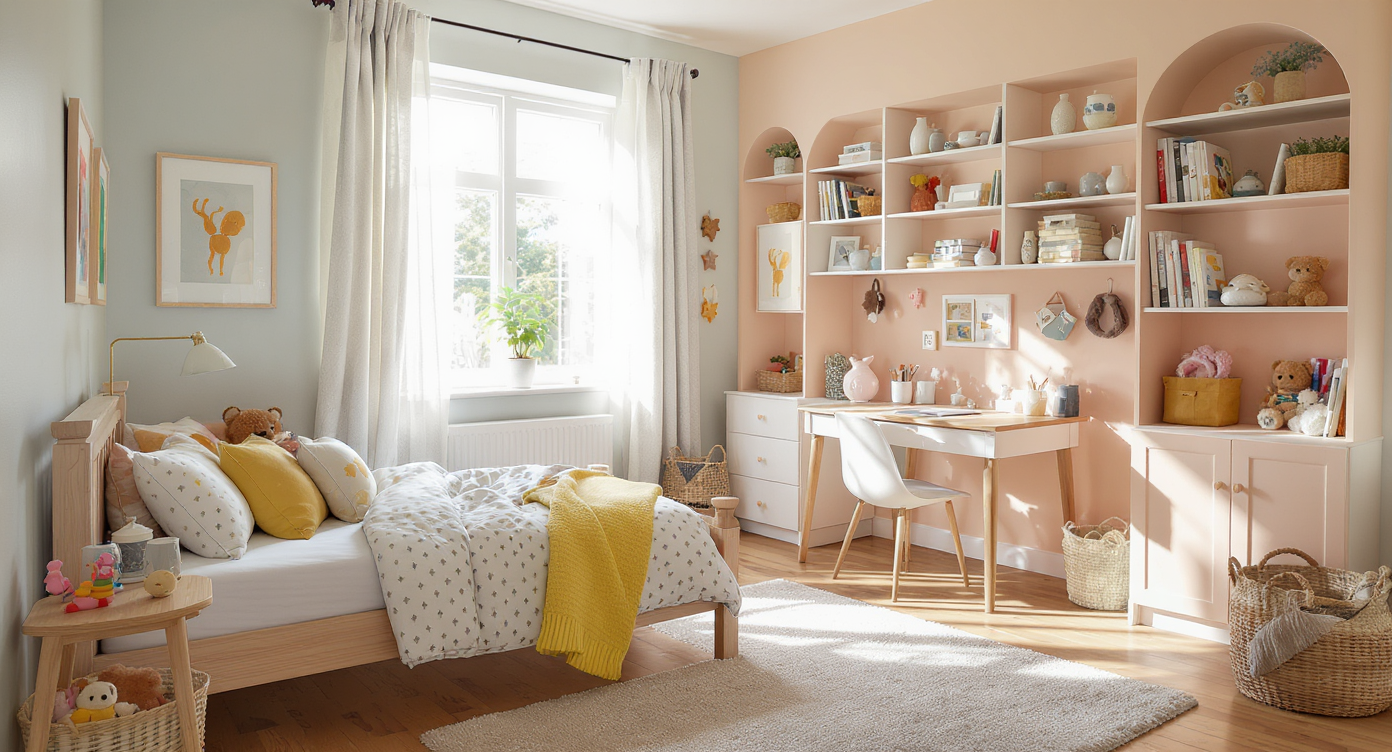
Children’s rooms work best when they blend joy, comfort, and authenticity. Great design celebrates children’s creativity and interests, supports real daily life, and welcomes change as your child grows. From practical storage to playful details, designing with kids in mind allows a room to serve as both a safe haven and a space for imagination.
Why Kids’ Rooms Deserve a Different Design Mindset
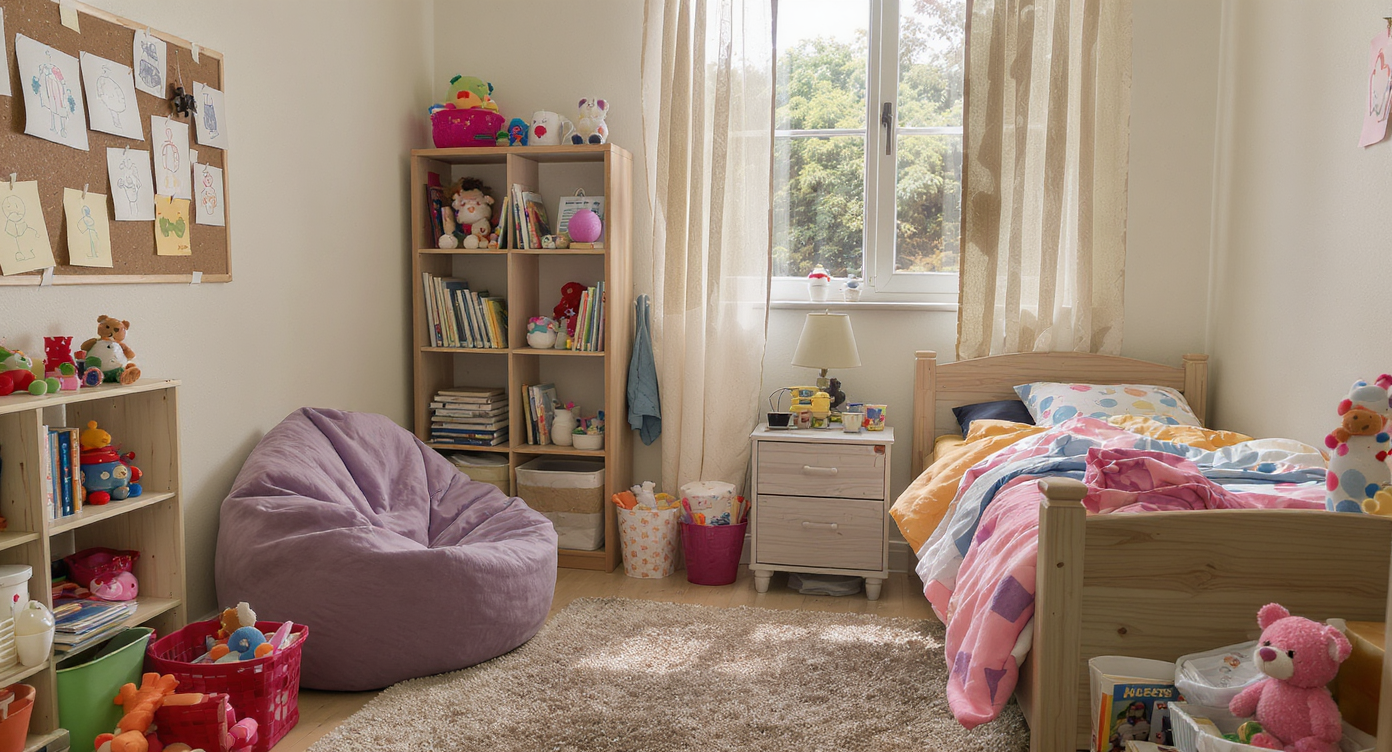
A realistic, adaptable children’s room with inviting play spaces, toys, homemade art, and cozy nooks—reflecting genuine family life.
Children’s rooms invite a unique kind of creativity. Unlike other areas of the home, these spaces must be flexible enough to adapt as kids grow and expressive enough to reflect their personalities. Designing a room for a child isn’t just about color schemes or furniture—it’s about creating a backdrop for play, learning, and self-discovery. The best children’s bedrooms become part of the memories children carry into adulthood. It’s easy to be tempted by aspirational, perfectly staged images of kids’ interiors. Yet truly meaningful kids’ rooms are the ones shaped by the rhythms of everyday family life. Toys on display, homemade artwork, and corner reading nooks are not just realistic, they foster a sense of belonging. A bedroom’s function shifts from a tidy showcase to a dynamic stage for imagination and growth.
-
Letting Personality Shine Through

Sunlit kids’ room with artwork gallery, rotating pinboard, and low shelves displaying favorite books and sentimental objects for a personalized space.
A child’s room is more than a place to sleep; it’s a small world tailored to their interests. Encouraging children to participate in choosing colors, themes, or wall art can empower them and anchor the space to their sense of self. Displaying children’s artwork or their favorite books on low shelves makes the room feel like theirs—not just designed for them. This approach echoes what parents and designers have been noticing: rooms curated with the child’s involvement tend to evolve naturally and remain meaningful over time. According to thrifted bedroom ideas, incorporating sentimental objects and revolving displays helps families create kid-friendly interiors that don’t feel generic or staged. For example, a rotating gallery wall for new sketches or a pinboard for prized projects can infuse daily creativity into the room’s atmosphere.
Expert Insight
When Maya and her daughter Zoe tackled Zoe’s bedroom, they started with an afternoon of watercolor painting. Instead of searching for the perfect framed artwork, they used Zoe’s favorites to fill a gallery wall—each piece showcasing the seven-year-old’s evolving tastes. Over time, those paintings changed, offering not just decoration but a visual journal of Zoe’s creative adventures. The room felt alive, evolving with the child it belonged to.
-
Practicality Matters—But So Does Imagination
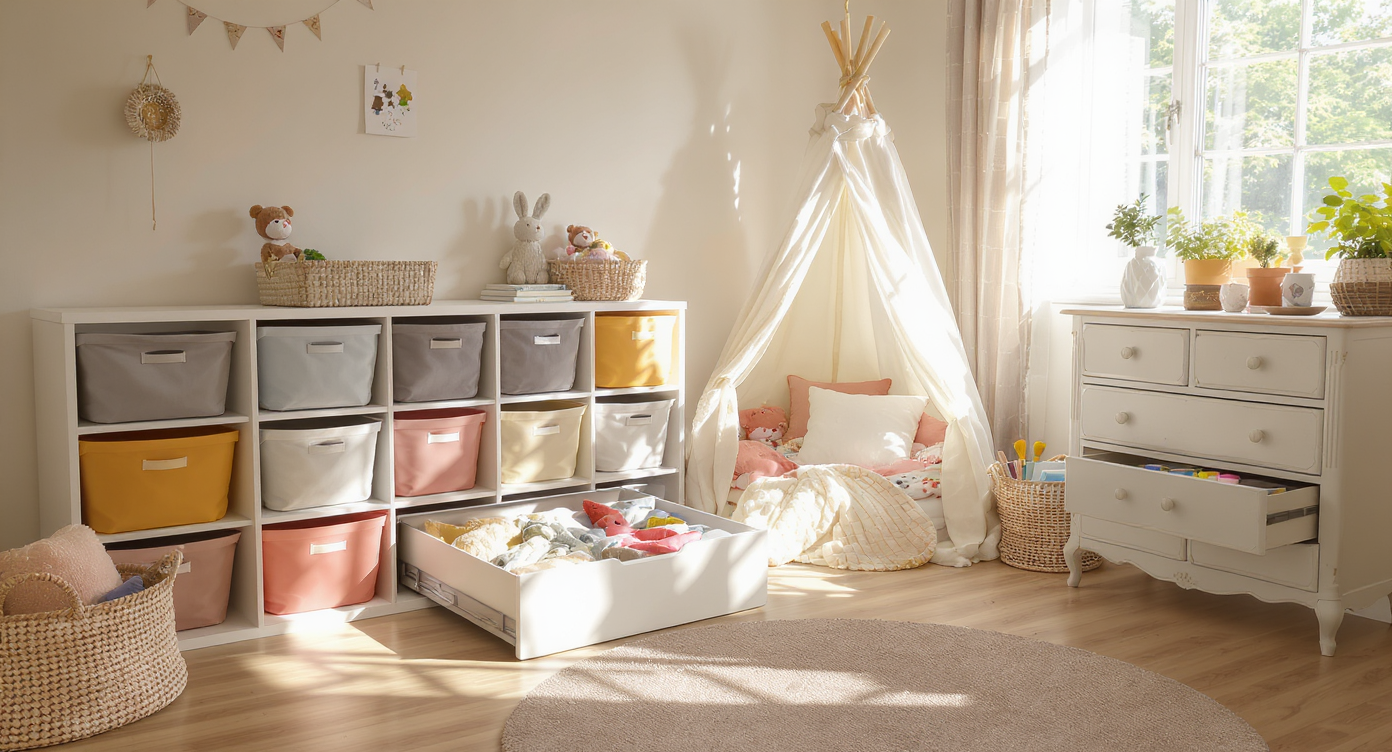
A realistic kids’ room blends practical storage—like covered bins and under-bed drawers—with a playful reading nook and organized art corner.
While whimsical décor can transform a room, practical considerations remain foundational. As adults know all too well, clutter multiplies in kids’ spaces. Designers often suggest simple yet effective storage—think covered bins for toys, baskets for books, or under-bed drawers for seasonal items. Incorporating these, without sacrificing the room’s playful side, means the space is as manageable for grown-ups as it is enjoyable for kids. Dedicated corners for crafts, reading, or play provide structure without imposing strict rules. One family might carve out a miniature tented nook beside a bookshelf, inviting children to retreat with their favorite stories. Another might repurpose a thrifted dresser into art storage, according to designer-endorsed DIY home decor projects. These small interventions ensure the space welcomes both mess and order, shifting easily between modes of activity and rest.
-
Flexibility for Growth and Change
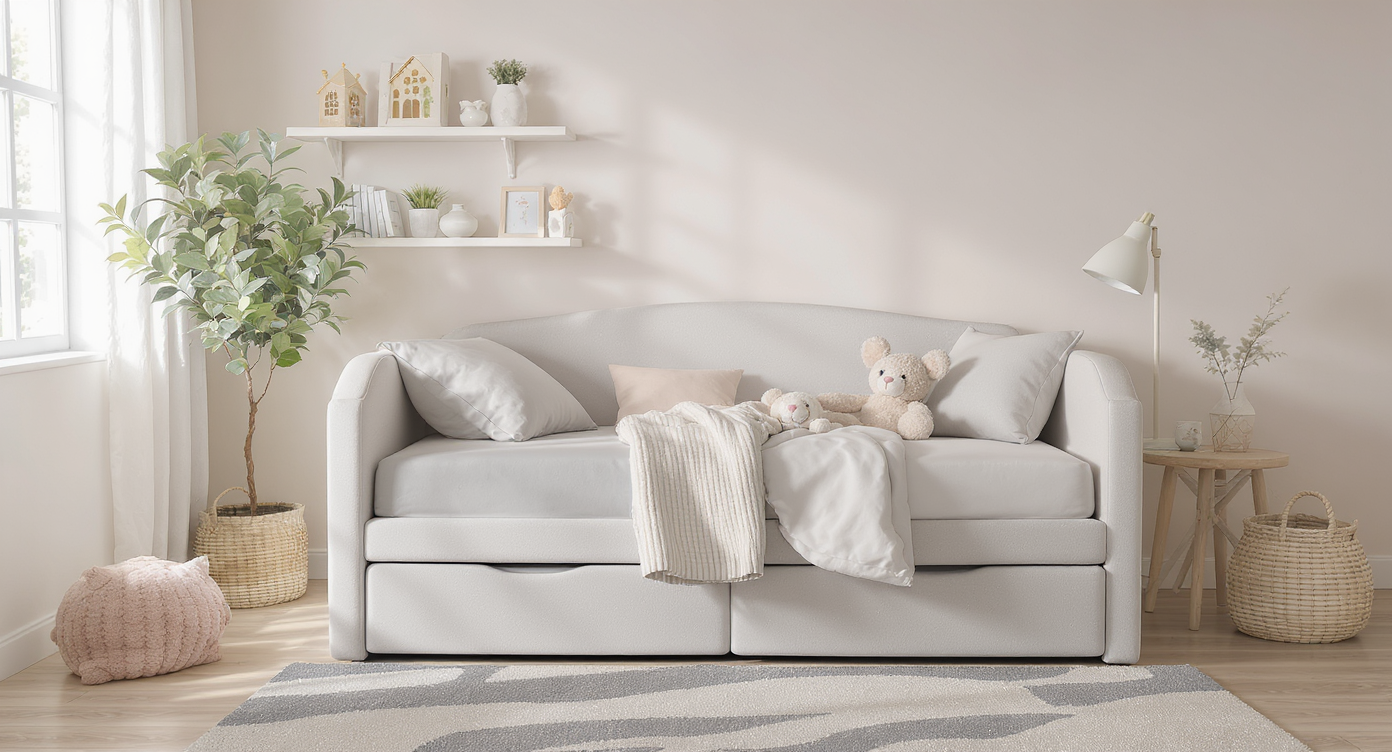
A flexible kids’ room with modular furniture, soft tones, and interchangeable playful accents for changing interests and growth.
Children grow, and their rooms need to keep pace. Designing a flexible space involves smart foundational choices. Neutral beds or modular furniture can last through multiple stages, with personality layered in through bedding, art, and accessories. Painted walls in soft tones can act as a canvas for vibrant accents that adapt to current interests—whether that’s dinosaurs, planets, or ballet. Many parents look to space-smart small bedroom ideas to help maximize every corner. For instance, choosing loft beds can carve out precious floor area for play, while vertical storage takes advantage of unused wall space. As childhood interests evolve, so can these details—swapping out posters or updating toy bins—without requiring a full room overhaul.
Visualization Scenario
Picture a sunlit bedroom with a cozy reading nook by the window, crayon drawings taped proudly to the wall, and a canopy tent set up as a private storytelling space. Toys are within easy reach, tucked into colorful baskets, and a string of paper lanterns adds a playful, soft glow—a space that feels both intentional and absolutely lived-in.
Kid Room Design FAQ
Multi-use furniture like beds with drawers, storage ottomans, and shelves at child height keep rooms organized and accessible for kids.
How can a kid’s personality show in their room?
Let children display their own art, pick out accent pieces, or add favorite books and toys. Personalized decor, whether store-bought or made at home, fosters individuality.
What colors work best for kids’ rooms in 2026?
Designers recommend soft, comforting backdrops—think gentle blues, muted greens, and light beige—layered with splashes of bolder hues to encourage creativity.
How can families keep up with changing interests?
Use flexible decor like swappable bedding, removable wall decals, and framed prints that are easy to update as a child’s tastes evolve.
Where can parents visualize or experiment with new layouts for children’s spaces?
Online design platforms like ReimagineHome.ai allow families to upload photos and test out fresh styles, layouts, and color palettes effortlessly.
The Takeaway: Make Room for Life and Imagination
Designing a child’s room isn’t about eliminating clutter or achieving picture-perfect order—it’s about making space for creativity, play, and real life. By blending practical considerations, flexible furnishings, and plenty of personal touches, families create environments that truly serve their children’s needs. For parents ready to visualize new layouts and kid-friendly ideas, tools like ReimagineHome.ai can help bring vision and practicality together seamlessly.