Evaluating DIY Virtual Staging AI for Real Estate Listings
TL;DR
DIY virtual staging, powered by AI, is transforming how vacant properties are presented online. By allowing users to upload listing images and customize furnishings themselves, these tools offer affordability and control compared to traditional agencies. However, their success depends on image realism, workflow simplicity, and ethical presentation—balancing inspiration with buyer trust.
A New Approach to Listing Visuals

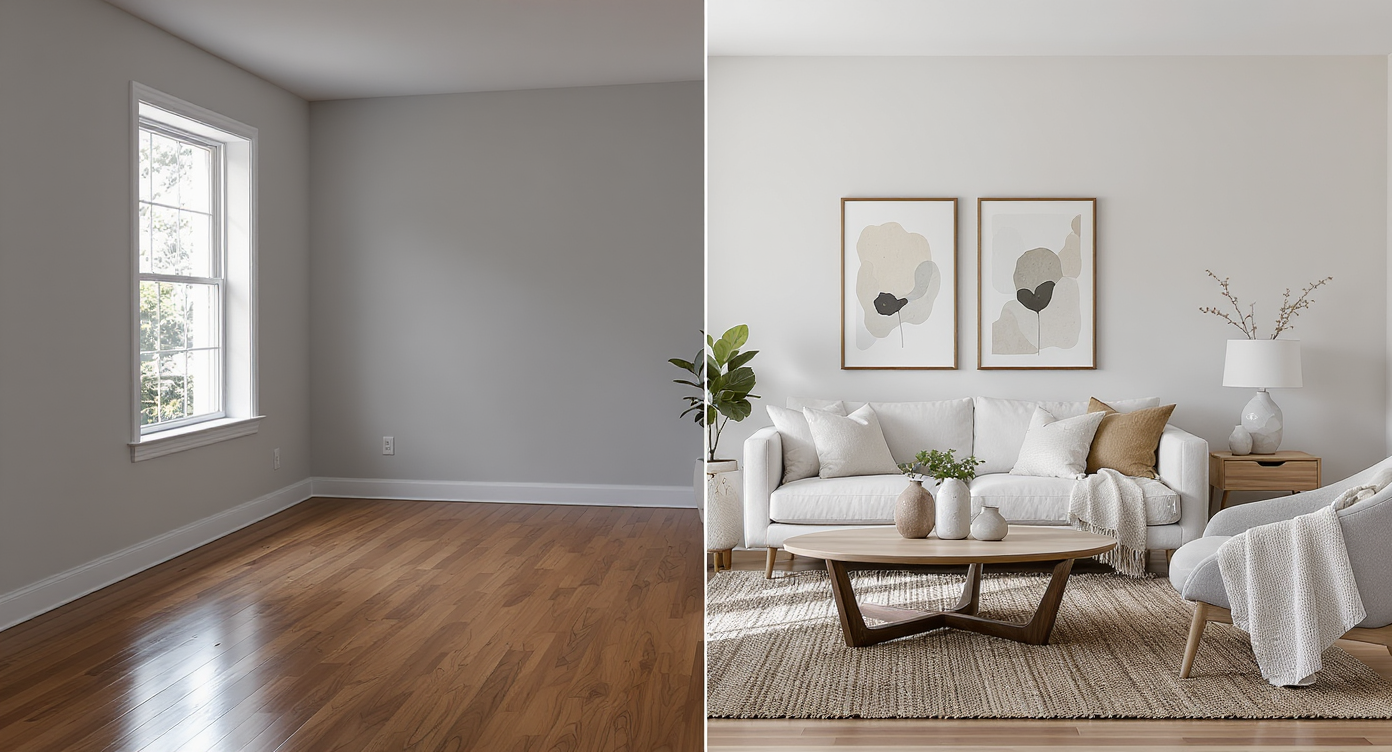
A camera setup in an empty living room with a laptop displaying virtual staging AI software previewing furnished designs side by side.
The evolution of virtual staging is poised to change how real estate professionals and homeowners market vacant properties. Traditionally, virtual staging meant outsourcing images to an agency, waiting days for revisions, and relying on others to deliver both the design sense and the right price. Now, with user-driven AI staging platforms, the process is becoming more accessible and budget-friendly. In an era where buyers scroll through countless listings before scheduling a visit, the ability to make a strong visual impression instantly matters more than ever. Affordable, intuitive virtual staging empowers even those with a basic understanding of design software to elevate their listings, control results, and save time—if executed thoughtfully.
-
The Shift From Agencies to Self-Service AI
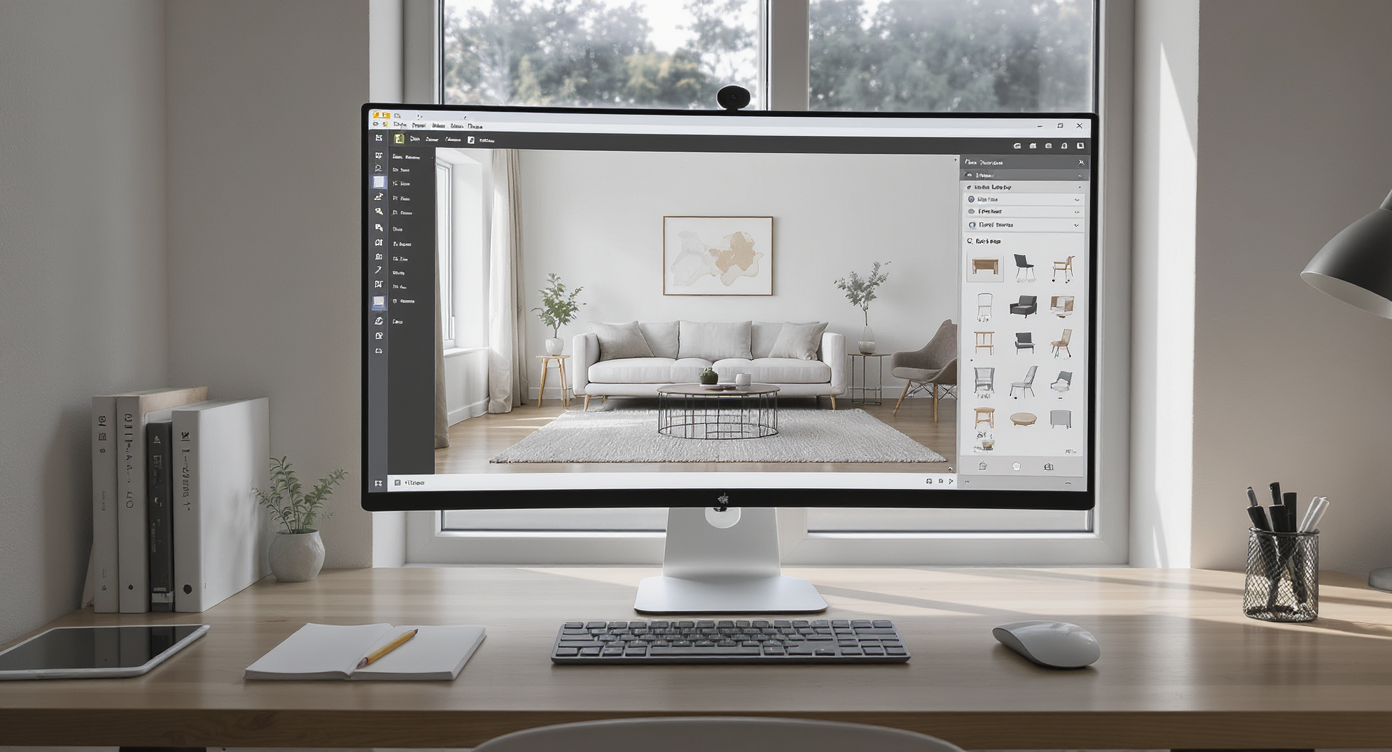
A computer monitor in a home office shows a virtual staging platform, highlighting the shift from agency to self-service AI for property images.
The classic workflow for virtual staging has often mirrored traditional design consultation: one would upload vacant images, specify preferences, pay a significant sum, and wait. Not only does this introduce friction and expense, it restricts creative control. Newer AI-powered platforms offer a direct path: upload an image, use simple tools and drag-and-drop interfaces, and tailor the space for a fraction of the agency price. These tools cater to real-time feedback and iteration, removing guesswork and delays. This hands-on approach is especially valuable for photographers, agents, or DIY-minded sellers who prefer to experiment, refine, and deliver the right look quickly. As discussed in virtual staging vs traditional staging, this speed and flexibility helps sellers capture online attention and adapt to shifting market demands.
Expert Insight
A Denver-based photographer recently embraced a self-service virtual staging tool for a series of vacant condos. Used to waiting days for agency edits, she scheduled a single afternoon to experiment with layouts. With affordable per-image pricing, she produced tailored visuals for each unit, swiftly updating them in response to client feedback. The result? Faster online listing, more showings booked, and buyers who arrived with realistic expectations.
-
Image Upload Workflows: What Matters Most

A workspace showing a browser-based virtual staging tool in action, emphasizing user-friendly workflows and photorealistic output quality.
For DIY virtual staging to truly serve real estate marketing needs, two factors rise above the rest: ease of workflow and output quality. The appeal of low-cost staging fades quickly if uploading, editing, or exporting takes more effort than anticipated. Streamlined workflows—where users can quickly upload photos, access diverse furniture libraries, and make real-time adjustments—are essential. Some platforms provide web-based solutions accessibly across devices, which means fast browser-based workflows with minimal setup. Control over core elements such as lighting, object placement, and decor variety creates room for personalization while revealing the potential of each space. Crucially, the end result must feel photorealistic: buyers need to see believable furnishings that reflect scale and style, not cartoonish or generic renderings. Many in the industry have voiced concern that virtual staging occasionally verges on being misleading, especially if it overly edits room dimensions or finishes. As covered in our staging guide, the line between inspiration and deception is thin, so quality control and disclosure are non-negotiable.
-
Transparency, Trust, and the Buyer Experience
Modern consumers are digital natives, and many can spot an over-staged or misrepresented photo almost instantly. Ethical AI staging prioritizes transparency: labels indicating virtual furnishings, side-by-side comparisons with original images, and honest representation of property features. This transparency is not just about buyer trust but also about managing expectations—accurate visuals minimize disappointment at showings and reduce wasted time for agents and clients alike. According to insights from winning buyer trust through staging, clear transparency features like image labels, toggles between staged and vacant views, and realistic editing are key to boosting click-through rates and avoiding skepticism. When an online image aligns closely with reality, buyers arrive confident, and agents field offers more efficiently.
-
Customization: Tailoring Spaces to Different Buyer Personas
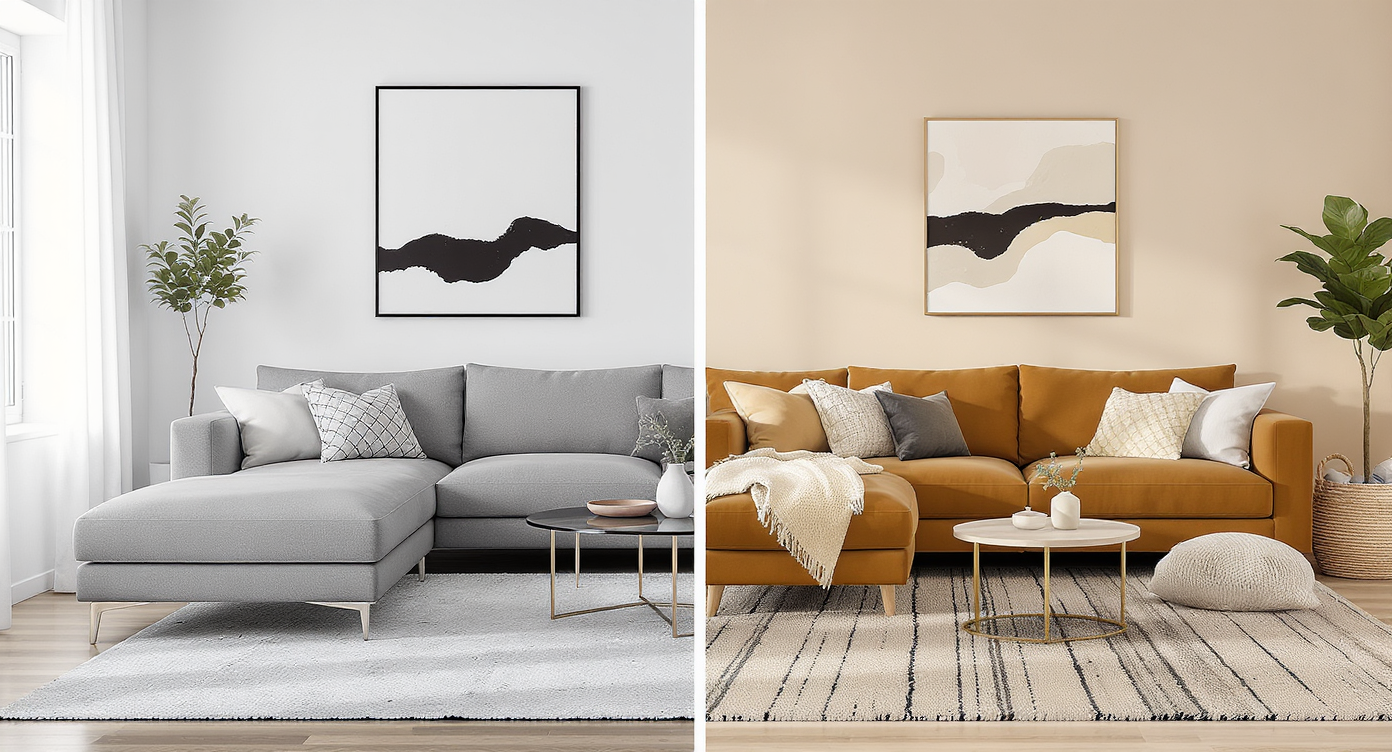
Comparative staged living room: one side features sleek modern furnishings for professionals, the other cozy, family-friendly decor for suburban buyers.
One of the greatest advantages of hands-on virtual staging is the capacity to adapt rooms for different audiences. A city loft marketed to young professionals may deserve modern minimalist furnishings, while a suburban home aimed at families benefits from cozy, practical setups. AI staging platforms now allow users to easily change styles and experiment with different looks for each demographic, directly within the image upload workflow. Rather than producing generic listing visuals, these platforms foster targeted marketing, making it possible to create and test multiple design options before going live. As highlighted in the impact of personalized staging, aligning visuals to the lifestyle aspirations of buyers can drive more engagement and faster, stronger offers.
Visualization Scenario
Picture walking into an unfurnished home and opening a tablet to view the same room virtually furnished in three distinct styles. With a quick swipe, a buyer shifts from a serene minimalist staging to a bold, eclectic one, and then to a classic family layout. The furniture placement fits the floor plan perfectly, lighting feels natural, and every visual accurately represents the real space. This seamless, interactive experience is what intuitive, AI-powered staging can make commonplace—putting creative power in the hands of sellers, agents, and photographers.
Frequently Asked Questions
DIY virtual staging lets users upload photos of vacant properties and furnish them digitally using AI-powered tools, creating customized, photorealistic listing images.
How does user-controlled virtual staging differ from agency services?
User-controlled platforms provide real-time editing, lower costs, and more creative freedom, whereas agencies handle design and editing but with higher prices and less direct input from the user.
How can agents ensure buyers trust virtually staged images?
Best practices include labeling images as virtually staged, pairing images with originals, avoiding edits to permanent features, and prioritizing realistic, scale-correct furnishings. Learn more about ethical virtual staging.
What technology enables browser-based virtual staging?
Many solutions rely on web-based 3D frameworks and AI for drag-and-drop functionality and rapid rendering, eliminating the need for specialized software.
Where can I find more inspiration or tools for staging?
Explore new ideas and platforms at ReimagineHome.ai.
The Future of Virtual Staging is Accessible, Ethical, and Buyer-Focused
DIY virtual staging with AI is democratizing the way properties are brought to life online. As these tools continue to evolve, the most successful ones will combine accessibility, intuitive workflows, and an unwavering commitment to honesty in their visuals. The results—transparent, tailored, and high-quality listing images—build trust and interest among buyers, while allowing sellers and agents to control their brand and budget. For anyone considering the leap from agency outsourcing to hands-on image curation, this new virtual staging paradigm represents a chance to elevate marketing and set new expectations for what a listing can achieve. For more on virtual staging solutions and ways to reimagine spaces, visit ReimagineHome.ai.