Evaluating DIY vs. Pro for Automated Water Shutoff Installations
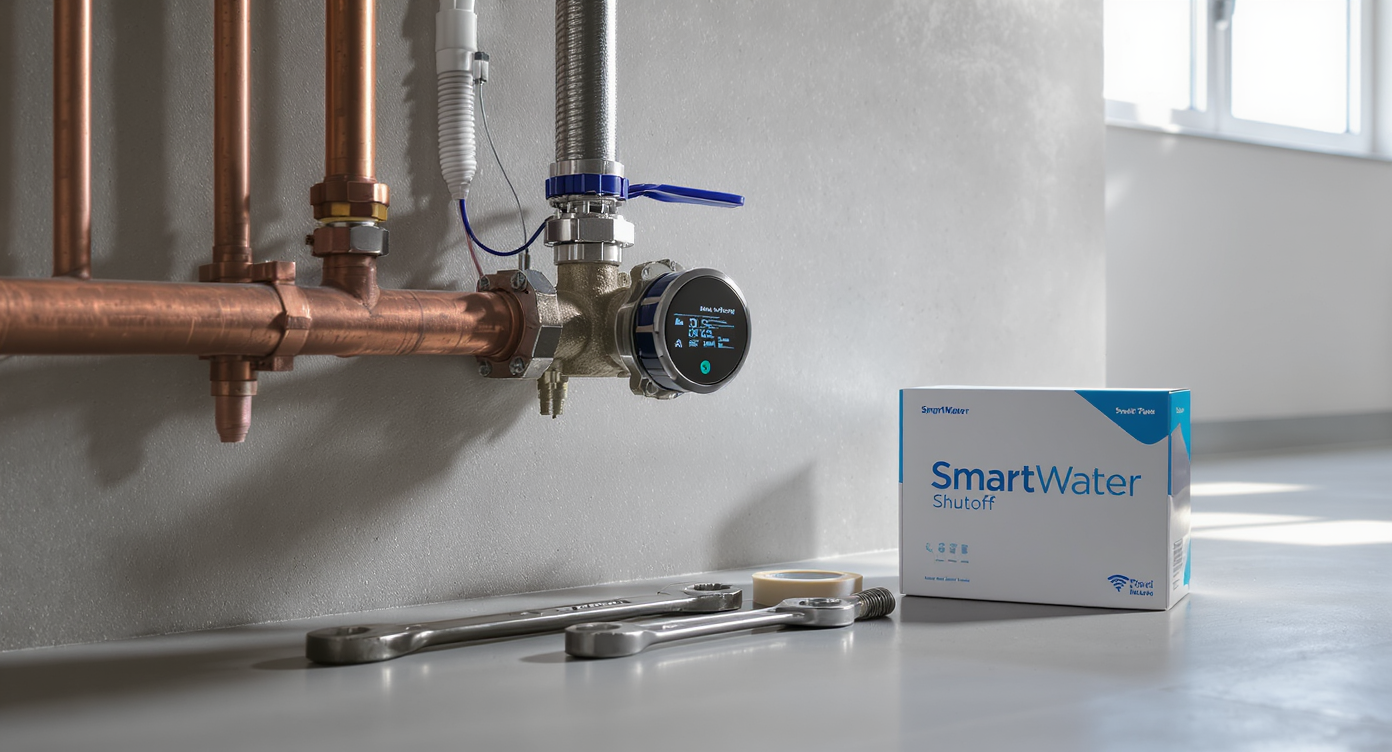
TL;DR
Smart water shutoff valves promise peace of mind and can minimize costly damage from leaks, but their installation involves a series of nuanced plumbing decisions. Homeowners must weigh DIY confidence, knowledge of building codes, and the unique layout of their plumbing before deciding to tackle this project alone or trust a professional. Installation details and long-term reliability matter as much as the tech.
Integrating Smart Water Shutoffs: Practical Decisions in Modern Homes
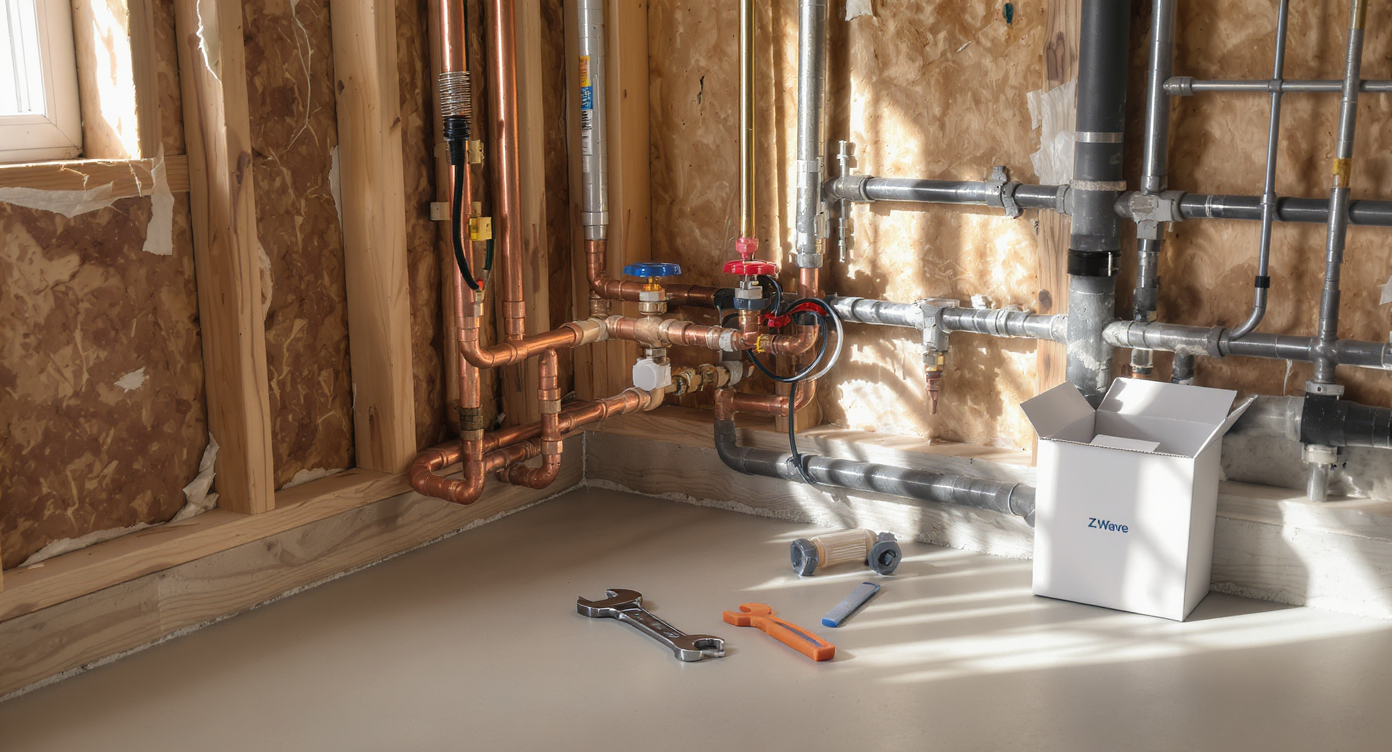
A realistic home utility room showing a smart water shutoff valve mid-installation, highlighting the project’s complexity and tools involved.
Automating the water shutoff in your home can transform how you manage risks, combining convenience with real protection against leaks. Yet, installing a Z-Wave or other smart shutoff valve raises an important question for many: is this a reasonable weekend DIY, or is it worth hiring a licensed plumber? For many households, the decision sits right at the crossroads of ambition, utility, and risk. Installing a smart water shutoff is not quite like swapping a light fixture. The process interacts directly with your home’s water main—a system where errors create high-stakes consequences. The way forward depends on factors from pipe materials and valve positioning to local codes and your comfort level with plumbing basics. As homes grow increasingly automated, the choices around upgrading infrastructure deserve careful editorial unpacking.
-
Understanding Water Shutoff Valve Upgrades
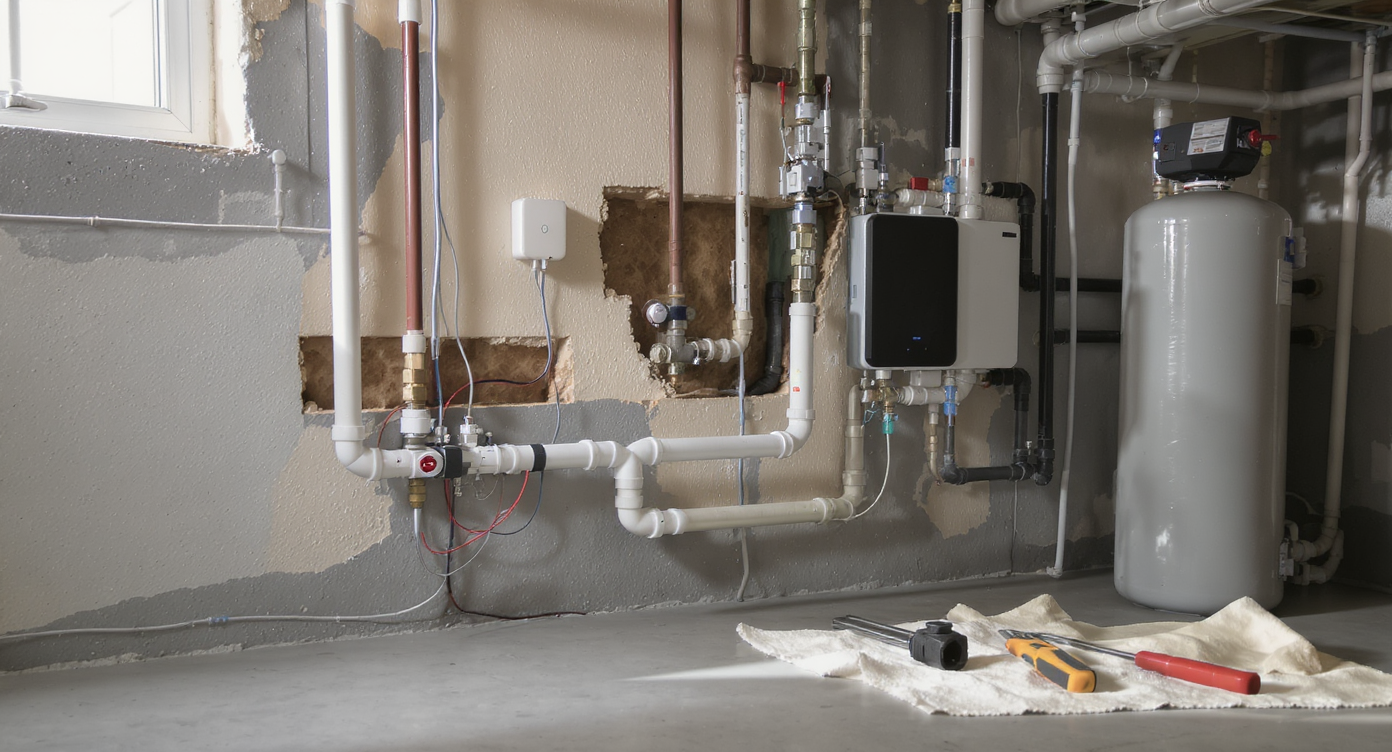
A smart water shutoff valve installed at the main entry point, replacing a manual valve—highlighting ideal positioning and setup challenges.
A smart shutoff valve, whether Z-Wave, Wi-Fi, or otherwise connected, is designed to sense leaks or respond to remote commands—immediately shutting off your home’s water supply. These devices can deliver real peace of mind, particularly in homes vulnerable to basement flooding or undetected drips. Some models completely replace traditional valves, while others sit atop existing manual valves and mechanically turn them as needed. Choosing the right configuration for your home's plumbing is core to a successful upgrade. Positioning is just as critical as technology. Designers often suggest placing the automated valve as close as possible to where the main water enters the house. This ensures all downstream plumbing, including water softeners and potential failure points, can be isolated in a crisis. Where space is tight or access is awkward, modifications—sometimes involving drywall removal or new plumbing runs—may be required. Homeowners frequently discover that even straightforward setups quickly become complicated given these site conditions.
Expert Insight
A homeowner, determined to modernize their plumbing and confident in their research, set out to install a smart shutoff valve one Saturday morning. After encountering unexpected spacing challenges behind the water softener and realizing they lacked some critical fittings, they faced mounting stress about restoring water service before their family returned. Ultimately, a call to a local plumber saved the day—turning a stressful project into a manageable afternoon, and instilling new respect for the balance between DIY spirit and technical expertise.
-
DIY vs. Pro: Weighing Skills, Cost, and Compliance
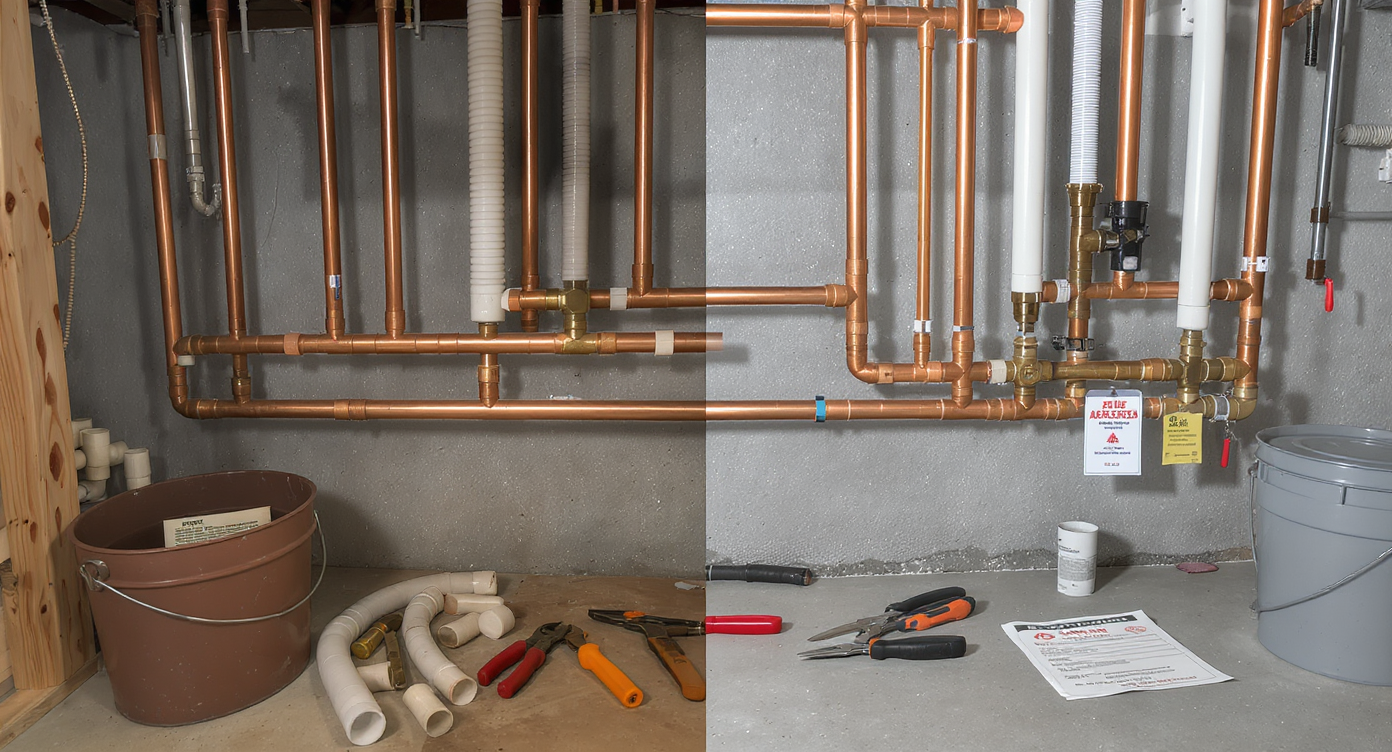
Side-by-side real-world comparison of DIY versus professional water shutoff valve installations, highlighting cost, skill, and compliance differences.
Deciding whether to approach this installation as a do-it-yourself project or engage a professional turns on several axes. First is a realistic assessment of your own plumbing experience. While some homeowners are comfortable sweating copper or joining PEX, many find mains plumbing stressful due to the potential for leaks and immediate water damage. Tools and materials also matter—a job that looks manageable with SharkBite fittings or PEX rings may become complex if your home uses copper, galvanized, or less common piping. Regulatory compliance adds another layer. Local and state codes often restrict pipe types in potable water systems. For example, using PVC on residential water lines is prohibited by code in much of the United States, regardless of what’s available at the hardware store. Materials not certified for potable supply can lead to insurance issues and force costly redo’s during resale. A qualified plumber is well-versed in these requirements and can help future-proof your upgrades. There is also the issue of time investment and risk tolerance. A relatively quick professional install may save you hours and lower the risk of an expensive error. Commentary from real estate professionals, as observed in Are DIY Renovations Worth It for Resale?, underscores that visible craftsmanship and compliance deeply affect resale value—a consideration worth factoring alongside cost.
-
Selecting Materials and Navigating Code
For most smart valve retrofits, the main questions center on pipe compatibility, pressure ratings, and physical fit—plus how all this aligns with local building codes. Modern automated valves are designed to accommodate a range of setups, but existing layouts can present surprises. In many homes, copper and PEX are the most common supply materials. PVC, while affordable and easy to work with, is typically reserved for exterior or underground water mains and is restricted for internal potable supply in several states. Within the wall, transitions between materials require certified, pressure-rated connectors—ideally with the fewest joints possible to minimize leak potential. For example, homeowners may encounter recommendations to use flexible connectors, such as SharkBite, in accessible and visible areas. While these fittings are celebrated for DIY simplicity, some plumbers caution that their longevity is not on par with soldered or compression fittings. Ultimately, your choice should be driven by both what is legal and what is reliable for the long-term. If your installation requires rerouting or new ball valves, keep in mind the gear you use now must support the entire plumbing system’s pressure for years to come.
-
Anecdote: When Weekend Ambitions Meet Plumbing Reality
Midway through an ambitious weekend, a homeowner sets out to automate their water shutoff—armed with online tutorials and plenty of optimism. After carefully measuring and gathering supplies, they realize the new valve won’t fit behind the softener without either extensive pipe modification or opening a section of drywall. Hours pass as the layout grows more complicated than expected. Ultimately, facing mounting nerves about making a mistake with the main water line, they choose to call a plumber for the final connection. The relief is palpable as the job is finished quickly—and the family has water before dinner. In this common scenario, what started as a manageable upgrade evolved in complexity, reinforcing the value of knowing your limits and calling in expertise when warranted.
-
Common Mistakes to Avoid
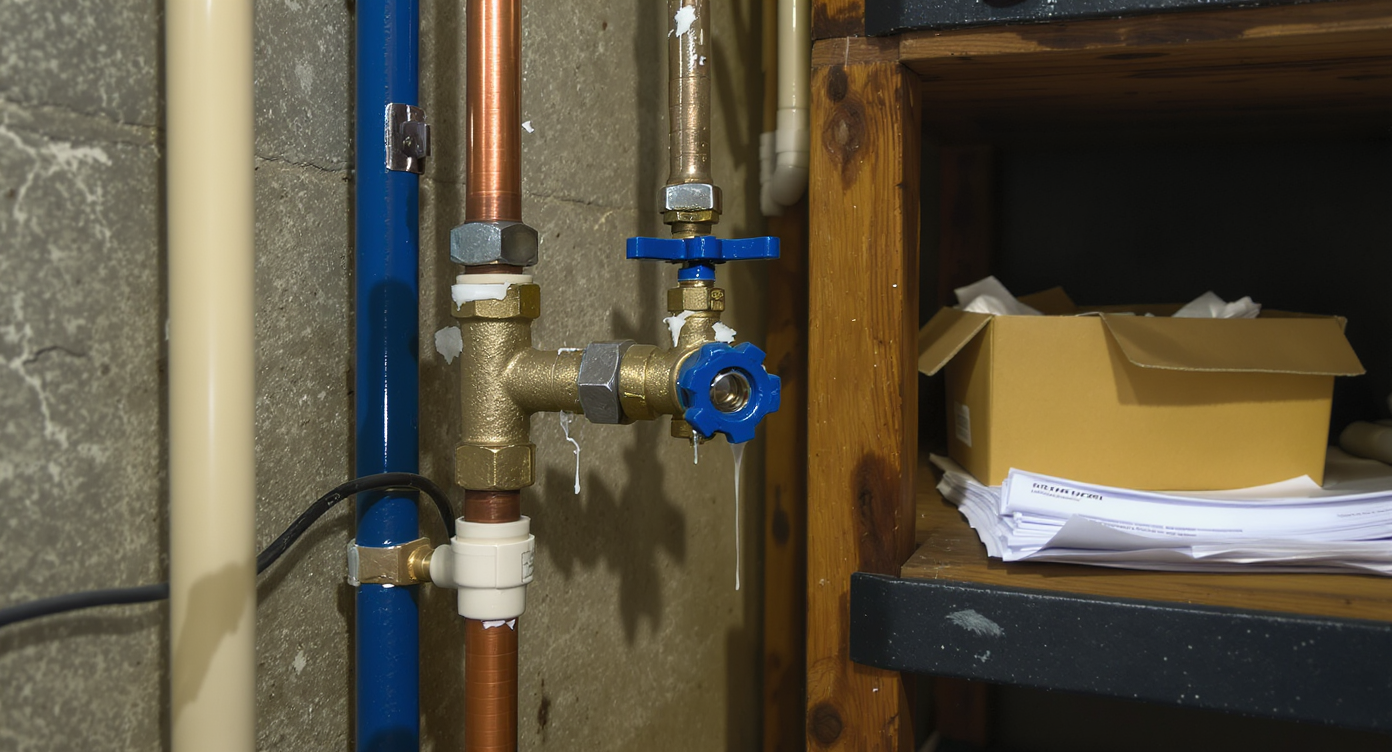
A common setup mistake: smart valve installed with improper materials, lacking a manual shutoff, and disregarding permit forms nearby.
Many homeowners, eager to embrace smart plumbing, underestimate the role of local code or the nuances of material compatibility. Common pitfalls include installing PVC where not permitted, positioning the smart valve downstream of devices that could still leak, or relying on push-fit connectors in inaccessible locations. Rushing to turn the water supply back on before adhesives or fittings are fully set creates avoidable leaks. Another overlooked risk is neglecting redundancies, such as retaining a manual shutoff in addition to the automated one. Even the most advanced devices can fail, and backup options are invaluable in an emergency. Finally, skipping permits or bypassing code-compliant fittings may seem quicker but often leads to greater costs in the long run—especially when it comes time to sell.
-
Tips and Expert Insights
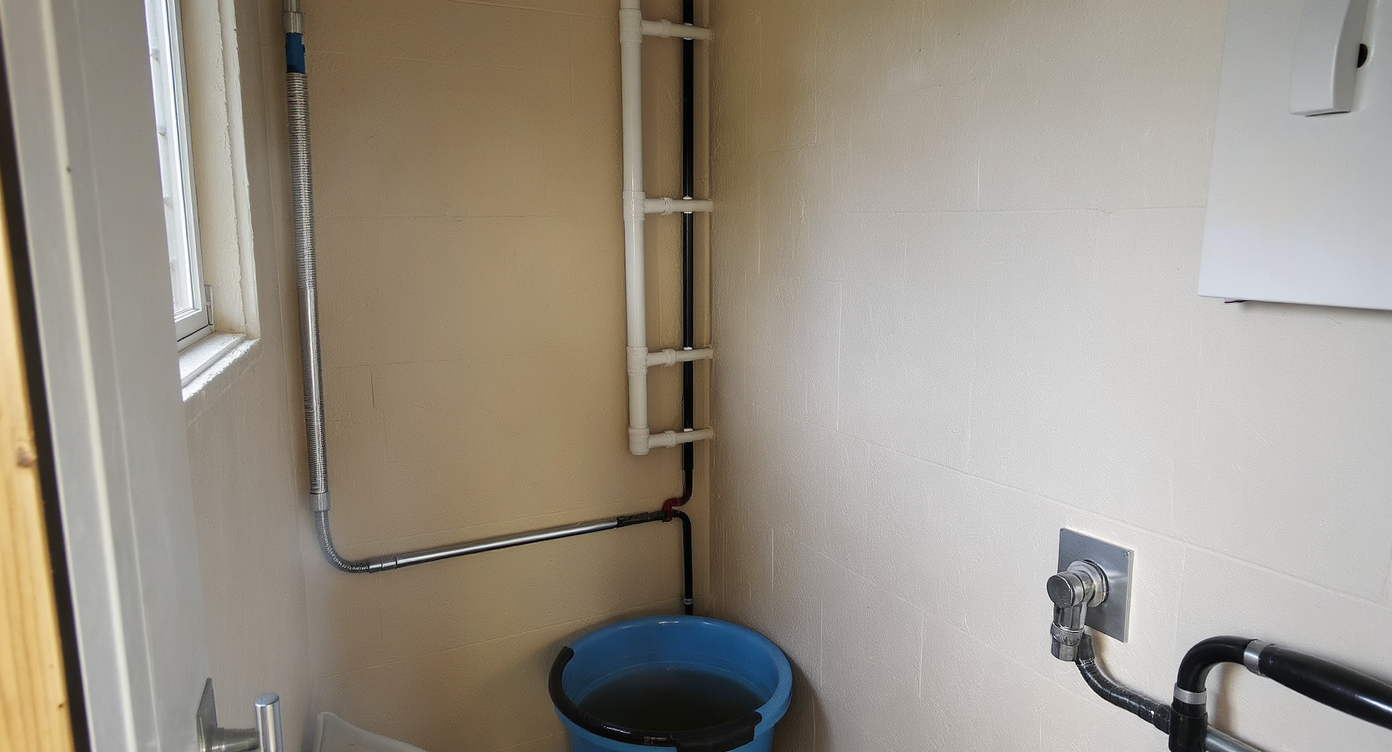
Professional-grade automated water shutoff valve at main line entry, integrated with smart panels and tested before finishing walls.
Experienced plumbers and designers often advocate a conservative approach. Place the automated shutoff as close as possible to the water entry point, upstream of all appliances and softeners, to maximize protection. Always check municipal requirements for piping and pressure ratings. If you decide to DIY, prioritize accessible connections and consider investing in quality tools rather than quick-fix fittings. For those less comfortable with system plumbing, one practical scenario is to have a plumber rough-in the required valves and fittings, then handle the smart device installation yourself, blending professional security with personal satisfaction. With any upgrade, test under pressure and monitor over several days before finalizing drywall or finishing touches. Furthermore, when planning other major tech additions, such as smart thermostats or security devices, it’s worth ensuring their installation also adds tangible value—according to our review of best smart home upgrades that increase property value, prospective buyers increasingly appreciate intelligent yet reliable features.
-
How to Use This in Your Next Designs
The decision to automate water main shutoff is best made alongside other home infrastructure upgrades. For new builds or extensive remodels, plan in advance for the valve’s physical space and ideal placement. Specify code-compliant, long-lasting materials upfront, and route pipes so that emergency access remains possible. For retrofits, assess obstacles such as wall proximity and existing appliance hookups—an awkward configuration can multiply labor and cost. If you’re working with clients, clear communication about compliance, warranty, and maintenance responsibilities helps set realistic expectations. Most of all, resist the urge to treat major plumbing work as a casual weekend project unless you are fully confident in your skills and the local rules. Proper planning, or a call to a licensed professional, delivers returns in both peace of mind and long-term home value.
-
Visualization: Picture-Perfect Plumbing Upgrades
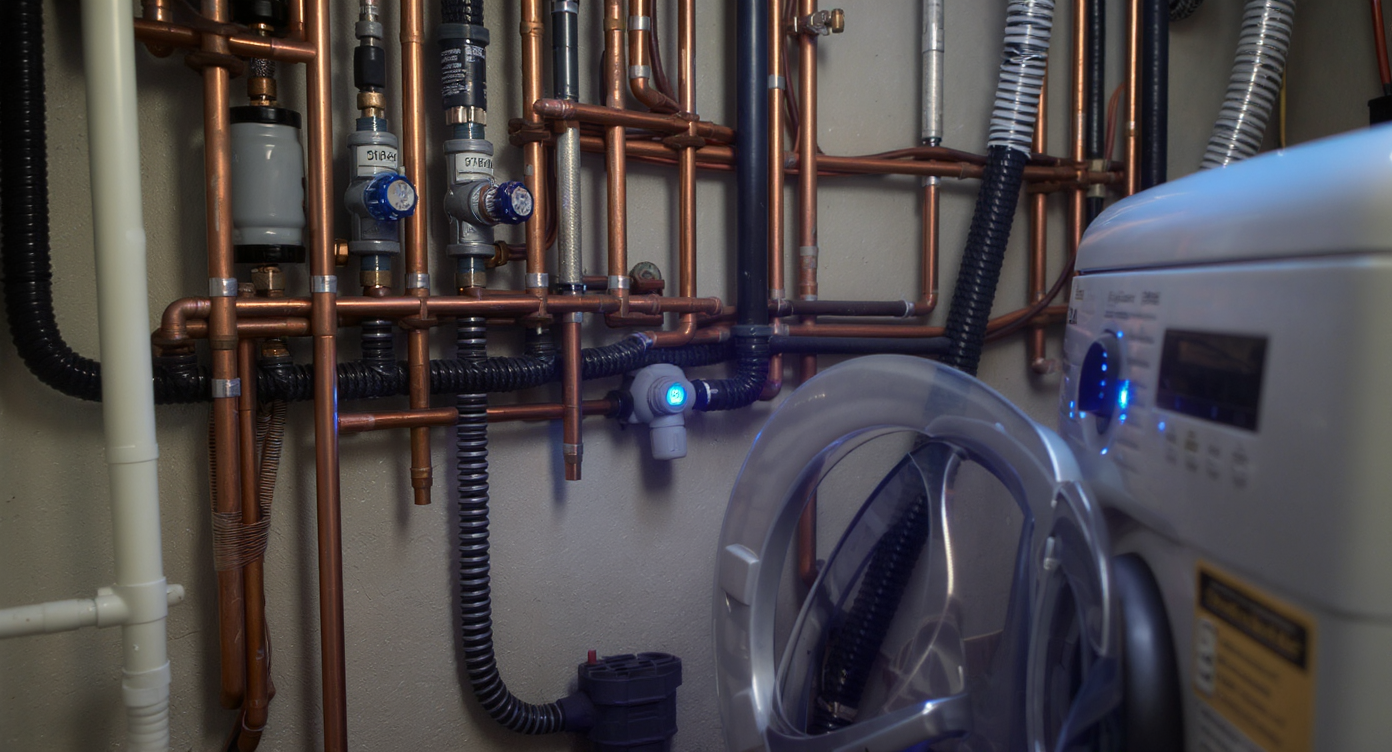
A clean mechanical room with a smart water shutoff valve and manual backup in place, demonstrating a realistic, code-compliant plumbing upgrade.
Imagine: A tidy mechanical room, clean pipes feeding into a blue-glowing smart shutoff valve just inside the wall, accessible for maintenance and easily testable in a pinch. Nearby, the original manual shutoff remains within reach, offering redundancy. The device flashes an alert during a washing machine cycle—water cuts off instantly, with no panic or mess. In another home, a plumber works methodically to reroute copper pipes, ensuring no unsupported joints and every connection up to code. Over the years, the system requires minimal attention despite several power outages and appliance upgrades, quietly protecting the home investment from disasters both large and small.
Visualization Scenario
Picture a mechanical closet where neat, labeled pipes converge against the fresh paint. Just above the entry point, a compact smart shutoff valve hums quietly, alert and ready. The plumber who helped with the install left extra space and clear instructions, giving the family confidence to handle minor repairs and automate home safety. Years later, when selling, the buyers are impressed by the thoughtfulness and compliance, making the home stand out in a competitive market.
Smart Shutoff Valve Installation FAQ
Some inline solutions fit directly onto existing manual valves provided there is enough clearance, but limited space or incompatible valves may require pipe modifications.
Does a DIY install affect my home’s resale value?
Poorly executed or non-compliant plumbing can negatively impact resale value, while expert execution and documentation can boost buyer confidence, as seen in our analysis of DIY renovations and resale.
Which pipe materials are best for installing automated shutoff valves?
Copper and PEX are preferred for most residential applications. PVC is generally not allowed for interior potable supply lines in many regions.
How should I position smart shutoff valves relative to appliances?
Place the valve as close as possible to where water enters the home and upstream of appliances like water softeners to maximize protection.
Where can I learn more about integrating smart upgrades into home design?
Additional information on high-value technology upgrades is available at ReimagineHome.ai.
Smart Home Plumbing: Balance Ambition and Prudence
Integrating smart water shutoff valves can be both a savvy home upgrade and a test of your comfort with high-stakes DIY. The success of such a project lies in understanding your home's unique plumbing, local regulations, and the potential impact of even small mistakes. Smart upgrades require more than good tech—they demand thoughtful planning and respect for the legacy systems they complement. For homeowners, the best path is often a blend of careful research, respect for expertise, and a realistic view of where to invest or save. When in doubt, leaning on professionals preserves your home’s value and your own peace of mind. For more guidance on using technology to enrich your living spaces, visit ReimagineHome.ai.