7 Essentials to Accurately Estimate Home Addition Costs in Early Planning
TL;DR
Estimating the true cost of a home addition in the early planning phase is challenging but attainable. Understanding local code challenges, calculating per-square-foot estimates, and preparing for hidden costs are crucial. This list explores the foundational steps and professional insights that provide an accurate and realistic budget for remodel projects of any size.
Why Early Cost Estimation Guides Your Remodel
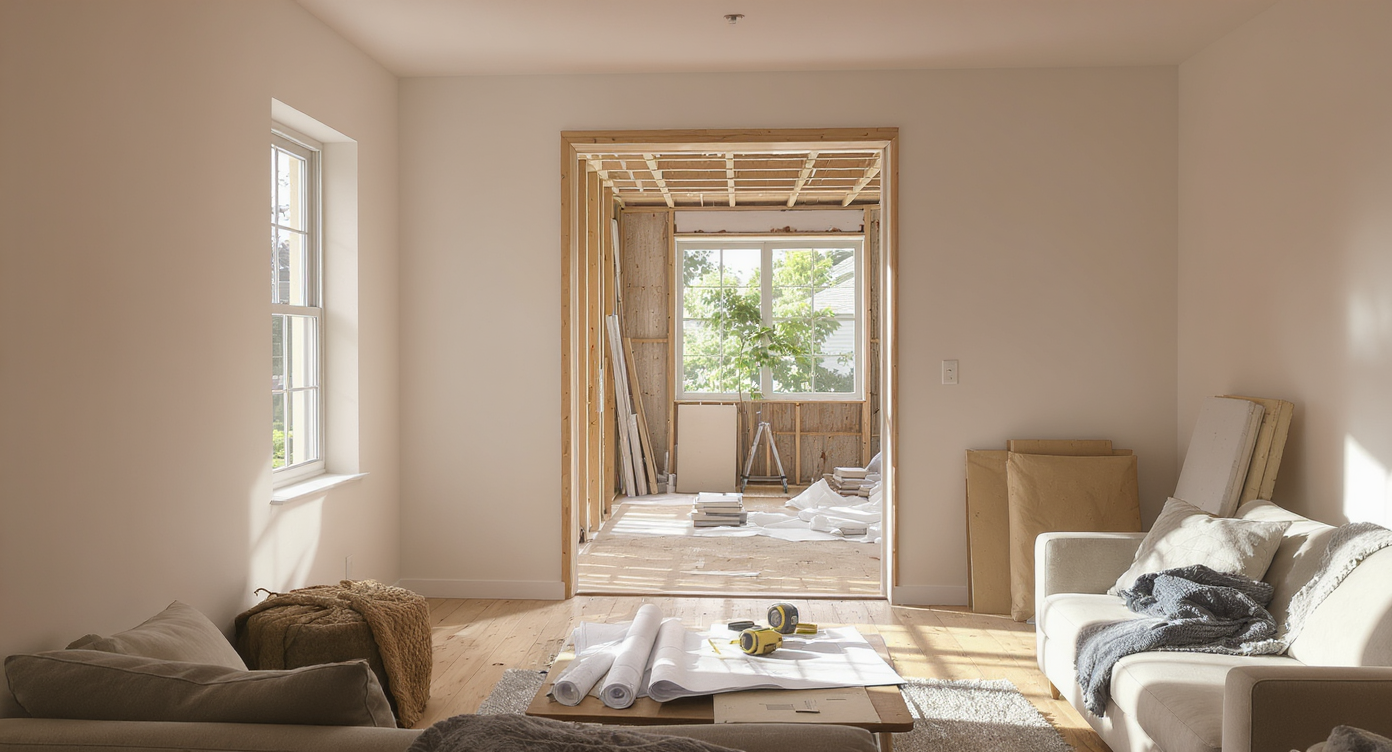
Existing living space seamlessly transitions to an unfinished area with plans and tools, depicting the early decision-making phase of a home addition.
For homeowners considering an ambitious remodel project, the desire to expand a home often arises from a need for more space rather than a pursuit of luxury finishes. Early cost estimation becomes critical so you can make confident decisions about both the house you buy and the budget you dedicate to future additions. Whether you’re grappling with suitability in a tight market or looking for creative ways to customize a starter home, knowledge is power. Remodel projects that add square footage, second stories, or even a modest extension quickly introduce complexity, from regulatory hurdles to the real impact of cost estimation. If you approach this process informed and systematic, you can avoid missteps that often derail renovation plans. This listicle outlines a step-by-step approach, focusing on real-world judgment, industry best practices, and actionable insights tailored to early-stage planning.
-
1. Start With the Right Square Footage Estimate
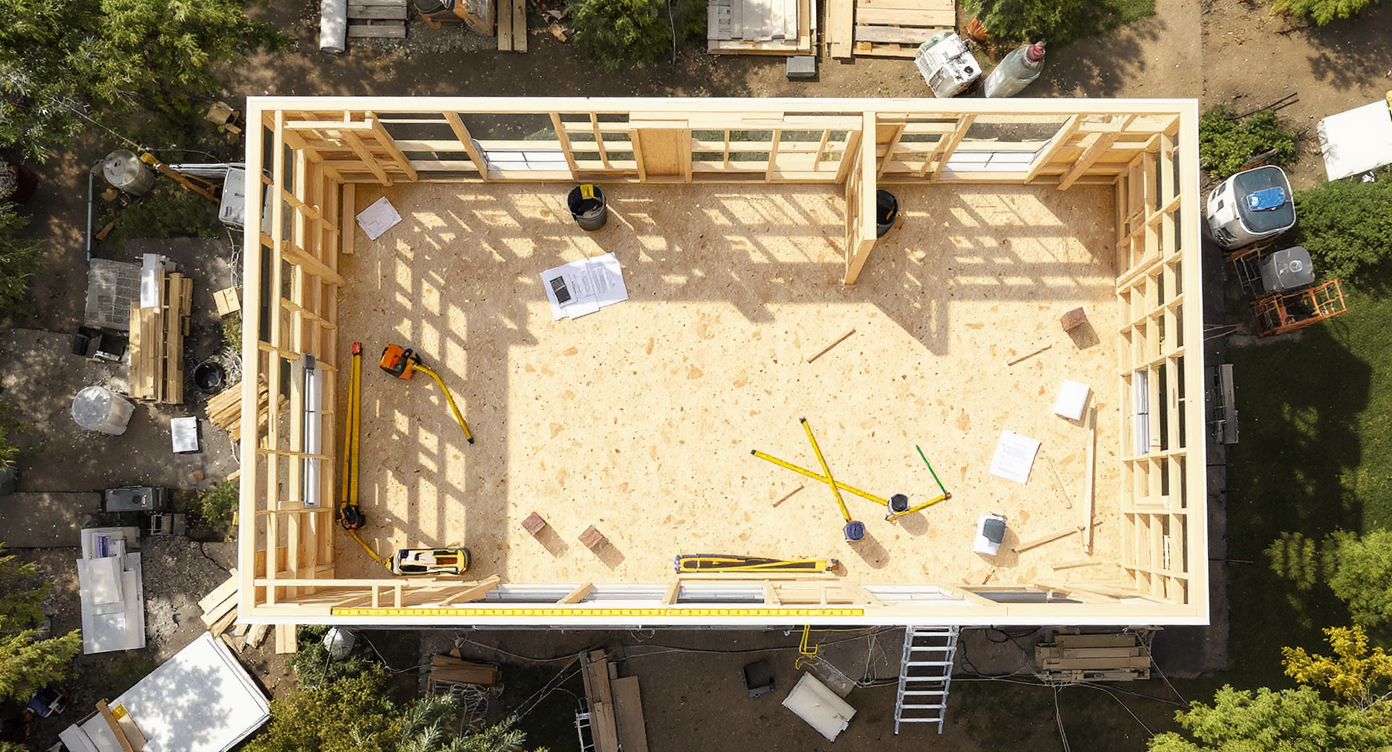
A realistic construction site: measuring the exact square footage of a home addition with exposed framing and detailed project documents nearby.
When estimating the cost of an addition, many homeowners default to a per-square-foot method. While this provides a helpful ballpark, professionals warn that these averages can swing widely based on region, finish level, and whether you are adding specialized spaces such as bathrooms or kitchens. For example, national averages often suggest $125 per square foot for bare-bones contractor builds, but inclusive of permits, plumbing, and multiple stories, that figure can rise sharply. Urban locations or areas with complex permitting, like certain parts of New Jersey, are likely to see higher figures, while more lenient regions may offer savings. Always clarify what a square footage estimate includes: structure alone or all interior build-out and basic finishes.
-
2. Understand Local Building Codes Early
Jurisdictional differences can be more influential than many expect. Some counties may streamline additions with a straightforward permitting process. Others, as often noted by those who have worked across state lines in the Northeast, present a maze of zoning restrictions, inspections, and additional fees that directly impact both cost and timeline. In places like New Jersey, complex zoning and rigorous inspector standards can lead to extra site visits and unplanned expenditures, whereas regions like Bucks County, Pennsylvania, tend to offer more predictable permitting. Research the municipality where your remodel project will be located, consulting both the building department and local contractors for insights into typical timelines and additional costs. Early attention to code requirements prevents surprise expenses and delays after the design phase.
-
3. Factor in All Functional Upgrades and Utilities
Home additions often involve more than just walls and a roof. A thoughtful cost estimation must include plumbing for new bathrooms or kitchens, updated or separate HVAC for larger footprints, and appropriate gas and electrical lines. For layouts and plans that call for stacked laundry units, new staircases, or in-suite heating, each layer adds both labor and hard costs. Locating bathrooms one above the other or sharing walls with kitchens helps streamline plumbing and reduce overall expense. Choices like L-shaped or U-shaped staircases are not simply aesthetic—they have real implications for budget and construction types. Communicate all planned functions at the design stage: surprises accumulate fastest in areas where utilities are expanded.
-
4. Investigate Foundation, Roofing, and Structural Complexity
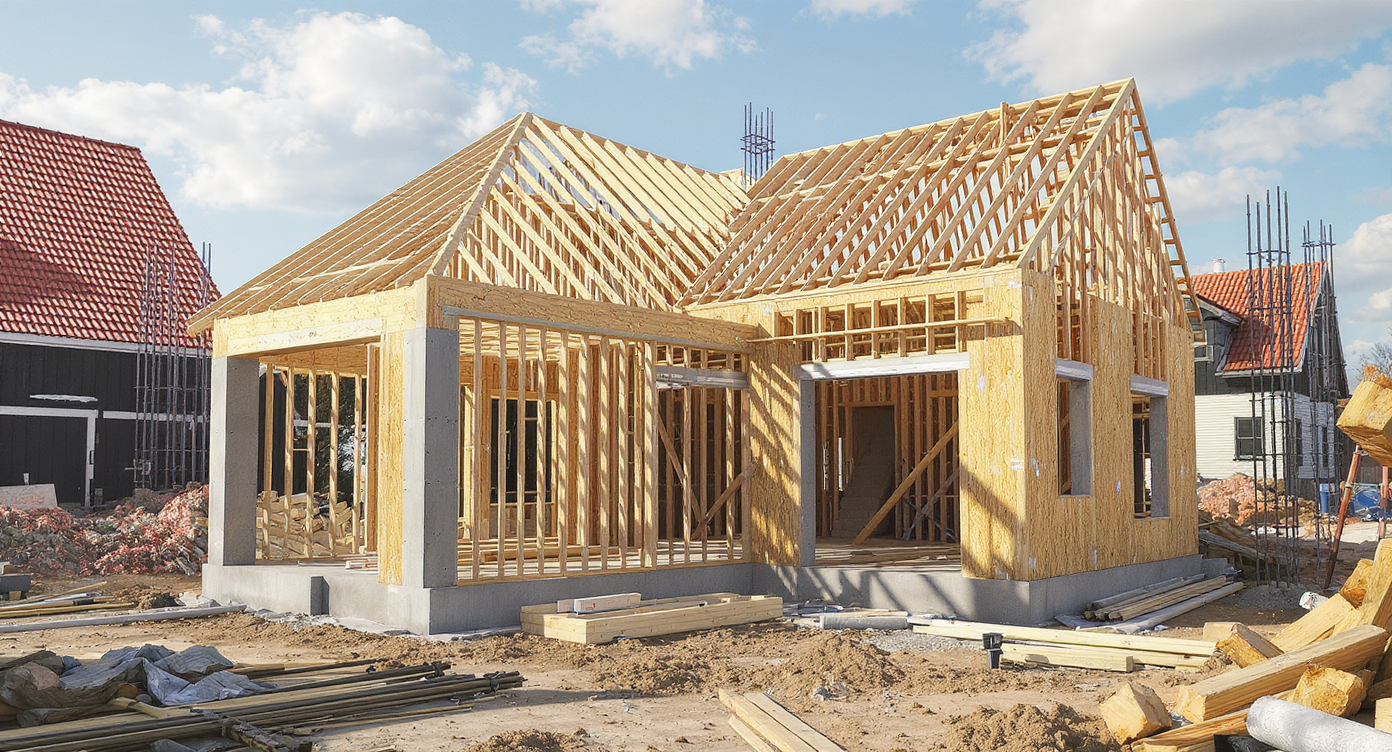
Realistic scene of an L-shaped home addition under construction, highlighting foundation, roofline complexity, and structural framing.
Additions that extend a first floor or add a second story require careful consideration of foundational and structural costs. An L-shaped extension or step-up may offer appealing layouts and plans but can necessitate new foundations, significant structural reinforcement, and custom rooflines. These factors increase both material and labor requirements. In early planning, basic finishes may keep costs lower, but unique shapes and the addition of staircases can raise the price. Layout complexity should be balanced with overall programmatic needs and budget sensitivity, especially if keeping project scope manageable is a key priority. Consulting structural engineers or experienced design-build contractors provides a reality check before committing to any design direction.
-
5. Prepare for the Realities of Contractor Bids and Lending Rules
If you plan to use a renovation loan, most lenders require licensed contractors for all loan-funded work, eliminating the cost-saving potential of tackling some projects yourself. This limitation is central for those who are super budget-conscious, as DIY may become infeasible. Professional labor rates, insurance, and proper approvals push costs up and narrow flexibility. Moreover, without a specific property selected, it can be challenging to gather firm bids from contractors. In the absence of real bids, use detailed material lists, regionally adjusted labor estimates, and online platforms like REimagineHome.ai to model rough costs and explore layout ideas prior to purchase. Remember, early cost estimation benefits from backup plans when labor is in high demand or loan compliance drives up project totals.
-
6. Budget for Overlooked Costs and Scope Creep
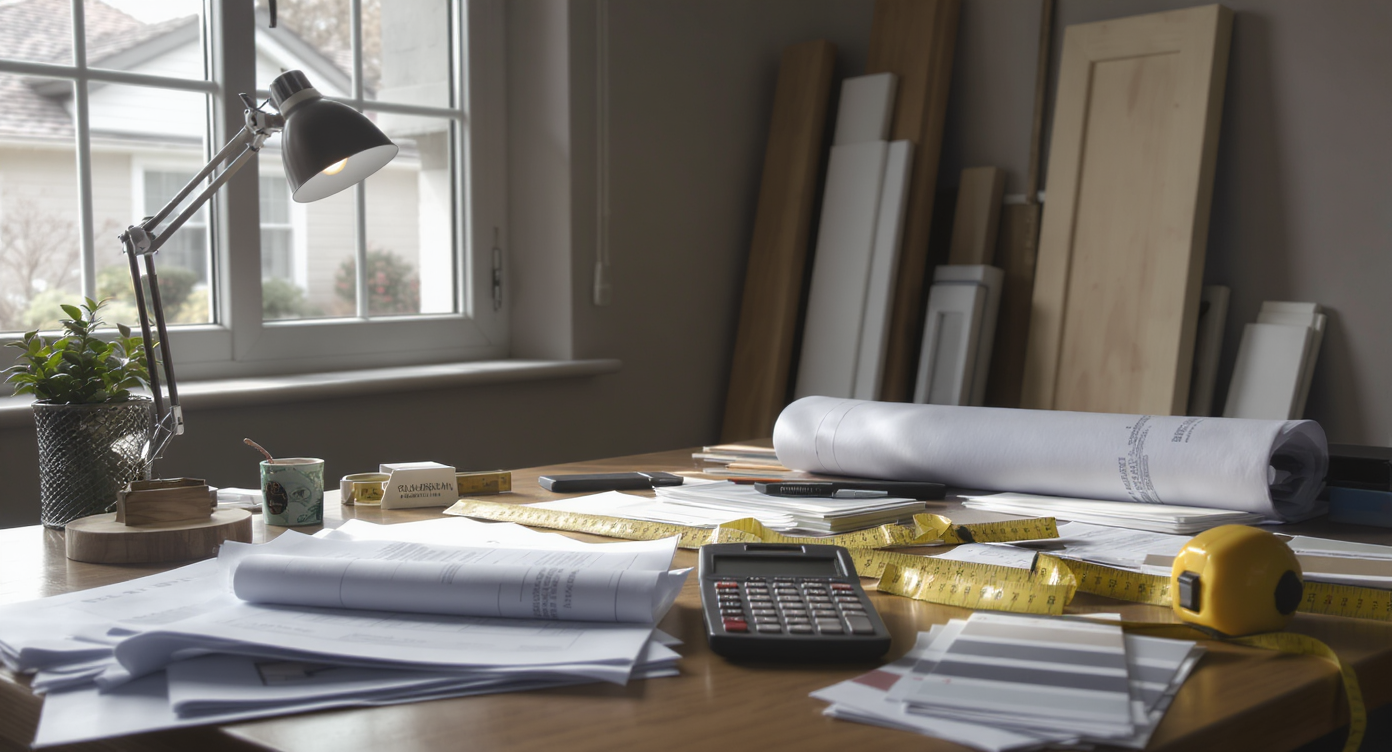
Desk with blueprints, permits, and upgrade samples, illustrating budgeting for overlooked costs and scope creep in home additions.
Even the most diligent up-front planning can miss certain costs. Permit fees, design and engineering expenses, contingency for hidden issues (like outdated wiring inside an older ranch), and cosmetic requirements that accumulate through the planning stage all contribute to the "real" number. As explored in the affordable renovation tips guide, building a buffer of 15 to 25 percent above your baseline estimate is prudent. Small, seemingly minor upgrades—solid-core interior doors, extra windows, or added stair turns—exponentially affect the total. Visualize your must-haves and rank them to avoid runaway enhancements that overwhelm the budget. Practically, scrutinize the scope and be prepared to edit ruthlessly as bids roll in.
-
7. Leverage Industry Insights and Real-World Examples
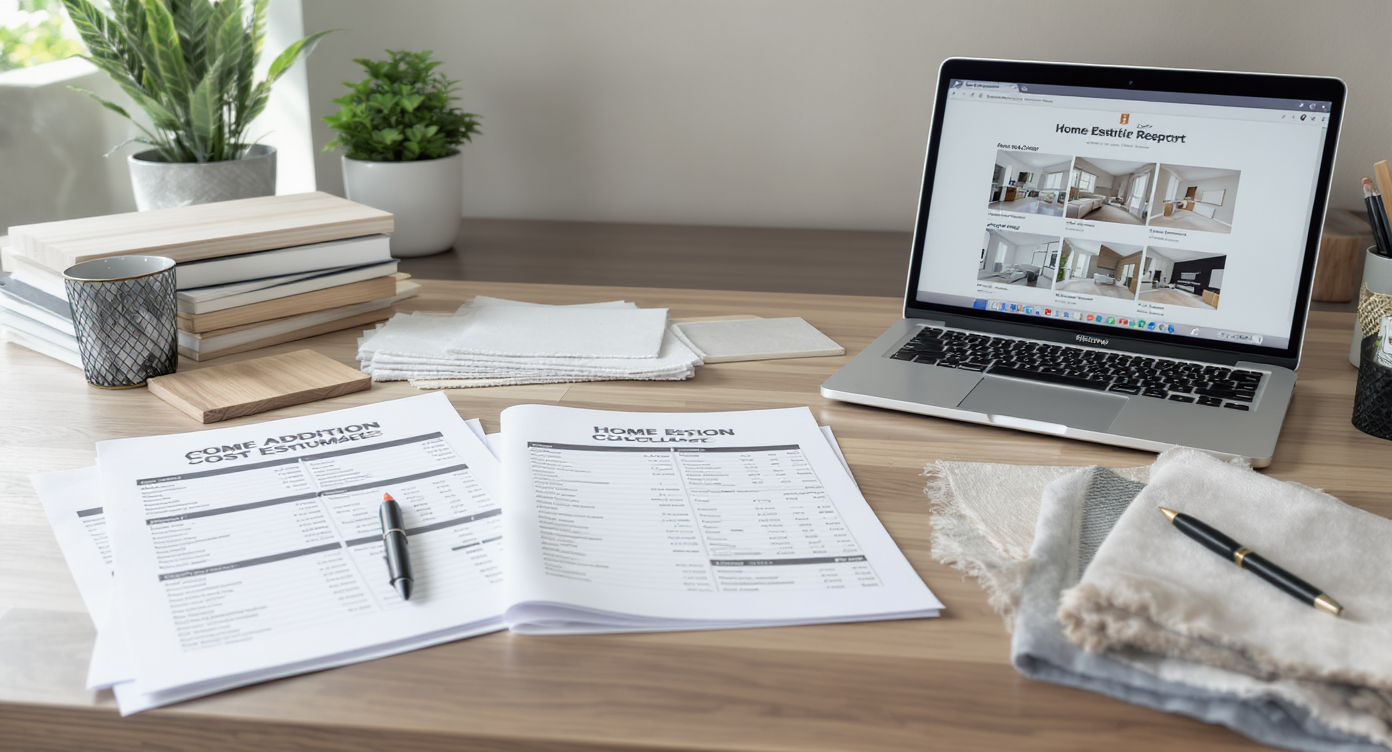
Real-world cost audit setup showcasing material samples, local market research, addition estimates, and digital case studies for home addition planning.
Learning from other remodel projects helps ground your expectations. According to interviews with real estate professionals, additions rarely recoup their value dollar-for-dollar at resale unless they provide highly desirable functions or are part of an upgraded primary suite. Owners who built modest, low-frills expansions often found that material costs alone rapidly approached six figures, even when self-performing labor. For a realistic audit of your plans, research similar additions in your local market, compare their cost outcomes, and evaluate performance at resale. Factoring in long-term value alongside upfront expenditures leads to more informed choices. Tap into online tools and case studies to test scenarios and build confidence in your cost assumptions.
Frequently Asked Questions About Home Addition Cost Estimation
Seek regional average pricing for additions using reputable construction cost guides. Factor in all functional upgrades and local permit requirements you expect based on the likely property type.
Why do cost estimates vary so much by location?
Local permitting, zoning, labor rates, and material availability all play significant roles. As seen in counties with stricter inspection standards, regulatory hurdles can add thousands to the total cost.
Does early planning with a layout tool help with budgeting?
Yes, using layout visualization platforms like REimagineHome.ai helps clarify scope and provides a visual breakdown for further cost discussions.
Should I expect to DIY any part of an addition if I use a renovation loan?
Most renovation loans require professional contractors for all project phases financed by the loan, dramatically limiting DIY potential and affecting labor costs.
How can I control costs and avoid budget overruns?
Rank priorities, include a 15 to 25 percent contingency, and reference project checklists. Staying accountable to your original plan and consulting cost-saving tactics avoids runaway expenses, as discussed in the affordable renovation tips blog.
Planning Your Addition With Clarity and Confidence
Estimating the cost of a home addition before you own the property is never an exact science. Yet, you can substantively reduce surprises by gathering granular details about expected spaces, understanding local permitting climates, and working with up-to-date models for everything from square footage to labor rates. Early diligence pays dividends—whether you’re maximizing a tight starter-home budget or crafting the ideal forever-home footprint. Digital platforms such as REimagineHome.ai make experimenting with layouts and finishes easier than ever, allowing for sharper cost estimation and more confident choices.