9 Things Homeowners Should Know When Hidden Electric Meters and Other Surprises Surface
TL;DR
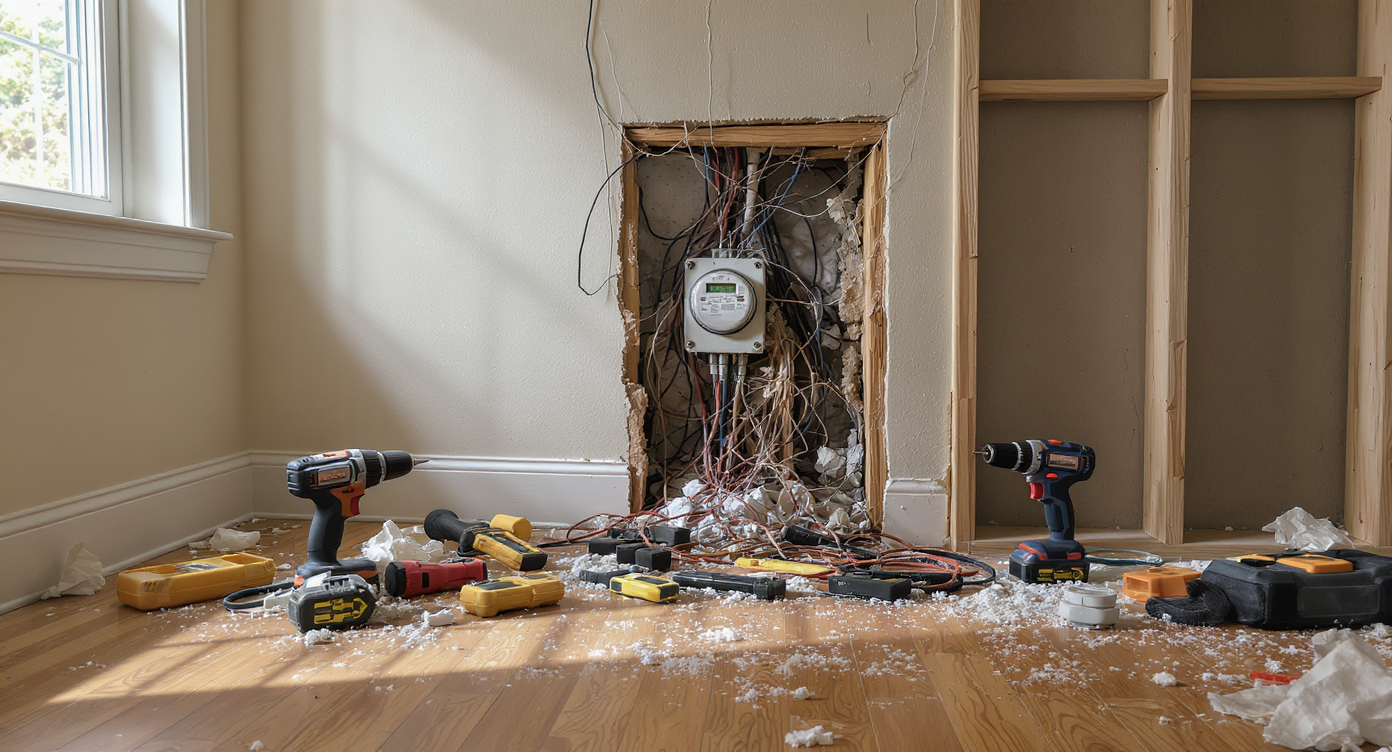
Discovering an electric meter hidden behind finished walls highlights some of the most overlooked, yet critical, risks of homeownership. From code violations to unpermitted work, hidden issues like these can trigger extensive remodeling & upgrades and lead to renovation regrets if not managed quickly and professionally. Knowing how to respond is crucial for your safety, your legal protection, and your home’s future resale value.
When the Walls Have Secrets: Why Hidden Electrical Work Matters
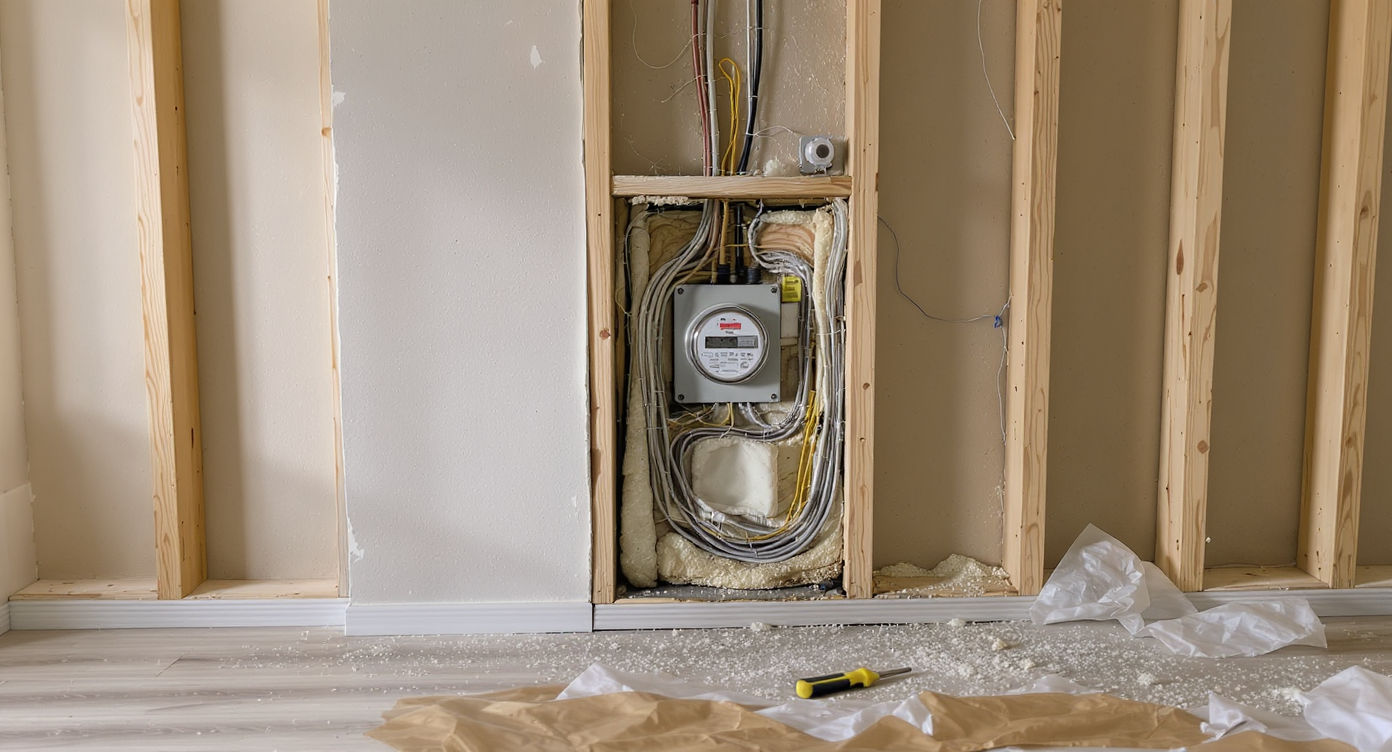
Renovation reveals a hidden electric meter inside a residential wall, illustrating the surprises homeowners may encounter during upgrades.
Homeownership is an adventure, but sometimes what you inherit behind walls or beneath floors can surprise or unsettle even the most diligent buyer. A recent scenario where an electric meter was found tucked inside a wall underscores the reality that hidden issues from past renovations can have costly and even dangerous consequences. Whether you are planning remodeling & upgrades or have just moved in, learning how to spot, assess, and address these challenges can mean the difference between a smooth refresh and lingering renovation regrets. For buyers and owners alike, understanding what to do when you confront out-of-sight infrastructure problems is vital. This guide breaks down what every homeowner should keep in mind if an unexpected discovery shakes up your renovation or maintenance plans.
-
1. Code Violations Often Lurk Behind Clean Surfaces
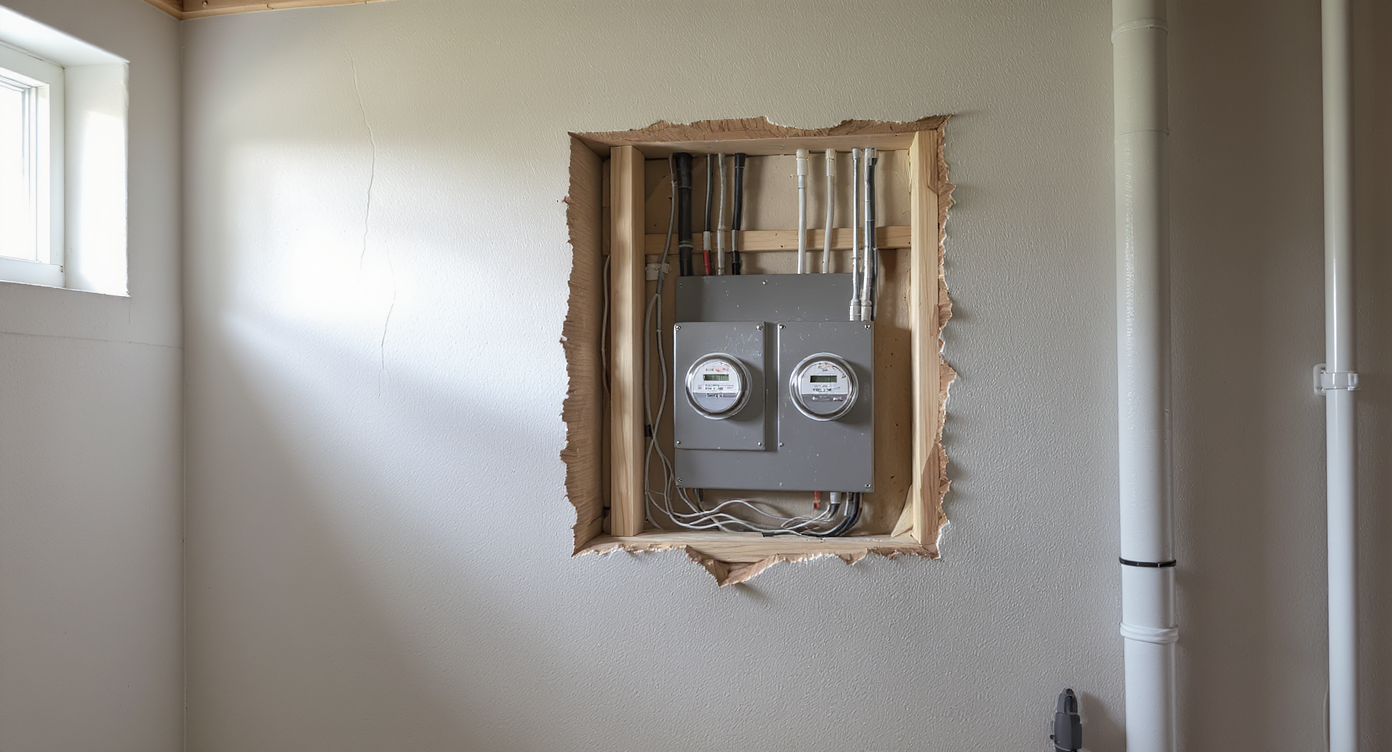
A hidden electric meter and service panel found improperly behind finished drywall, illustrating a typical building code violation.
A meter placed within a finished wall is a textbook code violation, but it is just one example of how prior work may flout safety standards. Electric meters and service panels require clear working space and must be readily accessible for maintenance, readings, or emergency shutoff. When codes are ignored, not only is the functionality compromised, but the safety risks multiply silently. Professionals regularly encounter meters, junction boxes, or wiring runs hidden by previous owners who likely chose shortcuts to avoid approval processes or expenses. Correcting these violations often becomes significantly more invasive—and expensive—than doing things right the first time. Homeowners planning upgrades should always start with a code-check, especially if the home shows signs of “creative” past renovations.
-
2. Unpermitted Work Can Lead to Unwelcome Surprises
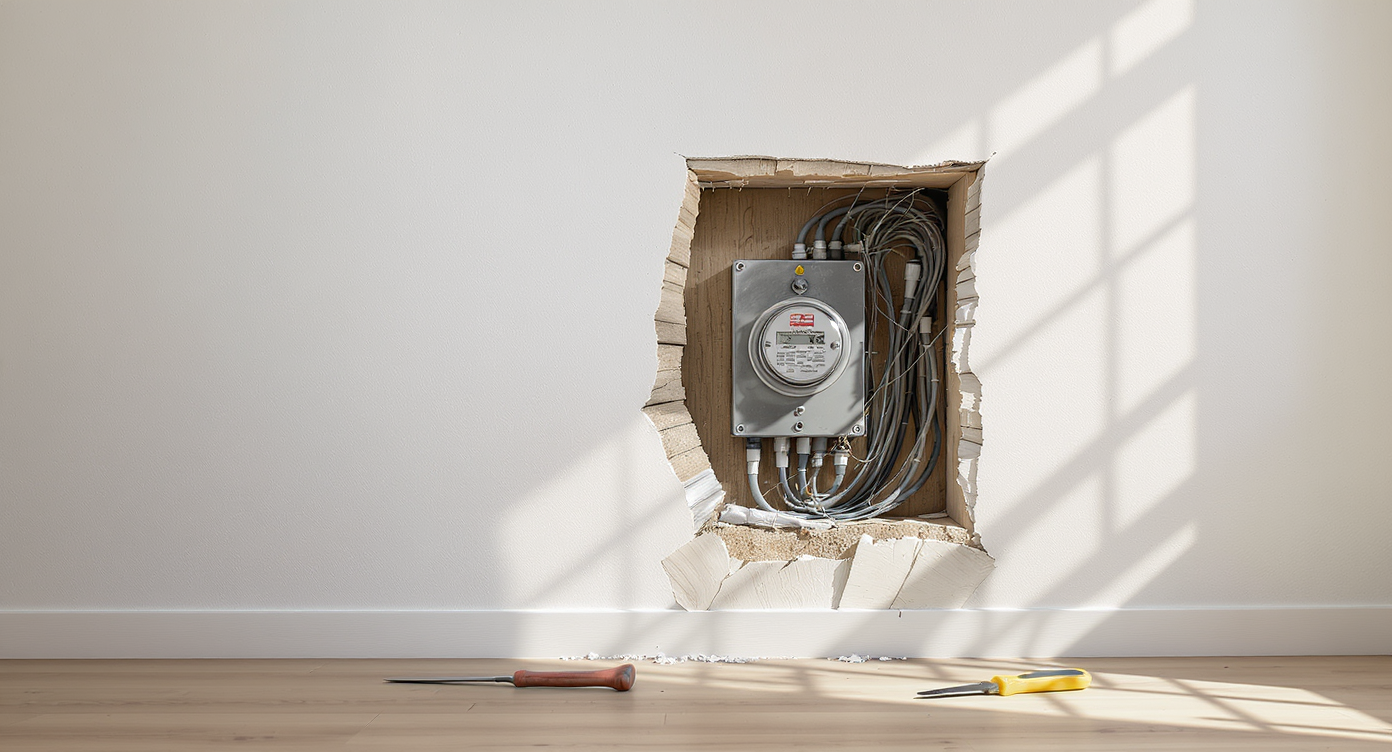
Unpermitted construction can hide critical electrical features like meters, creating costly and complex issues for unsuspecting homeowners.
Unpermitted additions, like enclosing a meter within new walls, can haunt current owners with real legal and practical troubles. If an inspector or the utility company discovers the hidden work, you could be compelled to open up finished spaces or entirely redo sections of your home to comply. As we explored in our analysis of first-time buyer pitfalls, lack of permitting not only undermines home value but can create a domino effect of compliance issues when it comes time for resale or refinance. Before starting any renovation, verify the permit history of the home, especially in suspect areas like additions, garages, or areas with altered electrical layouts.
-
3. Home Inspections Are Not Foolproof
An electric meter buried within cabinetry or wall construction sometimes gets missed even by seasoned inspectors. Inspection processes are only as good as access and documentation allow. Tight timelines, incomplete access, or lackluster diligence can mean major defects escape scrutiny. Our guide on the top home inspection loopholes underscores how buyers may need to insist on second opinions or more thorough inspections, especially in older homes or those with recent upgrades. When dealing with any hidden electrical component, consult a licensed electrician, not just the person who conducted your home inspection.
-
4. Electrical Safety Must Be Your First Priority
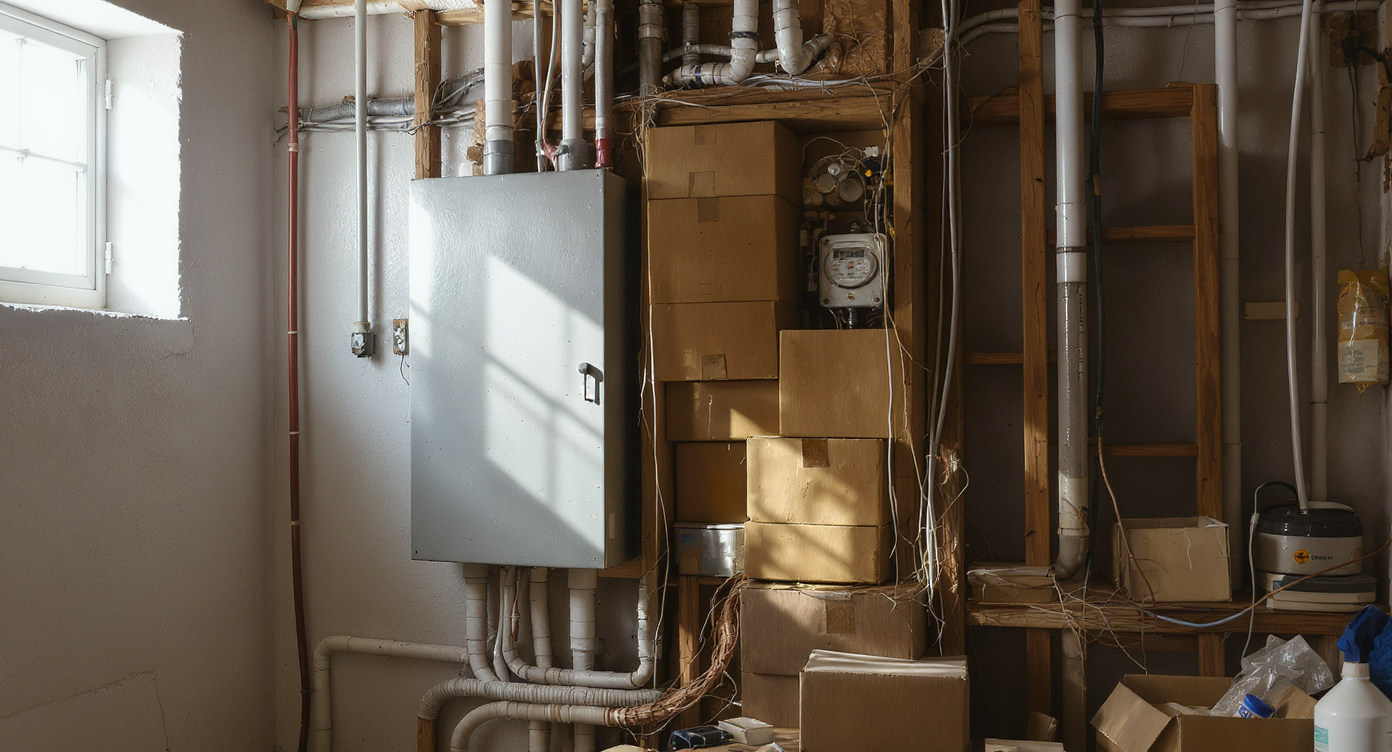
An obstructed electrical panel and hidden meter underscore the need for clear, safe access and adherence to electrical safety protocols.
Hidden meters, obstructed breaker boxes, and encased wiring can all present direct threats to safety. Code exists to assure that vital parts of your electrical system are both accessible and secured against accidental tampering or fire hazards. In practice, electricians will always advise clearing immediate access to equipment and ensuring all panels can be serviced without obstruction. If you discover a hidden meter or panel, schedule a professional evaluation immediately—you may need to re-route electrical service or even upgrade your panel. Never attempt complex electrical corrections as a DIY project. For minor cosmetic fixes, proceed cautiously, but leave any code or load-bearing work to licensed experts.
-
5. Remodeling & Upgrades Might Reveal More Than You Planned
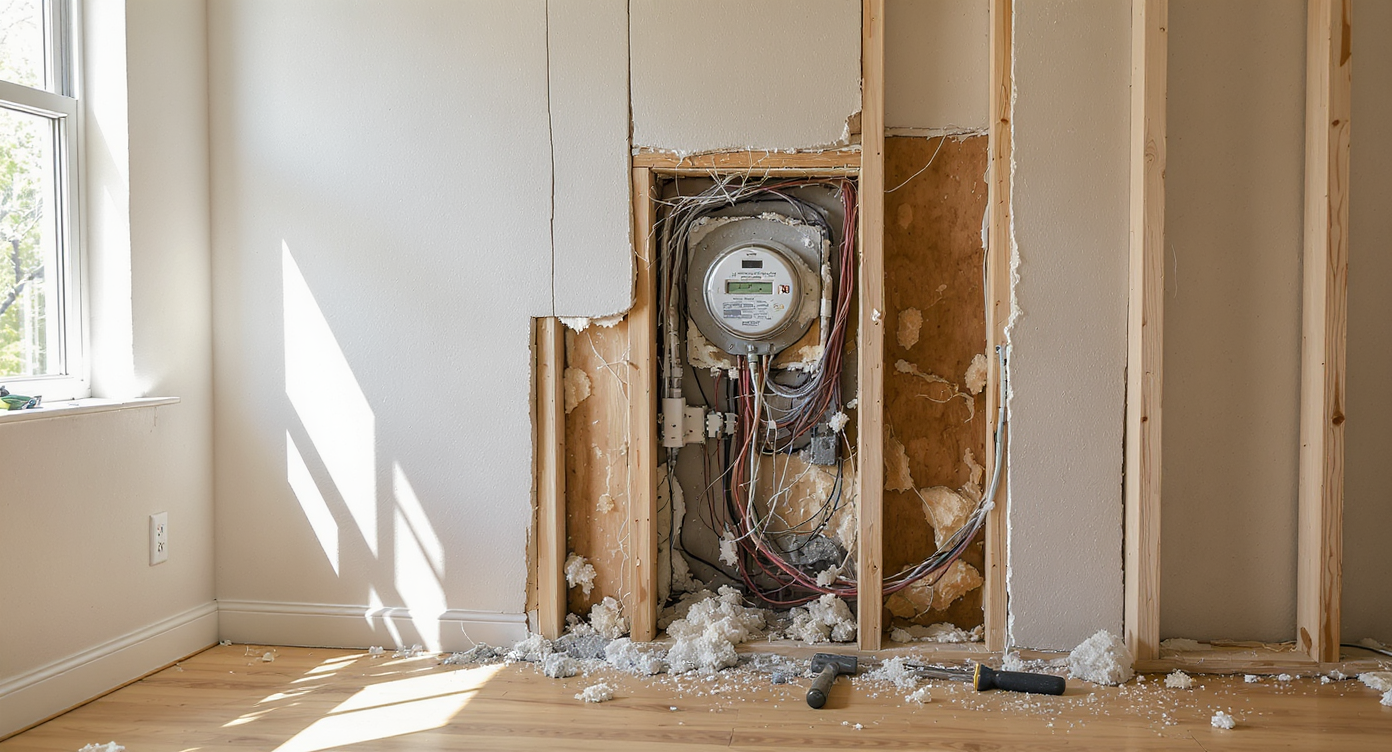
Remodeling can uncover hidden electric meters and wiring issues, emphasizing the importance of examining construction details behind finished walls.
When you peel back the layers of finished spaces, you can often find electrical, plumbing, or structural changes that diverge from the blueprints or property records. Discovering a meter inside a wall is just the tip of the iceberg—expect there could be accompanying hidden issues like undersized wiring, compromised stud bays, or poorly sealed junctions. If you are already planning remodeling & upgrades, budget for investigative demolition in suspicious spots, and set funds aside for contingency repairs. Utilizing platforms such as REimagineHome.ai can help homeowners simulate design and layout solutions before committing to invasive work, reducing the risk of unforeseen complications and cost overruns.
-
6. Documentation Gaps Complicate Resale and Refinancing
Buyers and realtors increasingly expect clear records of permitted renovations, especially for major changes like electrical upgrades. Without them, you could face lower appraisals, deals falling through, or additional pre-sale repairs. According to our guide on DIY renovations and resale worth, incomplete or undocumented improvements may leave future buyers skeptical, impacting your negotiating power. Keep meticulous records of any repairs made to rectify past code violations or hidden situations. This documentation is often more valuable than the renovation itself when the time comes to sell.
-
7. Legal Recourse May Be an Option—but Is Rarely Simple
Omissions in seller disclosures or missed defects in inspections can give homeowners grounds for legal action, but pursuing claims means time, expense, and uncertain outcomes. Consulting with both an attorney and a qualified home inspector is advised if you were sold a home with concealed code violations. Some buyers have found success recouping costs from negligent parties—yet as cases cited by professionals show, settlements often cover only a portion of the actual remediation expense. The best route is prevention through diligent due diligence before purchase.
-
8. Utility Companies Have Final Say on Electric Meters
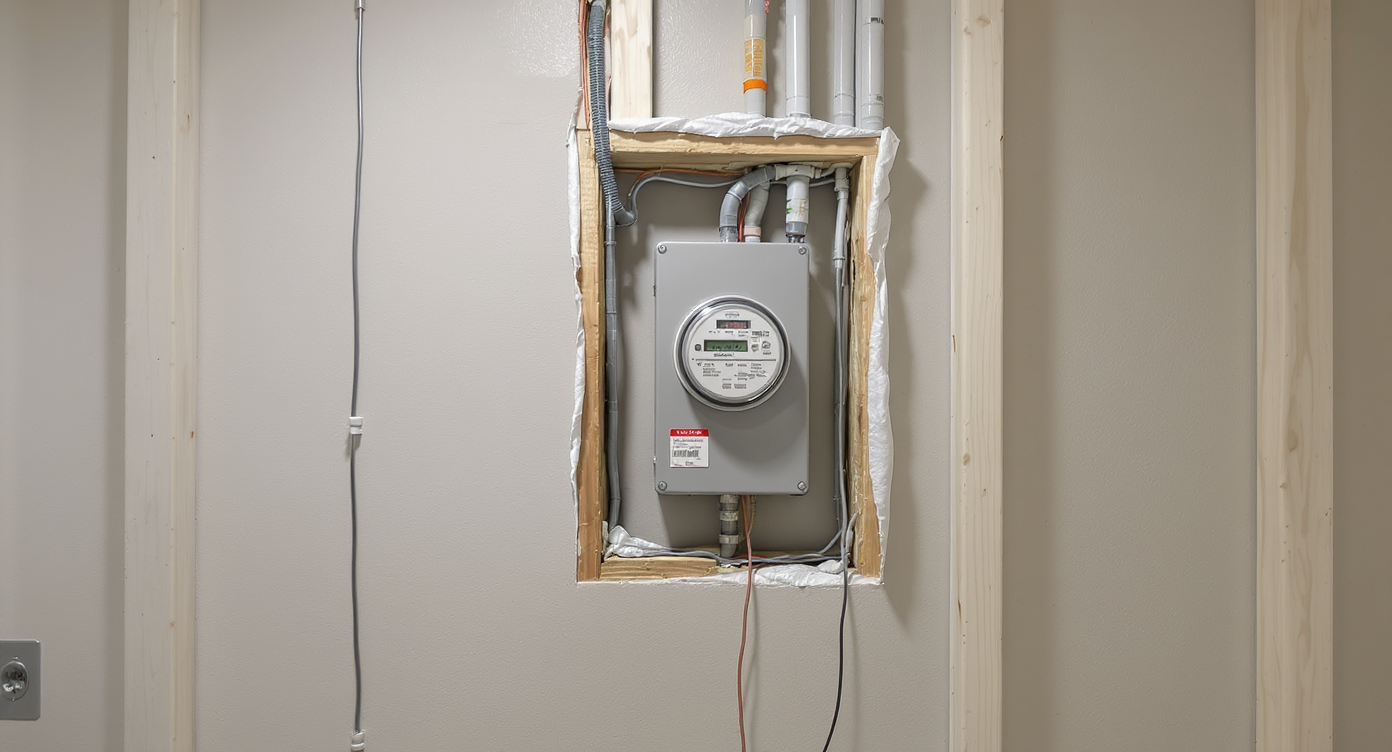
Residential utility room with drywall cut open around an electric meter, showing required access after a utility safety audit.
Even if prior renovations successfully concealed an electric meter for years, utility companies regularly conduct safety audits and have both the authority and incentive to require compliance. If a utility discovers an inaccessible or hidden meter, homeowners will almost always need to move it at their own expense, often including extensive opening of walls or rerouting of service lines. Some localities enforce codes more strictly, while others only respond to complaints or scheduled inspections. Homeowners should proactively reach out to their utility company for their latest requirements before attempting any major electrical work.
-
9. Renovation Regrets Are Best Avoided with Professional Guidance
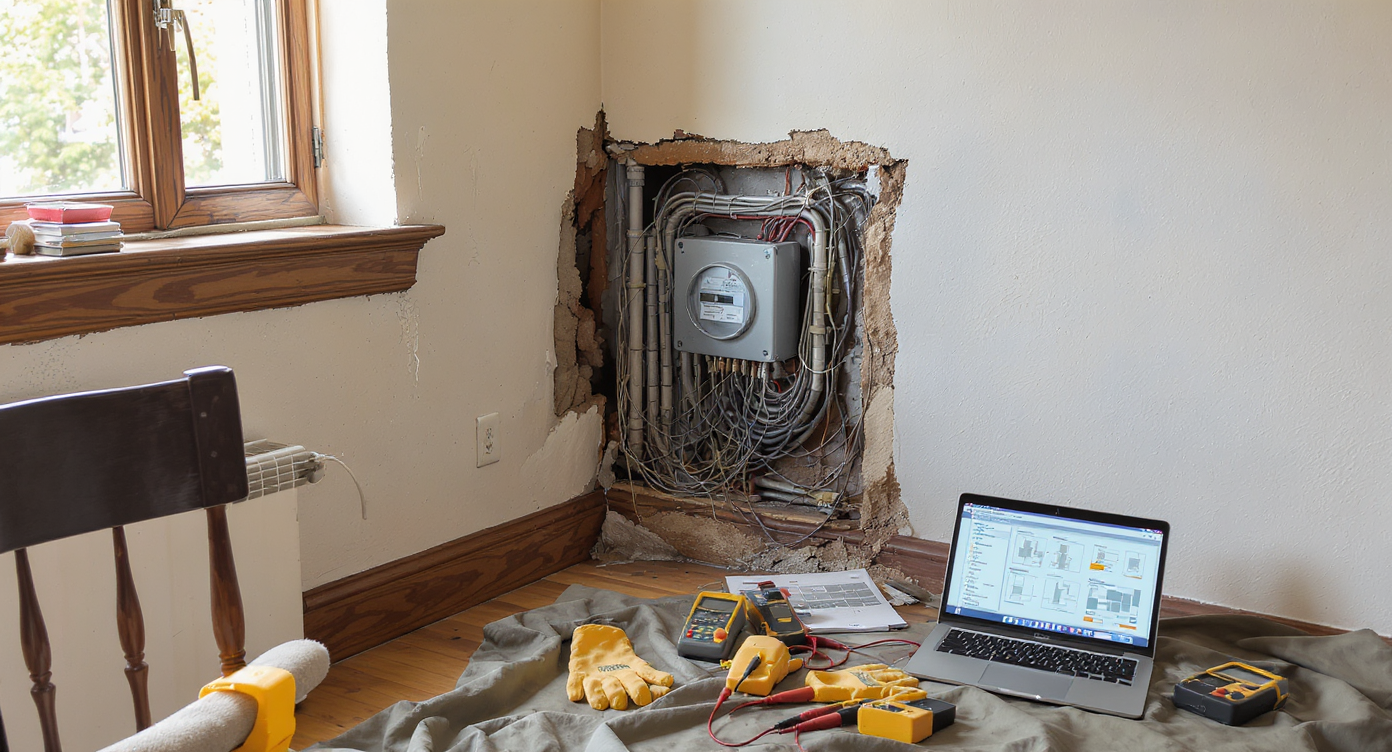
Exposed wall showing hidden electrical upgrades, a laptop with digital renovation plans, and professional tools for safe, expert-guided remodeling.
Trying to fix inherited hidden issues yourself often leads to renovation regrets, particularly in older homes subject to decades of ad hoc upgrades. The cost of reversing questionable past work, especially when electrical service is involved, can snowball quickly if not properly scoped and executed. Rely on licensed professionals for initial investigations, planning, and execution. Homeowners can use digital planning tools to explore potential layouts and finishes cost-effectively before committing to any physical demolition, reducing the risk of repeating past mistakes. Staying proactive and seeking out multiple expert opinions can help ensure straightforward, regret-free renovations.
Hidden Electrical Surprises: Frequently Asked Questions
Immediately prioritize safety: avoid disturbing the area, and contact a licensed electrician for a code-compliant evaluation. Do not attempt electrical work yourself.
Why do sellers or past owners hide meters and panels in walls?
This is often done during unpermitted additions to avoid the complexities of code compliance, sometimes in an attempt to improve a room's appearance or utility. Unfortunately, these shortcuts can create major issues for future owners.
Can hidden issues like this affect my home’s resale value?
Absolutely. Hidden code violations will likely need correction before a sale, and incomplete documentation might reduce buyer confidence and negotiating power.
How can I reduce the risk of renovation regrets when planning upgrades?
Work with licensed professionals to inspect suspicious areas and use digital resources such as REimagineHome.ai for layout planning before demolition or remodeling.
Is it possible to recoup costs if seller disclosures omitted major hidden issues?
Legal recourse does exist, but reimbursement is rarely full or quick. Prevention—thorough pre-purchase inspections and diligent record checking—is the best safeguard.
What to Do When Hidden Issues Emerge
Finding concealed electrical equipment behind walls is a warning sign no homeowner should ignore. If you encounter hidden meters or other out-of-place infrastructure, avoid DIY fixes for anything beyond cosmetic repairs. Contact licensed electricians and, when needed, legal experts promptly. Whenever possible, use planning tools offered by digital platforms like REimagineHome.ai to visualize and evaluate your options before opening up walls. With careful, dossier-driven renovations, you can convert hidden risks into long-term gains.